and Law Committee on Science, Technology – författare
1 095 kr
Skickas
591 kr
Skickas
390 kr
Läs direkt efter köp
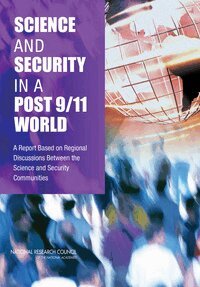
Based on a series of regional meetings on university campuses with officials from the national security community and academic research institutions, this report identifies specific actions that should be taken to maintain a thriving scientific research environment in an era of heightened security concerns. Actions include maintaining the open exchange of scientific information, fostering a productive environment for international scholars in the U.S., reexamining federal definitions of sensitive but unclassified research, and reviewing policies on deemed export controls. The federal government should establish a standing entity, preferably a Science and Security Commission, that would review policies regarding the exchange of information and the participation of foreign-born scientists and students in research.
438 kr
Läs direkt efter köp
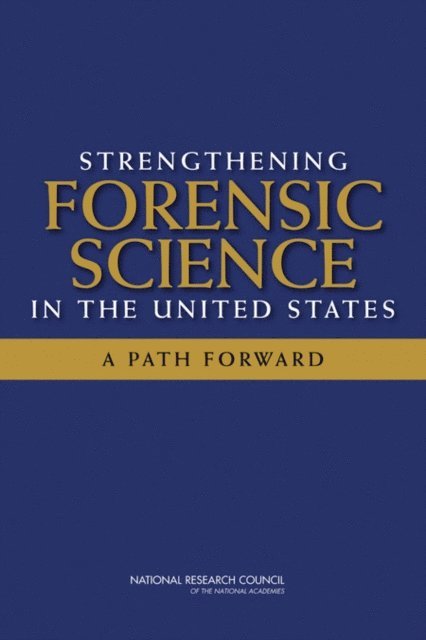
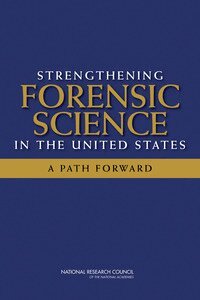
Scores of talented and dedicated people serve the forensic science community, performing vitally important work. However, they are often constrained by lack of adequate resources, sound policies, and national support. It is clear that change and advancements, both systematic and scientific, are needed in a number of forensic science disciplines to ensure the reliability of work, establish enforceable standards, and promote best practices with consistent application. Strengthening Forensic Science in the United States: A Path Forward provides a detailed plan for addressing these needs and suggests the creation of a new government entity, the National Institute of Forensic Science, to establish and enforce standards within the forensic science community.
The benefits of improving and regulating the forensic science disciplines are clear: assisting law enforcement officials, enhancing homeland security, and reducing the risk of wrongful conviction and exoneration. Strengthening Forensic Science in the United States gives a full account of what is needed to advance the forensic science disciplines, including upgrading of systems and organizational structures, better training, widespread adoption of uniform and enforceable best practices, and mandatory certification and accreditation programs.
While this book provides an essential call-to-action for congress and policy makers, it also serves as a vital tool for law enforcement agencies, criminal prosecutors and attorneys, and forensic science educators.
584 kr
Läs direkt efter köp
Scores of talented and dedicated people serve the forensic science community, performing vitally important work. However, they are often constrained by lack of adequate resources, sound policies, and national support. It is clear that change and advancements, both systematic and scientific, are needed in a number of forensic science disciplines to ensure the reliability of work, establish enforceable standards, and promote best practices with consistent application. Strengthening Forensic Science in the United States: A Path Forward provides a detailed plan for addressing these needs and suggests the creation of a new government entity, the National Institute of Forensic Science, to establish and enforce standards within the forensic science community.
The benefits of improving and regulating the forensic science disciplines are clear: assisting law enforcement officials, enhancing homeland security, and reducing the risk of wrongful conviction and exoneration. Strengthening Forensic Science in the United States gives a full account of what is needed to advance the forensic science disciplines, including upgrading of systems and organizational structures, better training, widespread adoption of uniform and enforceable best practices, and mandatory certification and accreditation programs.
While this book provides an essential call-to-action for congress and policy makers, it also serves as a vital tool for law enforcement agencies, criminal prosecutors and attorneys, and forensic science educators.
387 kr
Läs direkt efter köp
Thirty years ago federal policy underwent a major change through the Bayh-Dole Act of 1980, which fostered greater uniformity in the way research agencies treat inventions arising from the work they sponsor. Before the Act, if government agencies funded university research, the funding agency retained ownership of the knowledge and technologies that resulted. However, very little federally funded research was actually commercialized. As a result of the Act''s passage, patenting and licensing activity from such research has accelerated.
Although the system created by the Act has remained stable, it has generated debate about whether it might impede other forms of knowledge transfer. Concerns have also arisen that universities might prioritize commercialization at the expense of their traditional mission to pursue fundamental knowledge—for example, by steering research away from curiosity-driven topics toward applications that could yield financial returns. To address these concerns, the National Research Council convened a committee of experts from universities, industry, foundations, and similar organizations, as well as scholars of the subject, to review experience and evidence of the technology transfer system''s effects and to recommend improvements. The present volume summarizes the committee''s principal findings and recommendations.
368 kr
Läs direkt efter köp
Today, scores of companies, primarily in the United States and Europe, are offering whole genome scanning services directly to the public. The proliferation of these companies and the services they offer demonstrate a public appetite for this information and where the future of genetics may be headed; they also demonstrate the need for serious discussion about the regulatory environment, patient privacy, and other policy implications of direct-to-consumer (DTC) genetic testing. Rapid advances in genetic research already have begun to transform clinical practice and our understanding of disease progression. Existing research has revealed a genetic basis or component for numerous diseases, including Parkinson''s disease, Alzheimer''s disease, diabetes, heart disease, and several forms of cancer. The availability of the human genome sequence and the HapMap, plummeting costs of high-throughput screening, and increasingly sophisticated computational analyses have led to an explosion of discoveries of linkages between patterns of genetic variation and disease susceptibility. While this research is by no means a straight path toward better public health, improved knowledge of the genetic linkages has the potential to change fundamentally the way health professionals and public health practitioners approach the prevention and treatment of disease. Realizing this potential will require greater sophistication in the interpretation of genetic tests, new training for physicians and other diagnosticians, and new approaches to communicating findings to the public. As this rapidly growing field matures, all of these questions require attention from a variety of perspectives. To discuss some of the foregoing issues, several units of the National Academies held a workshop on August 31 and September 1, 2009, to bring together a still-developing community of professionals from a variety of relevant disciplines, to educate the public and policy-makers about this emerging field, and to identify issues for future study. The meeting featured several invited presentations and discussions on the many technical, legal, policy, and ethical questions that such DTC testing raises, including: (1) overview of the current state of knowledge and the future research trajectory; (2) shared genes and emerging issues in privacy; (3) the regulatory framework; and (4) education of the public and the medical community.
714 kr
Läs direkt efter köp
552 kr
Läs direkt efter köp
Based on a series of regional meetings on university campuses with officials from the national security community and academic research institutions, this report identifies specific actions that should be taken to maintain a thriving scientific research environment in an era of heightened security concerns. Actions include maintaining the open exchange of scientific information, fostering a productive environment for international scholars in the U.S., reexamining federal definitions of sensitive but unclassified research, and reviewing policies on deemed export controls. The federal government should establish a standing entity, preferably a Science and Security Commission, that would review policies regarding the exchange of information and the participation of foreign-born scientists and students in research.
276 kr
Läs direkt efter köp
In 1993, the U.S. Supreme Court in Daubert v. Merrell Dow Pharmaceuticals, Inc., laid out a new test for federal trial judges to use when determining the admissibility of expert testimony. In Daubert, the Court ruled that judges should act as gatekeepers, assessing the reliability of the scientific methodology and reasoning that supports expert testimony. The resulting judicial screening of expert testimony has been particularly consequential. While the Supreme Court sought to bring better science into the courtroom, questions remain about whether the lower courts'' application of Daubert accords with scientific practices. This report summarizes discussions held by an ad hoc committee of the The National Academies to consider the impact of Daubert and subsequent Supreme Court opinions and to identify questions for future study.
535 kr
Läs direkt efter köp
Today, scores of companies, primarily in the United States and Europe, are offering whole genome scanning services directly to the public. The proliferation of these companies and the services they offer demonstrate a public appetite for this information and where the future of genetics may be headed; they also demonstrate the need for serious discussion about the regulatory environment, patient privacy, and other policy implications of direct-to-consumer (DTC) genetic testing. Rapid advances in genetic research already have begun to transform clinical practice and our understanding of disease progression. Existing research has revealed a genetic basis or component for numerous diseases, including Parkinson''s disease, Alzheimer''s disease, diabetes, heart disease, and several forms of cancer. The availability of the human genome sequence and the HapMap, plummeting costs of high-throughput screening, and increasingly sophisticated computational analyses have led to an explosion of discoveries of linkages between patterns of genetic variation and disease susceptibility. While this research is by no means a straight path toward better public health, improved knowledge of the genetic linkages has the potential to change fundamentally the way health professionals and public health practitioners approach the prevention and treatment of disease. Realizing this potential will require greater sophistication in the interpretation of genetic tests, new training for physicians and other diagnosticians, and new approaches to communicating findings to the public. As this rapidly growing field matures, all of these questions require attention from a variety of perspectives. To discuss some of the foregoing issues, several units of the National Academies held a workshop on August 31 and September 1, 2009, to bring together a still-developing community of professionals from a variety of relevant disciplines, to educate the public and policy-makers about this emerging field, and to identify issues for future study. The meeting featured several invited presentations and discussions on the many technical, legal, policy, and ethical questions that such DTC testing raises, including: (1) overview of the current state of knowledge and the future research trajectory; (2) shared genes and emerging issues in privacy; (3) the regulatory framework; and (4) education of the public and the medical community.
609 kr
Läs direkt efter köp
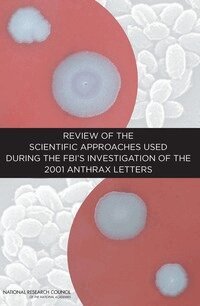
Less than a month after the September 11, 2001 attacks, letters containing spores of anthrax bacteria (Bacillus anthracis, or B. anthracis) were sent through the U.S. mail. Between October 4 and November 20, 2001, 22 individuals developed anthrax; 5 of the cases were fatal.
During its investigation of the anthrax mailings, the FBI worked with other federal agencies to coordinate and conduct scientific analyses of the anthrax letter spore powders, environmental samples, clinical samples, and samples collected from laboratories that might have been the source of the letter-associated spores. The agency relied on external experts, including some who had developed tests to differentiate among strains of B. anthracis. In 2008, seven years into the investigation, the FBI asked the National Research Council (NRC) of the National Academy of Sciences (NAS) to conduct an independent review of the scientific approaches used during the investigation of the 2001 B. anthracis mailings. Review of the Scientific Approaches Used During the FBI''s Investigation of the Anthrax Letters evaluates the scientific foundation for the techniques used by the FBI to determine whether these techniques met appropriate standards for scientific reliability and for use in forensic validation, and whether the FBI reached appropriate scientific conclusions from its use of these techniques. This report reviews and assesses scientific evidence considered in connection with the 2001 Bacillus anthracis mailings.
552 kr
Läs direkt efter köp
Thirty years ago federal policy underwent a major change through the Bayh-Dole Act of 1980, which fostered greater uniformity in the way research agencies treat inventions arising from the work they sponsor. Before the Act, if government agencies funded university research, the funding agency retained ownership of the knowledge and technologies that resulted. However, very little federally funded research was actually commercialized. As a result of the Act''s passage, patenting and licensing activity from such research has accelerated.
Although the system created by the Act has remained stable, it has generated debate about whether it might impede other forms of knowledge transfer. Concerns have also arisen that universities might prioritize commercialization at the expense of their traditional mission to pursue fundamental knowledge—for example, by steering research away from curiosity-driven topics toward applications that could yield financial returns. To address these concerns, the National Research Council convened a committee of experts from universities, industry, foundations, and similar organizations, as well as scholars of the subject, to review experience and evidence of the technology transfer system''s effects and to recommend improvements. The present volume summarizes the committee''s principal findings and recommendations.
649 kr
Skickas inom 11-20 vardagar
998 kr
Läs direkt efter köp
The Reference Manual on Scientific Evidence, Third Edition, assists judges in managing cases involving complex scientific and technical evidence by describing the basic tenets of key scientific fields from which legal evidence is typically derived and by providing examples of cases in which that evidence has been used.
First published in 1994 by the Federal Judicial Center, the Reference Manual on Scientific Evidence has been relied upon in the legal and academic communities and is often cited by various courts and others. Judges faced with disputes over the admissibility of scientific and technical evidence refer to the manual to help them better understand and evaluate the relevance, reliability and usefulness of the evidence being proffered. The manual is not intended to tell judges what is good science and what is not. Instead, it serves to help judges identify issues on which experts are likely to differ and to guide the inquiry of the court in seeking an informed resolution of the conflict.
The core of the manual consists of a series of chapters (reference guides) on various scientific topics, each authored by an expert in that field. The topics have been chosen by an oversight committee because of their complexity and frequency in litigation. Each chapter is intended to provide a general overview of the topic in lay terms, identifying issues that will be useful to judges and others in the legal profession. They are written for a non-technical audience and are not intended as exhaustive presentations of the topic. Rather, the chapters seek to provide judges with the basic information in an area of science, to allow them to have an informed conversation with the experts and attorneys.
1 055 kr
Läs direkt efter köp
The Reference Manual on Scientific Evidence, Third Edition, assists judges in managing cases involving complex scientific and technical evidence by describing the basic tenets of key scientific fields from which legal evidence is typically derived and by providing examples of cases in which that evidence has been used.
First published in 1994 by the Federal Judicial Center, the Reference Manual on Scientific Evidence has been relied upon in the legal and academic communities and is often cited by various courts and others. Judges faced with disputes over the admissibility of scientific and technical evidence refer to the manual to help them better understand and evaluate the relevance, reliability and usefulness of the evidence being proffered. The manual is not intended to tell judges what is good science and what is not. Instead, it serves to help judges identify issues on which experts are likely to differ and to guide the inquiry of the court in seeking an informed resolution of the conflict.
The core of the manual consists of a series of chapters (reference guides) on various scientific topics, each authored by an expert in that field. The topics have been chosen by an oversight committee because of their complexity and frequency in litigation. Each chapter is intended to provide a general overview of the topic in lay terms, identifying issues that will be useful to judges and others in the legal profession. They are written for a non-technical audience and are not intended as exhaustive presentations of the topic. Rather, the chapters seek to provide judges with the basic information in an area of science, to allow them to have an informed conversation with the experts and attorneys.
649 kr
Läs direkt efter köp
Less than a month after the September 11, 2001 attacks, letters containing spores of anthrax bacteria (Bacillus anthracis, or B. anthracis) were sent through the U.S. mail. Between October 4 and November 20, 2001, 22 individuals developed anthrax; 5 of the cases were fatal.
During its investigation of the anthrax mailings, the FBI worked with other federal agencies to coordinate and conduct scientific analyses of the anthrax letter spore powders, environmental samples, clinical samples, and samples collected from laboratories that might have been the source of the letter-associated spores. The agency relied on external experts, including some who had developed tests to differentiate among strains of B. anthracis. In 2008, seven years into the investigation, the FBI asked the National Research Council (NRC) of the National Academy of Sciences (NAS) to conduct an independent review of the scientific approaches used during the investigation of the 2001 B. anthracis mailings. Review of the Scientific Approaches Used During the FBI''s Investigation of the Anthrax Letters evaluates the scientific foundation for the techniques used by the FBI to determine whether these techniques met appropriate standards for scientific reliability and for use in forensic validation, and whether the FBI reached appropriate scientific conclusions from its use of these techniques. This report reviews and assesses scientific evidence considered in connection with the 2001 Bacillus anthracis mailings.
487 kr
Läs direkt efter köp
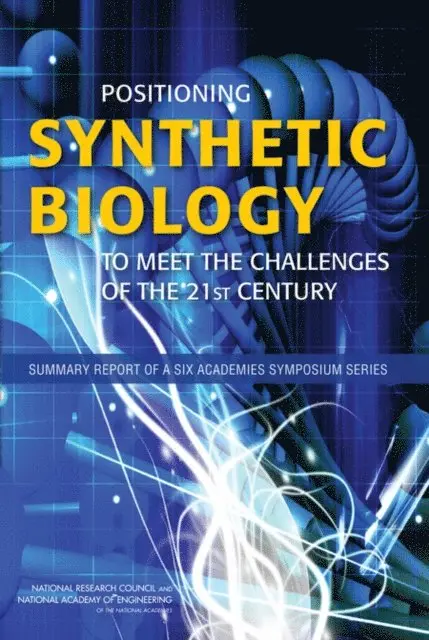
Synthetic biology—unlike any research discipline that precedes it—has the potential to bypass the less predictable process of evolution to usher in a new and dynamic way of working with living systems. Ultimately, synthetic biologists hope to design and build engineered biological systems with capabilities that do not exist in natural systems—capabilities that may ultimately be used for applications in manufacturing, food production, and global health. Importantly, synthetic biology represents an area of science and engineering that raises technical, ethical, regulatory, security, biosafety, intellectual property, and other issues that will be resolved differently in different parts of the world. As a better understanding of the global synthetic biology landscape could lead to tremendous benefits, six academies—the United Kingdom''s Royal Society and Royal Academy of Engineering, the United States'' National Academy of Sciences and National Academy of Engineering, and the Chinese Academy of Science and Chinese Academy of Engineering—organized a series of international symposia on the scientific, technical, and policy issues associated with synthetic biology. Positioning Synthetic Biology to Meet the Challenges of the 21st Century summarizes the symposia proceedings.
316 kr
Skickas
454 kr
Läs direkt efter köp
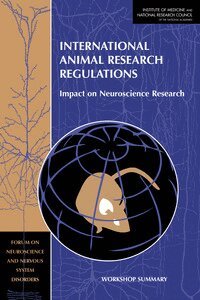
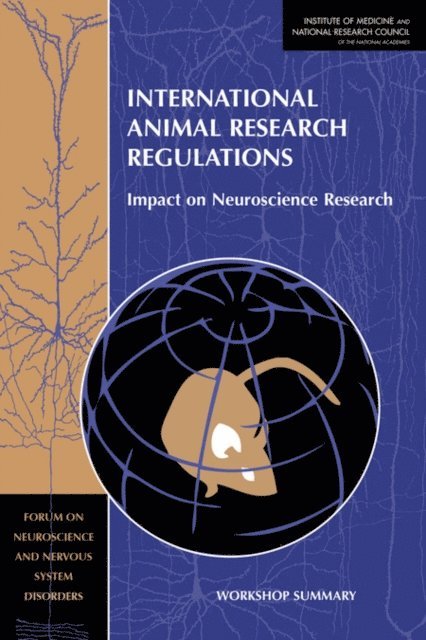
Animals are widely used in neuroscience research to explore biological mechanisms of nervous system function, to identify the genetic basis of disease states, and to provide models of human disorders and diseases for the development of new treatments. To ensure the humane care and use of animals, numerous laws, policies, and regulations are in place governing the use of animals in research, and certain animal regulations have implications specific to neuroscience research.
To consider animal research regulations from a global perspective, the IOM Forum on Neuroscience and Nervous System Disorders, in collaboration with the National Research Council and the Institute for Laboratory Animal Research, held a workshop in Buckinghamshire, UK, July 26-27, 2011. The workshop brought together neuroscientists, legal scholars, administrators, and other key stakeholders to discuss current and emerging trends in animal regulations as they apply to the neurosciences. This document summarizes the workshop.
535 kr
Läs direkt efter köp
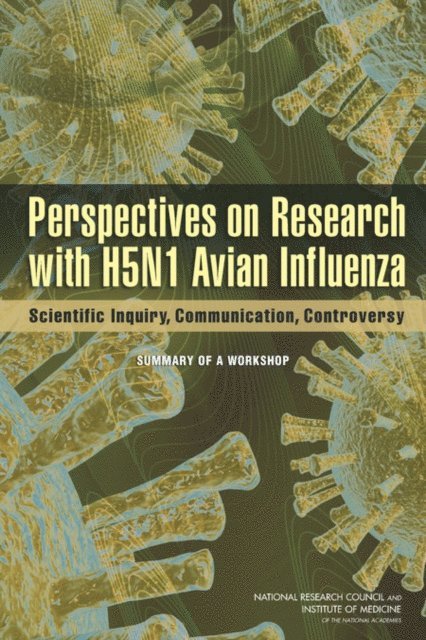
When, in late 2011, it became public knowledge that two research groups had submitted for publication manuscripts that reported on their work on mammalian transmissibility of a lethal H5N1 avian influenza strain, the information caused an international debate about the appropriateness and communication of the researchers'' work, the risks associated with the work, partial or complete censorship of scientific publications, and dual-use research of concern in general.
Recognizing that the H5N1 research is only the most recent scientific activity subject to widespread attention due to safety and security concerns, on May 1, 2012, the National Research Council''s Committee on Science, Technology and Law, in conjunction with the Board on Life Sciences and the Institute of Medicine''s Forum on Microbial Threats, convened a one-day public workshop for the purposes of 1) discussing the H5N1 controversy; 2) considering responses by the National Institute of Allergy and Infectious Diseases (NIAID), which had funded this research, the World Health Organization, the U.S. National Science Advisory Board for Biosecurity (NSABB), scientific publishers, and members of the international research community; and 3) providing a forum wherein the concerns and interests of the broader community of stakeholders, including policy makers, biosafety and biosecurity experts, non-governmental organizations, international organizations, and the general public might be articulated.
Perspectives on Research with H5N1 Avian Influenza: Scientific Enquiry, Communication, Controversy summarizes the proceedings of the workshop.
811 kr
Läs direkt efter köp
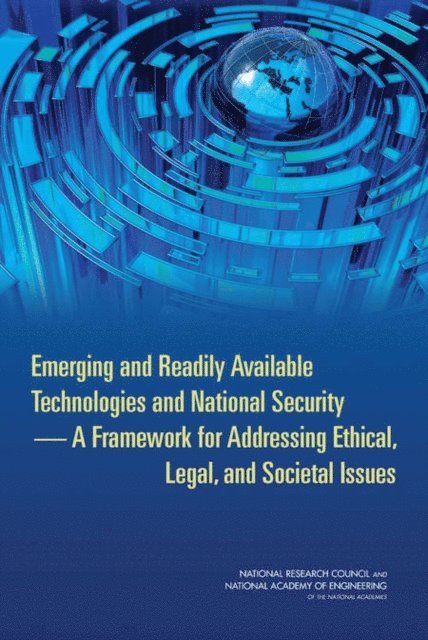
Emerging and Readily Available Technologies and National Security is a study on the ethical, legal, and societal issues relating to the research on, development of, and use of rapidly changing technologies with low barriers of entry that have potential military application, such as information technologies, synthetic biology, and nanotechnology. The report also considers the ethical issues associated with robotics and autonomous systems, prosthetics and human enhancement, and cyber weapons. These technologies are characterized by readily available knowledge access, technological advancements that can take place in months instead of years, the blurring of lines between basic research and applied research, and a high uncertainty about how the future trajectories of these technologies will evolve and what applications will be possible.
Emerging and Readily Available Technologies and National Security addresses topics such as the ethics of using autonomous weapons that may be available in the future; the propriety of enhancing the physical or cognitive capabilities of soldiers with drugs or implants or prosthetics; and what limits, if any, should be placed on the nature and extent of economic damage that cyber weapons can cause. This report explores three areas with respect to emerging and rapidly available technologies: the conduct of research; research applications; and unanticipated, unforeseen, or inadvertent ethical, legal, and societal issues. The report articulates a framework for policy makers, institutions, and individual researchers to think about issues as they relate to these technologies of military relevance and makes recommendations for how each of these groups should approach these considerations in its research activities. Emerging and Readily Available Technologies and National Security makes an essential contribution to incorporate the full consideration of ethical, legal, and societal issues in situations where rapid technological change may outpace our ability to foresee consequences.
361 kr
Skickas
552 kr
Läs direkt efter köp
Each year, tens of millions of individuals in the U.S. suffer from neurological and psychiatric disorders including neurodegenerative diseases such as Alzheimer''s Disease and Parkinson''s Disease, and psychiatric disorders such as autism spectrum disorder, depression and schizophrenia. Treatments for these diseases are often completely lacking or only partially effective, due in large part to the difficulty of conducting brain research and the complexity of the brain itself.
Researchers in recent years have developed new models to better represent and study the human brain. The three models considered in this report, all of which generate and use pluripotent stem cells from healthy individuals and patients, are human neural organoids, human neural transplants, and human-animal neural chimeras. The Emerging Field of Human Neural Organoids, Transplants, and Chimeras: Science, Ethics, and Governance reviews the status of research, considers its benefits and risks, discusses associated ethical issues, and considers governance mechanisms for this type of research.
600 kr
Läs direkt efter köp
Identifying the Culprit: Assessing Eyewitness Identification makes the case that better data collection and research on eyewitness identification, new law enforcement training protocols, standardized procedures for administering line-ups, and improvements in the handling of eyewitness identification in court can increase the chances that accurate identifications are made. This report explains the science that has emerged during the past 30 years on eyewitness identifications and identifies best practices in eyewitness procedures for the law enforcement community and in the presentation of eyewitness evidence in the courtroom. In order to continue the advancement of eyewitness identification research, the report recommends a focused research agenda.
602 kr
Läs direkt efter köp
On October 17, 2014, spurred by incidents at U.S. government laboratories that raised serious biosafety concerns, the United States government launched a one-year deliberative process to address the continuing controversy surrounding so-called "gain-of-function" (GOF) research on respiratory pathogens with pandemic potential. The gain of function controversy began in late 2011 with the question of whether to publish the results of two experiments involving H5N1 avian influenza and continued to focus on certain research with highly pathogenic avian influenza over the next three years. The heart of the U.S. process is an evaluation of the potential risks and benefits of certain types of GOF experiments with influenza, SARS, and MERS viruses that would inform the development and adoption of a new U.S. Government policy governing the funding and conduct of GOF research.
Potential Risks and Benefits of Gain-of-Function Research is the summary of a two-day public symposia on GOF research. Convened in December 2014 by the Institute of Medicine and the National Research Council, the main focus of this event was to discuss principles important for, and key considerations in, the design of risk and benefit assessments of GOF research. Participants examined the underlying scientific and technical questions that are the source of current discussion and debate over GOF research involving pathogens with pandemic potential. This report is a record of the presentations and discussion of the meeting.
867 kr
Läs direkt efter köp
Research universities are critical contributors to our national research enterprise. They are the principal source of a world-class labor force and fundamental discoveries that enhance our lives and the lives of others around the world. These institutions help to create an educated citizenry capable of making informed and crucial choices as participants in a democratic society. However many are concerned that the unintended cumulative effect of federal regulations undercuts the productivity of the research enterprise and diminishes the return on the federal investment in research.
Optimizing the Nation''s Investment in Academic Research reviews the regulatory framework as it currently exists, considers specific regulations that have placed undue and often unanticipated burdens on the research enterprise, and reassesses the process by which these regulations are created, reviewed, and retired. This review is critical to strengthen the partnership between the federal government and research institutions, to maximize the creation of new knowledge and products, to provide for the effective training and education of the next generation of scholars and workers, and to optimize the return on the federal investment in research for the benefit of the American people.
819 kr
Läs direkt efter köp
On March 10-11, 2016, the National Academies of Sciences, Engineering, and Medicine held a public symposium on potential U.S. government policies for the oversight of gain-of- function (GOF) research. This was the Academies'' second meeting held at the request of the U.S. government to provide a mechanism to engage the life sciences community and the broader public and solicit feedback on optimal approaches to ensure effective federal oversight of GOF research as part of a broader U.S. government deliberative process.
The first symposium, held in December 2014, examined the underlying scientific and technical questions surrounding the potential risks and benefits of GOF research involving pathogens with pandemic potential. The second symposium focused on discussion of the draft recommendations regarding GOF research of a Working Group of the National Science Advisory Board for Biosecurity. This report summarizes the key issues and ideas identified during the second symposium.
600 kr
Läs direkt efter köp
The potential misuse of advances in life sciences research is raising concerns about national security threats. Dual Use Research of Concern in the Life Sciences: Current Issues and Controversies examines the U.S. strategy for reducing biosecurity risks in life sciences research and considers mechanisms that would allow researchers to manage the dissemination of the results of research while mitigating the potential for harm to national security.
665 kr
Läs direkt efter köp