Brijesh K. Tiwari – författare
1 646 kr
Läs direkt efter köp
1 390 kr
Skickas inom 10-15 vardagar
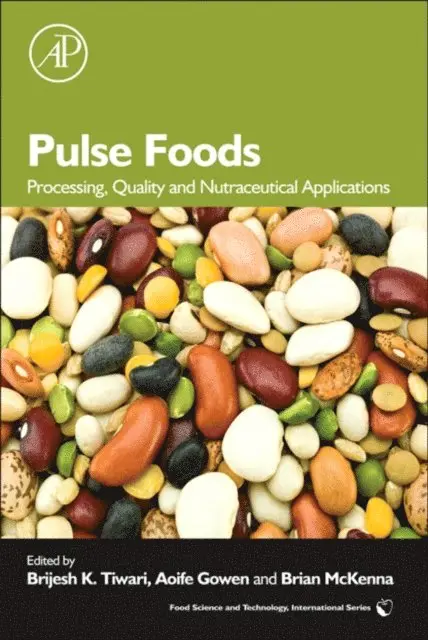
Pulses are nutritionally diverse crops that can be successfully utilized as a food ingredient or a base for new product development. They provide a natural food grade ingredient that is rich in lysine, dietary fiber, complex carbohydrates, protein and B-vitamins�suggesting that pulses can provide a variety of health benefits such as reducing heart disease and diabetes. Interest in the use of pulses and their ingredients in food formulations is growing and several factors are contributing to this drive. Pulse Foods: Processing, Quality and Nutraceutical Applications�is the first book to�provide up-to-date information on novel and emerging technologies for the processing of whole pulses, techniques for fractionating pulses into ingredients, their functional and nutritional properties, as well as their potential applications, so that the food industry can use this knowledge to incorporate pulses into new food products.
First reference bringing together essential information on the processing technology of pulses
Addresses processing challenges relevant to legume and pulse grain processors
Delivers insights into the current state-of-art and emerging processing technologies
In depth coverage of developments in nutraceutical applications of pulse protein and carbohydrate based foods
1 440 kr
Läs direkt efter köp
1 652 kr
Skickas inom 10-15 vardagar
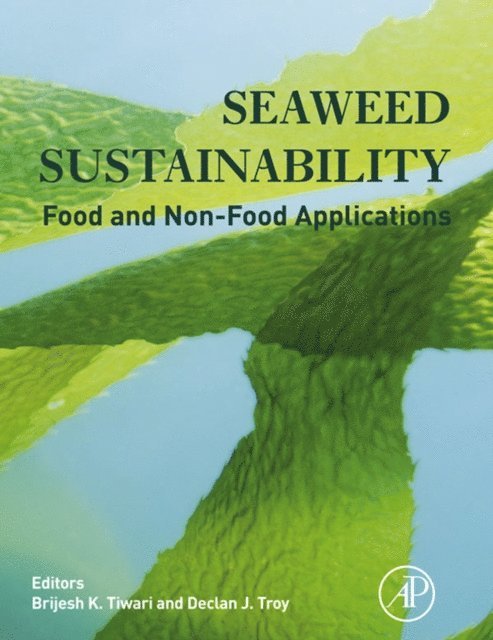
Seaweed Sustainability: Food and Non-Food Applications is the only evidence-based resource that offers an abundance of information on the applications of seaweed as a solution to meet an increasing global demand for sustainable food source.
The book uncovers seaweed potential and describes the various sources of seaweed, the role of seaweeds as a sustainable source for human food and animal feeds, and the role of seaweed farming for sustainability. In addition to harvesting and processing information, the book discusses the benefits of seaweed in human nutrition and its nutraceutical properties.
Offers different perspectives by presenting examples of commercial utilization of wild-harvested or cultivated algae, marine and freshwater seaweeds Discusses seasonal and cultivar variations in seaweeds for a better understanding of their implications in commercial applications Includes a wide range of micro and macro algae for food and feed production and provides perspectives on seaweed as a potential energy source1 958 kr
Läs direkt efter köp
2 449 kr
Skickas inom 10-15 vardagar
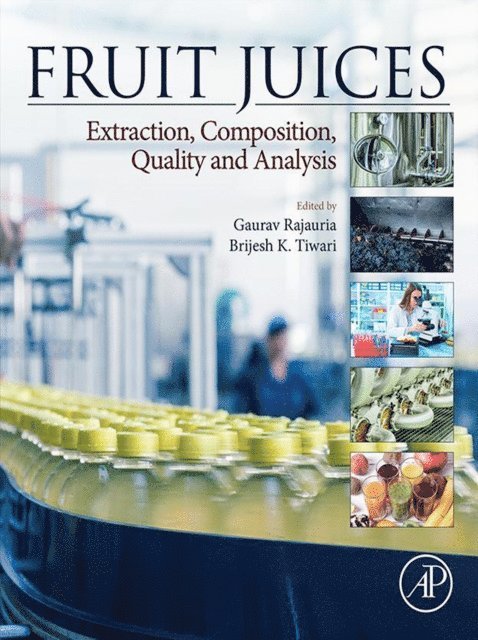
Fruits Juices is the first and only comprehensive resource to look at the full scope of fruit juices from a scientific perspective. The book focuses not only on the traditional ways to extract and preserve juices, but also the latest novel processes that can be exploited industrially, how concentrations of key components alter the product, and methods for analysis for both safety and consumer acceptability. Written by a team of global experts, this book provides important insights for professionals in industrial and academic research as well as in production facilities.
Presents fruit juice from extraction to shelf-life in a single resource volume Includes quantitative as well as qualitative insights Provides translatable information from one fruit to another3 560 kr
Läs direkt efter köp
1 477 kr
Skickas inom 10-15 vardagar
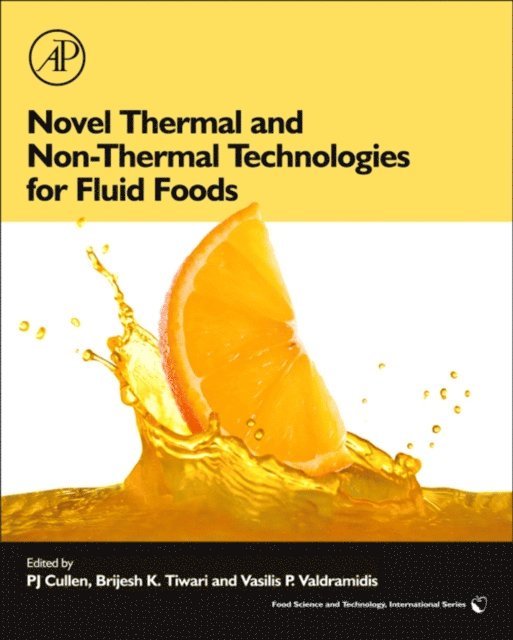
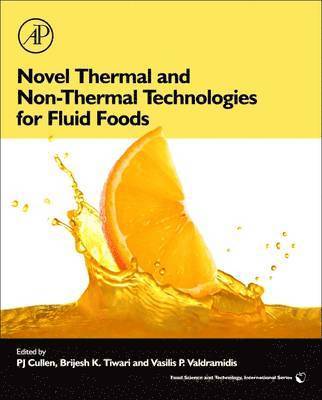
Food processing is the step of the food chain that principally affects a food's physical or biochemical properties, along with determining the safety and shelf life of the product. This book provides a comprehensive overview of innovations in non-thermal technologies specifically for fluid foods, recognized for their high bioavailability of macronutrients and micronutrients.
Considerable resources and expertise has been devoted to the processing of safe and wholesome foods. Non-thermal technologies have been developed as an alternative to thermal processing, while still meeting required safety or shelf-life demands and minimising the effects on its nutritional and quality attributes.
Examines non-thermal processing techniques specifically applied to fluid foods Includes methods for mathematically evaluating each technique Addresses global regulatory requirements for fluid foods Provides recommendations and opportunities for various safety-related issues1 814 kr
Skickas inom 10-15 vardagar
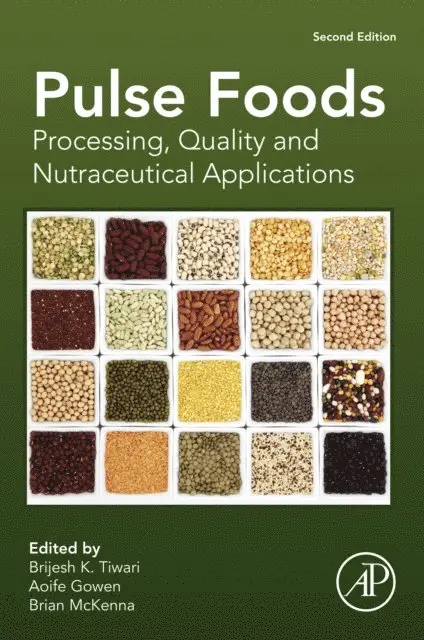
Pulse Foods: Processing, Quality and Nutraceutical Applications, Second Edition, provides up-to-date information on emerging technologies for the processing of whole pulses, techniques for fractionating pulses into ingredients, their functional and nutritional properties, as well as their potential applications, so that the food industry can incorporate pulses into new food products. Since the first edition, significant developments have occurred in various aspects of pulse, pulse chemistry, processing and applications.
This second edition provides thorough and authoritative coverage of pulse quality, technology and nutraceutical applications. Pulse Foods: Processing, Quality and Nutraceutical Applications, Second Edition,�will continue to be an important resource for academics, students, researchers and industry professionals in providing essential details on various aspects of pulse foods.
Fully revised and updated with new chapters on nutritional and health properties, storage and pre-processing, extraction technologies and sustainability topics Addresses processing challenges relevant to legume and pulse grain processors Delivers insights into the current state-of-art and emerging processing technologies In depth coverage of developments in nutraceutical applications of pulse protein and carbohydrate based foods2 528 kr
Läs direkt efter köp
1 727 kr
Kommande
1 440 kr
Skickas inom 10-15 vardagar
2 047 kr
Läs direkt efter köp
1 938 kr
Skickas inom 10-15 vardagar
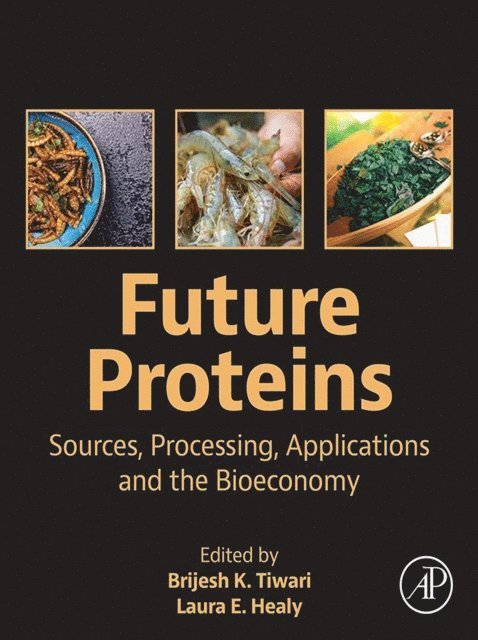
Future Proteins: Sources, Processing, Applications and the Bioeconomy presents sources of alternative proteins and the novel processing technologies associated with these new proteins, including their vast food and non-food applications and their contributions to the circular economy that ties them together. Broken into three sections, chapters focus on alternative proteins including cereals, legumes and pulses, fungi, seafoods, insects, and others before assessing novel production technologies and alternative protein applications. Through the use of content features, specifically definitions, case studies, recent developments, data, and methods, this reference assists readers in understanding how to apply current knowledge and techniques to their research.
This book is intended for any stakeholders involved in the alternative protein industry as it provides a clear and comprehensive review of the industry. It will be of interest to food scientists, technologists, food industry personnel, academics and graduate students researching this and related topics.
Discusses the various industrial applications of the proposed proteins, from powdered algal for the nutraceuticals market to insect pastas and bacterial-protein flour Provides a comprehensive overview of recent advances on the identification of potentially important compounds in these alternative proteins Outlines advances in proteins characterization, processing and purification techniques Focuses on biologically active proteins and their beneficial impact on humans Addresses implications for legislation that forward novel foods2 759 kr
Läs direkt efter köp
1 440 kr
Skickas inom 10-15 vardagar
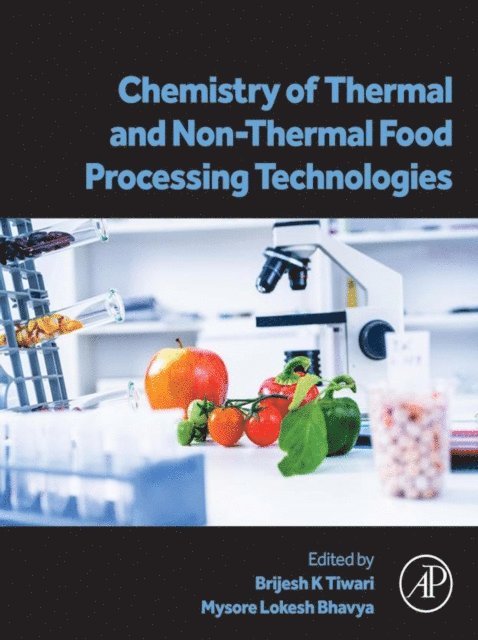
Chemistry of Thermal and Non-Thermal Food Processing Technologies provides the latest information to the food science community about the chemistry of emerging food processing technologies, including the fundamentals, recent trends, chemistry aspects in terms of quality parameters, and microbial inactivation for each technology. Divided in 4 sections, the book focus on a range of emerging technologies, such as microwave processing of food, radio frequency processing, infrared processing, ohmic heating, drying technologies, ionizing radiation processing, among others.All chapters include the following common features: principle, scope and mechanisms; effect on macromolecules (proteins, lipids, carbohydrates); effect on bioactives (Vitamins, minerals, bioactive agents); chemistry of microbial inactivation; and degradation mechanisms.
Covers the chemistry aspect of novel food processing technologiesIncludes chemical constituents associated with food quality and nutritional properties of foodBrings fundamental, recent trends, and chemistry aspects in terms of quality parameters and microbial inactivation1 820 kr
Läs direkt efter köp
1 726 kr
Skickas inom 10-15 vardagar
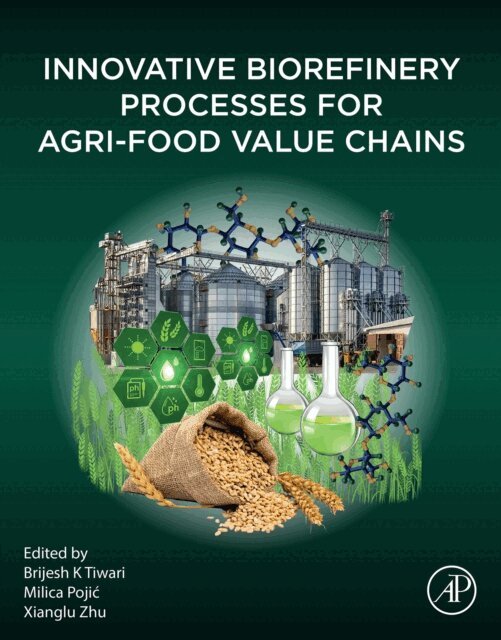
Innovative Biorefinery Processes for Agri-Food Value Chains provides detailed information on biorefinery concepts and technologies and their applications in agri-food value chains. It covers various topics related to biorefinery, such as biomass feedstocks, conversion technologies, product recovery, and economic and environmental sustainability.Divided into five sections, the first one brings the definitions and fundamental information of agri-food biorefinery. The second section explores biomass for agri-food biorefinery. Section three deals with technological aspects of biorefinery, while Section four brings Novel value chains using renewable biomass for food biorefinery and bioproducts, and Section five presents the environmental and social aspects of biorefinery.The book also includes case studies and examples of successful biorefinery projects from around the world.Edited by a team of experts in the field, this book is a great resource for researchers, academics, industry professionals, policymakers, and graduate and post-graduate students working in the fields of food science and technology, agriculture, and sustainable development.
Discusses the economic and environmental sustainability of biorefinery systems, including their impact on the circular economy and the bioeconomyCovers the application of biorefinery in agri-food value chains, including case studies and examplesExplains biorefinery concepts and technologies, including their benefits and limitations2 184 kr
Läs direkt efter köp
2 644 kr
Skickas inom 5-8 vardagar
1 765 kr
Läs direkt efter köp
2 673 kr
Läs direkt efter köp
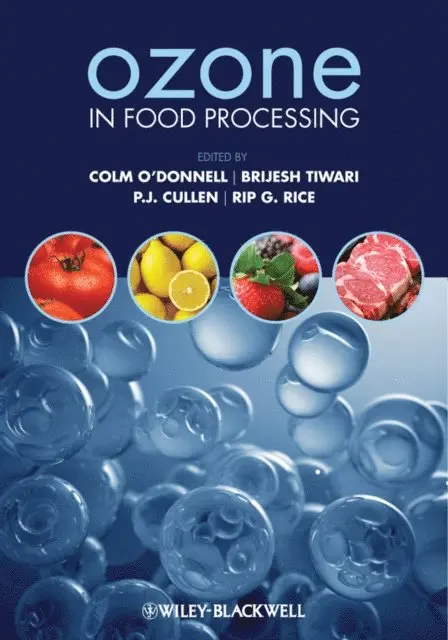
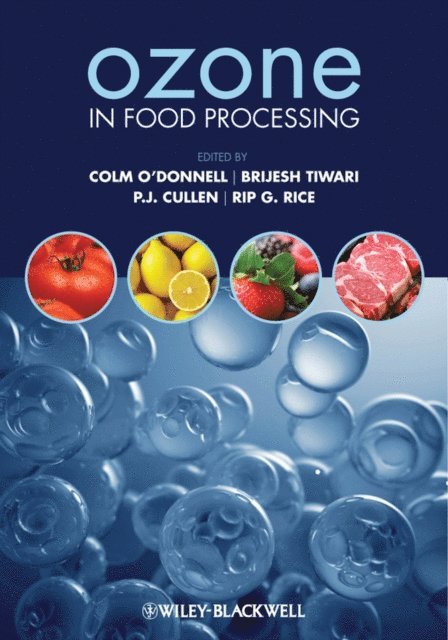
The chemical and physical properties of ozone are described, along with its microbial inactivation mechanisms. The various methods of ozone production are compared, including their economic and technical aspects. Several chapters are dedicated to the major food processing applications: fruit and vegetables, grains, meat, seafood and food hydrocolloids, and the effects on nutritional and quality parameters will be reviewed throughout. Further chapters examine the role of ozone in water treatment, in food waste treatment and in deactivating pesticide residues. The international regulatory and legislative picture is addressed, as are the health and safety implications of ozone processing and possible future trends.
2 603 kr
Läs direkt efter köp
The chemical and physical properties of ozone are described, along with its microbial inactivation mechanisms. The various methods of ozone production are compared, including their economic and technical aspects. Several chapters are dedicated to the major food processing applications: fruit and vegetables, grains, meat, seafood and food hydrocolloids, and the effects on nutritional and quality parameters will be reviewed throughout. Further chapters examine the role of ozone in water treatment, in food waste treatment and in deactivating pesticide residues. The international regulatory and legislative picture is addressed, as are the health and safety implications of ozone processing and possible future trends.
2 563 kr
Läs direkt efter köp
Handbook of Plant Food Phytochemicals
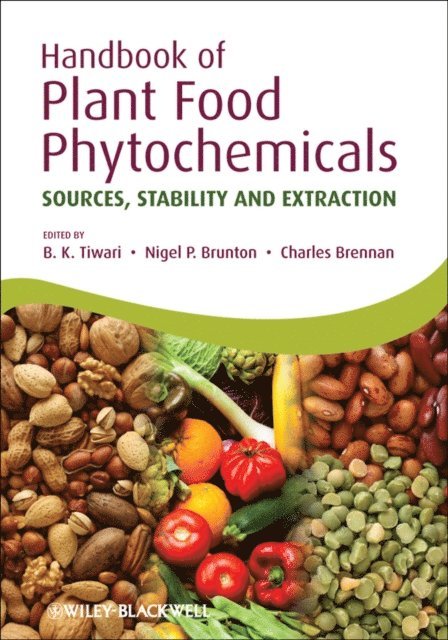
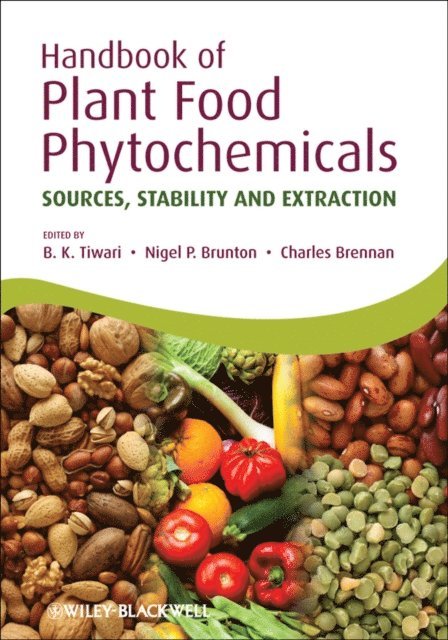
Phytochemicals are plant-derived chemicals which may bestow health benefits when consumed, whether medicinally or as part of a balanced diet. Given that plant foods are a major component of most diets worldwide, it is unsurprising that these foods represent the greatest source of phytochemicals for most people. Yet it is only relatively recently that due recognition has been given to the importance of phytochemicals in maintaining our health. New evidence for the role of specific plant food phytochemicals in protecting against the onset of diseases such as cancers and heart disease is continually being put forward. The increasing awareness of consumers of the link between diet and health has exponentially increased the number of scientific studies into the biological effects of these substances.
The Handbook of Plant Food Phytochemicals provides a comprehensive overview of the occurrence, significance and factors affecting phytochemicals in plant foods. A key objective of the book is to critically evaluate these aspects. Evaluation of the evidence for and against the quantifiable health benefits being imparted is expressed in terms of the reduction in the risk of disease conferred through the consumption of foods that are rich in phytochemicals.
With world-leading editors and contributors, the Handbook of Plant Food Phytochemicals is an invaluable, cutting-edge resource for food scientists, nutritionists and plant biochemists. It covers the processing techniques aimed at the production of phytochemical-rich foods which can have a role in disease prevention, making it ideal for both the food industry and those who are researching the health benefits of particular foods. Lecturers and advanced students will find it a helpful and readable guide to a constantly expanding subject area.
2 563 kr
Läs direkt efter köp
Handbook of Plant Food Phytochemicals
Phytochemicals are plant-derived chemicals which may bestow health benefits when consumed, whether medicinally or as part of a balanced diet. Given that plant foods are a major component of most diets worldwide, it is unsurprising that these foods represent the greatest source of phytochemicals for most people. Yet it is only relatively recently that due recognition has been given to the importance of phytochemicals in maintaining our health. New evidence for the role of specific plant food phytochemicals in protecting against the onset of diseases such as cancers and heart disease is continually being put forward. The increasing awareness of consumers of the link between diet and health has exponentially increased the number of scientific studies into the biological effects of these substances.
The Handbook of Plant Food Phytochemicals provides a comprehensive overview of the occurrence, significance and factors affecting phytochemicals in plant foods. A key objective of the book is to critically evaluate these aspects. Evaluation of the evidence for and against the quantifiable health benefits being imparted is expressed in terms of the reduction in the risk of disease conferred through the consumption of foods that are rich in phytochemicals.
With world-leading editors and contributors, the Handbook of Plant Food Phytochemicals is an invaluable, cutting-edge resource for food scientists, nutritionists and plant biochemists. It covers the processing techniques aimed at the production of phytochemical-rich foods which can have a role in disease prevention, making it ideal for both the food industry and those who are researching the health benefits of particular foods. Lecturers and advanced students will find it a helpful and readable guide to a constantly expanding subject area.
3 101 kr
Läs direkt efter köp
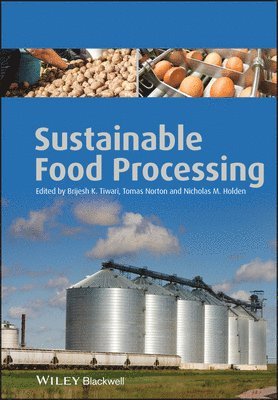
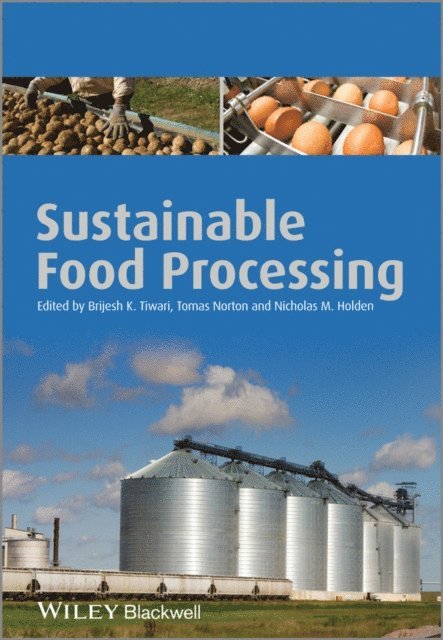
Food processors face numerous challenges from ever-changing economic, social and environmental conditions. With global inequalities increasing, ingredient costs climbing, and global climate change becoming a major political issue, food producers must now address environmental concerns, social responsibility and economic viability when shaping their food processing techniques for the future.
Food production, preservation and distribution contribute to greenhouse gas emissions from the agri-food sector, therefore food producers require detailed, industrially relevant information that addresses these challenges. The food industry, as one of the world’s largest users of energy, must embrace new ways of meeting the needs of the present without compromising future viability. It is important that the industry does not merely focus on simple indicators of sustainability that are relatively easy to calculate and hold appeal for governments and the public, but which do not properly address the many dimensions of sustainability.
This book provides a comprehensive overview of both economic sustainability and the environmental concerns that relate to food processing. It is divided into four sections. Part one deals with principles and assessment of sustainability in the context of food processing; Part two summarises sustainability in various food processing applications within the food industry; Part three considers sustainability in food manufacturing operations that are vital in food production systems; and Part four addresses sustainable food distribution and consumption. As the most comprehensive reference book for industry to date, this book will provide engineers, educators, researchers, policy makers and scientists working in the food industry with a valuable resource for their work.
3 101 kr
Läs direkt efter köp
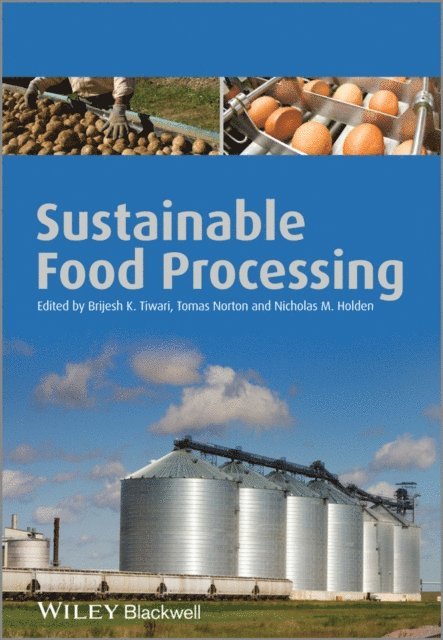
Food processors face numerous challenges from ever-changing economic, social and environmental conditions. With global inequalities increasing, ingredient costs climbing, and global climate change becoming a major political issue, food producers must now address environmental concerns, social responsibility and economic viability when shaping their food processing techniques for the future.
Food production, preservation and distribution contribute to greenhouse gas emissions from the agri-food sector, therefore food producers require detailed, industrially relevant information that addresses these challenges. The food industry, as one of the world’s largest users of energy, must embrace new ways of meeting the needs of the present without compromising future viability. It is important that the industry does not merely focus on simple indicators of sustainability that are relatively easy to calculate and hold appeal for governments and the public, but which do not properly address the many dimensions of sustainability.
This book provides a comprehensive overview of both economic sustainability and the environmental concerns that relate to food processing. It is divided into four sections. Part one deals with principles and assessment of sustainability in the context of food processing; Part two summarises sustainability in various food processing applications within the food industry; Part three considers sustainability in food manufacturing operations that are vital in food production systems; and Part four addresses sustainable food distribution and consumption. As the most comprehensive reference book for industry to date, this book will provide engineers, educators, researchers, policy makers and scientists working in the food industry with a valuable resource for their work.
2 110 kr
Skickas inom 5-8 vardagar
2 460 kr
Läs direkt efter köp
Reviews innovative processing techniques and recent developments in food formulation, identification, and utilization of functional ingredients
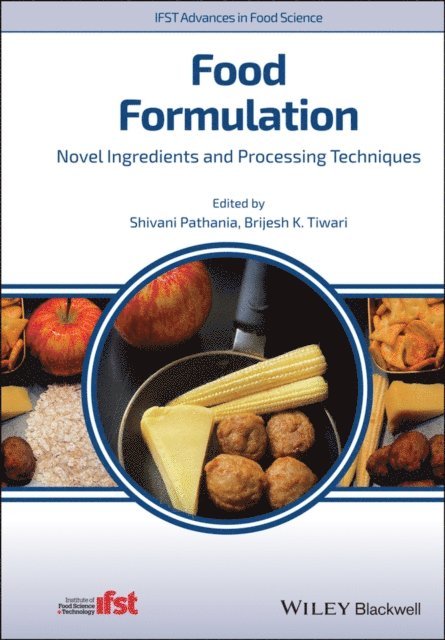
Food Formulation: Novel Ingredients and Processing Techniques is a comprehensive and up-to-date account of novel food ingredients and new processing techniques used in advanced commercial food formulations. This unique volume will help students and industry professionals alike in understanding the current trends, emerging technologies, and their impact on the food formulation techniques. Contributions from leading academic and industrial experts provide readers with informed and relevant insights on using the latest technologies and production processes for new product development and reformulations.
The text first describes the basis of a food formulation, including smart protein and starch ingredients, healthy ingredients such as salt and sugar replacers, and interactions within the food components. Emphasizing operational principles, the book reviews state-of-the-art 3D printing technology, encapsulation and a range of emerging technologies including high pressure, pulsed electric field, ultrasound and supercritical fluid extraction. The final chapters discuss recent developments and trends in food formulation, from foods that target allergies and intolerance, to prebiotic and probiotic food formulation designed to improve gut health. A much-needed reference on novel sourcing of food ingredients, processing technologies, and application, this book:
Explores new food ingredients as well as impact of processing on ingredient interactions Describes new techniques that improve the flavor and acceptability of functional food ingredients Reviews mathematical tools used for recipe formulation, process control and consumer studies Includes regulations and legislations around tailor-made food productsFood Formulation: Novel Ingredients and Processing Techniques is an invaluable resource for students, educators, researchers, food technologists, and professionals, engineers and scientists across the food industry.

2 460 kr
Läs direkt efter köp
Reviews innovative processing techniques and recent developments in food formulation, identification, and utilization of functional ingredients
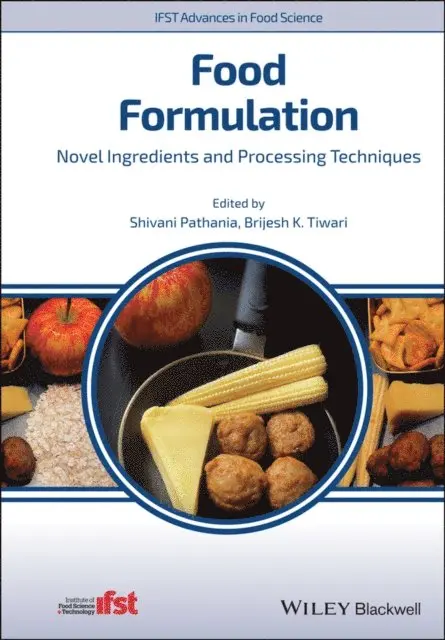
Food Formulation: Novel Ingredients and Processing Techniques is a comprehensive and up-to-date account of novel food ingredients and new processing techniques used in advanced commercial food formulations. This unique volume will help students and industry professionals alike in understanding the current trends, emerging technologies, and their impact on the food formulation techniques. Contributions from leading academic and industrial experts provide readers with informed and relevant insights on using the latest technologies and production processes for new product development and reformulations.
The text first describes the basis of a food formulation, including smart protein and starch ingredients, healthy ingredients such as salt and sugar replacers, and interactions within the food components. Emphasizing operational principles, the book reviews state-of-the-art 3D printing technology, encapsulation and a range of emerging technologies including high pressure, pulsed electric field, ultrasound and supercritical fluid extraction. The final chapters discuss recent developments and trends in food formulation, from foods that target allergies and intolerance, to prebiotic and probiotic food formulation designed to improve gut health. A much-needed reference on novel sourcing of food ingredients, processing technologies, and application, this book:
Explores new food ingredients as well as impact of processing on ingredient interactions Describes new techniques that improve the flavor and acceptability of functional food ingredients Reviews mathematical tools used for recipe formulation, process control and consumer studies Includes regulations and legislations around tailor-made food productsFood Formulation: Novel Ingredients and Processing Techniques is an invaluable resource for students, educators, researchers, food technologists, and professionals, engineers and scientists across the food industry.