2 042 kr
Läs direkt efter köp
2 042 kr
Läs direkt efter köp
1 436 kr
Skickas inom 10-15 vardagar
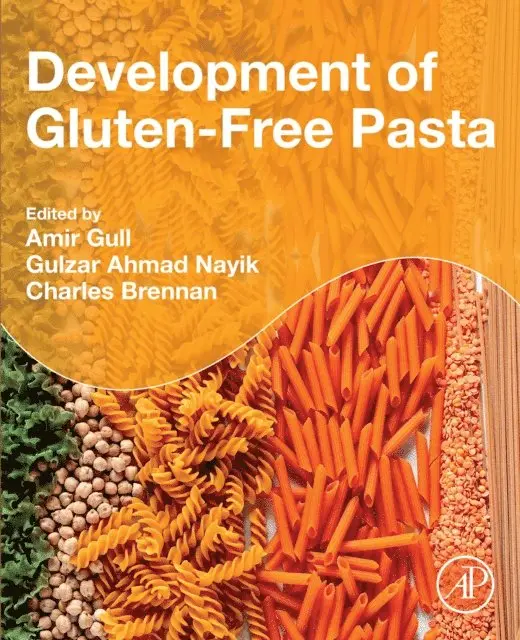
Development of Gluten-Free Pasta summarizes current progress in the development of gluten-free (GF) products, focusing particularly on pasta products. Presented in 11 chapters, the book focuses on the role of prebiotic fiber, hydrocolloids, fruit and vegetable by-product pomace and the physical, microstructural, sensory, and nutritional properties of the gluten-free pasta. The science of gluten intolerance is explained as well, with all relevant literature gathered and summarized in one place. Hence, this book lays a very solid foundation for the development of GF pasta which can be exploited as an essential therapeutic tool in the prevention of celiac disease. This comprehensive reference, written by world renowned scientists who elaborate on the study of different selected additives of plant origin, provides immense assistance in the field of research as many areas are still unexplored in the field of cereal science & technology.
Provides a comprehensive application of pseudocereals, hydrocolloids, and prebiotic dietary fiber in the development of gluten-free pastaBrings holistic and integrated coverage of the role of plant derived ingredients in the development of gluten-free pastaCovers the utilization of pseudo cereals for food, nutritional, and economical security2 050 kr
Skickas inom 10-15 vardagar
2 594 kr
Läs direkt efter köp
1 797 kr
Skickas inom 10-15 vardagar
2 094 kr
Läs direkt efter köp
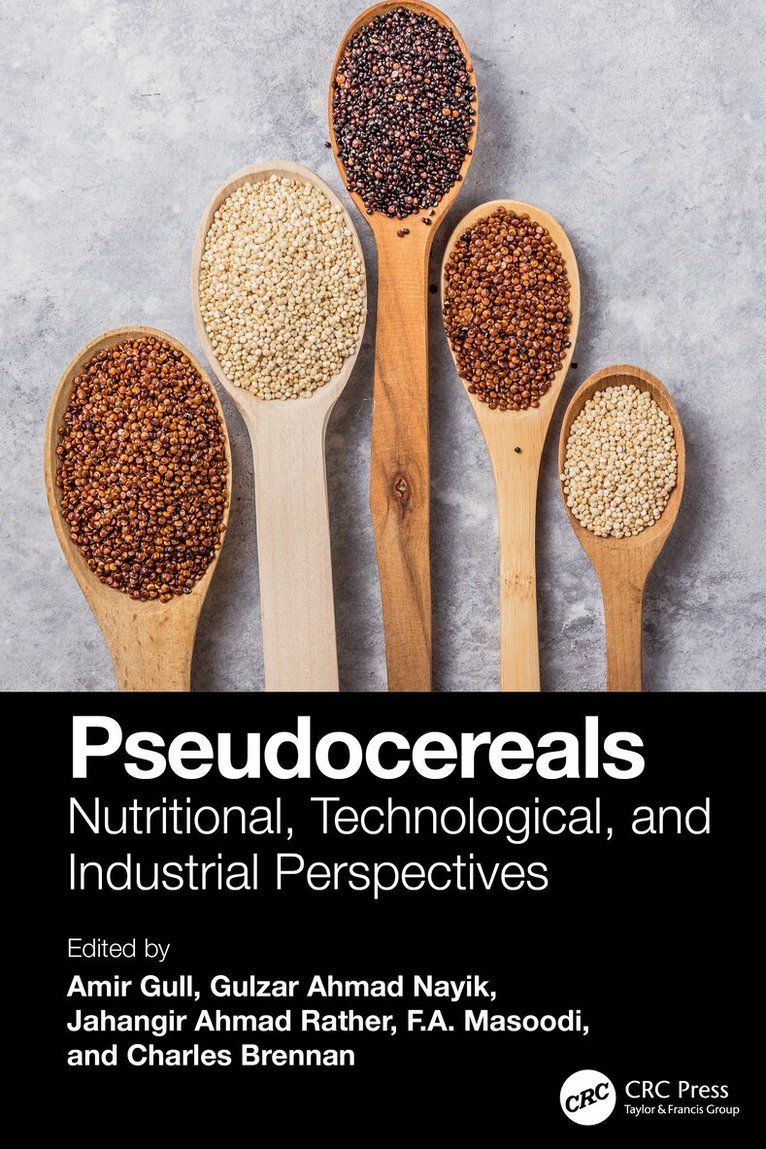
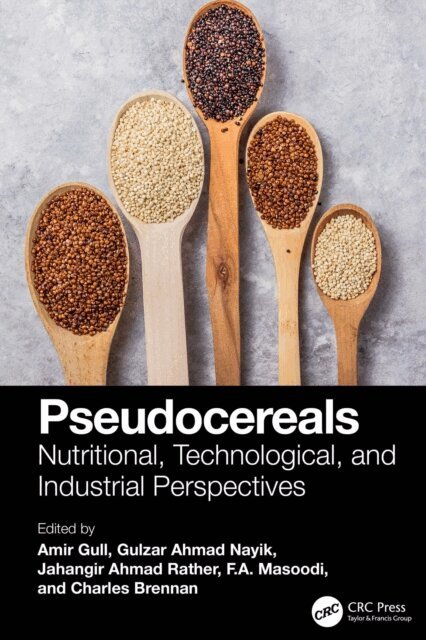
As the global demand for sustainable and nutrient-rich crops grows, pseudocereals are emerging as a valuable alternative to traditional cereals. This book brings together recent scientific advances and practical insights on the chemistry, nutritional quality, processing technologies, and industrial applications of pseudocereals such as quinoa, amaranthus, buckwheat, and chia.
It explores their unique nutritional and bioactive components, innovative milling and extraction methods, and their potential to support food security, health, and sustainable development. The chapters provide a detailed examination of their techno-functional properties, utilization in food and non-food industries, and growing relevance in functional food markets.
The book also addresses consumer acceptance, market strategies, and safety considerations, offering a balanced perspective that connects traditional knowledge with modern food science. It serves as a comprehensive reference for researchers, food technologists, nutritionists, and industry professionals looking to harness the potential of pseudocereals in product development and industrial applications.
Features
· Examines the chemistry and nutritional composition of key pseudocereals
· Explores techno-functional properties of dietary fibers and their role in food innovation
· Covers emerging milling techniques and valorization of pseudocereal by-products
· Discusses bioactive compound extraction, health benefits, and functional food applications
· Reviews starch and protein extraction methods, functional roles, and industrial uses
· Addresses anti-nutritional factors and safety strategies for improved utilization
Ideal for researchers, food technologists, nutritionists, and industry professionals, this book offers a clear and comprehensive resource on the science and applications of pseudocereals. It is equally valuable for students and early-career scientists seeking to deepen their understanding of novel crops, innovative processing methods, and their role in developing sustainable, functional food systems.
2 094 kr
Läs direkt efter köp
As the global demand for sustainable and nutrient-rich crops grows, pseudocereals are emerging as a valuable alternative to traditional cereals. This book brings together recent scientific advances and practical insights on the chemistry, nutritional quality, processing technologies, and industrial applications of pseudocereals such as quinoa, amaranthus, buckwheat, and chia.
It explores their unique nutritional and bioactive components, innovative milling and extraction methods, and their potential to support food security, health, and sustainable development. The chapters provide a detailed examination of their techno-functional properties, utilization in food and non-food industries, and growing relevance in functional food markets.
The book also addresses consumer acceptance, market strategies, and safety considerations, offering a balanced perspective that connects traditional knowledge with modern food science. It serves as a comprehensive reference for researchers, food technologists, nutritionists, and industry professionals looking to harness the potential of pseudocereals in product development and industrial applications.
Features
· Examines the chemistry and nutritional composition of key pseudocereals
· Explores techno-functional properties of dietary fibers and their role in food innovation
· Covers emerging milling techniques and valorization of pseudocereal by-products
· Discusses bioactive compound extraction, health benefits, and functional food applications
· Reviews starch and protein extraction methods, functional roles, and industrial uses
· Addresses anti-nutritional factors and safety strategies for improved utilization
Ideal for researchers, food technologists, nutritionists, and industry professionals, this book offers a clear and comprehensive resource on the science and applications of pseudocereals. It is equally valuable for students and early-career scientists seeking to deepen their understanding of novel crops, innovative processing methods, and their role in developing sustainable, functional food systems.
2 582 kr
Läs direkt efter köp
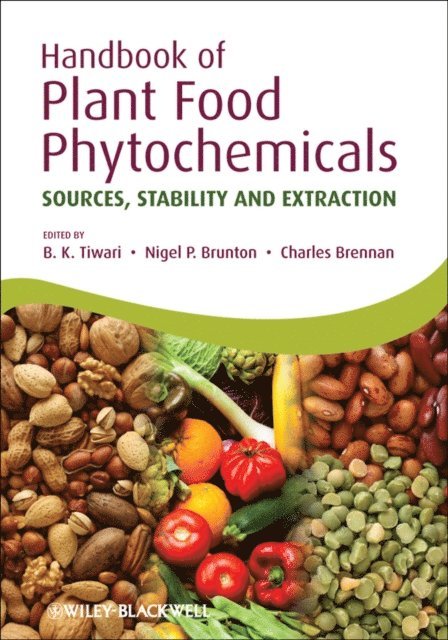
Handbook of Plant Food Phytochemicals
Phytochemicals are plant-derived chemicals which may bestow health benefits when consumed, whether medicinally or as part of a balanced diet. Given that plant foods are a major component of most diets worldwide, it is unsurprising that these foods represent the greatest source of phytochemicals for most people. Yet it is only relatively recently that due recognition has been given to the importance of phytochemicals in maintaining our health. New evidence for the role of specific plant food phytochemicals in protecting against the onset of diseases such as cancers and heart disease is continually being put forward. The increasing awareness of consumers of the link between diet and health has exponentially increased the number of scientific studies into the biological effects of these substances.
The Handbook of Plant Food Phytochemicals provides a comprehensive overview of the occurrence, significance and factors affecting phytochemicals in plant foods. A key objective of the book is to critically evaluate these aspects. Evaluation of the evidence for and against the quantifiable health benefits being imparted is expressed in terms of the reduction in the risk of disease conferred through the consumption of foods that are rich in phytochemicals.
With world-leading editors and contributors, the Handbook of Plant Food Phytochemicals is an invaluable, cutting-edge resource for food scientists, nutritionists and plant biochemists. It covers the processing techniques aimed at the production of phytochemical-rich foods which can have a role in disease prevention, making it ideal for both the food industry and those who are researching the health benefits of particular foods. Lecturers and advanced students will find it a helpful and readable guide to a constantly expanding subject area.
2 582 kr
Läs direkt efter köp
Handbook of Plant Food Phytochemicals
Phytochemicals are plant-derived chemicals which may bestow health benefits when consumed, whether medicinally or as part of a balanced diet. Given that plant foods are a major component of most diets worldwide, it is unsurprising that these foods represent the greatest source of phytochemicals for most people. Yet it is only relatively recently that due recognition has been given to the importance of phytochemicals in maintaining our health. New evidence for the role of specific plant food phytochemicals in protecting against the onset of diseases such as cancers and heart disease is continually being put forward. The increasing awareness of consumers of the link between diet and health has exponentially increased the number of scientific studies into the biological effects of these substances.
The Handbook of Plant Food Phytochemicals provides a comprehensive overview of the occurrence, significance and factors affecting phytochemicals in plant foods. A key objective of the book is to critically evaluate these aspects. Evaluation of the evidence for and against the quantifiable health benefits being imparted is expressed in terms of the reduction in the risk of disease conferred through the consumption of foods that are rich in phytochemicals.
With world-leading editors and contributors, the Handbook of Plant Food Phytochemicals is an invaluable, cutting-edge resource for food scientists, nutritionists and plant biochemists. It covers the processing techniques aimed at the production of phytochemical-rich foods which can have a role in disease prevention, making it ideal for both the food industry and those who are researching the health benefits of particular foods. Lecturers and advanced students will find it a helpful and readable guide to a constantly expanding subject area.
2 236 kr
Skickas inom 5-8 vardagar