Gulzar Ahmad Nayik – författare
2 047 kr
Läs direkt efter köp
1 390 kr
Skickas inom 10-15 vardagar
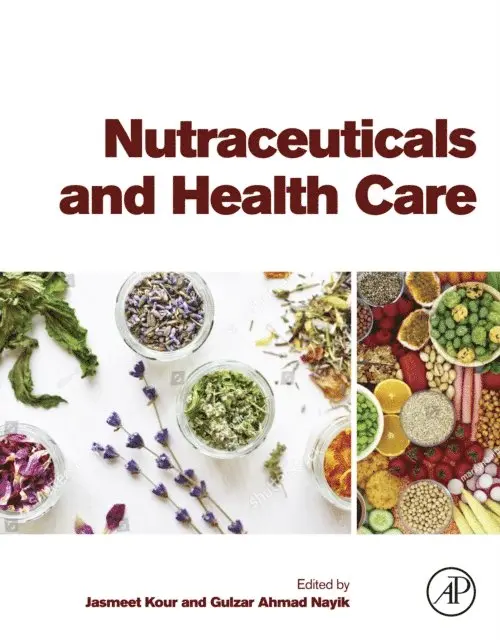
Nutraceuticals and Health Care explores the role of plant-based nutraceuticals as food ingredients and as therapeutic agents for preventing various diseases. The book assesses the role of nutraceuticals in addressing cardiovascular disease, cancer, diabetes, and obesity by highlighting the derivatives, extraction, chemistry, mechanism of action, pharmacology, bioavailability, and safety of specific nutraceuticals. It analyzes twenty one nutraceuticals in a systematic way, providing a welcomed reference for nutrition researchers, nutritionists and dieticians, as well as other scientists studying related areas in food science, technology or agriculture. Students studying related topics will also benefit from this material.
Serves as a foundation for analyzing the efficiency and validity of various plant-derived nutraceuticals Explores the use of nutraceuticals as a therapeutic tool in the prevention of chronic and degenerative diseases Highlights the derivatives, extraction, chemistry, mechanism of action, pharmacology, bioavailability, and safety of specific nutraceuticals1 938 kr
Skickas inom 10-15 vardagar
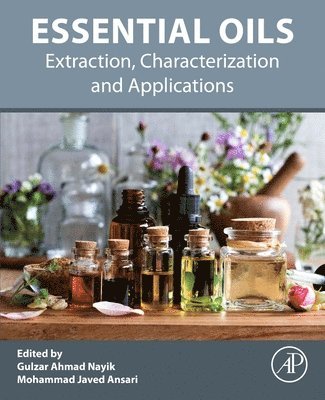
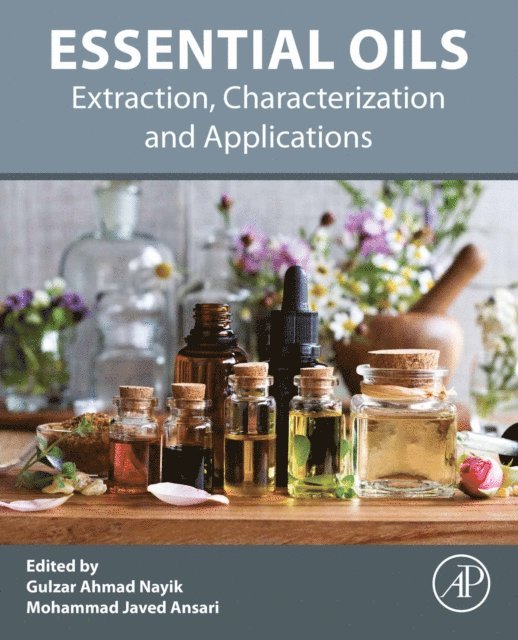
Essential Oils: Extraction, Characterization and Applications covers sixteen essential oils from different herbal and aromatic plants, including production, composition and extraction techniques such as distillation, chemistry and properties, characterization and applications. The book also presents their safety, toxicity and regulation, alongside trade, storage, stability and transport concepts. Essential oils in plants, extraction and analysis, and current trends in the use of essential oils, like aroma therapy, agro-food and non-food usage are thoroughly explored. Remaining chapters are dedicated to different essential oils, including lavender, peppermint, sandalwood, citrus, eucalyptus, tea tree, clove, ginger, cinnamon, nutmeg, rosewood, juniper and pine, patchouli, clary, and more.
Edited by a global team of experts in essential oils, this book is designed to be a practical tool for the many diverse professionals who develop and market essential oils.
Thoroughly explores the extraction and characterization of essential oils Contains comprehensive information on major, popular essential oils Provides an exceptional range of information on properties, applications, safety, toxicity and regulations1 871 kr
Skickas inom 10-15 vardagar
2 759 kr
Läs direkt efter köp
2 662 kr
Läs direkt efter köp
1 431 kr
Skickas inom 10-15 vardagar
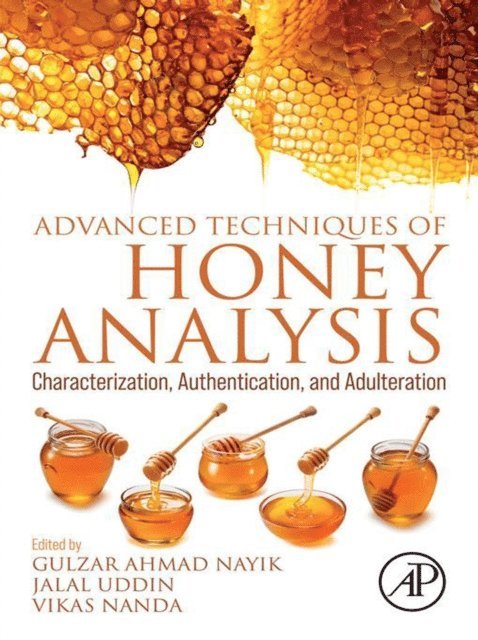
Advanced Techniques of Honey Analysis: Characterization, Authentication, and Adulteration presents an overview of honey, including its classification, composition, safety, present status, quality issues, and prospects before delving into honey adulteration and presenting various methodologies for honey analysis. Broken into fourteen chapters, this book explores the physiochemical, bioactive compound, aroma, microbial, thermal, and rheological analysis and properties of honey. It also considers infrared spectroscopy, nuclear magnetic resonance, and Raman spectroscopy methods. High-performance liquid chromatography, gas chromatography and GC-MS methods are also highlighted.Written for food scientists and those working in honey industries and related fields, this book will be a welcomed resource for all who wish to play a role in mitigating honey fraud.
Contains comprehensive information on novel honey analytical techniquesDiscusses the characterization of determination of honey adulteration by various novel methodsSheds light on Nuclear magnetic resonance (NMR) spectroscopy in honey analysisIncludes applications, literature reviews, recent developments, and methods1 975 kr
Läs direkt efter köp
2 047 kr
Läs direkt efter köp
1 390 kr
Skickas inom 10-15 vardagar
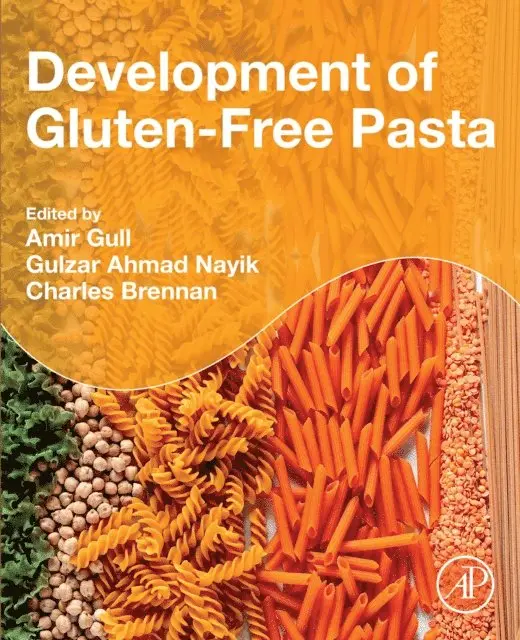
Development of Gluten-Free Pasta summarizes current progress in the development of gluten-free (GF) products, focusing particularly on pasta products. Presented in 11 chapters, the book focuses on the role of prebiotic fiber, hydrocolloids, fruit and vegetable by-product pomace and the physical, microstructural, sensory, and nutritional properties of the gluten-free pasta. The science of gluten intolerance is explained as well, with all relevant literature gathered and summarized in one place. Hence, this book lays a very solid foundation for the development of GF pasta which can be exploited as an essential therapeutic tool in the prevention of celiac disease. This comprehensive reference, written by world renowned scientists who elaborate on the study of different selected additives of plant origin, provides immense assistance in the field of research as many areas are still unexplored in the field of cereal science & technology.
Provides a comprehensive application of pseudocereals, hydrocolloids, and prebiotic dietary fiber in the development of gluten-free pastaBrings holistic and integrated coverage of the role of plant derived ingredients in the development of gluten-free pastaCovers the utilization of pseudo cereals for food, nutritional, and economical security1 515 kr
Skickas inom 10-15 vardagar
2 154 kr
Läs direkt efter köp
1 573 kr
Skickas inom 10-15 vardagar
1 863 kr
Läs direkt efter köp
779 kr
Läs direkt efter köp
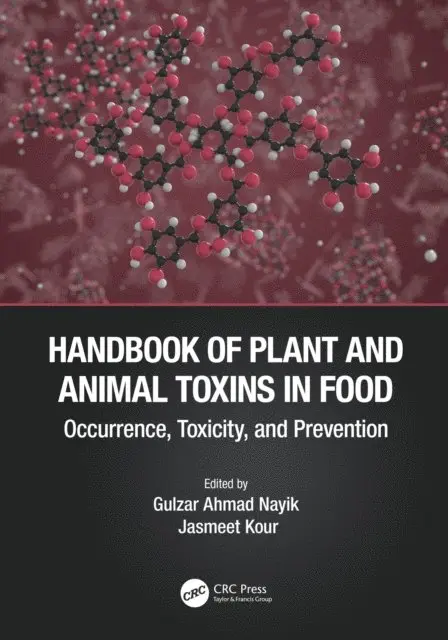
The prevalence of naturally occurring toxins in plant and animal foods represents one of the most significant food safety issues, drawing the attention of both scientists and regulators alike. This unexplored area related to food quality is indeed a big concern for consumers, various regulatory authorities, and food industries. Apart from essential nutrients, several food crops are capable of producing a vast array of nonnutritious secondary metabolic products. These toxins produced as secondary metabolites have the potential to exhibit both beneficial and deleterious effects in both human beings and animals. Nevertheless, there has been huge progress in agricultural practices and food processing technologies, but still the number of nonnutritive substances and naturally derived toxins persist in our diet.
Handbook of Plant and Animal Toxins in Food: Occurrence, Toxicity, and Prevention, focuses on various selected toxins in foods derived from plants as well as animals. The prominent plant toxins include solanine and chaconine, mushroom toxins, phytates, tannins, oxalates, goitrogens, gossypol, phytohemagglutinins, erucic acid, saponins, cyanogenic glycosides, enzyme inhibitors, BOAA (lathyrogens), toxic amino acids and toxic fatty acids. The prominent animal toxins covered in the book include various seafood toxins, shellfish toxins and biogenic amines.
Key Features:
Presents complete information about a plethora of toxins
Provides quick and easy access to data on major plant and animal toxins
Covers distribution of toxins in the plant and animal kingdom
Provides comprehensive information on chemistry, safety and precautions of each toxin
Commencing with a brief introduction of food toxins, this book is designed in such a way that the readers will be introduced to toxicity, safety and occurrence of each toxin selected. It also discusses the in-depth detailed information on food poisoning and its prevention. The book will also shed light on foodborne illness associated with toxins. The primary audience for this work will be food scientists, food toxicologists, university scholars and college students. Furthermore, the book will be of immense help for public health officials, pharmacologists, and food safety officers who are involved with enforcing regulations meant to ensure the safety of a particular food
807 kr
Läs direkt efter köp
The prevalence of naturally occurring toxins in plant and animal foods represents one of the most significant food safety issues, drawing the attention of both scientists and regulators alike. This unexplored area related to food quality is indeed a big concern for consumers, various regulatory authorities, and food industries. Apart from essential nutrients, several food crops are capable of producing a vast array of nonnutritious secondary metabolic products. These toxins produced as secondary metabolites have the potential to exhibit both beneficial and deleterious effects in both human beings and animals. Nevertheless, there has been huge progress in agricultural practices and food processing technologies, but still the number of nonnutritive substances and naturally derived toxins persist in our diet.
Handbook of Plant and Animal Toxins in Food: Occurrence, Toxicity, and Prevention, focuses on various selected toxins in foods derived from plants as well as animals. The prominent plant toxins include solanine and chaconine, mushroom toxins, phytates, tannins, oxalates, goitrogens, gossypol, phytohemagglutinins, erucic acid, saponins, cyanogenic glycosides, enzyme inhibitors, BOAA (lathyrogens), toxic amino acids and toxic fatty acids. The prominent animal toxins covered in the book include various seafood toxins, shellfish toxins and biogenic amines.
Key Features:
Presents complete information about a plethora of toxins
Provides quick and easy access to data on major plant and animal toxins
Covers distribution of toxins in the plant and animal kingdom
Provides comprehensive information on chemistry, safety and precautions of each toxin
Commencing with a brief introduction of food toxins, this book is designed in such a way that the readers will be introduced to toxicity, safety and occurrence of each toxin selected. It also discusses the in-depth detailed information on food poisoning and its prevention. The book will also shed light on foodborne illness associated with toxins. The primary audience for this work will be food scientists, food toxicologists, university scholars and college students. Furthermore, the book will be of immense help for public health officials, pharmacologists, and food safety officers who are involved with enforcing regulations meant to ensure the safety of a particular food
1 160 kr
Läs direkt efter köp
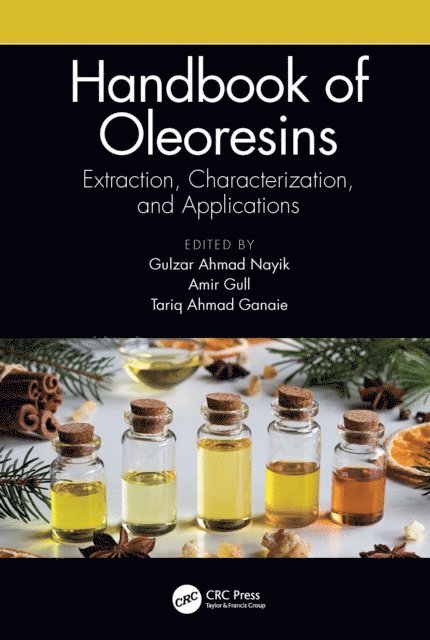
An Oleoresin represents the true essence of spices enriched with volatile and non-volatile essential oil and resinous fractions. The oleoresin represents the wholesome flavor of the spice, a cumulative effect of the sensation of smell and taste. Therefore, it is designated as "true essence" of the spice and can replace spice powders in food products without altering the flavor profile. Our earth comprises a plethora of spices that have carved a niche in the global market in medicinal and health-related food products. These spices play a dual role as a food ingredient and a therapeutic agent preventing various diseases. This industry has acquired tremendous attention not only from consumers but also from scientific communities, and various food manufacturing organizations.
Handbook of Oleoresins: Extraction, Characterization, and Applications is a snapshot of information on oleoresins—production, composition, properties, applications (medicinal & health properties), and more. It is designed to be a practical tool for the various professionals who develop and market spices and oleoresins
Key Features:
Contains comprehensive information on the major oleoresins of the world
Dicusses the extraction and characterization of major spice oleoresins
Covers the safety and toxicity of oleoresins
Sheds light on relationship between oleoresins and health benefits
The world is moving towards natural products. Spices lend color, taste, and flavor, and oleoresins are good source of antioxidants and have preservative as well as therapeutic power. Therefore it is important to understand and document the chemistry, characterization, properties and applications of oleoresins, as found in this handbook.
1 119 kr
Läs direkt efter köp
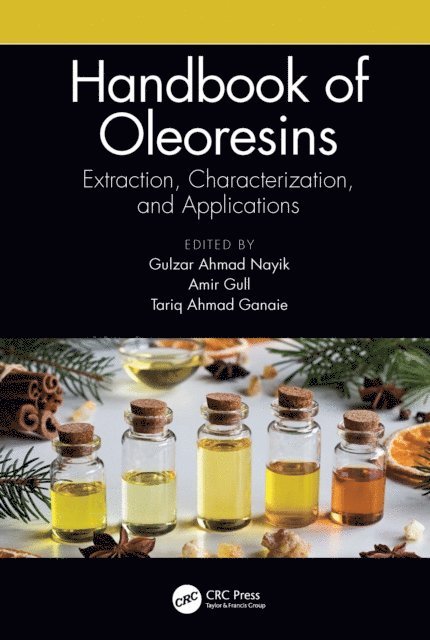
An Oleoresin represents the true essence of spices enriched with volatile and non-volatile essential oil and resinous fractions. The oleoresin represents the wholesome flavor of the spice, a cumulative effect of the sensation of smell and taste. Therefore, it is designated as "true essence" of the spice and can replace spice powders in food products without altering the flavor profile. Our earth comprises a plethora of spices that have carved a niche in the global market in medicinal and health-related food products. These spices play a dual role as a food ingredient and a therapeutic agent preventing various diseases. This industry has acquired tremendous attention not only from consumers but also from scientific communities, and various food manufacturing organizations.
Handbook of Oleoresins: Extraction, Characterization, and Applications is a snapshot of information on oleoresins—production, composition, properties, applications (medicinal & health properties), and more. It is designed to be a practical tool for the various professionals who develop and market spices and oleoresins
Key Features:
Contains comprehensive information on the major oleoresins of the world
Dicusses the extraction and characterization of major spice oleoresins
Covers the safety and toxicity of oleoresins
Sheds light on relationship between oleoresins and health benefits
The world is moving towards natural products. Spices lend color, taste, and flavor, and oleoresins are good source of antioxidants and have preservative as well as therapeutic power. Therefore it is important to understand and document the chemistry, characterization, properties and applications of oleoresins, as found in this handbook.
1 119 kr
Läs direkt efter köp
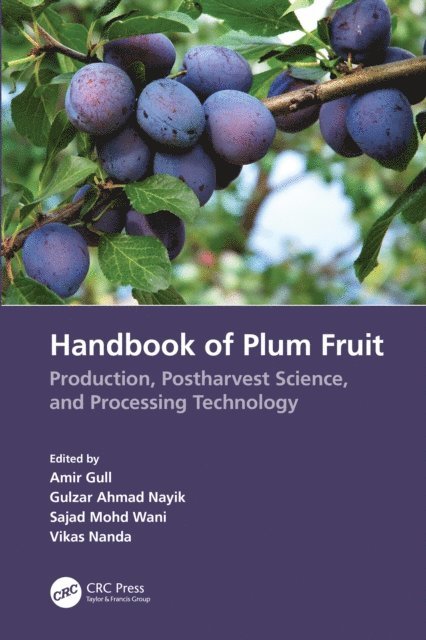
In the last ten years there has been an exponential increase in the adoption of high-density farming, which leads to better yield and higher-quality fruits, thus improving the economic return. Handbook of Plum Fruit: Production, Postharvest Science, and Processing Technology covers all the recent advances in plum production, harvesting, handling and processing.
Divided into two main parts, the first eight chapters provide insight about preharvest processing of plums, whereas the later chapters discuss the postharvest processing of plums. This book also includes vital chapters on varietal improvement and rootstock breeding, high-density planting, and pollination. After harvesting, plum quality quickly diminishes, mainly due to weight loss, total acidity, loss of firmness, and decay.
Key Features:
In-depth information on the pre- and postharvest processing of plums Coverage on plum harvesting, handling, and storage practices Plum by-product utilization and potential health benefitsHandbook of Plum Fruit provides comprehensive information on recent advances in postharvesting technologies of plum. The health benefits of plum and its products are also addressed. This book will assist horticulturists, agriculturists, pomologists, food scientists and others working in various fruit-processing industries.
1 119 kr
Läs direkt efter köp
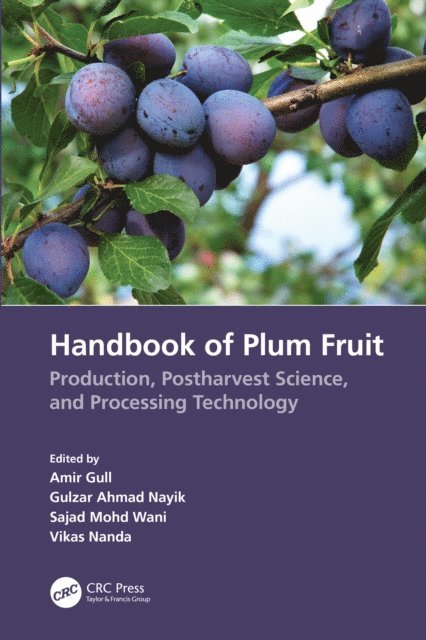
In the last ten years there has been an exponential increase in the adoption of high-density farming, which leads to better yield and higher-quality fruits, thus improving the economic return. Handbook of Plum Fruit: Production, Postharvest Science, and Processing Technology covers all the recent advances in plum production, harvesting, handling and processing.
Divided into two main parts, the first eight chapters provide insight about preharvest processing of plums, whereas the later chapters discuss the postharvest processing of plums. This book also includes vital chapters on varietal improvement and rootstock breeding, high-density planting, and pollination. After harvesting, plum quality quickly diminishes, mainly due to weight loss, total acidity, loss of firmness, and decay.
Key Features:
In-depth information on the pre- and postharvest processing of plums Coverage on plum harvesting, handling, and storage practices Plum by-product utilization and potential health benefitsHandbook of Plum Fruit provides comprehensive information on recent advances in postharvesting technologies of plum. The health benefits of plum and its products are also addressed. This book will assist horticulturists, agriculturists, pomologists, food scientists and others working in various fruit-processing industries.
1 160 kr
Läs direkt efter köp
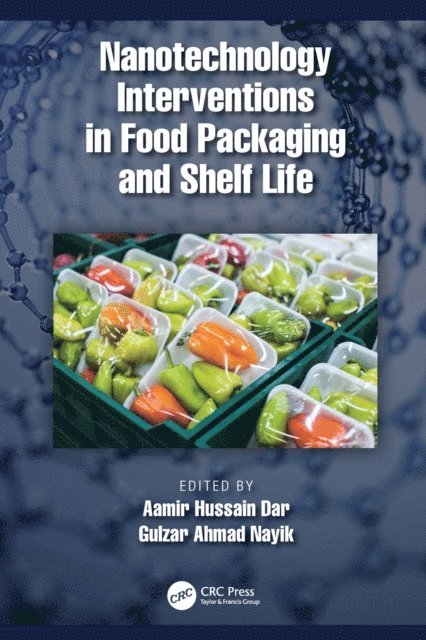
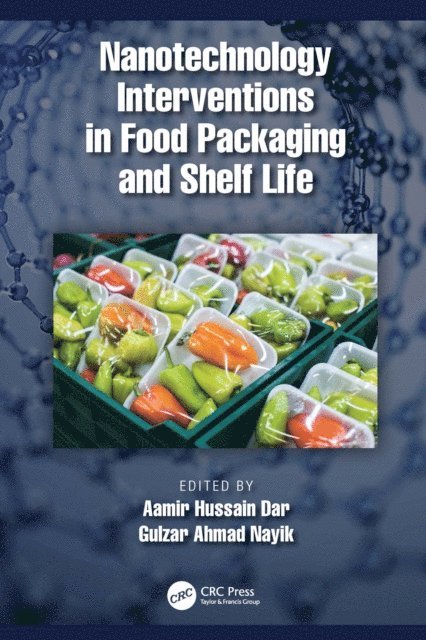
Nanotechnology has revolutionized agriculture and food technology, improving the shelf life of foods through interventions of nanomaterials in the packaging. Smart materials, biosensors, nanobiosenors, packaging materials, nanocarbon dots, and nanodevices address aspects of the food industry, such as food safety, food security, and packaging and shelf life.
Nanotechnology Interventions in Food Packaging and Shelf Life shows how nanotechnology has the potential to transform food packaging materials in the future.
Nanotechnology applied to food packaging can increase the shelf life of foods, minimize spoilage, ensure food safety, and repair damaged packaging.
Key Features
Sheds light on benefits of nanotechnology in the food packaging industry
Contains information on utilization of nanocellulose and nanofibrils in food packaging
Provides an overview of nanosensor applications for shelf-life extension of different food materials
This book presents a comprehensive review of new innovations in nanotechnology, packaging, preservation, and processing of food and food products. It serves as a useful tool for food engineers and technologists in the food packaging industry.
1 119 kr
Läs direkt efter köp
Nanotechnology has revolutionized agriculture and food technology, improving the shelf life of foods through interventions of nanomaterials in the packaging. Smart materials, biosensors, nanobiosenors, packaging materials, nanocarbon dots, and nanodevices address aspects of the food industry, such as food safety, food security, and packaging and shelf life.
Nanotechnology Interventions in Food Packaging and Shelf Life shows how nanotechnology has the potential to transform food packaging materials in the future.
Nanotechnology applied to food packaging can increase the shelf life of foods, minimize spoilage, ensure food safety, and repair damaged packaging.
Key Features
Sheds light on benefits of nanotechnology in the food packaging industry
Contains information on utilization of nanocellulose and nanofibrils in food packaging
Provides an overview of nanosensor applications for shelf-life extension of different food materials
This book presents a comprehensive review of new innovations in nanotechnology, packaging, preservation, and processing of food and food products. It serves as a useful tool for food engineers and technologists in the food packaging industry.
970 kr
Läs direkt efter köp
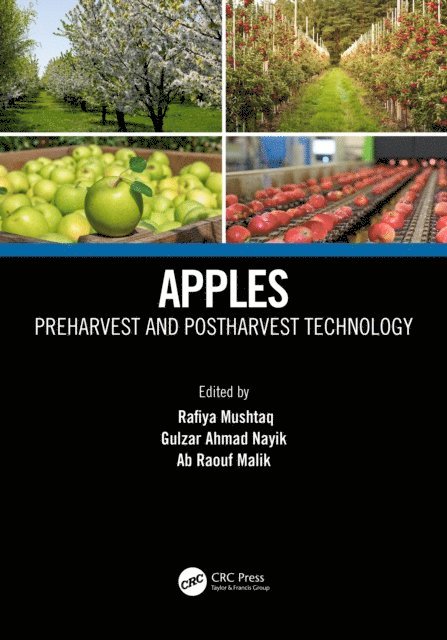
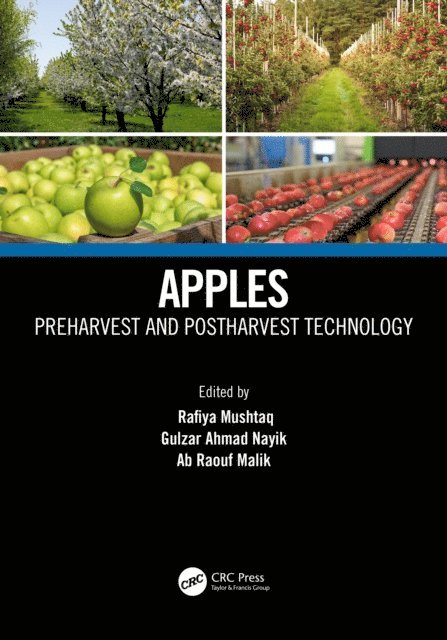
Due to polymorphism, apples have extraordinary diversity. Depending on variety, apple fruits can differ in color, shade or size; apples even can be oval or pear-shaped. There are more than 10,000 varieties of apple, which vary in taste, shape, juiciness, texture, color, firmness and other qualities. For these reasons, apples have been diversely studied, and many improvements have been made such as the introduction of high density cropping; rootstock breeding; or varietal development. Therefore it is important to understand and document the production methods adopted and implemented in recent times for harvesting maximum benefits of the crop. Apples: Preharvest and Postharvest Technology documents production practices along with detailed illustration on varieties, rootstocks, important cultural practices and post-harvest management. This book will serve as a complete guide for apple production from farm to fork and will help students, scholars, researchers and scientists working in this domain. The book will also help growers all over the world to understand best practices for apple production, to harvest maximum yields, and in turn, to increase their returns.
970 kr
Läs direkt efter köp
Due to polymorphism, apples have extraordinary diversity. Depending on variety, apple fruits can differ in color, shade or size; apples even can be oval or pear-shaped. There are more than 10,000 varieties of apple, which vary in taste, shape, juiciness, texture, color, firmness and other qualities. For these reasons, apples have been diversely studied, and many improvements have been made such as the introduction of high density cropping; rootstock breeding; or varietal development. Therefore it is important to understand and document the production methods adopted and implemented in recent times for harvesting maximum benefits of the crop. Apples: Preharvest and Postharvest Technology documents production practices along with detailed illustration on varieties, rootstocks, important cultural practices and post-harvest management. This book will serve as a complete guide for apple production from farm to fork and will help students, scholars, researchers and scientists working in this domain. The book will also help growers all over the world to understand best practices for apple production, to harvest maximum yields, and in turn, to increase their returns.
1 119 kr
Läs direkt efter köp
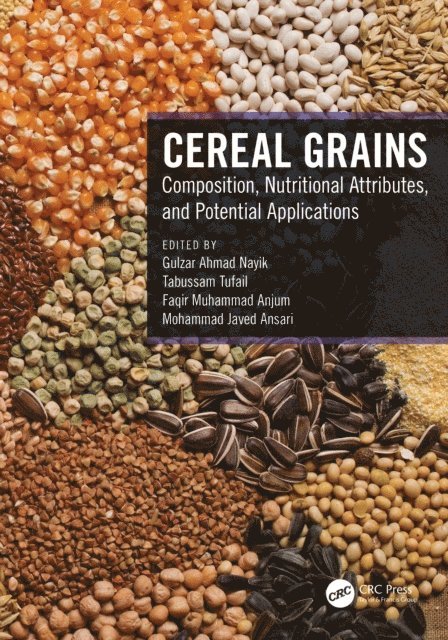
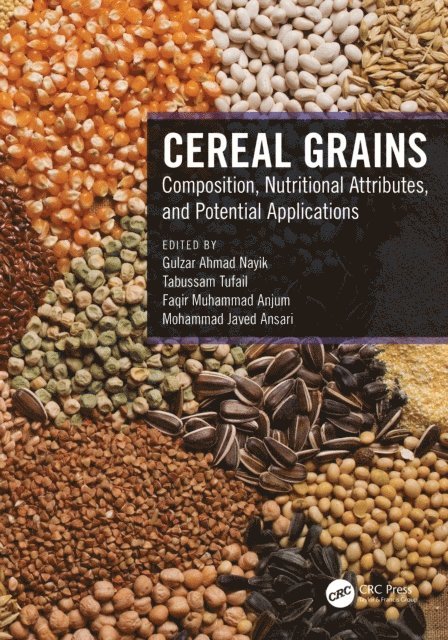
Ever since the beginnings of agriculture, cereals have provided unlimited health benefits to mankind as a staple food in our diet. Cereals are rich in complex carbohydrates that provide us ample energy, and help to prevent many diseases such as constipation, colon disorders, and high blood sugar levels. They enrich our overall health with abundant proteins, fats, lipids, minerals, vitamins, and enzymes. In every part of the world cereals are consumed for breakfast, lunch or dinner. Cereal Grains: Composition, Nutritional Attributes, and Potential Applications provides an overview of cereals including their properties, chemical composition, applications, postharvest losses, storage, and quality.
Various well-versed researchers across the globe share their knowledge and experience covering cereal’s role in food security, allergens in grains, phytochemical profile, industrial applications, health benefits, global standard of cereals, and recent advances in cereal processing.
Key Features:
Contains comprehensive information on general composition and properties of cereals.
Discusses the recent advances in cereal technology
Provides knowledge on bioactive characterization of cereal grains
Contain information on future aspect of grain quality and allergens in cereal grains
This handbook is a valuable resource for students, researchers, and industrial practitioners who wish to enhance their knowledge and insights on cereal science. Researchers, scientists, and other professionals working in various cereal processing industries and other horticultural departments will also find the comprehensive information relevant to their work.
1 119 kr
Läs direkt efter köp
Ever since the beginnings of agriculture, cereals have provided unlimited health benefits to mankind as a staple food in our diet. Cereals are rich in complex carbohydrates that provide us ample energy, and help to prevent many diseases such as constipation, colon disorders, and high blood sugar levels. They enrich our overall health with abundant proteins, fats, lipids, minerals, vitamins, and enzymes. In every part of the world cereals are consumed for breakfast, lunch or dinner. Cereal Grains: Composition, Nutritional Attributes, and Potential Applications provides an overview of cereals including their properties, chemical composition, applications, postharvest losses, storage, and quality.
Various well-versed researchers across the globe share their knowledge and experience covering cereal’s role in food security, allergens in grains, phytochemical profile, industrial applications, health benefits, global standard of cereals, and recent advances in cereal processing.
Key Features:
Contains comprehensive information on general composition and properties of cereals.
Discusses the recent advances in cereal technology
Provides knowledge on bioactive characterization of cereal grains
Contain information on future aspect of grain quality and allergens in cereal grains
This handbook is a valuable resource for students, researchers, and industrial practitioners who wish to enhance their knowledge and insights on cereal science. Researchers, scientists, and other professionals working in various cereal processing industries and other horticultural departments will also find the comprehensive information relevant to their work.
1 091 kr
Läs direkt efter köp
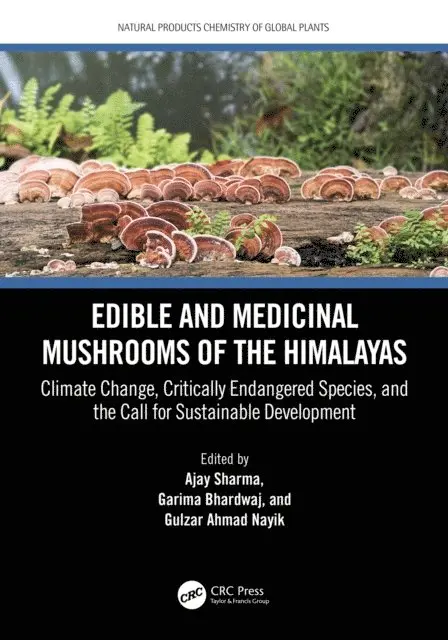
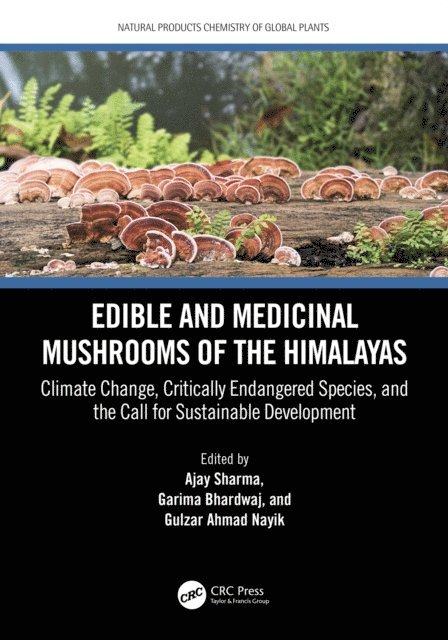
This book, as part of the “Natural Products Chemistry of Global Plants” series, describes in detail the health-promoting wild edible and medicinal mushrooms specific to the Himalayas region. The focus of the book is to draw on the rich culture, folklore, and environment of the Upper Himalayas, which represents a scientifically significant region. The Himalayas has rich plant resources and a large diversity of plants and mushrooms, which can provide important health benefits as detailed throughout the text. Drawing attention to these mushrooms with detailed scientific descriptions may help in the awareness and in developing sustainable growth of these important resources.
Features
Provides an opportunity to describe the wild edible and medicinal mushrooms from this scientifically significant region. Represents a wider variety of mushrooms than previously published in other books. Presents more content related to traditional uses, phytochemistry, pharmacology, distribution, processing, toxicology, conservation, and future prospective of individual mushrooms. The plants and mushrooms of the region are valuable resources not only to local populations but to those living outside the region. Scientists are monitoring the rich Himalayan plant resources and the consequences of climate change on this precarious ecosystem.1 053 kr
Läs direkt efter köp
This book, as part of the “Natural Products Chemistry of Global Plants” series, describes in detail the health-promoting wild edible and medicinal mushrooms specific to the Himalayas region. The focus of the book is to draw on the rich culture, folklore, and environment of the Upper Himalayas, which represents a scientifically significant region. The Himalayas has rich plant resources and a large diversity of plants and mushrooms, which can provide important health benefits as detailed throughout the text. Drawing attention to these mushrooms with detailed scientific descriptions may help in the awareness and in developing sustainable growth of these important resources.
Features
Provides an opportunity to describe the wild edible and medicinal mushrooms from this scientifically significant region. Represents a wider variety of mushrooms than previously published in other books. Presents more content related to traditional uses, phytochemistry, pharmacology, distribution, processing, toxicology, conservation, and future prospective of individual mushrooms. The plants and mushrooms of the region are valuable resources not only to local populations but to those living outside the region. Scientists are monitoring the rich Himalayan plant resources and the consequences of climate change on this precarious ecosystem.942 kr
Läs direkt efter köp
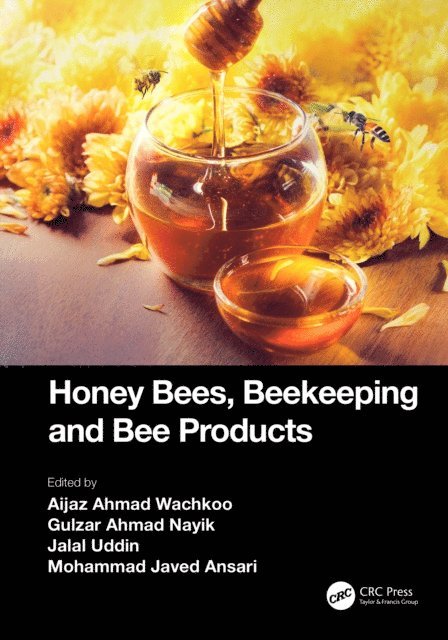
Honey bees are social insects; they live together in large, well-organized family groups comprising three castes: queen (fertile female), workers (sterile females) and drones (males). During honey flow season, there is a considerable increase in the foraging activity of the workers and in the rate of egg laying by the queen. Sex determination in honey bees involves a multi-allelic locus, such that homozygotes develop as males and heterozygotes as females, whereas diet quality influences the caste determination in honey bees. Like all living organisms, honey bees can be infested with diseases and pests. Some of these are more deleterious to bee colonies than others, but it is important for the beekeeper to be able to recognize conditions that might be disease or pest-related and respond accordingly so as to improve the quality of honey and honey bee by-products.
The best-known primary products of beekeeping are honey and wax, but pollen, propolis, royal jelly, venom, queens, bees and their larvae are also marketable primary bee products. The purpose of this book is to make available information on bee biology and beekeeping as well as to provide comprehensive information on manufacturing, processing and marketing of value-added bee products.
This book has been designed as a useful tool for the many diverse professionals who characterize and market honey bee products, including beekeepers, non-beekeepers, small entrepreneurs, extension officers and those involved in small business development. This edited book will be the first of its kind to contain comprehensive information on both bees and bee products.
Key Features:
Contains comprehensive information on beekeeping. Discusses the recent advances in beekeeping. Sheds light on bee colony integration and organization. Contains brief information on honey bee products.909 kr
Läs direkt efter köp
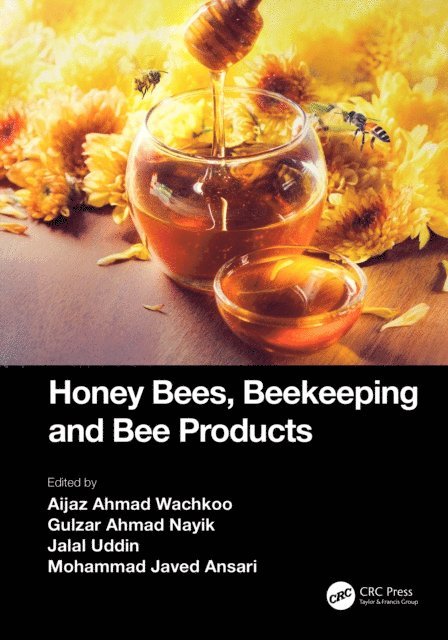
Honey bees are social insects; they live together in large, well-organized family groups comprising three castes: queen (fertile female), workers (sterile females) and drones (males). During honey flow season, there is a considerable increase in the foraging activity of the workers and in the rate of egg laying by the queen. Sex determination in honey bees involves a multi-allelic locus, such that homozygotes develop as males and heterozygotes as females, whereas diet quality influences the caste determination in honey bees. Like all living organisms, honey bees can be infested with diseases and pests. Some of these are more deleterious to bee colonies than others, but it is important for the beekeeper to be able to recognize conditions that might be disease or pest-related and respond accordingly so as to improve the quality of honey and honey bee by-products.
The best-known primary products of beekeeping are honey and wax, but pollen, propolis, royal jelly, venom, queens, bees and their larvae are also marketable primary bee products. The purpose of this book is to make available information on bee biology and beekeeping as well as to provide comprehensive information on manufacturing, processing and marketing of value-added bee products.
This book has been designed as a useful tool for the many diverse professionals who characterize and market honey bee products, including beekeepers, non-beekeepers, small entrepreneurs, extension officers and those involved in small business development. This edited book will be the first of its kind to contain comprehensive information on both bees and bee products.
Key Features:
Contains comprehensive information on beekeeping. Discusses the recent advances in beekeeping. Sheds light on bee colony integration and organization. Contains brief information on honey bee products.