Jalal Uddin – författare
1 483 kr
Skickas inom 10-15 vardagar
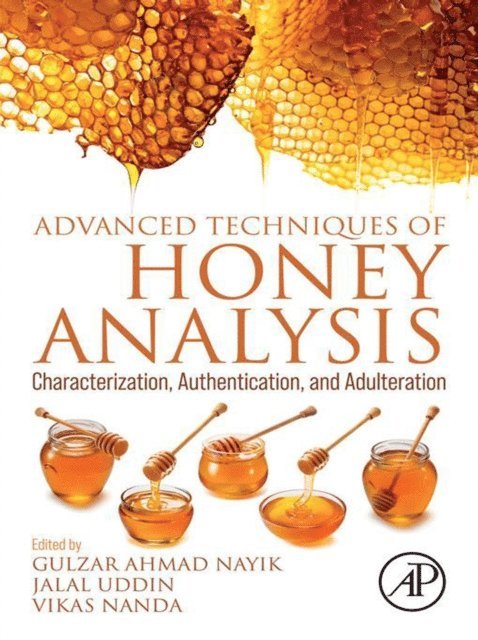
Advanced Techniques of Honey Analysis: Characterization, Authentication, and Adulteration presents an overview of honey, including its classification, composition, safety, present status, quality issues, and prospects before delving into honey adulteration and presenting various methodologies for honey analysis. Broken into fourteen chapters, this book explores the physiochemical, bioactive compound, aroma, microbial, thermal, and rheological analysis and properties of honey. It also considers infrared spectroscopy, nuclear magnetic resonance, and Raman spectroscopy methods. High-performance liquid chromatography, gas chromatography and GC-MS methods are also highlighted.Written for food scientists and those working in honey industries and related fields, this book will be a welcomed resource for all who wish to play a role in mitigating honey fraud.
Contains comprehensive information on novel honey analytical techniquesDiscusses the characterization of determination of honey adulteration by various novel methodsSheds light on Nuclear magnetic resonance (NMR) spectroscopy in honey analysisIncludes applications, literature reviews, recent developments, and methods2 047 kr
Läs direkt efter köp
942 kr
Läs direkt efter köp
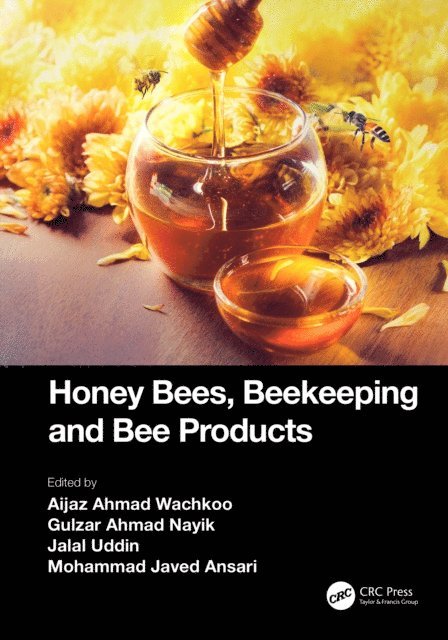
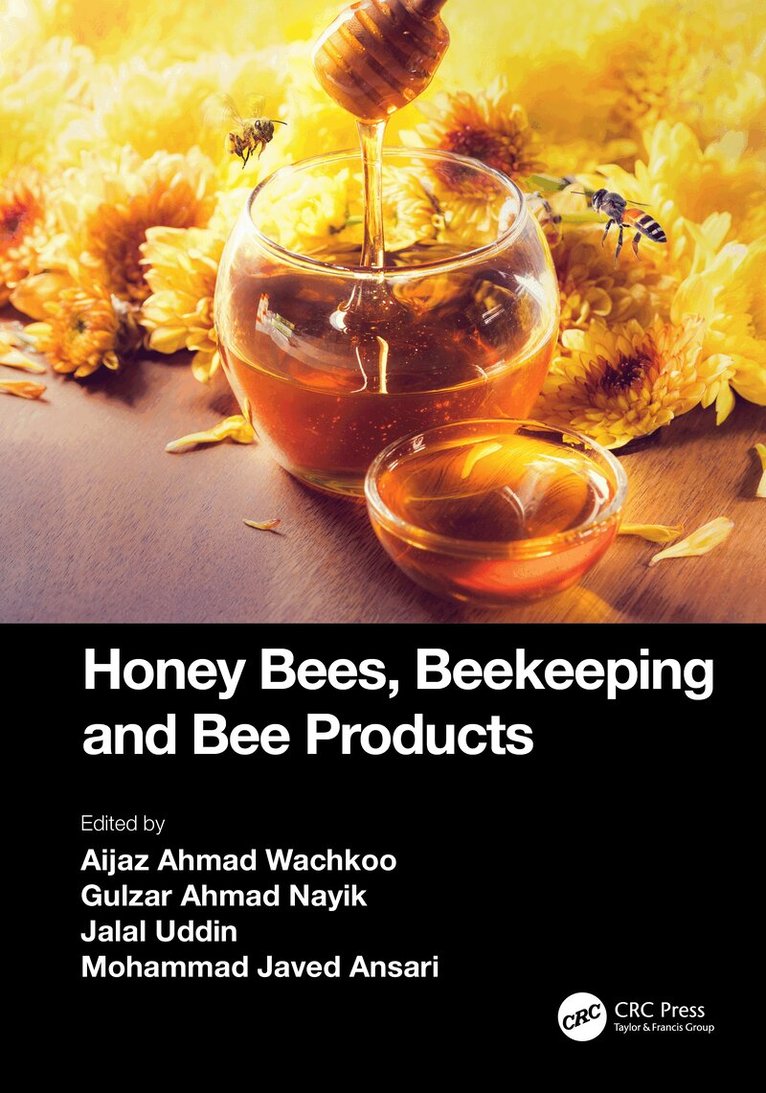
Honey bees are social insects; they live together in large, well-organized family groups comprising three castes: queen (fertile female), workers (sterile females) and drones (males). During honey flow season, there is a considerable increase in the foraging activity of the workers and in the rate of egg laying by the queen. Sex determination in honey bees involves a multi-allelic locus, such that homozygotes develop as males and heterozygotes as females, whereas diet quality influences the caste determination in honey bees. Like all living organisms, honey bees can be infested with diseases and pests. Some of these are more deleterious to bee colonies than others, but it is important for the beekeeper to be able to recognize conditions that might be disease or pest-related and respond accordingly so as to improve the quality of honey and honey bee by-products.
The best-known primary products of beekeeping are honey and wax, but pollen, propolis, royal jelly, venom, queens, bees and their larvae are also marketable primary bee products. The purpose of this book is to make available information on bee biology and beekeeping as well as to provide comprehensive information on manufacturing, processing and marketing of value-added bee products.
This book has been designed as a useful tool for the many diverse professionals who characterize and market honey bee products, including beekeepers, non-beekeepers, small entrepreneurs, extension officers and those involved in small business development. This edited book will be the first of its kind to contain comprehensive information on both bees and bee products.
Key Features:
Contains comprehensive information on beekeeping. Discusses the recent advances in beekeeping. Sheds light on bee colony integration and organization. Contains brief information on honey bee products.942 kr
Läs direkt efter köp
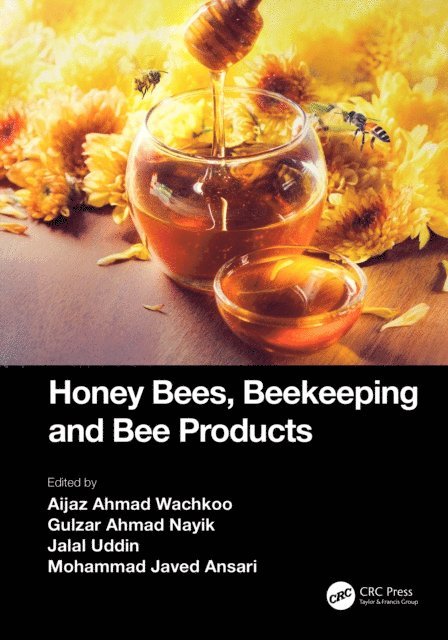
Honey bees are social insects; they live together in large, well-organized family groups comprising three castes: queen (fertile female), workers (sterile females) and drones (males). During honey flow season, there is a considerable increase in the foraging activity of the workers and in the rate of egg laying by the queen. Sex determination in honey bees involves a multi-allelic locus, such that homozygotes develop as males and heterozygotes as females, whereas diet quality influences the caste determination in honey bees. Like all living organisms, honey bees can be infested with diseases and pests. Some of these are more deleterious to bee colonies than others, but it is important for the beekeeper to be able to recognize conditions that might be disease or pest-related and respond accordingly so as to improve the quality of honey and honey bee by-products.
The best-known primary products of beekeeping are honey and wax, but pollen, propolis, royal jelly, venom, queens, bees and their larvae are also marketable primary bee products. The purpose of this book is to make available information on bee biology and beekeeping as well as to provide comprehensive information on manufacturing, processing and marketing of value-added bee products.
This book has been designed as a useful tool for the many diverse professionals who characterize and market honey bee products, including beekeepers, non-beekeepers, small entrepreneurs, extension officers and those involved in small business development. This edited book will be the first of its kind to contain comprehensive information on both bees and bee products.
Key Features:
Contains comprehensive information on beekeeping. Discusses the recent advances in beekeeping. Sheds light on bee colony integration and organization. Contains brief information on honey bee products.2 071 kr
Skickas inom 10-15 vardagar