Mohamed Koubaa – författare
1 654 kr
Skickas inom 10-15 vardagar
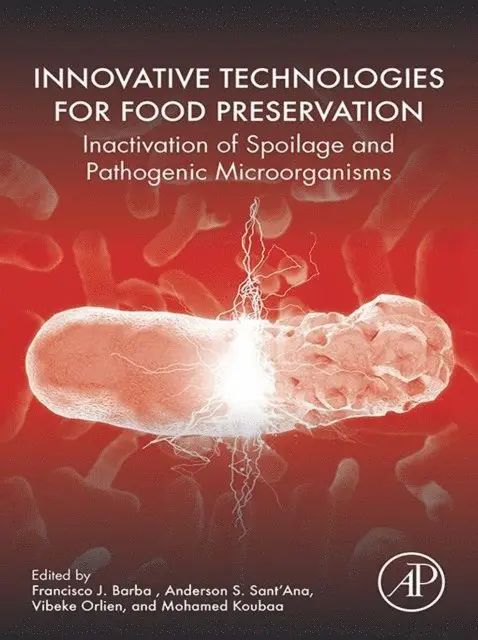
Innovative Technologies for Food Preservation: Inactivation of Spoilage and Pathogenic Microorganisms covers the latest advances in non-thermal processing, including mechanical processes (such as high pressure processing, high pressure homogenization, high hydrodynamic pressure processing, pressurized fluids); electromagnetic technologies (like pulsed electric fields, high voltage electrical discharges, Ohmic heating, chemical electrolysis, microwaves, radiofrequency, cold plasma, UV-light); acoustic technologies (ultrasound, shockwaves); innovative chemical processing technologies (ozone, chlorine dioxide, electrolysis, oxidized water) and others like membrane filtration and dense phase CO2. The title also focuses on understanding the effects of such processing technologies on inactivation of the most relevant pathogenic and spoilage microorganisms to ensure food safety and stability.
Over the course of the 20th century, the interest and demand for the development and application of new food preservation methods has increased significantly. The research in the last 50 years has produced various innovative food processing technologies and the use of new technologies for inactivation of spoilage and/or pathogenic microorganisms will depend on several factors. At this stage of development there is a need to better understand the mechanisms that govern microbial inactivation as induced by new and innovative processing technologies, as well as suitable and effective conditions for inactivating the microorganism.
Serves as a summary of relevant spoilage and pathogenic microorganisms for different foods as influenced by the application of innovative technologies for their preservation Provides readers with an in-depth understanding on how effective innovative processing technologies are for controlling spoilage and pathogenic microorganisms in different foods Integrates concepts in order to find the optimum conditions for microbial inactivation and preservation of major and minor food compounds2 370 kr
Läs direkt efter köp
2 153 kr
Läs direkt efter köp
1 702 kr
Skickas inom 10-15 vardagar
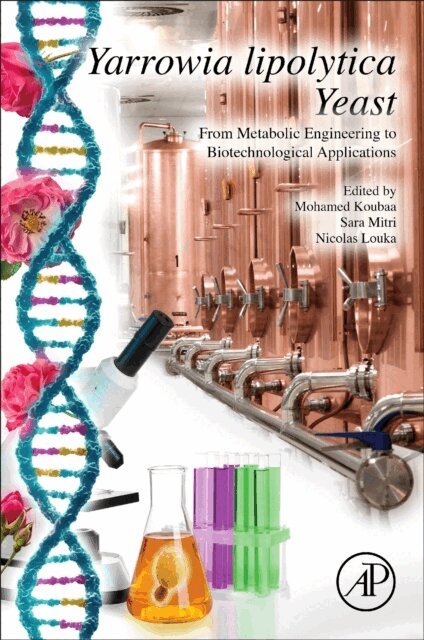
Yarrowia Lipolytica Yeast: From Metabolic Engineering to Biotechnological Applications gathers all the information about the genetics, uses, extraction, purification, and applications of this non-conventional yeast, not just focusing on the genetics and metabolic engineering, nor on its biotechnological applications. Chapters cover the genetic modifications and techniques used to genetically modify Y. Lipolytica, fermentation conditions, various media used in biotechnological applications, and all value-added compounds that can be produced. Edited by the most renowned researchers of this yeast, this book is of great interest to industries t working on biofuel production or searching for environmentally-friendly, natural alternatives for their chemically produced value-added compounds.
Discusses the biomolecules produced by the yeast Yarrowia LipolyticaExplores metabolic engineering and biotechnological applications of this yeastCovers Yarrowia Lipolytica characteristics, genetics, and biotechnological and industrial applicationsBrings genetic engineering techniques available to genetically modify this yeastReveals the proceedings for the yeast cultivation and the processing for the extraction and purification of the value-added bio-compoundsIncludes information on environmentally-friendly and natural alternatives for chemically produced value-added compounds2 488 kr
Läs direkt efter köp
Explores the use of conventional and novel technologies to enhance fermentation processes
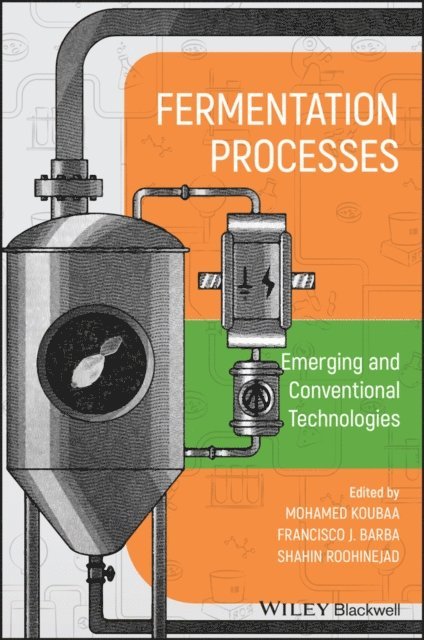
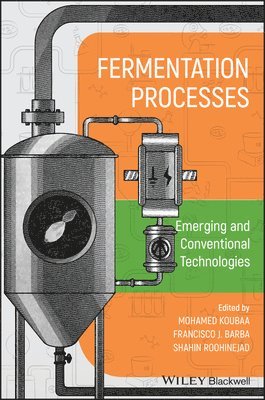
Fermentation Processes reviews the application of both conventional and emerging technologies for enhancing fermentation conditions, examining the principles and mechanisms of fermentation processes, the microorganisms used in bioprocesses, their implementation in industrial fermentation, and more. Designed for scientists and industry professionals alike, this authoritative and up-to-date volume describes how non-conventional technologies can be used to increase accessibly and bioavailability of substrates by microorganisms during fermentation, which in turn promotes microbial growth and can improve processes and productivity across the agri-food, nutraceutical, pharmaceutical, and beverage industries.
The text begins by covering the conventional fermentation process, discussing cell division and growth kinetics, current technologies and developments in industrial fermentation processes, the parameters and modes of fermentation, various culture media, and the impact of culture conditions on fermentation processes. Subsequent chapters provide in-depth examination of the use of emerging technologies—such as pulsed electric fields, ultrasound, high-hydrostatic pressure, and microwave irradiation—for biomass fractionation and microbial stimulation. This authoritative resource:
Explores emerging technologies that shorten fermentation time, accelerate substrate consumption, and increase microbial biomass Describes enhancing fermentation at conventional conditions by changing oxygenation, agitation, temperature, and other medium conditions Highlights the advantages of new technologies, such as reduced energy consumption and increased efficiency Discusses the integration and implementation of conventional and emerging technologies to meet consumer and industry demandOffers perspectives on the future direction of fermentation technologies and applications Fermentation Processes: Emerging and Conventional Technologies is ideal for microbiologists and bioprocess technologists in need of an up-to-date overview of the subject, and for instructors and students in courses such as bioprocess technology, microbiology, new product development, fermentation, food processing, biotechnology, and bioprocess engineering.
2 488 kr
Läs direkt efter köp
Explores the use of conventional and novel technologies to enhance fermentation processes
Fermentation Processes reviews the application of both conventional and emerging technologies for enhancing fermentation conditions, examining the principles and mechanisms of fermentation processes, the microorganisms used in bioprocesses, their implementation in industrial fermentation, and more. Designed for scientists and industry professionals alike, this authoritative and up-to-date volume describes how non-conventional technologies can be used to increase accessibly and bioavailability of substrates by microorganisms during fermentation, which in turn promotes microbial growth and can improve processes and productivity across the agri-food, nutraceutical, pharmaceutical, and beverage industries.
The text begins by covering the conventional fermentation process, discussing cell division and growth kinetics, current technologies and developments in industrial fermentation processes, the parameters and modes of fermentation, various culture media, and the impact of culture conditions on fermentation processes. Subsequent chapters provide in-depth examination of the use of emerging technologies—such as pulsed electric fields, ultrasound, high-hydrostatic pressure, and microwave irradiation—for biomass fractionation and microbial stimulation. This authoritative resource:
Explores emerging technologies that shorten fermentation time, accelerate substrate consumption, and increase microbial biomass Describes enhancing fermentation at conventional conditions by changing oxygenation, agitation, temperature, and other medium conditions Highlights the advantages of new technologies, such as reduced energy consumption and increased efficiency Discusses the integration and implementation of conventional and emerging technologies to meet consumer and industry demandOffers perspectives on the future direction of fermentation technologies and applications Fermentation Processes: Emerging and Conventional Technologies is ideal for microbiologists and bioprocess technologists in need of an up-to-date overview of the subject, and for instructors and students in courses such as bioprocess technology, microbiology, new product development, fermentation, food processing, biotechnology, and bioprocess engineering.
2 222 kr
Skickas inom 5-8 vardagar
1 631 kr
Skickas inom 10-15 vardagar
1 977 kr
Läs direkt efter köp
This text comprehensively covers novel, innovative technologies used in the food and beverage industries in order to provide safe and healthy foods for consumers. The research provided in these chapters aims to show that the traditional pasteurization and commercial sterilization of foods result in unacceptable quality and nutrient retention, creating an important need for alternative methods used to minimize undesirable reactions such as thermal decomposition or degradation. Emerging processing methods to minimize heat induced alterations in foods and their applications are covered in-depth, demonstrating that these methods are useful not only for the inactivation of microorganisms and enzymes but also for improving the yield and development of ingredients and marketable foods with higher quality and better nutritional characteristics.
Effect of Emerging Processing Methods on the Food Quality: Advantages and Challenges not only covers the advantagesof using innovative processing methods, but also the disadvantages and challenges of using these techniques on food quality. Each chapter focuses on a different emerging processing technique, breaking down the sensory, textural and nutritional aspects for different food products in addition to the advantages and challenges for each method. New technologies and advanced theories are a major focus, pointing to innovative new paths for the quality and safety assurance in food products. From pulsed electric fields to ultrasounds, this work covers all aspects of emerging processing techniques for fruits and vegetables, foods and dairy products.
1 389 kr
Skickas inom 5-8 vardagar