
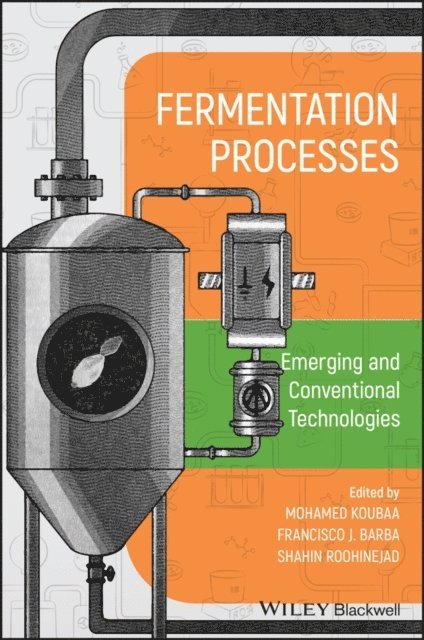
Fermentation Processes: Emerging and Conventional Technologies
Shahin Roohinejad, Francisco J. Barba, Mohamed Koubaa
E-bok
20212 598 kr
AvFrancisco J. Barba,Anderson de Souza Sant'Ana
1 727 kr
Beställningsvara. Skickas inom 10-15 vardagar. Fri frakt över 249 kr.
Innovative Technologies for Food Preservation: Inactivation of Spoilage and Pathogenic Microorganisms covers the latest advances in non-thermal processing, including mechanical processes (such as high pressure processing, high pressure homogenization, high hydrodynamic pressure processing, pressurized fluids); electromagnetic technologies (like pulsed electric fields, high voltage electrical discharges, Ohmic heating, chemical electrolysis, microwaves, radiofrequency, cold plasma, UV-light); acoustic technologies (ultrasound, shockwaves); innovative chemical processing technologies (ozone, chlorine dioxide, electrolysis, oxidized water) and others like membrane filtration and dense phase CO2. The title also focuses on understanding the effects of such processing technologies on inactivation of the most relevant pathogenic and spoilage microorganisms to ensure food safety and stability.
Over the course of the 20th century, the interest and demand for the development and application of new food preservation methods has increased significantly. The research in the last 50 years has produced various innovative food processing technologies and the use of new technologies for inactivation of spoilage and/or pathogenic microorganisms will depend on several factors. At this stage of development there is a need to better understand the mechanisms that govern microbial inactivation as induced by new and innovative processing technologies, as well as suitable and effective conditions for inactivating the microorganism.
Shahin Roohinejad, Francisco J. Barba, Mohamed Koubaa
2 598 kr
Shahin Roohinejad, Francisco J. Barba, Mohamed Koubaa
2 598 kr
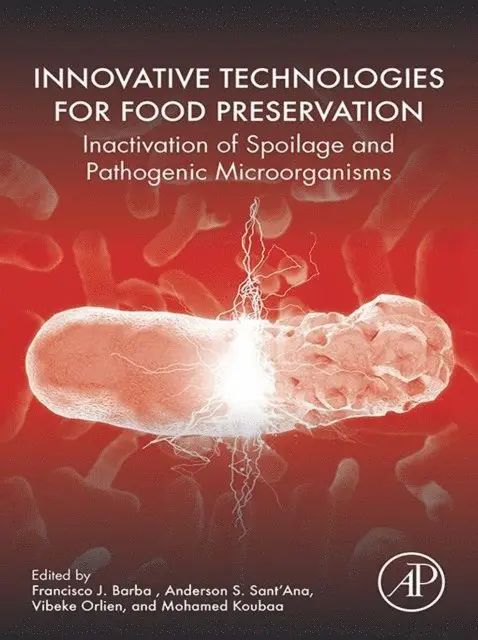
Mohamed Koubaa, Vibeke Orlien, Anderson de Souza Sant'Ana, Francisco J. Barba
2 476 kr
Mohamed Koubaa, Francisco J. Barba, Shahin Roohinejad
Inbunden, 2021
2 271 kr
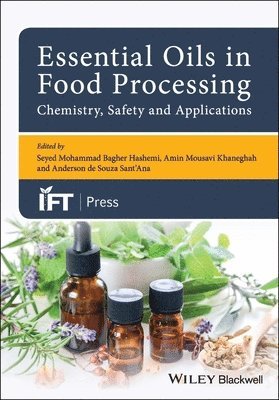
Seyed Mohammed Bagher Hashemi, Amin Mousavi Khaneghah, Anderson de Souza Sant'Ana
Inbunden, 2017
2 406 kr
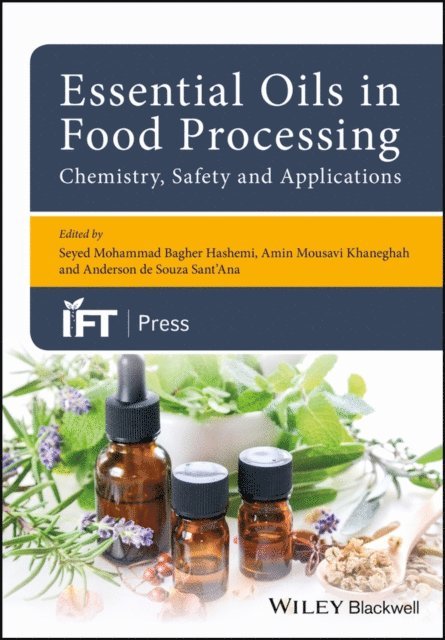
Anderson de Souza Sant'Ana, Amin Mousavi Khaneghah, Seyed Mohammed Bagher Hashemi
2 792 kr
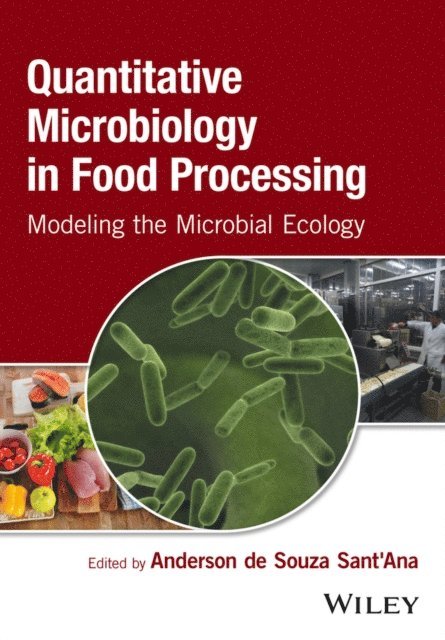
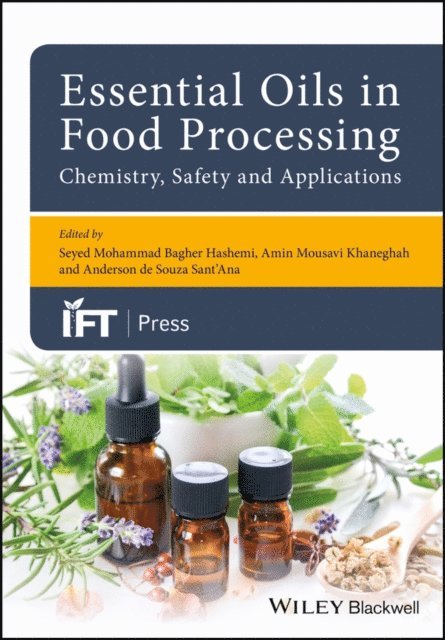
Anderson de Souza Sant'Ana, Amin Mousavi Khaneghah, Seyed Mohammed Bagher Hashemi
2 821 kr
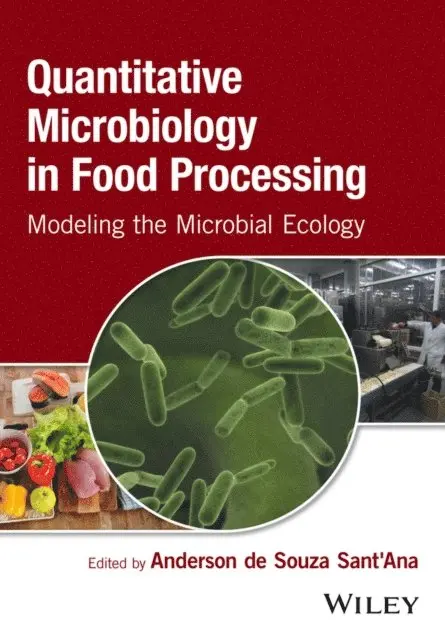
AvFrancisco J. Barba,Anderson de Souza Sant'Ana
1 727 kr
Beställningsvara. Skickas inom 10-15 vardagar. Fri frakt över 249 kr.
Innovative Technologies for Food Preservation: Inactivation of Spoilage and Pathogenic Microorganisms covers the latest advances in non-thermal processing, including mechanical processes (such as high pressure processing, high pressure homogenization, high hydrodynamic pressure processing, pressurized fluids); electromagnetic technologies (like pulsed electric fields, high voltage electrical discharges, Ohmic heating, chemical electrolysis, microwaves, radiofrequency, cold plasma, UV-light); acoustic technologies (ultrasound, shockwaves); innovative chemical processing technologies (ozone, chlorine dioxide, electrolysis, oxidized water) and others like membrane filtration and dense phase CO2. The title also focuses on understanding the effects of such processing technologies on inactivation of the most relevant pathogenic and spoilage microorganisms to ensure food safety and stability.
Over the course of the 20th century, the interest and demand for the development and application of new food preservation methods has increased significantly. The research in the last 50 years has produced various innovative food processing technologies and the use of new technologies for inactivation of spoilage and/or pathogenic microorganisms will depend on several factors. At this stage of development there is a need to better understand the mechanisms that govern microbial inactivation as induced by new and innovative processing technologies, as well as suitable and effective conditions for inactivating the microorganism.
Shahin Roohinejad, Francisco J. Barba, Mohamed Koubaa
2 598 kr
Shahin Roohinejad, Francisco J. Barba, Mohamed Koubaa
2 598 kr
Mohamed Koubaa, Vibeke Orlien, Anderson de Souza Sant'Ana, Francisco J. Barba
2 476 kr
Mohamed Koubaa, Francisco J. Barba, Shahin Roohinejad
Inbunden, 2021
2 271 kr
Seyed Mohammed Bagher Hashemi, Amin Mousavi Khaneghah, Anderson de Souza Sant'Ana
Inbunden, 2017
2 406 kr
Anderson de Souza Sant'Ana, Amin Mousavi Khaneghah, Seyed Mohammed Bagher Hashemi
2 792 kr
Anderson de Souza Sant'Ana, Amin Mousavi Khaneghah, Seyed Mohammed Bagher Hashemi
2 821 kr