Francisco J. Barba - Böcker
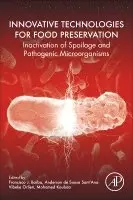
Innovative Technologies for Food Preservation
Inactivation of Spoilage and Pathogenic Microorganisms
1 678 kr
Skickas inom 7-10 vardagar
Innovative Technologies for Food Preservation: Inactivation of Spoilage and Pathogenic Microorganisms covers the latest advances in non-thermal processing, including mechanical processes (such as high pressure processing, high pressure homogenization, high hydrodynamic pressure processing, pressurized fluids); electromagnetic technologies (like pulsed electric fields, high voltage electrical discharges, Ohmic heating, chemical electrolysis, microwaves, radiofrequency, cold plasma, UV-light); acoustic technologies (ultrasound, shockwaves); innovative chemical processing technologies (ozone, chlorine dioxide, electrolysis, oxidized water) and others like membrane filtration and dense phase CO2. The title also focuses on understanding the effects of such processing technologies on inactivation of the most relevant pathogenic and spoilage microorganisms to ensure food safety and stability.
Over the course of the 20th century, the interest and demand for the development and application of new food preservation methods has increased significantly. The research in the last 50 years has produced various innovative food processing technologies and the use of new technologies for inactivation of spoilage and/or pathogenic microorganisms will depend on several factors. At this stage of development there is a need to better understand the mechanisms that govern microbial inactivation as induced by new and innovative processing technologies, as well as suitable and effective conditions for inactivating the microorganism.
Serves as a summary of relevant spoilage and pathogenic microorganisms for different foods as influenced by the application of innovative technologies for their preservation Provides readers with an in-depth understanding on how effective innovative processing technologies are for controlling spoilage and pathogenic microorganisms in different foods Integrates concepts in order to find the optimum conditions for microbial inactivation and preservation of major and minor food compoundsInnovative Thermal and Non-Thermal Processing, Bioaccessibility and Bioavailability of Nutrients and Bioactive Compounds
2 206 kr
Skickas inom 7-10 vardagar
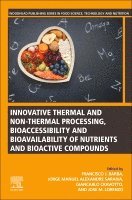
Innovative Thermal and Nonthermal Processing, Bioacessibility and Bioavailability of Nutrients and Bioactive Compounds presents the implications of conventional and innovative processing on the nutritional and health aspects of food products. Chapters cover the relationship between gastronomic science, nutrition and food science in the development of healthy products, introduce the most commonly used conventional and innovative approaches to preserve foods and extract valuable compounds, describe how processing affects bioavailability and bioaccessibility of lipids, particularly fatty acids, protein, amino acids and carbohydrates, and discuss how processing affects bioavailability and bioaccessibility of minerals, water-soluble vitamins, and fat soluble vitamins.
Final sections cover processing, bioavailability and bioaccessibility of bioactive compounds, describing how processing (conventional and non-conventional) is affecting to bioavailability and bioaccessibility of bioactive sulphur compounds, polyphenols, flavonoids, and bioactive peptides.
Presents the implications of conventional and innovative processing on the nutritional and health aspects of food products Introduces the most commonly used conventional and innovative approaches to preserve foods and extract valuable compounds Explains how processing (conventional and non-conventional) affects the bioavailability and bioaccessibility of bioactive sulphur compounds, polyphenols, flavonoids and bioactive peptides1 490 kr
Skickas inom 7-10 vardagar
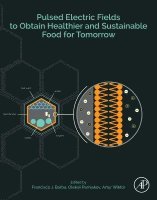
Pulsed Electric Fields to Obtain Healthier and Sustainable Food for Tomorrow illustrates innovative applications derived from the use of pulsed electric fields beyond microbial inactivation. The book begins with an introduction on how pulsed electric fields work and then addresses the impact of pulsed electric fields on bioaccessability/bioavailability and the development of nutraceuticals and food additives. Other sections explore the reduction of contaminants and assess the improvement of industrial process efficiency. A final section explores patents and commercial applications.
This book will be a welcomed resource for anyone interested in the technological, physiochemical and nutritional perspectives of product development and the reduction of food toxins and contaminants. The concepts explored in this book could have a profound impact on addressing the concept of "food on demand," a concept that is a top priority in industry.
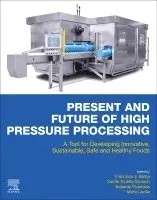
Explores how pulsed electric field treatment affects nutrients and the retention of bioactive compounds Identifies PEF approaches and optimized, targeted processing conditions to improve food quality, bioavailability and bioaccessibility of nutrients and bioactive compounds Highlights the mechanisms influencing the reduction of toxins and contaminants during pulsed electric fields processing Explains how pulsed electric fields design can enhance sustainability throughout the food chainPresent and Future of High Pressure Processing
A Tool for Developing Innovative, Sustainable, Safe and Healthy Foods
1 490 kr
Skickas inom 7-10 vardagar
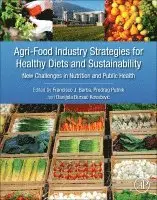
Agri-Food Industry Strategies for Healthy Diets and Sustainability
New Challenges in Nutrition and Public Health
1 779 kr
Skickas inom 7-10 vardagar
Divided into five sections, Agri-Food Industry Strategies for Healthy Diets and Sustainability: New Challenges in Nutrition and Public Health provides an overview of the challenges and future perspectives related to nutrition, public health, and sustainability. The book addresses strategies to reduce fat, trans fat, saturated fat, sugar, and salt consumption, while also exploring the manufacturing, safety, and toxicology of new food manufacturing.
This book examines commercial labeling and nutritional education, nutrigenomics and public health, and provides coverage of the valorization of waste and by-products from the food industry. Nutrition researchers and practitioners, food scientists, technologists, engineers, agronomists, food product developers, medical and public health professionals, and postgraduate students focused in food science and nutrition are sure to find this reference work a welcomed addition to their libraries.
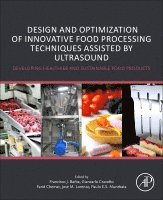
Contains innovative strategies to achieve a healthy diet through the design of new food products Provides comprehensive information related to agriculture, nutrition, food industry, government, and sustainable waste management and details their roles in addressing food waste Explores the ways in which innovative approaches, used to valorize and give an added value to agri-food waste and by-products, ensure the sustainability of the production process Presents nutritive education about reducing empty calories by lowering consumption of fats, sugars, and other high-calorie nutrients Delineates the roles of food industry and government in shaping the best policies for the general public and the design of new productsDesign and Optimization of Innovative Food Processing Techniques Assisted by Ultrasound
Developing Healthier and Sustainable Food Products
1 446 kr
Skickas inom 7-10 vardagar
Design and Optimization of Innovative Food Processing Techniques Assisted by Ultrasound: Developing Healthier and Sustainable Food Products is a useful tool in understanding the innovative applications derived from the use of ultrasound technology. The book is a starting point for product development, covering technological, physicochemical and nutritional perspectives, as well as the reduction of food toxics and contaminants. Divided into three parts, sections cover ultrasound usage in obtaining functional foods, extracting bioactive compounds, the improvement of food quality, ultrasound use for the development of novel applications, and more.
As the definitive resource in new innovative ultrasound-based emerging processes, this book is a necessity for food scientists and technologists, nutrition researchers, and those working in the food manufacturing industry.
Explores how ultrasound treatment affects nutrients and bioactive compound retention Provides a useful tool in understanding the innovative applications derived from the use of ultrasound technology Shows how ultrasound serves as a tool of new ingredients production for the food concept of tomorrowaAquaculture and By-Products: Challenges and Opportunities in the Use of Alternative Protein Sources and Bioactive Compounds
2 098 kr
Skickas inom 7-10 vardagar
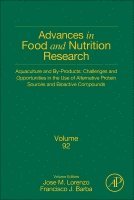
Aquaculture and By-products: Challenges and Opportunities, Volume 92 in the Advances in Food and Nutrition Research series, explores the potential use of aquaculture and by-products as sources of proteins and bioactive compounds. Alternative extraction techniques to obtain, isolate and purify proteins and bioactive from aquaculture and by-products are thoroughly discussed. Chapters in this new volume include Alternative extraction techniques to obtain, isolate and purify proteins and bioactive from aquaculture and by-products, Development of new food and pharmaceutical products: Nutraceuticals and food additives, Evaluation of the protein and bioactive compound bioaccessibility/bioavailability and citotoxicity of the extracts obtained from aquaculture and by-products, and more.
Details alternative extraction techniques to obtain, isolate and purify proteins and bioactive from aquaculture and by-products Evaluates the protein and bioactive compound bioaccessibility/bioavailability and citotoxicity of the extracts Updates on progress in the development of new food and pharmaceutical products, such as nutraceuticals and food additives1 202 kr
Skickas inom 7-10 vardagar
Sustainability is an essential part of our modern food production system. Carrying out food research that considers environmental, social, and economic factors, is a major objective for food producers and researchers. Strategic development and use of technology can greatly assist in the progression toward a more sustainable food system.
Sustainable Production Technology in Food explores important scientific and practical aspects related to sustainable technologies used in all aspects of the food system. This book is organized into 13 chapters, that cover the main concepts related to sustainability and technology. Coverage includes current technology in the industry, technological developments to improve sustainability of food production (biopreservation, pulsed electric fields, high pressure processing, ultrasound, cold plasma, and nanotechnology), regulatory aspects, and future perspectives.
Presents a comprehensive discussion around the technological advances of sustainable food production Addresses the current relationship between food production and sustainability Focuses on how technology can impact the sustainability of the food production system1 954 kr
Skickas inom 7-10 vardagar
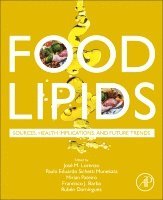
Food Lipids: Sources, Health Implications, and Future Trends presents specific and updated details related to human health and emerging technologies to obtain valuable lipids and lipid analysis of food products. The book covers the most relevant topics of food lipids as main sources (animal, marine and vegetable) and their composition, the implication of different lipids in human health, the main degradative processes and analytical methods for quality. Written for nutrition researchers, food scientists, food chemists and chemical engineers, R&D managers, new product developers, and other professionals working in the food industry and academia, including students, this book is sure to be a welcomed reference.
Lipids are vital for human nutrition as they provide energy to the biological processes of the body and contain substances with high importance as essential fatty acids or fat-soluble vitamins. Furthermore, lipids are responsible for many desirable characteristics of foods. However, in recent years consumers are increasingly aware of the diet-health relationship, especially the implication that some lipids exert in the development of different diseases.
Provides clear information on obtaining, characterizing and applying lipids in several food products Offers strategies to apply new emerging technologies to the recovery of valuable lipids from food by-products, the use of innovative techniques of encapsulation to protect highly oxidizable lipids, and the use of this lipids to produce healthier foods Includes definitions, applications, literature reviews, recent developments, methods and end-of-chapter glossariesFish Protein Hydrolysates
From Production to Food and Nutraceutical Industry Applications
1 727 kr
Skickas inom 7-10 vardagar
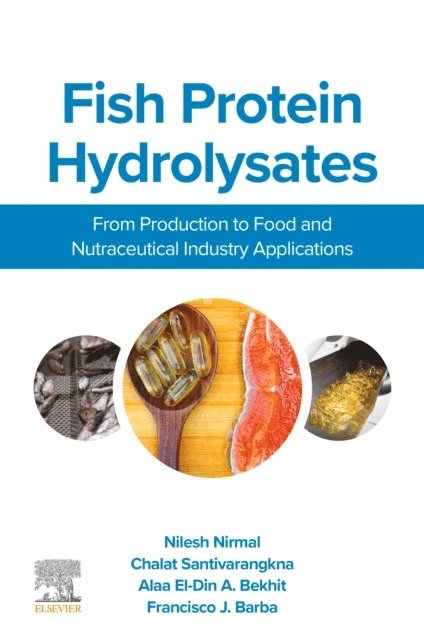
Fish Protein Hydrolysates: From Production to Food and Nutraceutical Industry Applications provides the most updated and comprehensive knowledge on fish protein hydrolysate production using a variety of innovative processing techniques and technologies. This book highlights various biological activities and health benefits of fish protein hydrolysates, their food and nutraceutical industry applications, and associated safety concerns.Written by international experts in the field of fisheries and seafood processing, this book provides its readership with a wealth of recent developments and guidance on each production method, including current and emerging technologies. This book discusses the defatting and debittering aspects of fish protein hydrolysates, purification methods, trends in food product development, food and feed applications, and more. Most importantly, this book provides real-time industrial scale-up process, commercialization, safety, and regulatory issue of fish protein hydrolysate as a food ingredient.Fish Protein Hydrolysates: From Production to Food and Nutraceutical Industry Applications is a valuable resource for fish processing industries, researchers, or scientists to update their knowledge on production techniques, bittering issues of fish protein hydrolysates, and scale-up processes. In addition, this is a valuable source for academic scholars and students to keep up to date with the current changes and improvements in fish protein hydrolysate production and applications in the food industry.
Provides methods to utilize low-value fish discards and minimize seafood processing wasteDiscusses current technologies and the impact of different processing parameters on fish protein hydrolysate productionExplains the de-bittering process, functional properties, bioactivities, food applications, and health benefits of fish protein hydrolysatesOutlines food safety concerns and regulation of fish protein hydrolysate as a food ingredient2 003 kr
Skickas inom 7-10 vardagar
2 502 kr
Skickas inom 10-15 vardagar
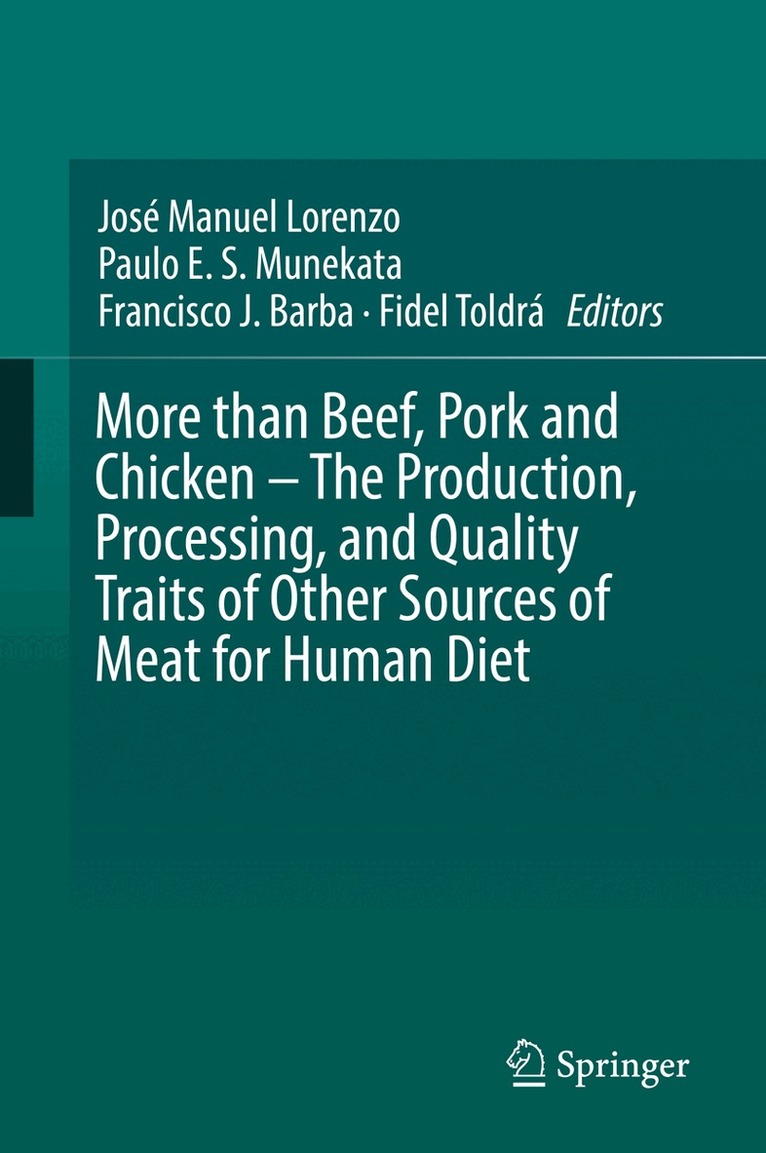
More than Beef, Pork and Chicken – The Production, Processing, and Quality Traits of Other Sources of Meat for Human Diet
1 069 kr
Skickas inom 10-15 vardagar