Paul Warde - Böcker
Visar alla böcker från författaren Paul Warde. Handla med fri frakt och snabb leverans.
11 produkter
11 produkter
362 kr
Skickas inom 7-10 vardagar
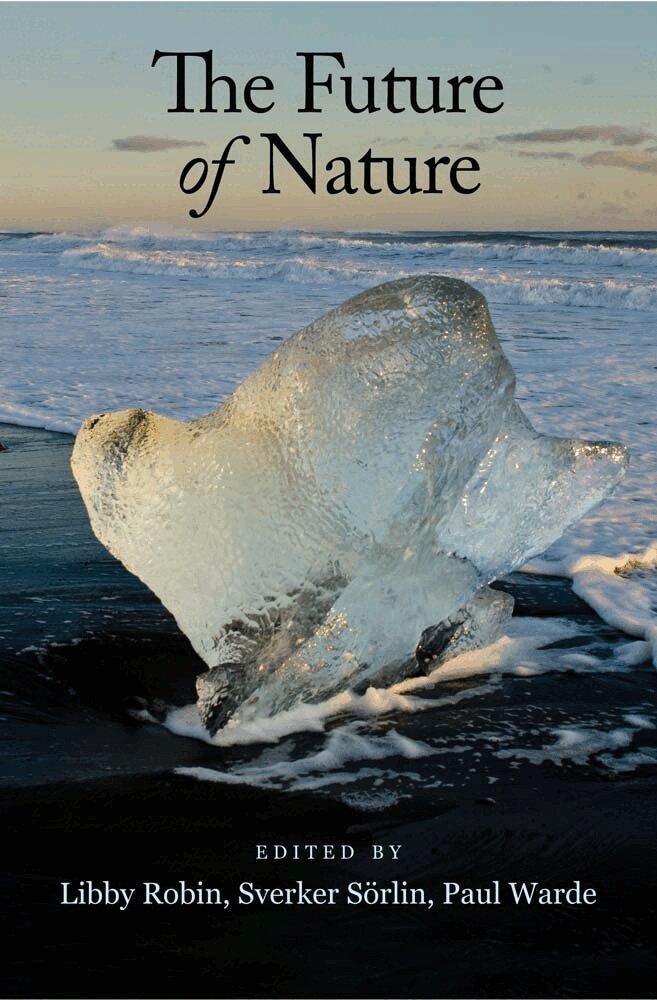
An innovative anthology that offers a global perspective on how people think about predicting the future of life on EarthThis anthology provides an historical overview of the scientific ideas behind environmental prediction and how, as predictions about environmental change have been taken more seriously and widely, they have affected politics, policy, and public perception. Through an array of texts and commentaries that examine the themes of progress, population, environment, biodiversity and sustainability from a global perspective, it explores the meaning of the future in the twenty-first century. Providing access and reference points to the origins and development of key disciplines and methods, it will encourage policy makers, professionals, and students to reflect on the roots of their own theories and practices.
Del 41 - Cambridge Studies in Population, Economy and Society in Past Time
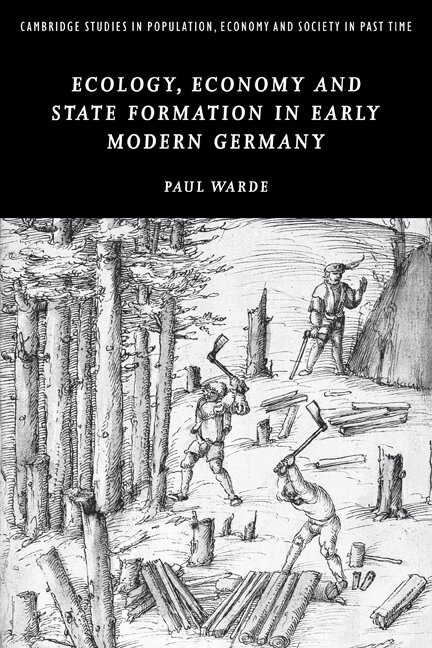
Ecology, Economy and State Formation in Early Modern Germany
Häftad, Engelska, 2010
577 kr
Skickas inom 7-10 vardagar
This is an innovative analysis of the agrarian world and growth of government in early modern Germany through the medium of pre-industrial society's most basic material resource, wood. Paul Warde offers a regional study of south-west Germany from the late fifteenth to the early eighteenth century, demonstrating the stability of the economy and social structure through periods of demographic pressure, warfare and epidemic. He casts light on the nature of 'wood shortages' and societal response to environmental challenge, and shows how institutional responses largely based on preventing local conflict were poor at adapting to optimise the management of resources. Warde further argues for the inadequacy of models that oppose the 'market' to a 'natural economy' in understanding economic behaviour. This is a major contribution to debates about the sustainability of peasant society in early modern Europe, and to the growth of ecological approaches to history and historical geography.
Del 41 - Cambridge Studies in Population, Economy and Society in Past Time
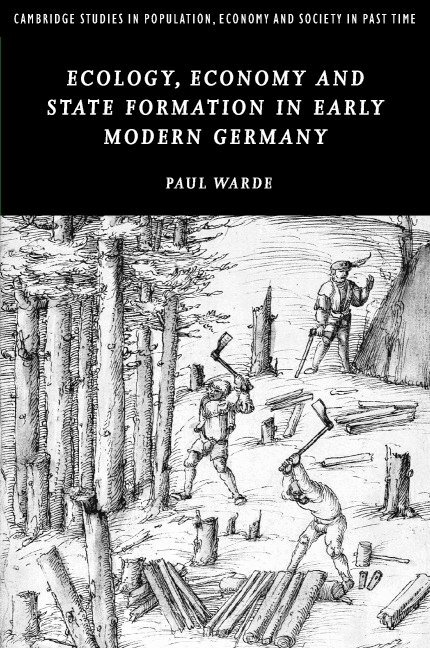
Ecology, Economy and State Formation in Early Modern Germany
Inbunden, Engelska, 2006
1 485 kr
Skickas inom 7-10 vardagar
This is an innovative analysis of the agrarian world and growth of government in early modern Germany through the medium of pre-industrial society's most basic material resource, wood. Paul Warde offers a regional study of south-west Germany from the late fifteenth to the early eighteenth century, demonstrating the stability of the economy and social structure through periods of demographic pressure, warfare and epidemic. He casts light on the nature of 'wood shortages' and societal response to environmental challenge, and shows how institutional responses largely based on preventing local conflict were poor at adapting to optimise the management of resources. Warde further argues for the inadequacy of models that oppose the 'market' to a 'natural economy' in understanding economic behaviour. This is a major contribution to debates about the sustainability of peasant society in early modern Europe, and to the growth of ecological approaches to history and historical geography.
460 kr
Skickas inom 7-10 vardagar
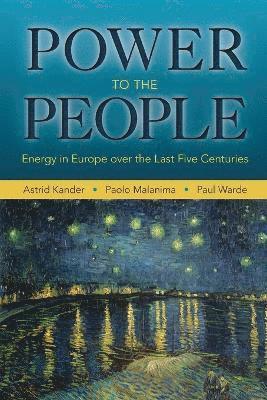
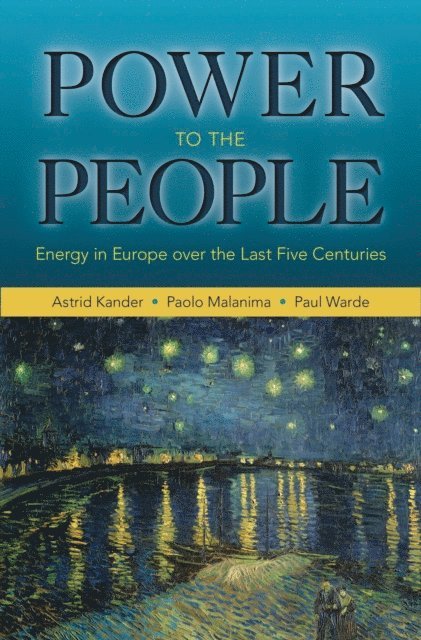
Power to the People examines the varied but interconnected relationships between energy consumption and economic development in Europe over the last five centuries. It describes how the traditional energy economy of medieval and early modern Europe was marked by stable or falling per capita energy consumption, and how the First Industrial Revolution in the eighteenth century--fueled by coal and steam engines--redrew the economic, social, and geopolitical map of Europe and the world. The Second Industrial Revolution continued this energy expansion and social transformation through the use of oil and electricity, but after 1970 Europe entered a new stage in which energy consumption has stabilized. This book challenges the view that the outsourcing of heavy industry overseas is the cause, arguing that a Third Industrial Revolution driven by new information and communication technologies has played a major stabilizing role.Power to the People offers new perspectives on the challenges posed today by climate change and peak oil, demonstrating that although the path of modern economic development has vastly increased our energy use, it has not been a story of ever-rising and continuous consumption. The book sheds light on the often lengthy and complex changes needed for new energy systems to emerge, the role of energy resources in economic growth, and the importance of energy efficiency in promoting growth and reducing future energy demand.
345 kr
Skickas inom 7-10 vardagar
Power to the People examines the varied but interconnected relationships between energy consumption and economic development in Europe over the last five centuries. It describes how the traditional energy economy of medieval and early modern Europe was marked by stable or falling per capita energy consumption, and how the First Industrial Revolution in the eighteenth century--fueled by coal and steam engines--redrew the economic, social, and geopolitical map of Europe and the world. The Second Industrial Revolution continued this energy expansion and social transformation through the use of oil and electricity, but after 1970 Europe entered a new stage in which energy consumption has stabilized. This book challenges the view that the outsourcing of heavy industry overseas is the cause, arguing that a Third Industrial Revolution driven by new information and communication technologies has played a major stabilizing role.Power to the People offers new perspectives on the challenges posed today by climate change and peak oil, demonstrating that although the path of modern economic development has vastly increased our energy use, it has not been a story of ever-rising and continuous consumption. The book sheds light on the often lengthy and complex changes needed for new energy systems to emerge, the role of energy resources in economic growth, and the importance of energy efficiency in promoting growth and reducing future energy demand.
626 kr
Skickas inom 7-10 vardagar
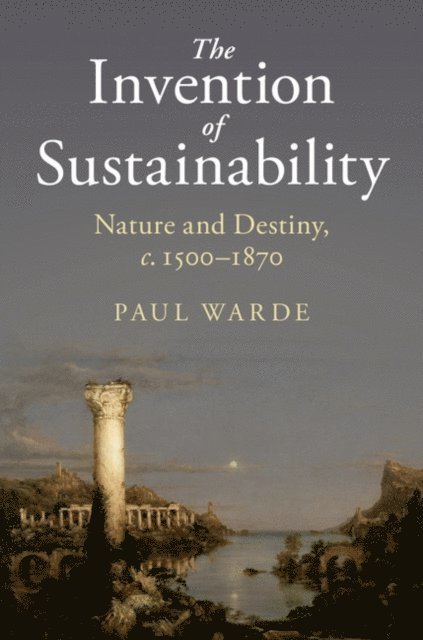
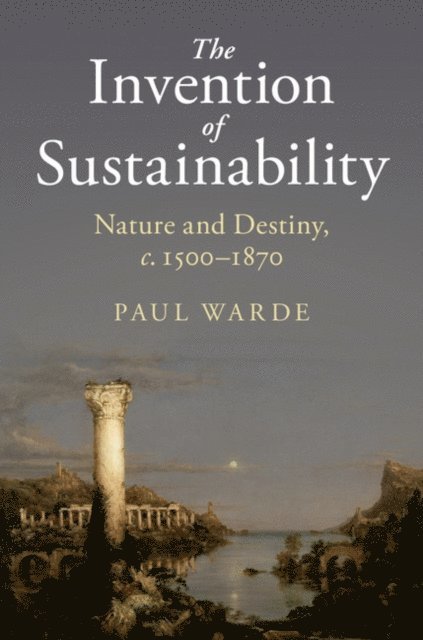
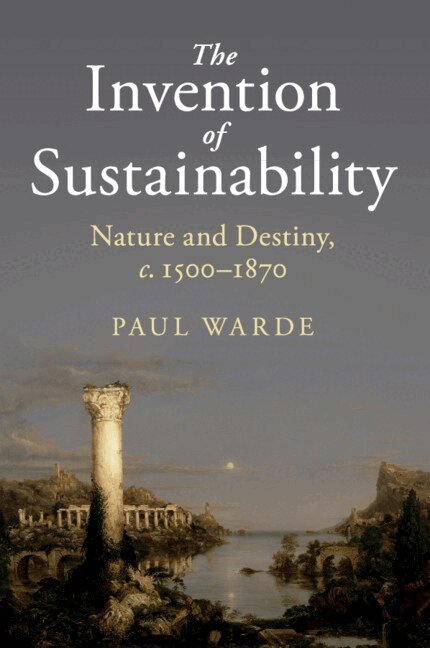
The issue of sustainability, and the idea that economic growth and development might destroy its own foundations, is one of the defining political problems of our era. This groundbreaking study traces the emergence of this idea, and demonstrates how sustainability was closely linked to hopes for growth, and the destiny of expanding European states, from the sixteenth century. Weaving together aspirations for power, for economic development and agricultural improvement, and ideas about forestry, climate, the sciences of the soil and of life itself, this book sets out how new knowledge and metrics led people to imagine both new horizons for progress, but also the possibility of collapse. In the nineteenth century, anxieties about sustainability, often driven by science, proliferated in debates about contemporary and historical empires and the American frontier. The fear of progress undoing itself confronted society with finding ways to live with and manage nature.
377 kr
Skickas inom 7-10 vardagar
Drawing on political science, economics, philosophy, theology, social anthropology, history, management studies, law, and other subject areas, In Search of Good Energy Policy brings together leading academics from across the social sciences and humanities to offer an innovative look at why science and technology, and the type of quantification they champion, cannot alone meet the needs of energy policy making in the future. Featuring world-class researchers from the University of Cambridge and other leading universities around the world, this innovative book presents an interdisciplinary dialogue in which scientists and practitioners reach across institutional divides to offer their perspectives on the relevance of multi-disciplinary research for 'real world' application. This work should be read by anyone interested in understanding how multidisciplinary research and collaboration is essential to crafting good energy policy.
830 kr
Skickas inom 7-10 vardagar
Drawing on political science, economics, philosophy, theology, social anthropology, history, management studies, law, and other subject areas, In Search of Good Energy Policy brings together leading academics from across the social sciences and humanities to offer an innovative look at why science and technology, and the type of quantification they champion, cannot alone meet the needs of energy policy making in the future. Featuring world-class researchers from the University of Cambridge and other leading universities around the world, this innovative book presents an interdisciplinary dialogue in which scientists and practitioners reach across institutional divides to offer their perspectives on the relevance of multi-disciplinary research for 'real world' application. This work should be read by anyone interested in understanding how multidisciplinary research and collaboration is essential to crafting good energy policy.
334 kr
Skickas inom 7-10 vardagar
The issue of sustainability, and the idea that economic growth and development might destroy its own foundations, is one of the defining political problems of our era. This groundbreaking study traces the emergence of this idea, and demonstrates how sustainability was closely linked to hopes for growth, and the destiny of expanding European states, from the sixteenth century. Weaving together aspirations for power, for economic development and agricultural improvement, and ideas about forestry, climate, the sciences of the soil and of life itself, this book sets out how new knowledge and metrics led people to imagine both new horizons for progress, but also the possibility of collapse. In the nineteenth century, anxieties about sustainability, often driven by science, proliferated in debates about contemporary and historical empires and the American frontier. The fear of progress undoing itself confronted society with finding ways to live with and manage nature.
346 kr
Skickas
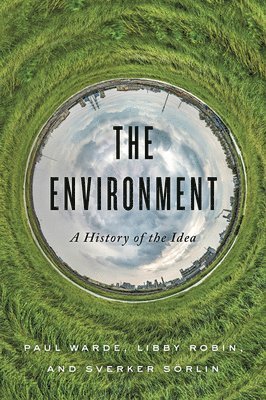
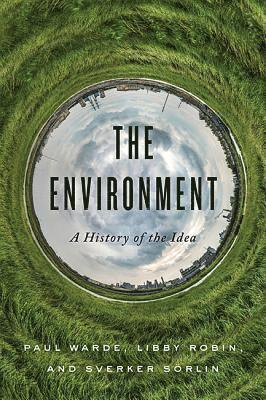
An in-depth look at the history of the environment.Is it possible for the economy to grow without the environment being destroyed? Will our lifestyles impoverish the planet for our children and grandchildren? Is the world sick? Can it be healed? Less than a lifetime ago, these questions would have made no sense. This was not because our ancestors had no impact on nature—nor because they were unaware of the serious damage they had done. What people lacked was an idea: a way of imagining the web of interconnection and consequence of which the natural world is made. Without this notion, we didn't have a way to describe the scale and scope of human impact upon nature. This idea was "the environment." In this fascinating book, Paul Warde, Libby Robin, and Sverker Sörlin trace the emergence of the concept of the environment following World War II, a period characterized by both hope for a new global order and fear of humans' capacity for almost limitless destruction. It was at this moment that a new idea and a new narrative about the planet-wide impact of people's behavior emerged, closely allied to anxieties for the future. Now we had a vocabulary for talking about how we were changing nature: resource exhaustion and energy, biodiversity, pollution, and—eventually—climate change.With the rise of "the environment," the authors argue, came new expertise, making certain kinds of knowledge crucial to understanding the future of our planet. The untold history of how people came to conceive, to manage, and to dispute environmental crisis, The Environment is essential reading for anyone who wants to help protect the environment from the numerous threats it faces today.
305 kr
Skickas inom 7-10 vardagar
An in-depth look at the history of the environment.Is it possible for the economy to grow without the environment being destroyed? Will our lifestyles impoverish the planet for our children and grandchildren? Is the world sick? Can it be healed? Less than a lifetime ago, these questions would have made no sense. This was not because our ancestors had no impact on nature—nor because they were unaware of the serious damage they had done. What people lacked was an idea: a way of imagining the web of interconnection and consequence of which the natural world is made. Without this notion, we didn't have a way to describe the scale and scope of human impact upon nature. This idea was "the environment." In this fascinating book, Paul Warde, Libby Robin, and Sverker Sörlin trace the emergence of the concept of the environment following World War II, a period characterized by both hope for a new global order and fear of humans' capacity for almost limitless destruction. It was at this moment that a new idea and a new narrative about the planet-wide impact of people's behavior emerged, closely allied to anxieties for the future. Now we had a vocabulary for talking about how we were changing nature: resource exhaustion and energy, biodiversity, pollution, and—eventually—climate change.With the rise of "the environment," the authors argue, came new expertise, making certain kinds of knowledge crucial to understanding the future of our planet. The untold history of how people came to conceive, to manage, and to dispute environmental crisis, The Environment is essential reading for anyone who wants to help protect the environment from the numerous threats it faces today.