431 kr
Astrid Kander – författare
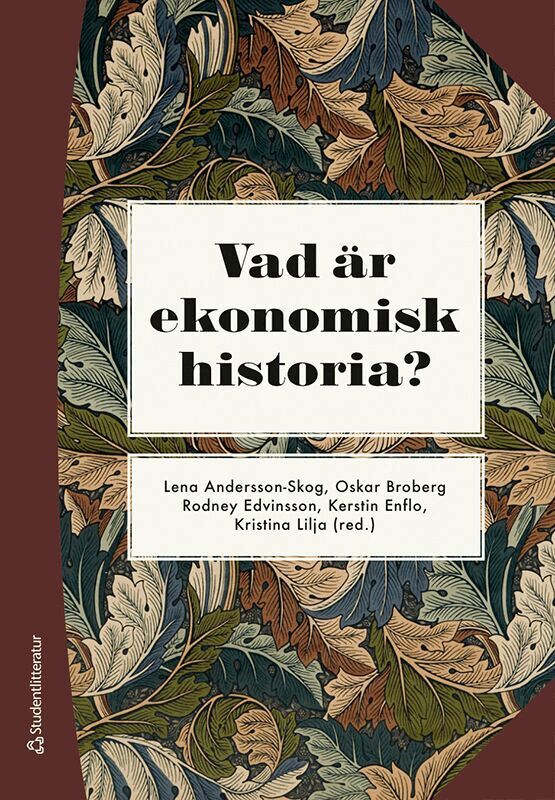
- Häftad, Svenska, 2026Boken är ett unikt nationellt projekt genom dess representation av författare från samtliga svenska lärosäten som undervisar i ekonomisk historia på alla utbildningsnivåer. Bokens 25 författare är också aktiva forskare och bidragen bygger på en stor samlad erfarenhet av aktuell svensk och internationell forskning inom ämnet.Vad är ekonomisk historia? är en introducerande lärobok i ekonomisk historia som syftar till att väcka nyfikenhet för ämnet, samt visa på dess möjligheter som akademisk disciplin och tillämpad samhällsvetenskap. Boken visar hur ekonomisk-historiska perspektiv, teorier och metoder kan användas för att analysera olika utvecklingsförlopp med avgörande betydelse för samhällsutvecklingen då som nu.Genom att använda olika verktyg ur de historiska och ekonomiska verktygslådorna vänder och vrider forskare inom ekonomisk historia på begrepp som tillväxt, industrialisering, resursfördelning, kapital och arbete. På detta sätt bidrar ämnet till vår förståelse av mänsklighetens långa historia, samtidigt som det också bidrar med nya perspektiv på vår egen samtid.Vad är ekonomisk historia? består av 13 kapitel, de tre första kapitlen behandlar ämnets historia, teorier och metoder. De därpå följande kapitlen lyfter ett urval av de frågor som ekonomhistoriker arbetar med. Boken vänder sig främst till universitets- och högskolestudenter på grundläggande nivå och fungerar utmärkt som en introduktion till ämnet.
- Häftad, Svenska, 2020
189 kr
Skickas
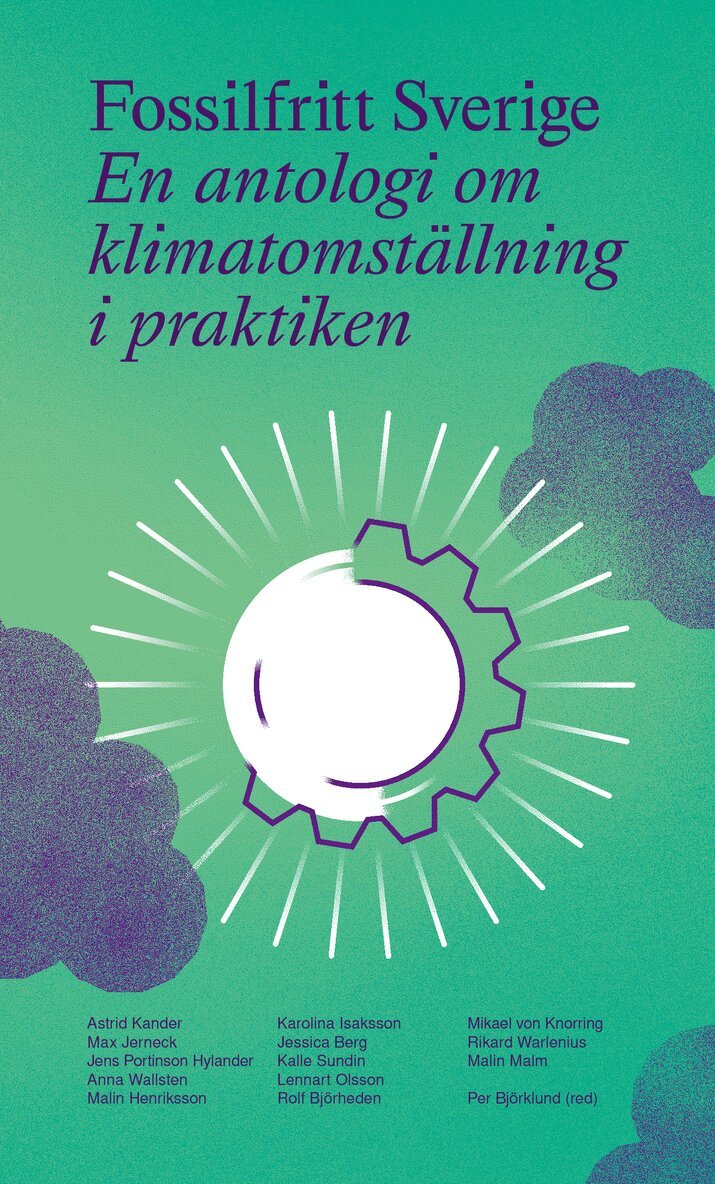
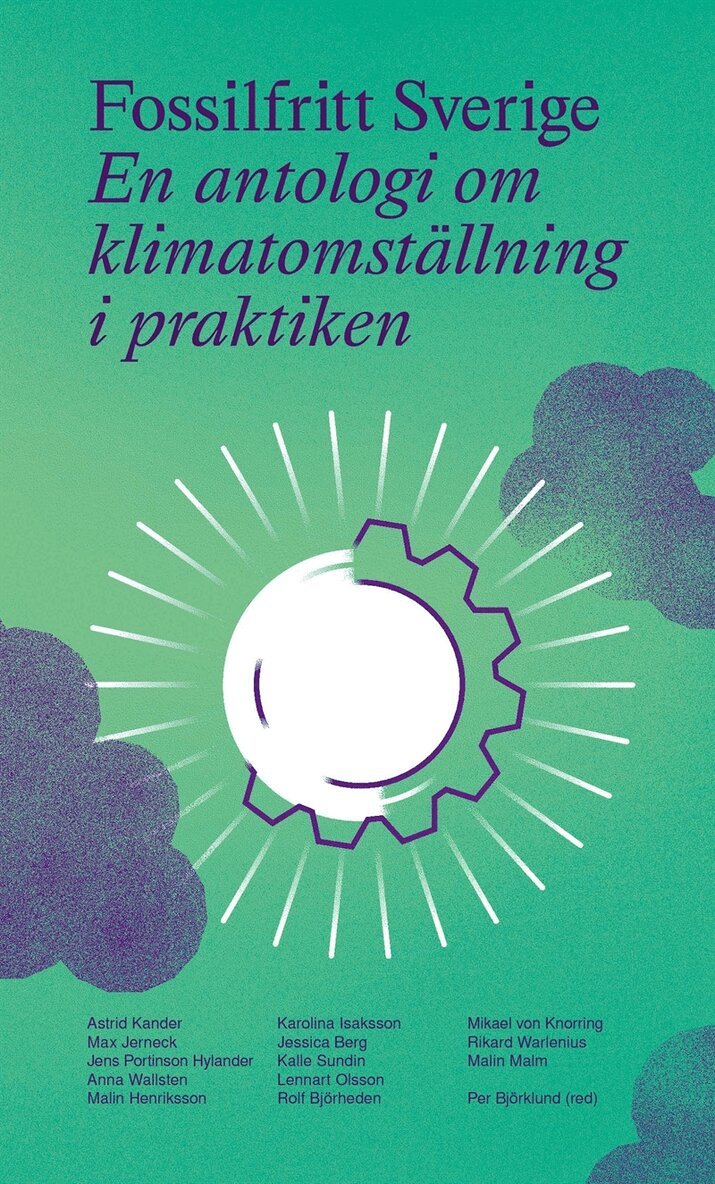
Kan ett litet land som Sverige bidra till en global lösning på klimatkrisen? Är klimatomställningen bara en kostnad, eller kan den också vara en ekonomisk möjlighet? Hur kan jordbruket bli en del av lösningen snarare än en del av problemet? Kan effektivitet och rättvisa förenas i transportpolitiken?
Den globala klimatrörelsen och de senaste årens extrema värmeböljor och skogsbränder har bidragit till att placera klimatfrågan i politikens centrum. I antologin Fossilfritt Sverige bidrar både forskare och politiska aktivister till debatten med konkreta lösningar och nya visioner. Samtidigt utmanas dominerande föreställningar om allt från offentliga aktörers förmåga att styra teknikutvecklingen till förutsättningarna för en grön industripolitik.
Gemensamt för de medverkande är övertygelsen att Sverige kan gå före och göra skillnad. Medverkande: Per Björklund (Red), Astrid Kander, Max Jerneck, Jens Portinson Hylander, Anna Wallsten, Malin Henriksson, Karolina Isaksson, Jessica Berg, Kalle Sundin, Lennart Olsson, Rolf Björheden, Mikael von Knorring, Rikard Warlenius, Malin Malm.
- Inbunden, Engelska, 2014
504 kr
Skickas inom 5-8 vardagar
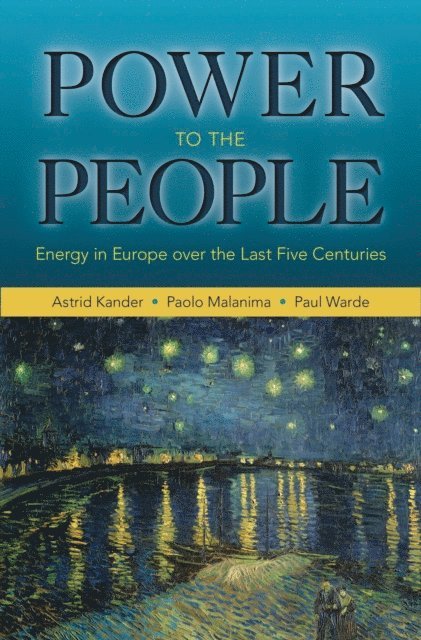
Power to the People examines the varied but interconnected relationships between energy consumption and economic development in Europe over the last five centuries. It describes how the traditional energy economy of medieval and early modern Europe was marked by stable or falling per capita energy consumption, and how the First Industrial Revolution in the eighteenth century--fueled by coal and steam engines--redrew the economic, social, and geopolitical map of Europe and the world. The Second Industrial Revolution continued this energy expansion and social transformation through the use of oil and electricity, but after 1970 Europe entered a new stage in which energy consumption has stabilized. This book challenges the view that the outsourcing of heavy industry overseas is the cause, arguing that a Third Industrial Revolution driven by new information and communication technologies has played a major stabilizing role.Power to the People offers new perspectives on the challenges posed today by climate change and peak oil, demonstrating that although the path of modern economic development has vastly increased our energy use, it has not been a story of ever-rising and continuous consumption. The book sheds light on the often lengthy and complex changes needed for new energy systems to emerge, the role of energy resources in economic growth, and the importance of energy efficiency in promoting growth and reducing future energy demand. - Häftad, Engelska, 2015
384 kr
Skickas inom 5-8 vardagar
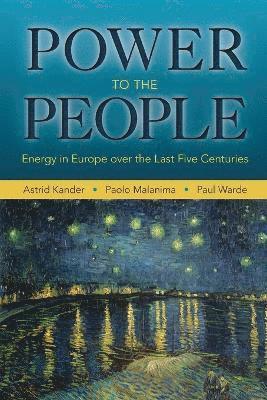
Power to the People examines the varied but interconnected relationships between energy consumption and economic development in Europe over the last five centuries. It describes how the traditional energy economy of medieval and early modern Europe was marked by stable or falling per capita energy consumption, and how the First Industrial Revolution in the eighteenth century--fueled by coal and steam engines--redrew the economic, social, and geopolitical map of Europe and the world. The Second Industrial Revolution continued this energy expansion and social transformation through the use of oil and electricity, but after 1970 Europe entered a new stage in which energy consumption has stabilized. This book challenges the view that the outsourcing of heavy industry overseas is the cause, arguing that a Third Industrial Revolution driven by new information and communication technologies has played a major stabilizing role.Power to the People offers new perspectives on the challenges posed today by climate change and peak oil, demonstrating that although the path of modern economic development has vastly increased our energy use, it has not been a story of ever-rising and continuous consumption. The book sheds light on the often lengthy and complex changes needed for new energy systems to emerge, the role of energy resources in economic growth, and the importance of energy efficiency in promoting growth and reducing future energy demand. - E-bokEngelska, 2014
685 kr
Läs direkt efter köp
Power to the People examines the varied but interconnected relationships between energy consumption and economic development in Europe over the last five centuries. It describes how the traditional energy economy of medieval and early modern Europe was marked by stable or falling per capita energy consumption, and how the First Industrial Revolution in the eighteenth century--fueled by coal and steam engines--redrew the economic, social, and geopolitical map of Europe and the world. The Second Industrial Revolution continued this energy expansion and social transformation through the use of oil and electricity, but after 1970 Europe entered a new stage in which energy consumption has stabilized. This book challenges the view that the outsourcing of heavy industry overseas is the cause, arguing that a Third Industrial Revolution driven by new information and communication technologies has played a major stabilizing role. Power to the People offers new perspectives on the challenges posed today by climate change and peak oil, demonstrating that although the path of modern economic development has vastly increased our energy use, it has not been a story of ever-rising and continuous consumption. The book sheds light on the often lengthy and complex changes needed for new energy systems to emerge, the role of energy resources in economic growth, and the importance of energy efficiency in promoting growth and reducing future energy demand.
- E-bokSvenska, 2021
169 kr
Läs direkt efter köp
Kan ett litet land som Sverige bidra till en global lösning på klimatkrisen? Är klimatomställningen bara en kostnad, eller kan den också vara en ekonomisk möjlighet? Hur kan jordbruket bli en del av lösningen snarare än en del av problemet? Kan effektivitet och rättvisa förenas i transportpolitiken?
Den globala klimatrörelsen och de senaste årens extrema värmeböljor och skogsbränder har bidragit till att placera klimatfrågan i politikens centrum. I antologin Fossilfritt Sverige bidrar både forskare och politiska aktivister till debatten med konkreta lösningar och nya visioner. Samtidigt utmanas dominerande föreställningar om allt från offentliga aktörers förmåga att styra teknikutvecklingen till förutsättningarna för en grön industripolitik.
Gemensamt för de medverkande är övertygelsen att Sverige kan gå före och göra skillnad. Medverkande: Per Björklund (Red), Astrid Kander, Max Jerneck, Jens Portinson Hylander, Anna Wallsten, Malin Henriksson, Karolina Isaksson, Jessica Berg, Kalle Sundin, Lennart Olsson, Rolf Björheden, Mikael von Knorring, Rikard Warlenius, Malin Malm.