Ancient Lives - Böcker
Visar alla böcker i serien Ancient Lives. Handla med fri frakt och snabb leverans.
18 produkter
18 produkter
252 kr
Skickas inom 7-10 vardagar
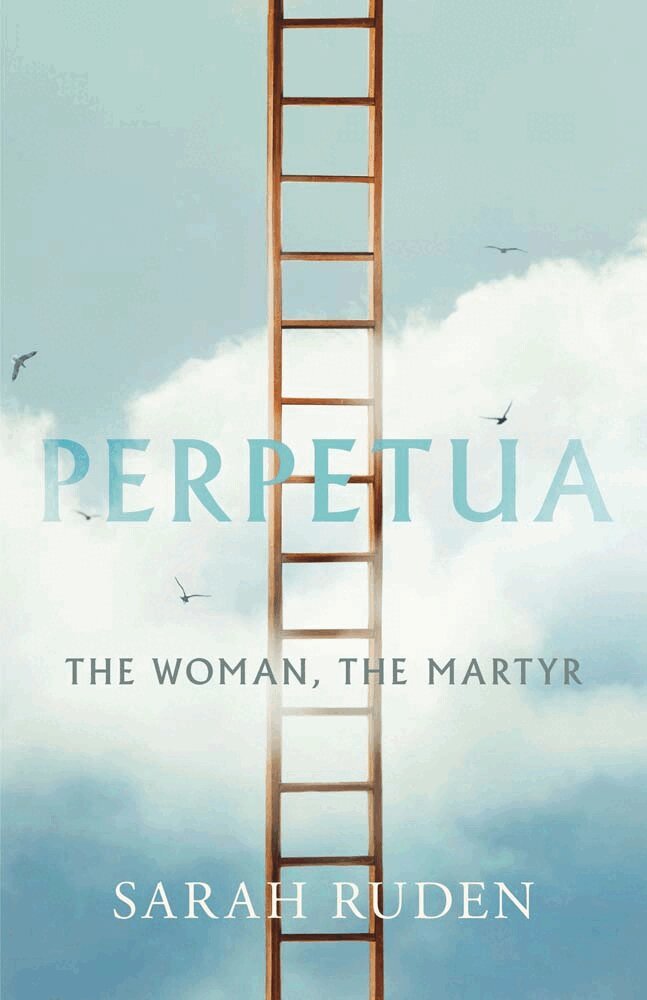
An intimate and human portrait of Perpetua, a third-century woman author who was idealized as a Christian martyr“[Ruden’s] fresh, engaging translation of the Perpetua dossier captures the nuances of the Latin with remarkable skill. She has an eye for fine but crucial distinctions of meaning. It is a pleasure to read something with such a sensitive guide.”—George Woudhuysen, Wall Street Journal On March 7, 203, in the monumental amphitheater at Carthage, Vibia Perpetua was one of five Christians who met their deaths after refusing to venerate the Roman emperor Septimius Severus and his son. Perpetua stood out from the other four, and in fact from all the other martyrs of her era and before: she was an aristocratic married woman with an infant son, and she is the first female prose author whose work survives. Offering a probing new translation of Perpetua’s extraordinary prison diary and situating the life behind that diary within the turbulent late Roman Empire, Sarah Ruden tells the story of Perpetua’s remarkable feat of self‑invention as a martyr. As she builds on Perpetua’s own words and integrates them into their religious and historical contexts, Ruden shines a light on Perpetua’s disarming candidness, her brashness, and her naïvété. In contrast to traditional portrayals of the saint as a brave but submissive young woman, Ruden’s narrative reveals a complex individual who flaunts a vivid public persona as a martyr while at the same time navigating the emotions of a mother, daughter, sister, and friend approaching death.
231 kr
Skickas inom 7-10 vardagar
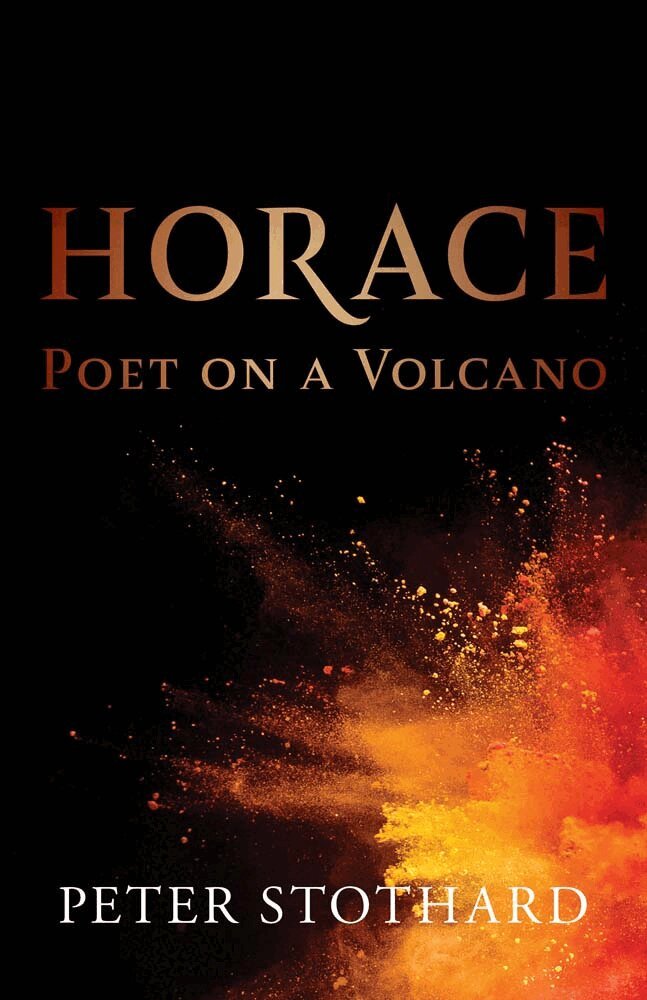
A biography of Horace, one of the most popular poets from antiquity, revealing the little-known man behind his famous lines“Peter Stothard is a master of modern writing about ancient Rome, of vividly bringing to life its poetry and its poets.”—Mary BeardA New Statesman Book of the Year 2025Quintus Horatius Flaccus (65–8 BCE) wrote some of ancient Rome’s greatest poetry, melding languages and cultures with youthful ideals and a realist’s recognition of the dictatorial world around him. Horace is famed for his fine phrases, lyric sex, and guidance on how to live, but he was a poet maddened by war, and many of his most self-revealing poems have rarely been read. He could be sublime and obscene, amusing and abusive, a model of moderation and anything but.In this book, the first modern retelling of Horace’s life, Peter Stothard follows the poet from his birth as the son of a formerly enslaved father through his rise to the highest circles of Roman society. He shines a light on how shattering experiences in the war to save Rome’s republic shaped the loyal servant and revolutionary artist he became. With astute scholarship and sympathy, Stothard follows Horace’s rise from humble beginnings to the social and political heights of the autocracy he had fought to prevent.
230 kr
Skickas inom 5-8 vardagar
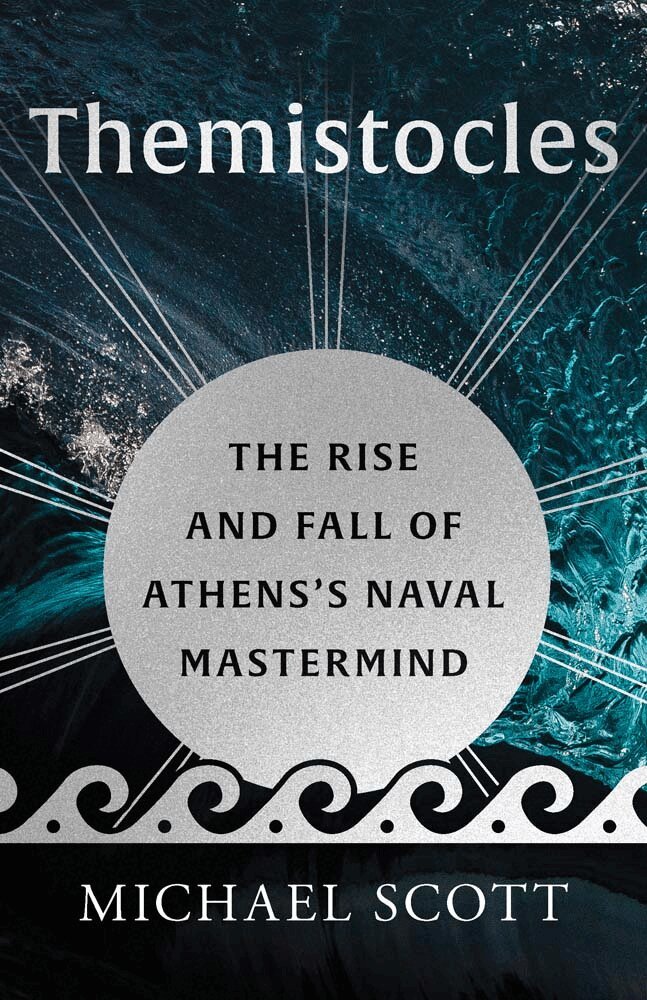
A portrait of the Athenian politician and general Themistocles, tracing his political development, his victory at the Battle of Salamis, and his exile in Persia“Excellent. . . . A superb introduction to the life of Themistocles and the foundations of democracy.”—David Gibbins, Wall Street JournalThemistocles (524–459 BC) came of age just as a newly democratic and empowered Athens was emerging. He would become an instrumental political and military figure, fighting in the Battle of Marathon; persuading Athenians to expand their fleet; and engineering the Athenians’ defeat of the Persians at the Battle of Salamis. However, as Michael Scott demonstrates in this biography, Themistocles failed as much as he succeeded.Scott offers a fully human picture of Themistocles, a man who could be both decisive and heroic as well as uncertain and unprepared. He was loved and hated in Athens, his plans and ideas ignored as often as they were respected. Eventually he was exiled as a traitor, ultimately settling in Persia as an adviser to Artaxerxes, the son of Xerxes, his foe at Salamis. And yet, in the aftermath of his death, he emerged as one of Greece’s historical heroes.In this portrait of a man Thucydides deemed one of the most illustrious Greeks of his time, Scott reveals one man’s struggle to navigate the turbulent world of Athenian politics, and the crucial role of historians and biographers in shaping, and distorting, the image of Themistocles that has come down to us through the centuries.
232 kr
Skickas inom 7-10 vardagar
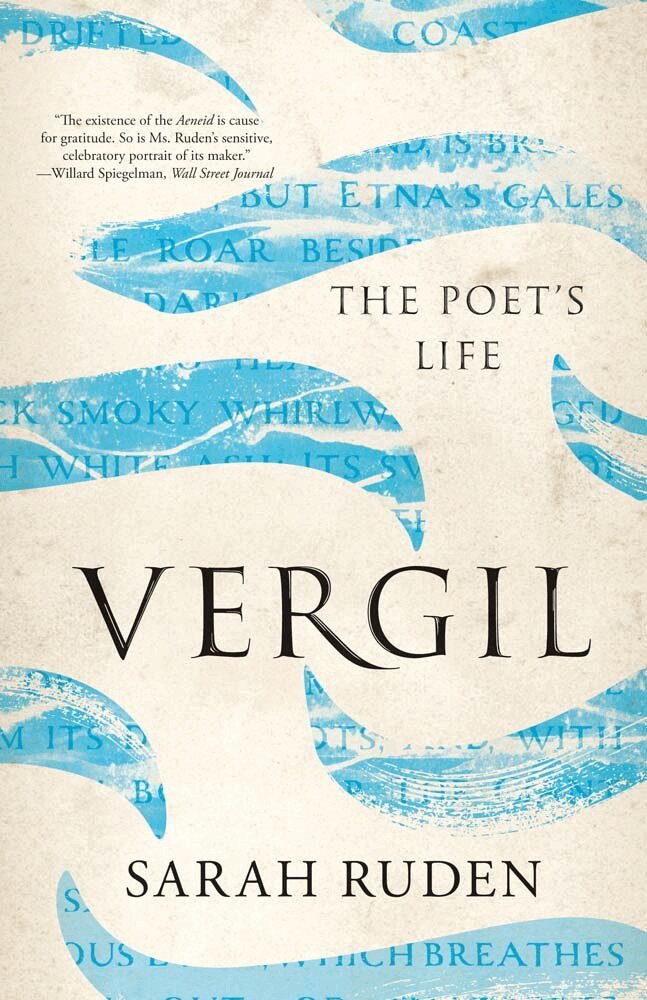
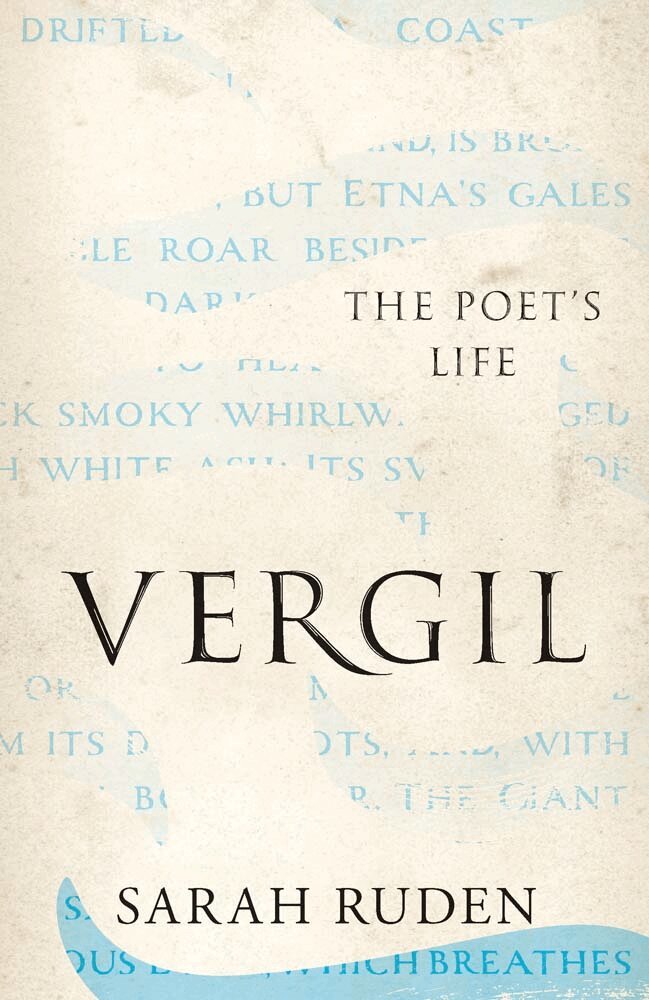
A biography of Vergil, Rome’s greatest poet, by the acclaimed translator of the Aeneid “Ms. Ruden has converted the writer of the Aeneid from a noble and stodgy ‘ancient’ into our contemporary . . . persuasively re-imagined [as] a sympathetic, three-dimensional figure. . . . The existence of the Aeneid is cause for gratitude. So is Ms. Ruden’s sensitive, celebratory portrait of its maker.”—Willard Spiegelman, Wall Street Journal The Aeneid stands as a towering work of Classical Roman literature and a gripping dramatization of the best and worst of human nature. In the process of creating this epic poem, Vergil (70–19 BCE) became the world’s first media celebrity, a living legend. But the real Vergil is a shadowy figure; we know that he was born into a modest rural family, that he led a private and solitary life, and that, in spite of poor health and unusual emotional vulnerabilities, he worked tirelessly to achieve exquisite new effects in verse. Vergil’s most famous work, the Aeneid, was commissioned by the emperor Augustus, who published the epic despite Vergil’s dying wish that it be destroyed. Sarah Ruden, widely praised for her translation of the Aeneid, uses evidence from Roman life and history alongside Vergil’s own writings to make careful deductions to reconstruct his life. Through her intimate knowledge of Vergil’s work, she brings to life a poet who was committed to creating something astonishingly new and memorable, even at great personal cost.
251 kr
Skickas inom 7-10 vardagar
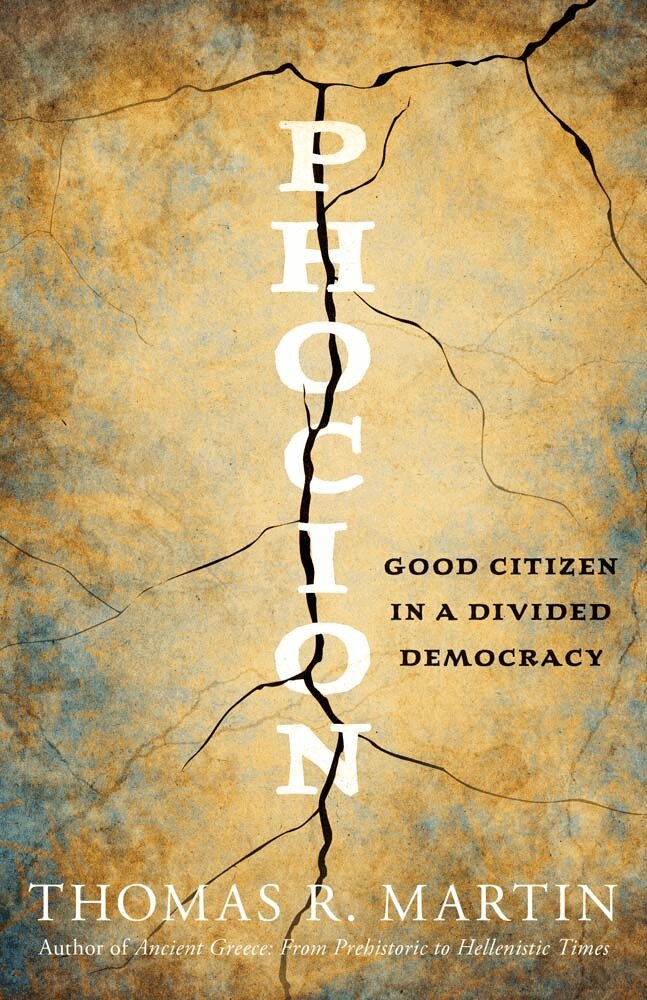
Thomas R. Martin recounts the unmatched political and military career of Phocion of Athens, and his tragic downfall “Elegant and enlightening.”—Dominic Green, Wall Street Journal Phocion (402–318 BCE) won Athens’s highest public office by direct democratic election an unmatched forty-five times and was officially honored as a “Useful Citizen.” A student at Plato’s Academy, Phocion gained influence and power during a time when Athens faced multiple crises stemming from Macedonia’s emergence as an international power under Philip II and his son Alexander the Great. Following Athens’s defeat by Macedonia, Phocion unsuccessfully sought mild terms of surrender. Oligarchy was imposed on democratic Athens, and more than twelve thousand “undesirable” Athenians were exiled. When the oligarchic regime was overthrown and the exiles returned, dispossessed Athenians took out their volcanic anger on Phocion, who throughout his career had often been a harsh critic of the citizens’ political decisions. His inflammatory rhetoric contributed to the popular conclusion that he lacked a genuine sense of belonging to the community he wished so desperately to preserve. When he was eighty-four, the Athenians convicted him of treason and condemned him to die by hemlock. In this fresh biography, Thomas R. Martin explores how and why Phocion ultimately failed as a citizen and as a leader. His story offers unsettling lessons for citizens in democracies today.
319 kr
Skickas inom 3-6 vardagar
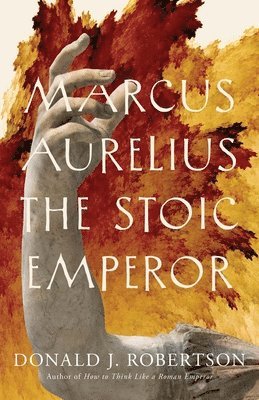
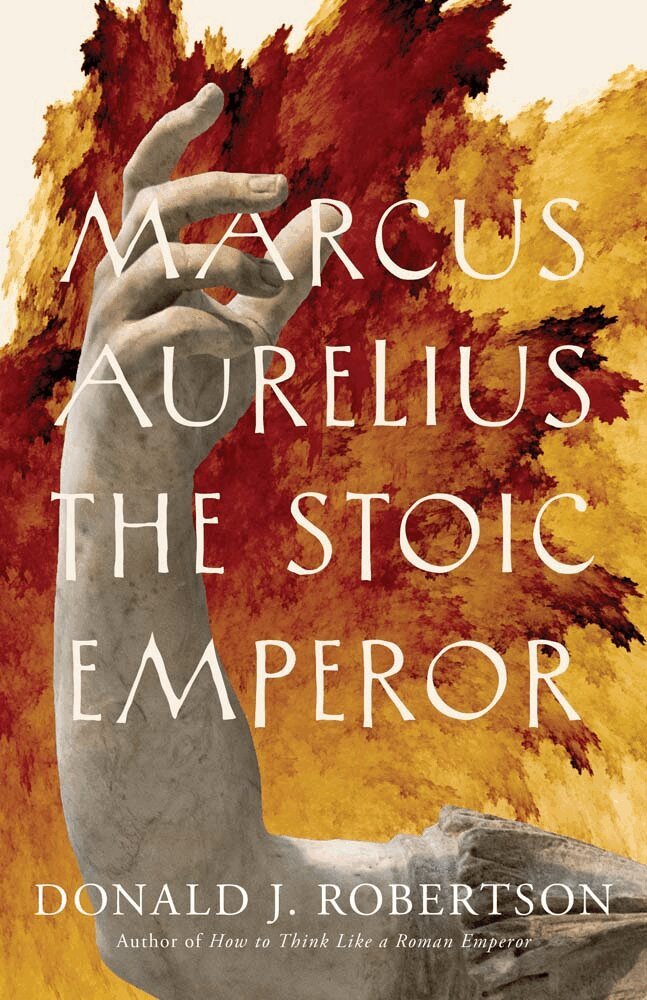
Experience the world of Roman Emperor Marcus Aurelius and the tremendous challenges he faced and overcame, with the help of Stoic philosophy
252 kr
Skickas inom 7-10 vardagar
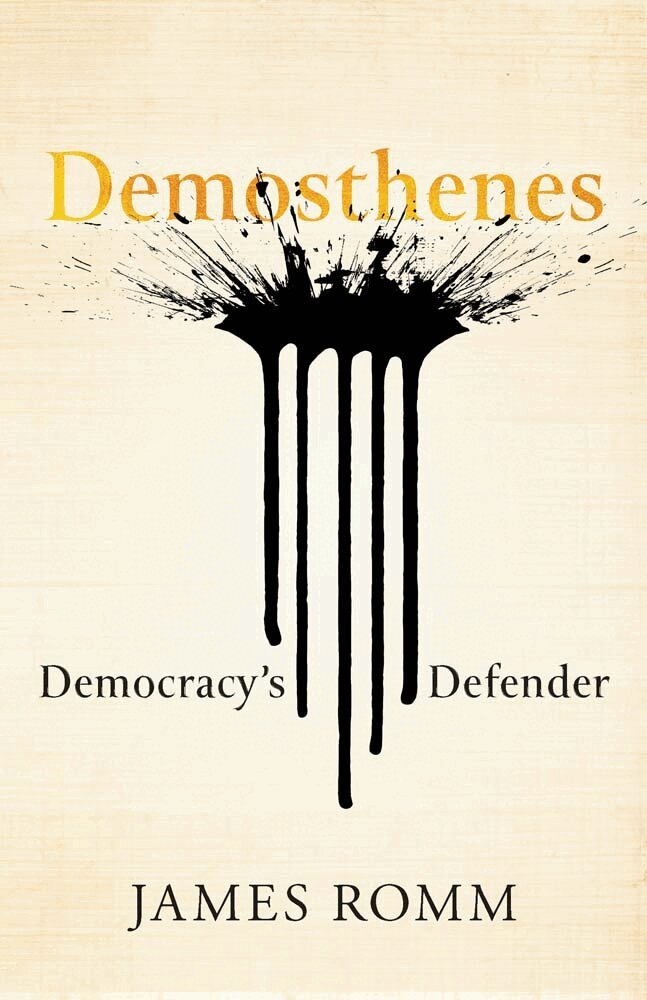
The tragic story of ancient Greece’s last democratic leader and his doomed fight to save Athens from Macedonian domination In the spring of 340 BCE, news arrived that Philip of Macedon had seized a town in central Greece, a base from which he could march on Athens. In the fierce debates about how to respond to the rising threat in the north, Demosthenes, the greatest orator of his day, convinced the Athenian Assembly to confront Philip on the field of battle. Though that effort failed and Athens fell into the grip of Alexander the Great, Philip’s son and successor, Demosthenes had established himself as one of history’s most eloquent defenders of democracy. In this thrilling biography of the man who led the charge for Greek freedom, James Romm follows Demosthenes from his early career as a legal speech writer through his rise in politics, his fall from grace in a corruption scandal, and his desperate flight to the island of Calauria—where he took his own life rather than submit to Macedonian forces. As he brings to life the bare-knuckle, insult-filled verbal brawls of Athenian orators, Romm not only explores the mind of the man who took on the challenge of saving Greek freedom but also shows how democracies can be destroyed by infighting and internal division.
137 kr
Skickas inom 7-10 vardagar
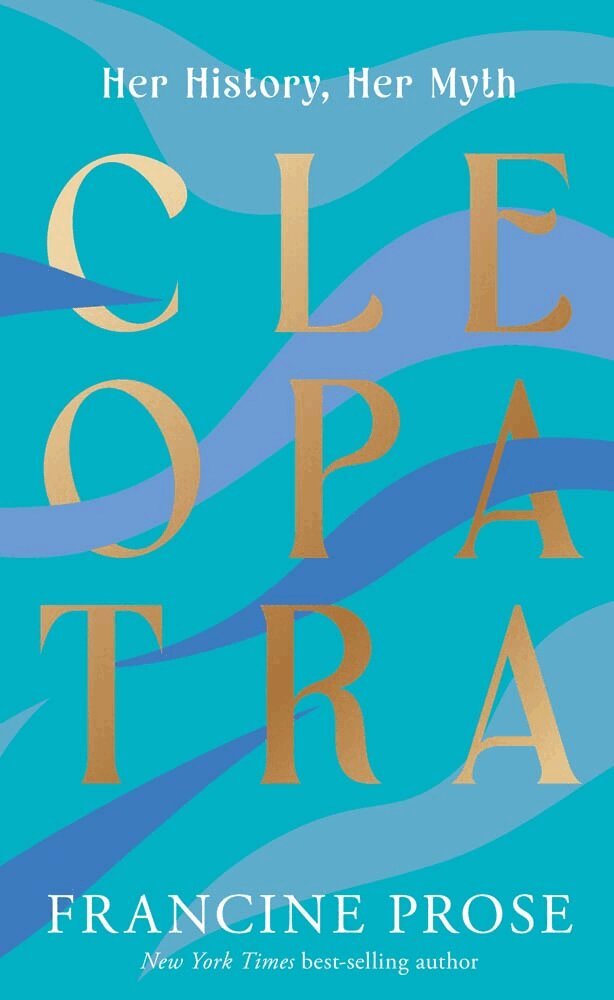
A feminist reinterpretation of the myths surrounding Cleopatra casts new light on the Egyptian queen and her legacy “A lucid and persuasive reinterpretation. Readers won’t see Cleopatra the same way again.”—Publishers Weekly “Where Prose really sparkles: her critiques of the cultural depictions of Cleopatra.”—Allison Arieff, San Francisco Chronicle The siren passionately in love with Mark Antony, the seductress who allegedly rolled out of a carpet she had herself smuggled in to see Caesar, Cleopatra is a figure shrouded in myth. Beyond the legends immortalized by Plutarch, Shakespeare, George Bernard Shaw, and others, there are no journals or letters written by Cleopatra herself. All we have to tell her story are words written by others. What has it meant for our understanding of Cleopatra to have had her story told by writers who had a political agenda, authors who distrusted her motives, and historians who believed she was a liar? Francine Prose delves into ancient Greek and Roman literary sources, as well as modern representations of Cleopatra in art, theater, and film, to challenge narratives driven by orientalism and misogyny and offer a new interpretation of Cleopatra’s history through the lens of our current era.
137 kr
Skickas inom 7-10 vardagar
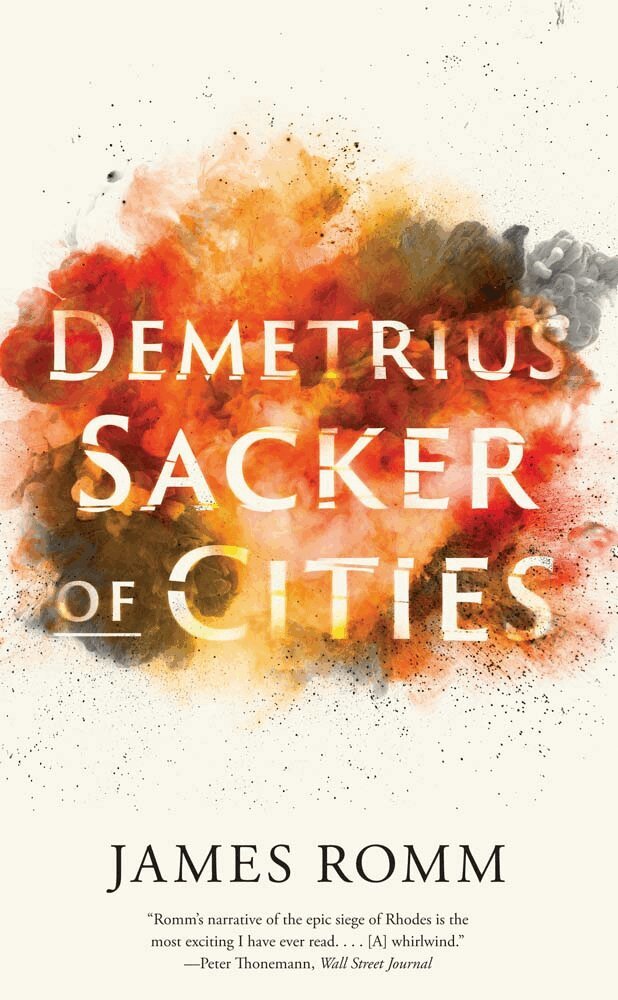
A portrait of one of the ancient world’s first political celebrities, who veered from failure to success and back again “This colorful biography of Demetrius . . . explores his rich inner life and reveals an ancient world of violence and intrigue.”—New York Times Book Review The life of Demetrius (337–283 BCE) serves as a through-line to the forty years following the death of Alexander the Great (323–282 BCE), a time of unparalleled turbulence and instability in the ancient world. With no monarch able to take Alexander’s place, his empire fragmented into five pieces. Capitalizing on good looks, youth, and sexual prowess, Demetrius sought to weld those pieces together and recover the dream of a single world state, with a new Alexander—himself—at its head. He succeeded temporarily, but in crucial, colossal engagements—a massive invasion of Egypt, a siege of Rhodes that went on for a full year, and the Battle of Ipsus—he came up just short. He ended his career in a rash invasion of Asia and became the target of a desperate manhunt, only to be captured and destroyed by his own son-in-law. James Romm tells the story of Demetrius the Besieger’s rise and spectacular fall but also explores his vibrant inner life and family relationships to depict a real, complex, and recognizable figure.
137 kr
Skickas inom 7-10 vardagar
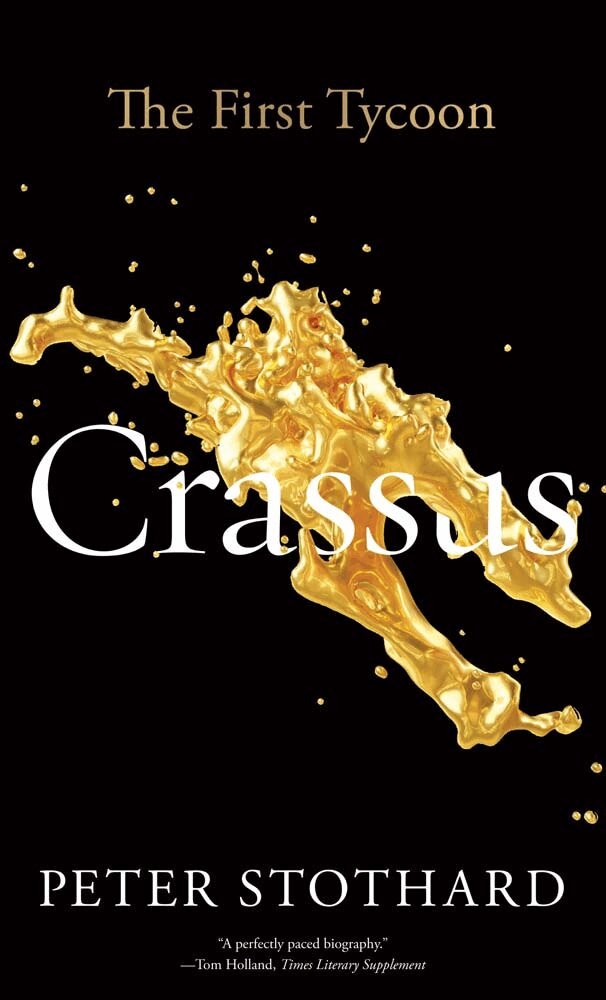
The story of Rome’s richest man, who died a humiliating desert death in search of military glory “A perfectly paced biography.”—Tom Holland, Times Literary Supplement Marcus Licinius Crassus (115–53 BCE) was a modern man in an ancient world, a pioneer disrupter of finance and politics, and the richest man of the last years of the Roman republic. Without his catastrophic ambition, this trailblazing tycoon might have quietly entered history as Rome’s first modern political financier. Instead, Crassus and his son led an army on an unprovoked campaign against Parthia into what are now the borderlands of Turkey, Syria, and Iraq, losing a battle at Carrhae which scarred Roman minds for generations. After Crassus was killed, historians told many stories of his demise. Some said that his open mouth, shriveled by desert air, had been filled with molten gold as testament to his lifetime of greed. His story, skillfully told by Peter Stothard, poses both immediate and lasting questions about the intertwining of money, ambition, and power.
230 kr
Skickas inom 5-8 vardagar
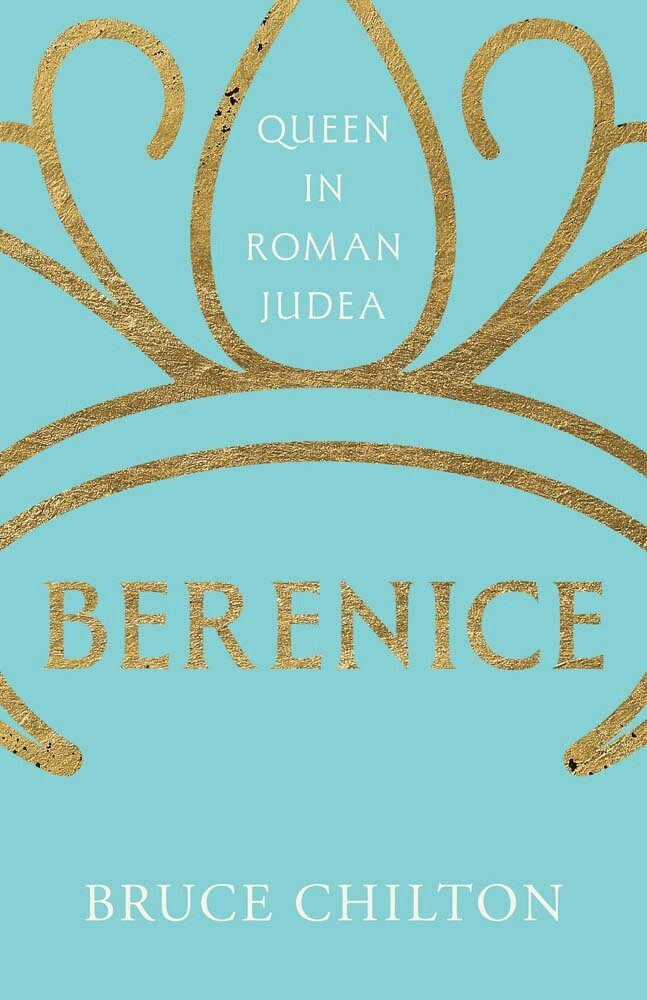
The life story of the Judean queen Berenice, descendant of Herod the Great, who became a player on the stage of Roman conquest and politicsBerenice (born ca. 28) was the most notorious Jewish woman in the Roman Empire of her time. Multiple marriages, rumors of incestuous relations with her brother (Agrippa II of the Herodian dynasty), and her scandalous liaison with Titus, the Roman general and emperor-to-be, guaranteed Berenice’s celebrity.This reputation does not, however, paint a complete portrait of Berenice, nor does it capture her significance. Her political acumen was as effective as it would become legendary. The great-granddaughter of Herod the Great and the daughter of King Agrippa I, she promoted the family’s unusual version of Judaism as well as its outsized ambitions. Berenice was a pivotal figure in Agrippa II’s advance in imperial preferment; played a crucial role during the Jewish-Roman war; and, as consort to Titus, supported his father, Vespasian, in his accession to the role of emperor.Bruce Chilton traces Berenice’s quest for power and her influence in Rome and beyond through the lens of the tensions, conflicts, political intrigues, and cultural interactions that shaped the empire during the second half of the first century.
316 kr
Kommande
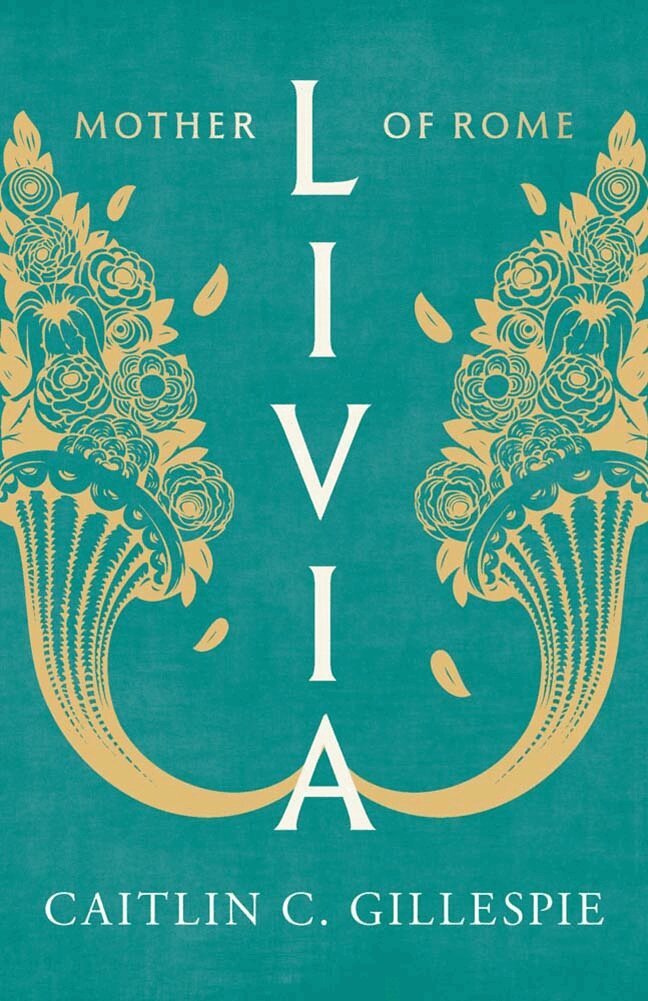
A bold new portrait of Livia, ancient Rome’s first First Lady, who shaped the empire from behind the throne Livia was no ordinary Roman woman. As wife of Augustus and mother of Tiberius—the first and second Roman emperors—she stood at the heart of the first imperial dynasty, wielding extraordinary influence in a world that denied women formal power. In this vivid biography, Caitlin C. Gillespie reclaims Livia (58 BCE–29 CE) from centuries of scandal and rumored villainy, tracing her journey from elite birth and early traumatic exile through her rise to wealth and influence as the matriarch of the imperial household, the Domus Augusta. Drawing on literary and archaeological sources, Gillespie explores Livia’s inner life through her personal losses, including the death of her son Drusus; her political savvy; and her later life as Julia Augusta, high priestess of Augustus’s divine cult. Though she never held an official political position, Livia emerges as a complex figure whose story of ambition, resilience, and maternal power resonates over millennia, captivating audiences from antiquity through today.
300 kr
Kommande
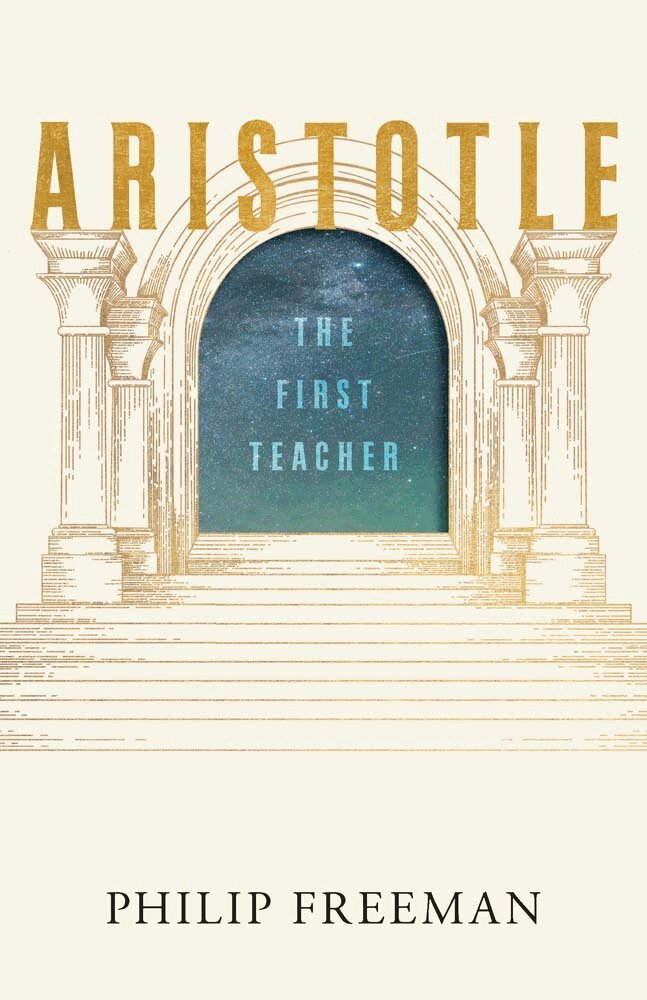
The first modern biography of Aristotle—student of Plato, tutor to Alexander, and architect of ideas still studied around the worldAristotle stands among the most brilliant and influential figures in history, the inventor of almost every subject studied in universities today, from biology to political science to literary criticism to logic. Yet until now his life has remained a mystery.In this book, Philip Freeman brings Aristotle (384–322 BCE) vividly to life, from his orphan childhood to his years as Plato’s student in Athens and his role as tutor to Alexander the Great in Macedonia. Drawing on ancient sources and modern scholarship, Freeman traces Aristotle’s journey through a world of political upheaval and intellectual revolution, revealing Aristotle not only as a philosopher but as a scientist, literary critic, and seeker of happiness—a man who dissected sea creatures, mapped the stars, and invented logic to make sense of life’s complexities.Aristotle’s ideas still shape how we think about truth, virtue, and the good life. This is the definitive portrait of one of history's greatest minds—the thinker Dante called “the master of those who know.”
165 kr
Skickas inom 7-10 vardagar
Experience the world of Roman emperor Marcus Aurelius and the tremendous challenges he faced and overcame with the help of Stoic philosophy “[Robertson] thoughtfully and readably capture[s] the essence of this great man and his great life. It’s a must read for any aspiring Stoic.”—Ryan Holiday, #1 New York Times bestselling author of The Daily Stoic This novel biography brings Marcus Aurelius (121–180 CE) to life for a new generation of readers by exploring the emperor’s fascinating psychological journey. Donald J. Robertson examines Marcus’s relationships with key figures in his life, such as his mother, Domitia Lucilla, and the emperor Hadrian, as well as his Stoic tutors. He draws extensively on Marcus’s own Meditations and correspondence, and he examines the emperor’s actions as detailed in the Augustan History and other ancient texts. Marcus Aurelius struggled to reconcile his philosophy and moral values with the political pressures he faced as emperor at the height of Roman power. Robertson examines Marcus’s attitude toward slavery and the moral dilemma posed by capturing enemies in warfare; his attitude toward women; the role of Stoicism in shaping his response to the threat of civil war; the treatment of Christians under his rule; and the naming of his notorious son Commodus as his successor. Throughout, the Meditations is used to shed light on the mind of the emperor—his character, values, and motives—as Robertson skillfully weaves together Marcus’s inner journey as a philosopher with the outer events of his life as a Roman emperor.
137 kr
Skickas inom 7-10 vardagar
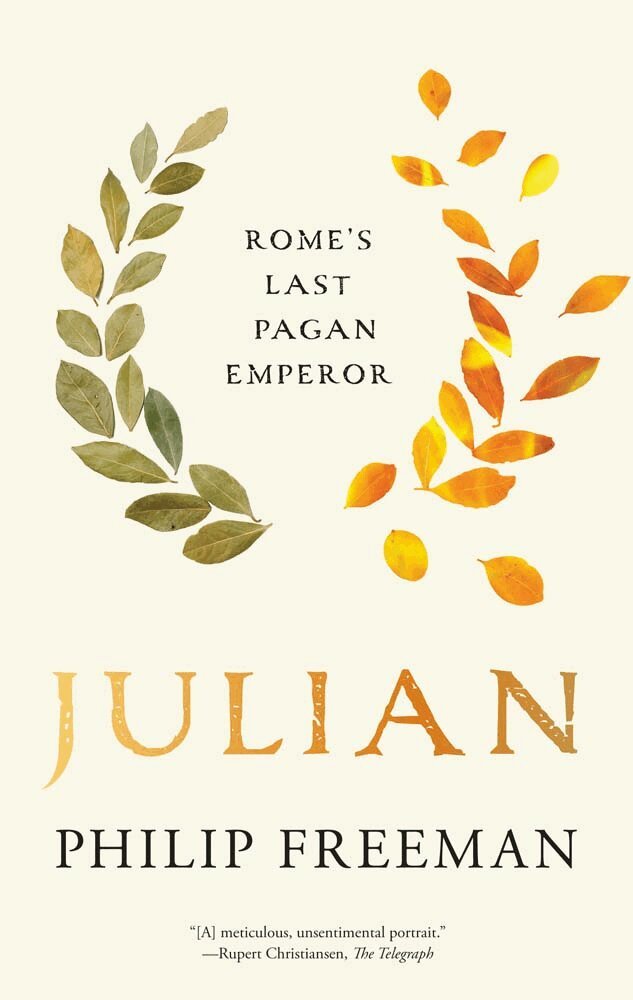
The tragic life of Julian, the last non-Christian emperor of Rome, by award-winning author Philip Freeman “When we think of ancient Rome, it’s impossible not to think of Christianity, one of its most notable exports—but what if it hadn’t been? This is the question provoked by classicist Philip Freeman in Julian, an appealing new entry in Yale’s Ancient Lives series, which tells the story of the old faith’s last imperial torchbearer.”—Anna Heyward, New York Times Book Review Flavius Claudius Julianus, or Julian the Apostate, ruled Rome as sole emperor for just a year and a half, from 361 to 363, but during that time he turned the world upside down. Although a nephew of Constantine the Great, the first Christian emperor of Rome, Julian fought to return Rome to the old gods who had led his ancestors to build their vast empire. As emperor, Julian (331–363) set about reforming the administration, conquering new territories, and reviving ancient religions. He was scorned in his time for repudiating Christianity and demonized as an apostate for willfully rejecting Christ. Through the centuries, Julian has been viewed by many as a tragic figure who sought to save Rome from its enemies and the corrupting influence of Christianity. Christian writers and historians have seen Julian much differently: as a traitor to God and violent oppressor of Christians. Had Julian not been killed by a random Persian spear, he might well have changed all of history.
149 kr
Skickas inom 7-10 vardagar
A biography of Vergil, Rome’s greatest poet, by the acclaimed translator of the Aeneid “Ms. Ruden has converted the writer of the Aeneid from a noble and stodgy ‘ancient’ into our contemporary . . . persuasively re-imagined [as] a sympathetic, three-dimensional figure. . . . The existence of the Aeneid is cause for gratitude. So is Ms. Ruden’s sensitive, celebratory portrait of its maker.”—Willard Spiegelman, Wall Street Journal The Aeneid stands as a towering work of Classical Roman literature and a gripping dramatization of the best and worst of human nature. In the process of creating this epic poem, Vergil (70–19 BCE) became the world’s first media celebrity, a living legend. But the real Vergil is a shadowy figure; we know that he was born into a modest rural family, that he led a private and solitary life, and that, in spite of poor health and unusual emotional vulnerabilities, he worked tirelessly to achieve exquisite new effects in verse. Vergil’s most famous work, the Aeneid, was commissioned by the emperor Augustus, who published the epic despite Vergil’s dying wish that it be destroyed. Sarah Ruden, widely praised for her translation of the Aeneid, uses evidence from Roman life and history alongside Vergil’s own writings to make careful deductions to reconstruct his life. Through her intimate knowledge of Vergil’s work, she brings to life a poet who was committed to creating something astonishingly new and memorable, even at great personal cost.
137 kr
Skickas inom 7-10 vardagar
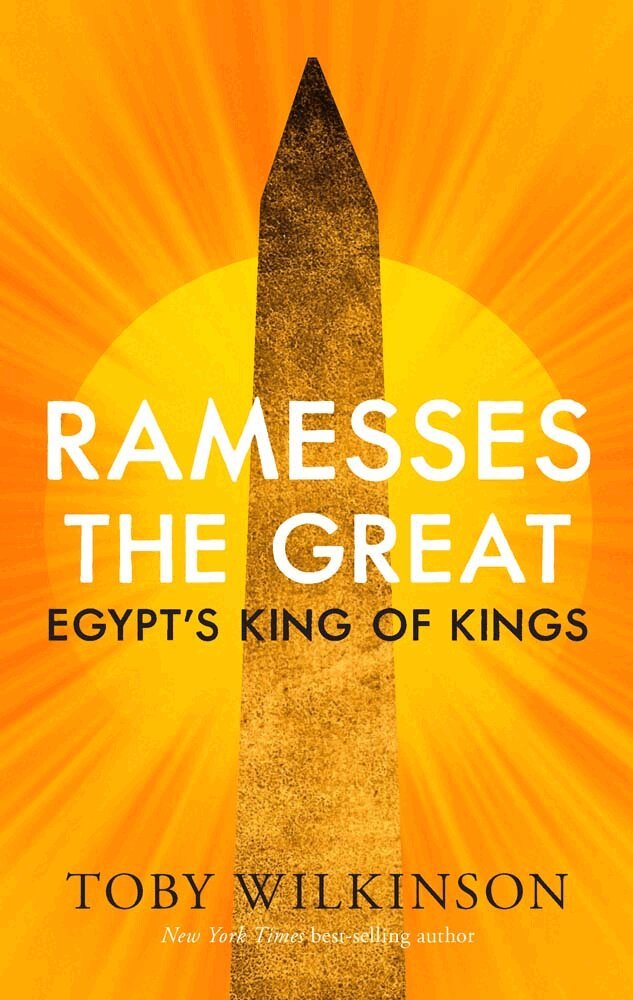
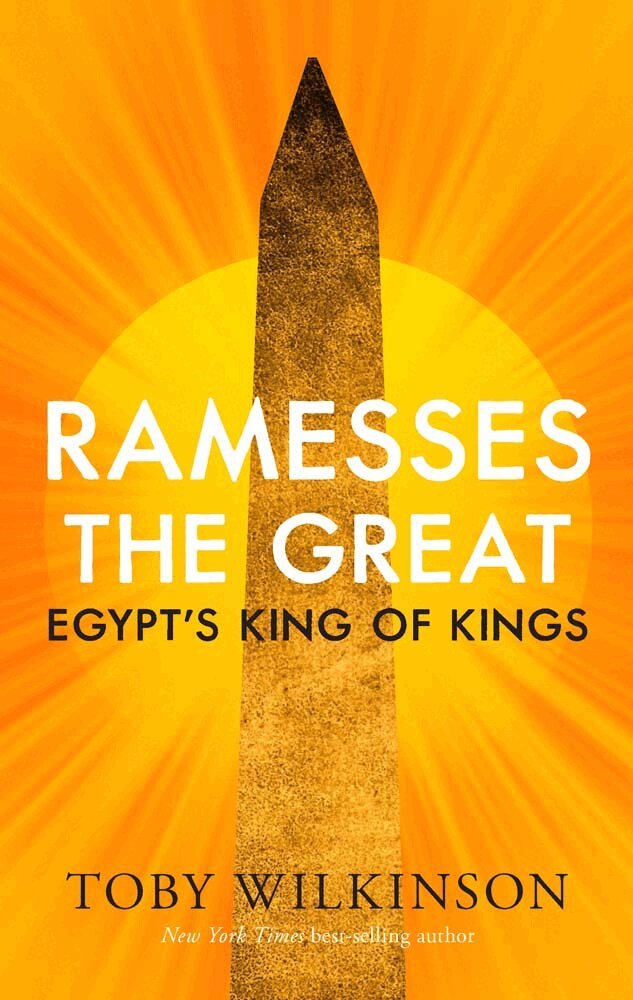
The life, dramatic reign, and enduring legacy of the pharaoh Ramesses the Great, with lessons for the present, from internationally acclaimed Egyptologist Toby Wilkinson “The author succeeds in bringing this distant age to life through telling detail and insightful analysis. . . . Whenever he can, the author takes advantage of opportunities to peer beneath the mask.”—The Economist Ramesses II ruled the Nile Valley and the wider Egyptian empire from 1279 to 1213 B.C., one of the longest reigns in pharaonic history. He was a cultural innovator, a relentless self-promoter, and an astute diplomat—the peace treaty signed after the Battle of Kadesh was the first in recorded history. He outbuilt every other Egyptian pharaoh, leaving behind the temples of Abu Simbel; the great hypostyle hall of Karnak; the tomb for his wife Nefertari; and his own memorial, the Ramesseum. His reputation eclipsed that of all other pharaohs as well: he was decried in the Bible as a despot, famed in literature as Ozymandias, and lauded by early antiquarians as the Younger Memnon. His rule coincided with the peak of ancient Egypt’s power and prosperity, the New Kingdom (1539–1069 B.C.). In this authoritative biography, Toby Wilkinson considers Ramesses’ preoccupations and preferences, uncovering the methods and motivations of a megalomaniac ruler, with lessons for our own time.
316 kr
Kommande
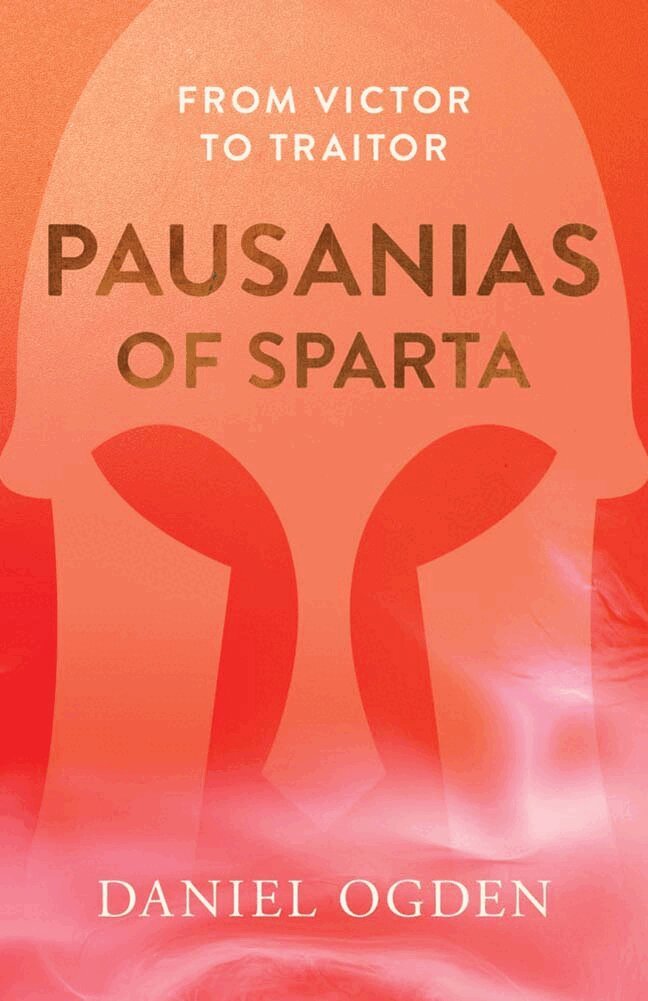
The story of Pausanias, the general who defeated the Persians invading Greece and changed the course of historyWeaving together ancient sources, Daniel Ogden tells the gripping story of the enigmatic and controversial Spartan regent to an underage king. Pausanias (ca. 505–ca. 467 BCE) would never have come to power had the Persians not annihilated the Greek forces at Thermopylae in 480 BCE, killing his uncle Leonidas. The next year, Greek forces under the new regent’s command crushed the Persians at the decisive Battle of Plataea. It was a brilliant victory for Pausanias, but his heroic reputation swiftly declined. He was accused of tyrannical ambition, treachery, rape, and murder and came to a grisly and ghostly end, starved to death in Sparta’s Temple of Athena.In this meticulously researched book—the first full-length biography of Pausanias in English—Ogden searches for the truth behind the ancient stories. Was Pausanias merely misunderstood and misrepresented, or was he an egotist in thrall to his own success? Despite Pausanias’s dark demise, Ogden hails his greatest achievement: by defeating the Persians he ensured the future of Classical Greek culture and the development of Western civilization as we know it.