Archaeological Lives – Serie
Visar alla böcker i serien Archaeological Lives. Handla med fri frakt och snabb leverans.
21 produkter
21 produkter
426 kr
Skickas
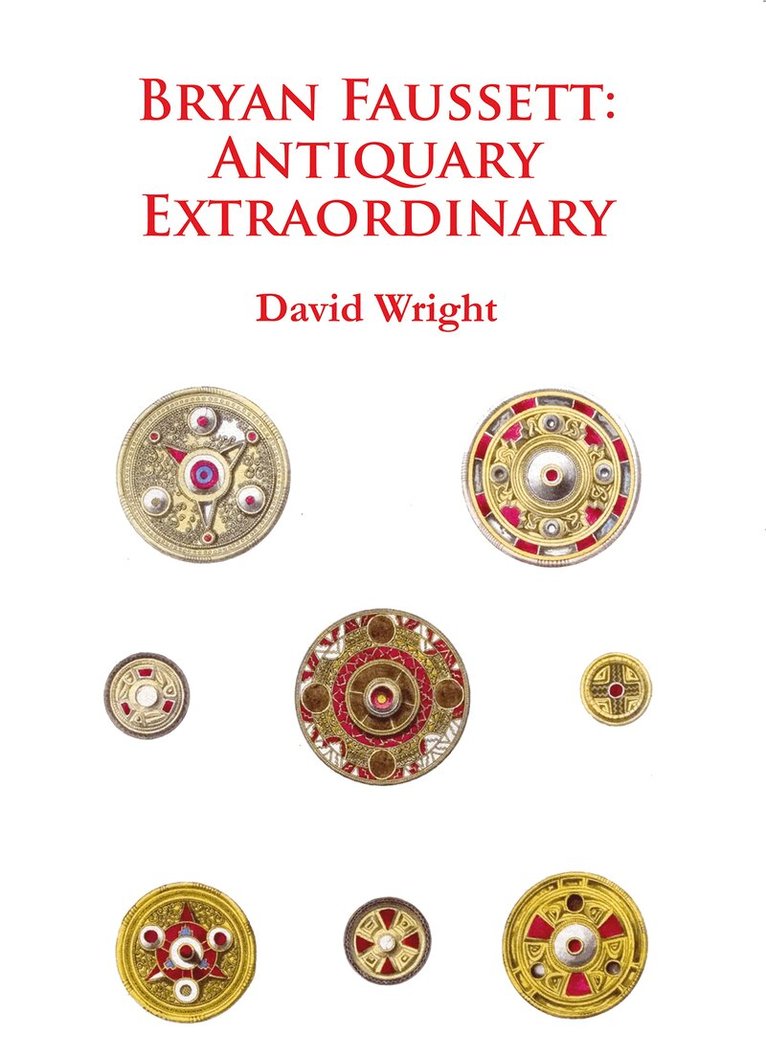
A biography of Bryan Faussett, F.S.A., (1720-1776), pioneering Kent genealogist, archaeologist and antiquary who, at his death, had amassed the world’s greatest collection of Anglo-Saxon jewellery and antiquities. The material was famously rejected by the British Museum, saved for the nation by a Liverpudlian philanthropist, and now resides in the Liverpool World Museum. This episode led directly to the British Museum’s setting up departments devoted to British Antiquities. This volume is the first to focus on Faussett, presenting comprehensive genealogical sections on the Faussetts and Godfreys; a history of the family seat near Canterbury; and an introduction to antiquarianism and how the history of the world was imperfectly viewed in the 18th century. A detailed biography of Bryan Faussett’s life covers his education, career and scholarly circle, with detailed descriptions of the sites he excavated. Surviving archaeological notebooks offer insights into his working practice, and family account-books reveal a great deal about his personal life and interests.
456 kr
Skickas
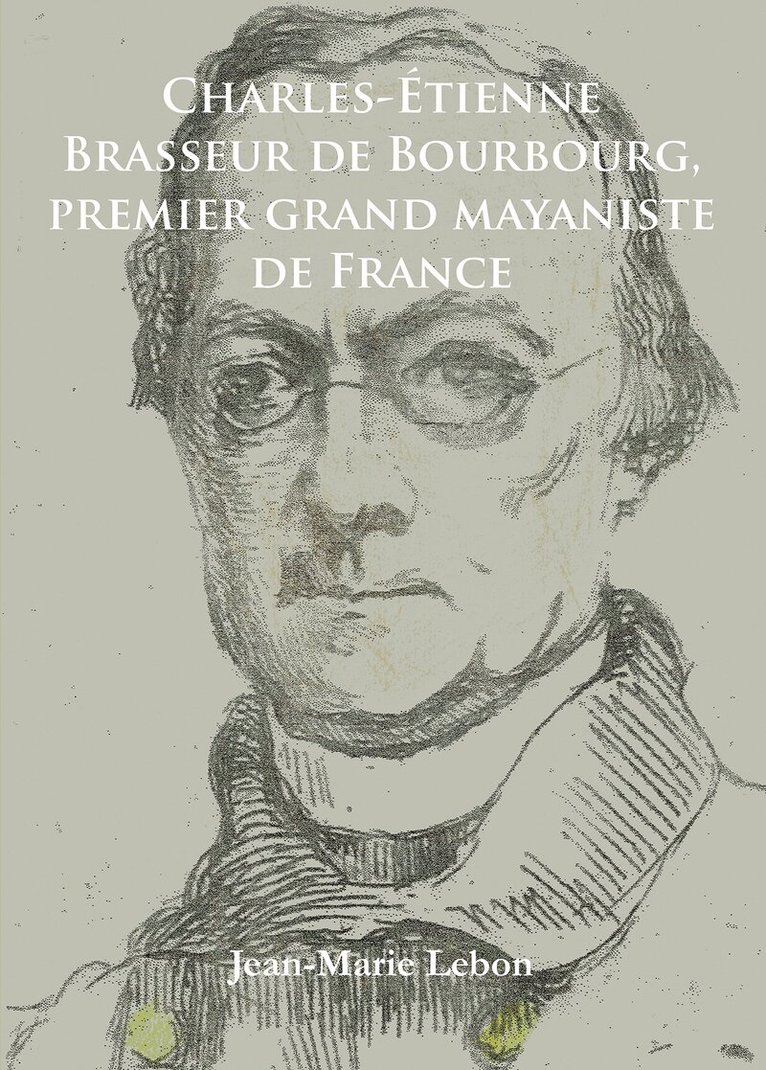
Two hundred years ago, on September 8, 1814, in the northern French city of Bourbourg, a boy was born into a family of local entrepreneurs connected to the local political or judicial elite. The young Charles-Etienne Brasseur was lucky to spend days and days in the impressive library of Alexandre Nicolas Muchembled, the son of his godmother. The reading of exciting travel books there mapped out the course of his truly adventurous life to come. Although a rebellious schoolboy, he acquired a huge knowledge in many fields by his omnivorous reading of books and journals. He was also a very curious young man, delving into the private libraries of the local grand families, resulting in him contributing many historical articles to newspapers and learned societies. At the age of 24, while still in high school, he published his first novel. This biography is the first to reveal insights into the many facets of the life of Brasseur; the extent of his secret activities for the Vatican; his advanced ideas regarding the dual phonetic and ideographic nature of Mayan writing, as early as 1843-44, and explicitly confirmed by him in May 1852, which he later dramatically rejected in 1870, thus failing to become the Champollion of Mesoamerica; his continuous attempts to preserve documents while crossing territories ravaged by civil wars; the immense value of the manuscripts he saved, like the Tzeltal vocabulary of Copanabastla or the Motul dictionary; his unique dedication in copying old manuscripts, with the help of his nephews, to be sent to other pioneers of Mayan studies in Europe and America; his short-lived pioneering work on the Huave (Wabis); details of his six expeditions to Mesoamerica, often in terrible conditions, as shown by his later severe ill health; his defence of the Indians against the academic community; details of the internal conflicts in the Quebec Catholic Church; and his ideas on certain geophysical events, such as the elevation of ocean beds and islands, which he wrongly dated to the time of the ancient Mayans, or the shifting of the Earth’s rotation axis.
470 kr
Skickas
This is the first memoir by an internationally known archaeological scientist, and one who has been particularly research active for over fifty years in the broad field of bioarchaeology. Written with humour and a critical concern to understand the nature of his life and that of our species. It provides a very readable and original account of a life embracing field and laboratory work from Orkney to Egypt and Mongolia to Peru. The diverse research extends from human fossils, to cemetery studies and bog bodies, to dogs, hair chemistry, bone pathology, soils and vitrification. He has similarly been concerned about the nature of culture, the impact of stress on individuals, and theoretical issues in archaeological science. He argues that we are advanced primates, and can’t be divorced from a scientific and ethological perspective. Indeed, he sees culture as derived from a complex interwoven range of thought, from the usefully adaptive to the highly maladaptive creative thinking which can grade into destructive social pathology. Our limited ability to perceive accurately has resulted in the creation of a plethora of dubious beliefs, from religions to political elitism and fanaticism. Placed in the world of today, with the perspective of our long past, the author feels that it is difficult not to feel coldly sober and doubtful about the future of our species. But we are not extinct yet! Beginning life as a traumatised baby and school failure, Don retired as emeritus professor of archaeological science in the University of York.
454 kr
Skickas
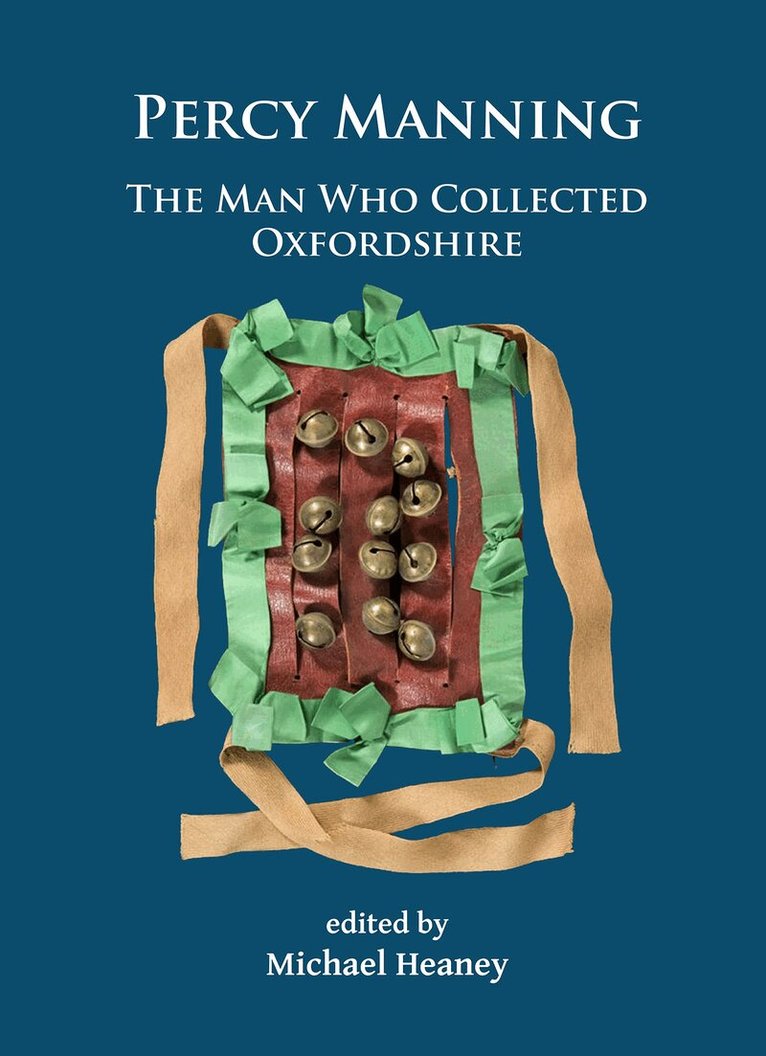
Percy Manning (1870-1917) was an Oxford antiquary who amassed enormous collections about the history of Oxford and Oxfordshire, which now constitute a valuable resource in Oxford University’s libraries and museums. Manning was interested in all periods of history and prehistory, collecting Stone Age tools, Roman coins, medieval tiles, and relics of ways of life that were disappearing in his own day, such as decorated police truncheons and local pottery. He methodically documented and explored the archaeology of the county. He collected literally thousands of prints depicting Oxford and places throughout Oxfordshire as records of changes in the built environment, and moved beyond material objects to uncover and document superstitions, folklore and customs, especially where he thought they were disappearing. He sought out May songs and morris dancers, reviving the Headington Quarry Morris Dancers in 1899. There is scarcely a community in the county which is not reflected somewhere in his collections. This volume provides the first detailed biography of Manning, together with studies examining specific parts of his collections in greater detail. Other chapters demonstrate how the collections can be used as springboards for in-depth study and for fresh approaches to the history of Oxfordshire. Particular emphasis is placed on Manning’s ground-breaking research into the folklore of the county in conjunction with its material culture.Download the following papers in Open Access:The Lost Undercroft at Ducklington’s Inn and Other Medieval Oxford Tavern-undercrofts in Context – David Clark: DownloadManning’s Curiosity Projected into the 21st Century – Brian Durham: DownloadPercy Manning’s Archaeological Survey of Oxfordshire – Alison Roberts: Download
239 kr
Skickas
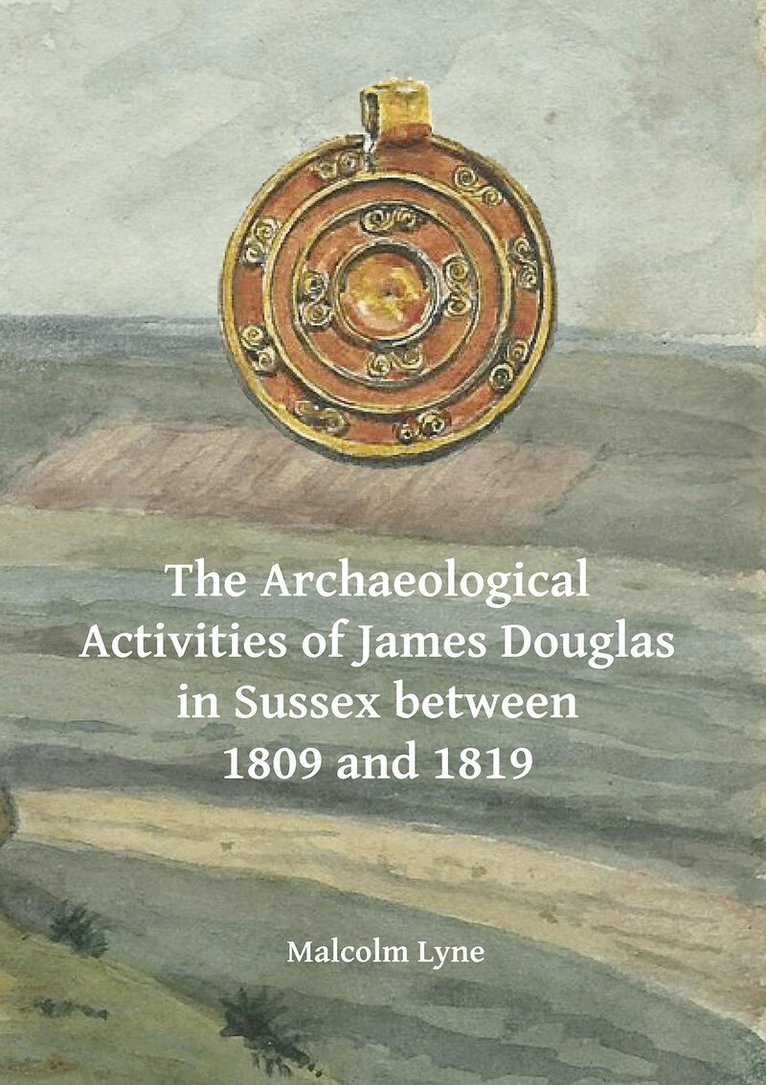
James Douglas (1753-1819) was a polymath, well ahead of his time in both the fields of archaeology and earth-sciences. His examinations of fossils from the London Clay and other geological formations caused him to conclude that the Earth was much older than the 4004 BC allotted to it by his contemporaries. He had come to this conclusion by 1785 and published these findings in that year, long before other researchers in the same field. His Nenia Britannica, published in 1793, reveals a remarkably accurate grasp of the dating of Anglo- Saxon burials; further illuminated by the contents of his common-place book for 1814-16, discovered by the author in a second-hand bookshop. This common-place book, correspondence with his contemporaries and other sources resulted in the present publication recounting his archaeological and other activities in Sussex during the first two decades of the 19th century.
285 kr
Skickas
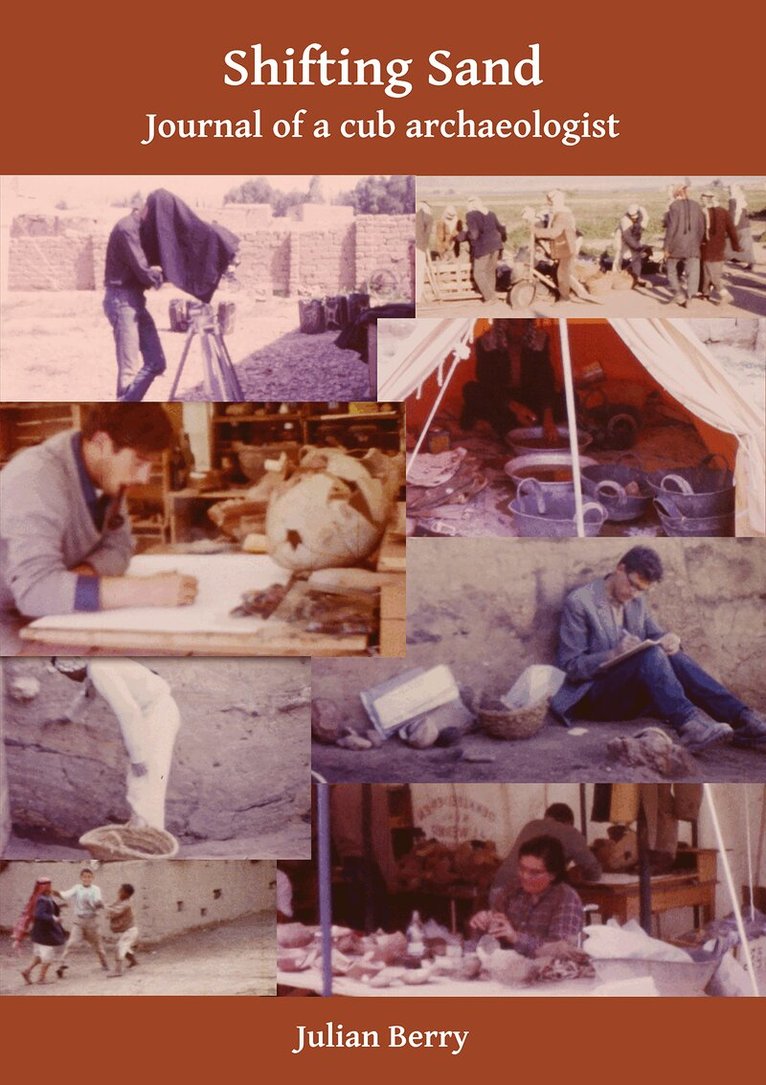
Shifting Sand is the journal of Julian Berry, then a 17-year-old archaeologist, written on-site during excavations in Deir Alla, Jordan, in 1964. The dig was organized by the University of Leiden and led by Dr Henk Franken who was looking to find a material context for Old Testament narratives, and to build a stratigraphic chronology to mark the transition from the Bronze through to the early Iron Ages based mainly around pottery finds. When the author was working on the site, three clay tablets were discovered from the late Bronze Age with early Canaanite inscriptions, that when translated in 1989 showed that Deir Alla was the Biblical Pethor, and that it had been attacked by Israelites from Pithom in Egypt. Later a wall inscription was found in Aramaic dating to 880-770BCE referencing the prophet Balaam. Berry was as much interested by what was going on above ground as below, and kept a detailed journal of the daily lives of the archaeologists and life in the camp. The dig also had many fascinating and famous archaeologists visiting, including Father Roland de Vaux, and Diana Kirkbride. During breaks from the dig Berry went on a number of journeys in Jordan, Lebanon and Syria and he describes their cities, but also the very tranquil agricultural countryside that he found at that time. He discovered adventure when a drunk taxi driver tried to murder him as he resisted his advances; later he was caught up in a revolt against Hafez al-Assad in Homs, father of Bashir, and was asked by a taxi driver if he had come to Damascus to see the public hanging. Above all this book should be read as fascinating insight into the lives of archaeologists over 50 years ago, and the very close links between the European team, the Arab workmen, and the daily life in a simple mud-brick village.
My dear Miss Ransom: Letters between Caroline Ransom Williams and James Henry Breasted, 1898-1935
Häftad, Engelska, 2018
378 kr
Skickas
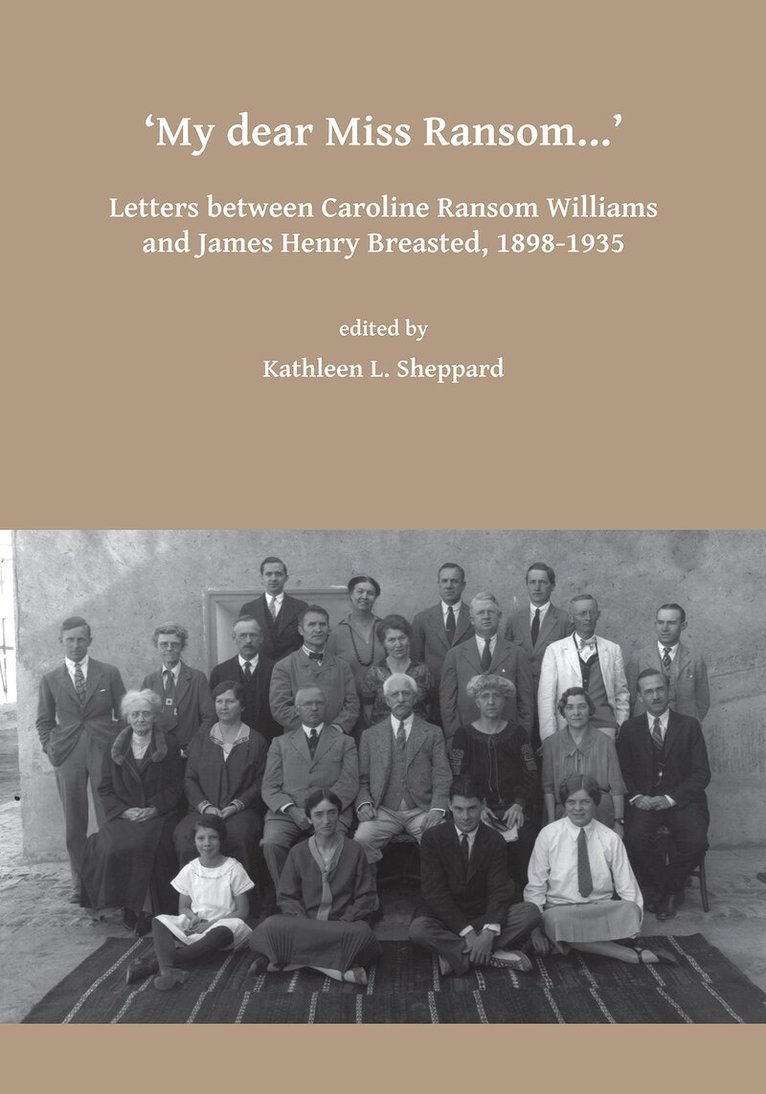
Caroline Louise Ransom Williams (1872-1952) is remembered as the first American university-trained female Egyptologist, but she is not widely-known in the history of science. Her mentor was James Henry Breasted, well-known as the first American Egyptologist and founder of the Oriental Institute at the University of Chicago. As long as they worked together and as much as they depended on each other professionally, Ransom Williams is little more than a footnote in the published history of archaeology. She was a successful scholar, instructor, author, and museum curator. She also had personal struggles with her mother and her husband that affected the choices she could make about her career. This book presents the correspondence between Ransom Williams and Breasted because the letters are crucial in piecing together and allowing an in-depth analysis of her life and career. The written conversation, comprised of 240 letters between the two, shows that Ransom Williams had a full life and productive career as the first American female Egyptologist. Through these letters, we see part of a life that is unique while at the same time analogous to other professional women in the period. This edition is the first book-length discussion of Ransom Williams’ life and career.
393 kr
Skickas
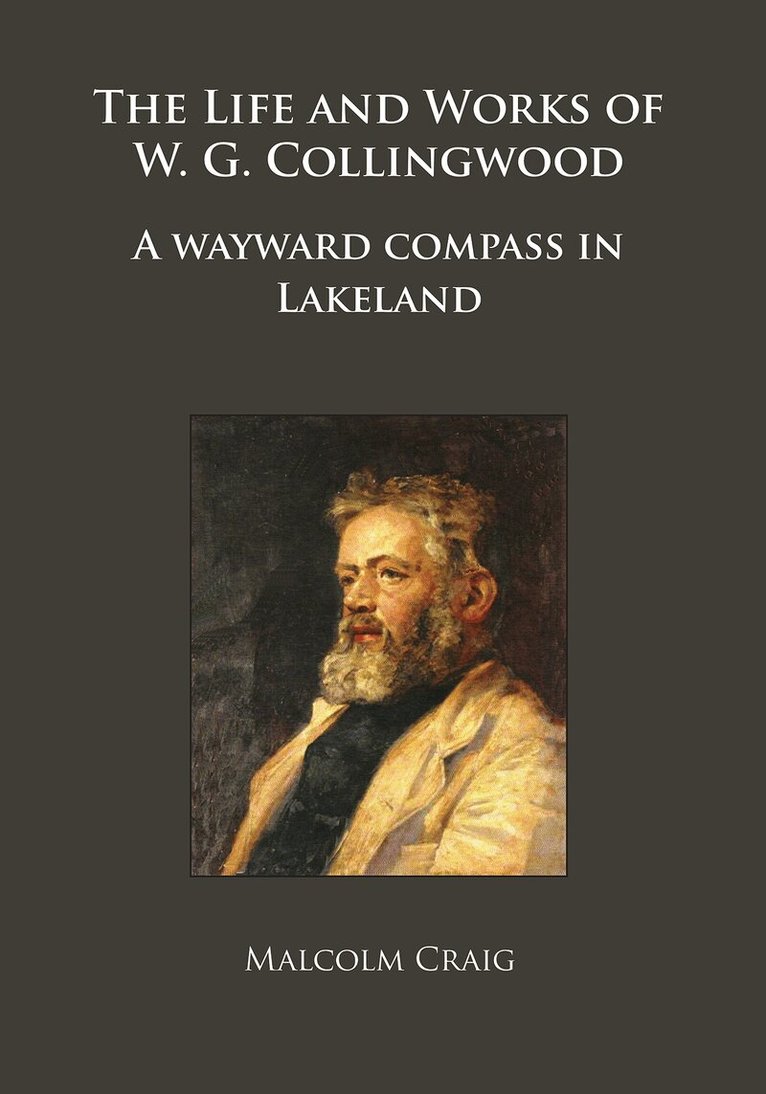
The son of a watercolour artist, William Gershom Collingwood (1854-1932) studied at University College, Oxford where he met John Ruskin, whose secretary he later became and with whom he shared a wide range of interests. Collingwood travelled extensively, sketching as he went, and after studying at the Slade School of Art, moved to the Lake District where he wrote extensively about the Lakes, Icelandic sagas and Norse mythology, as well as publishing a biography on Ruskin in 1893. He was an accomplished artist, founding the Lake Artists Society in 1904 and serving as Professor of Fine Art at the University of Reading from 1905-11. His interest in art and Scandinavia prompted his research into the Pre-Norman Crosses of Cumbria and the North of England. In 1927 he published ‘Northumbrian Crosses of the Pre-Norman Age’, illustrated with his own drawings. He was also an accomplished musician, climber, swimmer and walker. His son was the noted archaeologist (a leading authority on Roman Britain), philosopher and historian R. G. Collingwood. This well researched biography provides a comprehensive account of the life and works of a nineteenth century polymath whose story should be better known.
593 kr
Skickas
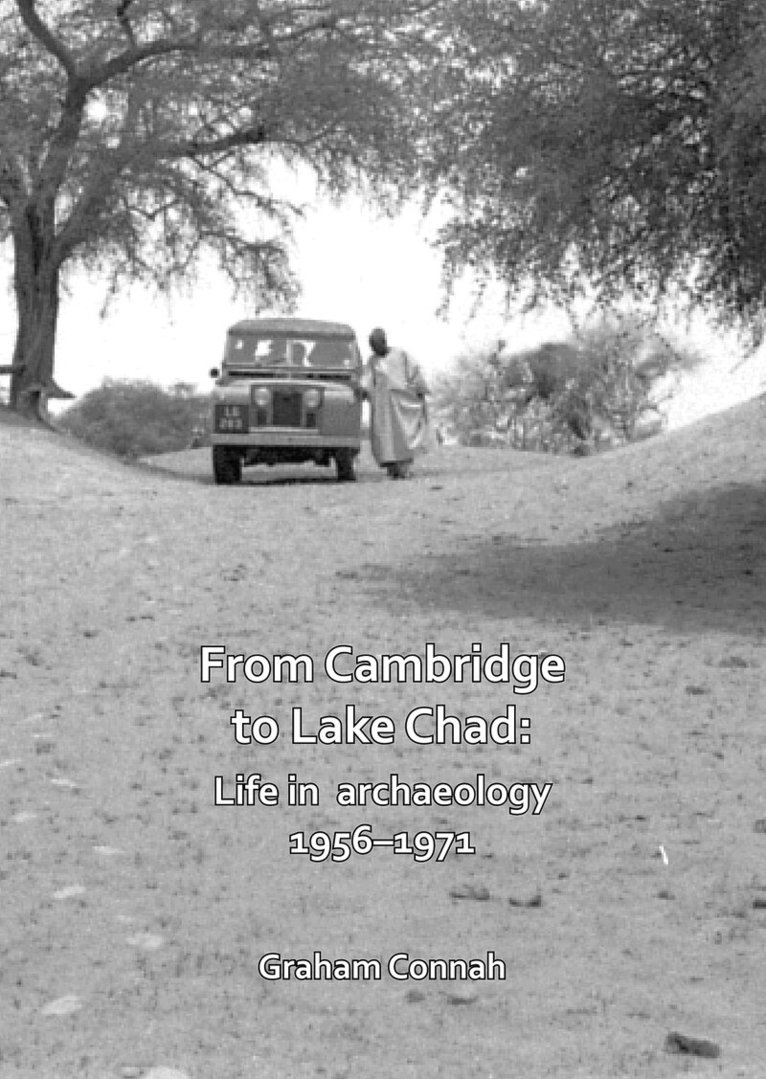
This book is about how the author became an archaeologist at a time when opportunities for employment were rare and how he worked as a field researcher in West Africa and wrote about his work there. It traces his archaeological training and employment at Cambridge and his practical experience on British excavations and explains how he became one of the pioneers of Nigerian archaeology during a decade in that country. It is not so much a study of the archaeology that was done, as an account of how it was done; its circumstances, organization, and economic and social and cultural context. As a result, it is both a professional and personal account, for these two aspects of life were inseparably intertwined, his wife Beryl becoming an integral part of the story. Other archaeologists and many non-archaeologists also feature in the account. The period in Nigeria from 1961 to 1971 included the Nigerian Civil War from 1967 to 1970, when archaeological work continued with difficulty. Both circumstances and preference meant that the author always worked with a labour team of Nigerians and with Nigerian assistants, of whom few had any experience in archaeology and none had any formal training; there were no postgraduates or others from outside the country. Success in excavations in Benin City, in the south of the country, and in Borno, in its far north-east, was as much the achievement of those Nigerians as it was the author’s.
393 kr
Skickas
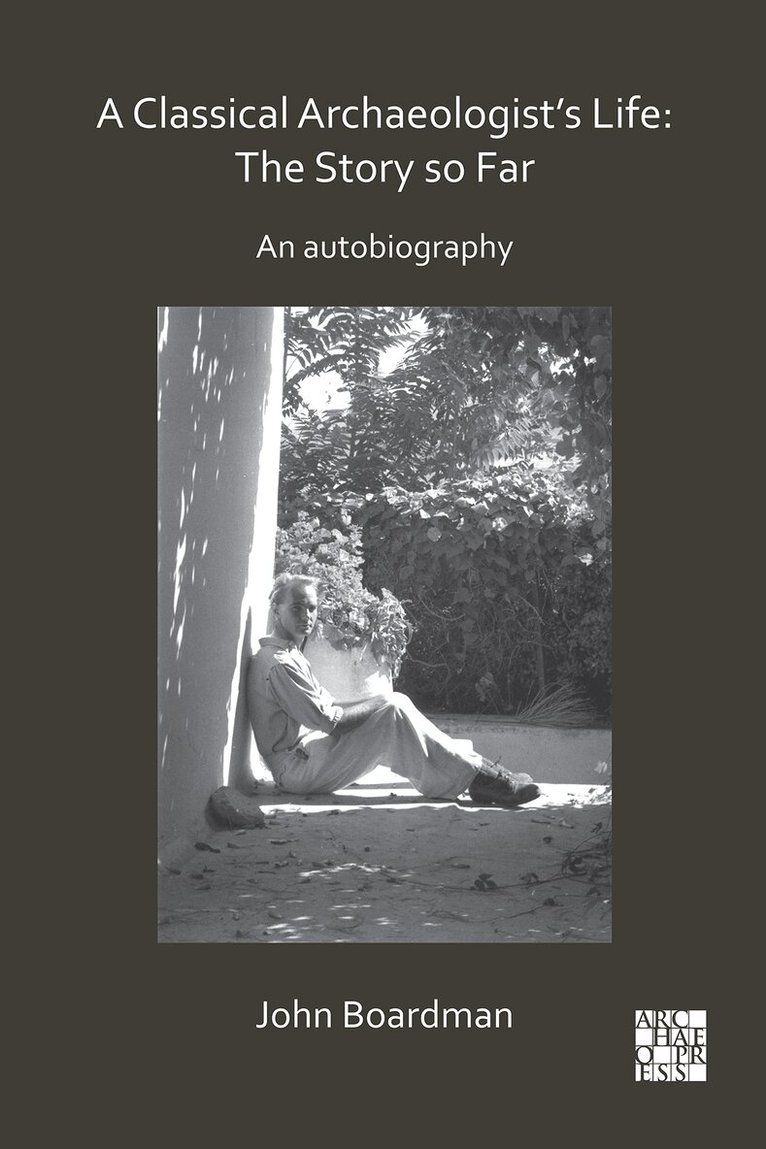
A Classical Archaeologists’s Life: The Story so Far shows that a scholar’s life is not all scholarship, though much of this book is devoted to the writing of books and, especially, travel to classical and other lands. Boardman is a Londoner, born in Ilford and attending school in Essex (Chigwell). His teenage years were spent often in air raid shelters rather than with ‘mates‘ (all evacuated). There are distinctive ‘aunties’, the rituals of daily life in a London suburb. The non-scholarly figures live large in this account of his life, marriage, children, new houses. At Cambridge he learned about classical archaeology as a necessary addition to reading Homer and Demosthenes, even being obliged to recite the latter. And those were the days of Bertrand Russell’s lectures in a university reawakening after the war. Thence to the British School at Athens to learn about excavation (Smyrna, Knossos, later Libya). His return from Greece was to Oxford, not Cambridge, at first in the Ashmolean Museum, then as Reader and Professor. A spell in New York gives an account of the city before the troubles, when Petula Clark’s Down Town was dominant. There is much here to reflect on university life and teaching, and on the reasons for and problems with the writing of his many books (some 40), with reflection on the university, colleges and their ways. Travels are well documented – a notable trip through Pakistan and China, in Persia, Egypt, Turkey – with comment on what he saw and experienced beyond archaeology. A lecture tour in Australia provides comment beyond the academic. He visited Israel often, lecturing and publishing for the Bible Lands Museum. Several tours in the USA took him to most of their museums and universities as well as many other sights, from glaciers to alligators.This book is a mixture of scholarly reminiscence, reflection on family life, travelogue, and critique of classical scholarship (not all archaeological) worldwide, illustrated with pictures of travels, friends, home life, and, for a historian, a reflection on experiences of over 90 years.
368 kr
Skickas
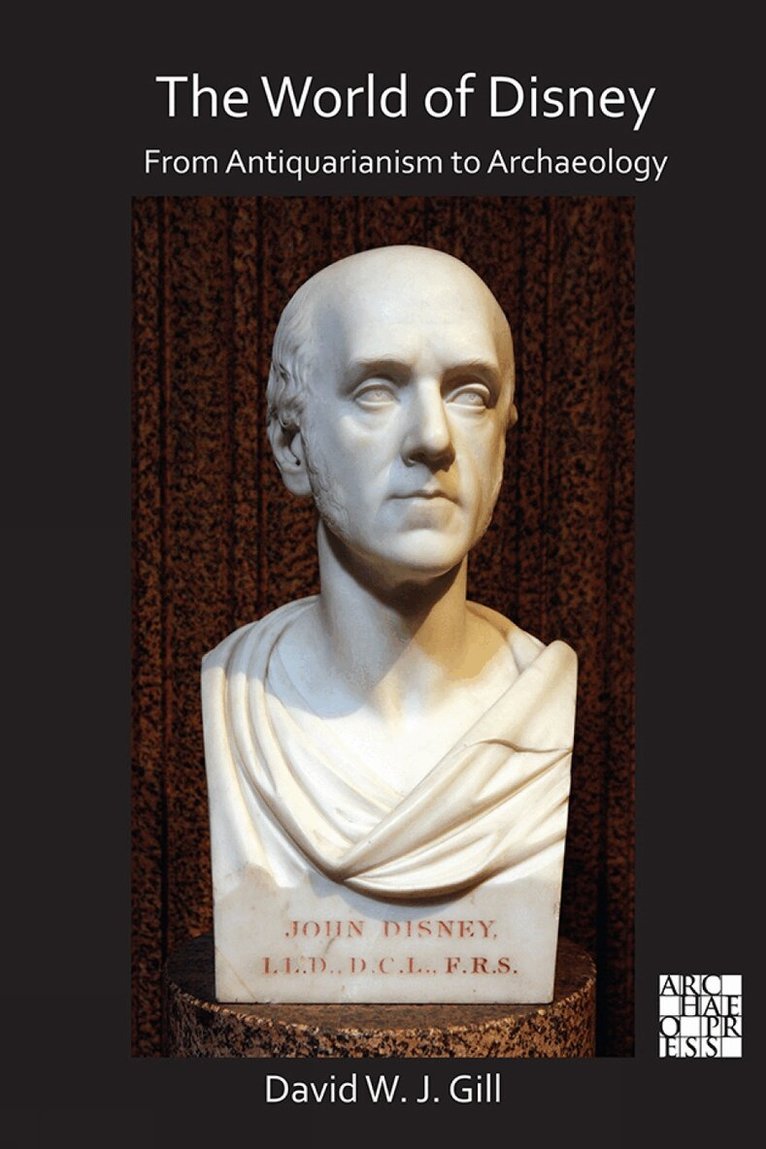
Dr John Disney (1779-1857) was the benefactor of the first chair in archaeology at a British university. He also donated his major collection to the University of Cambridge. The sculptures continue to be displayed in the Fitzwilliam Museum.The Disney family traced its origins back to the Norman invasion of England, and the family home was at Norton Disney in Lincolnshire. Disney’s father, the Reverend John Disney DD (1746-1816) left the Church of England to become a minister at the Unitarian Essex Street Chapel in London. A major sponsor of the chapel was Thomas Brand-Hollis of The Hyde, Essex, who bequeathed the house and his Grand Tour collection (formed with Thomas Hollis) on his death in 1804 to the Reverend John Disney. Disney inherited part of the classical collection of his uncle and father-in-law Lewis Disney-Ffytche, owner of the 18th century pleasure gardens, Le Désert de Retz, outside Paris. Disney’s brother-in-law was Sir William Hillary, founder of the RNLI. Disney was instrumental in the creation of the Chelmsford Museum through the Chelmsford Philosophical Society, and the formation of the Essex Archaeological Society.
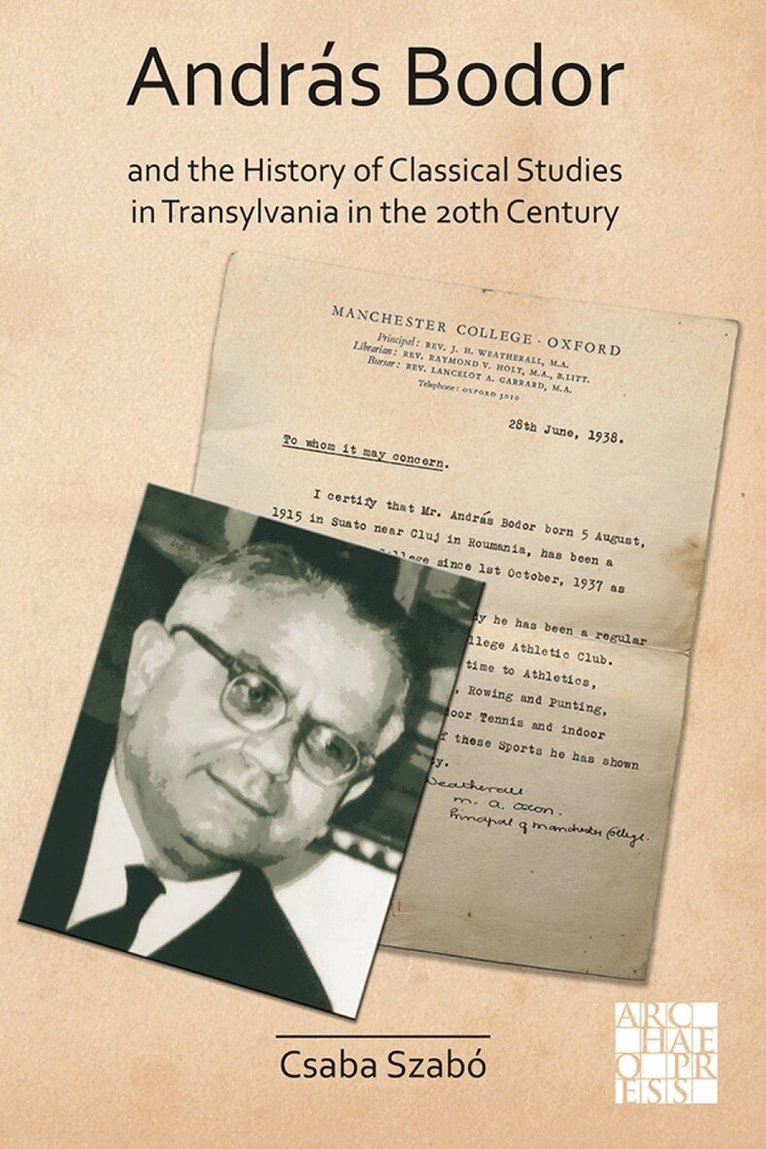
András Bodor and the History of Classical Studies in Transylvania in the 20th century
Häftad, Engelska, 2020
381 kr
Skickas
András Bodor and the history of classical studies in Transylvania in the 20th century is the first comprehensive work focusing on the life of a classicist from Transylvania, presenting in detail the life and academic heritage of András Bodor (1915-1999). Based on 1348 newly identified letters, 209 photographs (including 25 portraits), András Bodor’s complete bibliography and his unpublished memoir from 1915-1959, the work offers also the first publication of Bodor’s academic correspondence (107 letters) and also extracts from his unpublished journal. Based on a large number of unpublished documents and the major works of Bodor, the book tries to reconstruct the life and academic heritage of a classicist from the periphery of Europe, a region that changed so many times over the long course of the 20th century. András Bodor appears as a student torn between theology and classical studies, a Transylvanian Hungarian who ended up at Oxford, a lecturer at the Hungarian University of Cluj, a researcher who had the idea of establishing a new school of classics, marginalised and compromising, a quiet teacher of the newly established Babeș-Bolyai University and also a senior professor engaged in education policy. The personality and work of Bodor is presented through the short history of classics in Transylvania, Romania, reflecting on the European and global changes of the discipline.
393 kr
Skickas
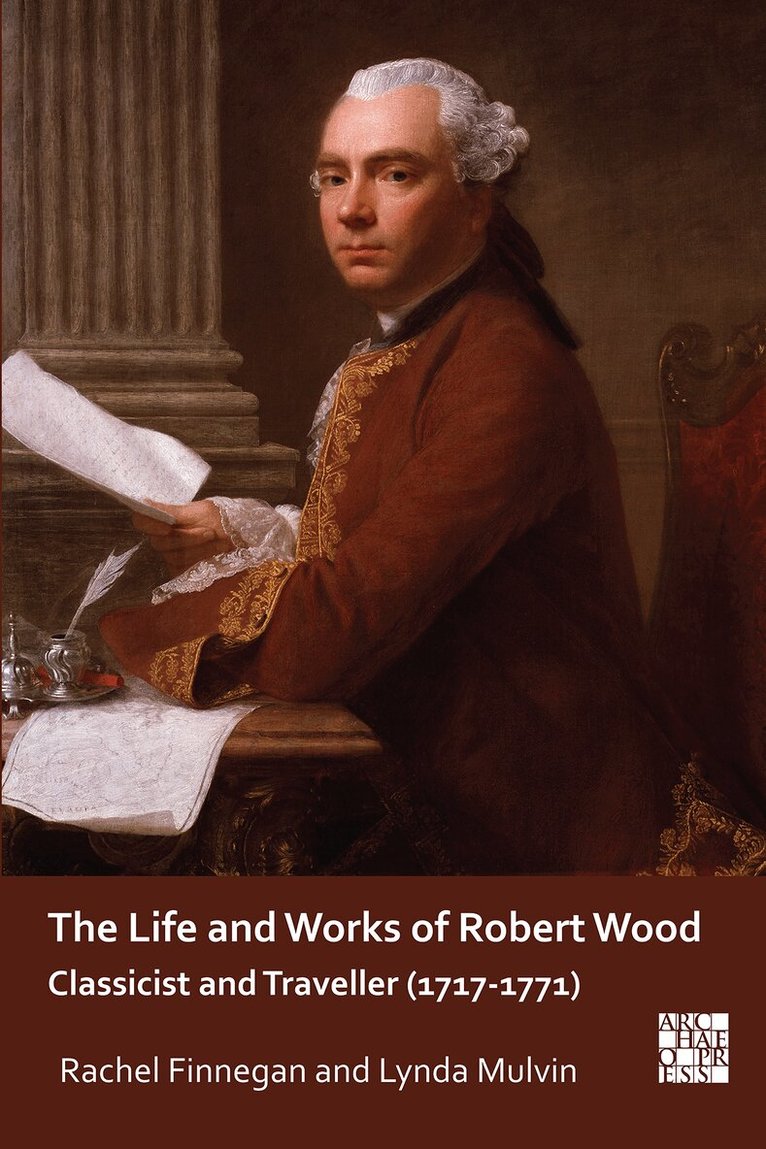
The Life and Works of Robert Wood (1717-1771) commemorates the Irish classicist and traveller on the 250th anniversary of his death and provides the general reader with a study that can be regarded as a source book for the fascinating life and career of a much-neglected figure in the realm of Irish eighteenth-century travels and antiquarianism. The book starts by setting the context of eighteenth-century travels to the east and then examines the primary sources emanating from Wood’s own eastern voyages, as well as the relevant literary sources available to him before, during, and after his travels. It then provides an extensive and much-needed biographical account of Robert Wood, with particular reference to his Irish and English patrons, before examining the main results of the second tour (1750-1751), namely his three pioneering books: Ruins of Palmyra (1753), Ruins of Balbec (1757), and The Original Genius of Homer (1775). It ends by considering the enormous legacy of Robert Wood, in terms of the popularity of his books; the variety and quality of portraits commissioned by his friends and associates; his contribution to the study of classical literature; his influence on architectural drawing in late eighteenth- and nineteenth-century Europe; and the cultural significance of his work on building design. The text also reflects on the somewhat questionable nature of his works, in terms of the fact that his second voyage of the east, and the entire production of the first two books, were financed by his friend Dawkins, whose wealth derived from a slave plantation in Jamaica.
Well Met! Friends and Travelling Companions of Rev. Thomas Bowles
Journals of Travels in Egypt, Petra and the Near East, 1854
Häftad, Engelska, 2023
657 kr
Skickas inom 11-20 vardagar
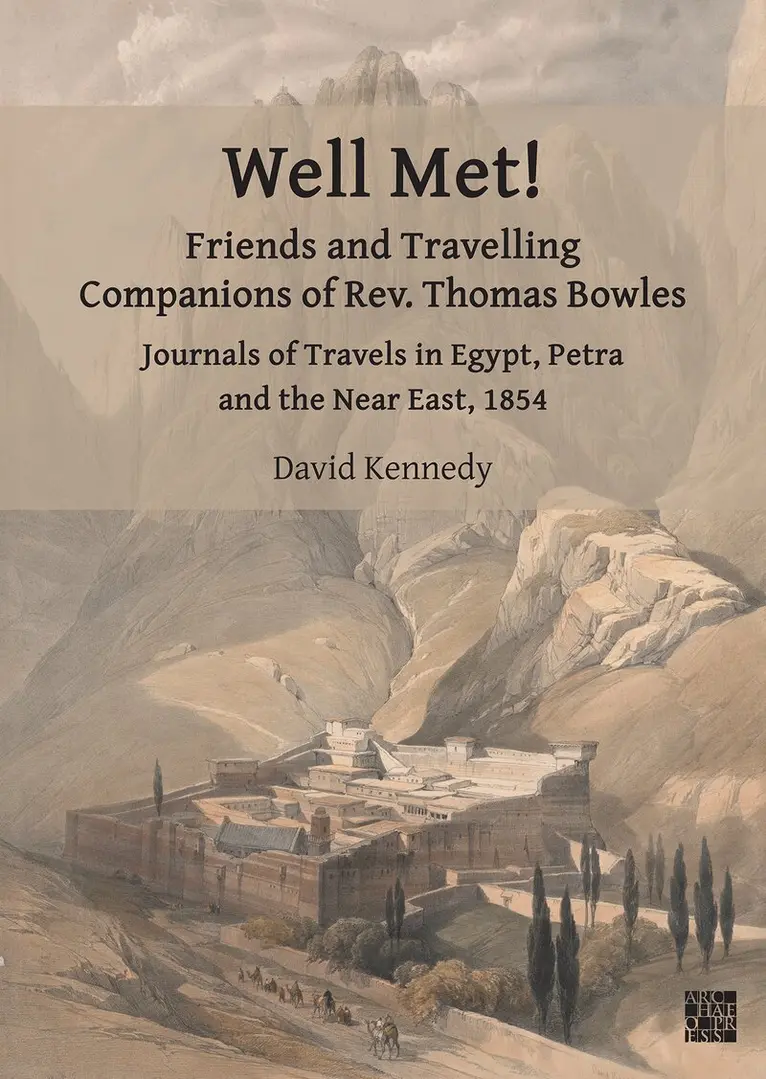
Throughout the two years of a grand tour as far as Australia and New Zealand (1852-4), Rev Thomas Bowles kept a daily journal, ultimately filling over 1000 pages in 3 volumes. Transcribed here is the part of the journals which took Bowles from Sri Lanka to Egypt and the Levant then on home.The end of the Napoleonic Wars in 1815 saw a burgeoning interest by westerners in Egypt and the ‘Holy Land’. Egypt offered astonishing ancient remains but also the attractions of its healthy winter climate, and exploration in the Levant drew attention to the immense ruins of Graeco-Roman civilization. Then came Burckhardt’s re-discovery of Petra in 1812. Within a few years a pattern of travel emerged for westerners which included one or more of several months sailing down the Nile, undertaking the c. 40 days of the Long Desert Route from Cairo to Petra and Jerusalem, exploration of the Decapolis cities beyond the Jordan and a bold lunge across the desert to Palmyra. Any one of these was demanding and a large minority of these travellers – who included some women – became ill or suffered injuries; a few died. Many travellers kept notes or extensive journals, and some sent letters home. Some off these were later published but invariably sanitised. In recent years dozens of unpublished accounts have emerged, including two Travel Journals of the Rev. Thomas Bowles. Bowles undertook the demanding Long Desert Route in 1854. He records places seen and the experiences of often harsh travel conditions. More than that he met and travelled with many people along the way, representing a wonderful cross-section of often fascinating people: travellers, tourists, soldiers, businessmen, administrators, and many clergymen; mainly British and American; largely young – Bowles was 32; and a handful of courageous women. Complementing the journals are chapters explaining and amplifying what Bowles often took for granted and illustrating what he saw. Within them are biographical notes on many of his companions, not least the fifteen other westerners with whom he explored Petra in March 1854.
576 kr
Skickas
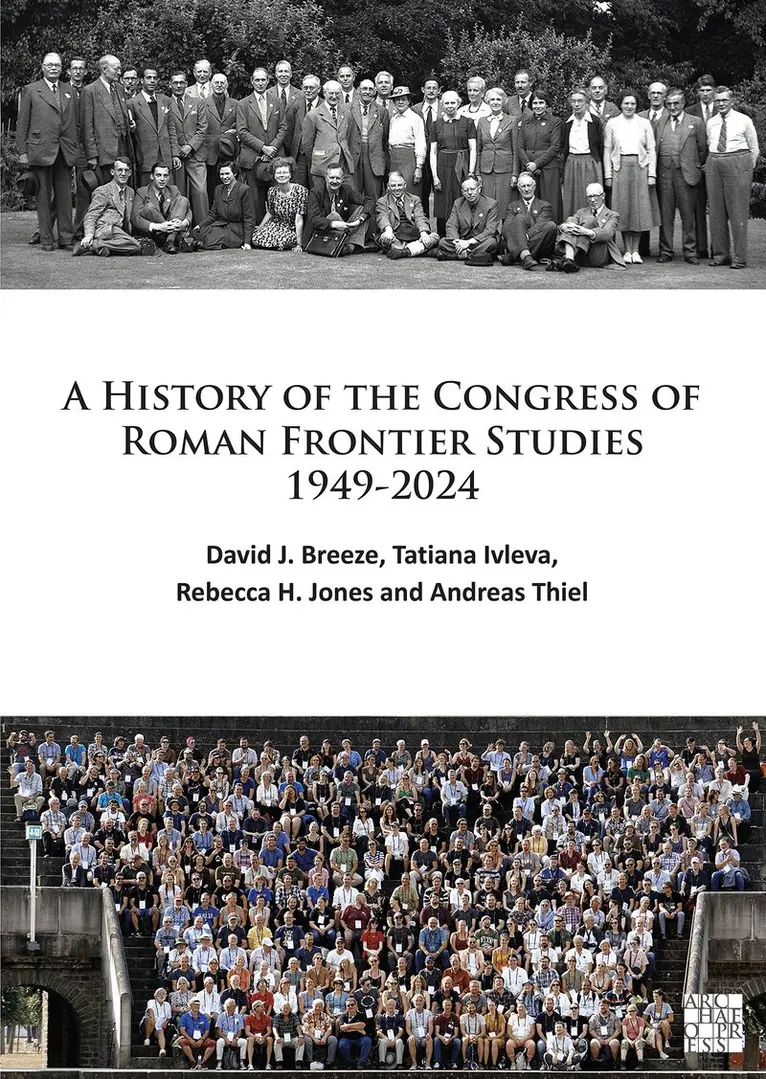
In 1949, in the aftermath of a devastating war, Eric Birley organised the First Congress of Roman Frontier Studies. His aim was not only to pursue the study of Roman frontiers but also to take a step towards restoring harmony in international relations within this field of research. The pattern was set early on: the exchange of information, networking and friendship. These three elements remain at the core of the approach of those organising and attending the Congress. They are reinforced by the pattern of the meetings, usually held every three years. The programme includes not only lectures but also visits to the local Roman military sites led by appropriate specialists. Over the 75 years since the First Congress, membership has grown enormously with more lecture theatres and more coaches being required every meeting. This publication marks the twenty-sixth Congress at Batumi in Georgia. It aims to help newer members understand the body they have joined; for those who have been attending for longer, it will be a reminder of friendships made and strengthened; for all, the book hopes to be a spur to continuing investigations and research into Rome’s greatest monument, its frontiers; for the moment of publication, it will be a celebration of the twenty-sixth Congress of Roman Frontier Studies.
368 kr
Skickas
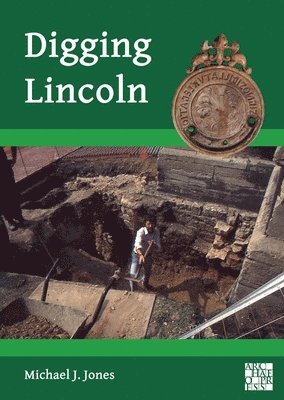
A uniquely personal account of how a record of the city of Lincoln's rich archaeology was recorded from the time of the early antiquaries through to the commercially funded professional teams of today, by someone who was closely involved in a senior capacity for over half a century.
531 kr
Skickas
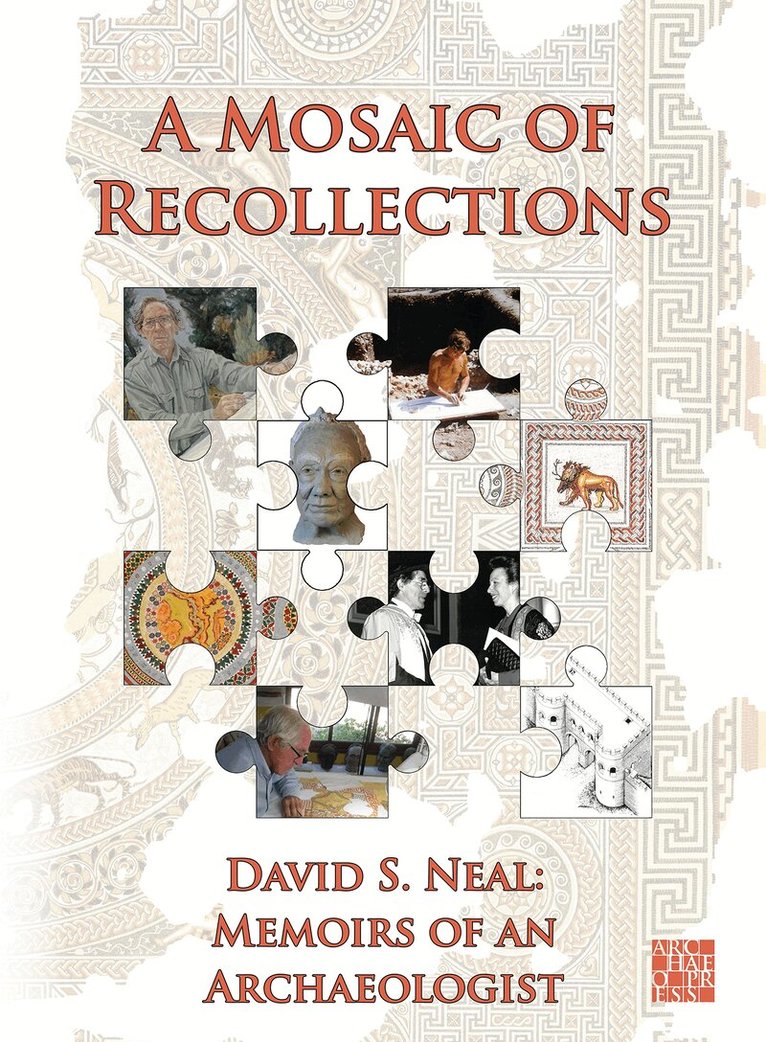
A Mosaic of Recollections is the autobiography of David S. Neal, whose name has become synonymous with the study and illustration of Roman mosaics in Britain. It tells the story of a working-class boy, born into the travails of war-torn London, and his evacuation to South Wales to live with a mining community. The return to London in time to celebrate VE-Day remains a vivid memory. After moving to Hemel Hempstead New Town he became fascinated with the museums at St Albans and spent many hours watching excavations on Roman Verulamium before being invited to help.Studying graphic design at Watford School of Art developed his talents, which he was able to combine with his activities on the excavations as he began to record the mosaic pavements then being exposed. Work as a graphic designer with the Gas Board was not compelling, and he was fortunate to secure employment as an archaeological illustrator with the government’s Ancient Monuments Inspectorate, where he met a wide range of unusual personalities. Tea-breaks were an education, as were lectures he was invited to attend at the Society of Antiquaries of London. Soon Neal became the manager of the archaeological drawing office, responsible for a team of illustrators recording a wide range of artefacts from excavations sponsored by the department. His work became renowned in the profession and, increasingly, he was invited to help on excavations in England and abroad. At the age of 23 he directed his own excavations on the Roman villa in Gadebridge Park, Hemel Hempstead, which led to the publication of a monograph. With his growing interest and expertise, he was frequently invited to record Roman mosaics, often at a moment’s notice, and was able to share the excitement of discovery of many of them. After 15 years he became a full-time archaeologist and excavated a variety of sites of all periods culminating on the extensive excavations of a Roman settlement at Stanwick, Northamptonshire. Early retirement allowed the time to concentrate, with a colleague, on the publication of the corpus of Roman Mosaics of Britain and, later, to record the medieval mosaics at Westminster Abbey and Canterbury.
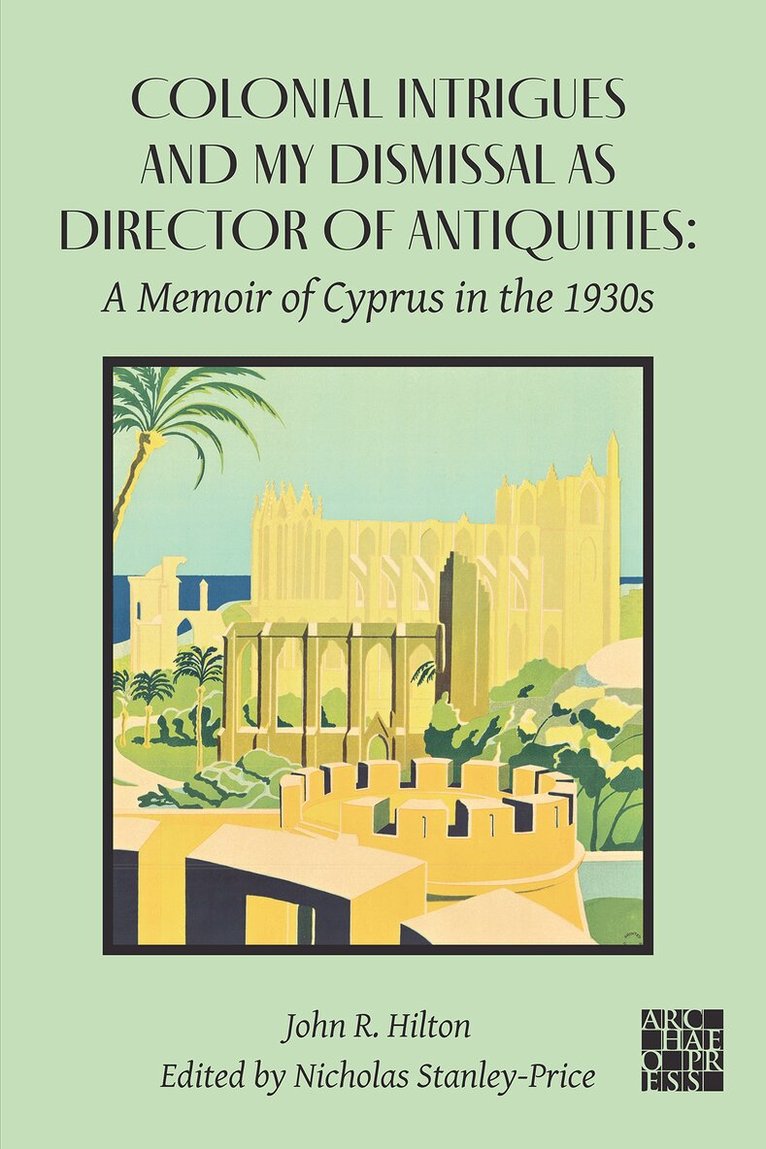
Colonial Intrigues and My Dismissal as Director of Antiquities
A Memoir of Cyprus in the 1930s
Häftad, Engelska, 2025
531 kr
Skickas
In 1934, John Hilton became the first Director of Antiquities in Cyprus, urgently saving ancient monuments. Despite challenges and dismissal, public outcry extended his tenure. His memoir, written 40 years later, humorously recounts his experiences and insights into 1930s colonial Cyprus.
456 kr
Skickas
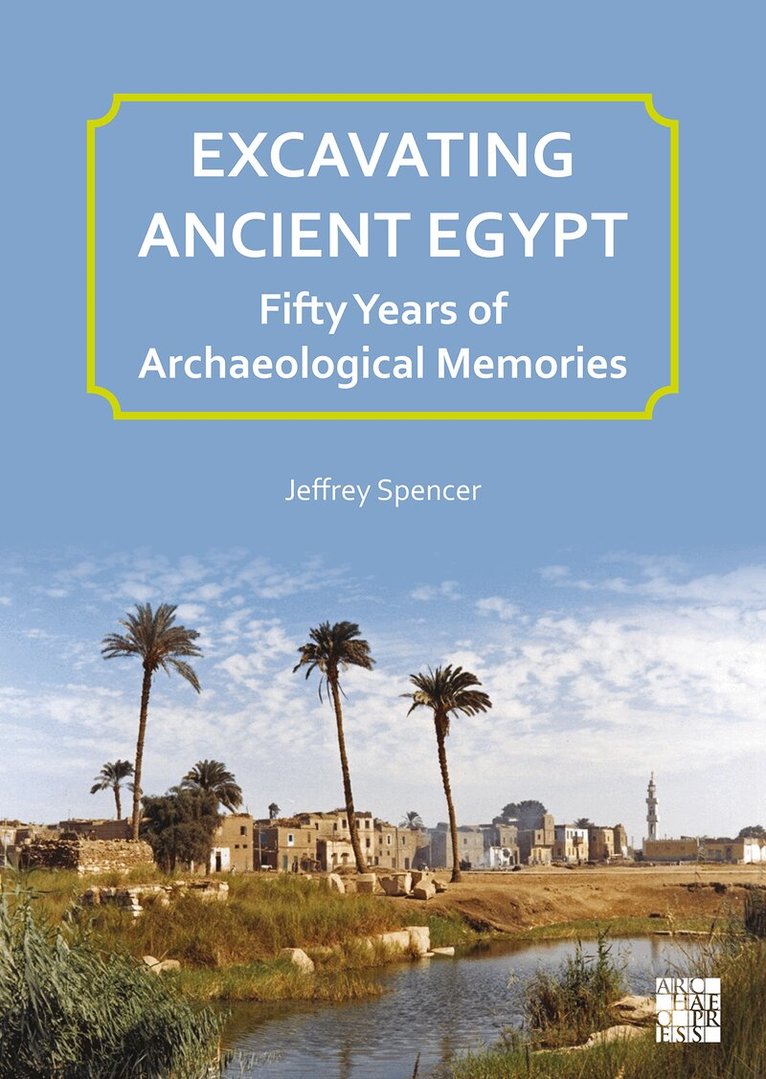
The excavation of archaeological sites in Egypt involves much more than the careful recovery and documentation of monuments and small finds. These activities take place in the context of a wide range of logistic and other tasks necessary for their initiation and smooth operation, an aspect of the work generally absent from scientific reports. This book describes this background to operating an archaeological project, with the day-to-day preoccupations of administration, acquisition of equipment and provisions, organizing transport and arranging accommodation. Mention of the key discoveries made over the years shows how evidence is recovered from the ground, with all the associated problems and procedures, to assemble new insight into the history of a site. Living in a small rural village for months and interacting with the local population reveals much about the nature of village life in the Nile Delta and the hospitality of the people, giving insight into the local culture.
Passionate Patron: The Life of Alexander Hardcastle and the Greek Temples of Agrigento
Häftad, Engelska, 2009
239 kr
Skickas
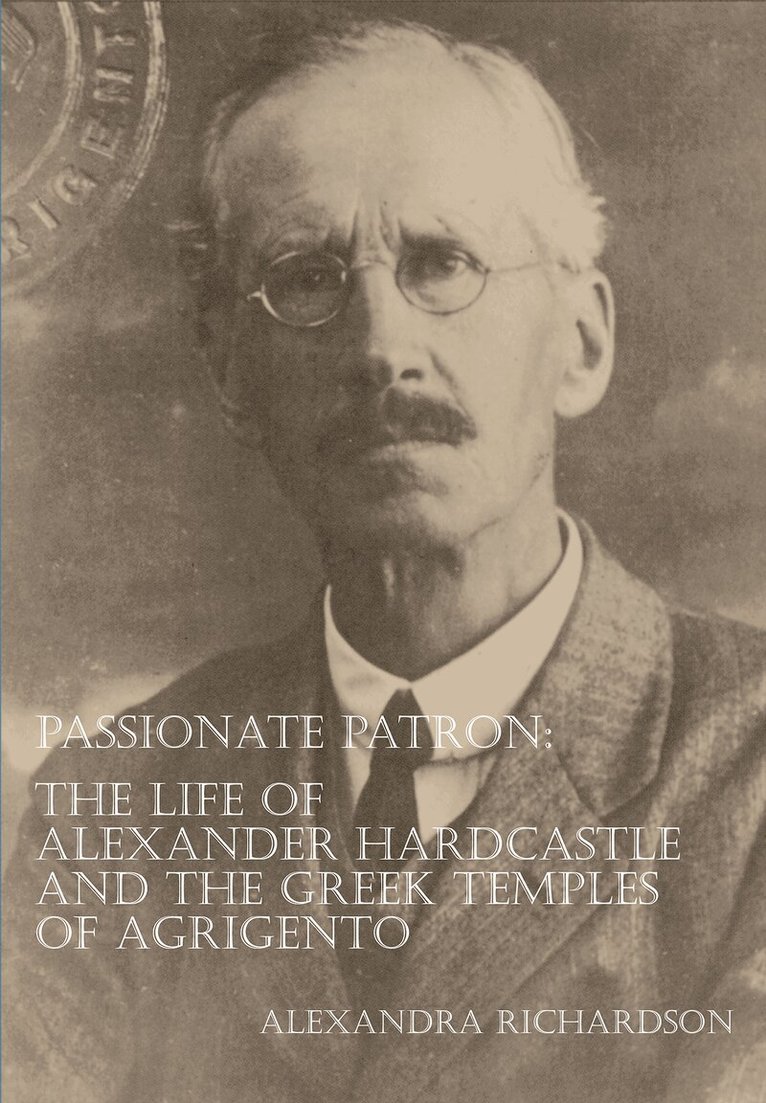
In this account, Alexandra Richardson reveals (as she says in her introduction) her quest to get to know a ‘remarkable man who wholly dedicated his later life and finances to restoring and excavating what is surely one of the finest classical Greek sites in the Western Mediterranean. I rapidly began to be drawn in to the sketchy, sometimes speculative, details surrounding the remarkable Captain Hardcastle…I thought back to his unlit villa beside the theatrically shining temples, and the more I got to know the man, the more it seemed entirely in keeping with his personality that his former home should still be not be sharing the spotlight with the great monuments he was so intimately involved with. He remained a mysterious and private person who kept his own counsel throughout life. I was to discover that he wrote very few letters home to his family from the Far East, South Africa, Italy. And when he did write to the chosen few, I had to learn to read between the lines. Luckily his own family wrote to one another making mention of him…With so little to go on, it was just the sort of challenge that a researcher relishes. The Anglo-Italian theme was yet another appeal, my instinctive habitat. No full-scale biography had ever been written about him and thus I was not stepping on any toes. I had the field all to myself, piecing together a profile from many sources, set largely in a period of modern Sicilian history, the 1920s and early ‘30s rarely “popularised” by foreign writers. That was all how the four-year journey began...’ 'This book is the labour of years of research and scholarship. In Alexandra Richardson's book, the personality of Alexander Hardcastle comes to life in all its many facets. Her detailed account of the history of Agrigento is historically correct and written in a fluid style. Her descriptions of Sicily are accurate and lyrical, her cameos of Sicilians witty and a pleasure to read. Richardson's rigorous research describes his painful and determined iter from London to Girgenti, his stubborness and his resilience.' - Simonetta Agnello Hornby, 'The Almond Picker'
Distant Prospect of Wessex: Archaeology and the Past in the Life and Works of Thomas Hardy.
Häftad, Engelska, 2011
247 kr
Skickas
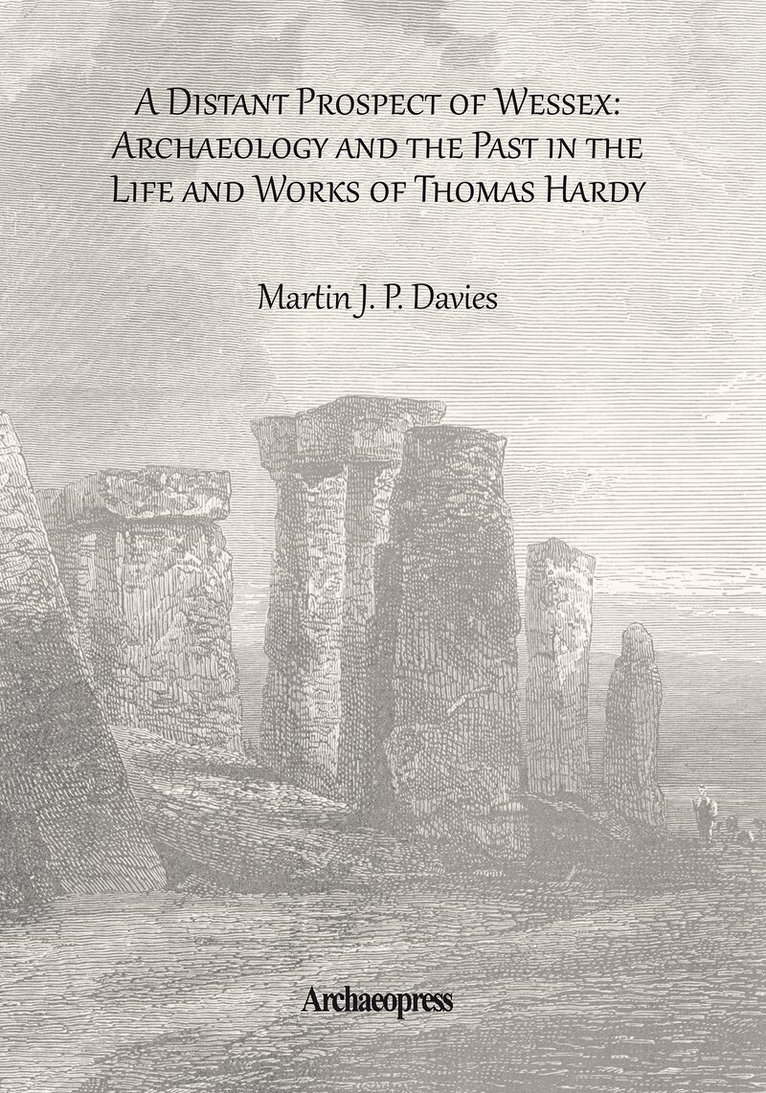
If the real Wessex, with its counties, towns, villages and topography, was no mere readily available template upon which Hardy could carve a fictional pattern, Dorchester provided a very different model, though at the level of local colour and detail, Casterbridge really is Dorchester 'by any other name.'' In this study, Martin Davies examines the role which Thomas Hardy’s involvement with the past plays in his life and literary work. Hardy’s life encompasses the transformation of archaeology out of mere antiquarianism into a fully scientific discipline. Hardy – once described as ‘a born archaeologist’ – observed this process at first hand, and its impact on his aesthetic and philosophical scheme was profound. Dr Davies’ study offers a different route to a fuller understanding of Hardy’s novels, poems, and short stories. How much was Hardy concerned with archaeology per se amongst his plethora of interests? How much did he actually know about it? Did his Classical education, architectural training, and visit to Italy impinge on his perception of the mysterious traces of British prehistory and the Roman occupation with which he had grown up? How does reference to archaeology fit in with his overall narrative, aesthetic, and philosophical scheme? These are the questions posed by Martin Davies in his study of the role played by archaeology and the past in the life and works of Thomas Hardy. The answers are far reaching and profound.