Cornell Studies in the Philosophy of Religion – Serie
Visar alla böcker i serien Cornell Studies in the Philosophy of Religion. Handla med fri frakt och snabb leverans.
19 produkter
19 produkter
676 kr
Skickas inom 10-15 vardagar
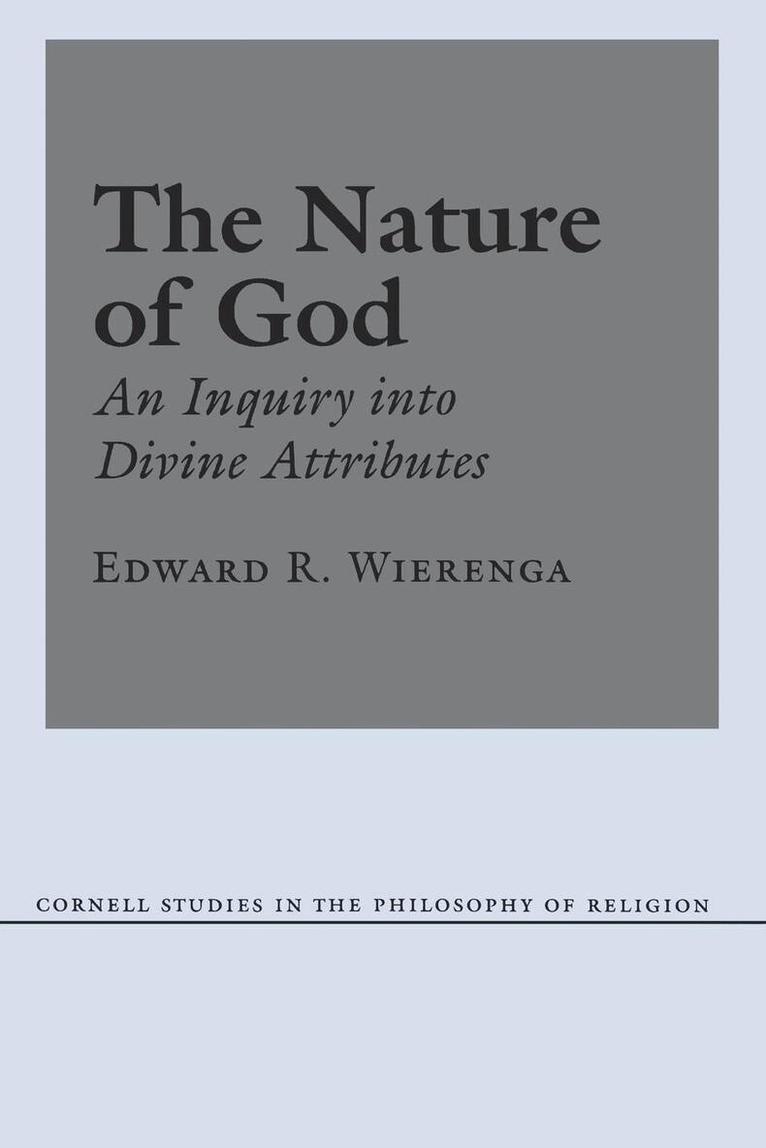
The Nature of God explores a perennial problem in the philosophy of religion. Drawing upon developments in philosophy, most notably those in philosophical logic, Edward R. Wierenga examines the traditional divine attributes of omnipotence, omniscience, eternity, timelessness, immutability, and goodness. His philosophically defensible formulations of the nature of God are in accord with the views of classical theists. The author provides an account of each of the divine attributes by stating in contemporary terms what such classical theists as Augustine, Anselm, and Aquinas wrote about the nature of God; he then seeks to determine whether one can defend the ascription of traditional divine attributes to God against philosophical objections.Clearly written and comprehensive, The Nature of God contains a wealth of illuminating and original material on a central topic in the philosophy of religion
702 kr
Skickas inom 10-15 vardagar
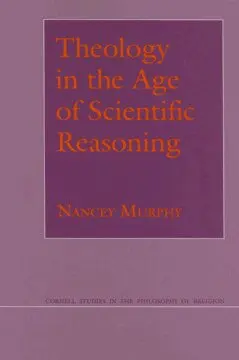
In this timely and provocative book, Nancey Murphy sets out to dispel skepticism regarding Christian belief. She argues for the rationality of Christian belief by showing that theological reasoning is similar to scientific reasoning as described by contemporary philosophy of science. Murphy draws on new historicist accounts of science, particularly that of lmre Lakatos. According to Lakatos, scientists work within a "research program" consisting of a fixed core theory and a series of changing auxiliary hypotheses that allow for prediction and explanation of novel facts: Murphy argues that strikingly similar patterns of reasoning can be used to justify theological assertions. She provides an original characterization of theological data and explores the consequences for theology and philosophy of religion of adopting such an approach.
702 kr
Skickas inom 10-15 vardagar
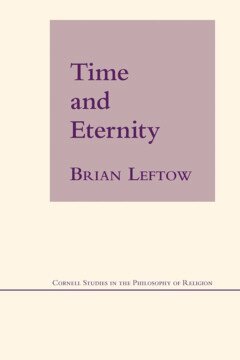
Brian Leftow makes an important contribution to the longstanding debate among philosophers and theologians about the nature of God's eternity. The author develops a powerful and original defense of the notion that God is eternal in that he exists timelessly; that is, that though God exists, he does not exist at any time. Leftow defends the claim that a timeless God can be an object of human experience, and he attempts to delineate the extent of such a God's omniscience. Finally, the author pays special attention to the relation between the claim that God is timeless and the claim that God is metaphysically simple.
702 kr
Skickas inom 10-15 vardagar
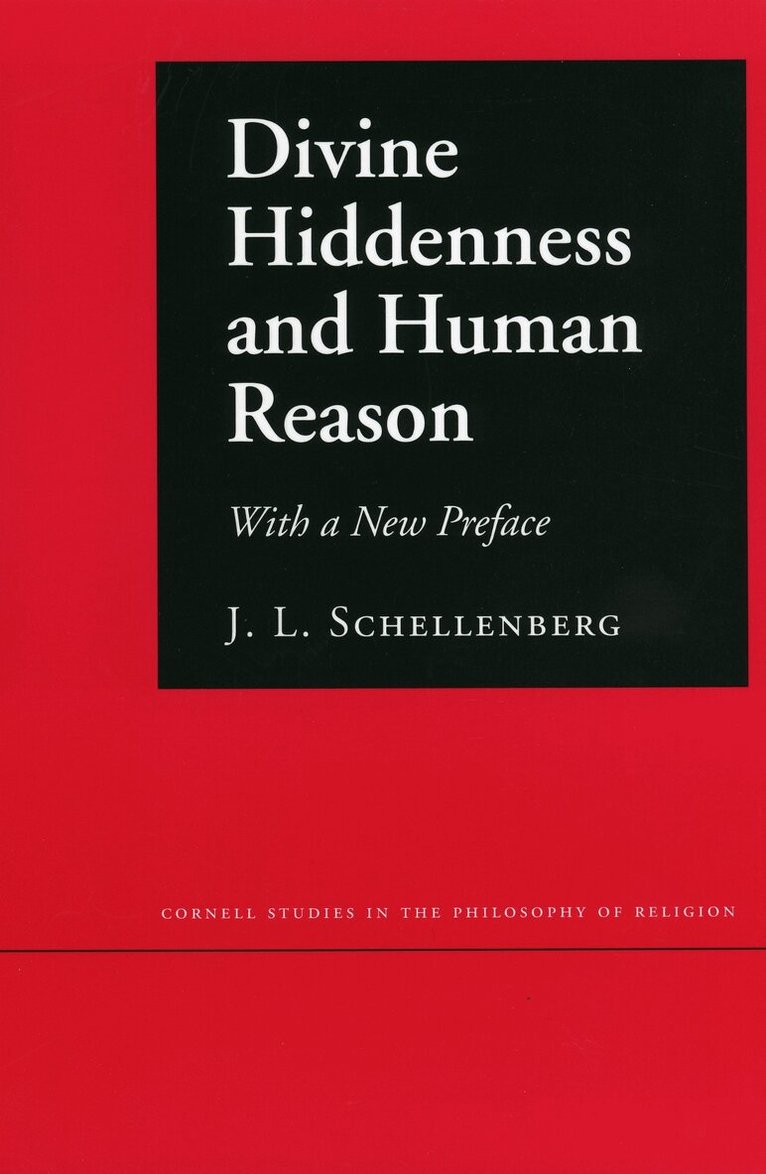
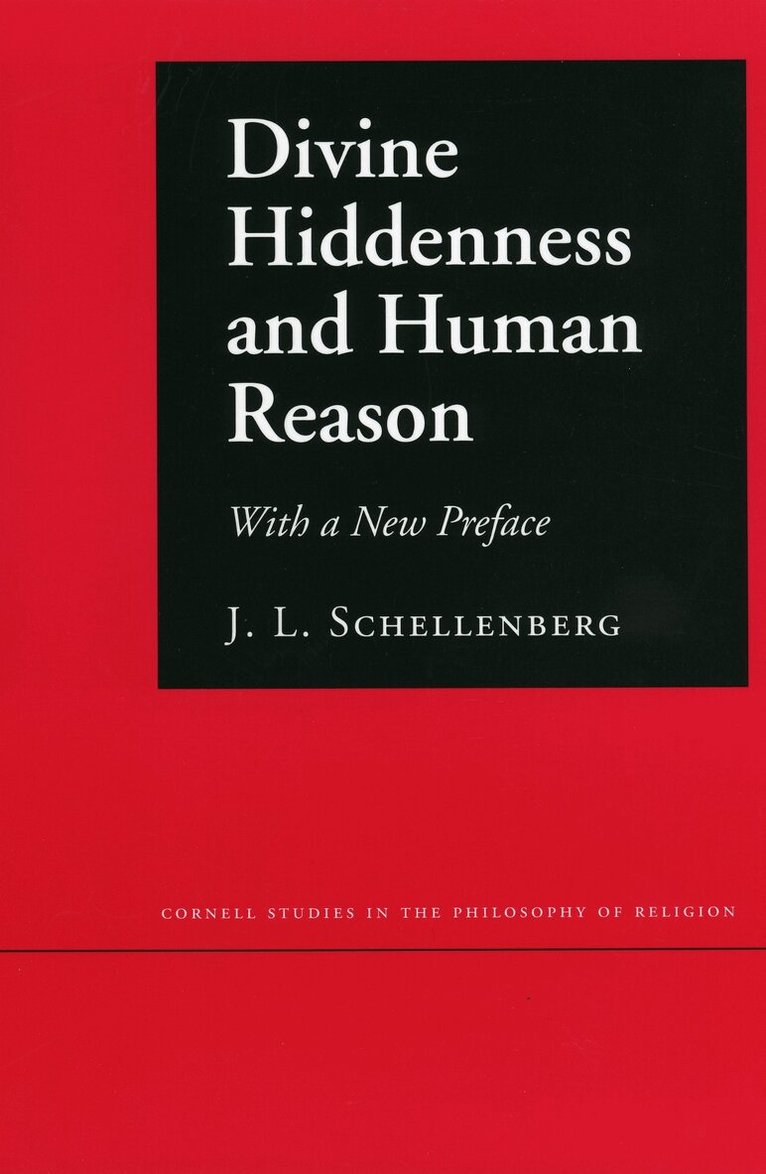
This book is a splendid, illuminating study of Divine hiddenness and its implications for the question of whether the God of traditional theism actually exists.— William L. Rowe, Department of Philosophy, Purdue UniversityThe first full-length treatment of its topic, Divine Hiddenness and Human Reason will be of interest to anyone who has sought to reach a conclusion as to God's existence, and especially to theologians and philosophers of religion.In this clearly written and tightly argued book, J. L. Schellenberg addresses a fundamental yet neglected religious problem. If there is a God, he asks, why is his existence not more obvious?Traditionally, theists have claimed that God is hidden in order to account for the fact that the evidence of his existence is as weak as it is. Schellenberg maintains that, given the understanding of God's moral character to which theists are committed, this claim runs into serious difficulty. There are grounds, the author writes, for thinking that the perfectly loving God of theism would not be hidden, that such a God would put the fact of his existence beyond reasonable nonbelief. Since reasonable nonbelief occurs, Schellenberg argues, it follows that there is here an argument of considerable force for atheism.In developing his claim, Schellenberg carefully examines the relevant views of such theists as Pascal, Butler, Kierkegaard, Hick, and others. He clarifies their suggestions concerning Divine hiddenness and shows how they fall short of providing a rebuttal for the argument he presents. That argument, he concludes, poses a serious challenge to theism, to which contemporary theists must respond.Also Available in Paperback with a New Preface
676 kr
Skickas inom 10-15 vardagar
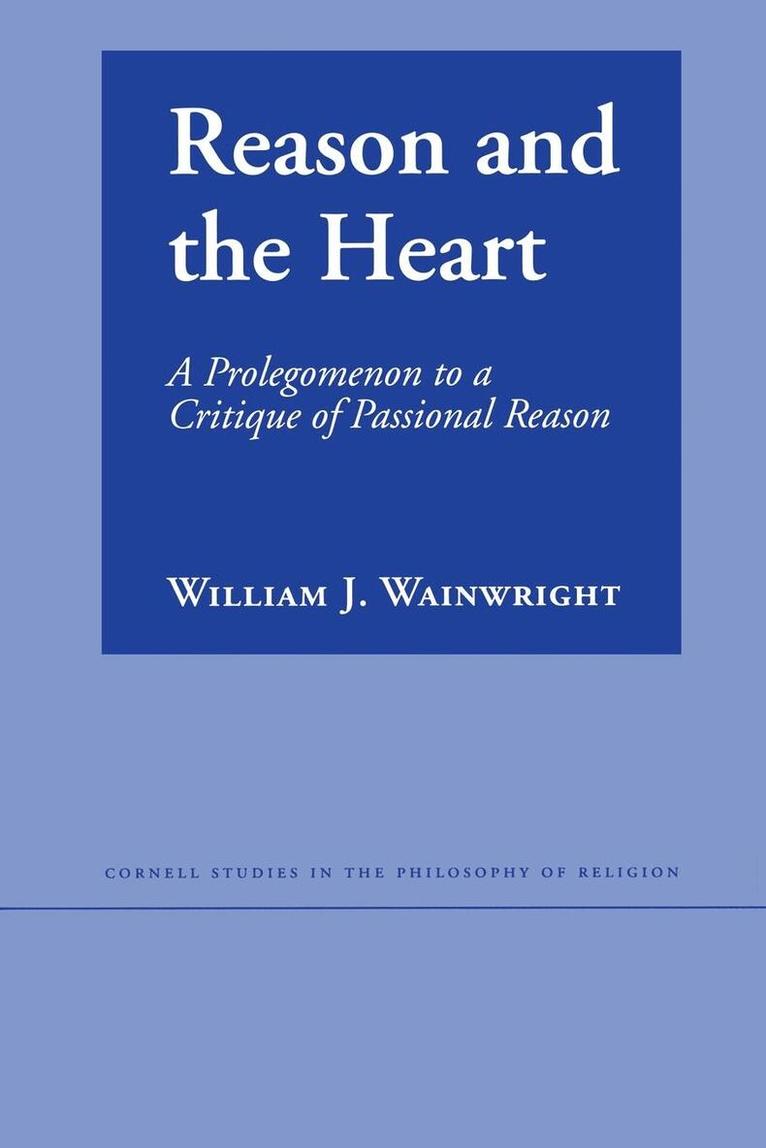
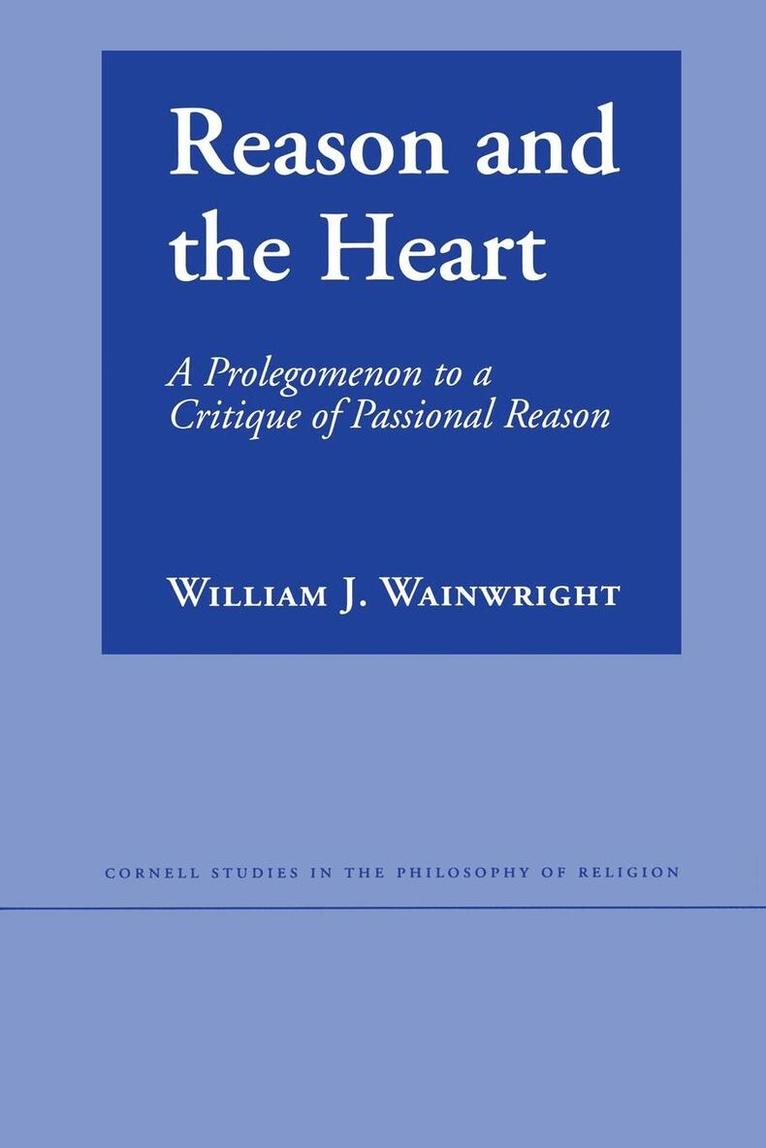
Between the opposing claims of reason and religious subjectivity may be a middle ground, William J. Wainwright argues. His book is a philosophical reflection on the role of emotion in guiding reason. There is evidence, he contends, that reason functions properly only when informed by a rightly disposed heart.The idea of passional reason, so rarely discussed today, once dominated religious reflection, and Wainwright pursues it through the writings of three of its past proponents: Jonathan Edwards, John Henry Newman, and William James. He focuses on Edwards, whose work typifies the Christian perspective on religious reasoning and the heart. Then, in his discussion of Newman and James, Wainwright shows how the emotions participate in non-religious reasoning. Finally he takes up the challenges most often posed to notions of passional reason: that such views justify irrationality and wishful thinking, that they can't be defended without circularity, and that they lead to relativism. His response to these charges culminates in an eloquent and persuasive defense of the claim that reason functions best when influenced by the appropriate emotions, feelings, and intuitions.
676 kr
Skickas inom 10-15 vardagar
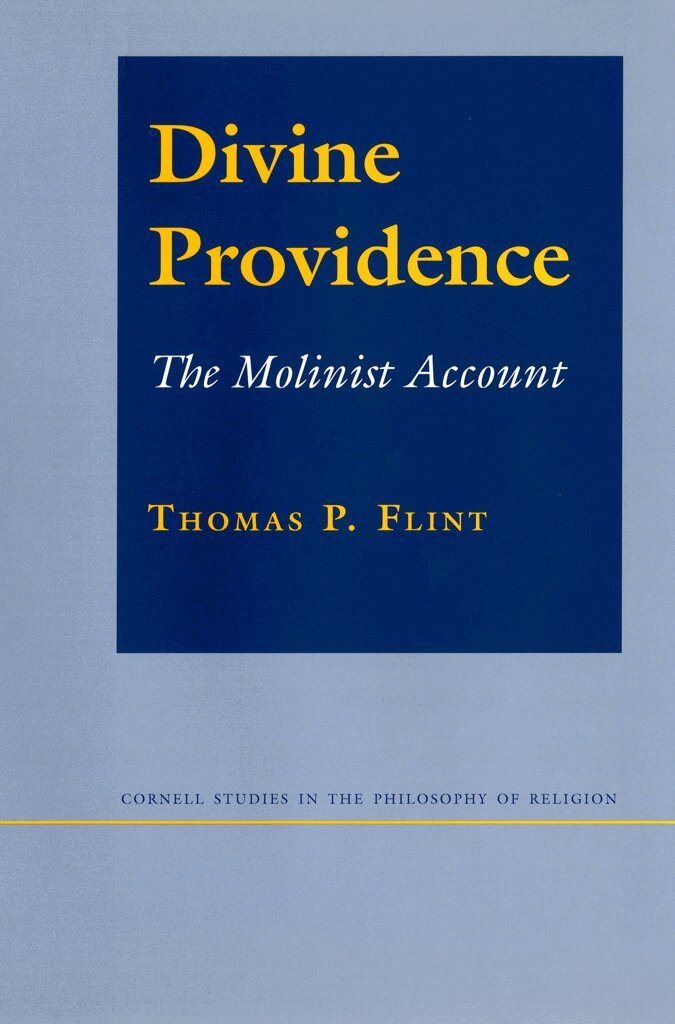
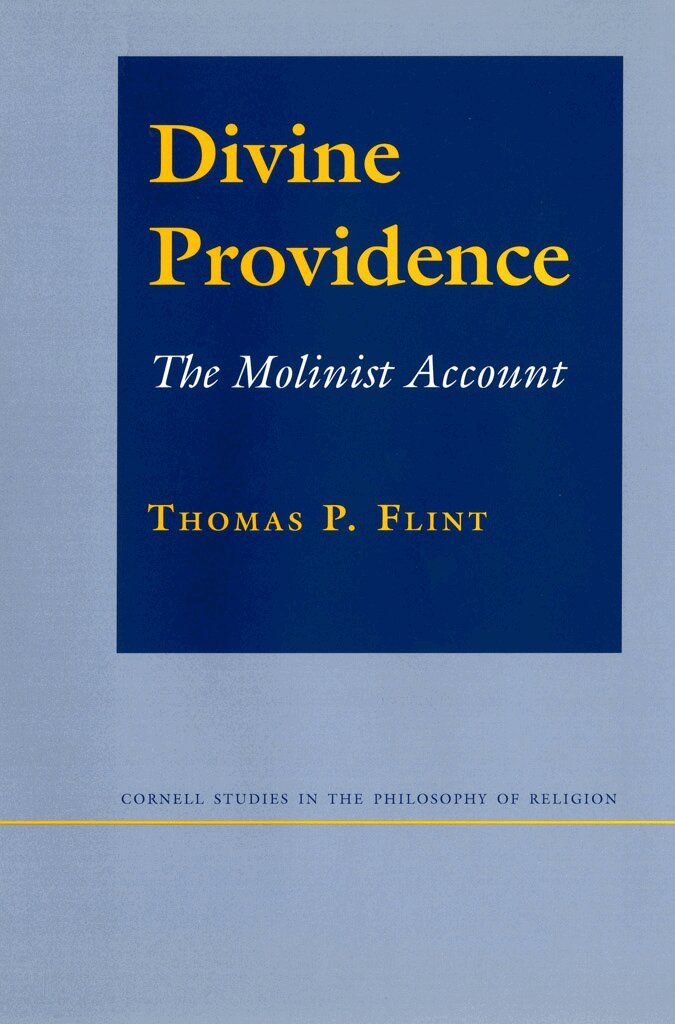
Thomas P. Flint develops and defends the idea of divine providence sketched by Luis de Molina, the sixteenth-century Jesuit theologian. The Molinist account of divine providence reconciles two claims long thought to be incompatible: that God is the all-knowing governor of the universe and that individual freedom can prevail only in a universe free of absolute determinism. The Molinist concept of middle knowledge holds that God knows, though he has no control over, truths about how any individual would freely choose to act in any situation, even if the person never encounters that situation. Given such knowledge, God can be truly providential while leaving his creatures genuinely free. Divine Providence is by far the most detailed and extensive presentation of the Molinist view ever written.Middle knowledge is hotly debated in philosophical theology, and the controversy spills over into metaphysics and moral philosophy as well. Flint ably defends the concept against its most influential contemporary critics, and shows its importance to Christian practice. With particular originality and sophistication, he applies Molinism to such aspects of providence as prayer, prophecy, and the notion of papal infallibility, teasing out the full range of implications for traditional Christianity.
702 kr
Skickas inom 10-15 vardagar
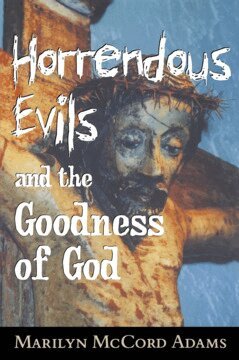
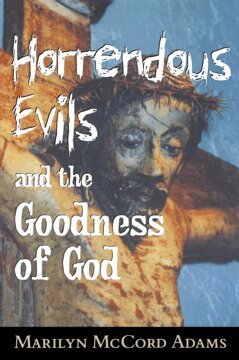
If you thought nothing new could come of the stalled, stale debates in analytic philosophy over the problem of evil, think again. With characteristic elegance and precision, Marilyn McCord Adams decisively advances the discussion by including overlooked problems―notably, the horrendous evils of her title―and overlooked resources―from the Bible and the history of Christian thought.― Kathryn Tanner, University of ChicagoWhen confronted by horrendous evil, even the most pious believer may question not only life's worth but also God's power and goodness. A distinguished philosopher and a practicing minister, Marilyn McCord Adams has written a highly original work on a fundamental dilemma of Christian thought-how to reconcile faith in God with the evils that afflict human beings.Adams argues that much of the discussion in analytic philosophy of religion over the last forty years has offered too narrow an understanding of the problem. The ground rules accepted for the discussion have usually led philosophers to avert their gaze from the worst-horrendous-evils and their devastating impact on human lives. They have agreed to debate the issue on the basis of religion-neutral values, and have focused on morals, an approach that-Adams claims-is inadequate for formulating and solving the problem of horrendous evils. She emphasizes instead the fruitfulness of other evaluative categories such as purity and defilement, honor and shame, and aesthetics. If redirected, philosophical reflection on evil can, Adams's book demonstrates, provide a valuable approach not only to theories of God and evil but also to pastoral care.
742 kr
Skickas inom 10-15 vardagar
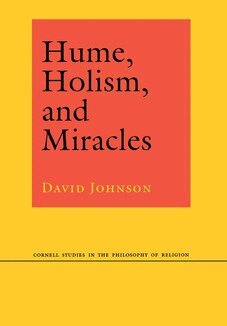
David Johnson seeks to overthrow one of the widely accepted tenets of Anglo-American philosophy—that of the success of the Humean case against the rational credibility of reports of miracles. In a manner unattempted in any other single work, he meticulously examines all the main variants of Humean reasoning on the topic of miracles: Hume's own argument and its reconstructions by John Stuart Mill, J. L. Mackie, Antony Flew, Jordan Howard Sobel, and others.Hume's view, set forth in his essay "Of Miracles," has been widely thought to be correct. Johnson reviews Hume's thesis with clarity and elegance and considers the arguments of some of the most prominent defenders of Hume's case against miracles. According to Johnson, the Humean argument on this topic is entirely without merit, its purported cogency being simply a philosophical myth.
1 558 kr
Skickas inom 10-15 vardagar
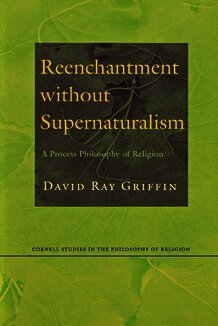
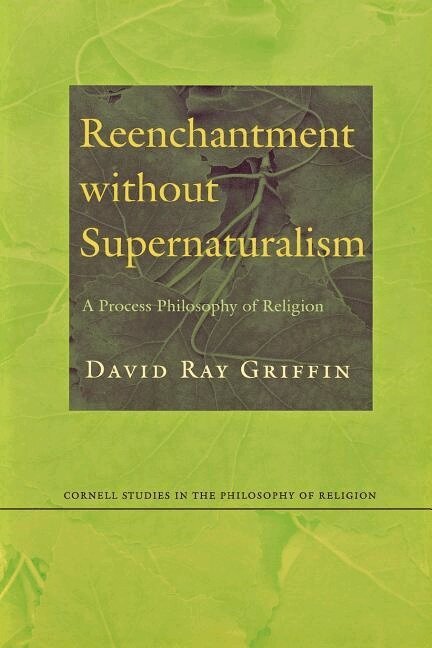
Occasionally, a book comes along that is definitive for its field of study, a book that marks a milestone in thought.... Griffin has written just such a book―a book that, by all rights, should mark a watershed in the academic study of religion.... Griffin makes about as strong a case as one can in a single volume for a genuine and viable alternative. ― The Journal of ReligionThe process philosophy of Alfred North Whitehead and Charles Hartshorne has made many distinctive contributions to the philosophy of religion. David Ray Griffin now offers the first full-scale philosophy of religion written from this perspective, discussing such topics as the relationship between science and religion, the validity of religious experience, the nature and existence of God, religious pluralism, creation and evolution, and the problem of evil. Griffin's clear and comprehensive book also serves as a valuable introduction to process philosophy itself.In his vigorous defense of a worldview that is fully naturalistic and fully religious, Griffin shows not only how this position reconciles naturalism with freedom, genuine religious experience, and even life after death, but also how its naturalistic theism "reenchants" the world in the sense of providing cosmic support for moral values.Highly original and sometimes controversial, Griffin's book develops its stance in conversation with influential proponents of other philosophical positions, including William P. Alston, JÜrgen Habermas, John Hick, Colin McGinn, Alvin Plantinga, Hilary Putnam, Willard Quine, Ninian Smart, Jeffrey Stout, and Bernard Williams.
742 kr
Skickas inom 10-15 vardagar
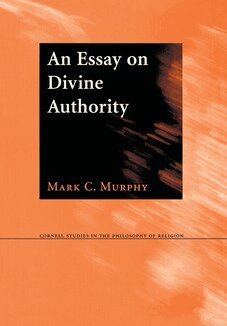
In the first book wholly concerned with divine authority, Mark C. Murphy explores the extent of God's rule over created rational beings. The author challenges the view—widely supported by theists and nontheists alike—that if God exists, then humans must be bound by an obligation of obedience to this being. He demonstrates that this view, the "authority thesis," cannot be sustained by any of the arguments routinely advanced on its behalf, including those drawn from perfect being theology, metaethical theory, normative principles, and even Scripture and tradition. After exposing the inadequacies of the various arguments for the authority thesis, he develops his own solution to the problem of whether, and to what extent, God is authoritative.For Murphy, divine authority is a contingent matter: while created rational beings have decisive reason to subject themselves to the divine rule, they are under divine authority only insofar as they have chosen to allow God's decisions to take the place of their own in their practical reasoning. The author formulates and defends his arguments for this view, and notes its implications for understanding the distinctiveness of Christian ethics.
328 kr
Skickas inom 10-15 vardagar
Thomas P. Flint develops and defends the idea of divine providence sketched by Luis de Molina, the sixteenth-century Jesuit theologian. The Molinist account of divine providence reconciles two claims long thought to be incompatible: that God is the all-knowing governor of the universe and that individual freedom can prevail only in a universe free of absolute determinism. The Molinist concept of middle knowledge holds that God knows, though he has no control over, truths about how any individual would freely choose to act in any situation, even if the person never encounters that situation. Given such knowledge, God can be truly providential while leaving his creatures genuinely free. Divine Providence is by far the most detailed and extensive presentation of the Molinist view ever written.Middle knowledge is hotly debated in philosophical theology, and the controversy spills over into metaphysics and moral philosophy as well. Flint ably defends the concept against its most influential contemporary critics, and shows its importance to Christian practice. With particular originality and sophistication, he applies Molinism to such aspects of providence as prayer, prophecy, and the notion of papal infallibility, teasing out the full range of implications for traditional Christianity.
288 kr
Skickas inom 10-15 vardagar
This book is a splendid, illuminating study of Divine hiddenness and its implications for the question of whether the God of traditional theism actually exists.— William L. Rowe, Department of Philosophy, Purdue UniversityThe first full-length treatment of its topic, Divine Hiddenness and Human Reason will be of interest to anyone who has sought to reach a conclusion as to God's existence, and especially to theologians and philosophers of religion.In this clearly written and tightly argued book, J. L. Schellenberg addresses a fundamental yet neglected religious problem. If there is a God, he asks, why is his existence not more obvious?Traditionally, theists have claimed that God is hidden in order to account for the fact that the evidence of his existence is as weak as it is. Schellenberg maintains that, given the understanding of God's moral character to which theists are committed, this claim runs into serious difficulty. There are grounds, the author writes, for thinking that the perfectly loving God of theism would not be hidden, that such a God would put the fact of his existence beyond reasonable nonbelief. Since reasonable nonbelief occurs, Schellenberg argues, it follows that there is here an argument of considerable force for atheism.In developing his claim, Schellenberg carefully examines the relevant views of such theists as Pascal, Butler, Kierkegaard, Hick, and others. He clarifies their suggestions concerning Divine hiddenness and shows how they fall short of providing a rebuttal for the argument he presents. That argument, he concludes, poses a serious challenge to theism, to which contemporary theists must respond.Also Available in Paperback with a New Preface
422 kr
Skickas inom 10-15 vardagar
Between the opposing claims of reason and religious subjectivity may be a middle ground, William J. Wainwright argues. His book is a philosophical reflection on the role of emotion in guiding reason. There is evidence, he contends, that reason functions properly only when informed by a rightly disposed heart.The idea of passional reason, so rarely discussed today, once dominated religious reflection, and Wainwright pursues it through the writings of three of its past proponents: Jonathan Edwards, John Henry Newman, and William James. He focuses on Edwards, whose work typifies the Christian perspective on religious reasoning and the heart. Then, in his discussion of Newman and James, Wainwright shows how the emotions participate in non-religious reasoning. Finally he takes up the challenges most often posed to notions of passional reason: that such views justify irrationality and wishful thinking, that they can't be defended without circularity, and that they lead to relativism. His response to these charges culminates in an eloquent and persuasive defense of the claim that reason functions best when influenced by the appropriate emotions, feelings, and intuitions.
555 kr
Skickas inom 10-15 vardagar
Brian Leftow makes an important contribution to the longstanding debate among philosophers and theologians about the nature of God's eternity. The author develops a powerful and original defense of the notion that God is eternal in that he exists timelessly; that is, that though God exists, he does not exist at any time. Leftow defends the claim that a timeless God can be an object of human experience, and he attempts to delineate the extent of such a God's omniscience. Finally, the author pays special attention to the relation between the claim that God is timeless and the claim that God is metaphysically simple.
341 kr
Skickas inom 10-15 vardagar
In this timely and provocative book, Nancey Murphy sets out to dispel skepticism regarding Christian belief. She argues for the rationality of Christian belief by showing that theological reasoning is similar to scientific reasoning as described by contemporary philosophy of science. Murphy draws on new historicist accounts of science, particularly that of lmre Lakatos. According to Lakatos, scientists work within a "research program" consisting of a fixed core theory and a series of changing auxiliary hypotheses that allow for prediction and explanation of novel facts: Murphy argues that strikingly similar patterns of reasoning can be used to justify theological assertions. She provides an original characterization of theological data and explores the consequences for theology and philosophy of religion of adopting such an approach.
314 kr
Skickas inom 10-15 vardagar
"This outstanding book... is a genuinely pivotal contribution to the lively current debate over divine foreknowledge and human freedom.... Hasker's book has three commendable features worthy of immediate note. First, it contains a carefully crafted overview of the recent literature on foreknowledge and freedom and so can serve as an excellent introduction to that literature. Second, it is tightly reasoned and brimming with brisk arguments, many of them highly original. Third, it correctly situates the philosophical dispute over foreknowledge and freedom within its proper theological context and in so doing highlights the intimate connection between the doctrines of divine omniscience and divine providence."—Faith and Philosophy"[God, Time, and Knowledge] is an elegantly written, forcefully argued challenge to traditional views, and a major contribution to the discussion of divine foreknowledge."—Philosophical Review"This is a very competent, thorough analysis of the conflict between free will and divine foreknowledge (or, on some acounts, timeless divine knowledge of our future). It is exceptionally clear."—Theological Book Review
355 kr
Skickas inom 10-15 vardagar
Occasionally, a book comes along that is definitive for its field of study, a book that marks a milestone in thought.... Griffin has written just such a book―a book that, by all rights, should mark a watershed in the academic study of religion.... Griffin makes about as strong a case as one can in a single volume for a genuine and viable alternative. ― The Journal of ReligionThe process philosophy of Alfred North Whitehead and Charles Hartshorne has made many distinctive contributions to the philosophy of religion. David Ray Griffin now offers the first full-scale philosophy of religion written from this perspective, discussing such topics as the relationship between science and religion, the validity of religious experience, the nature and existence of God, religious pluralism, creation and evolution, and the problem of evil. Griffin's clear and comprehensive book also serves as a valuable introduction to process philosophy itself.In his vigorous defense of a worldview that is fully naturalistic and fully religious, Griffin shows not only how this position reconciles naturalism with freedom, genuine religious experience, and even life after death, but also how its naturalistic theism "reenchants" the world in the sense of providing cosmic support for moral values.Highly original and sometimes controversial, Griffin's book develops its stance in conversation with influential proponents of other philosophical positions, including William P. Alston, JÜrgen Habermas, John Hick, Colin McGinn, Alvin Plantinga, Hilary Putnam, Willard Quine, Ninian Smart, Jeffrey Stout, and Bernard Williams.
252 kr
Skickas inom 10-15 vardagar
If you thought nothing new could come of the stalled, stale debates in analytic philosophy over the problem of evil, think again. With characteristic elegance and precision, Marilyn McCord Adams decisively advances the discussion by including overlooked problems―notably, the horrendous evils of her title―and overlooked resources―from the Bible and the history of Christian thought.― Kathryn Tanner, University of ChicagoWhen confronted by horrendous evil, even the most pious believer may question not only life's worth but also God's power and goodness. A distinguished philosopher and a practicing minister, Marilyn McCord Adams has written a highly original work on a fundamental dilemma of Christian thought-how to reconcile faith in God with the evils that afflict human beings.Adams argues that much of the discussion in analytic philosophy of religion over the last forty years has offered too narrow an understanding of the problem. The ground rules accepted for the discussion have usually led philosophers to avert their gaze from the worst-horrendous-evils and their devastating impact on human lives. They have agreed to debate the issue on the basis of religion-neutral values, and have focused on morals, an approach that-Adams claims-is inadequate for formulating and solving the problem of horrendous evils. She emphasizes instead the fruitfulness of other evaluative categories such as purity and defilement, honor and shame, and aesthetics. If redirected, philosophical reflection on evil can, Adams's book demonstrates, provide a valuable approach not only to theories of God and evil but also to pastoral care.
448 kr
Skickas inom 10-15 vardagar
The Nature of God explores a perennial problem in the philosophy of religion. Drawing upon developments in philosophy, most notably those in philosophical logic, Edward R. Wierenga examines the traditional divine attributes of omnipotence, omniscience, eternity, timelessness, immutability, and goodness. His philosophically defensible formulations of the nature of God are in accord with the views of classical theists. The author provides an account of each of the divine attributes by stating in contemporary terms what such classical theists as Augustine, Anselm, and Aquinas wrote about the nature of God; he then seeks to determine whether one can defend the ascription of traditional divine attributes to God against philosophical objections.Clearly written and comprehensive, The Nature of God contains a wealth of illuminating and original material on a central topic in the philosophy of religion