J. L. Schellenberg – författare
Visar alla böcker från författaren J. L. Schellenberg. Handla med fri frakt och snabb leverans.
20 produkter
20 produkter
Inbunden, Engelska, 2015
540 kr
Skickas inom 7-10 vardagar
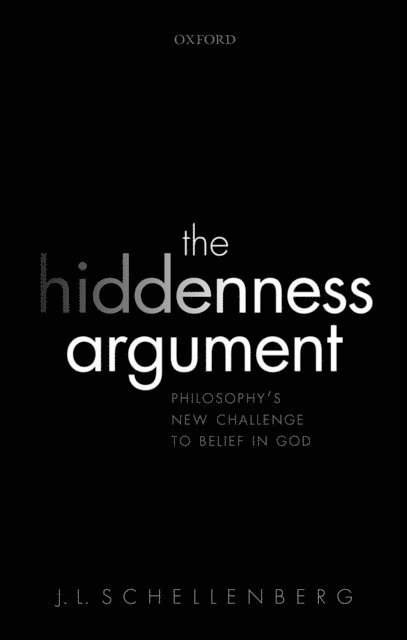
In many places and times, and for many people, God's existence has been rather less than a clear fact. According to the hiddenness argument, this is actually a reason to suppose that it is not a fact at all. The hiddenness argument is a new argument for atheism that has come to prominence in philosophy over the past two decades. J. L. Schellenberg first developed the argument in 1993, and this book offers a short and vigorous statement of its central claims and ideas. Logically sharp but so clear that anyone can understand, the book addresses little-discussed issues such as why it took so long for hiddenness reasoning to emerge in philosophy, and how the hiddenness problem is distinct from the problem of evil. It concludes with the fascinating thought that retiring the last of the personal gods might leave us nearer the beginning of religion than the end. Though an atheist, Schellenberg writes sensitively and with a nuanced insider's grasp of the religious life. Pertinent aspects of his experience as a believer and as a nonbeliever, and of his own engagement with hiddenness issues, are included. Set in this personal context, and against an authoritative background on relevant logical, conceptual, and historical matters, The Hiddenness Argument's careful but provocative reasoning makes crystal clear just what this new argument is and why it matters.
Inbunden, Engelska, 2017
977 kr
Skickas inom 7-10 vardagar
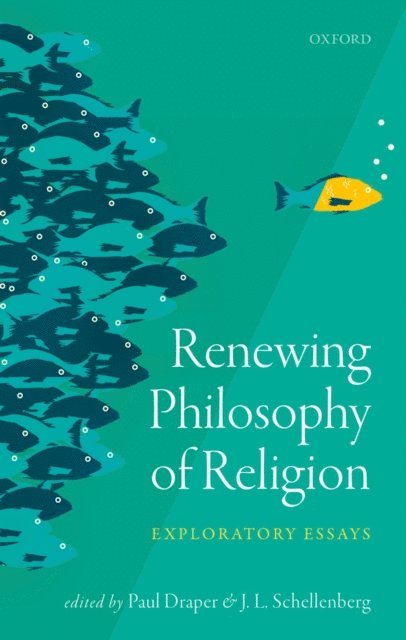
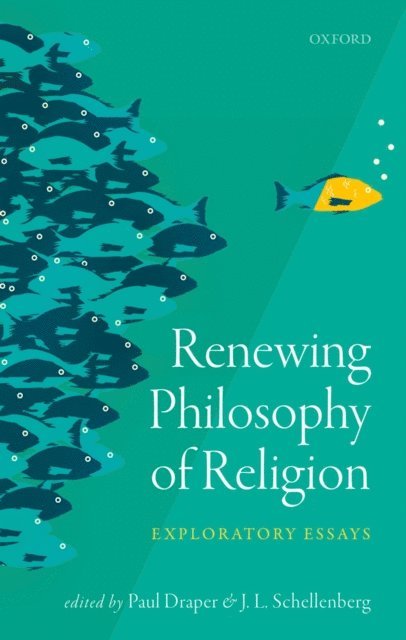
This book is animated by a shared conviction that philosophy of religion needs to change: thirteen new essays suggest why and how. The first part of the volume explores possible changes to the focus of the field. The second part focuses on the standpoint from which philosophers of religion should approach their field. In the first part are chapters on how an emphasis on faith distorts attempts to engage non-western religious ideas; on how philosophers from different traditions might collaborate on common interests; on why the common presupposition of ultimacy leads to error; on how new religious movements feed a naturalistic philosophy of religion; on why a focus on belief and a focus on practice are both mistaken; on why philosophy's deep axiological concern should set much of the field's agenda; and on how the field might contribute to religious evolution. The second part includes a qualitative analysis of the standpoint of fifty-one philosophers of religion, and also addresses issues about humility needed in continental philosophy of religion; about the implausibility of claiming that one's own worldview is uniquely rational; about the Moorean approach to religious epistemology; about a Spinozan middle way between 'insider' and 'outsider' perspectives; and about the unorthodox lessons we could learn from scriptures like the book of Job if we could get past the confessional turn in recent philosophy of religion.The goal of the volume is to identify new paths for philosophers of religion that are distinct from those travelled by theologians and other scholars of religion.
Häftad, Engelska, 2015
348 kr
Skickas inom 7-10 vardagar
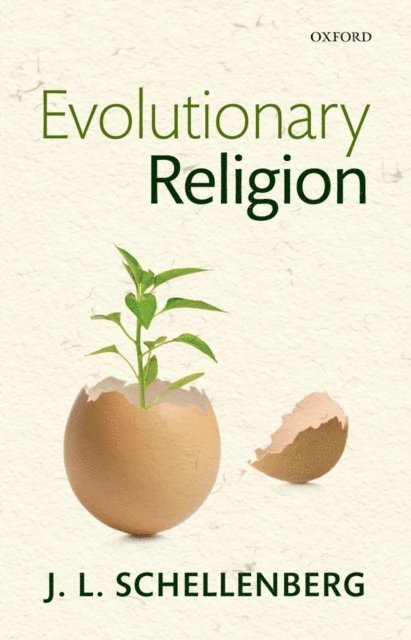
J. L. Schellenberg articulates and defends a simple but revolutionary idea: we are still at a very early stage in the possible history of intelligent life on our planet, and should frame our religious attitudes accordingly. Humans have begun to adapt to a deep past--one measured in billions of years, not thousands. But we have not really noticed how thin is the sliver of past time in which all of our religious life is contained. And the eons that may yet see intelligent life have hardly started to come into focus. When these things are internalized, our whole picture of religion may change. For then we will for the first time be in a position to ask: Might there be a form of religion appropriate to such an early stage of development as our own? Might such 'evolutionary religion' be rather different from the forms of religion we see all around us today? And might it be better fitted to meet the demands of reason? Though most concerned simply to get a new discussion going, Evolutionary Religion maintains that the answer is in each case 'yes'. When the light of deep time has fully been switched on, a new form of skepticism but, at the same time, new possibilities of religious life will come into view. We will find ourselves drawn to religious attitudes that, while not foregoing the idea of a transcendent ultimate, manage to do without believing and without details. As Schellenberg reveals, pursuing evolutionary religion instead of embracing a scientific naturalism is something that can rationally be done, even if traditional religious belief is placed out of bounds by argument. And ironically it is science that should help us see this. Indeed, in a new cultural dispensation evolutionary religion may come to be a preferred option among those most concerned for our intellectual enrichment and for our survival into the deep future.
Häftad, Engelska, 2017
341 kr
Skickas inom 7-10 vardagar
In many places and times, and for many people, God's existence has been rather less than a clear fact. According to the hiddenness argument, this is actually a reason to suppose that it is not a fact at all. The hiddenness argument is a new argument for atheism that has come to prominence in philosophy over the past two decades. J. L. Schellenberg first developed the argument in 1993, and this book offers a short and vigorous statement of its central claims and ideas. Logically sharp but so clear that anyone can understand, the book addresses little-discussed issues such as why it took so long for hiddenness reasoning to emerge in philosophy, and how the hiddenness problem is distinct from the problem of evil. It concludes with the fascinating thought that retiring the last of the personal gods might leave us nearer the beginning of religion than the end. Though an atheist, Schellenberg writes sensitively and with a nuanced insider's grasp of the religious life. Pertinent aspects of his experience as a believer and as a nonbeliever, and of his own engagement with hiddenness issues, are included. Set in this personal context, and against an authoritative background on relevant logical, conceptual, and historical matters, The Hiddenness Argument's careful but provocative reasoning makes crystal clear just what this new argument is and why it matters.
Inbunden, Engelska, 2024
394 kr
Skickas inom 5-8 vardagar
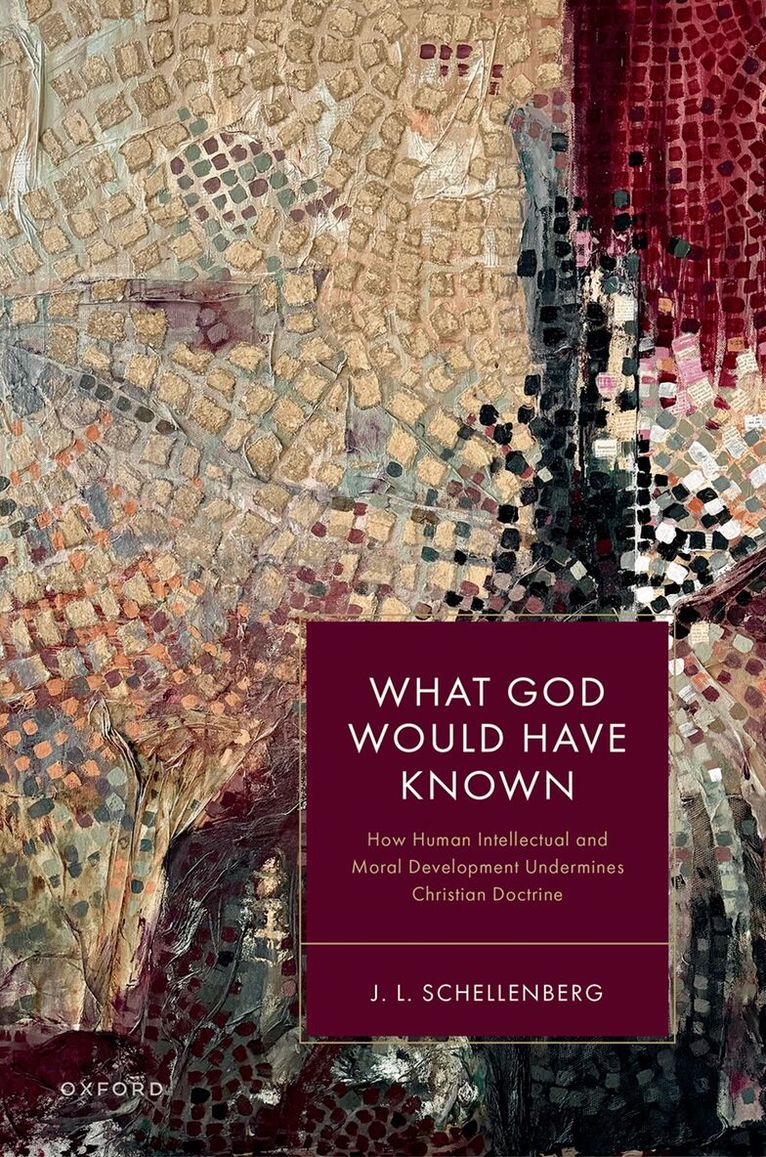
Classical Christian ideas loom large in philosophy of religion today. But arguments against Christian doctrine have been neglected. J. L. Schellenberg's new book remedies this neglect. And it does so in a novel way, by linking facts about human intellectual and moral development to what God would have known at the time of Jesus.The tide of human development, which the early Christians might have expected to corroborate their teaching, has in fact brought many results that run contrary to that teaching. Or at least it will be seen to have done so, says Schellenberg, when we think about the consequences of any God existent then being fully cognizant, when Christian doctrine was first formed, of all that we have laboriously learned since then. Newly discovered facts, not just about such things as evolution and the formation of the New Testament but also about mental illness, violent punishment, the relations between women and men, and the status of same-sex intimacy, suggest detailed new arguments against the content of the Christian revelation--Schellenberg designs and defends twenty--when the prior understanding of the purported revealer is taken into account. Written with Schellenberg's characteristic combination of verve and careful precision, What God Would Have Known offers a thorough and incisive treatment of its subject that remains respectful and fair-minded throughout. It is not concerned with the overworked question of whether classical Christians believe irrationally, but with what overlooked arguments about human development show in relation to the truth or falsity of Christian claims about reality. Fully conversant with relevant developments in science, the book is particularly generous in its attention to recent developments in social and ethical spheres as it works toward its striking conclusion that the God of the Christians, all good and all wise, would not have believed Christian doctrine.
Inbunden, Engelska, 2013
664 kr
Skickas inom 7-10 vardagar
J. L. Schellenberg articulates and defends a simple but revolutionary idea: we are still at a very early stage in the possible history of intelligent life on our planet, and should frame our religious attitudes accordingly. Humans have begun to adapt to a deep past--one measured in billions of years, not thousands. But we have not really noticed how thin is the sliver of past time in which all of our religious life is contained. And the eons that may yet see intelligent life have hardly started to come into focus. When these things are internalized, our whole picture of religion may change. For then we will for the first time be in a position to ask: Might there be a form of religion appropriate to such an early stage of development as our own? Might such 'evolutionary religion' be rather different from the forms of religion we see all around us today? And might it be better fitted to meet the demands of reason?Though most concerned simply to get a new discussion going, Evolutionary Religion maintains that the answer is in each case 'yes'. When the light of deep time has fully been switched on, a new form of skepticism but, at the same time, new possibilities of religious life will come into view. We will find ourselves drawn to religious attitudes that, while not foregoing the idea of a transcendent ultimate, manage to do without believing and without details. As Schellenberg reveals, pursuing evolutionary religion instead of embracing a scientific naturalism is something that can rationally be done, even if traditional religious belief is placed out of bounds by argument. And ironically it is science that should help us see this. Indeed, in a new cultural dispensation evolutionary religion may come to be a preferred option among those most concerned for our intellectual enrichment and for our survival into the deep future.
Inbunden, Engelska, 1993
711 kr
Skickas inom 10-15 vardagar
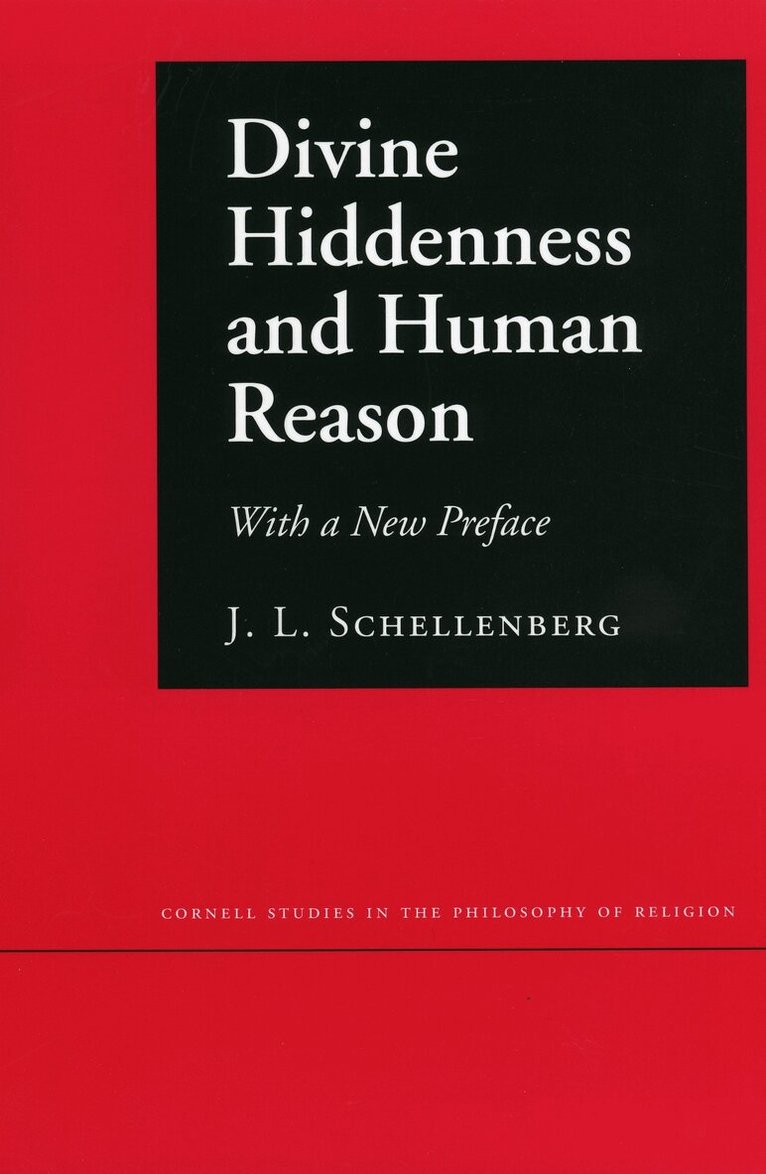
This book is a splendid, illuminating study of Divine hiddenness and its implications for the question of whether the God of traditional theism actually exists.— William L. Rowe, Department of Philosophy, Purdue UniversityThe first full-length treatment of its topic, Divine Hiddenness and Human Reason will be of interest to anyone who has sought to reach a conclusion as to God's existence, and especially to theologians and philosophers of religion.In this clearly written and tightly argued book, J. L. Schellenberg addresses a fundamental yet neglected religious problem. If there is a God, he asks, why is his existence not more obvious?Traditionally, theists have claimed that God is hidden in order to account for the fact that the evidence of his existence is as weak as it is. Schellenberg maintains that, given the understanding of God's moral character to which theists are committed, this claim runs into serious difficulty. There are grounds, the author writes, for thinking that the perfectly loving God of theism would not be hidden, that such a God would put the fact of his existence beyond reasonable nonbelief. Since reasonable nonbelief occurs, Schellenberg argues, it follows that there is here an argument of considerable force for atheism.In developing his claim, Schellenberg carefully examines the relevant views of such theists as Pascal, Butler, Kierkegaard, Hick, and others. He clarifies their suggestions concerning Divine hiddenness and shows how they fall short of providing a rebuttal for the argument he presents. That argument, he concludes, poses a serious challenge to theism, to which contemporary theists must respond.Also Available in Paperback with a New Preface
Inbunden, Engelska, 2005
683 kr
Skickas inom 10-15 vardagar
"There is no attempt here to lay down as inviolable or to legislate certain ways of looking at things or ways of proceeding for philosophers of religion, only proposals for how to deal with a range of basic issues—proposals that I hope will ignite much fruitful discussion and which, in any case, I shall take as a basis for my own ongoing work in the field."—from the PrefaceProviding an original and systematic treatment of foundational issues in philosophy of religion, J. L. Schellenberg's new book addresses the structure of religious and irreligious belief, the varieties of religious skepticism, and the nature of religion itself. From the author's searching analysis of faith emerges a novel understanding of propositional faith as requiring the absence of belief. Schellenberg asks what the aims of the field should be, setting out a series of principles for carrying out some of the most important of these aims. His account of justification considers not only belief but also other responses to religious claims and distinguishes the justification of responses, propositions, and persons. Throughout Prolegomena to a Philosophy of Religion, Schellenberg is laying the groundwork for an elaboration of his own vision while at the same time suggesting how philosophers might rethink assumptions guiding most of today's work in analytic philosophy of religion.
Inbunden, Engelska, 2007
683 kr
Skickas inom 10-15 vardagar
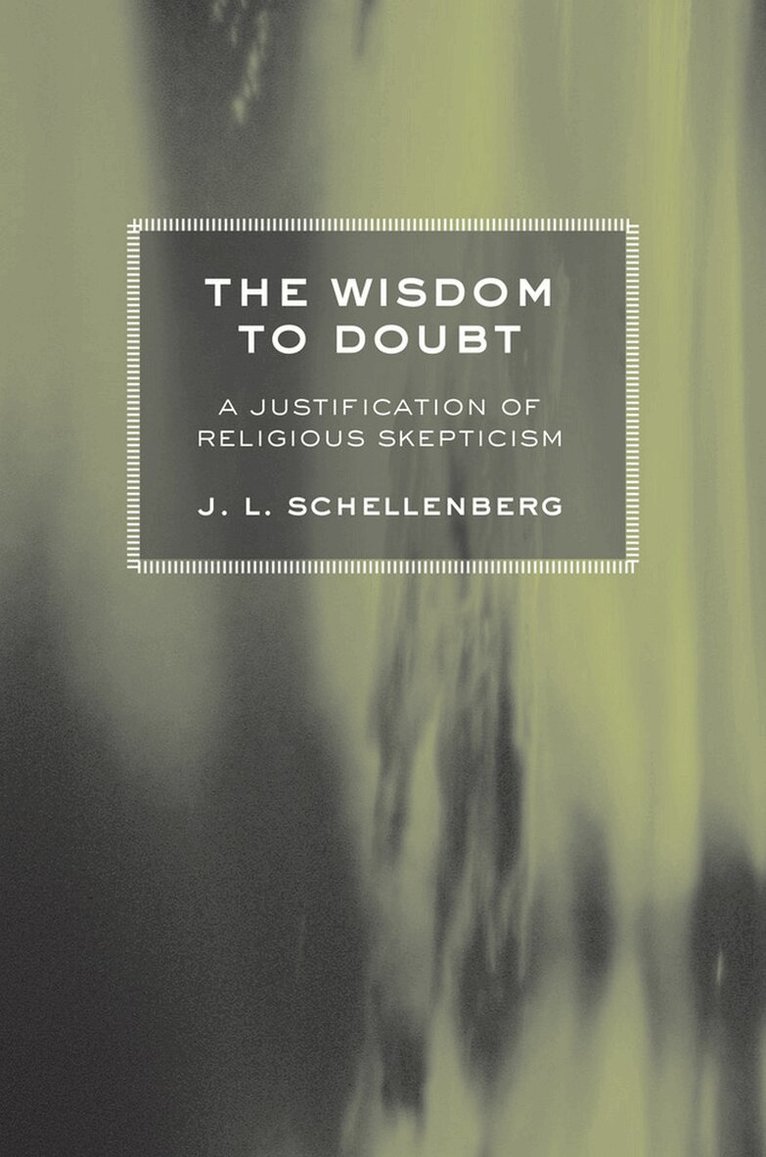
The Wisdom to Doubt is a major contribution to the contemporary literature on the epistemology of religious belief. Continuing the inquiry begun in his previous book, Prolegomena to a Philosophy of Religion, J. L. Schellenberg here argues that given our limitations and especially our immaturity as a species, there is no reasonable choice but to withhold judgment about the existence of an ultimate salvific reality.Schellenberg defends this conclusion against arguments from religious experience and naturalistic arguments that might seem to make either religious belief or religious disbelief preferable to his skeptical stance. In so doing, he canvasses virtually all of the important recent work on the epistemology of religion. Of particular interest is his call for at least skepticism about theism, the most common religious claim among philosophers. The Wisdom to Doubt expands the author's well-known hiddenness argument against theism and situates it within a larger atheistic argument, itself made to serve the purposes of his broader skeptical case. That case need not, on Schellenberg's view, lead to a dead end but rather functions as a gateway to important new insights about intellectual tasks and religious possibilities.
Inbunden, Engelska, 2009
683 kr
Skickas inom 10-15 vardagar
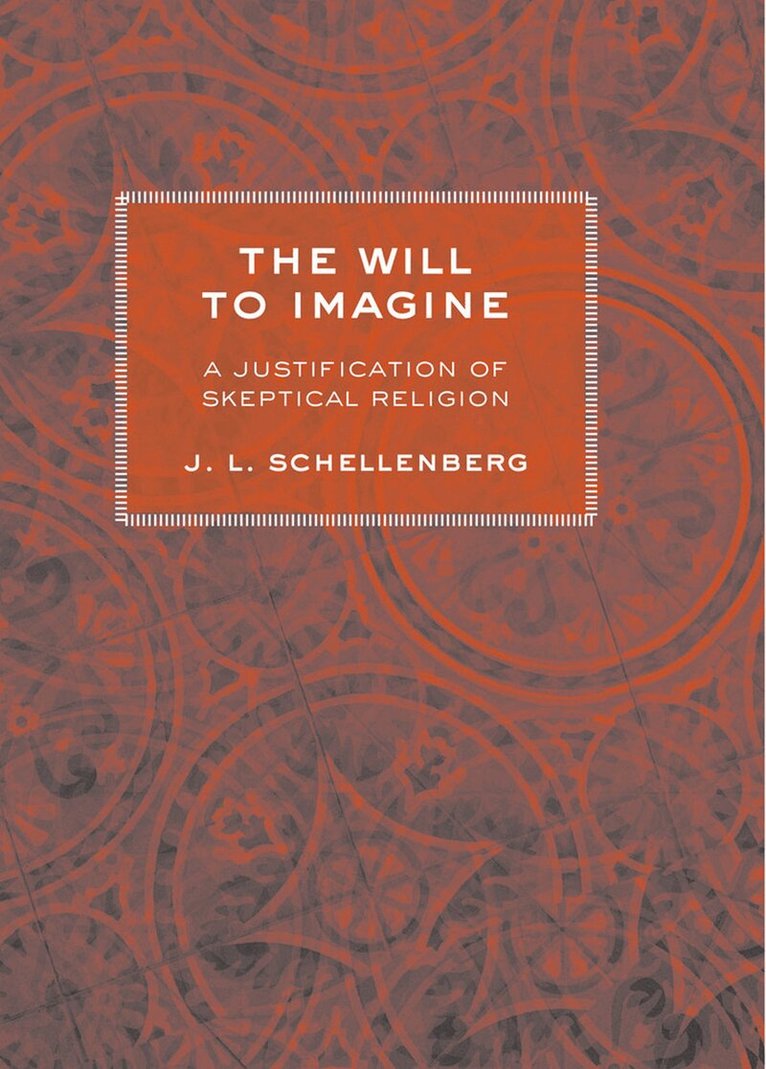
The Will to Imagine completes J. L. Schellenberg's trilogy in the philosophy of religion, following his acclaimed Prolegomena to a Philosophy of Religion and The Wisdom to Doubt. This book marks a striking reversal in our understanding of the possibility of religious faith. Where other works treat religious skepticism as a dead end, The Will to Imagine argues that skepticism is the only point from which a proper beginning in religious inquiry—and in religion itself—can be made. For Schellenberg, our immaturity as a species not only makes justified religious belief impossible but also provides the appropriate context for a type of faith response grounded in imagination rather than belief, directed not to theism but to ultimism, the heart of religion. This new and nonbelieving form of faith, he demonstrates, is quite capable of nourishing an authentic religious life while allowing for inquiry into ways of refining the generic idea that shapes its commitments.A singular feature of Schellenberg's book is his claim, developed in detail, that unsuccessful believers' arguments can successfully be recast as arguments for imaginative faith. Out of the rational failure of traditional forms of religious belief, The Will to Imagine fashions an unconventional form of religion better fitted, Schellenberg argues, to the human species as it exists today and as we may hope it will evolve.
Häftad, Engelska, 2006
426 kr
Skickas inom 10-15 vardagar
This book is a splendid, illuminating study of Divine hiddenness and its implications for the question of whether the God of traditional theism actually exists.— William L. Rowe, Department of Philosophy, Purdue UniversityThe first full-length treatment of its topic, Divine Hiddenness and Human Reason will be of interest to anyone who has sought to reach a conclusion as to God's existence, and especially to theologians and philosophers of religion.In this clearly written and tightly argued book, J. L. Schellenberg addresses a fundamental yet neglected religious problem. If there is a God, he asks, why is his existence not more obvious?Traditionally, theists have claimed that God is hidden in order to account for the fact that the evidence of his existence is as weak as it is. Schellenberg maintains that, given the understanding of God's moral character to which theists are committed, this claim runs into serious difficulty. There are grounds, the author writes, for thinking that the perfectly loving God of theism would not be hidden, that such a God would put the fact of his existence beyond reasonable nonbelief. Since reasonable nonbelief occurs, Schellenberg argues, it follows that there is here an argument of considerable force for atheism.In developing his claim, Schellenberg carefully examines the relevant views of such theists as Pascal, Butler, Kierkegaard, Hick, and others. He clarifies their suggestions concerning Divine hiddenness and shows how they fall short of providing a rebuttal for the argument he presents. That argument, he concludes, poses a serious challenge to theism, to which contemporary theists must respond.Also Available in Paperback with a New Preface
Häftad, Engelska, 2012
305 kr
Skickas inom 10-15 vardagar
"There is no attempt here to lay down as inviolable or to legislate certain ways of looking at things or ways of proceeding for philosophers of religion, only proposals for how to deal with a range of basic issues—proposals that I hope will ignite much fruitful discussion and which, in any case, I shall take as a basis for my own ongoing work in the field."—from the PrefaceProviding an original and systematic treatment of foundational issues in philosophy of religion, J. L. Schellenberg's new book addresses the structure of religious and irreligious belief, the varieties of religious skepticism, and the nature of religion itself. From the author's searching analysis of faith emerges a novel understanding of propositional faith as requiring the absence of belief. Schellenberg asks what the aims of the field should be, setting out a series of principles for carrying out some of the most important of these aims. His account of justification considers not only belief but also other responses to religious claims and distinguishes the justification of responses, propositions, and persons. Throughout Prolegomena to a Philosophy of Religion, Schellenberg is laying the groundwork for an elaboration of his own vision while at the same time suggesting how philosophers might rethink assumptions guiding most of today's work in analytic philosophy of religion.
Häftad, Engelska, 2012
305 kr
Skickas inom 10-15 vardagar
The Wisdom to Doubt is a major contribution to the contemporary literature on the epistemology of religious belief. Continuing the inquiry begun in his previous book, Prolegomena to a Philosophy of Religion, J. L. Schellenberg here argues that given our limitations and especially our immaturity as a species, there is no reasonable choice but to withhold judgment about the existence of an ultimate salvific reality.Schellenberg defends this conclusion against arguments from religious experience and naturalistic arguments that might seem to make either religious belief or religious disbelief preferable to his skeptical stance. In so doing, he canvasses virtually all of the important recent work on the epistemology of religion. Of particular interest is his call for at least skepticism about theism, the most common religious claim among philosophers. The Wisdom to Doubt expands the author's well-known hiddenness argument against theism and situates it within a larger atheistic argument, itself made to serve the purposes of his broader skeptical case. That case need not, on Schellenberg's view, lead to a dead end but rather functions as a gateway to important new insights about intellectual tasks and religious possibilities.
Häftad, Engelska, 2012
426 kr
Skickas inom 10-15 vardagar
The Will to Imagine completes J. L. Schellenberg's trilogy in the philosophy of religion, following his acclaimed Prolegomena to a Philosophy of Religion and The Wisdom to Doubt. This book marks a striking reversal in our understanding of the possibility of religious faith. Where other works treat religious skepticism as a dead end, The Will to Imagine argues that skepticism is the only point from which a proper beginning in religious inquiry—and in religion itself—can be made. For Schellenberg, our immaturity as a species not only makes justified religious belief impossible but also provides the appropriate context for a type of faith response grounded in imagination rather than belief, directed not to theism but to ultimism, the heart of religion. This new and nonbelieving form of faith, he demonstrates, is quite capable of nourishing an authentic religious life while allowing for inquiry into ways of refining the generic idea that shapes its commitments.A singular feature of Schellenberg's book is his claim, developed in detail, that unsuccessful believers' arguments can successfully be recast as arguments for imaginative faith. Out of the rational failure of traditional forms of religious belief, The Will to Imagine fashions an unconventional form of religion better fitted, Schellenberg argues, to the human species as it exists today and as we may hope it will evolve.
Inbunden, Engelska, 2019
980 kr
Skickas inom 7-10 vardagar
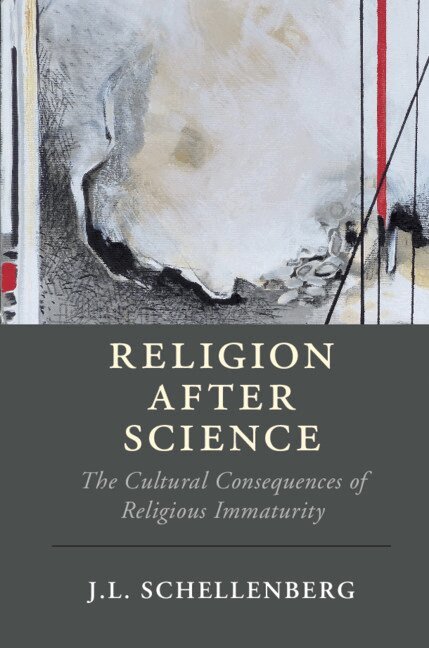
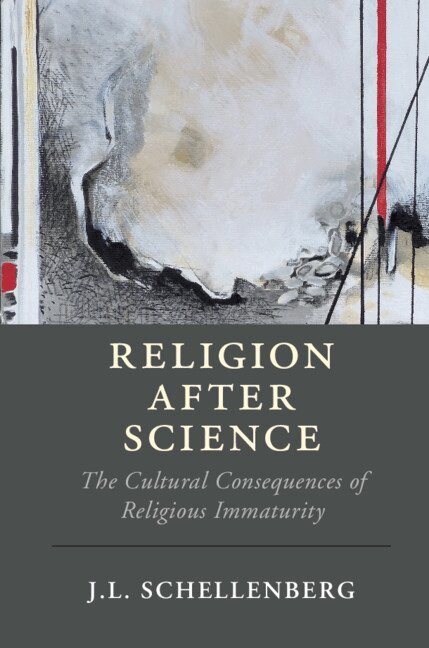
In this provocative work, J. L. Schellenberg addresses those who, influenced by science, take a negative view of religion, thinking of it as outmoded if not decadent. He promotes the view that transcendently oriented religion is developmentally immature, showing the consilience of scientific thinking about deep time with his view. From this unique perspective, he responds to a number of influential cultural factors commonly thought to spell ill for religion, showing the changes - changes favorable to religion - that are now called for in how we understand them and their proper impact. Finally, he provides a defense for a new and attractive religious humanism that benefits from, rather than being hindered by, religious immaturity. In Schellenberg's view, religion can and should become a human project as monumental as science.
Häftad, Engelska, 2019
330 kr
Skickas inom 7-10 vardagar
In this provocative work, J. L. Schellenberg addresses those who, influenced by science, take a negative view of religion, thinking of it as outmoded if not decadent. He promotes the view that transcendently oriented religion is developmentally immature, showing the consilience of scientific thinking about deep time with his view. From this unique perspective, he responds to a number of influential cultural factors commonly thought to spell ill for religion, showing the changes - changes favorable to religion - that are now called for in how we understand them and their proper impact. Finally, he provides a defense for a new and attractive religious humanism that benefits from, rather than being hindered by, religious immaturity. In Schellenberg's view, religion can and should become a human project as monumental as science.
Häftad, Engelska, 2020
232 kr
Skickas inom 7-10 vardagar
This Element traces the effects of science's rise on the cultural status of monotheism. Starting in the past, it shows how monotheism contributed to science's rise, and how, returning the favour, science provided aid and support, until fairly recently, for the continuing success of monotheism in the west. Turning to the present, the Element explores reasons for supposing that explanatorily, and even on an existential level, science is taking over monotheism's traditional roles in western culture. These reasons are found to be less powerful than is commonly supposed, though the existential challenge can be made effective when framed in an unusual and indirect manner. Finally, the Element considers how the relationship between science's high standing and the status of monotheism might appear in the future. Could something like monotheism rise again, and might science help it do so? The Element concludes that an affirmative answer is possible.
Inbunden, Engelska, 2019
886 kr
Skickas inom 10-15 vardagar
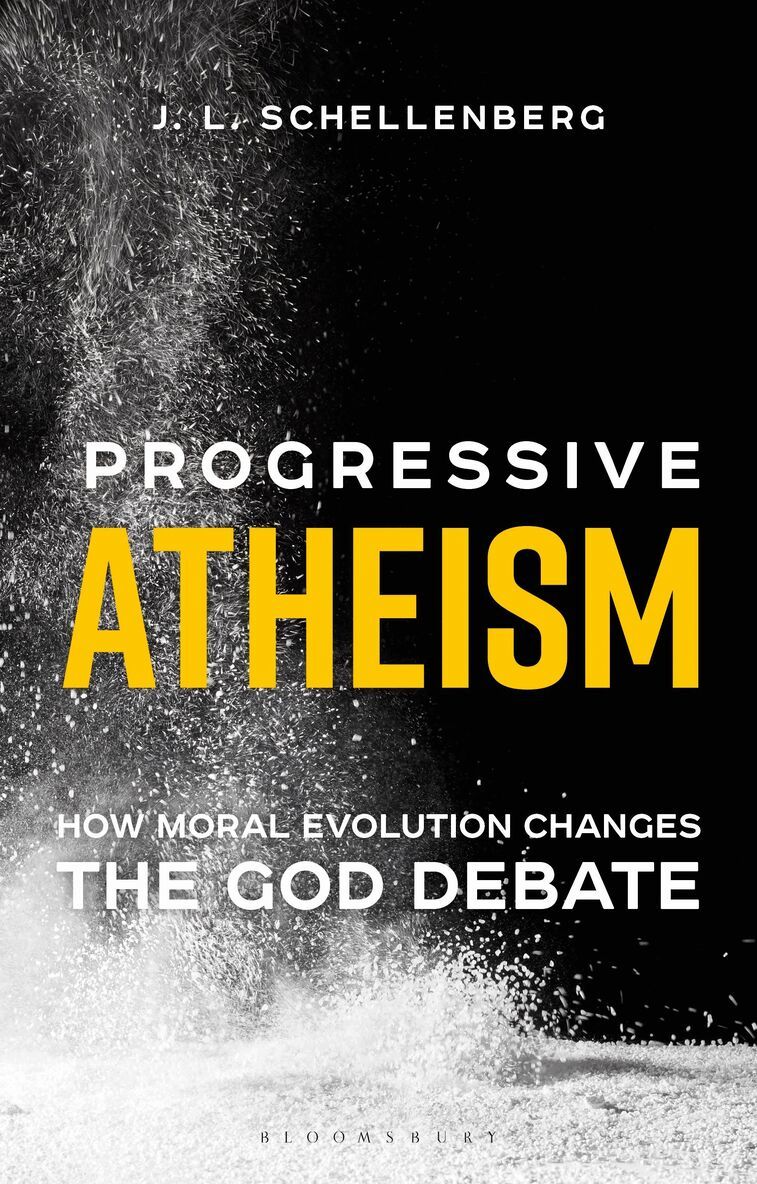
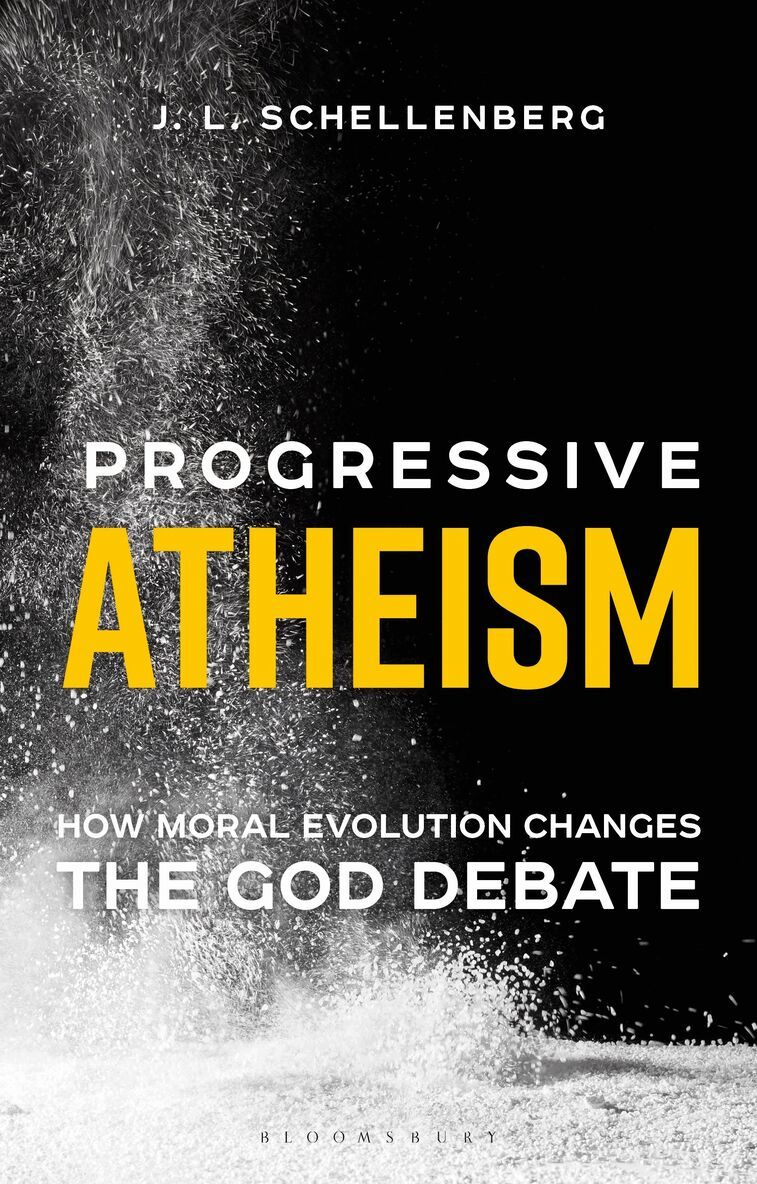
Progressive Atheism shows how atheism can make progress in humanity’s future. It presents a new way of arguing that God doesn’t exist, based on a portrayal of God so positive that you may sometimes wonder whether you’re reading the thoughts of a believer. Starting with the simple idea that our understanding of what it takes to be a good person has changed and grown over time, J. L. Schellenberg argues that our understanding of the goodness of God must now change too. Masculine images of God as haughty King or distant Father have to be replaced by God as a paragon of nonviolence and relational openness. This more evolved conception of God is incredibly attractive and admirable. But by the same token it has become less believable. Each moral advance, applied to God, makes it even clearer that such a being would never create a world like ours. Atheists have often approached the subject of God with disdain. Progressive Atheism proves that admiration will be far more powerful.
Häftad, Engelska, 2019
278 kr
Skickas inom 10-15 vardagar
Progressive Atheism shows how atheism can make progress in humanity’s future. It presents a new way of arguing that God doesn’t exist, based on a portrayal of God so positive that you may sometimes wonder whether you’re reading the thoughts of a believer. Starting with the simple idea that our understanding of what it takes to be a good person has changed and grown over time, J. L. Schellenberg argues that our understanding of the goodness of God must now change too. Masculine images of God as haughty King or distant Father have to be replaced by God as a paragon of nonviolence and relational openness. This more evolved conception of God is incredibly attractive and admirable. But by the same token it has become less believable. Each moral advance, applied to God, makes it even clearer that such a being would never create a world like ours. Atheists have often approached the subject of God with disdain. Progressive Atheism proves that admiration will be far more powerful.
Häftad, Engelska, 2014
122 kr
Skickas inom 5-8 vardagar