Critical Studies in Risk and Disaster - Böcker
Visar alla böcker i serien Critical Studies in Risk and Disaster. Handla med fri frakt och snabb leverans.
13 produkter
13 produkter
365 kr
Skickas inom 10-15 vardagar
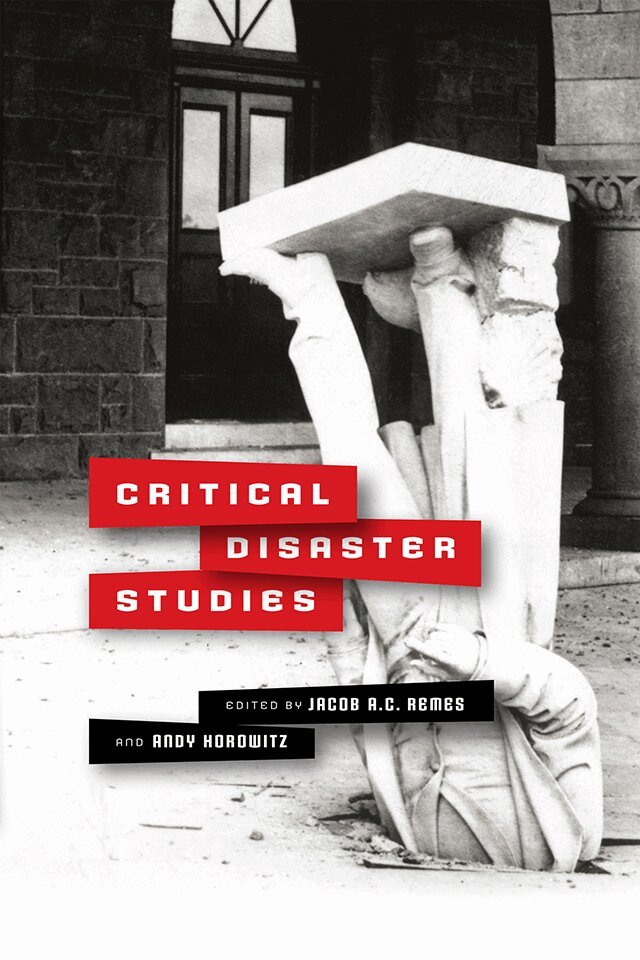
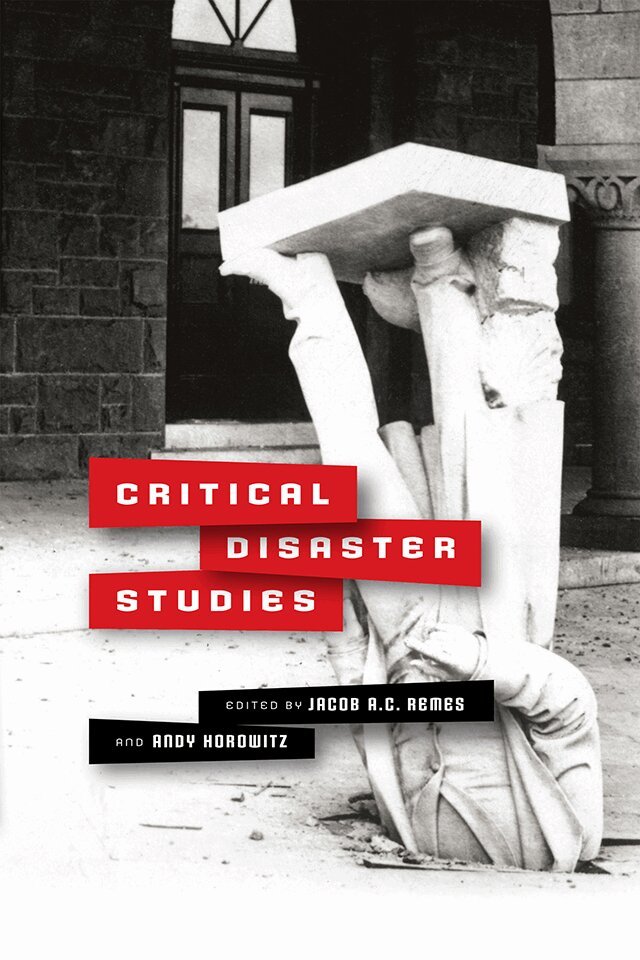
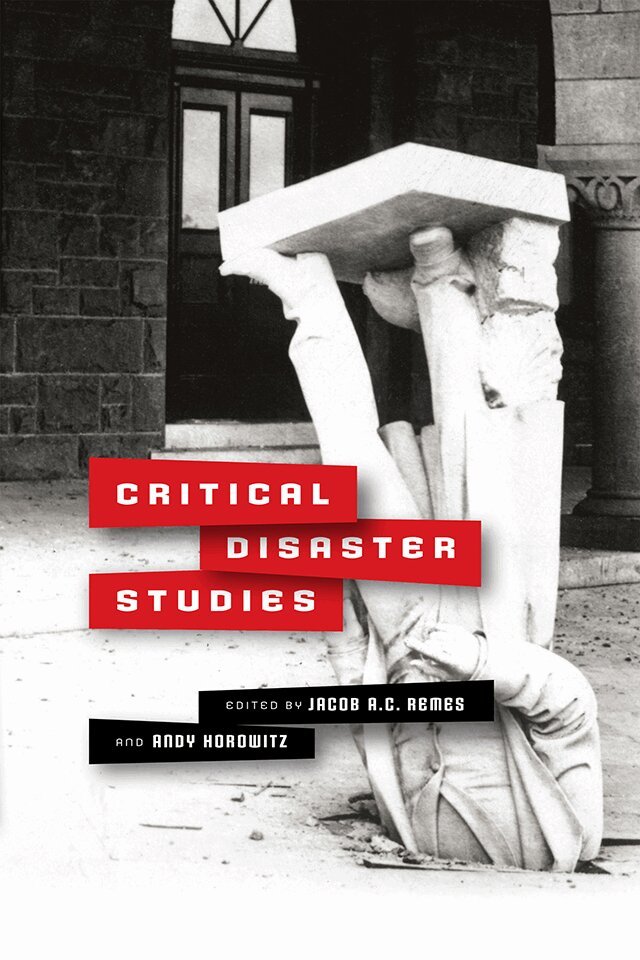
This book announces the new, interdisciplinary field of critical disaster studies. Unlike most existing approaches to disaster, critical disaster studies begins with the idea that disasters are not objective facts, but rather are interpretive fictions-and they shape the way people see the world. By questioning the concept of disaster itself, critical disaster studies reveals the stakes of defining people or places as vulnerable, resilient, or at risk.As social constructs, disaster, vulnerability, resilience, and risk shape and are shaped by contests over power. Managers and technocrats often herald the goals of disaster response and recovery as objective, quantifiable, or self-evident. In reality, the goals are subjective, and usually contested. Critical disaster studies attends to the ways powerful people often use claims of technocratic expertise to maintain power.Moreover, rather than existing as isolated events, disasters take place over time. People commonly imagine disasters to be unexpected and sudden, making structural conditions appear contingent, widespread conditions appear local, and chronic conditions appear acute. By placing disasters in broader contexts, critical disaster studies peels away that veneer.With chapters by scholars of five continents and seven disciplines, Critical Disaster Studies asks how disasters come to be known as disasters, how disasters are used as tools of governance and politics, and how people imagine and anticipate disasters. The volume will be of interest to scholars of disaster in any discipline and especially to those teaching the growing number of courses on disaster studies.
425 kr
Skickas inom 7-10 vardagar
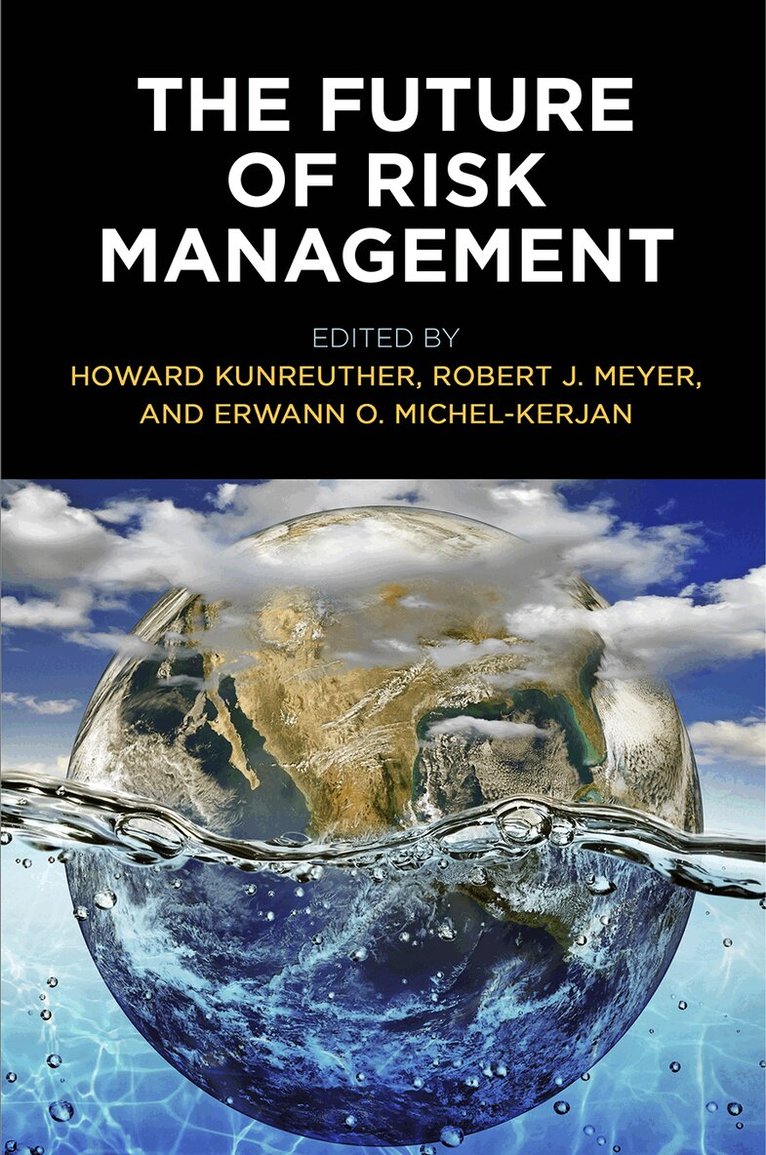
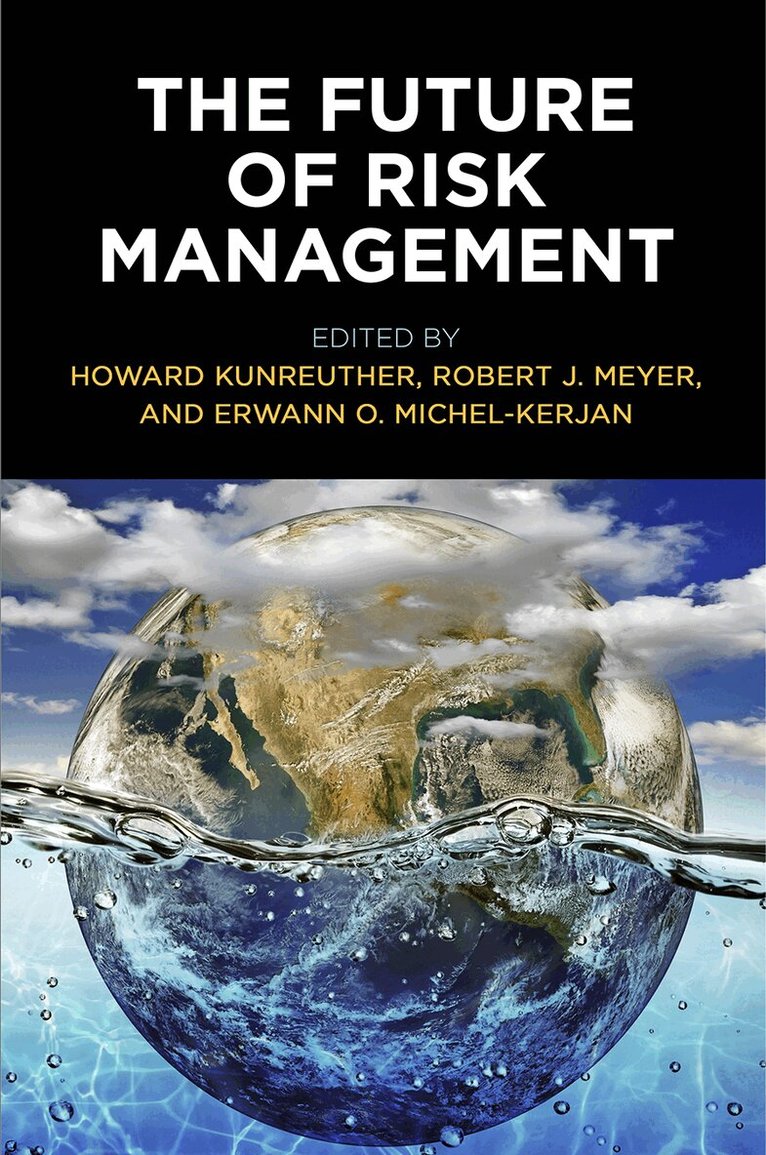
Whether man-made or naturally occurring, large-scale disasters can cause fatalities and injuries, devastate property and communities, savage the environment, impose significant financial burdens on individuals and firms, and test political leadership. Moreover, global challenges such as climate change and terrorism reveal the interdependent and interconnected nature of our current moment: what occurs in one nation or geographical region is likely to have effects across the globe. Our information age creates new and more integrated forms of communication that incur risks that are difficult to evaluate, let alone anticipate. All of this makes clear that innovative approaches to assessing and managing risk are urgently required.When catastrophic risk management was in its inception thirty years ago, scientists and engineers would provide estimates of the probability of specific types of accidents and their potential consequences. Economists would then propose risk management policies based on those experts' estimates with little thought as to how this data would be used by interested parties. Today, however, the disciplines of finance, geography, history, insurance, marketing, political science, sociology, and the decision sciences combine scientific knowledge on risk assessment with a better appreciation for the importance of improving individual and collective decision-making processes.The essays in this volume highlight past research, recent discoveries, and open questions written by leading thinkers in risk management and behavioral sciences. The Future of Risk Management provides scholars, businesses, civil servants, and the concerned public tools for making more informed decisions and developing long-term strategies for reducing future losses from potentially catastrophic events.Contributors: Mona Ahmadiani, Joshua D. Baker, W. J. Wouter Botzen, Cary Coglianese, Gregory Colson, Jeffrey Czajkowski, Nate Dieckmann, Robin Dillon, Baruch Fischhoff, Jeffrey A. Friedman, Robin Gregory, Robert W. Klein, Carolyn Kousky, Howard Kunreuther, Craig E. Landry, Barbara Mellers, Robert J. Meyer, Erwann Michel-Kerjan, Robert Muir-Wood, Mark Pauly, Lisa Robinson, Adam Rose, Paul J. H. Schoemaker, Paul Slovic, Phil Tetlock, Daniel VÄstfjÄll, W. Kip Viscusi, Elke U. Weber, Richard Zeckhauser.
Anxious Experts
Disaster Response and Spiritual Care from 9/11 to the Climate Crisis
Häftad, Engelska, 2022
360 kr
Skickas inom 7-10 vardagar
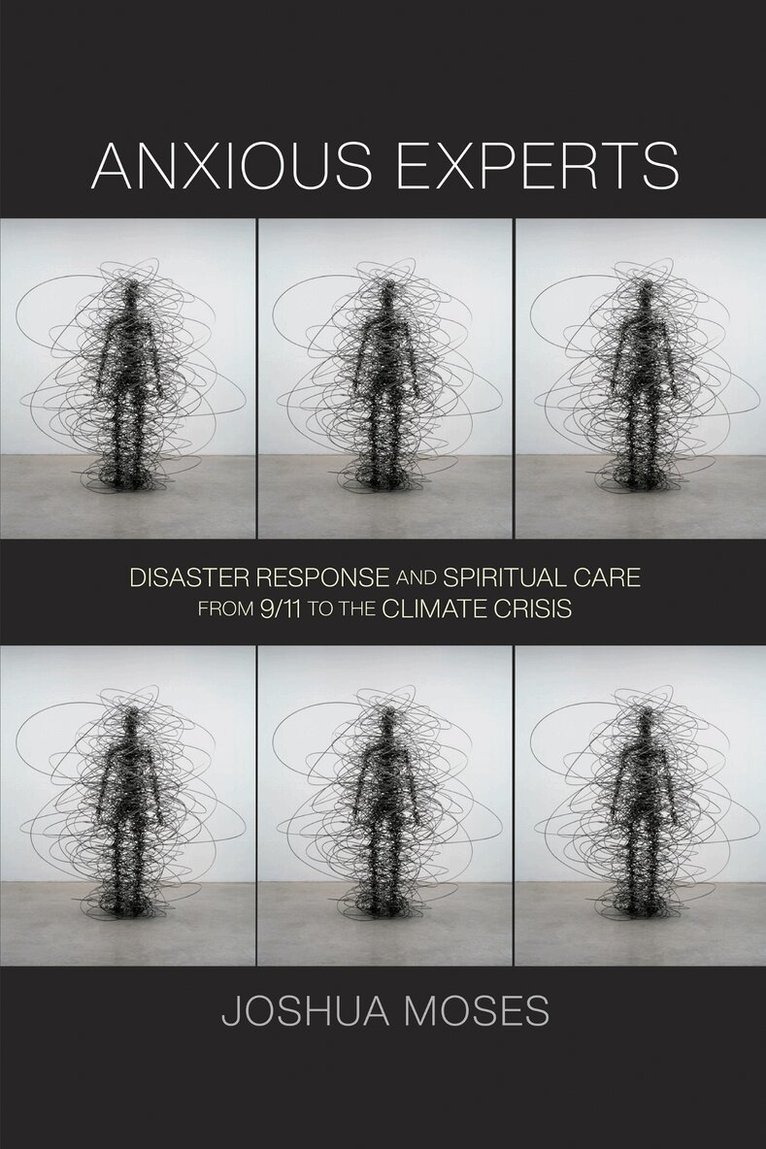
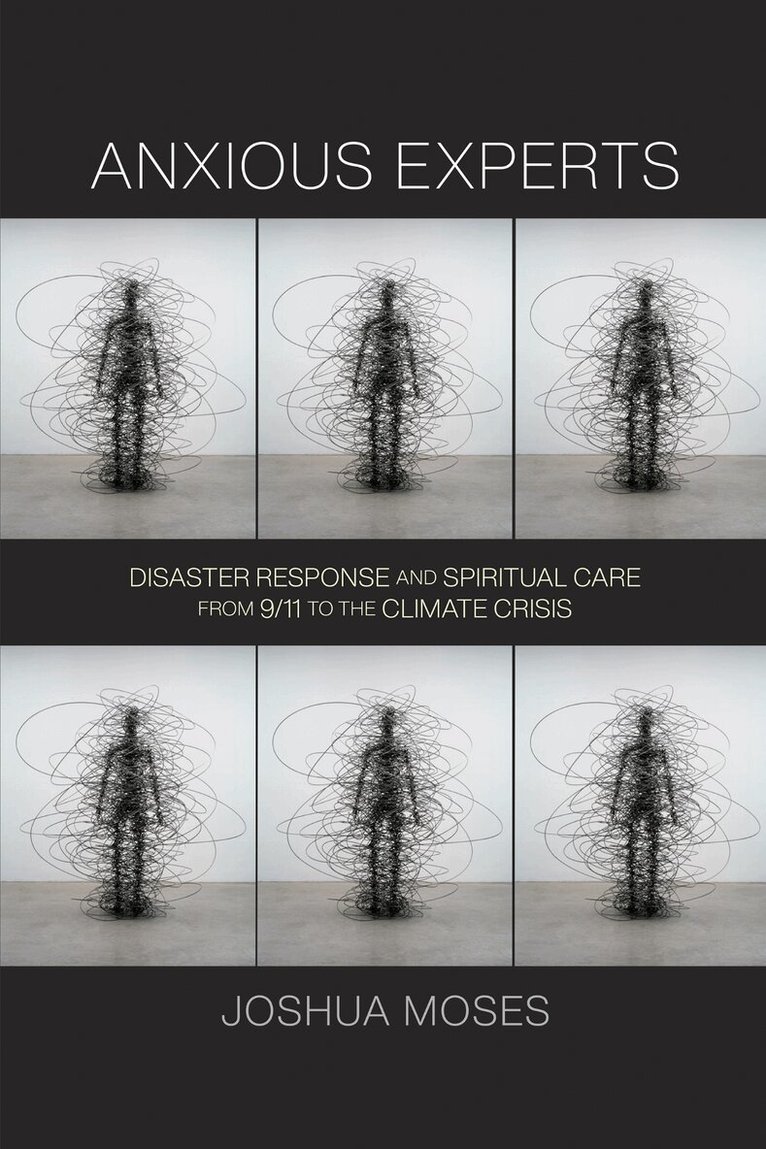
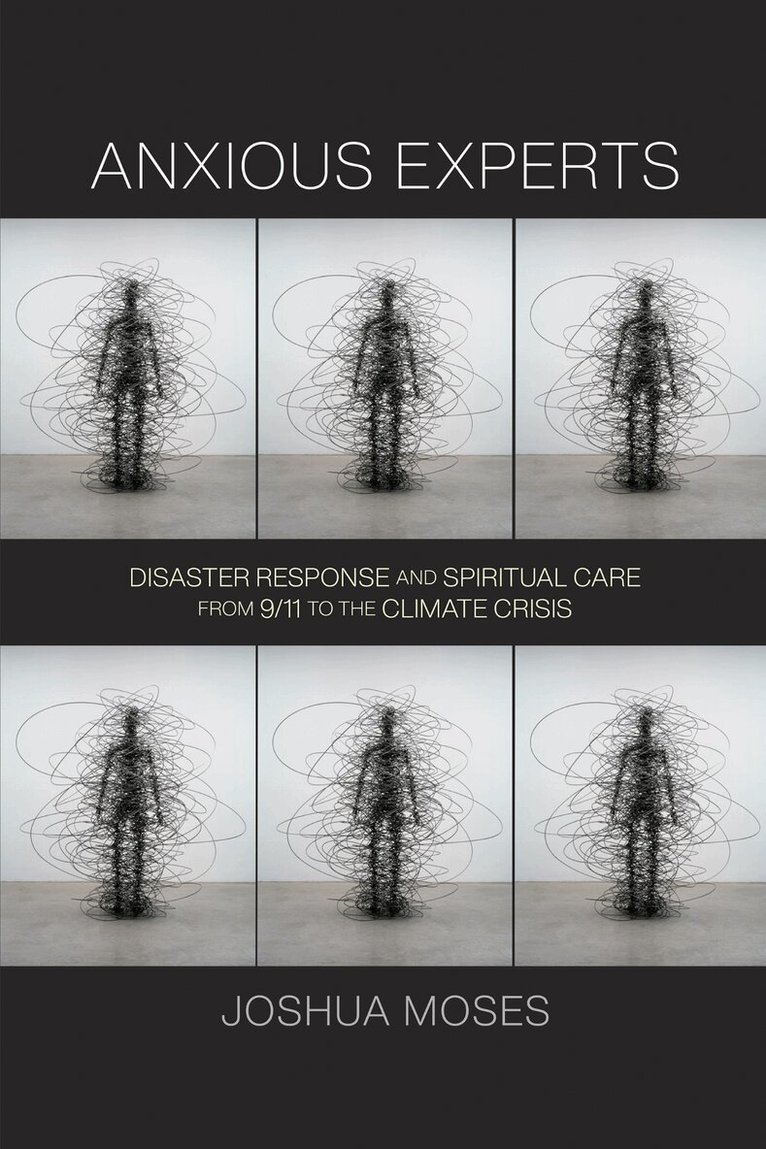
In this age of near-perpetual disaster, from the Coronavirus epidemic and mass incarceration to hurricanes and earthquakes, spiritual care has become an essential component of the disaster-response toolkit. In Experts in the Age of Anxiety, Joshua Moses chronicles the rise of disaster-related spiritual expertise in the years following the attacks of 9/11. What emerges are approaches to trauma that encompass everything from meditation and acupuncture to trauma therapy and restorative justice. In this way, the ascent of spiritual expertise in response to post-9/11 disasters represents an extension of historical tensions between secular health practice and proponents of religious and spiritual care.The book also provides a lens through which to understand the historical dimensions of disaster-related trauma, its treatment, and the ways that therapeutic and spiritual practices imply politics. By studying the intersection of mental health and spirituality in the context of disaster, we gain essential insight into apocalyptic and dystopic beliefs that are prevalent today throughout the United States-and beyond. We learn not only about the role of particular forms of expertise in defining meaning but also the consequences this concept of meaning may have for how we imagine our relations to other humans and nonhumans, the climate crisis-and ultimately the kind of future we might imagine.This variety of therapeutic and spiritual practices, now deployed in the face of disaster, will be tested as humanity faces growing threats from the climate crisis and other cascading disasters. But it is not at all clear whether the particular kinds of knowledge we have managed to patch together will provide the resources we require to instill the capacities to face the repercussions of future disasters.
991 kr
Skickas inom 10-15 vardagar
Whether man-made or naturally occurring, large-scale disasters can cause fatalities and injuries, devastate property and communities, savage the environment, impose significant financial burdens on individuals and firms, and test political leadership. Moreover, global challenges such as climate change and terrorism reveal the interdependent and interconnected nature of our current moment: what occurs in one nation or geographical region is likely to have effects across the globe. Our information age creates new and more integrated forms of communication that incur risks that are difficult to evaluate, let alone anticipate. All of this makes clear that innovative approaches to assessing and managing risk are urgently required.When catastrophic risk management was in its inception thirty years ago, scientists and engineers would provide estimates of the probability of specific types of accidents and their potential consequences. Economists would then propose risk management policies based on those experts' estimates with little thought as to how this data would be used by interested parties. Today, however, the disciplines of finance, geography, history, insurance, marketing, political science, sociology, and the decision sciences combine scientific knowledge on risk assessment with a better appreciation for the importance of improving individual and collective decision-making processes.The essays in this volume highlight past research, recent discoveries, and open questions written by leading thinkers in risk management and behavioral sciences. The Future of Risk Management provides scholars, businesses, civil servants, and the concerned public tools for making more informed decisions and developing long-term strategies for reducing future losses from potentially catastrophic events.Contributors: Mona Ahmadiani, Joshua D. Baker, W. J. Wouter Botzen, Cary Coglianese, Gregory Colson, Jeffrey Czajkowski, Nate Dieckmann, Robin Dillon, Baruch Fischhoff, Jeffrey A. Friedman, Robin Gregory, Robert W. Klein, Carolyn Kousky, Howard Kunreuther, Craig E. Landry, Barbara Mellers, Robert J. Meyer, Erwann Michel-Kerjan, Robert Muir-Wood, Mark Pauly, Lisa Robinson, Adam Rose, Paul J. H. Schoemaker, Paul Slovic, Phil Tetlock, Daniel VÄstfjÄll, W. Kip Viscusi, Elke U. Weber, Richard Zeckhauser.
644 kr
Skickas inom 10-15 vardagar
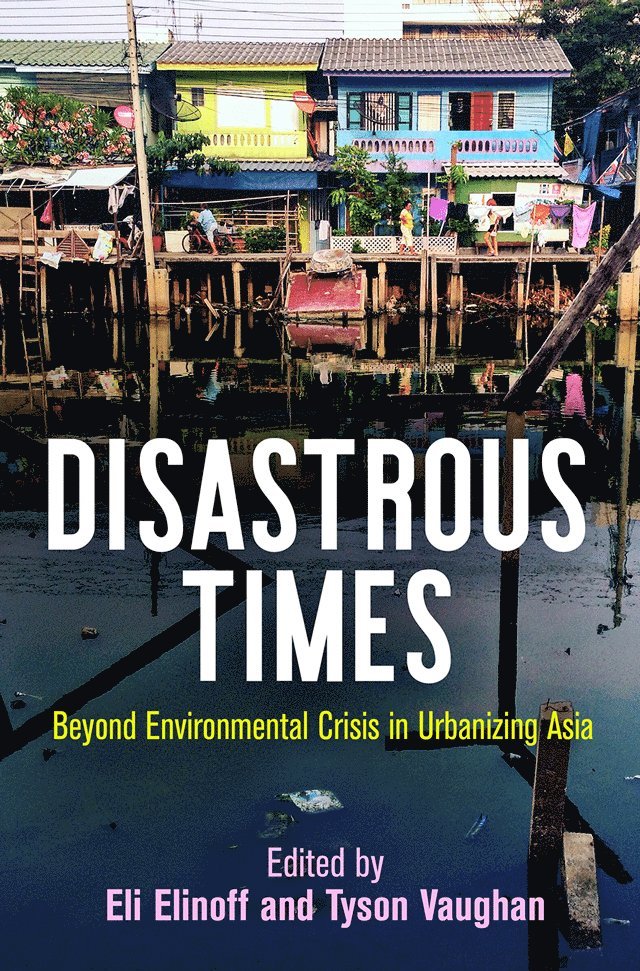
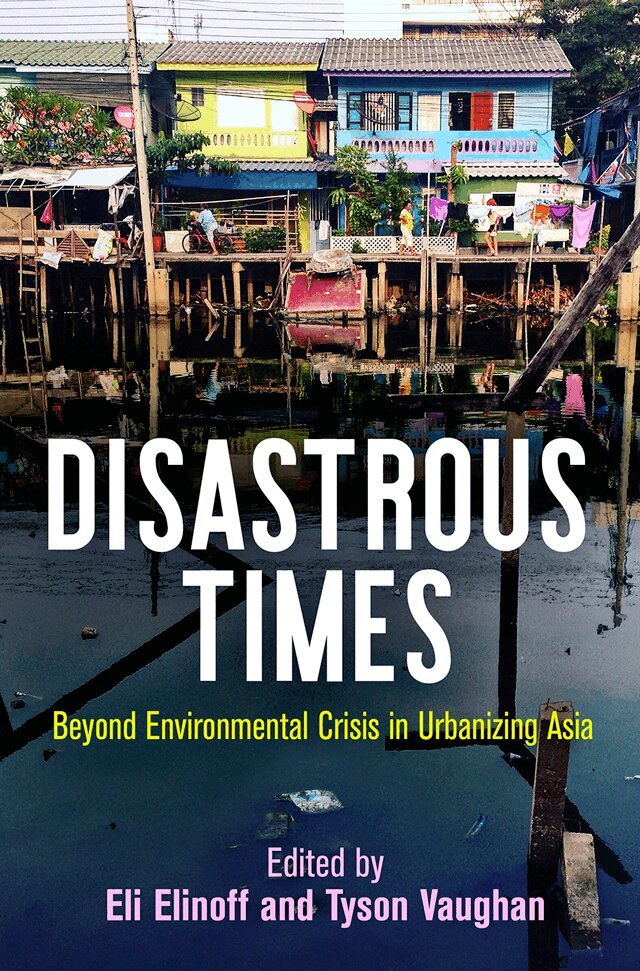
Across contemporary Asia, each day dawns with a new story about living in an era of profound environmental change. Rapid transformations in the landscape, society, and technology produce new conflicts that are experienced at nearly every scale of life in the region. Environmental change is marked in square kilometers or micrometers, in cities or in households, within national boundaries and beyond. These changes appear in the form of radical ruptures wrought both by spectacular catastrophes like massive floods or tsunamis and by slow tragedies like the widening epidemic of asthma or the grinding processes of land dispossession. Each of these scales and phenomena reveals what it is to live in disastrous times.This book explores how people across Asia live through and make sense of the environmental ruptures that now shape the region and asks how we might analyze this moment of disruption and risk. Global environmental shifts such as climate change are usually linked to large-scale practices such as industrialization, urbanization, and global capitalism. Here, in contrast, contributors illustrate how understanding the practical, political, and ethical consequences of living in a moment of planetary change-or intervening in its course-requires engaging with the human-scale actions and specific policies that both shape and respond to such transformations at an everyday level. Coastal residents of routinely flooded Semarang, eco-conscious retirees in a Chinese suburb, and cyclists navigating air pollution in Kolkata each experience environmental risk and change in highly situated and specific ways; yet attending to their lived, quotidian experiences enables us to apprehend the complex processes that are profoundly changing the planet.Contributors: Nikolaj Blichfeldt, Vivian Choi, Eli Elinoff, Jenny Elaine Goldstein, Andrew Alan Johnson, Samuel Kay, Lukas Ley, Edmund Joo Vin Oh, Malini Sur, Tyson Vaughan.
538 kr
Skickas inom 10-15 vardagar
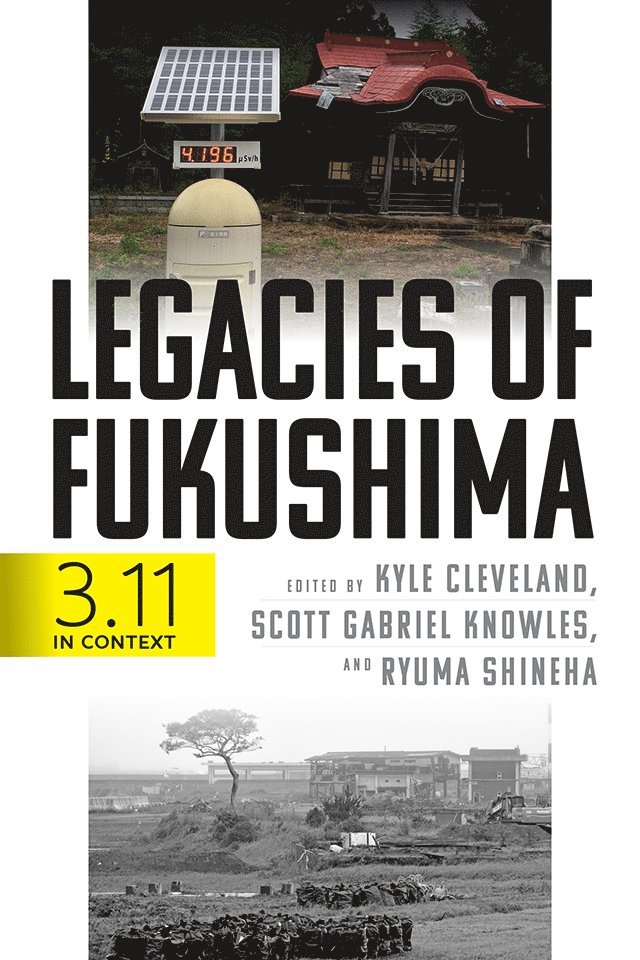
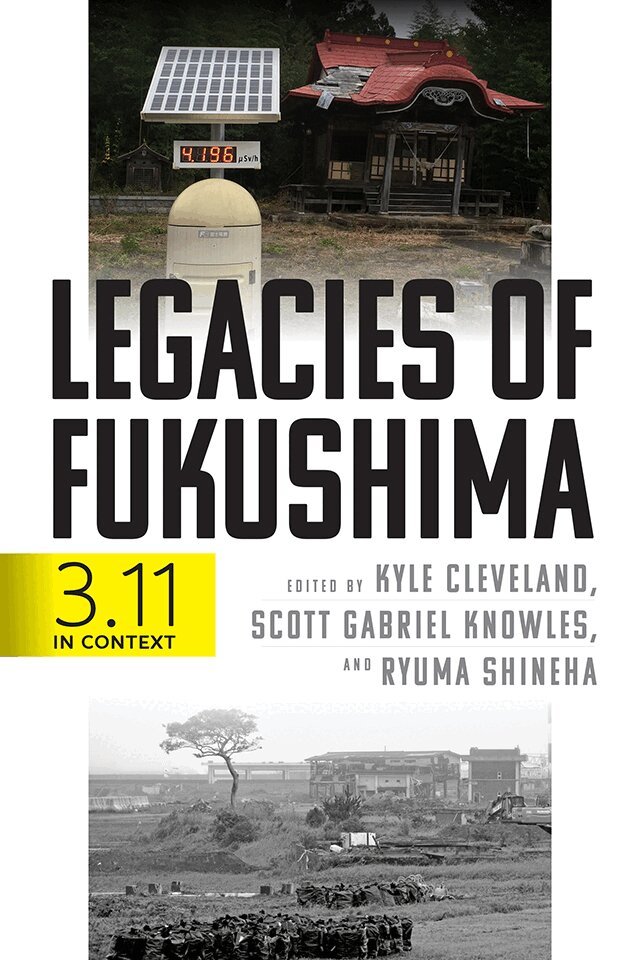
It was an unlikely convergence of events. A 9.0 magnitude earthquake, the largest in Japanese memory and the fourth largest recorded in world history; a tsunami that peaked at forty meters, devastating the seaboard of northeastern Japan; three reactors in meltdown at the Daiichi nuclear power plant in Fukushima; experts in disarray and suffering victims young and old. It was, as well, an unlikely convergence of legacies. Submerged traumas resurfaced and communities long accustomed to living quietly with hazards suddenly were heard. New legacies of disaster were handed down, unfolding slowly for generations to come.The defining disaster of contemporary Japanese history still goes by many different names: The Great East Japan Earthquake; the 2011 Tōhoku Earthquake and Tsunami; the Fukushima Daiichi Nuclear Disaster; the 3.11 Triple Disaster. Each name represents a struggle to place the disaster on a map and fix a date to a timeline. But within each of these names hides a combination of disasters and legacies that converged on March 11, 2011, before veering away in all directions: to the past, to the future, across a nation, and around the world. Which pathways from the past will continue, which pathways ended with 3.11, and how are these legacies entangled?Legacies of Fukushima places these questions front and center. The authors collected here contextualize 3.11 as a disaster with a long period of premonition and an uncertain future. The volume employs a critical disaster studies approach, and the authors are drawn from the realms of journalism and academia, science policy and citizen science, activism and governance-and they come from East Asia, America, and Europe. 3.11 is a Japanese legacy with global impact, and the authors and their methods reflect this diversity of experience.Contributors: Sean Bonner, Azby Brown, Kyle Cleveland, Martin Fackler, Robert Jacobs, Paul Jobin, Kohta Juraku, Tatsuhiro Kamisato, Jeff Kingston, William J. Kinsella, Scott Gabriel Knowles, Robert Jay Lifton, Luis Felipe R. Murillo, Başak SaraÇ-Lesavre, Sonja D. Schmid, Ryuma Shineha, James Simms, Tatsujiro Suzuki, Ekou Yagi.
949 kr
Skickas inom 7-10 vardagar
This book announces the new, interdisciplinary field of critical disaster studies. Unlike most existing approaches to disaster, critical disaster studies begins with the idea that disasters are not objective facts, but rather are interpretive fictions-and they shape the way people see the world. By questioning the concept of disaster itself, critical disaster studies reveals the stakes of defining people or places as vulnerable, resilient, or at risk.As social constructs, disaster, vulnerability, resilience, and risk shape and are shaped by contests over power. Managers and technocrats often herald the goals of disaster response and recovery as objective, quantifiable, or self-evident. In reality, the goals are subjective, and usually contested. Critical disaster studies attends to the ways powerful people often use claims of technocratic expertise to maintain power.Moreover, rather than existing as isolated events, disasters take place over time. People commonly imagine disasters to be unexpected and sudden, making structural conditions appear contingent, widespread conditions appear local, and chronic conditions appear acute. By placing disasters in broader contexts, critical disaster studies peels away that veneer.With chapters by scholars of five continents and seven disciplines, Critical Disaster Studies asks how disasters come to be known as disasters, how disasters are used as tools of governance and politics, and how people imagine and anticipate disasters. The volume will be of interest to scholars of disaster in any discipline and especially to those teaching the growing number of courses on disaster studies.
Anxious Experts
Disaster Response and Spiritual Care from 9/11 to the Climate Crisis
Inbunden, Engelska, 2022
856 kr
Skickas inom 10-15 vardagar
In this age of near-perpetual disaster, from the Coronavirus epidemic and mass incarceration to hurricanes and earthquakes, spiritual care has become an essential component of the disaster-response toolkit. In Experts in the Age of Anxiety, Joshua Moses chronicles the rise of disaster-related spiritual expertise in the years following the attacks of 9/11. What emerges are approaches to trauma that encompass everything from meditation and acupuncture to trauma therapy and restorative justice. In this way, the ascent of spiritual expertise in response to post-9/11 disasters represents an extension of historical tensions between secular health practice and proponents of religious and spiritual care.The book also provides a lens through which to understand the historical dimensions of disaster-related trauma, its treatment, and the ways that therapeutic and spiritual practices imply politics. By studying the intersection of mental health and spirituality in the context of disaster, we gain essential insight into apocalyptic and dystopic beliefs that are prevalent today throughout the United States-and beyond. We learn not only about the role of particular forms of expertise in defining meaning but also the consequences this concept of meaning may have for how we imagine our relations to other humans and nonhumans, the climate crisis-and ultimately the kind of future we might imagine.This variety of therapeutic and spiritual practices, now deployed in the face of disaster, will be tested as humanity faces growing threats from the climate crisis and other cascading disasters. But it is not at all clear whether the particular kinds of knowledge we have managed to patch together will provide the resources we require to instill the capacities to face the repercussions of future disasters.
397 kr
Skickas inom 10-15 vardagar
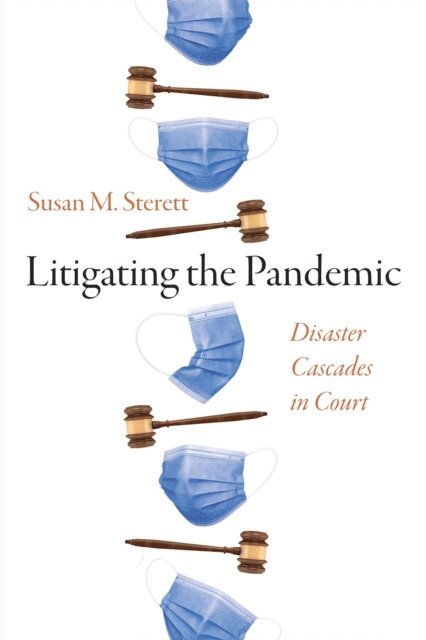
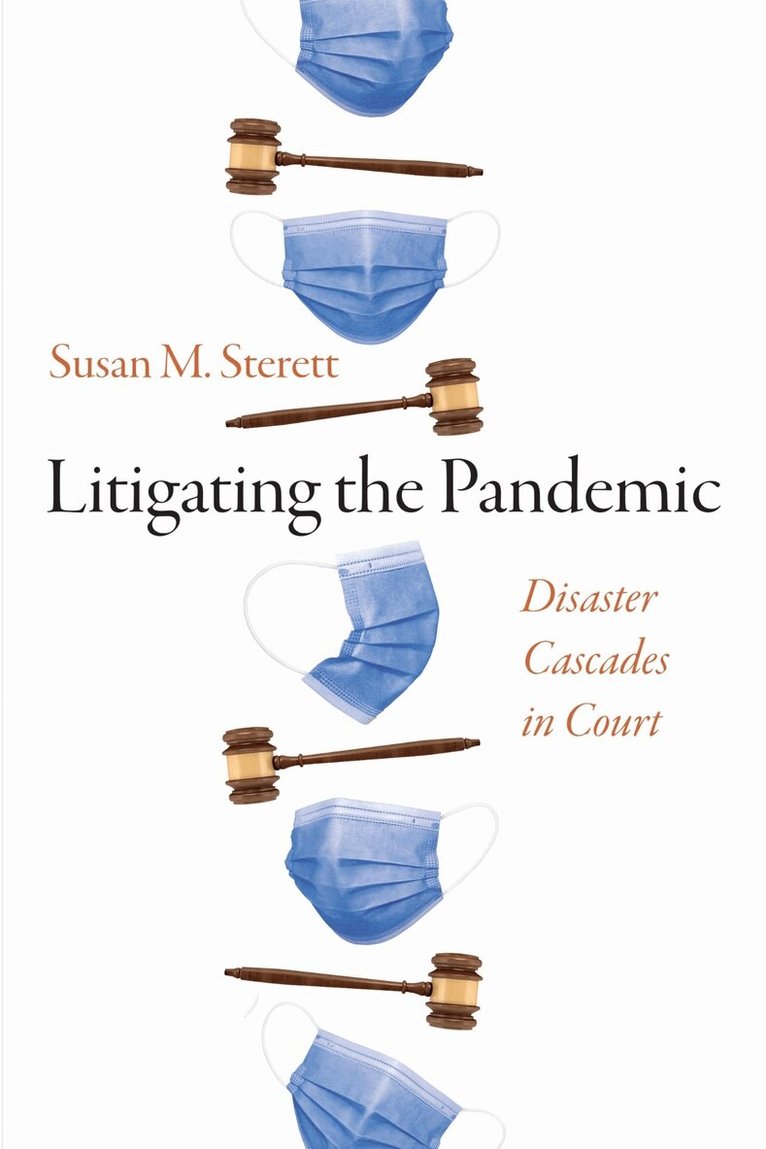
As officials scrambled in 2020 to manage the spread of COVID, the reverberations of the crisis reached well beyond immediate public health concerns. The governance problems that emerged in the pandemic would be problems in other climate-related disasters, too.Many of these governance problems wound up in court. Businesses filed insurance claims for lost commerce; when the claims were denied, some companies sued. Defense attorneys tried to get inmates released from prison, citing dangerous living conditions. As state governments ordered closures and otherwise tried to adapt, interest organizations that had long sought to limit government authority challenged them in court. Political officials railed against litigation they argued would stop businesses from reopening. The United States, like other countries, governs partly through litigation, and litigation is one way of seeing the multiple governance failures during the pandemic.Drawing on databases of cases filed, news reports, and the websites of advocacy groups and law firms, Susan M. Sterett argues that governing during the pandemic, or in any disaster, must include the human institutions intertwined with the effects of the virus. Those institutions reveal problems well beyond the reach of technical expertise. Failures in private insurance as a way of governing risk, conflicts about the primacy of religion, government authority, and health, are problems that predated the pandemic and will persist in future disasters.
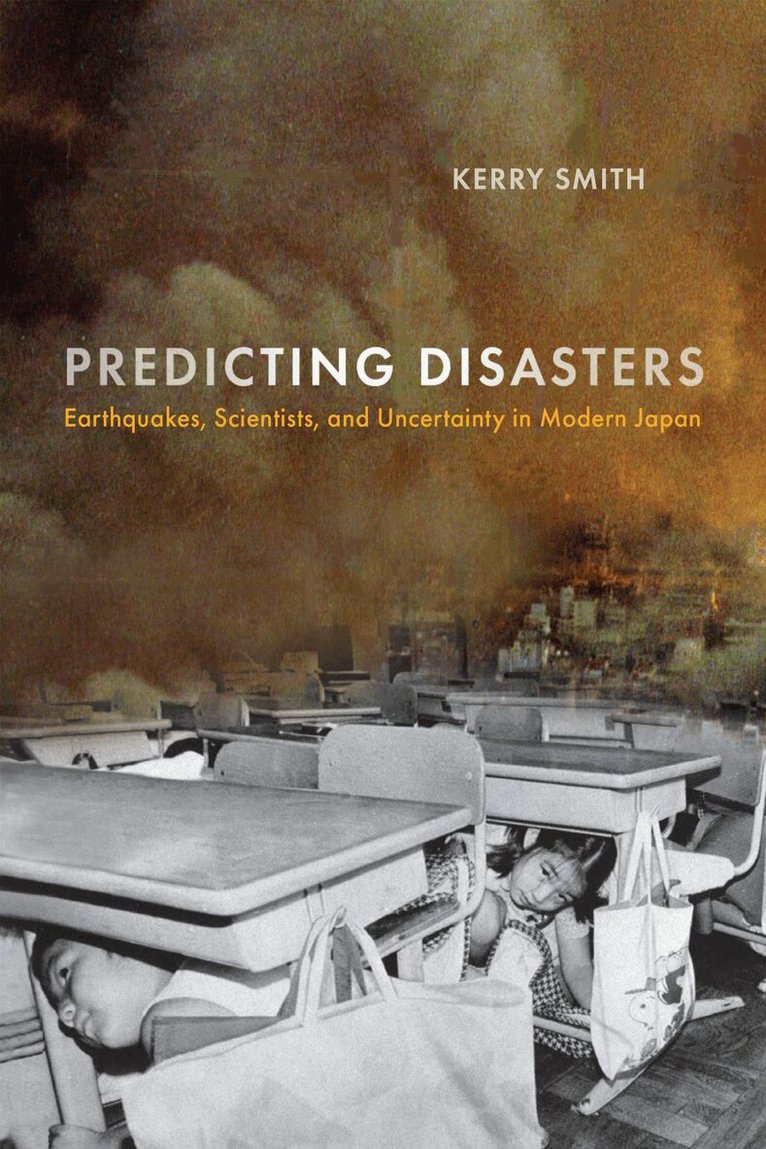
Predicting Disasters
Earthquakes, Scientists, and Uncertainty in Modern Japan
Inbunden, Engelska, 2024
697 kr
Skickas inom 10-15 vardagar
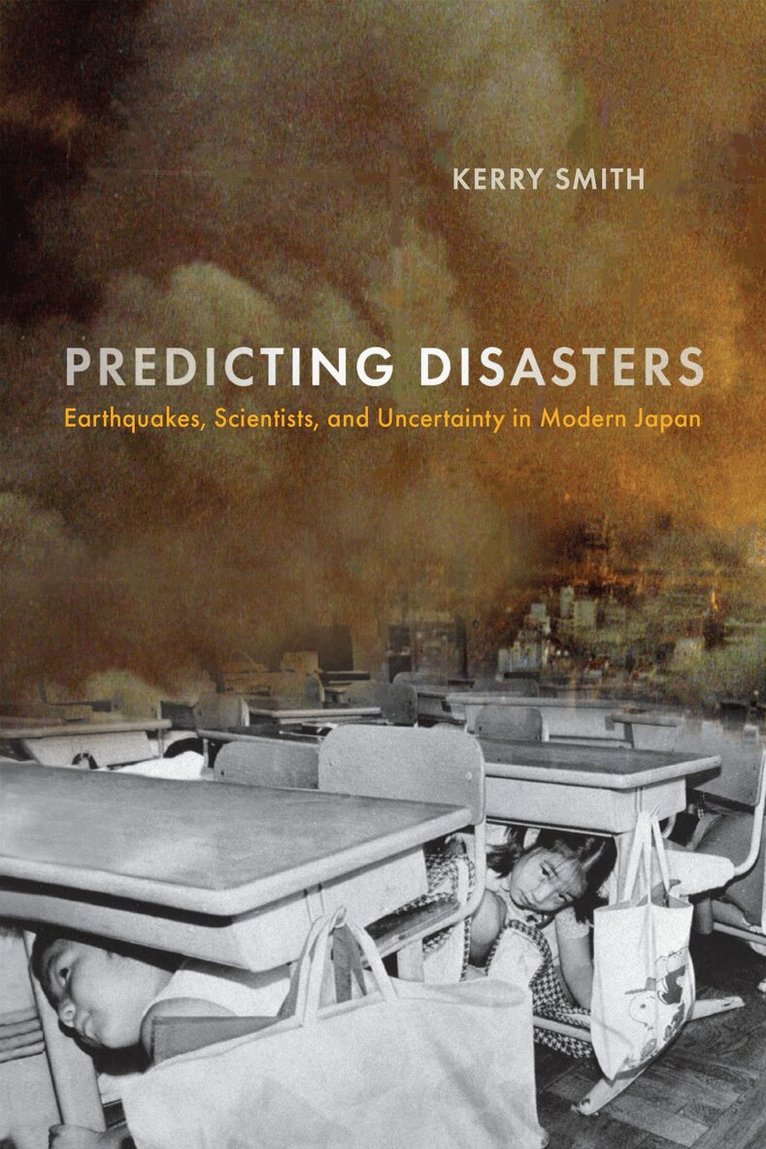
Japan is a place where powerful earthquakes have occurred more frequently and have caused more harm in the modern era than they have in all but a handful of other locations on the planet. In the twentieth century alone, earthquake disasters in Japan took almost as many lives as they had in all of the country's recorded history up to that point. Predicting Disasters is the first English-language book to explore how scientists convinced policy makers and the public in postwar Japan that catastrophic earthquakes were coming, and the first to show why earthquake prediction has played such a central role in Japan's efforts to prepare for a dangerous future ever since.Kerry Smith shows how, in the twentieth century, scientists struggled to make large-scale earthquake disasters legible to the public and to policy makers as significant threats to Japan's future and as phenomena that could be anticipated and prepared for. Smith also explains why understanding those struggles matters. Disasters, Smith contends, belong alongside more familiar topics of analysis in modern Japanese history—such as economic growth and its impacts, political crises and popular protest, and even the legacies of the war—for the work they do in helping us better understand how the past has influenced beliefs about Japan's possible futures, and how beliefs about the future shape the present.Predicting Disasters makes relevant elements of Japan's past more accessible to readers interested in the histories of disaster and scientific communities, as well as to those who want to gain a better understanding of the risk and uncertainty surrounding natural phenomena.
827 kr
Skickas inom 10-15 vardagar
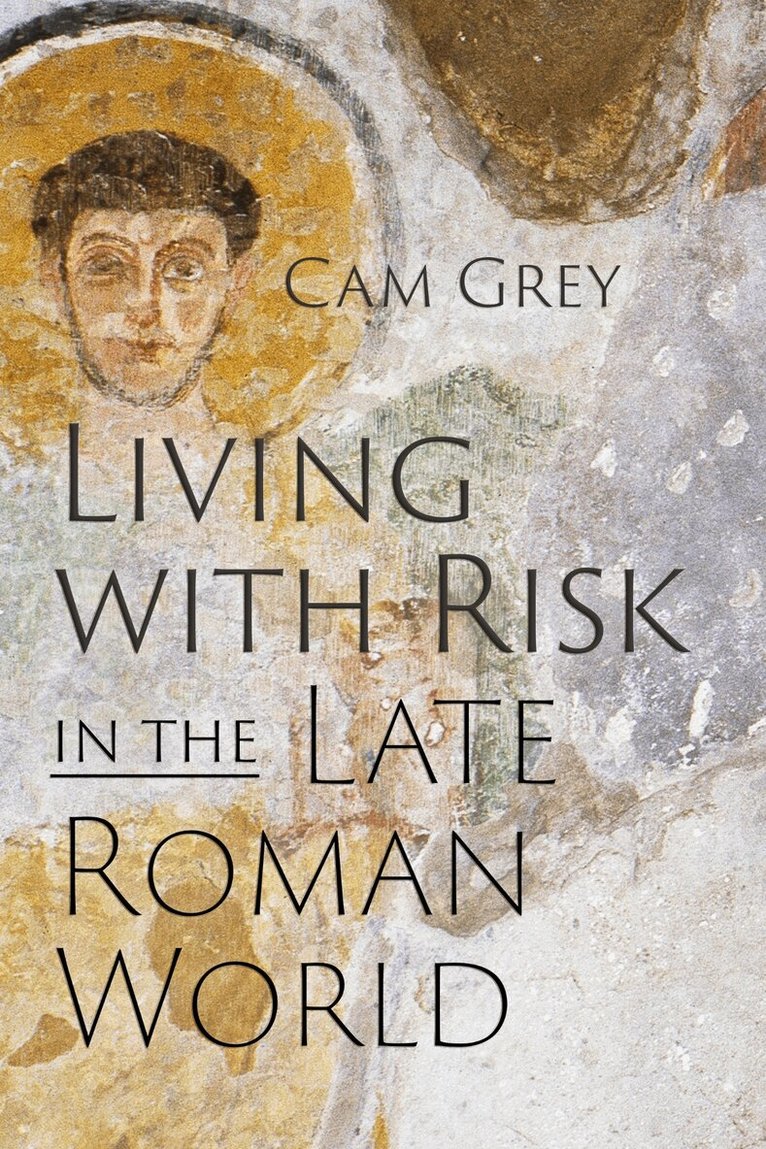
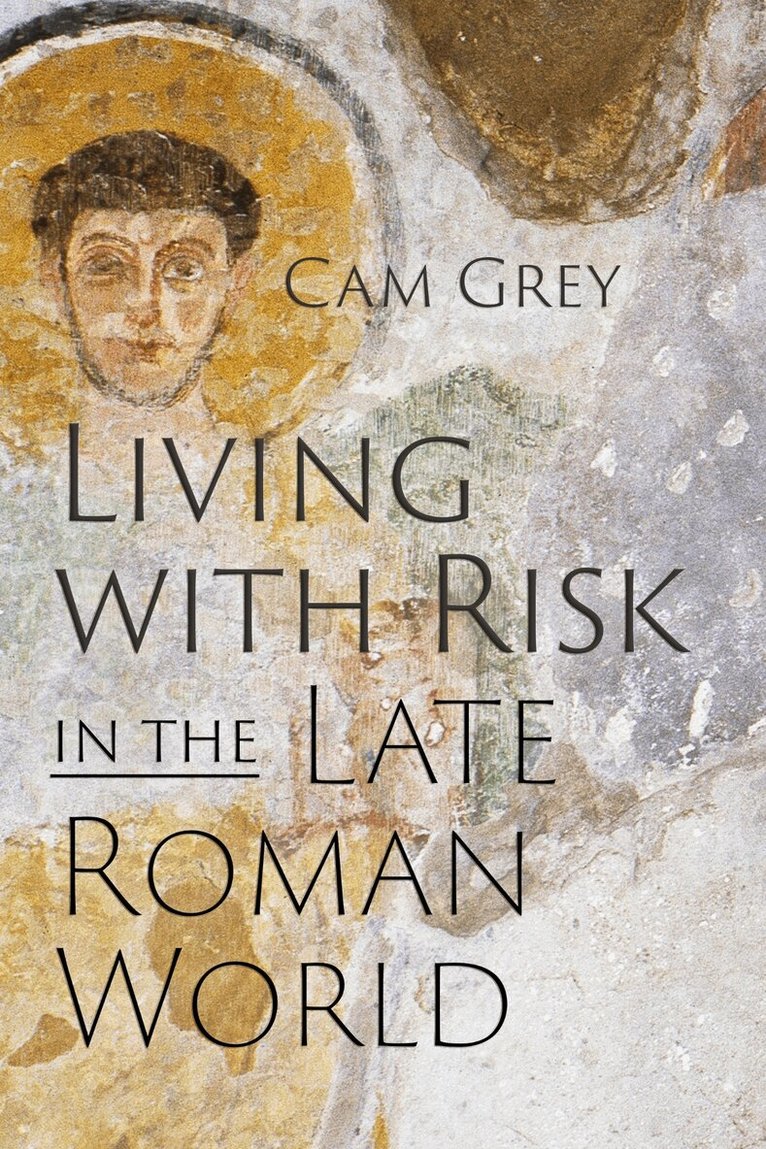
Explores the ever-present experiences of risk that characterized the daily existence of individuals, communities, and societies in the late Roman worldLiving with Risk in the Late Roman World explores the ever-present experiences of risk that characterized the daily existence of individuals, communities, and societies in the late Roman world (late third century CE through mid-sixth century CE). Recognizing the vital role of human agency, author Cam Grey bases his argument on the concept of the riskscape: the collection of risks that constitute everyday lived experience, the human perception of those risks, and the actions that exploit, mitigate, or exacerbate them. In contrast to recent grand narratives of the fate of the late Roman Empire, Living with Risk in the Late Roman World focuses on the quotidian practices of mitigation and management, foreknowledge and prediction, and mobilization and manipulation of risks at the individual and community levels.Grey illustrates the ubiquity of these practices through a collection of anecdotes that emphasize the highly localized, heterogeneous, and complementary nature of riskscapes: members of local communities enlisting figures of power to neutralize the hazards posed by imminent catastrophes, be it a tsunami, earthquake, or volcanic eruption; Christian holy figures both suffering and imposing bodily affliction as part of their claims to control such hazards and thereby to exercise influence in these communities; intimate experiences of seasonality and weather that shaped local practices of subsistence but also of self-representation; and geographically specific and fiercely contested claims to special knowledge and control of water.Multidisciplinary in its methodology and provocative in its argumentation, Living with Risk in the Late Roman World demonstrates that human communities in the ancient past were inextricably intertwined with the world around them, and that the actions they took simultaneously responded to and shaped the risks—both hazardous and favorable—that they perceived.
733 kr
Kommande
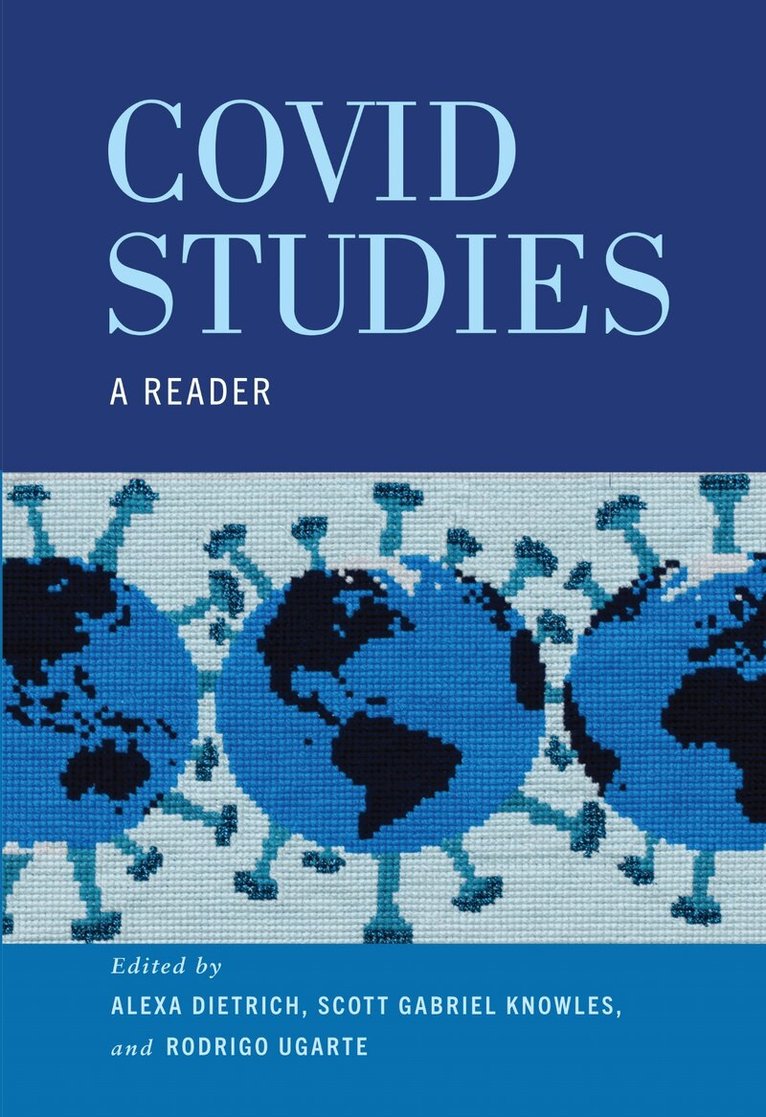
A "state of the field" collection of essays that presents the latest research on the pandemic from a range of disciplinesCOVID Studies is a "state of the field" collection of essays that presents the latest research on the pandemic from a range of disciplines, including sociology, anthropology, public policy, political science, history, and science and technology studies. Though varied in their methodologies, whether ethnography, data analysis, or archival research, the contributors together view COVID not as an isolated event with a discrete beginning and end, but rather as an ongoing crisis that resulted from and has shaped underlying social and political conditions.As the essays demonstrate, COVID is a nested disaster: a deadly and debilitating virus woven through traumatically inadequate health systems in the United States and around the world. COVID is also a compound disaster, entangled with climatic disasters of land, air, and sea, and grinding against the tragedies of migration, war, and political dysfunction. Taking COVID and its lessons out of the museum of past disasters, where powerful people and institutions want it to remain, this volume puts it right back into the middle of our lives, where it belongs for now, and surely for a very long time to come.Although no longer formally acknowledged as a pandemic by global health officials, COVID nevertheless is a continuing disaster due to its toll on life, health, economy, safety, and justice. Examining the pandemic as a process that was shaped by longer histories of what came before it and that continues to make new realities in the present, the contributors suggest that we are still researching and writing from inside the disaster.Contributors: Joie Acosta, George Aumoithe, Anirban Kapil Baishya, Tanya Buhler Corbin, Jih-Fei Cheng, Moon Choi, Vivian Choi, Nishaant Choksi, Aaron Clark-Ginsberg, Sukanya Deogam, Alexa S. Dietrich, Kim Fortun, Alice Fothergill, Danya Glabau, Monica H. Green, Dolly Jørgensen, Dani Joslyn, Christine Keeves, Hyunah Keum, Scott Gabriel Knowles, Christos Lynteris, Tyesha Maddox, Rachel Margolis, Katherine A. Mason, Luke J. Matthews, Darshana Sreedhar Mini, Samantha Montano, Courtney Page-Tan, Hyeonbin Park, Lori Peek, Elisa Perego, Kalpesh Rathwa, Rashawn Ray, Monica Sanders, Amanda Savitt, Sarah Senk, Robert Soden, Jacob Steere-Williams, Cécile Stephanie Stehrenberger, Kathleen Tierney, Rodrigo Ugarte, Kristin Urquiza, Ashton M. Verdery, Carlos Villegas, Haowei Wang, Jacqueline Wernimont, Sarah S. Willen, Heather M. Wurtz, Myungji Yang, Carl A. Zimring.
679 kr
Kommande