Cam Grey - Böcker
Visar alla böcker från författaren Cam Grey. Handla med fri frakt och snabb leverans.
3 produkter
3 produkter
1 282 kr
Skickas inom 7-10 vardagar
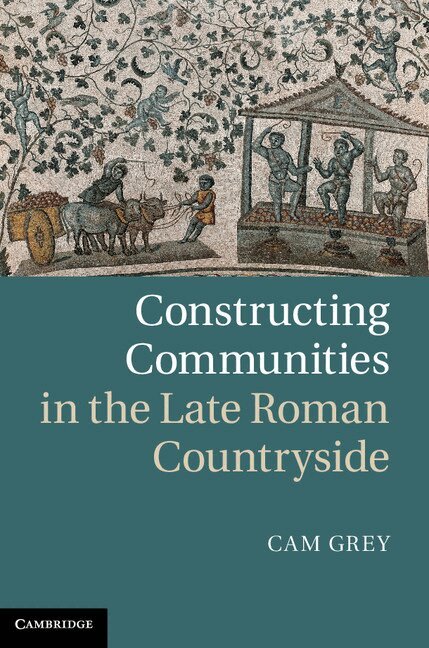
This book is the first comprehensive treatment of the 'small politics' of rural communities in the Late Roman world. It places the diverse fates of those communities within a generalized model for exploring rural social systems. Fundamentally, social interactions in rural contexts in the period revolved around the desire of individual households to insure themselves against catastrophic subsistence failure and the need of the communities in which they lived to manage the attendant social tensions, inequalities and conflicts. A focus upon the politics of reputation in those communities provides a striking contrast to the picture painted by the legislation and the writings of Rome's literate elite: when viewed from the point of view of the peasantry, issues such as the Christianization of the countryside, the emergence of new types of patronage relations, and the effects of the new system of taxation upon rural social structures take on a different aspect.
441 kr
Skickas inom 7-10 vardagar
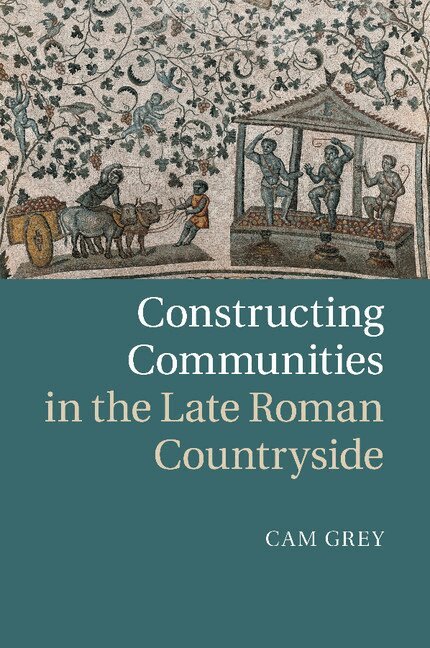
This book is the first comprehensive treatment of the 'small politics' of rural communities in the Late Roman world. It places the diverse fates of those communities within a generalized model for exploring rural social systems. Fundamentally, social interactions in rural contexts in the period revolved around the desire of individual households to insure themselves against catastrophic subsistence failure and the need of the communities in which they lived to manage the attendant social tensions, inequalities and conflicts. A focus upon the politics of reputation in those communities provides a striking contrast to the picture painted by the legislation and the writings of Rome's literate elite: when viewed from the point of view of the peasantry, issues such as the Christianization of the countryside, the emergence of new types of patronage relations, and the effects of the new system of taxation upon rural social structures take on a different aspect.
830 kr
Skickas inom 10-15 vardagar
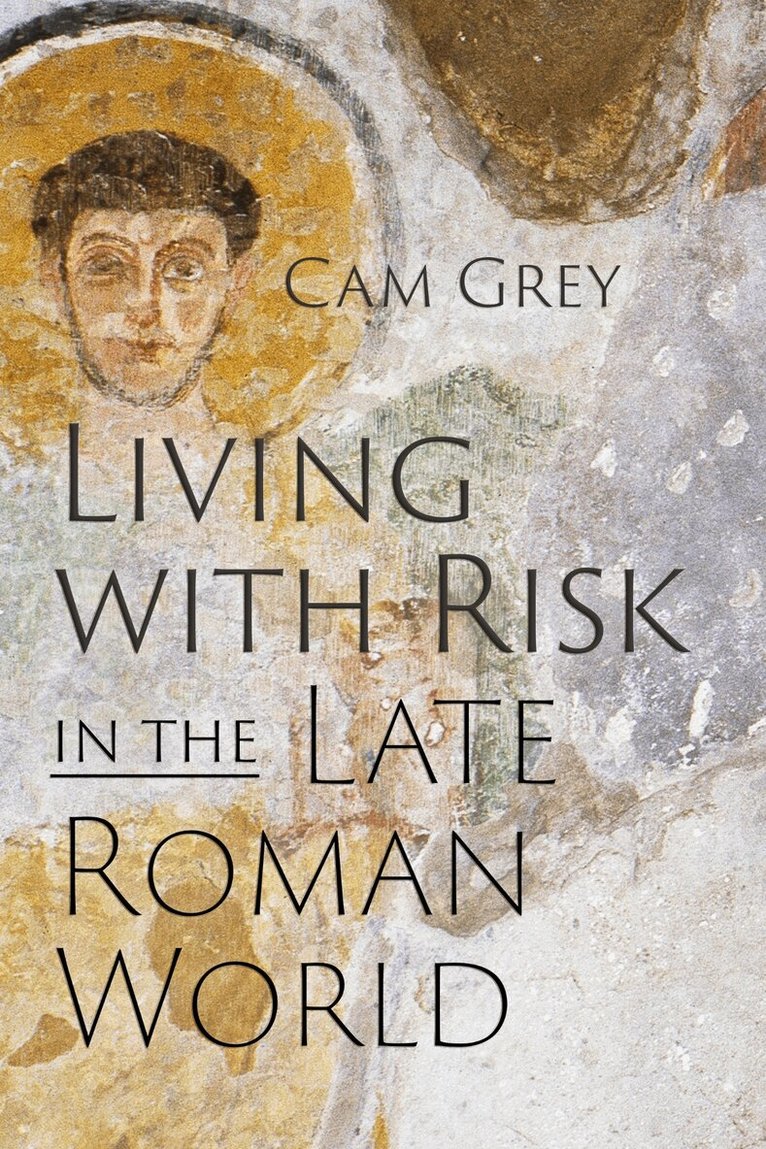
Explores the ever-present experiences of risk that characterized the daily existence of individuals, communities, and societies in the late Roman worldLiving with Risk in the Late Roman World explores the ever-present experiences of risk that characterized the daily existence of individuals, communities, and societies in the late Roman world (late third century CE through mid-sixth century CE). Recognizing the vital role of human agency, author Cam Grey bases his argument on the concept of the riskscape: the collection of risks that constitute everyday lived experience, the human perception of those risks, and the actions that exploit, mitigate, or exacerbate them. In contrast to recent grand narratives of the fate of the late Roman Empire, Living with Risk in the Late Roman World focuses on the quotidian practices of mitigation and management, foreknowledge and prediction, and mobilization and manipulation of risks at the individual and community levels.Grey illustrates the ubiquity of these practices through a collection of anecdotes that emphasize the highly localized, heterogeneous, and complementary nature of riskscapes: members of local communities enlisting figures of power to neutralize the hazards posed by imminent catastrophes, be it a tsunami, earthquake, or volcanic eruption; Christian holy figures both suffering and imposing bodily affliction as part of their claims to control such hazards and thereby to exercise influence in these communities; intimate experiences of seasonality and weather that shaped local practices of subsistence but also of self-representation; and geographically specific and fiercely contested claims to special knowledge and control of water.Multidisciplinary in its methodology and provocative in its argumentation, Living with Risk in the Late Roman World demonstrates that human communities in the ancient past were inextricably intertwined with the world around them, and that the actions they took simultaneously responded to and shaped the risks—both hazardous and favorable—that they perceived.