Fermented Foods and Beverages Series - Böcker
Visar alla böcker i serien Fermented Foods and Beverages Series. Handla med fri frakt och snabb leverans.
11 produkter
11 produkter
927 kr
Skickas inom 10-15 vardagar
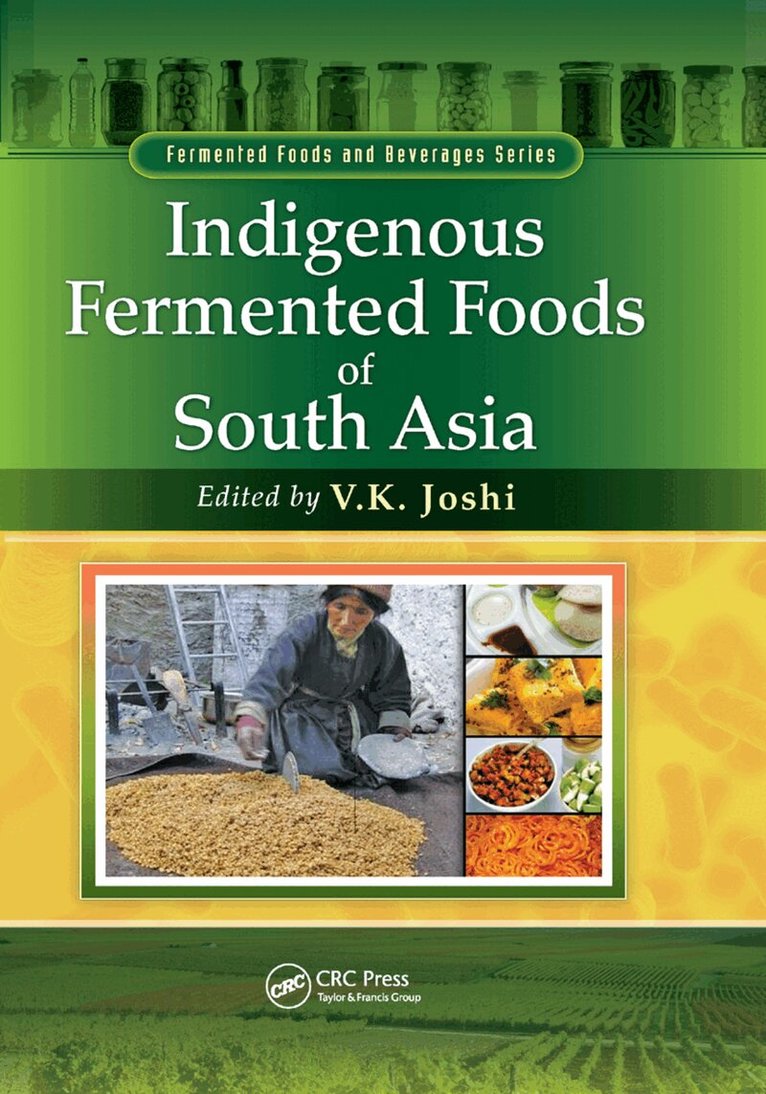
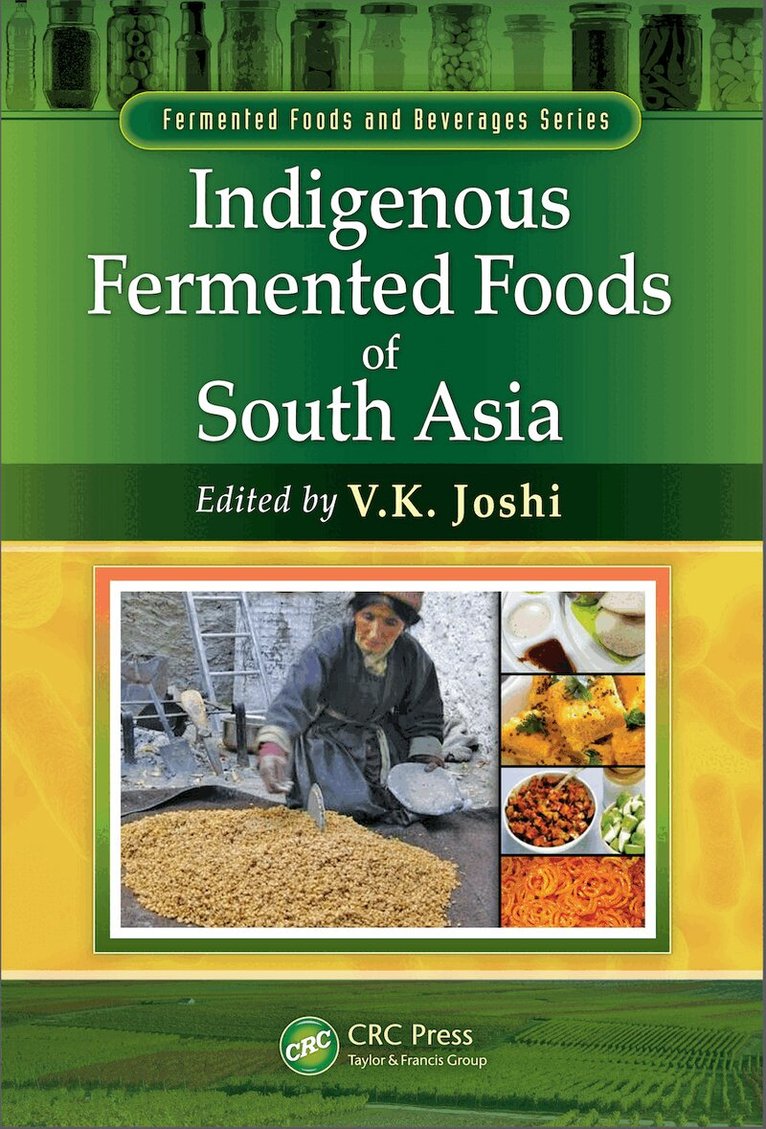
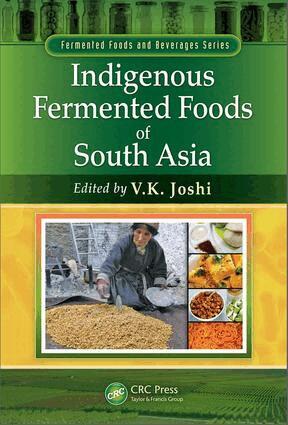
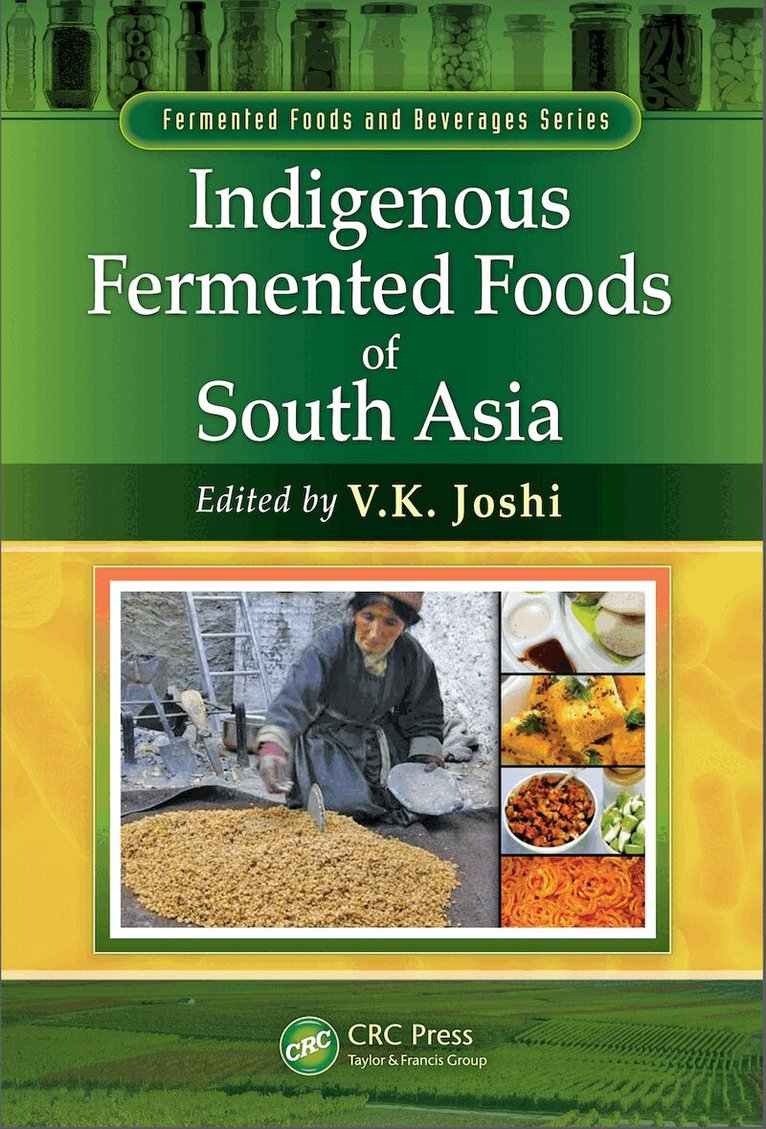
Indigenous Fermented Foods of South Asia covers the foods of India, Pakistan, Bangladesh, Sri Lanka, Nepal, Bhutan, Maldives, and Afghanistan. For each type of food, its microbiology, biochemistry, biotechnology, quality, and nutritional value is covered in depth.The book discusses numerous topics including various types of fermented foods, their origin, history and ethnicity, the role of fermented foods in health, and the microbiology and biochemistry of indigenous fermented foods. The composition and nutritive value of fermented foods are also addressed along with other aspects related to quality and safety, including the toxicity of indigenous fermented foods.Specific chapters are devoted to the preparation of indigenous fermented foods—including cereal-based fermented foods, vinegars, milk products, mushrooms, alcoholic fermented products, and fruit and vegetable products—as well as the indigenous technologies used to produce them.The biotechnological aspects of indigenous fermented products and molecular techniques employed are explained along with issues related to industrialization, socio-economic conditions, and the sustainability of indigenous fermented foods. Drawing upon the expertise from leaders in the field, the book consolidates a significant amount of new data on South Asian foods, making this a valuable resource for all those interested in fermented foods.
1 035 kr
Skickas inom 10-15 vardagar
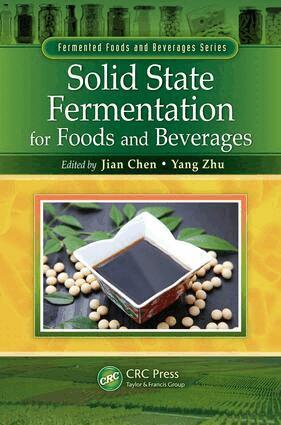
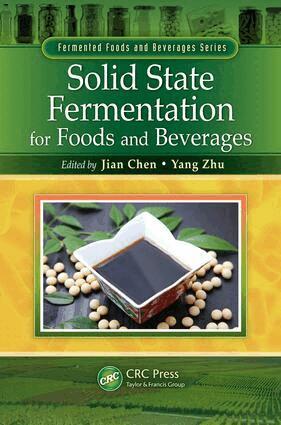
Although one of the oldest microbial technologies used in food processing, solid-state fermentation (SSF) had, until recently, fallen out of favor. However, based on a series of established mathematical models, new design concepts for SSF bioreactors and process control strategies have been proposed, allowing SSF technology to reach new levels. Solid State Fermentation for Foods and Beverages covers these new technologies and their application to food and beverage production. The book systematically describes the production of solid-state fermented food and beverage in terms of the history and development of SSF technology and SSF foods, bio-reactor design, fermentation process, various substrate origins and sustainable development. It emphasizes Oriental traditional foods produced by SSF such as sufu, vinegar, soy sauce, Chinese distilled spirit, and rice wine. The authors address such engineering issues as mass and heat transfer and energy equation calculation of solid-state fermentation, dynamic modeling of solid-state fermentation, and process control of solid-state fermentation. Covering the latest developments and achievements in the field of SSF, the book provides a detailed introduction to various solid-state fermented foods and beverages, including product category, characteristics, functionalities, safety issues, and consumer perception. It explores real advantages of SSF processes and how their application at real scale for high quality production that is more and less costly.
1 428 kr
Skickas inom 10-15 vardagar
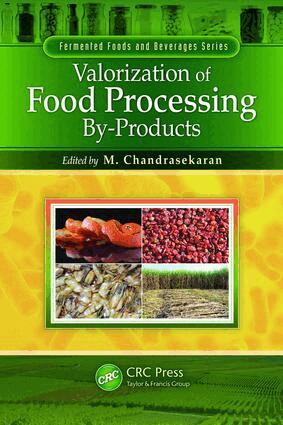
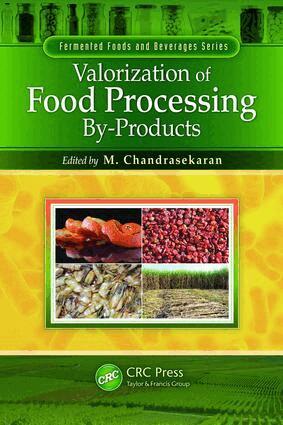
Biotechnology has immense potential for resolving environmental problems and augmenting food production. Particularly, it offers solutions for converting solid wastes into value-added items. In food processing industries that generate voluminous by-products and wastes, valorization can help offset growing environmental problems and facilitate the sustainable use of available natural resources. Valorization of Food Processing By-Products describes the potential of this relatively new concept in the field of industrial residues management. The debut book in CRC Press’s new Fermented Foods and Beverages Series, this volume explores the current state of the art in food processing by-products with respect to their generation, methods of disposal, and problems faced in terms of waste and regulation. It reviews the basic fundamental principles of waste recycling, including process engineering economics and the microbiology and biochemical and nutritional aspects of food processing. It discusses fermentation techniques available for valorization of food processing by-products, enzyme technologies, and analytical techniques and instrumentation. Individual chapters examine the by-products of plant-based and animal-based food industries. The book also delves into socioeconomic considerations and environmental concerns related to food processing by-products. It surveys research gaps and areas ripe for further inquiry as well as future trends in the field.An essential reference for researchers and practitioners in the food science and food technology industry, this volume is also poised to inspire those who wish to take on valorization of food by-products as a professional endeavor. A contribution toward sustainability, valorization makes maximum use of agricultural produce while employing low-energy and cost-effective processes.
724 kr
Skickas inom 10-15 vardagar
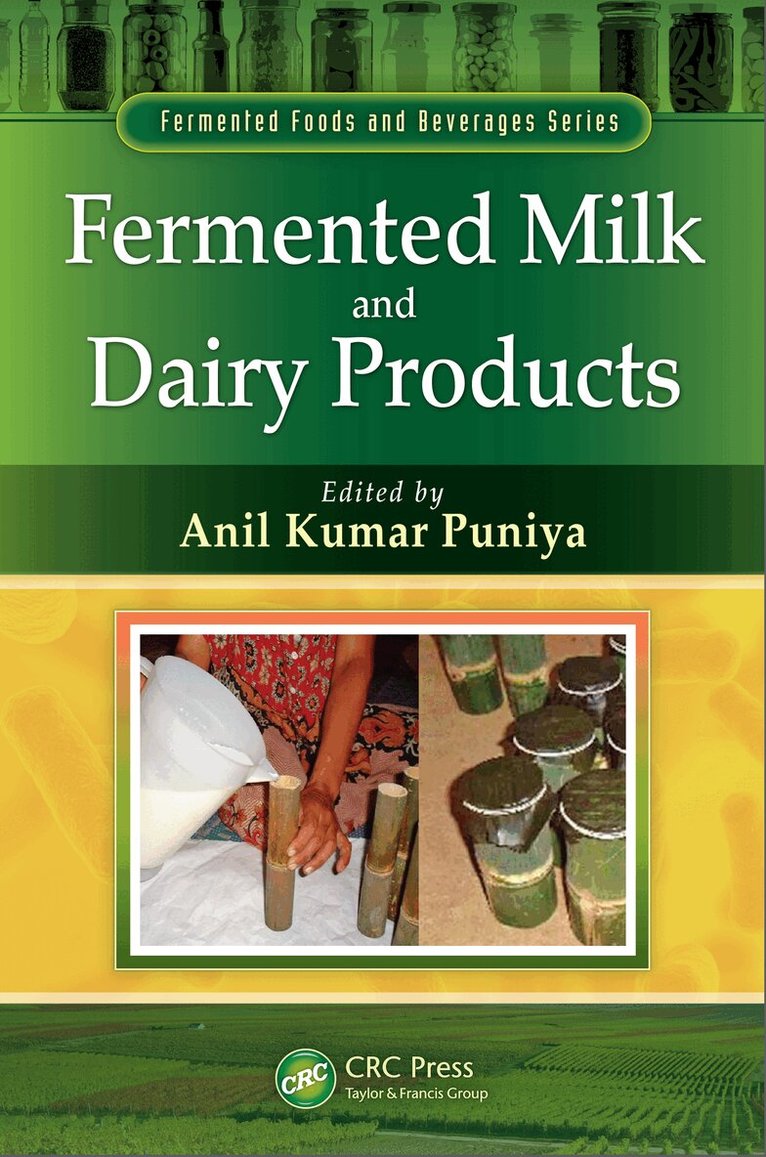
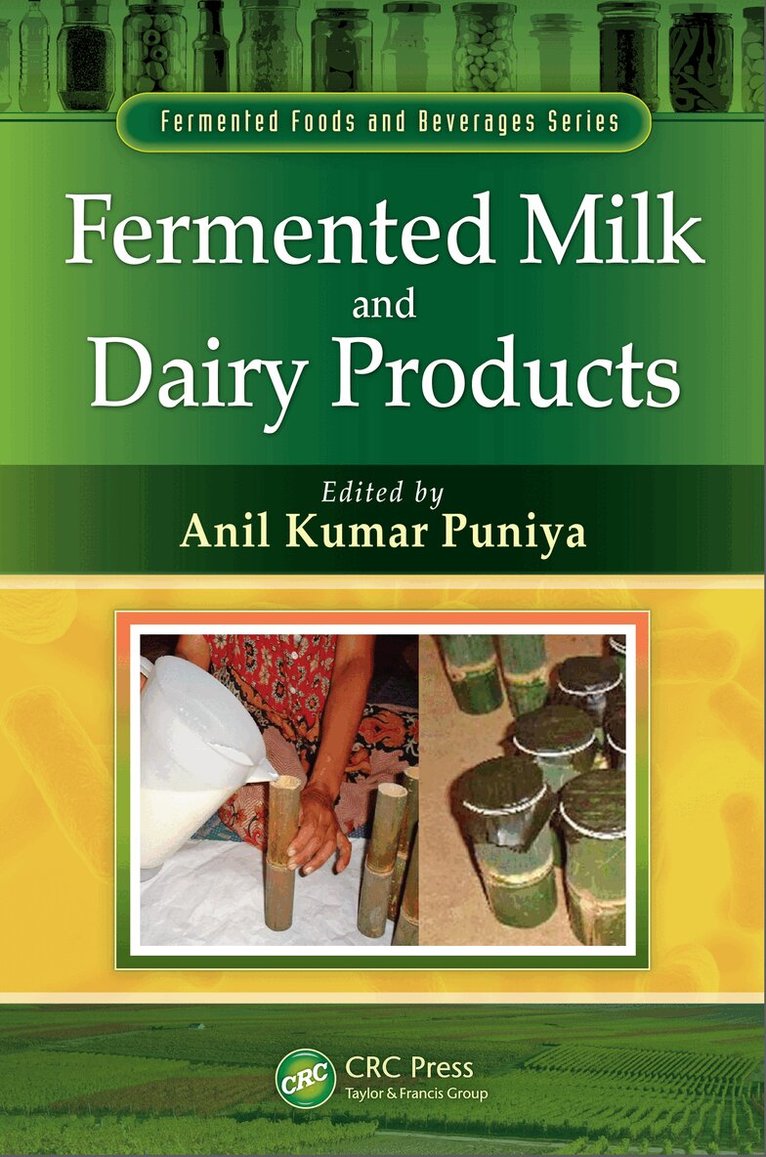
Increased knowledge of the number, potency, and importance of bioactive compounds in fermented milk and dairy products has spiked their popularity across the globe. And the trend shows no sign of abating any time soon. An all-in-one resource, Fermented Milk and Dairy Products gathers information about different fermented milk and dairy products, their occurrence, microorganisms involved, nutritional characteristics, and health benefits at one place. The book examines topics ranging from general biology to various microorganisms associated with different types of fermented products available worldwide.This book explores all advanced areas of research on fermented milks and includes the most recent references available. It covers the types of products based on fermentation pattern, indigenous products, the microbiological processes involved, starter cultures involved in the production, nutritional and functional aspects, health benefits associated with these products, and quality assurance and future products. The editors use a global perspective in their coverage of all issues linked to fermented milk and milk products detail.Worldwide, milk and milk products are an essential element of our food web, where consumers utilize these in different forms right from liquid milk to forms of industrial dairy products, especially the fermented ones. Bringing together information otherwise scattered throughout the literature, the book gives you a multidisciplinary resource for meeting the challenges in developing fermented milk and dairy products.
3 306 kr
Skickas inom 7-10 vardagar
Brings Together Current Knowledge and State-of-the-Art Information on Indigenous Fermented FoodsFermented foods and beverages span a range of root crops, cereals, pulses, vegetables, nuts, fruits, and animal products. Southeast Asia has a long history of utilizing fermentation in the production and preservation of foods, and is widely recognized for its prominent use. Indigenous Fermented Foods of Southeast Asia examines some indigenous fermented foods of Thailand, Vietnam, Indonesia, Malaysia, and the Philippines, focusing on the chemical, microbiological, and technological factors associated with their manufacture, quality, and safety. This text establishes a need for an adequate understanding of the fermentation process to ensure safe and reliable practices, as well as the consistent production of a quality product.The authors describe the production, microbiology, biochemistry, nutritional value, and dietary roles of a wide variety of indigenous fermented foods of Southeast Asia. Emphasizing the microbiological and biochemical processes in fermentations and examining the factors that influence the development of the characteristic microflora and chemical changes induced, they accurately describe each process and critically evaluate the roles of microbes in the fermentation. The classification of products is based on their microbial ecology (i.e. the predominant microbes involved), and the text includes examples of every major category of fermented food. The book covers tempe, starter cultures, sweet/sour/alcoholic rice and cassava fermentations, alcoholic fermentations, soy sauce, Bacillus fermentations, and lactic acid bacterial fermentations of vegetables, durian fruit, rice noodles, meats, and sea foods. This book answers a series of basic questions addressing:Dominant/desired microbesSuitable factors in processing and the environmentCommonly present microbesCompounds utilized as major carbon and energy sourcesSources of fermentable carbohydratesMain biochemical activities and chemical changes True yield of product per kilogram of initial raw materialsPossible hazards associated with a productHow possible hazards may be minimized or eliminatedResearch needs and opportunities Indigenous Fermented Foods of Southeast Asiaevaluates the state of scientific knowledge of the fermentations and identifies specific questions that need to be answered in order to promote the reproducibility, safety and future prospects of these fermented foods.
2 713 kr
Skickas inom 10-15 vardagar
Although one of the oldest microbial technologies used in food processing, solid-state fermentation (SSF) had, until recently, fallen out of favor. However, based on a series of established mathematical models, new design concepts for SSF bioreactors and process control strategies have been proposed, allowing SSF technology to reach new levels. Solid State Fermentation for Foods and Beverages covers these new technologies and their application to food and beverage production. The book systematically describes the production of solid-state fermented food and beverage in terms of the history and development of SSF technology and SSF foods, bio-reactor design, fermentation process, various substrate origins and sustainable development. It emphasizes Oriental traditional foods produced by SSF such as sufu, vinegar, soy sauce, Chinese distilled spirit, and rice wine. The authors address such engineering issues as mass and heat transfer and energy equation calculation of solid-state fermentation, dynamic modeling of solid-state fermentation, and process control of solid-state fermentation. Covering the latest developments and achievements in the field of SSF, the book provides a detailed introduction to various solid-state fermented foods and beverages, including product category, characteristics, functionalities, safety issues, and consumer perception. It explores real advantages of SSF processes and how their application at real scale for high quality production that is more and less costly.
3 172 kr
Skickas inom 7-10 vardagar
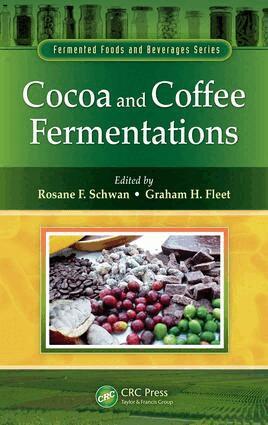
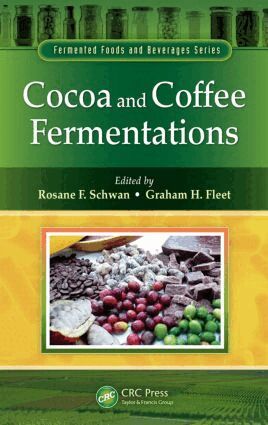
Cocoa and coffee beans are some of the most traded agricultural commodities on international markets. Combined, they provide raw materials for a global industry valued in excess of $250 billion. Despite this, few people know that microorganisms and microbial fermentation play key roles in their production and can have major impacts on product quality, safety, and value.Cocoa and Coffee Fermentations explores the scientific principles behind cocoa and coffee fermentation. The book covers botanical and production backgrounds, methods of bean fermentation and drying, microbial ecology and activities of fermentation, the biochemistry of fermentation, product quality and safety, and waste utilization. The book aims to optimize cocoa and coffee processing based on scientific evidence to enhance traditional processing methods that often give rise to inefficiencies and inconsistencies in product quality. It also aims to provide a better understanding of the complex microbial ecology in cocoa and coffee fermentations which involve interactions between species of yeasts, bacteria, and filamentous fungi.Cocoa and Coffee Fermentations hopes to inspire further research linking the microbiology and biochemistry of cocoa and coffee bean fermentations with the development of better controlled fermentations, implementation of quality assurance programs, and ultimately improvement of the sensory attributes of the final product.
2 515 kr
Tillfälligt slut
Biotechnology has immense potential for resolving environmental problems and augmenting food production. Particularly, it offers solutions for converting solid wastes into value-added items. In food processing industries that generate voluminous by-products and wastes, valorization can help offset growing environmental problems and facilitate the sustainable use of available natural resources. Valorization of Food Processing By-Products describes the potential of this relatively new concept in the field of industrial residues management. The debut book in CRC Press’s new Fermented Foods and Beverages Series, this volume explores the current state of the art in food processing by-products with respect to their generation, methods of disposal, and problems faced in terms of waste and regulation. It reviews the basic fundamental principles of waste recycling, including process engineering economics and the microbiology and biochemical and nutritional aspects of food processing. It discusses fermentation techniques available for valorization of food processing by-products, enzyme technologies, and analytical techniques and instrumentation. Individual chapters examine the by-products of plant-based and animal-based food industries. The book also delves into socioeconomic considerations and environmental concerns related to food processing by-products. It surveys research gaps and areas ripe for further inquiry as well as future trends in the field.An essential reference for researchers and practitioners in the food science and food technology industry, this volume is also poised to inspire those who wish to take on valorization of food by-products as a professional endeavor. A contribution toward sustainability, valorization makes maximum use of agricultural produce while employing low-energy and cost-effective processes.
2 970 kr
Skickas inom 7-10 vardagar
Indigenous Fermented Foods of South Asia covers the foods of India, Pakistan, Bangladesh, Sri Lanka, Nepal, Bhutan, Maldives, and Afghanistan. For each type of food, its microbiology, biochemistry, biotechnology, quality, and nutritional value is covered in depth.The book discusses numerous topics including various types of fermented foods, their origin, history and ethnicity, the role of fermented foods in health, and the microbiology and biochemistry of indigenous fermented foods. The composition and nutritive value of fermented foods are also addressed along with other aspects related to quality and safety, including the toxicity of indigenous fermented foods.Specific chapters are devoted to the preparation of indigenous fermented foods—including cereal-based fermented foods, vinegars, milk products, mushrooms, alcoholic fermented products, and fruit and vegetable products—as well as the indigenous technologies used to produce them.The biotechnological aspects of indigenous fermented products and molecular techniques employed are explained along with issues related to industrialization, socio-economic conditions, and the sustainability of indigenous fermented foods. Drawing upon the expertise from leaders in the field, the book consolidates a significant amount of new data on South Asian foods, making this a valuable resource for all those interested in fermented foods.
2 713 kr
Skickas inom 10-15 vardagar
Handbook of Indigenous Foods Involving Alkaline Fermentation details the basic approaches of alkaline fermentation, provides a brief history, and offers an overview of the subject. Devoted exclusively to alkaline-fermented foods (AFFs), this text includes contributions from experts from around the globe. It discusses the diversity of indigenous fermented foods involving an alkaline reaction, as well as the taxonomy, ecology, physiology, and genetics of predominant microorganisms occurring in AFFs. Presented in nine chapters, the book explains how microorganisms or enzymes transform raw ingredients into AFFs. It discusses the safety aspects of AFFs, and considers the challenges associated with the technological aspects in modernizing AFFs. It stresses the significance of the microbiological and biochemical processes in the fermentations, as well as the factors that influence the development of the characteristic microbiota, and the biochemical and organoleptic changes induced by them. It also proposes solutions, discusses the value of AFFs and related dominant microorganisms, and assesses the future of AFFs.The authors highlight commonly known foods and beverages of plant and animal origin. They provide insight into the manufacture, chemical and microbiological composition, processing, and compositional and functional modifications taking place as a result of microbial and enzyme effects. The text examines safety, legislation, traditional and industrialized processes, as well as new product development, and opportunities for developing commodities from Africa, Asia, Europe, Latin America, and the Middle East. In addition, it also assesses the value of food processing by-products, biotechnology, and engineering of solid-state processes, modern chemical and biological analytical approaches to safety, and health and consumer perception. Focuses on how fermentation of food remains an important aspect of food processingDescribes how fermentation of food contributes to its preservationDetails how fermented food gets its flavor from microbial and enzymatic modifications of food components such as sugars, fats, and proteins Handbook of Indigenous Foods Involving Alkaline Fermentation offers insight into the microbiology and chemistry of the fermentation processes. This book serves graduate students and researchers of food science and technology, nutrition and dietetics, food microbiology, and related areas.
3 593 kr
Skickas inom 10-15 vardagar
Increased knowledge of the number, potency, and importance of bioactive compounds in fermented milk and dairy products has spiked their popularity across the globe. And the trend shows no sign of abating any time soon. An all-in-one resource, Fermented Milk and Dairy Products gathers information about different fermented milk and dairy products, their occurrence, microorganisms involved, nutritional characteristics, and health benefits at one place. The book examines topics ranging from general biology to various microorganisms associated with different types of fermented products available worldwide.This book explores all advanced areas of research on fermented milks and includes the most recent references available. It covers the types of products based on fermentation pattern, indigenous products, the microbiological processes involved, starter cultures involved in the production, nutritional and functional aspects, health benefits associated with these products, and quality assurance and future products. The editors use a global perspective in their coverage of all issues linked to fermented milk and milk products detail.Worldwide, milk and milk products are an essential element of our food web, where consumers utilize these in different forms right from liquid milk to forms of industrial dairy products, especially the fermented ones. Bringing together information otherwise scattered throughout the literature, the book gives you a multidisciplinary resource for meeting the challenges in developing fermented milk and dairy products.