Film Score Guides - Böcker
Visar alla böcker i serien Film Score Guides. Handla med fri frakt och snabb leverans.
20 produkter
20 produkter
970 kr
Skickas inom 10-15 vardagar
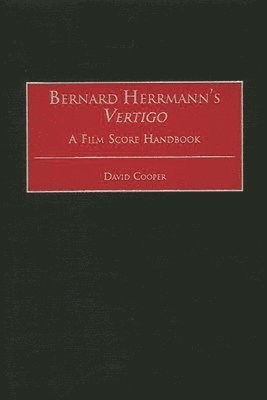
This in-depth musicological and critical study examines how Bernard Herrmann's score for Alfred Hitchcock's Vertigo plays a crucial role in the articulation and development of the film's narrative and how it affects readings of the film. Herrmann's collaboration with Hitchcock spanned eleven years and nine films, and Herrmann's film score for Vertigo is widely regarded as being one of his finest. Cooper considers the development of Herrmann's career up to 1958, providing a detailed discussion of his musical style. The explicit information about the structure of Herrmann's music is based on a study of Herrmann's autograph score.Cooper examines not only the context of the film's production, but also its reception and critical readings of the film. In addition, this study explores how the effects track co-operates with Herrmann's non-diegetic and diegetic score and concludes with a detailed musicological study. The author advances a new theory, in his discussion of signification, about the establishment of meaning in film music through association with images on the screen. This sophisticated musicological approach will appeal to film music and film communication scholars.
833 kr
Skickas inom 10-15 vardagar
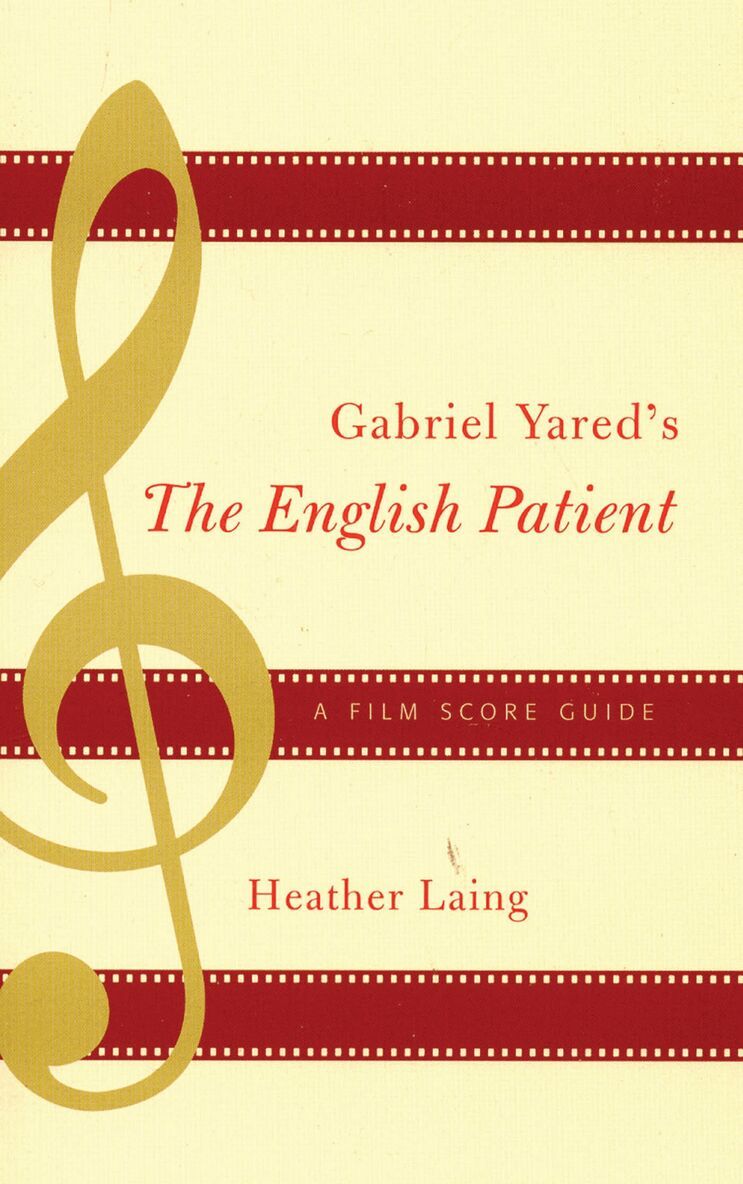
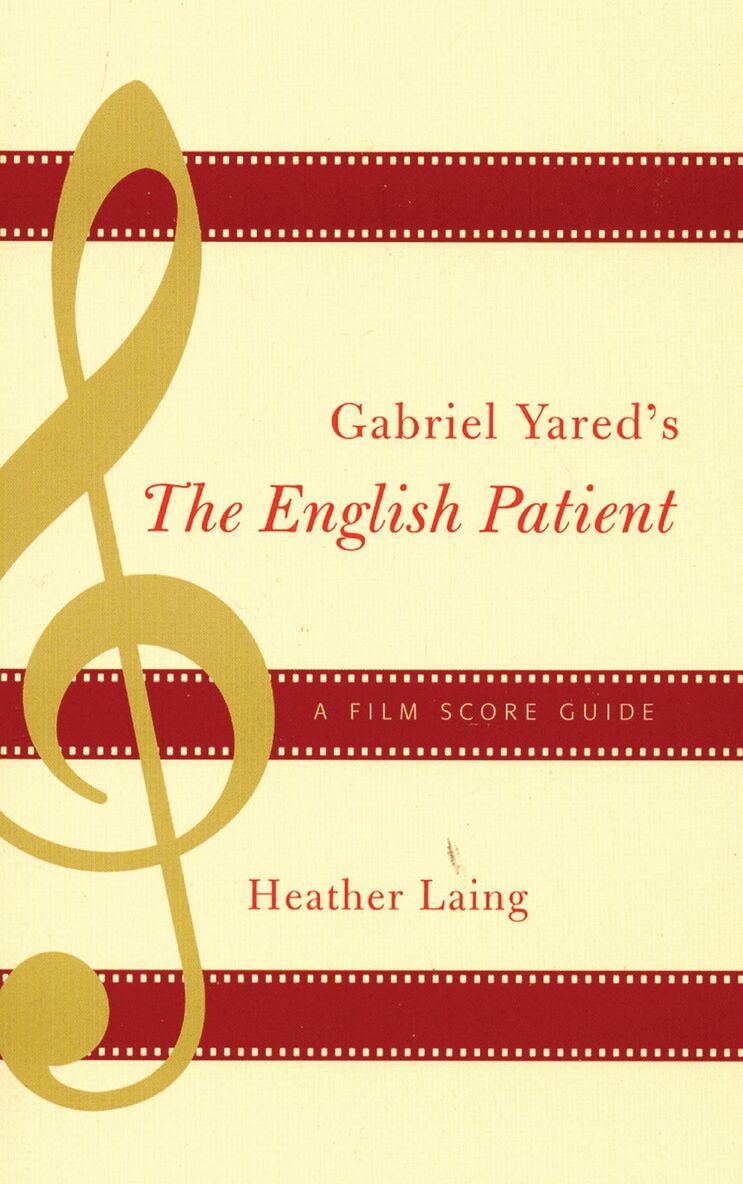
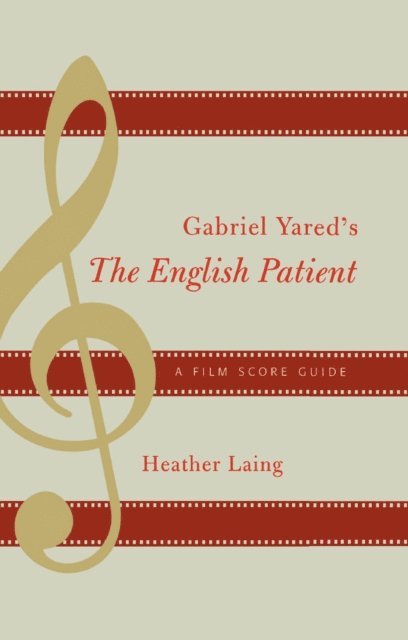
Anthony Minghella's 1996 film The English Patient won nine Academy Awards_, including one for Best Original Score. Though Gabriel Yared had previously composed scores for several films, including Betty Blue, Camille Claudel, and Vincent & Theo, his work on The English Patient launched him into international public consciousness. His score for this film testifies to the continued appeal of a classical, noncommercial style of scoring, eschewing the use of contemporary pop music for a more 'timeless' sound. In Gabriel Yared's The English Patient: A Film Score Guide, author Heather Laing offers the most in-depth examination to date of the work of the composer. Laing examines Yared's approach to film scoring, his compositional techniques and the impact of his partnership with Minghella before and after The English Patient_through an exploration of such films as The Moon in the Gutter, Betty Blue, Tatie Danielle, IP5, The Lover, City of Angels, and The Talented Mr. Ripley. The integral role of music in The English Patient is contextualized within a detailed analysis of the film's narrative construction, themes, and motifs. The soundtrack is examined as a whole, and the specific 'soundworlds' of each character, location, and relationship are drawn out as the basis for the overall style and construction of the score. Musical themes are viewed in both musical and narrative terms, and musical connections between the themes are identified. A close analysis of the placement and development of musical themes throughout the film reveals the complex musical journey that forms a unique and integral element of the characters.
544 kr
Skickas inom 10-15 vardagar
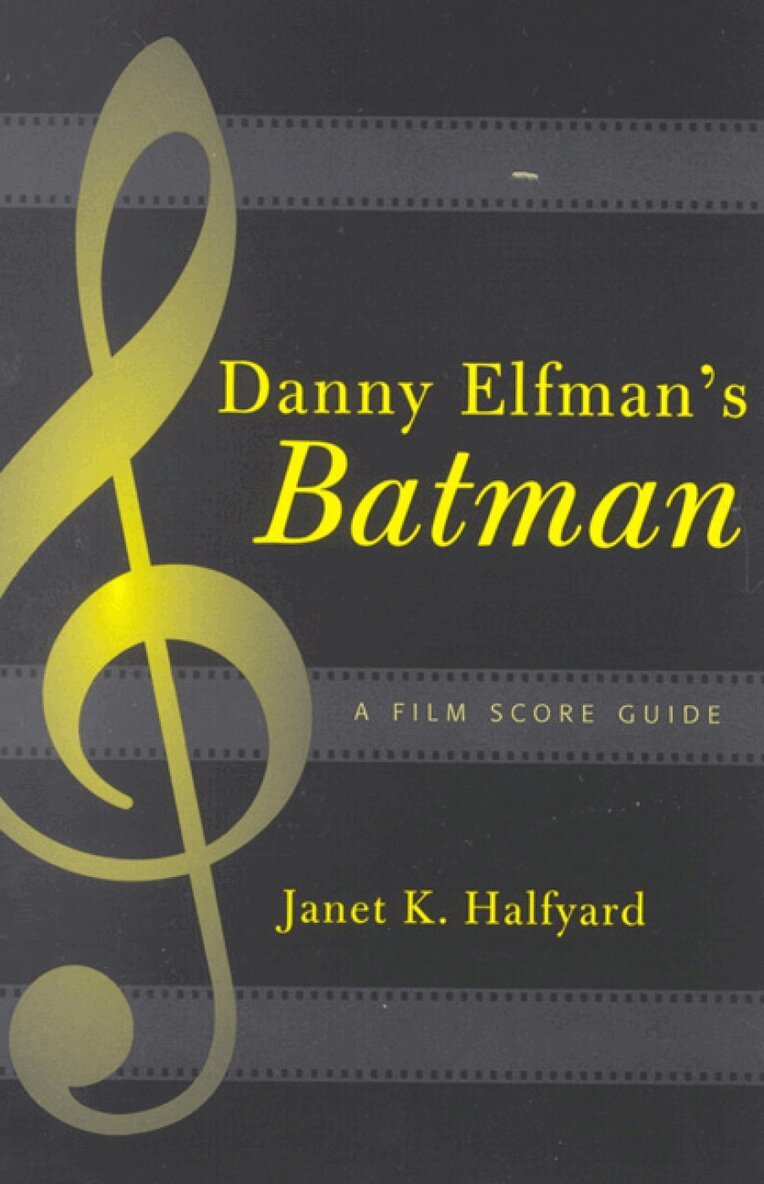
Danny Elfman is recognized as one of the most successful, interesting, and innovative figures in recent film music composition. He came to the fore in the late 1980s in connection with his collaboration with Tim Burton on his films including Pee-Wee's Big Adventure (1985), Beetlejuice (1988), Batman (1989), Edward Scissorhands (1990), The Nightmare before Christmas (1993), and Sleepy Hollow (1999). In addition to this, Elfman has composed music for more than 40 other films, including Somersby (1993), Dolores Claibourne (1995), Good Will Hunting (1997), Men in Black (1997), and Spiderman (2002).Beetlejuice was the first mainstream commercial success of the collaboration, but Batman was the film which marked Tim Burton's arrival as a major figure in Hollywood film direction, and equally established Danny Elfman as a film score composer, particularly in relation to action and fantasy genres. The score for Batman won a Grammy in 1989 and is an outstanding example of his collaboration with Burton as well as admirably demonstrating his particular talents and distinctive compositional voice. In particular, it displays the characteristic "darkness" of his orchestration in this genre and the means he uses to create a full length film score from what is often a relatively small amount of musical material, in this case the famous Batman theme. This book examines Elfman's scoring technique and provides a detailed analysis and commentary on the Batman score. The film is discussed in the context of its comic-book origins and the fantasy-action genre, setting it and its score against the late 1970s and early 1980s equivalents such as Star Wars and Superman, and revealing how Burton and Elfman between them changed the cinematic idea of what a superhero is. The book also explores Elfman's musical background, his place within the film music industry and the controversy that sprang up following the release of B
544 kr
Skickas inom 10-15 vardagar
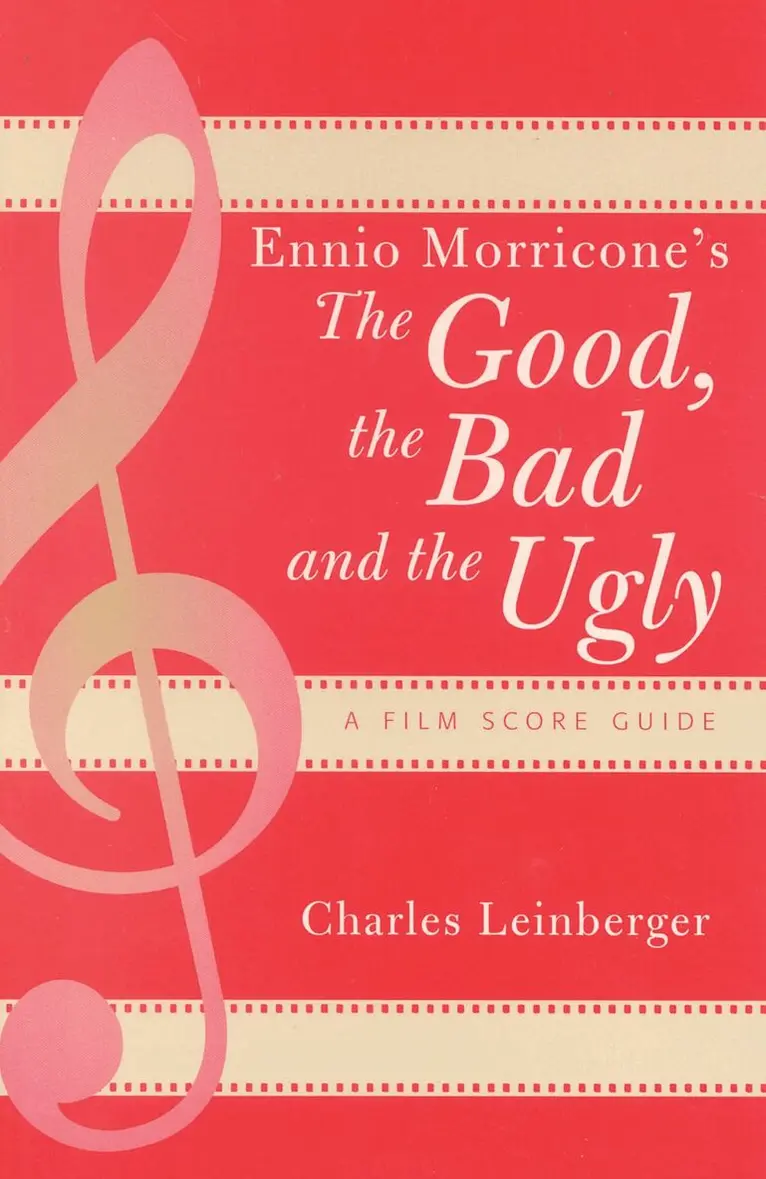
Although five-time Academy-Award nominee Ennio Morricone has scored numerous films in various genres, his westerns will undoubtedly remain his most memorable cinematographic accomplishments. This guide demonstrates Morricone's unique and enduring contributions to the art of film music through a discussion of his compositional and orchestrational processes, many of which are evident in his music for The Good, the Bad and the Ugly in a way that can be easily understood by both musicians and nonmusicians.Leinberger begins his study with a brief discussion of Morricone's musical background through his experience in the Italian music business, his earliest Italian film scores, and his accomplishments in Hollywood. The second chapter is a discussion of the many compositional techniques that distinguish Morricone's music from that of other film composers. Subsequent chapters examine the historical and cultural context of the film and attempt to place the style of Morricone's score for The Good, the Bad and the Ugly in relation to his scores for other well-known Westerns. The book's final chapter is an analysis of compositional techniques presented in chronological order from the film's opening credits to its climactic ending.Although this guide focuses on Morricone and his music from a theoretical perspective, other non-musical issues that are relevant to the audience's ultimate experience of the film are also discussed.
599 kr
Skickas inom 10-15 vardagar
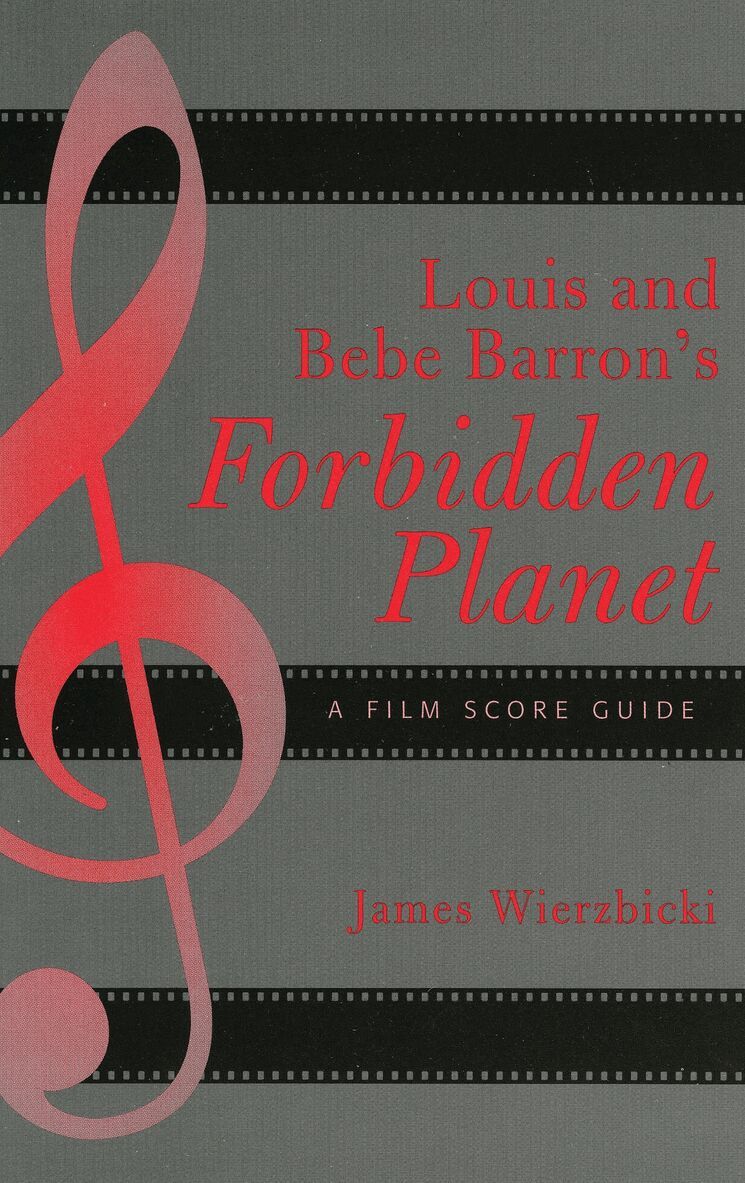
Forbidden Planet is a product of the MGM studio, which at the time of the production of this film was hardly in the business of making science-fiction films. Originally planned as a "B" picture, the 1956 Forbidden Planet was praised for its spectacular special effects and brilliant color cinematography. The plot practically tingles with sexual innuendo and the dialogue is rich in references to Freudian psychology. However, in spite of all this, the film was marketed to a juvenile audience.Notwithstanding its uncommon look and "feel," perhaps the most unusual aspect of the film is the way it sounds. Never before had a major Hollywood effort utilized a score generated entirely by electronic means, yet seldom does one find commentary on how Louis and Bebe Barron's score again and again challenges Hollywood norms.In addition to placing the composers and film in historical context, James Wierzbicki's study offers a deep and thorough analysis of not only the music as used in the film, but also of the decontextualized music as presented by the Barrons on the 1977 "original soundtrack album." The text is generously illustrated with transcriptions and graphs, and can serve as a model for the examination of other extended works of electronic music for which no written score has ever existed.
560 kr
Skickas inom 10-15 vardagar
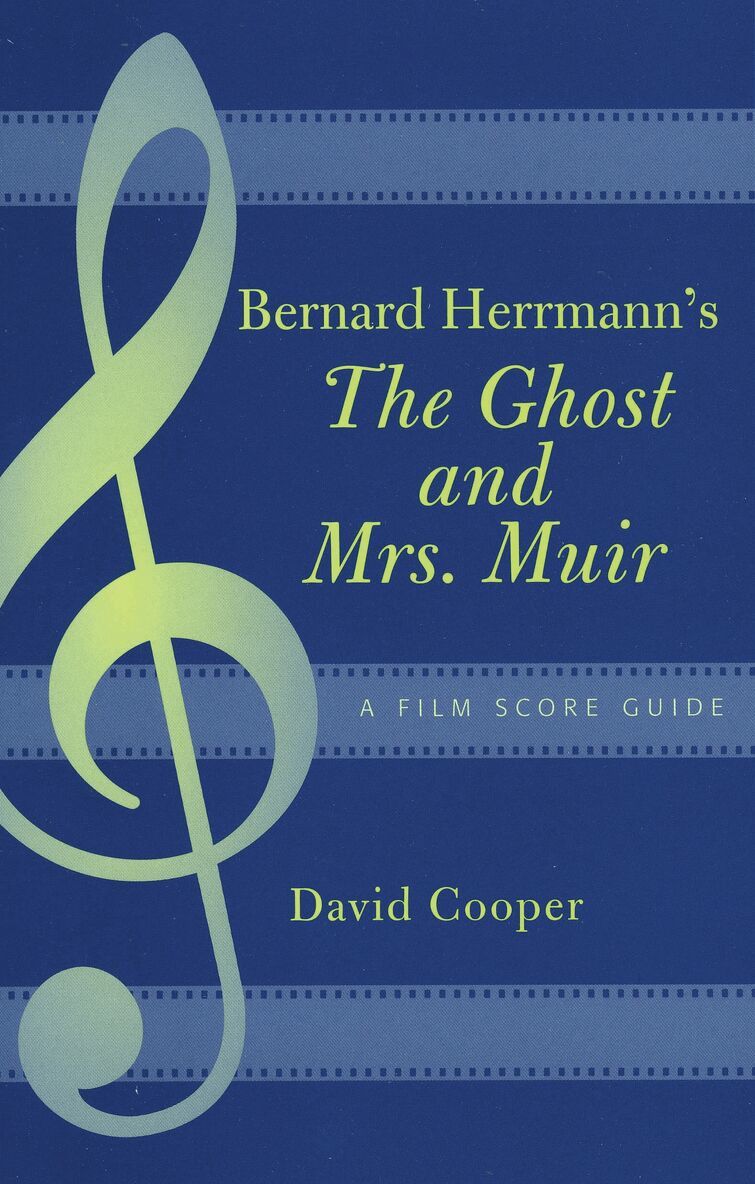
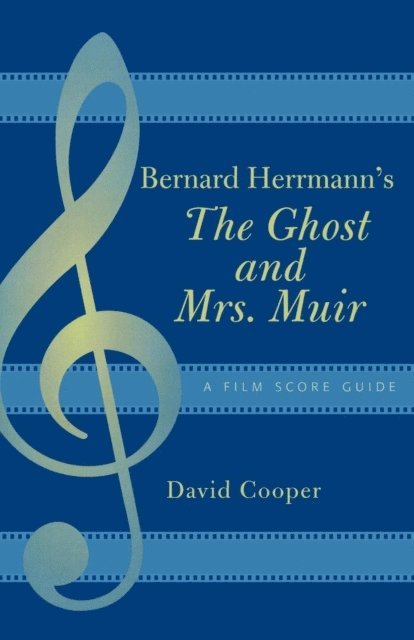
Regarded as one of the greatest film composers of all time, Bernard Herrmann was responsible for some of the most memorable music in film. His work with Alfred Hitchcock produced a slew of classics including Vertigo (1958), North by Northwest (1959), and Psycho (1960). Several years before collaborating with Hitchcock, however, Herrmann composed the brilliant score for The Ghost and Mrs. Muir (1947), which remained a personal favorite of the composer's. Herrmann's score reinforces the film's romantic theme, and much of the music has an appropriately elegiac quality. In mood, orchestration, and even to some extent thematic identity, it seems to prefigure his music for Vertigo.In this latest addition to the Scarecrow Film Score Guide series, author David Cooper examines Herrmann's career in general, as well as the specific elements that went into the creation of The Ghost and Mrs. Muir's score. Cooper traces the development of Herrmann's craft as a film composer, especially through his radio work, where he made contact with many of the great artists of the age, most notably Orson Welles. This association was to give him a passport to Hollywood and led to the scoring of his first film, Citizen Kane. Herrmann's subsequent film scores of the 1940s included The Devil and Daniel Webster, The Magnificent Ambersons, and Jane Eyre. In this guide, Cooper considers Herrmann's musical technique and offers a theorization of some of the ways in which music can be "meaningful" in film. He also explores non-musical contexts of the film, including the screenplay's relationship to the popular novel from which it was adapted, as well as the contribution of director Joseph L. Mankiewicz, the performances of Gene Tierney and Rex Harrison, and the editing of Dorothy Spencer. Cooper also provides a quantitative, evidence-based study of the score. In doing so, he discusses the extent to which Herrmann adopted screenwriter Philip Dunne's suggestions for music in
695 kr
Skickas inom 10-15 vardagar
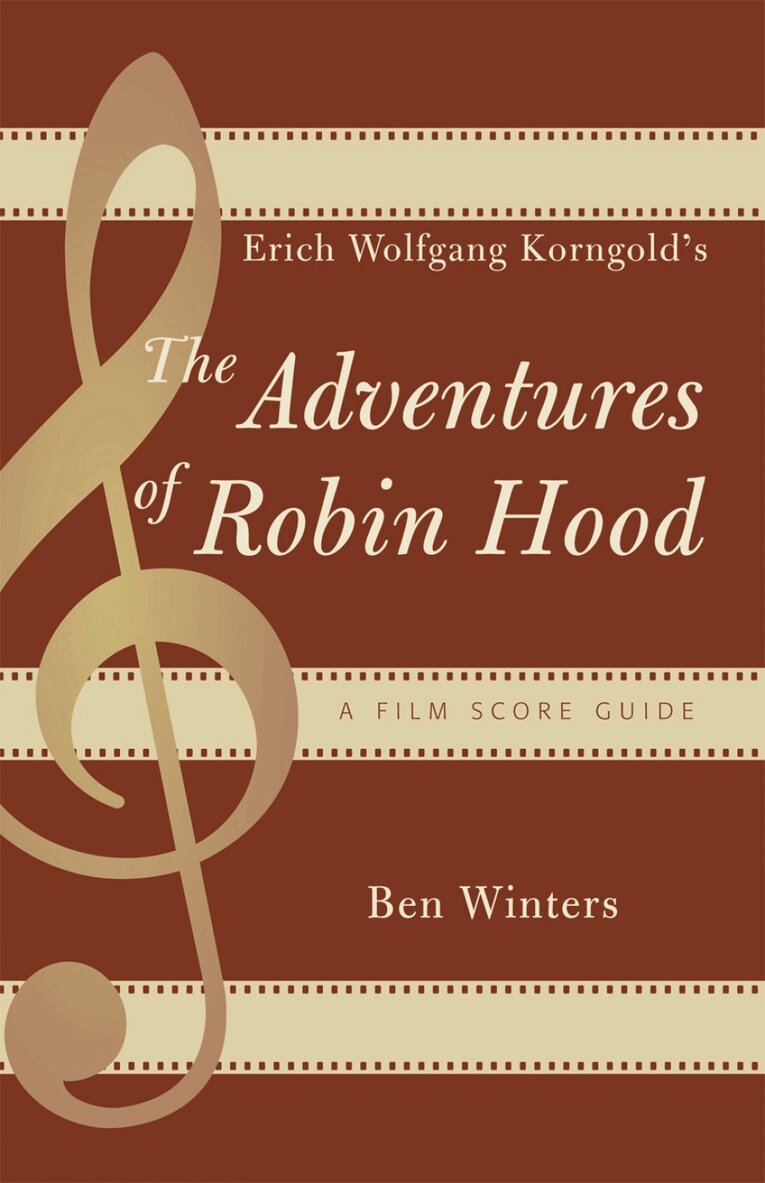
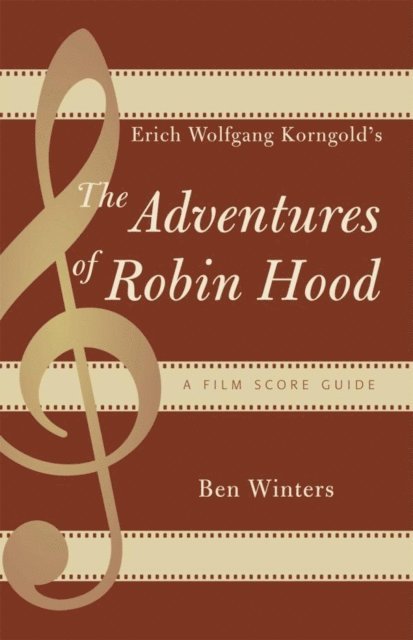
Among the many fine examples of film scores by Erich Wolfgang Korngold (1897-1957), the score for The Adventures of Robin Hood (1938) stands out the most. Winner of the Academy Award™ for best dramatic score in 1938, it is seen by many as the archetypal accompaniment to a Warner Brothers swashbuckler, and it established Korngold as one of the leading exponents of film score composition at a formative point in its history. In Erich Wolfgang Korngold's The Adventures of Robin Hood: A Film Score Guide, author Ben Winters uses manuscript and archival research to challenge preconceived notions about the score's composer and its authorship. In the first two chapters, Winters examines Korngold's career on its own and in relation to the film, including his background in composing concert music and opera, his film scoring techniques, and his engagement with the Hollywood studio system. Chapter three focuses on the Robin Hood film while placing Korngold's music in a larger framework. It examines the film's treatment of the Robin Hood legend, its historical and critical contexts, and its place within the swashbuckler genre and the studio's anti-fascist agenda. While looking closely at the composer's work on this score, chapter four shows sources Korngold used, the music's production process, and the changes the score had undergone. The book concludes with a thematic analysis and reading of the score, identifying the various musical 'voices' that the listener weaves together as he or she experiences the film. This detailed consideration of Korngold's masterpiece will be continually turned to by film and music scholars alike.
695 kr
Skickas inom 10-15 vardagar
Anthony Minghella's 1996 film The English Patient won nine Academy Awards_, including one for Best Original Score. Though Gabriel Yared had previously composed scores for several films, including Betty Blue, Camille Claudel, and Vincent & Theo, his work on The English Patient launched him into international public consciousness. His score for this film testifies to the continued appeal of a classical, noncommercial style of scoring, eschewing the use of contemporary pop music for a more 'timeless' sound. In Gabriel Yared's The English Patient: A Film Score Guide, author Heather Laing offers the most in-depth examination to date of the work of the composer. Laing examines Yared's approach to film scoring, his compositional techniques and the impact of his partnership with Minghella before and after The English Patient_through an exploration of such films as The Moon in the Gutter, Betty Blue, Tatie Danielle, IP5, The Lover, City of Angels, and The Talented Mr. Ripley. The integral role of music in The English Patient is contextualized within a detailed analysis of the film's narrative construction, themes, and motifs. The soundtrack is examined as a whole, and the specific 'soundworlds' of each character, location, and relationship are drawn out as the basis for the overall style and construction of the score. Musical themes are viewed in both musical and narrative terms, and musical connections between the themes are identified. A close analysis of the placement and development of musical themes throughout the film reveals the complex musical journey that forms a unique and integral element of the characters.
695 kr
Skickas inom 10-15 vardagar
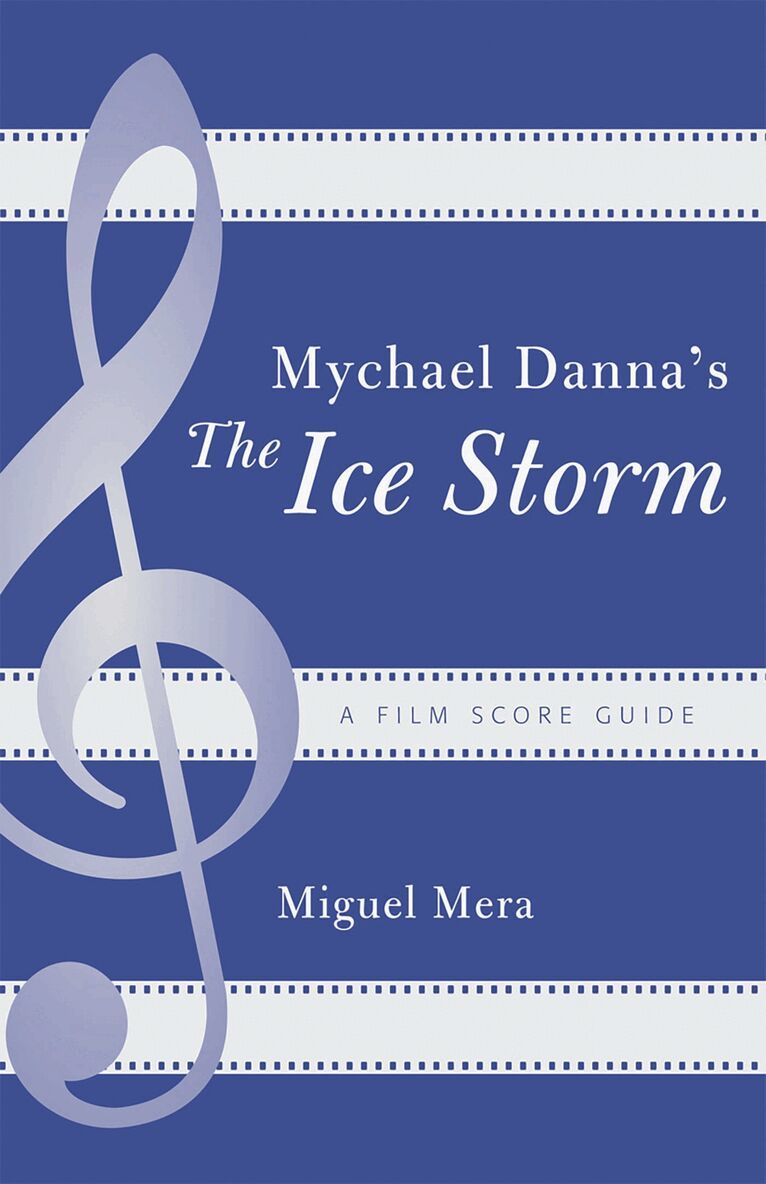
Ang Lee's The Ice Storm is a film of striking significance, which achieved widespread critical acclaim for its well crafted and superbly acted study of suburban morality in 1970s America. For the film, composer Mychael Danna created one of the most distinctive scores of the 1990s, one that constantly challenges perceptions of the form and function of film music.In Mychael Danna's The Ice Storm: A Film Score Guide, Miguel Mera explores the music and sound Danna uses in his score, investigating the narrative, structural, and aesthetic themes of the film and illustrating the techniques and stylistic features central to Danna's music. Mera carefully examines the collaborative processes that influenced the score's development, describing the significance of the composer's relationships with the director, producer, editor, orchestrator, and sound designers to the evolution of the score and demonstrating how the politics of filmmaking interact with creativity. This seventh volume in Scarecrow's Film Score Guide series also includes a biography of Danna and a complete analysis of the full soundtrack considering the sound design, pre-existent pop songs, and the specifically arranged song by David Bowie in conjunction with Danna's fascinating score, making this essential reading for film music scholars and students.
695 kr
Skickas inom 10-15 vardagar
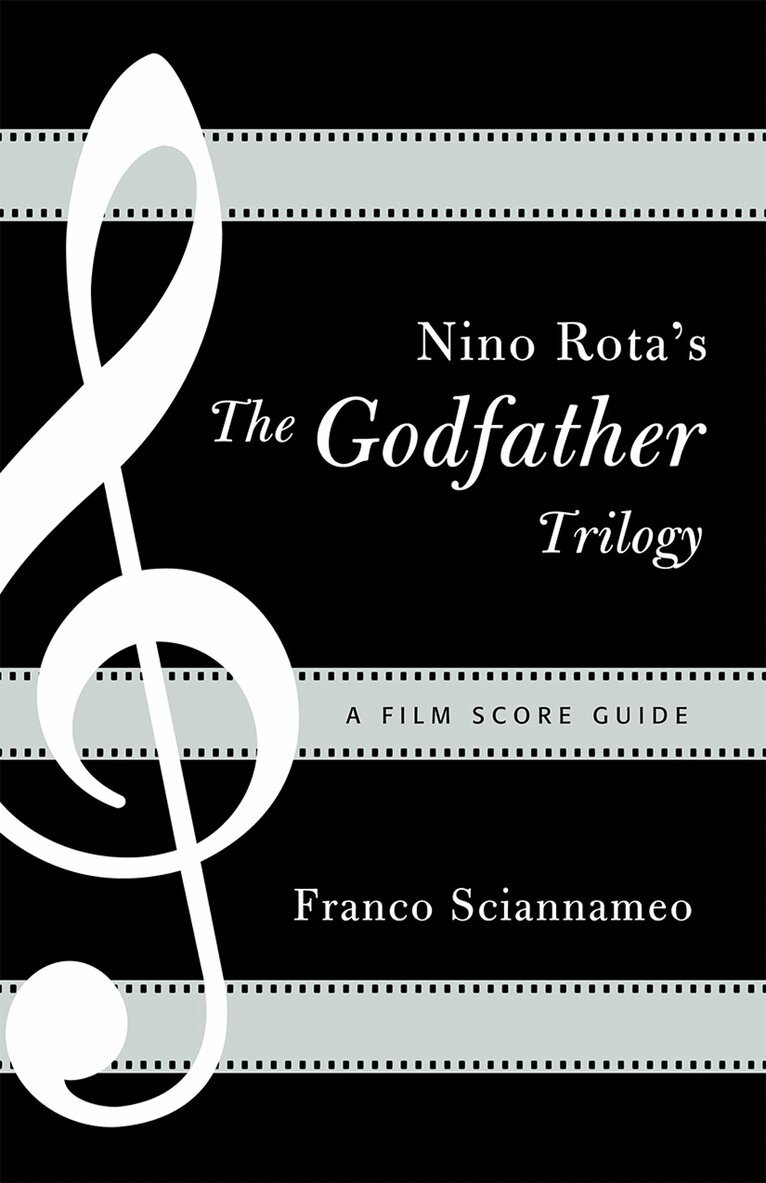
Released in 1972, 1974, and 1990 respectively, Francis Ford Coppola's three-part saga is one of the greatest artistic accomplishments (and financial successes) in the history of Hollywood cinema. The latest in Scarecrow's Film Score Guides series, Nino Rota's The Godfather Trilogy: A Film Score Guide discusses the events that led to the realization of the three films and studies and analyzes their music. Sciannameo reexamines The Godfather Trilogy from a variety of perspectives, with special focus on the music Rota composed to bind together approximately nine hours of cinematic narrative. Probing Rota's formation as a musician amidst the cultural climate established by Italian Fascism, Sciannameo examines Rota's initial stylistic adherence to the Mussolini-dictated or inspired concept of Italianness and then his return to a more congenial 19th-century formulaic vocabulary. Sciannameo considers Rota's involvement with cinema and his collaboration with many celebrated directors, such as Luchino Visconti, Federico Fellini, Franco Zeffirelli, and Coppola, and deals with the sensitive issues of cultural analysis vis-à-vis the Mafia as a concept embedded within the Italian-American community. The book also discusses the sound of the Godfather films, describing and analyzing the musical subtexts underscoring a group of pivotal scenes. Relying substantially on Rota's notes, which are discussed here for the first time, the book reveals the composer's interpretation of Coppola's cinematic narrative and the scoring methodologies he employed.
612 kr
Skickas inom 10-15 vardagar
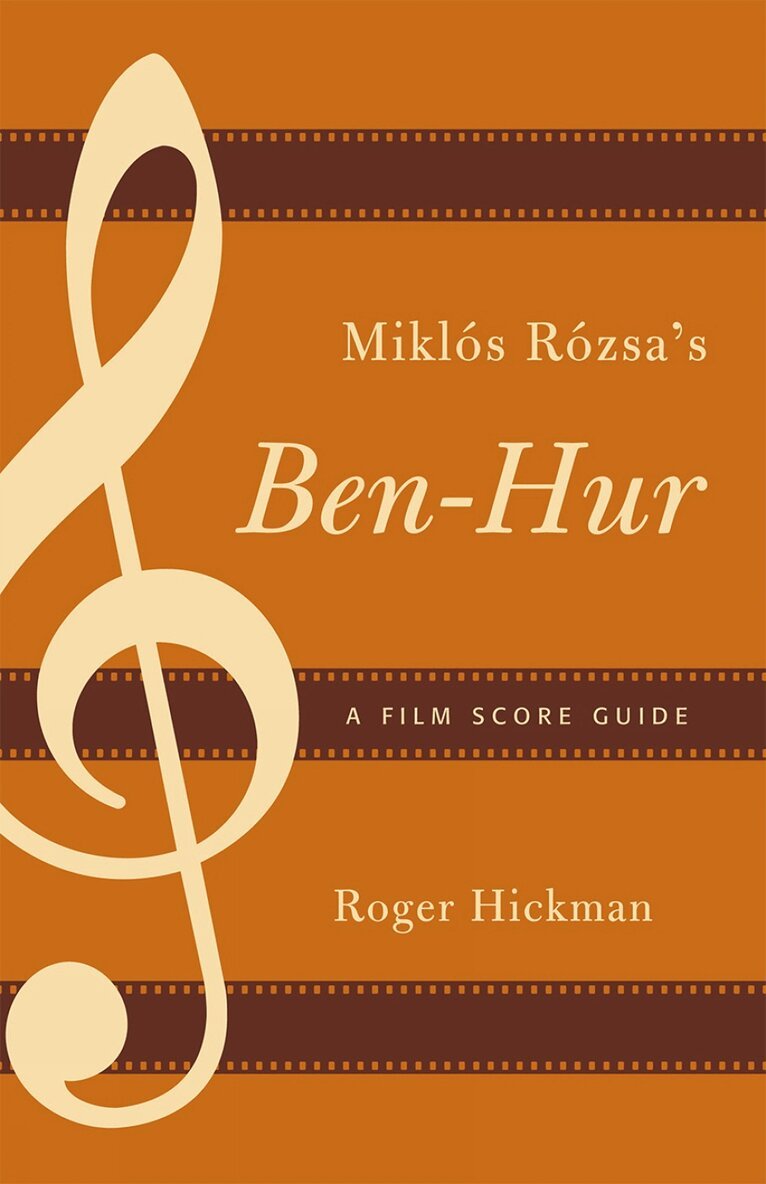
In 1925, MGM produced a screen version of Lew Wallace's best-selling novel, Ben-Hur: A Tale of the Christ, which became a classic of silent cinema. Nearly 25 years later, the biblical epic was remade by William Wyler and received an unprecedented 11 Academy Awards, including one for Miklós Rózsa's music. Indeed, the score for Ben-Hur is one of the greatest achievements in Hollywood film music. In this book, Roger Hickman focuses on the confluence of traditions, trends, and innovations that shaped Rózsa's score.Hickman provides an overview of Rózsa's music into the 1960s, looks at the composer's musical influences and the development of his distinctive style, and examines how Rózsa applied these compositional techniques to film scoring. The author then explores the Ben-Hur phenomenon and traces the development of the story and its musical traditions from the original novel into the 21st century. Hickman also examines the conventions of epic films and ties these influences together with a detailed analysis of the score. Miklós Rózsa's Ben-Hur pays tribute to not only one of the great film scores but also to one of Hollywood's most influential composers.
695 kr
Skickas inom 10-15 vardagar
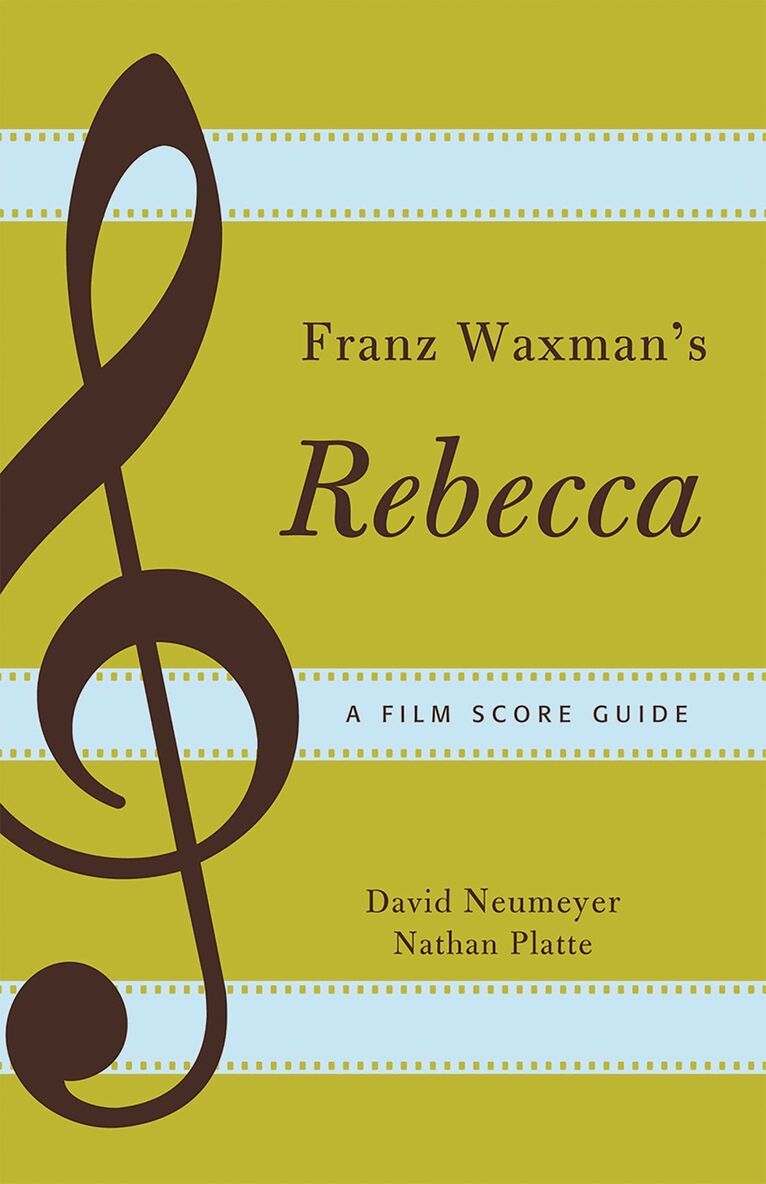
Upon his arrival in Hollywood, Alfred Hitchcock began work on his first American film, an adaptation of Daphne du Maurier’s best-selling novel. Produced by David O. Selznick and featuring compelling performances by Laurence Olivier, Joan Fontaine, and Judith Anderson, Rebecca became one of Hitchcock’s most successful films. It was nominated for eleven Academy Awards and received the Oscar for Best Picture, the only Hitchcock work to be so honored. Without question, one of the reasons for the film’s success is its ninety minutes of dramatic musical underscoring by Franz Waxman.In Franz Waxman’s Rebecca: A Film Score Guide, David Neumeyer and Nathan Platte situate the score for this classic work within the context of the composer’s life and career. Beginning with Waxman’s early training and professional experience as a jazz musician and film-music arranger-orchestrator in Berlin, the authors also recount the composer’s work in the music department at MGM between 1936 and 1942. During this period, Waxman was loaned out to Selznick International Pictures and wrote the music for Rebecca. Through manuscript and archival research, Neumeyer and Platte untangle the threads of the film’s complicated music production process, which was strongly influenced by Selznick’s habit of micromanaging music choices and placement. This volume concludes with a thematic analysis and reading of the score that incorporates commentary on scenes and cues.The first book devoted to the music of a single film by this great composer from Hollywood’s golden age, Franz Waxman’s Rebecca: A Film Score Guide will be of interest to musicologists and film scholars, as well as fans of Alfred Hitchcock and Franz Waxman.
764 kr
Skickas inom 10-15 vardagar
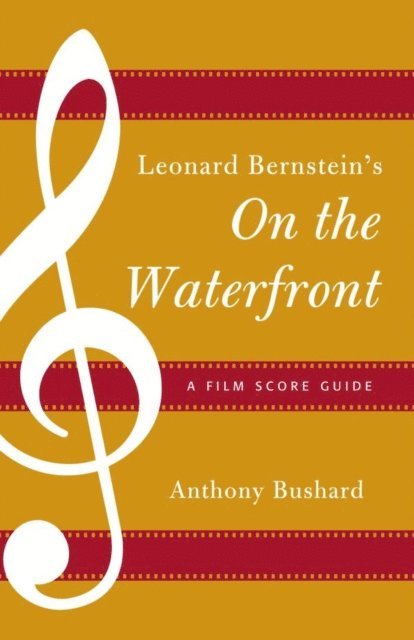
Released in 1954, On the Waterfront is considered one of the greatest films of all time, winning eight Academy Awards—including Best Picture—and placing in the top 20 on the American Film Institute’s 100 Films survey. The film’s Oscar-nominated score represented a rare venture into film music composition by Leonard Bernstein, one of the towering figures of classical music in the 20th century.In Leonard Bernstein’s On the Waterfront: A Film Score Guide, Anthony Bushard examines this landmark work, a score that continues to influence composers of film and classical music alike. The book begins with a biographical survey of Bernstein’s work, followed by an exploration of Bernstein’s compositional method, a look at the context of the film, and an analysis of the score itself.Though other volumes have focused on Bernstein’s overall career, Bushard's book is the first to look specifically at the score of this film. A welcome examination of one of Bernstein’s most accomplished works, Leonard Bernstein’s On the Waterfront: A Film Score Guide highlights the invaluable contributions of this great composer and will be appreciated by fans of classical music and film scores.
901 kr
Skickas inom 10-15 vardagar
Director Krzysztof Kieslowski's Three Colors trilogy—Blue (1993), White (1993), and Red (1994)—is one of the great achievements of European film. A meditation on liberty, equality, and fraternity, these three films marked the culmination of the director's career, as well as the zenith of one of the most important creative collaborations in 20th-century cinema-between Kieslowski, scriptwriter Krzysztof Piesiewicz, and composer Zbigniew Preisner. Thanks to their close working relationship, music for the Three Colors trilogy achieves both a focal narrative and philosophical function. At times, Preisner's music advances the narrative independently of the films' other codes; at other times, it creates a metaphorical space into which the audience is invited in order to read for "deeper" messages.As the first major scholarly treatment of Preisner's music, Nicholas Reyland's Zbigniew Preisner's Three Colors Trilogy: A Film Score Guide fills an important void in film score scholarship. In this guide, Reyland analyzes the historical context of the film scores, the life of the composer, the hermeneutic and narrative role of the music within the film, and the musical scoring techniques used for the trilogy.This volume also draws on an interplay of established "classic" approaches to analyzing film music and more recent approaches in the exploration of its themes and readings. In addition, the composer's willingness to be interviewed by Reyland enhances the musicological scholarship of this book, giving the reader privileged access into the process of scoring. A significant contribution to both film studies and musicological literature, this book celebrates one of the great cinematic achievements of the last few decades.
585 kr
Skickas inom 10-15 vardagar
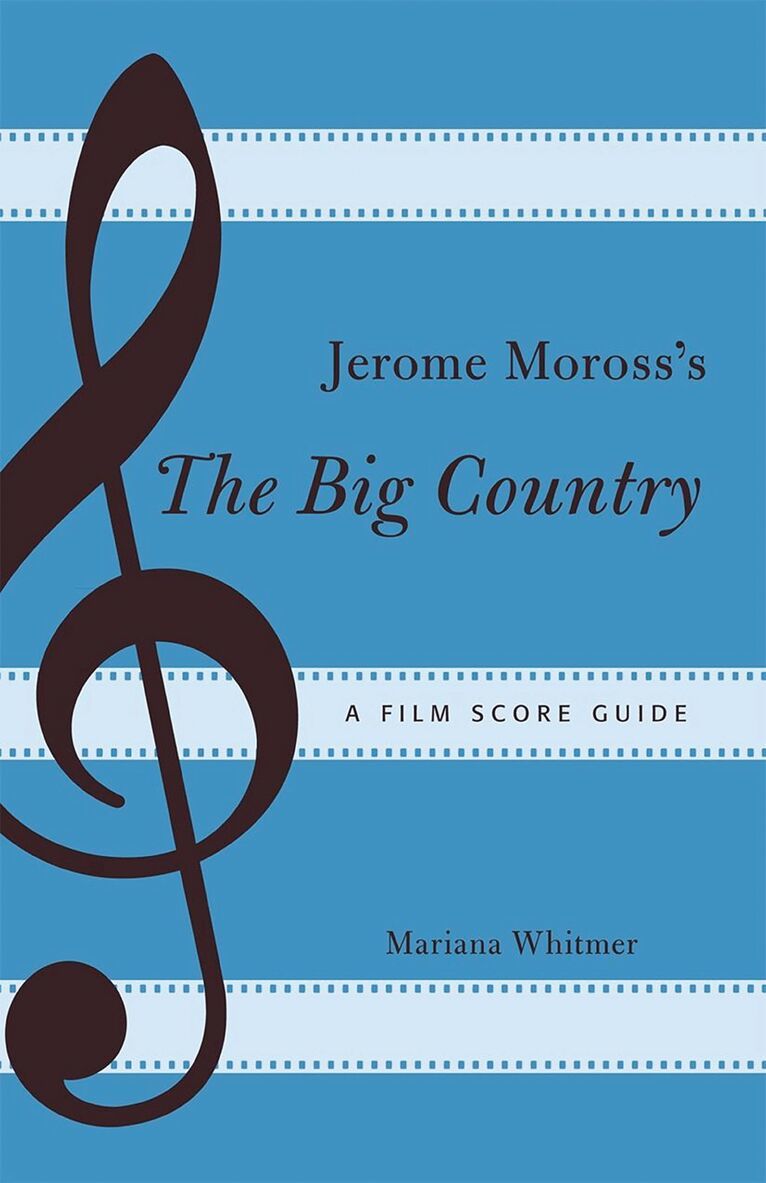
With its unique focus on pacifism, The Big Country was an unusual Western for audiences of the 1950s. Produced in 1958, this epic film featured an all-star cast that included Gregory Peck, Charlton Heston, and Oscar-winner Burl Ives. One of the most enduring elements of the film has been Jerome Moross’s score. Inspired to re-think the traditional Western score and approach it in a way that enhances the emotional content, rather than simply accompanying the action, Moross created a work that stands as one of the great achievements of cinematic music.In Jerome Moross’s The Big Country: A Film Score Guide, Mariana Whitmer examines Moross’s landmark work, a score that continues to attract listeners and influence composers of film, Westerns and otherwise. This book begins with a biographical survey of Moross’s formative years, his early dramatic compositions in ballet and musical theater, and his early film work, providing an historical context for understanding his approach to scoring The Big Country. Drawing upon Moross’s original manuscripts and correspondence, Whitmer looks carefully at the score itself. She relates the history of this magnificent score and how the film’s music differs significantly from contemporary trends in the Western. Whitmer also examines the music’s individual cues and describes how Moross approached the film as a dramatic entity, delineating sections of the narrative into mega-scenes through the music. Finally, the aftermath of this score is considered, including how it has influenced not only subsequent Westerns but also music videos.The first book devoted to a Western film score and the only biographical book on the composer, Jerome Moross’s The Big Country: A Film Score Guide, will be a valuable read for musicologists, film scholars, and anyone interested in Moross and his music.
833 kr
Skickas inom 10-15 vardagar
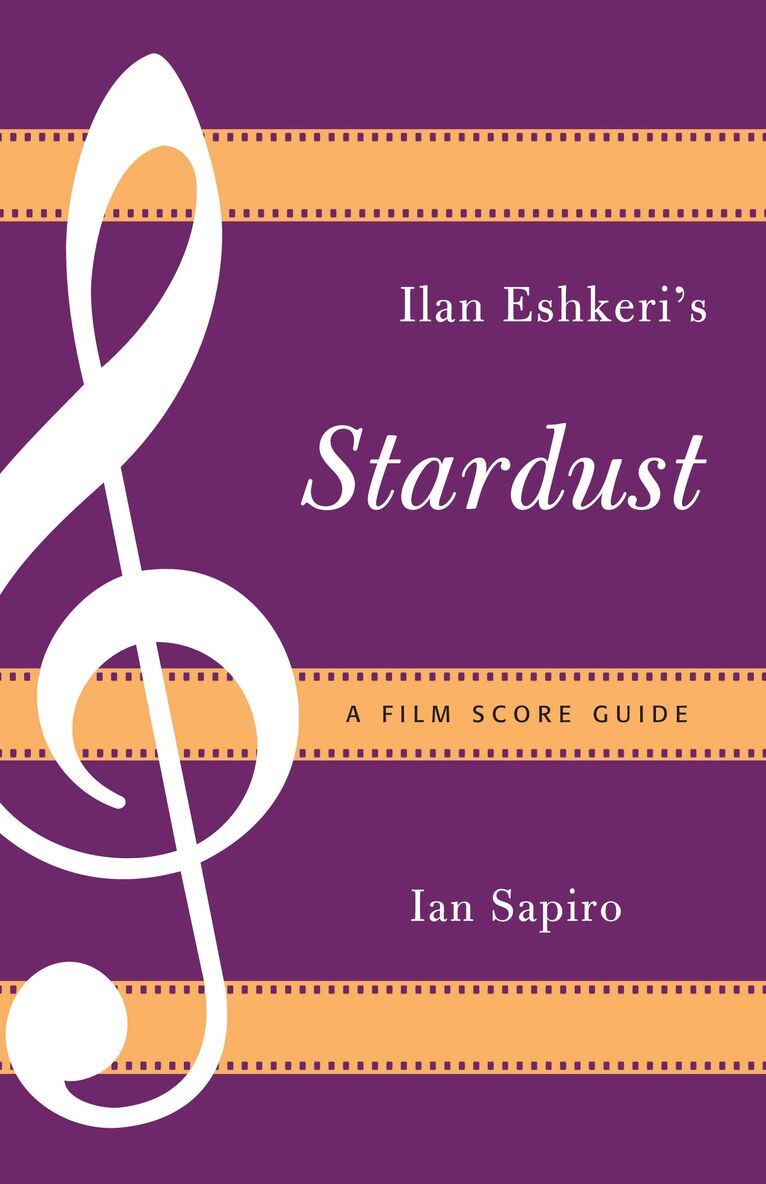
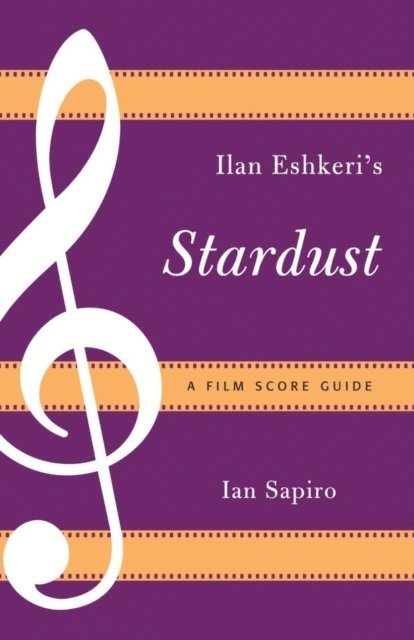
Based on Neil Gaiman’s novel of the same name, Stardust (2007) was aninstant hit with fans of fantasy and science-fiction. The film follows the adventures of a young man who crosses through a gap in a wall which separates England from a magical kingdom. The fantastical atmosphere required by the narrative is maintained by the scale and grandeur of much of the musical score, written by rising British composer Ilan Eshkeri. Trained in the craft by composers Michael Kamen, Ed Shearmur, and Hans Zimmer, Eshkeri more than lived up to the task of producing music for one of his first feature films.In Ilan Eshkeri’s Stardust: A Film Score Guide, Ian Sapiro carefully examines both Eshkeri’s music for the filmand the working habits of the composer himself. An introduction to Eshkeri establishes the context within which he developed as a film-score composer, followed by an analysis of his musical style and his scoring strategies, particularly for the film Stardust. Eshkeri’s collaborative partnerships with music producer Steve McLaughlin, contractor/conductor Andy Brown, orchestrator Robert Elhai, and copyist Vic Fraser are also discussed, in addition to Eshkeri’s relationship with Stardust director Matthew Vaughn. Eshkeri’s involvement in the musical identity of the film during the production phase is also evaluated, as are developments in the score in the context of a new conceptual model of film-score production in the UK.With complete cooperation from Eshkeri, who provided the author privileged access to primary materials, Sapiro presents a unique look into the art of film scoring. The first detailed investigation of this composer and his music, Ilan Eshkeri’s Stardust: A Film Score Guide is sure to be of interest to film and music scholars and fans.
764 kr
Skickas inom 10-15 vardagar
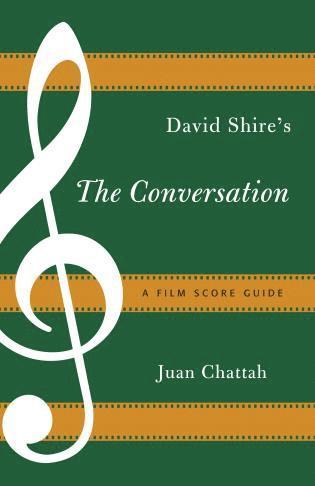
Nominated for three Academy Awards in 1974, including Best Picture and Best Sound, Francis Ford Coppola’s The Conversation is regarded as the archetypal achievement in weaving together a balanced blend of dialogue, cinematography, sound effects, and music. For the film, composer David Shire created a score that challenged preconceptions of the music’s function within film. Featuring a jazz-infused piano score with pioneering excursions into electroacoustic techniques, Shire’s music provides depth and meaning to the soundtrack by establishing a musical/narrative metaphorical correlation that traces the main character’s psychological journey.In David Shire’s The Conversation: A Film Score Guide, Juan Chattah draws on extensive interviews with the composer and includes numerous examples from his manuscripts to provide aesthetic and critical insights into the compositional process. The book fleshes out a multifaceted framework that reveals layers of meaning that permeate the score, delving into David Shire’s life and musical upbringing to trace the development of his compositional techniques. The author also investigates the film’s critical and historical contexts and ultimately presents a detailed analysis of the complete soundtrack to the film. Proposing an innovative analytical methodology that intersects semiotics and cognitive psychology, this volume offers a unique insight into the film and its music. As such, David Shire’s The Conversation: A Film ScoreGuide will be of interest to film scholars, music scholars, and fans of the composer’s work.
764 kr
Skickas inom 10-15 vardagar
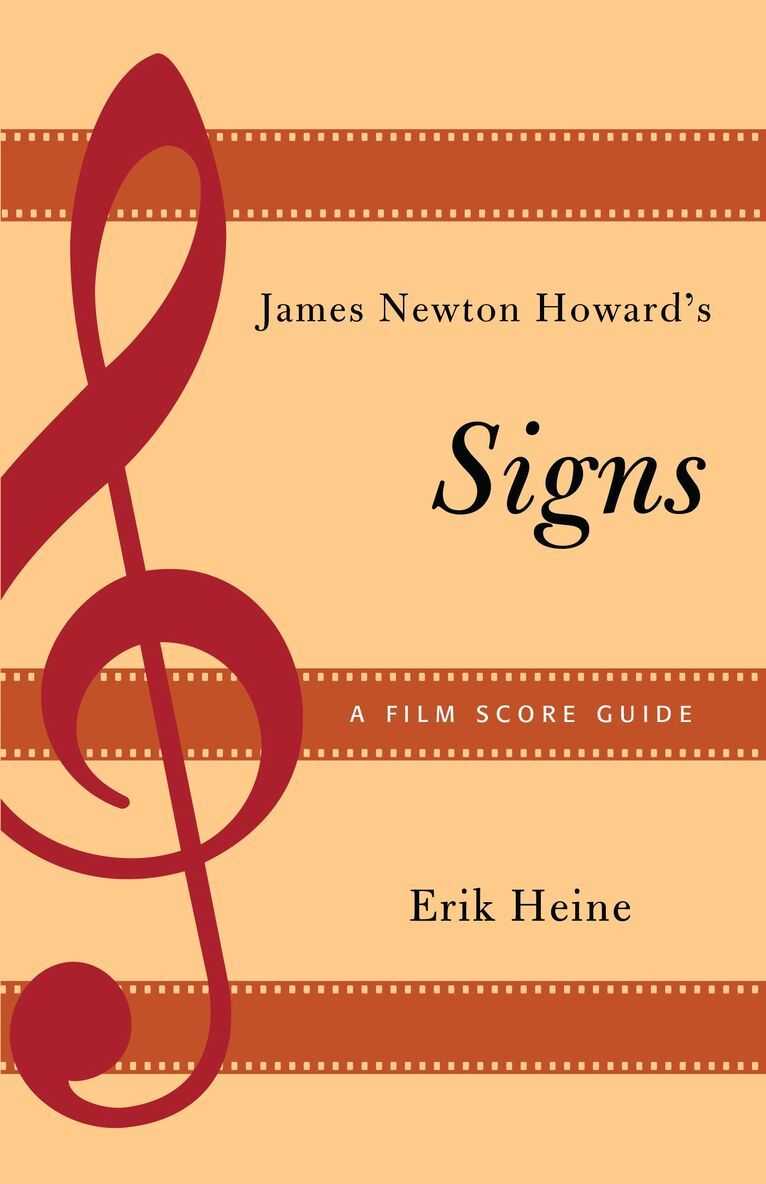
Released in 2002, M. Night Shyamalan’s Signs was the director’s follow-up to The Sixth Sense and Unbreakable, and his third collaboration with composer James Newton Howard. Well received by audiences and critics alike, the film was often cited by reviewers for its music. With its dependence on a single motive, the score is unique in Howard’s career, and one of his most effective and haunting works. In James Newton Howard’s Signs: A Film Score Guide, Erik Heine provides the first close reading of the composer’s work. Heine discusses Howard’s musical style and influences, as well as his ability to compose for a variety of genres, acknowledging him as one of the most versatile composers working today. The book shows how early sketches of cues for Signs were developed into the final score, allowing the reader insight into Howard’s compositional process. The book also demonstrates how Howard’s style is difficult to pigeonhole, since his focus is on serving the needs of the film. Drawing on completed orchestrated scores, as well as other material from the James Newton Howard Archive at the University of Southern California, the level of musical detail provided in this volume is unsurpassed. As a book that addresses Howard’s compositional style—and the only volume that significantly examines the music in any Shyamalan film—James Newton Howard’s Signs: A Film Score Guide will be of interest to music scholars, film scholars, and fans of the composer’s work.
764 kr
Skickas inom 10-15 vardagar
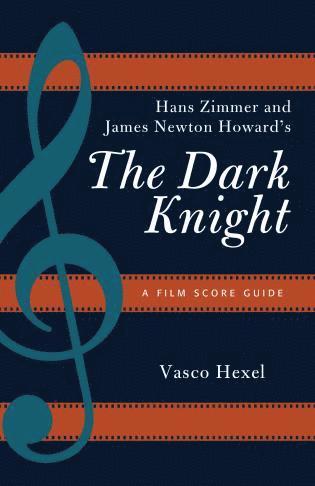
Christopher Nolan’s caped crusader trilogy—Batman Begins, The Dark Knight, and The Dark Knight Rises—is considered by many to be one of the finest translations of comic book characters to the big screen. The second film in the series, The Dark Knight, was both a critical and commercial success, featuring an Oscar-winning performance by Heath Ledger as the Joker. The score—by Academy Award winner Hans Zimmer and eight-time Oscar nominee James Newton Howard—also received accolades, including a Grammy. Intricately interwoven with the sound design—and incorporating Mel Wesson’s ground-breaking ambient music design, —Zimmer’s and Howard’s music gives the film an added layer of ominous tones that makes palpable the menace facing Gotham City.In Hans Zimmer and James Newton Howard’s The Dark Knight: A Film Score Guide, Vasco Hexel delves into the composers’ backgrounds to reveal the many facets of meaning in the highs and lows of the score. This book also highlights the working methods of Zimmer and Howard and how they collaborated with each other and the filmmaking team to create such a memorable soundtrack.By drawing on unprecedented access to some of the key creators of the film, the author provides unique insights into the score’s composition. Hans Zimmer and James Newton Howard’s The Dark Knight: A Film Score Guide will be of interest to cinema and music scholars, as well as fans of both composers.
557 kr
Skickas inom 10-15 vardagar
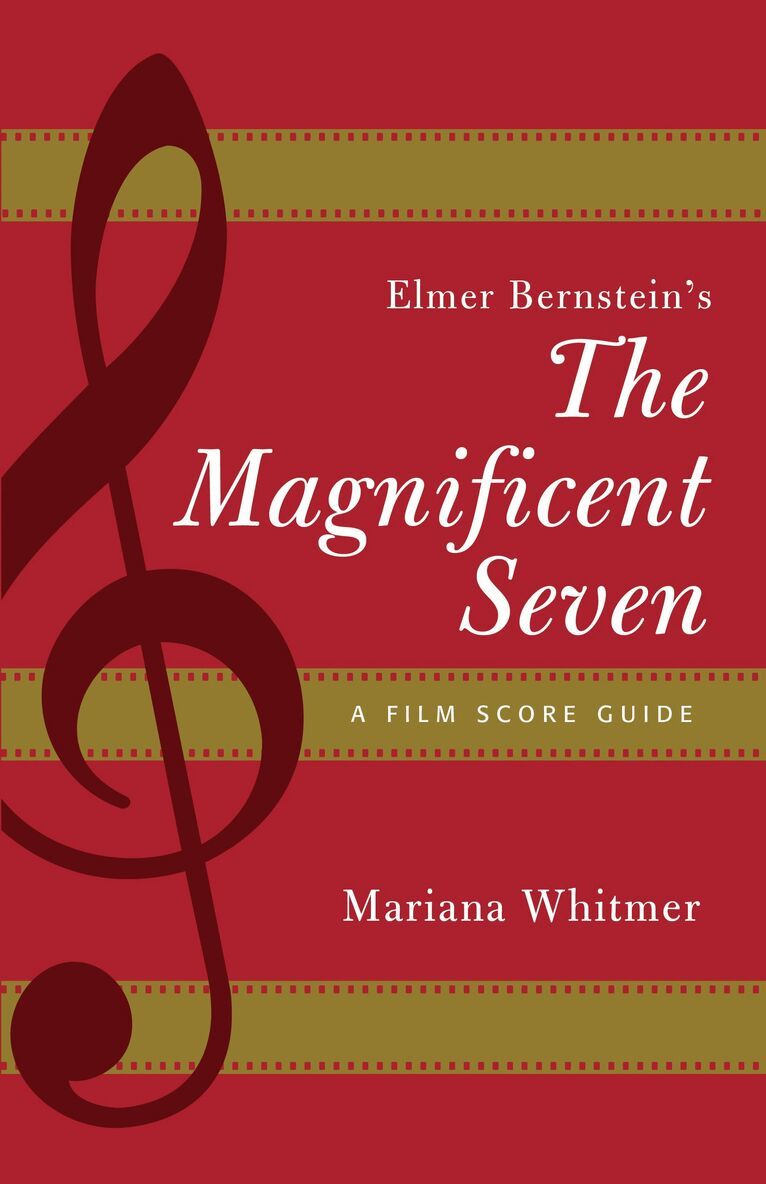
Released in late 1960, The Magnificent Seven was a Western reimagining of the 1954 Japanese film Seven Samurai. Despite such stars as Steve McQueen, Yul Brynner, and Charles Bronson, the film was not terribly successful when it premiered. However, in the years since, the film has become recognized as a classic of the genre. And though the movie received only one Academy Award nomination, that honor was bestowed on Elmer Bernstein’s rousing score. Beyond the scope of the film, the score has permeated American culture: the music has been used in countless commercials and referenced on television shows like Cheers and The Simpsons. But what makes this score so memorable?In Elmer Bernstein’s The Magnificent Seven: A Film Score Guide, Mariana Whitmer examines the creation and development of one of the most iconic soundtracks in the history of cinema. Whitmer explores the significance of the familiar score through a variety of lenses, first delving into the background of Elmer Bernstein and his emergence as one of the key composers of the Silver Age of film music. The author then traces Bernstein’s early musical endeavors and considers why he was attracted to “Americana” music, which particularly influenced his scoring of The Magnificent Seven. The book also summarizes Bernstein’s early Western scores, noting that although they are clearly in the mainstream of the genre’s musical style, they are also enhanced by Bernstein’s own distinctive touches.Providing unique insights into the creation of this iconic score—which was deemed one of the ten greatest film scores of all time by the American Film Institute—this book explains what makes this music so enduring. Elmer Bernstein’s The Magnificent Seven: A Film Score Guide will be of interest to cinema and music scholars in general, as well as to fans of film music and the work of one of Hollywood’s finest composers.