History of African-American Religions – serie
Visar alla böcker i serien History of African-American Religions. Handla med fri frakt och snabb leverans.
5 produkter
5 produkter
257 kr
Skickas inom 7-10 vardagar
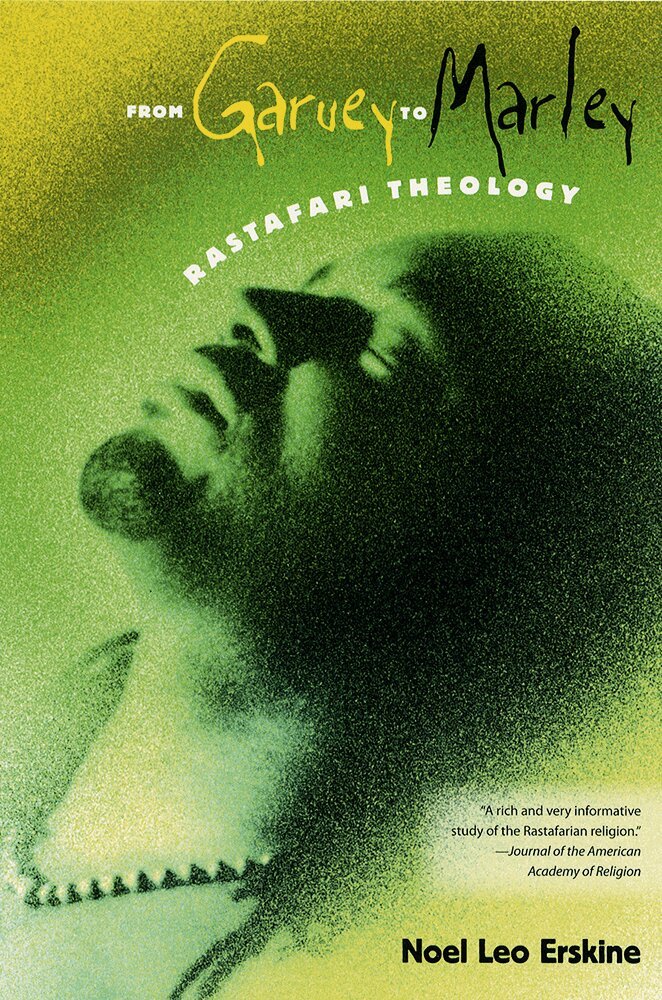
This history of the theology and rituals of Rastafarianism features the reggae rhythms of Bob Marley and the teachings and philosophy of Marcus Garvey, the black nationalist who motivated many of his fellow Jamaicans to embrace their African ancestral roots. Marley is the best known and most articulate exponent of the themes of race consciousness that provide the core of Rasta hermeneutics. Noel Leo Erskine - a trained theologian who was raised in the Jamaican village in which the Rastafarian faith originated - isolates and defines the main tenets of Rastafarianism, which emerged toward the end of the 20th century as a way of life and as a new international religion. He includes biographical descriptions of the key players in the development of Rastafari theology, provides details of its organization and ethos, and discusses the role of women in the religion. He also discusses the significance of Ethiopia to the faith, examines the religion's relationship to Christianity, and shows how members of the faith connect their struggle for dignity and solidarity in Jamaican society with the struggle of the oppressed Israelites.
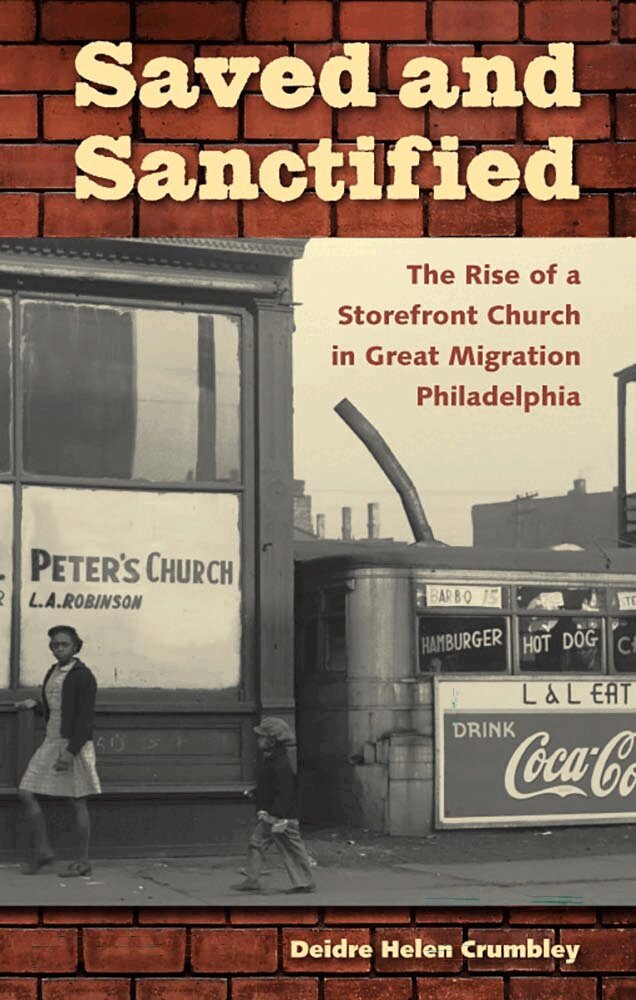
Saved and Sanctified
The Rise of a Storefront Church in Great Migration Philadelphia
Häftad, Engelska, 2013
234 kr
Skickas inom 10-15 vardagar
During the early twentieth century, millions of southern blacks moved north to escape the violent racism of the Jim Crow South and to find employment in urban centres. They transplanted not only themselves but also their culture; in the midst of this tumultuous demographic transition emerged a new social institution, the storefront sanctified church.Saved and Sanctified focuses on one such Philadelphia church that was started above a horse stable, was founded by a woman born sixteen years after the Emancipation Proclamation, and is still active today. ""The Church,"" as it is known to its members, offers a unique perspective on an under-studied aspect of African American religious institutions. Through painstaking historical and ethnographic research, Deidre Helen Crumbley illuminates the crucial role these oftentimes controversial churches played in the spiritual life of the African American community during and after the Great Migration. She provides a new perspective on women and their leadership roles, examines the loose or nonexistent relationship these Pentecostal churches have with existing denominations, and dispels common prejudices about those who attend storefront churches. Skillfully interweaving personal vignettes from her own experience as a member, along with life stories of founding members, Crumbley provides new insights into the importance of grassroots religion and community-based houses of worship.
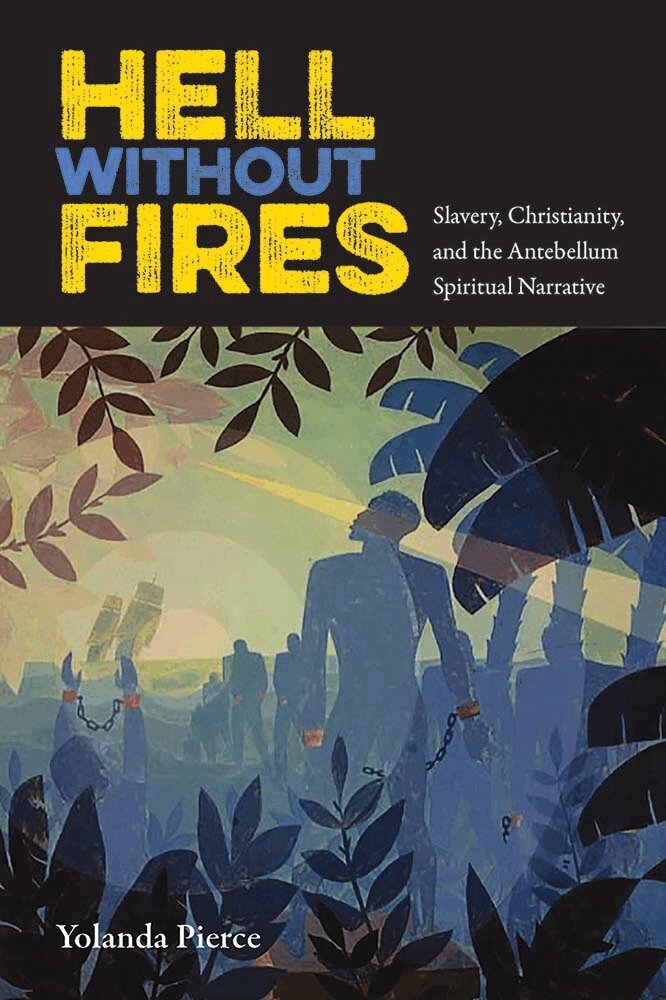
Hell Without Fires
Slavery, Christianity, and the Antebellum Spiritual Narrative
Häftad, Engelska, 2021
300 kr
Skickas inom 10-15 vardagar
Hell Without Fires examines the spiritual and earthly results of conversion to Christianity for African-American antebellum writers. Using autobiographical narratives, the book shows how black writers transformed the earthly hell of slavery into a "New Jerusalem," a place they could call home.Yolanda Pierce insists that for African Americans, accounts of spiritual conversion revealed "personal transformations with far-reaching community effects. A personal experience of an individual's relationship with God is transformed into the possibility of liberating an entire community." The process of conversion could result in miraculous literacy, "callings" to preach, a renewed resistance to the slave condition, defiance of racist and sexist conventions, and communal uplift.These stories by five of the earliest antebellum spiritual writers--George White, John Jea, David Smith, Solomon Bayley, and Zilpha Elaw--create a new religious language that merges Christian scripture with distinct retellings of biblical stories, with enslaved people of African descent at their center. Showing the ways their language exploits the levels of meaning of words like master, slavery, sin, and flesh, Pierce argues that the narratives address the needs of those who attempted to transform a foreign god and religion into a personal and collective system of beliefs. The earthly "hell without fires"--one of the writer's characterizations of everyday life for those living in slavery--could become a place where an individual could be both black and Christian, and religion could offer bodily and psychological healing. Pierce presents a complex and subtle assessment of the language of conversion in the context of slavery. Her work will be important to those interested in the topics of slave religion and spiritual autobiography and to scholars of African American and early American literature and religion.
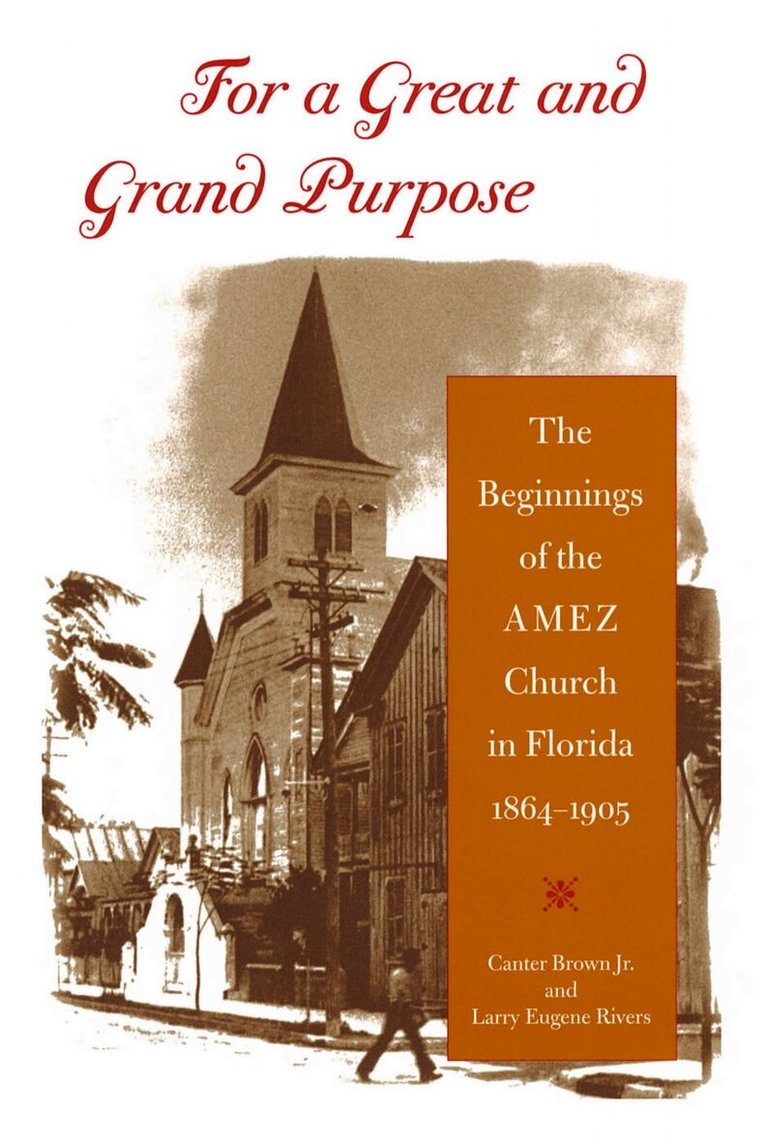
For a Great and Grand Purpose
The Beginnings of the AMEZ Church in Florida, 1864-1905
Häftad, Engelska, 2025
288 kr
Skickas inom 10-15 vardagar
The story of a church that became influential within the Black community in Florida after the Civil WarThis history of the African Methodist Episcopal Zion (AMEZ) Church in Florida tells how dedicated members of one of the oldest and most prominent black religious institutions created a forceful presence within the African-American community—against innumerable odds and constant challenges.The African Methodist Episcopal Zion denomination established an official presence in the state one year before its better-known cousin and rival, the African Methodist Episcopal Church. When Connecticut native Wilbur Garrison Strong arrived in Key West in 1864, he stood out as the first black ordained minister in all of peninsular Florida. He brought with him the northern Methodist tradition of joyful praise and preaching, an ethos of a plain and simple gospel that emphasized "righteous living" and an unbending commitment to emancipation and hope. With Key West under the control of Union forces during much of the Civil War, slaves and free Black people were able to express their desire for independence from white churches more easily there than throughout the rest of the state, and they gravitated to the church that Strong established.During its formative years, the AMEZ became one of the first mainline churches to ordain women to full clerical status. Its ministers commanded great strength in certain cities, and its membership included more of the urban and middle-class population than was typical for southern religious organizations, which were predominantly rural. At its zenith, the AMEZ was one of the largest African-American churches in the state. But it faced difficulties—gender issues, idiosyncratic leadership, rivalries between local ministers and Episcopal authorities, and political dissension at a point when the church was attempting to address larger social issues. In addition, the scourge of hurricanes and yellow fever and citrus crop freezes affected church fortunes. By 1905, when the governor urged the expulsion of all African-Americans from Florida and when state laws mandated racial segregation on public transportation, the era of lynching, discrimination, and disfranchisement already had begun and the period of AMEZ decline had commenced.In this remarkable yet virtually unknown story, the coauthors capture the mood of the post-Civil-War period in Florida, when Black people faced the obstacles and the opportunities that accompanied their new freedom. This work adds significantly to the growing body of literature on African-Americans in Florida and offers keen insights into the nature of institution building within the black community and the greater society.
271 kr
Kommande
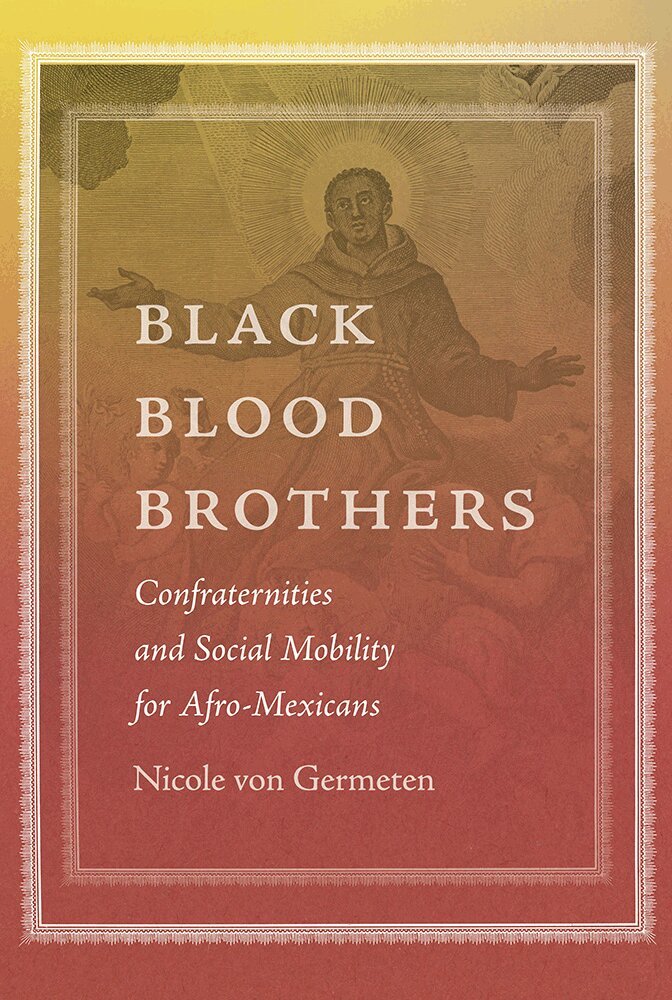
Tracing the histories of Afro-Mexican religious brotherhoods organized in seventeenth-century New SpainCelebrating the African contribution to Mexican culture, this book shows how religious brotherhoods in New Spain both preserved a distinctive African identity and helped facilitate Afro-Mexican integration into colonial society. Called confraternities, these groups provided social connections, charity, and status for Africans and their descendants for over two centuries.Often organized by African women and dedicated to popular European and African saints, the confraternities enjoyed prestige in the Baroque religious milieu of seventeenth-century New Spain. One group, founded by Africans called Zapes, preserved their ethnic identity for decades even after they were enslaved and brought to the Americas. Despite ongoing legal divisions and racial hierarchies, by the end of the colonial era many descendants from African slaves had achieved a degree of status that enabled them to move up the social ladder in Hispanic society.Von Germeten reveals details of the organization and practices of more than 60 Afro-Mexican brotherhoods and examines changes in the social, family, and religious lives of their members. She presents the stories of individual Africans and their descendants—including many African women and the famous Baroque artist Juan Correa—almost entirely from evidence they themselves generated. Moving the historical focus away from negative stereotypes that have persisted for almost 500 years, this study is the first in English to deal with Afro-Mexican religious organizations.