Insights: Critical Thinking on International Affairs - Böcker
Visar alla böcker i serien Insights: Critical Thinking on International Affairs. Handla med fri frakt och snabb leverans.
8 produkter
8 produkter
488 kr
Skickas inom 10-15 vardagar
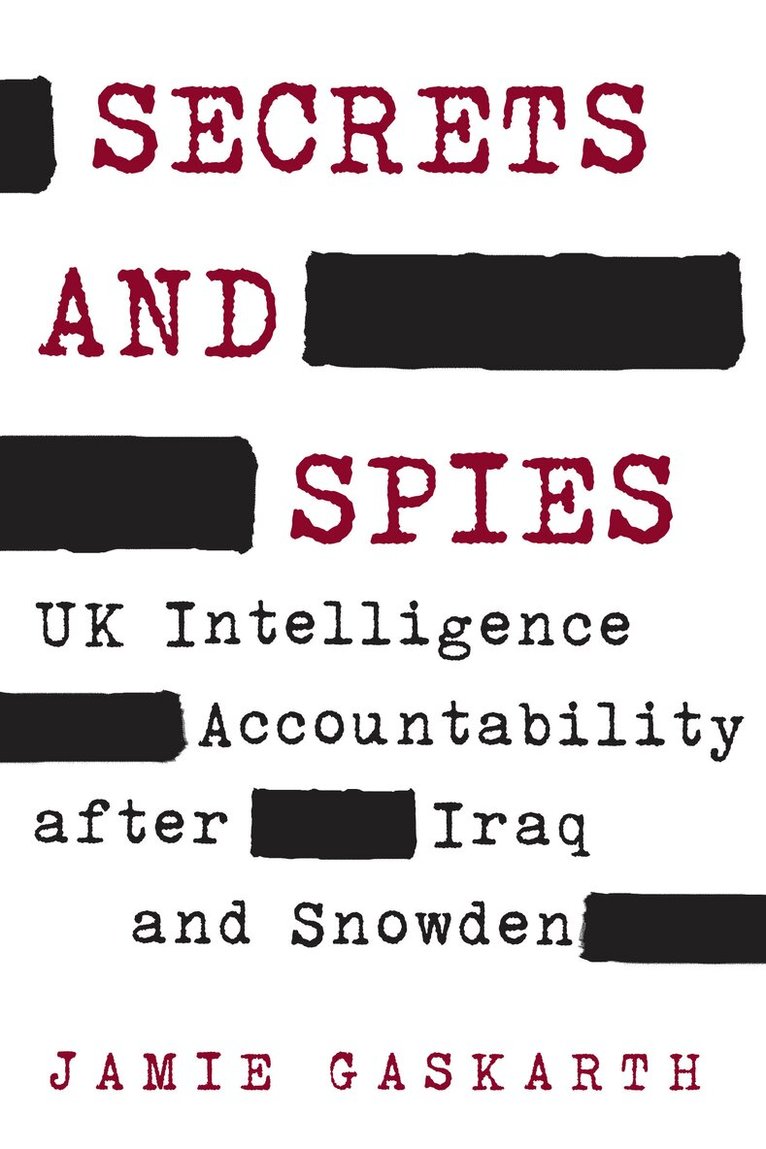
Exploring how intelligence professionals view accountability in the context of twenty-first century politicsHow can democratic governments hold intelligence and security agencies accountable when what they do is largely secret? Using the UK as a case study, this book addresses this question by providing the first systematic exploration of how accountability is understood inside the secret world. It is based on new interviews with current and former UK intelligence practitioners, as well as extensive research into the performance and scrutiny of the UK intelligence machinery. The result is the first detailed analysis of how intelligence professionals view their role, what they feel keeps them honest, and how far external overseers impact on their workMoving beyond the conventional focus on oversight, the book examines how accountability works in the day to day lives of these organizations, and considers the impact of technological and social changes, such as artificial intelligence and social media.The UK is a useful case study as it is an important actor in global intelligence, gathering material that helps inform global decisions on such issues as nuclear proliferation, terrorism, transnational crime, and breaches of international humanitarian law. On the flip side, the UK was a major contributor to the intelligence failures leading to the Iraq war in 2003, and its agencies were complicit in the widely discredited U.S. practices of torture and rendition of terrorism suspects. UK agencies have come under greater scrutiny since those actions, but it is clear that problems remain. The book concludes with a series of suggestions for improvement, including the creation of intelligence ethics committees, allowing the public more input into intelligence decisions.The issues explored in this book have important implications for researchers, intelligence professionals, overseers, and the public when it comes to understanding and scrutinizing intelligence practice.
499 kr
Skickas inom 10-15 vardagar
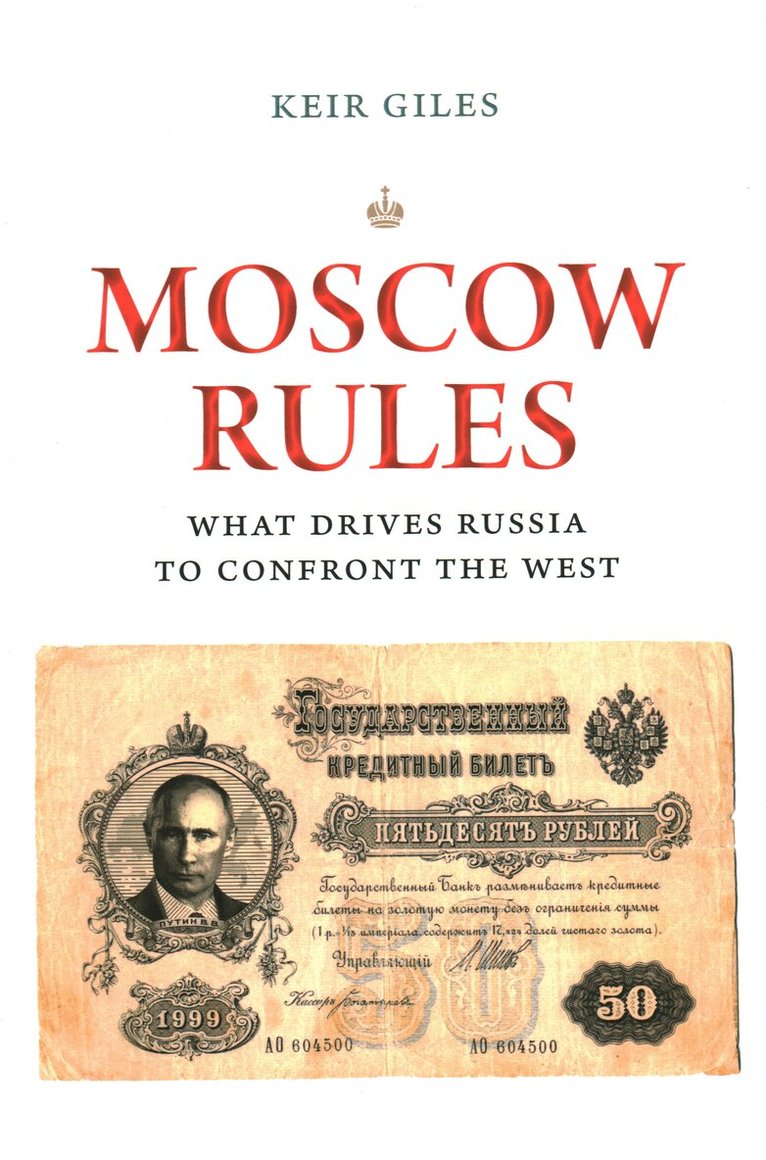
From Moscow, the world looks different. It is through understanding how Russia sees the world—and its place in it—that the West can best meet the Russian challenge.Russia and the West are like neighbors who never seem able to understand each other. A major reason, this book argues, is that Western leaders tend to think that Russia should act as a “rational” Western nation—even though Russian leaders for centuries have thought and acted based on their country's much different history and traditions. Russia, through Western eyes, is unpredictable and irrational, when in fact its leaders from the czars to Putin almost always act in their own very predictable and rational ways. For Western leaders to try to engage with Russia without attempting to understand how Russians look at the world is a recipe for repeated disappointment and frequent crises.Keir Giles, a senior expert on Russia at Britain's prestigious Chatham House, describes how Russian leaders have used consistent doctrinal and strategic approaches to the rest of the world. These approaches may seem deeply alien in the West, but understanding them is essential for successful engagement with Moscow. Giles argues that understanding how Moscow's leaders think—not just Vladimir Putin but his predecessors and eventual successors—will help their counterparts in the West develop a less crisis-prone and more productive relationship with Russia.
447 kr
Skickas inom 10-15 vardagar
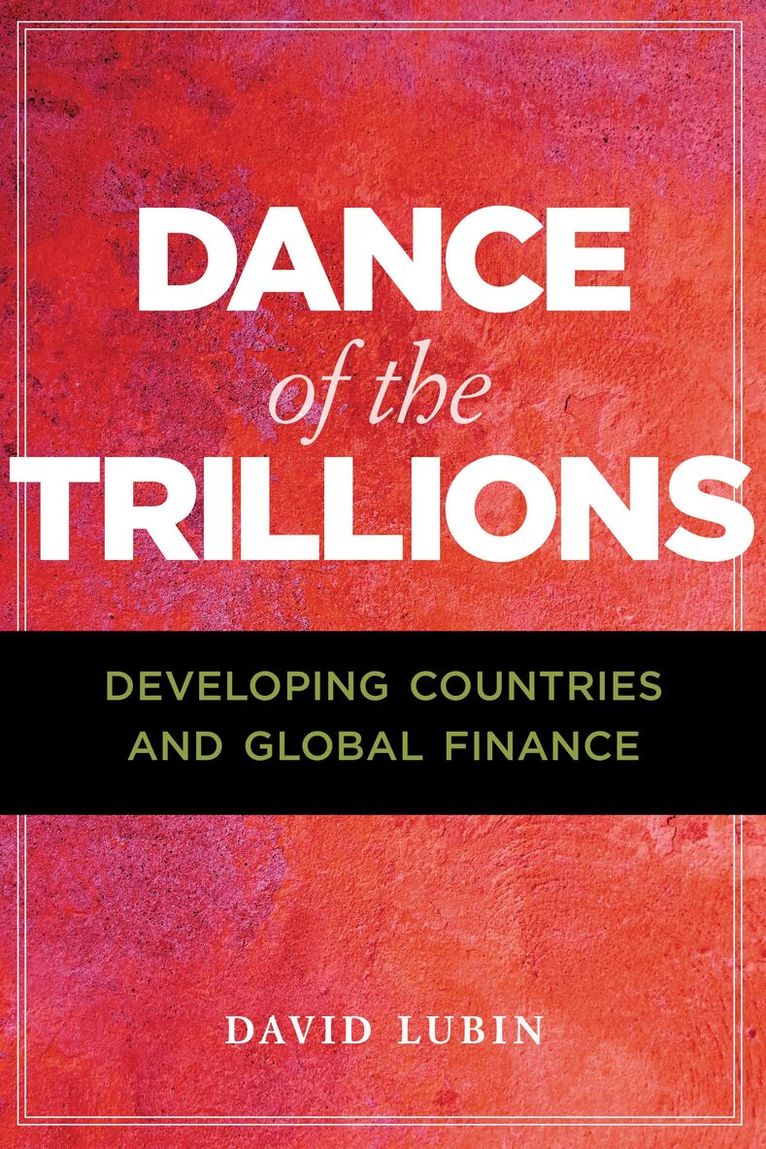
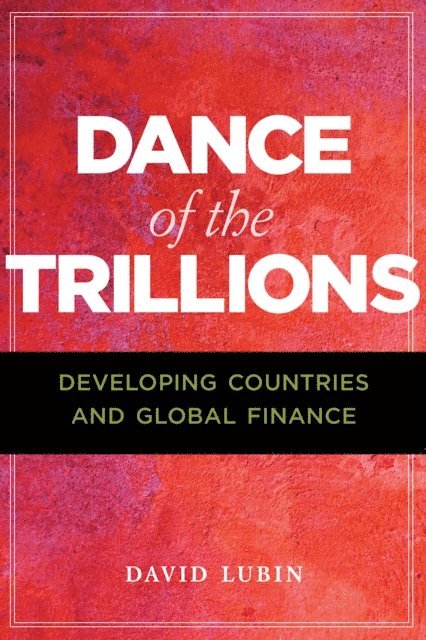
In Dance of the Trillions, David Lubin tells the story of what makes money flow from high-income countries to lower-income ones; what makes it flow out again; and how developing countries have sought protection against the volatility of international capital flows. The book traces an arc from the 1970s, when developing countries first gained access to international financial markets, to the present day.Underlying this story is a discussion of how the relationship between developing countries and global finance appears to be moving from one governed by the “Washington Consensus” to one more likely to be shaped by Beijing.
488 kr
Skickas inom 10-15 vardagar
Political risk now affects more markets and countries than ever before and that risk will continue to rise. But traditional methods of managing political risk are no longer legitimate or effective.In Tectonic Politics, Nigel Gould-Davies explores the complex, shifting landscape of political risk and how to navigate it. He analyses trends in each form of political risk: the power to destroy, seize, regulate, and tax. He shows how each of these forms reflects a deeper transformation of the global political economy that is reordering the relationship between power, wealth, and values. In a world where everything is political, the craft of engagement is as important as the science of production and the art of the deal. The successful company must integrate that craftthe engager's way of seeing and doinginto strategy and culture.Drawing on a career in academia, business, and diplomacy, Gould-Davies provides corporate leaders, scholars, and engaged citizens with a groundbreaking study of the fastest-rising political risk today. As tectonic plates shape the earth, he writes, so tectonic politics forges its governance.
449 kr
Skickas inom 10-15 vardagar
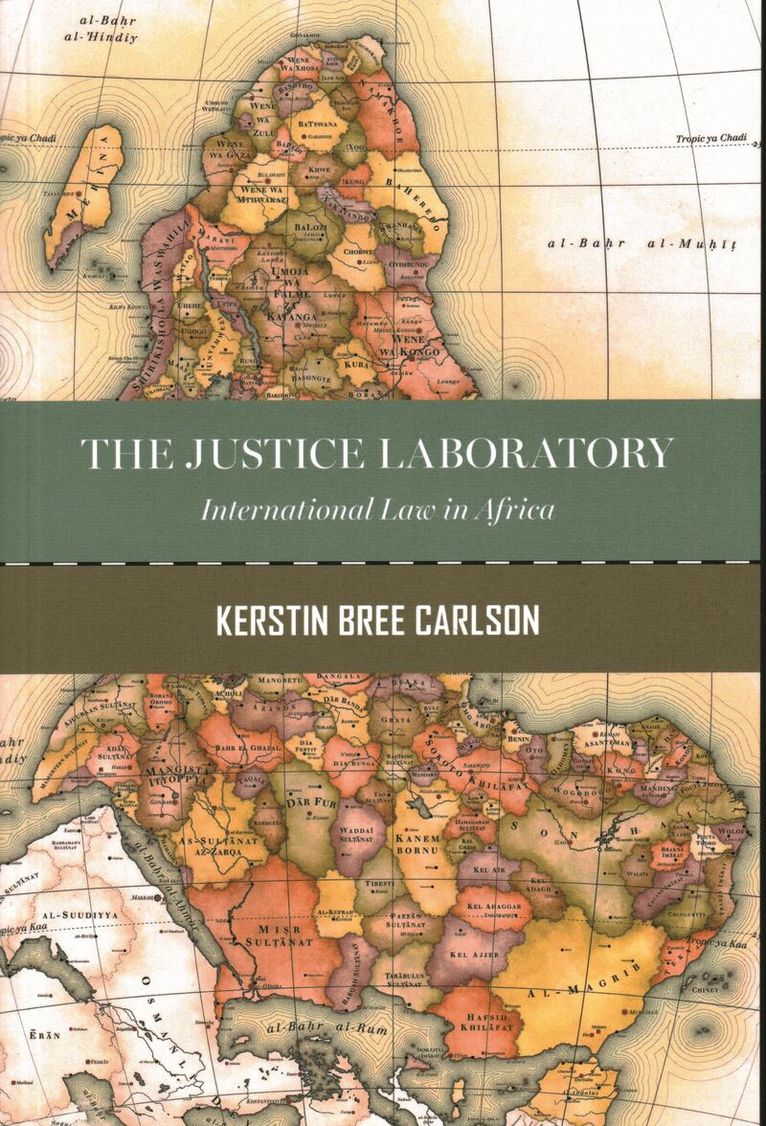
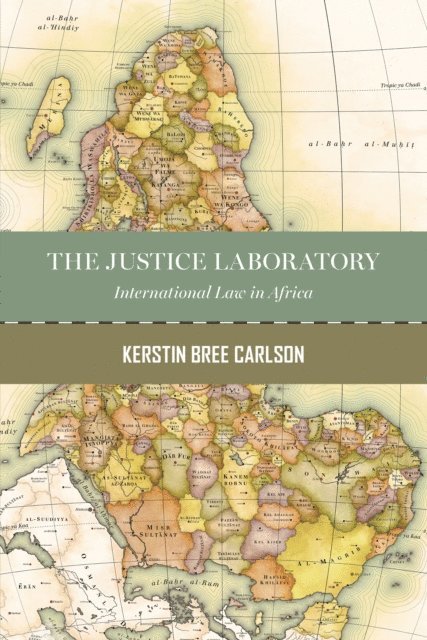
Examining how international criminal law hasand hasn'tbrought justice following war crimes in AfricaEver since World War II, the United Nations and other international actors have created laws, treaties, and institutions to punish perpetrators of genocide, war crimes, and crimes against humanity. These efforts have established universally recognized norms and have resulted in several high-profile convictions in egregious cases. But international criminal justice now seems to be a declining forceits energy sapped by long delays in prosecutions, lagging public attention, and a globally rising authoritarianism that disregards legal niceties.This book reviews five examples of international criminal justice as they have been applied across Africa, where brutal civil conflicts in recent decades resulted in varying degrees of global attention and action. The first three chapters examine key international mechanisms: the International Criminal Court, the International Criminal Tribunal for Rwanda, and the hybrid tribunal established in Senegal to try state crimes committed in Chad. These chapters illustrate how the design and practice of the institutions led to similarly unexpected and unsatisfying outcomes.The final two chapters examine emerging and proposed international criminal justice mechanisms. One is a tribunal intended to facilitate peace in the new but war-torn country of South Sudan, not yet operational and unlikely to perform better than its predecessors. Finally, the book considers the developing human rights practice of the little-studied East African Court, a regional commercial court in Arusha, Tanzania, to show how local judicial creativity can win a role for courts in facilitating good governance.Written in an accessible style, this book explores the connections between politics and the doctrine of international criminal law. Highlighting little-known institutional examples and under-discussed political situations, the book contributes to a broader international understanding of African politics and international criminal justice, as well as the lessons the African experiences offer for other regions.
581 kr
Skickas inom 10-15 vardagar
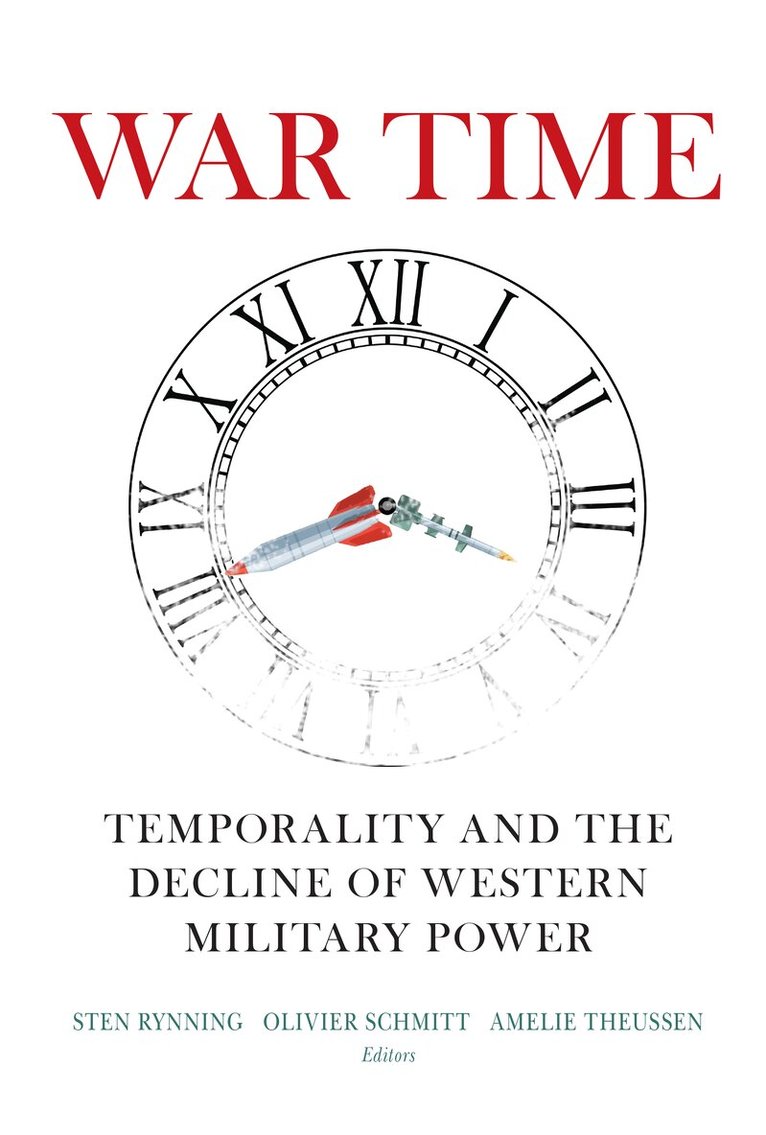
Perceptions of time contributed to recent Western military failingsThe decline of the West is once again a frequent topic of speculation. Often cited as one element of the alleged decline is the succession of prolonged and unsuccessful warsmost notably those waged in recent decades by the United States. This book by three Danish military experts examines not only the validity of the speculation but also asks why the West, particularly its military effectiveness, might be perceived as in decline.Temporality is the central concept linking a series of structural fractures that leave the West seemingly muscle-bound: overwhelmingly powerful in technology and military might but strategically fragile. This temporality, the authors say, is composed of three interrelated dimensions: trajectories, perceptions, and pace.First, Western societies to tend view time as a linear trajectory, focusing mostly on recent and current events and leading to the framing of history as a story of rise and decline. The authors examine whether the inevitable fall already has happened, is underway, or is still in the future.Perceptions of time also vary across cultures and periods, shaping socio-political activities, including warfare. The enemy, for example, can be perceived as belong to another time (being backward or barbarian). And war can be seen either as cyclical or exceptional, helping frame the public's willingness to accept its violent and tragic consequences.The pace of war is another factor shaping policies and actions. Western societies emphasize speed: the shorter the war the better, even if the long-term result is unsuccessful. Ironically, one of the Western world's least successful wars also has been America's longest, in Afghanistan.This unique book is thus a critical assessment of the evolution and future of Western military power. It contributes much-needed insight into the potential for the West's political and institutional renewal.
568 kr
Skickas inom 10-15 vardagar
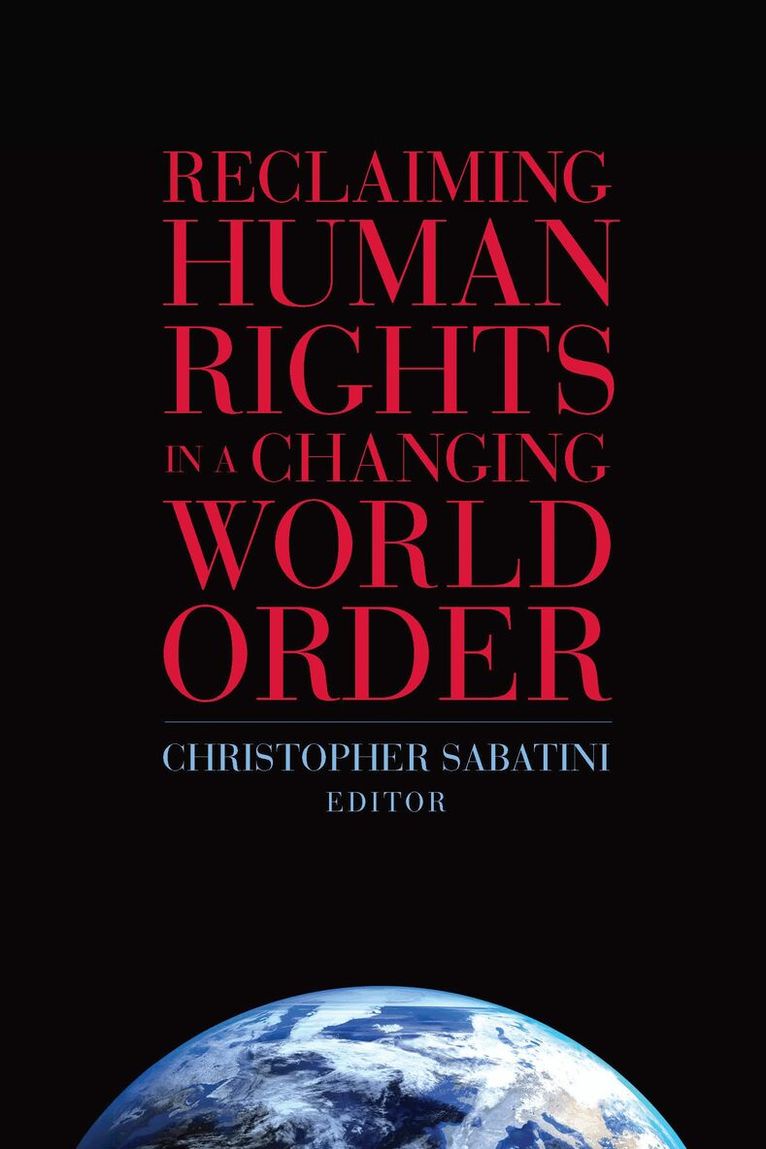
Human rights — and the international institutions that strive to protect them — are under increasing attack from powerful actors on the global stage, from recent political trends even within established democracies and from new technologies. Together, these threats have undermined what had been a fragile international consensus as recently as two decades ago about the importance of concerted international action to protect human rights and punish those who abuse them.China, Russia, and other nondemocratic regimes have become increasingly bold in acting as if agreed-upon international human rights standards no longer exist, or at least do not apply to them. More broadly, domestic political movements based on nationalism, religion, and populism are challenging human rights norms on nearly every continent. And new technologies — including autonomous weapons systems and relentless digital surveillance — have given national leaders new ways to control or even abuse their citizens with impunity.This book examines these new challenges to international and regional human rights in Africa, Europe, Latin America, and the Middle East. It is the result of a year of workshops with human rights activists and young leaders from around the world, with chapters written by a diverse group of leading scholars. Beyond describing the challenges to human rights, the book offers targeted, practical recommendations for national and multilateral policymakers, activists, and scholars for concrete actions to protect human rights as well as improve public understanding of why doing so is essential.Reclaiming Human Rights in a Changing World Order will interest scholars of international relations and human rights law, domestic and international activists involved in human rights — indeed, anyone wanting to understand the implications for the liberal international order of the new geopolitical competition, modern technology, and political and social movements.
1 276 kr
Skickas inom 10-15 vardagar
Human rights — and the international institutions that strive to protect them — are under increasing attack from powerful actors on the global stage, from recent political trends even within established democracies and from new technologies. Together, these threats have undermined what had been a fragile international consensus as recently as two decades ago about the importance of concerted international action to protect human rights and punish those who abuse them.China, Russia, and other nondemocratic regimes have become increasingly bold in acting as if agreed-upon international human rights standards no longer exist, or at least do not apply to them. More broadly, domestic political movements based on nationalism, religion, and populism are challenging human rights norms on nearly every continent. And new technologies — including autonomous weapons systems and relentless digital surveillance — have given national leaders new ways to control or even abuse their citizens with impunity.This book examines these new challenges to international and regional human rights in Africa, Europe, Latin America, and the Middle East. It is the result of a year of workshops with human rights activists and young leaders from around the world, with chapters written by a diverse group of leading scholars. Beyond describing the challenges to human rights, the book offers targeted, practical recommendations for national and multilateral policymakers, activists, and scholars for concrete actions to protect human rights as well as improve public understanding of why doing so is essential.Reclaiming Human Rights in a Changing World Order will interest scholars of international relations and human rights law, domestic and international activists involved in human rights — indeed, anyone wanting to understand the implications for the liberal international order of the new geopolitical competition, modern technology, and political and social movements.