Jamie Gaskarth - Böcker
Visar alla böcker från författaren Jamie Gaskarth. Handla med fri frakt och snabb leverans.
7 produkter
7 produkter
488 kr
Skickas inom 10-15 vardagar
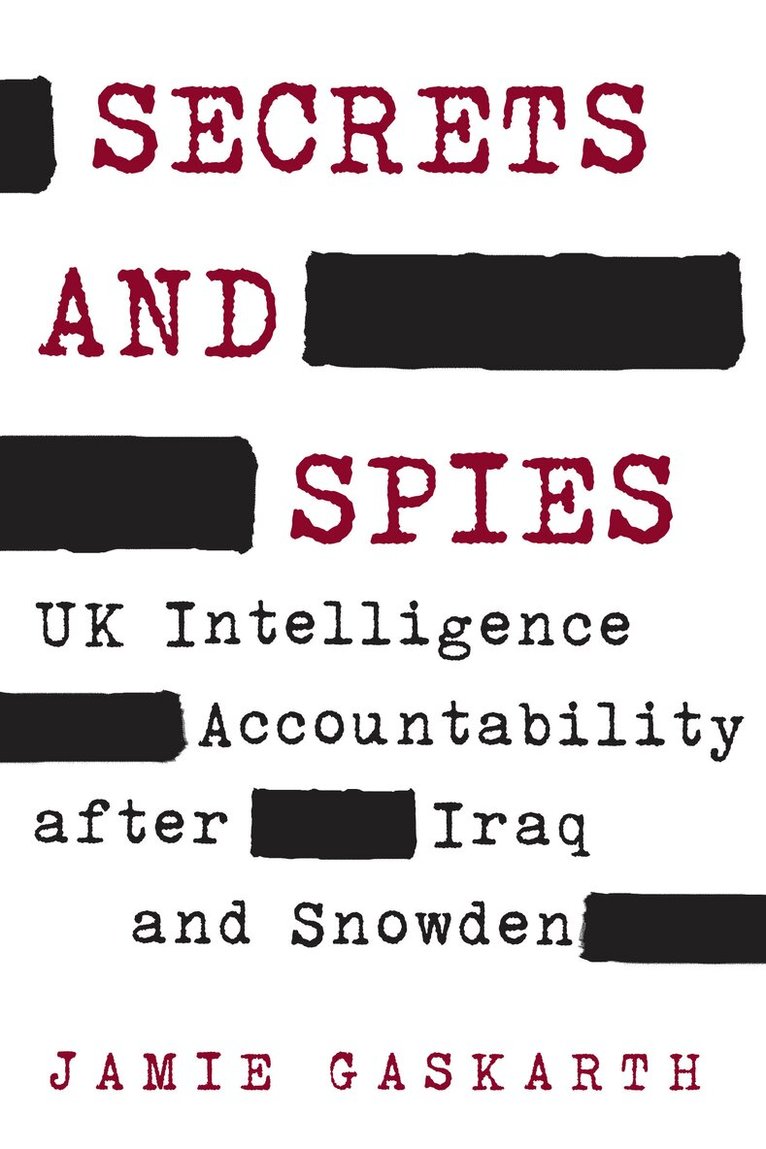
Exploring how intelligence professionals view accountability in the context of twenty-first century politicsHow can democratic governments hold intelligence and security agencies accountable when what they do is largely secret? Using the UK as a case study, this book addresses this question by providing the first systematic exploration of how accountability is understood inside the secret world. It is based on new interviews with current and former UK intelligence practitioners, as well as extensive research into the performance and scrutiny of the UK intelligence machinery. The result is the first detailed analysis of how intelligence professionals view their role, what they feel keeps them honest, and how far external overseers impact on their workMoving beyond the conventional focus on oversight, the book examines how accountability works in the day to day lives of these organizations, and considers the impact of technological and social changes, such as artificial intelligence and social media.The UK is a useful case study as it is an important actor in global intelligence, gathering material that helps inform global decisions on such issues as nuclear proliferation, terrorism, transnational crime, and breaches of international humanitarian law. On the flip side, the UK was a major contributor to the intelligence failures leading to the Iraq war in 2003, and its agencies were complicit in the widely discredited U.S. practices of torture and rendition of terrorism suspects. UK agencies have come under greater scrutiny since those actions, but it is clear that problems remain. The book concludes with a series of suggestions for improvement, including the creation of intelligence ethics committees, allowing the public more input into intelligence decisions.The issues explored in this book have important implications for researchers, intelligence professionals, overseers, and the public when it comes to understanding and scrutinizing intelligence practice.
715 kr
Skickas inom 7-10 vardagar
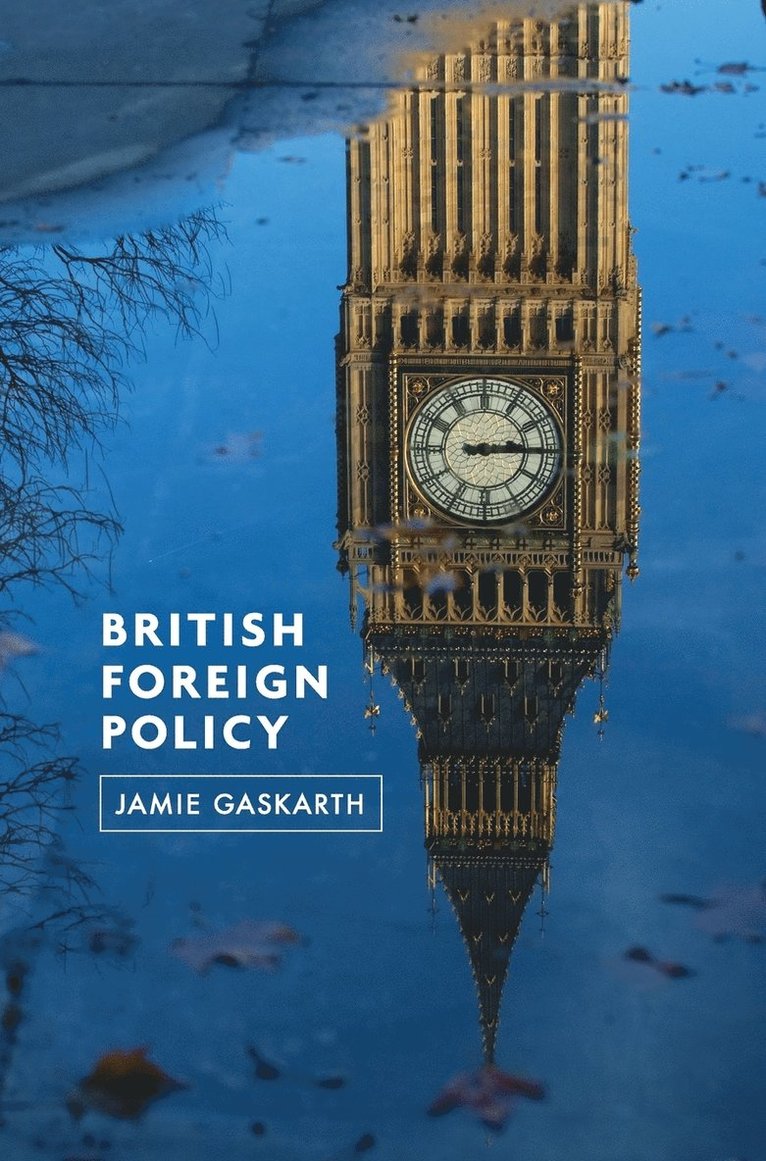
Britain has been a significant voice in global politics in the last two decades and its impact on world events far outweighs its material resources. But how does a small island on the edge of Europe continue to exercise this level of power on an international scale? What kind of actor is Britain internationally? And what future challenges will confront British foreign policymakers in a multi-polar world of emerging powers? In this comprehensive introduction to British foreign policy today Jamie Gaskarth addresses these and other key questions. Against a rich historical backdrop, he examines the main actors and processes involved in British foreign policy-making as well as the role played by identity in shaping such choices. Later chapters focus on the relationship between economics and foreign policy, what it means to be ethical in this policy sphere, and the justification for and benefits of the UK’s continued use of force to achieve its foreign policy goals. Combining interview research, theoretical insight and analysis of contemporary and historical trends, this book charts how British foreign policy has come to be understood and practised in the 21st Century. It will be an invaluable guide for students of British politics, foreign policy, international relations and related courses.
361 kr
Skickas inom 7-10 vardagar
Britain has been a significant voice in global politics in the last two decades and its impact on world events far outweighs its material resources. But how does a small island on the edge of Europe continue to exercise this level of power on an international scale? What kind of actor is Britain internationally? And what future challenges will confront British foreign policymakers in a multi-polar world of emerging powers? In this comprehensive introduction to British foreign policy today Jamie Gaskarth addresses these and other key questions. Against a rich historical backdrop, he examines the main actors and processes involved in British foreign policy-making as well as the role played by identity in shaping such choices. Later chapters focus on the relationship between economics and foreign policy, what it means to be ethical in this policy sphere, and the justification for and benefits of the UK’s continued use of force to achieve its foreign policy goals. Combining interview research, theoretical insight and analysis of contemporary and historical trends, this book charts how British foreign policy has come to be understood and practised in the 21st Century. It will be an invaluable guide for students of British politics, foreign policy, international relations and related courses.
2 096 kr
Skickas inom 10-15 vardagar
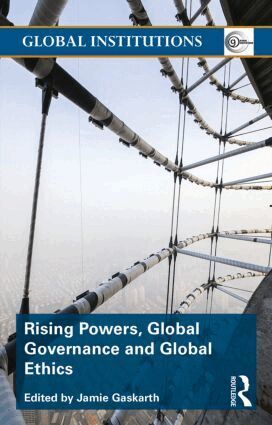
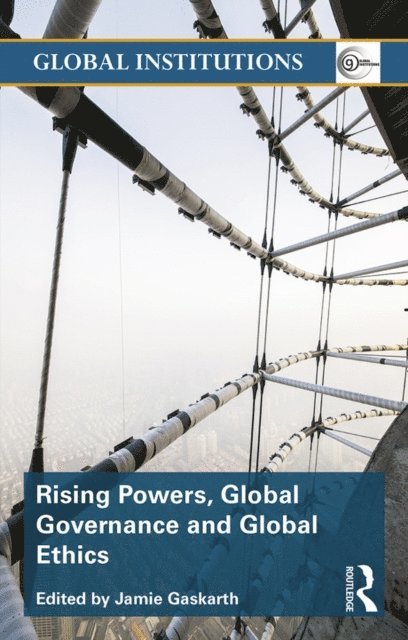
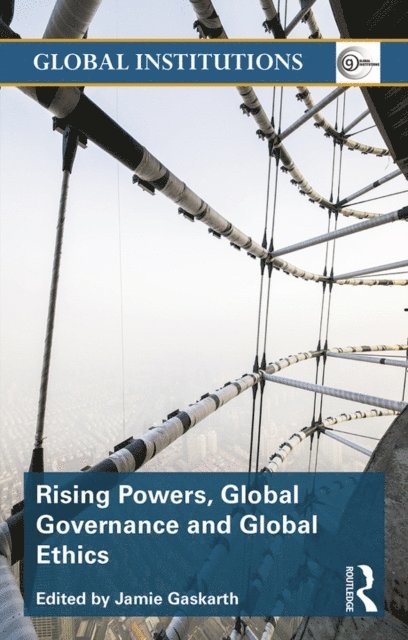
Two of the dominant themes of discussion in international relations scholarship over the last decade have been global governance and rising powers. Underlying both discussions are profound ethical questions about how the world should be ordered, who is responsible for addressing global problems, how change can be managed, and how global governance can be made to work for peoples in developing as well as developed states. Yet, these are often not addressed or only briefly mentioned as ethical dilemmas by commentators.This book seeks to ask critical and profound questions about what relative shifts in power among states might mean for the ethics and practice of global governance. Three key questions are addressed throughout the volume:Who is rising and how? How does this impact on global governance? What are the implications of these developments for global ethics? Through these questions, some of the key academics in the field explore how far debates over global ethics are really between competing visions of how international society should be governed, as opposed to tensions within the same broad paradigm. By examining how governance works in practice across the Middle East, Africa and Asia, the contributors to this volume seek to critique the way global governance discourse masks the exercise of power by elites and states, both developed and rising. This work will be essential reading for all those with an interest in the future of international relations and global governance.
573 kr
Skickas inom 10-15 vardagar
Two of the dominant themes of discussion in international relations scholarship over the last decade have been global governance and rising powers. Underlying both discussions are profound ethical questions about how the world should be ordered, who is responsible for addressing global problems, how change can be managed, and how global governance can be made to work for peoples in developing as well as developed states. Yet, these are often not addressed or only briefly mentioned as ethical dilemmas by commentators.This book seeks to ask critical and profound questions about what relative shifts in power among states might mean for the ethics and practice of global governance. Three key questions are addressed throughout the volume:Who is rising and how? How does this impact on global governance? What are the implications of these developments for global ethics? Through these questions, some of the key academics in the field explore how far debates over global ethics are really between competing visions of how international society should be governed, as opposed to tensions within the same broad paradigm. By examining how governance works in practice across the Middle East, Africa and Asia, the contributors to this volume seek to critique the way global governance discourse masks the exercise of power by elites and states, both developed and rising. This work will be essential reading for all those with an interest in the future of international relations and global governance.
1 833 kr
Skickas inom 10-15 vardagar
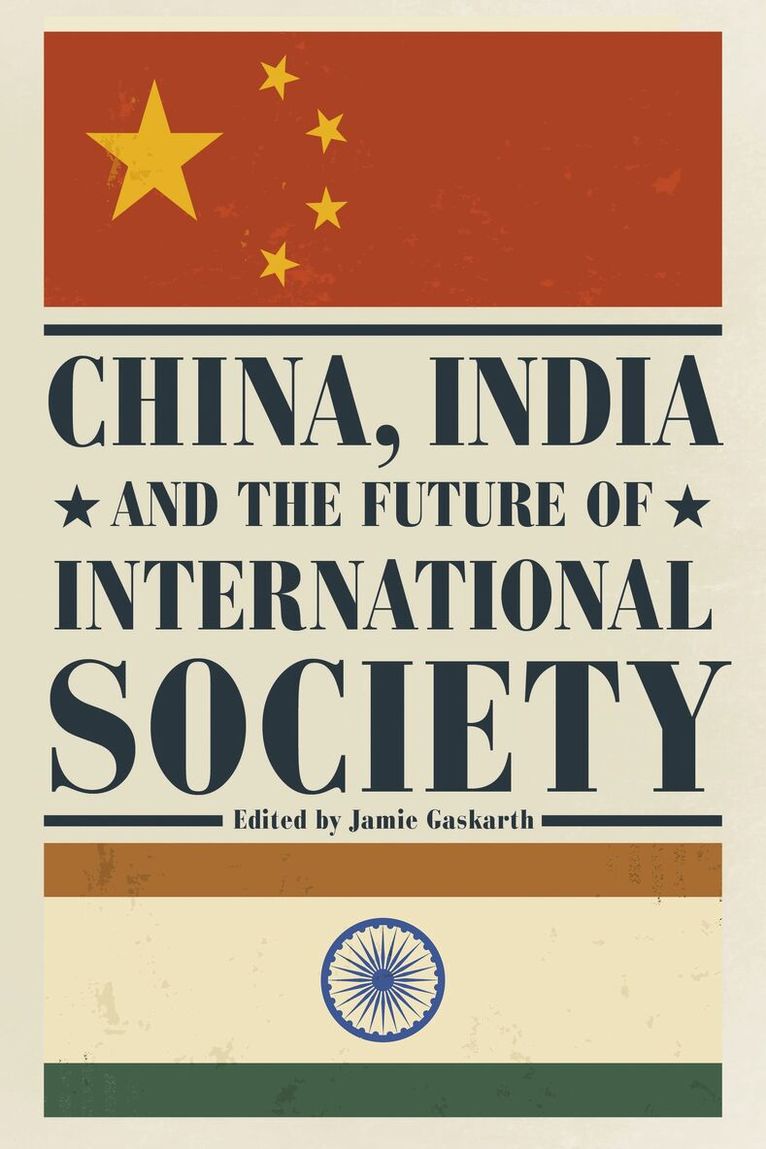
China and India have huge potential to exert global influence due to their geography, population size and material resources. Now their spectacular economic growth has led many commentators to predict a shift in power from West to East and the dawn of an “Asian century” based on Asian values. But what are these values? Does economic power neatly translate into political power? Will China and India wish to challenge the existing ethical framework of international society? This volume argues that it is vital to understand how China and India view international society in order to anticipate their impact as they achieve ascendancy. It explores the evolution of these states’ attitudes towards concepts such as sovereignty, international society, power transitions, normative power, and ethical trends, and addresses how they have sought to promote their own normative identities and policy agenda thus far. Unpicking common assumptions about these rising powers, this book engages in a systematic consideration of the ethical attitudes of China and India in the national context and goes on to examine how those translate into their interactions with international society.
675 kr
Skickas inom 10-15 vardagar
China and India have huge potential to exert global influence due to their geography, population size and material resources. Now their spectacular economic growth has led many commentators to predict a shift in power from West to East and the dawn of an “Asian century” based on Asian values. But what are these values? Does economic power neatly translate into political power? Will China and India wish to challenge the existing ethical framework of international society? This volume argues that it is vital to understand how China and India view international society in order to anticipate their impact as they achieve ascendancy. It explores the evolution of these states’ attitudes towards concepts such as sovereignty, international society, power transitions, normative power, and ethical trends, and addresses how they have sought to promote their own normative identities and policy agenda thus far. Unpicking common assumptions about these rising powers, this book engages in a systematic consideration of the ethical attitudes of China and India in the national context and goes on to examine how those translate into their interactions with international society.