• Fri frakt över 249 kr
  • •
  • Snabba leveranser
  • •
  • Billiga böcker
Kundservice

Du är på sajten för privatpersoner.

Företag, bibliotek eller offentlig verksamhet?

Du handlar på classic.bokus.com, där alla dina funktioner finns intakta.
Till classic.bokus.com
Bokus logotyp. Gå till startsidan.
  • Erbjudanden
  • Nyheter
  • Student
  • Topplistor
  • Barn & ungdom
  • Bokus Play
  • E-böcker
  • Pocketböcker
  • Spel & pussel

10% rabatt på allt med kod: NYSTART10 →

Sidfot

Mina sidor

    Hjälp

    • Kundservice
    • Vanliga frågor och svar
    • Frakt och leverans
    • Retur vid ångerrätt
    • Reklamera vara
    • Betalning
    • Köpvillkor
    • Allmänna villkor
    • Information om webbplatsens tillgänglighet

    Om Bokus

    • Om oss
    • Pressrum
    • För studenter
    • För företag
    • För bibliotek och offentlig verksamhet
    • För leverantörer
    • Hållbarhet

    Populärt

    • Aktuella erbjudanden
    • Presentkort
    • Studentlitteratur
    • Nya böcker
    • Topplistor
    • Signerade böcker
    • Engelska böcker

    Inspiration

    • Boktips
    • BookTok
    • Populära bokserier
    • Barnbokskaraktärer
    • Populära författare
    Logotyp för Bokus
    Följ oss på Facebook (extern länk)Följ oss på Instagram (extern länk)Följ oss på YouTube (extern länk)Följ oss på TikTok (extern länk)
    bokus @ CookiesAnpassa cookiesIntegritetspolicyKöpvillkor
    Till Citymail hemsida (extern länk)Till Budbee hemsida (extern länk)Till Postnord hemsida (extern länk)Till Schenker hemsida (extern länk)Till Early Bird hemsida (extern länk)Till Walleys hemsida (extern länk)
    1. Juridik
    2. Internationell rätt

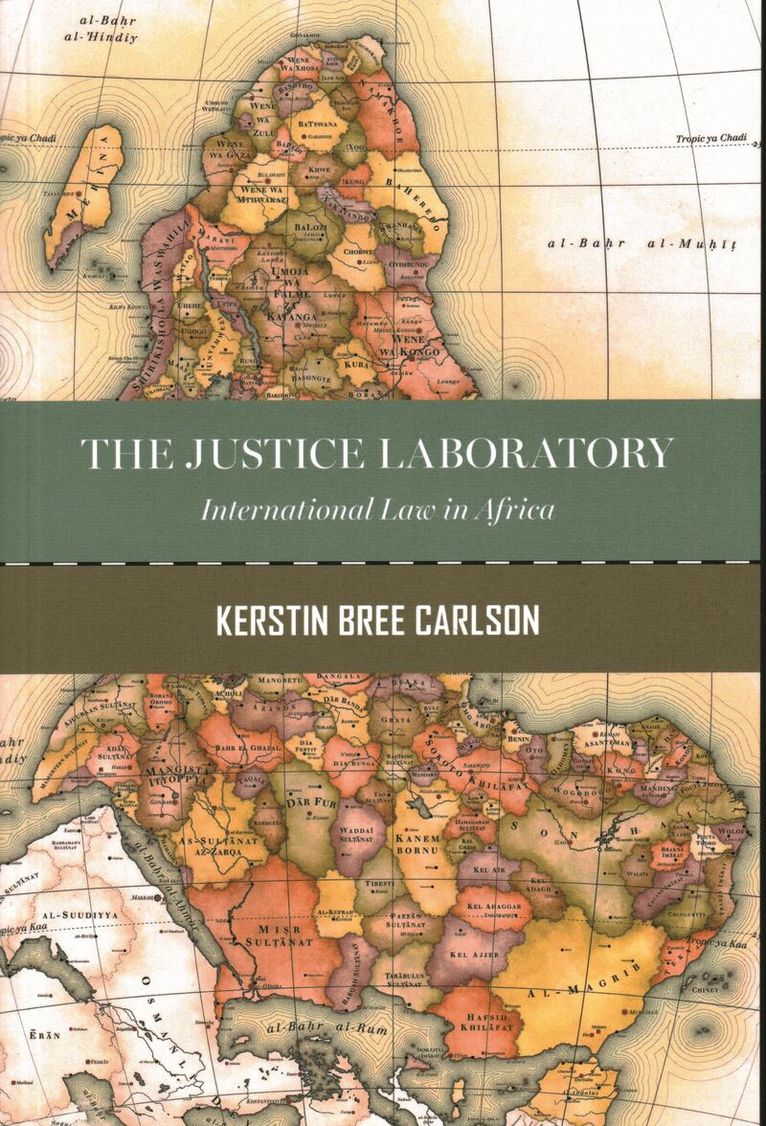
    Justice Laboratory

    International Law in Africa

    AvKerstin Bree Carlson

    Häftad, Engelska, 2022

    Del i serien Insights: Critical Thinking on International Affairs

    466 kr

    Beställningsvara. Skickas inom 10-15 vardagar. Fri frakt över 249 kr.

    Fler format och utgåvor

    E-bok

    500 kr

    Beskrivning

    Examining how international criminal law has—and hasn't—brought justice following war crimes in AfricaEver since World War II, the United Nations and other international actors have created laws, treaties, and institutions to punish perpetrators of genocide, war crimes, and crimes against humanity. These efforts have established universally recognized norms and have resulted in several high-profile convictions in egregious cases. But international criminal justice now seems to be a declining force—its energy sapped by long delays in prosecutions, lagging public attention, and a globally rising authoritarianism that disregards legal niceties.This book reviews five examples of international criminal justice as they have been applied across Africa, where brutal civil conflicts in recent decades resulted in varying degrees of global attention and action. The first three chapters examine key international mechanisms: the International Criminal Court, the International Criminal Tribunal for Rwanda, and the hybrid tribunal established in Senegal to try state crimes committed in Chad. These chapters illustrate how the design and practice of the institutions led to similarly unexpected and unsatisfying outcomes.The final two chapters examine emerging and proposed international criminal justice mechanisms. One is a tribunal intended to facilitate peace in the new but war-torn country of South Sudan, not yet operational and unlikely to perform better than its predecessors. Finally, the book considers the developing human rights practice of the little-studied East African Court, a regional commercial court in Arusha, Tanzania, to show how local judicial creativity can win a role for courts in facilitating good governance.Written in an accessible style, this book explores the connections between politics and the doctrine of international criminal law. Highlighting little-known institutional examples and under-discussed political situations, the book contributes to a broader international understanding of African politics and international criminal justice, as well as the lessons the African experiences offer for other regions.

    Produktinformation

    • Utgivningsdatum:2022-04-05
    • Mått:157 x 220 x 13 mm
    • Vikt:263 g
    • Format:Häftad
    • Språk:Engelska
    • Serie:Insights: Critical Thinking on International Affairs
    • Antal sidor:178
    • Förlag:Bloomsbury Publishing Plc
    • ISBN:9780815738138

    Utforska kategorier

    • Internationell rätt inom Juridik
    • Brottsutredning och kriminalteknik inom Samhälle och politik
    • Politiskt förtryck inom Samhälle och politik

    Mer om författaren

    Kerstin Bree Carlson is associate professor of international law at the Department of Social Science and Business, Roskilde University, where she teaches topics in law and society, global studies, international politics, and Nordic migration.

    Recensioner i media

    This short, elegant book analyzes the attempts over the last two decades to establish international criminal justice standards in Africa. Critics of the International Criminal Court contend that its attempts to prosecute African leaders such as Uhuru Kenyatta, the former president of Kenya, or Omar al-Bashir, the former president of Sudan, smacked of neocolonialism. Yet Carlson’s perceptive analysis provides a more subtle and positive assessment. Her book focuses not only on the ICC but also other legal institutions such as the International Criminal Tribunal for Rwanda, the Chambres Africaines Extraordinaires that tried former Chadian President Hisse`ne Habre´ in Senegal between 2015 and 2016, the African Union–sponsored hybrid court for human rights abuses in South Sudan, and the East African Court of Justice in Tanzania. Through studies of each of these courts and tribunals, Carlson shows that international legal efforts to promote human rights are always vulnerable to attack by national governments, even when those governments initiate the legal proceedings. The courts cannot compete with motivated national governments and must carefully choose their cases and doctrinal focus in order to present themselves as objective and impartial. Without such a hard-won reputation, they will not be able to improve international legal standards in Africa.