Landmark Presidential Decisions - Böcker
Visar alla böcker i serien Landmark Presidential Decisions. Handla med fri frakt och snabb leverans.
19 produkter
19 produkter
1 102 kr
Skickas inom 10-15 vardagar
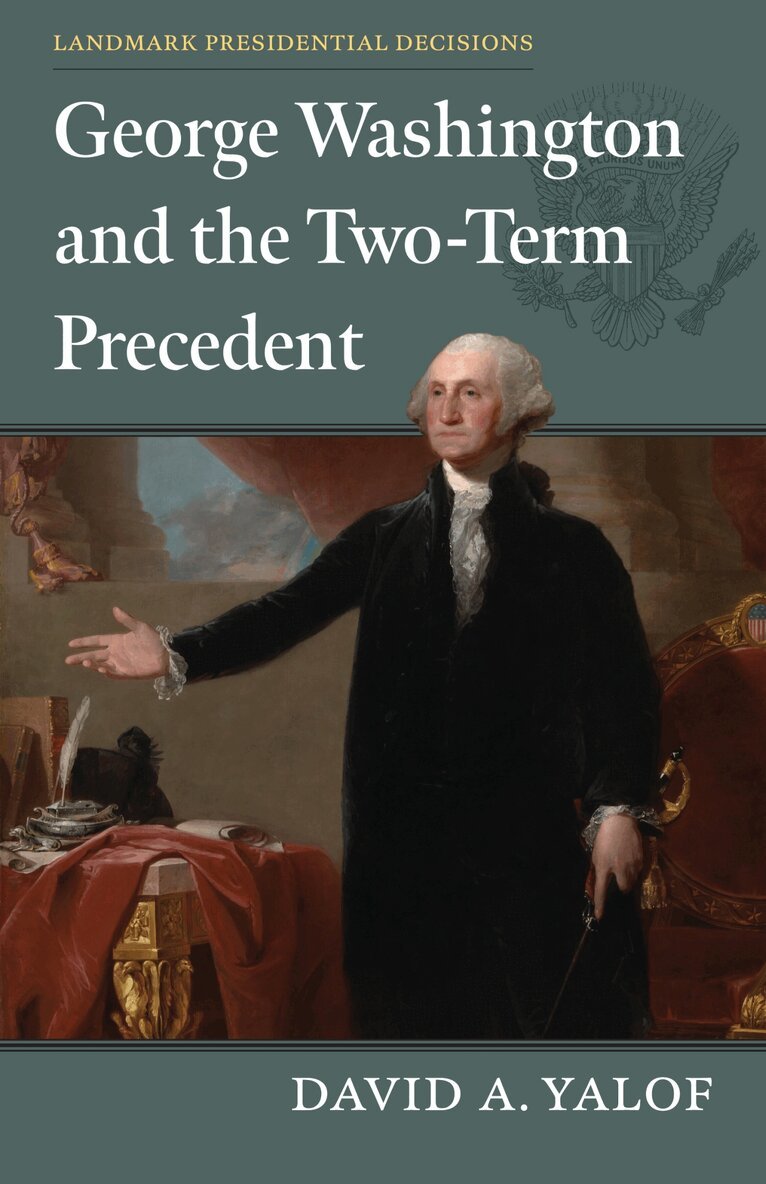
One of the earliest and most consequential presidential decisions in American history was George Washington’s choice to step down after two terms in office, despite the fact that he would almost certainly have won a third term had he chosen to run. The example he intended to set—and the circumstances he faced at the time—tell a more complicated story of the true motives behind his decision to retire and the impact his decision had on his successors and the nation. In George Washington and the Two-Term Precedent, David A. Yalof examines how this decision set a pattern that would be followed by presidents for more than a century until FDR began serving a third term in 1941.While often portrayed simply as a noble decision by Washington to restrain the power of the executive office, Washington’s decision was in fact motivated by self-interest and a desire to cement a legacy of honor and integrity. Yalof shows that he was never motivated by the desire to reign in the executive with an unwritten two-term limit. If anything, Washington hoped to strengthen the executive branch by demonstrating that the institution of the presidency could be trusted with the power and independence than it had so far received. His voluntary relinquishment of the presidency after two terms in office achieved these goals.Yalof focuses on the two-term precedent and how it came into being not by legal prescription but by the tacit influence of Washington’s refusal to run for a third term and what it suggests about American conceptions of executive power. George Washington and the Two-Term Precedent offers a sober reminder that the country’s most famous and original hero chose to walk away from power, and it was that decision that cemented his greatness in American history.
322 kr
Skickas inom 10-15 vardagar
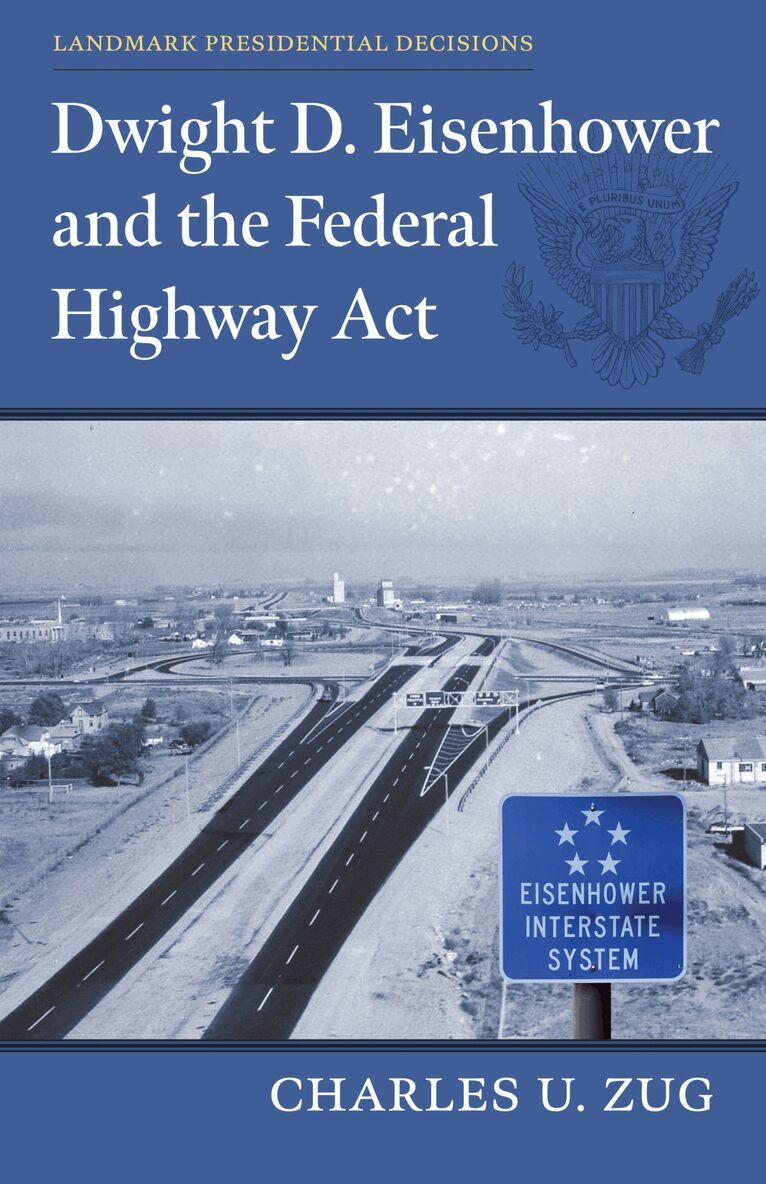
President Dwight D. Eisenhower is remembered by many as the originator of the American Interstate Highway System. He is also praised for restraining executive overreach, restoring the separation of powers, and presiding over an era of governmental equanimity and goodwill.In Dwight D. Eisenhower and the Federal Highway Act, Charles Zug contests all these assumptions. Through archival research, Zug shows that Eisenhower’s attempt to lead highway expansion during 1952–1955 ended in dismal failure. Far from championing the separation of powers, Eisenhower sought to marginalize Congress from the legislative process by secretly writing a transformative highway bill within the confines of his White House. And once it was announced, Eisenhower’s highway plan was almost universally panned: Ike’s own comptroller general deemed the plan’s funding mechanism “illegal” before a bipartisan majority laughed it out of the Senate in the spring of 1955. The highway bill that did eventually pass Congress in 1956, and that went on to launch the modern interstate system, was written by congressional Democrats and emphatically rejected Eisenhower’s basic approach to highway reform.Drawing on executive politics, American political development, and leadership studies, Zug uses the Federal Highway Act to argue for a foundational reassessment of Eisenhower’s legacy as highway founder, president, and political leader.
446 kr
Skickas inom 10-15 vardagar
President Dwight D. Eisenhower is remembered by many as the originator of the American Interstate Highway System. He is also praised for restraining executive overreach, restoring the separation of powers, and presiding over an era of governmental equanimity and goodwill.In Dwight D. Eisenhower and the Federal Highway Act, Charles Zug contests all these assumptions. Through archival research, Zug shows that Eisenhower’s attempt to lead highway expansion during 1952–1955 ended in dismal failure. Far from championing the separation of powers, Eisenhower sought to marginalize Congress from the legislative process by secretly writing a transformative highway bill within the confines of his White House. And once it was announced, Eisenhower’s highway plan was almost universally panned: Ike’s own comptroller general deemed the plan’s funding mechanism “illegal” before a bipartisan majority laughed it out of the Senate in the spring of 1955. The highway bill that did eventually pass Congress in 1956, and that went on to launch the modern interstate system, was written by congressional Democrats and emphatically rejected Eisenhower’s basic approach to highway reform.Drawing on executive politics, American political development, and leadership studies, Zug uses the Federal Highway Act to argue for a foundational reassessment of Eisenhower’s legacy as highway founder, president, and political leader.
322 kr
Skickas inom 10-15 vardagar
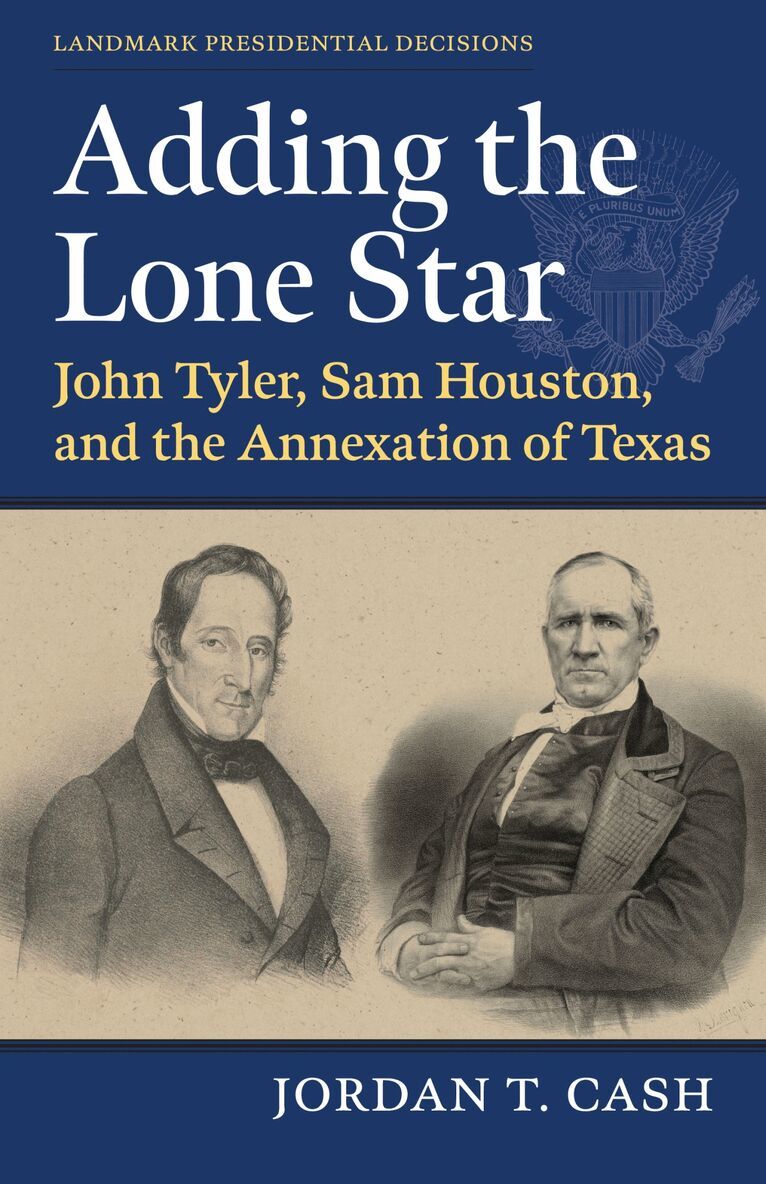
The annexation of Texas was one of the most momentous actions the United States government took in the antebellum period. Apart from adding what was the largest state in the Union at that time, it expedited further avenues for westward expansion, exacerbated tensions with Mexico resulting in the Mexican-American War, and accelerated the sectional conflict over slavery.While the familiar concept of Manifest Destiny gives the impression that Texas joining the United States was inevitable, the history is much more complicated. In Adding the Lone Star, Jordan Cash explores how the decisions and actions of a cast of political actors in the United States, Texas, Mexico, and Great Britain contributed to the addition of Texas to the Union.Cash focuses on the annexation of Texas as a two-president decision while examining the administrations of American President John Tyler and Texian President Sam Houston, providing a comparative case study of the American and Texian presidencies to better comprehend how executive authority may be used in a system of separation of powers.Tyler’s ability to push his agenda on Texas despite the lack of institutional support shows the strength of premodern presidential power. Houston’s actions give an alternative view of executive authority, since the Texian Republic, including the powers bestowed on the presidency, was structured on the model of its American counterpart. Tyler viewed the decision to annex Texas as beneficial for the United States as a whole while Houston considered it to be beneficial for Texas and proponents of slavery; Tyler’s secretary of state, John C. Calhoun, saw the decision as a victory for the South and the expansion of slavery.The examination of how these two presidents worked on the same issue at the same time but in largely different constitutional, institutional, political, and geographical contexts provides not only a better understanding of the history and politics of annexation but also an investigation of the nuances of presidential power in a constitutional system of checks and balances and separation of powers.
1 104 kr
Skickas inom 10-15 vardagar
The annexation of Texas was one of the most momentous actions the United States government took in the antebellum period. Apart from adding what was the largest state in the Union at that time, it expedited further avenues for westward expansion, exacerbated tensions with Mexico resulting in the Mexican-American War, and accelerated the sectional conflict over slavery.While the familiar concept of Manifest Destiny gives the impression that Texas joining the United States was inevitable, the history is much more complicated. In Adding the Lone Star, Jordan Cash explores how the decisions and actions of a cast of political actors in the United States, Texas, Mexico, and Great Britain contributed to the addition of Texas to the Union.Cash focuses on the annexation of Texas as a two-president decision while examining the administrations of American President John Tyler and Texian President Sam Houston, providing a comparative case study of the American and Texian presidencies to better comprehend how executive authority may be used in a system of separation of powers.Tyler’s ability to push his agenda on Texas despite the lack of institutional support shows the strength of premodern presidential power. Houston’s actions give an alternative view of executive authority, since the Texian Republic, including the powers bestowed on the presidency, was structured on the model of its American counterpart. Tyler viewed the decision to annex Texas as beneficial for the United States as a whole while Houston considered it to be beneficial for Texas and proponents of slavery; Tyler’s secretary of state, John C. Calhoun, saw the decision as a victory for the South and the expansion of slavery.The examination of how these two presidents worked on the same issue at the same time but in largely different constitutional, institutional, political, and geographical contexts provides not only a better understanding of the history and politics of annexation but also an investigation of the nuances of presidential power in a constitutional system of checks and balances and separation of powers.
Gulf War
George H. W. Bush and American Grand Strategy in the Post-Cold War Era
Inbunden, Engelska, 2024
1 002 kr
Skickas inom 5-8 vardagar
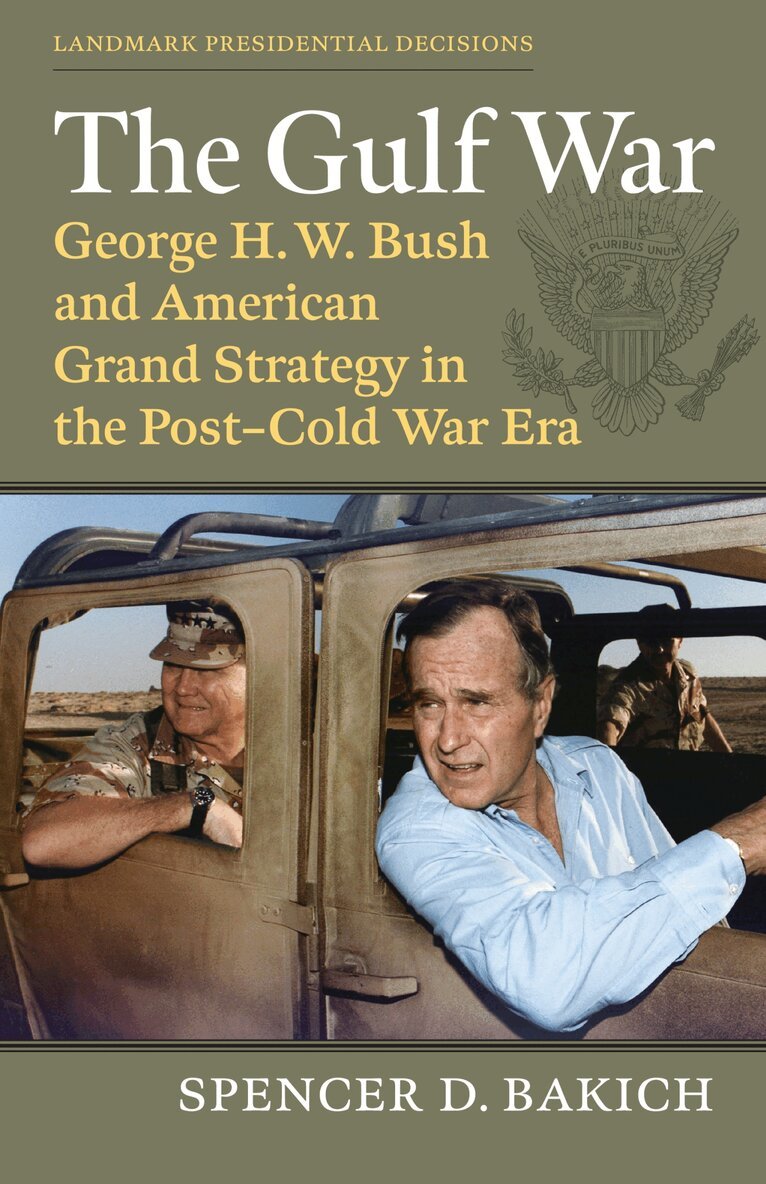
President George H. W. Bush assumed office at a critical juncture, as the Cold War came to an end and the world shifted to a new era of international relations. In The Gulf War, Spencer Bakich argues that Bush fashioned a grand strategy to bring about a New World Order designed to transform international politics by focusing on great power cooperation through the United Nations. The Persian Gulf War became the chance for Bush to put his strategy into action. This latest volume in the Landmark Presidential Decision series offers a fresh and concise look at President Bush’s strategic decision making and his choice to wage war against Iraq.Bakich, an expert in wartime strategy, traces the ideas and actions of Bush’s new world order strategy between 1989 and 1991, which had a profound impact on the diplomacy of Desert Shield and the warfighting of Desert Storm. Bush’s strategic beliefs contained core elements of Wilsonian internationalism—specifically its goals of promoting democracy, conducting multilateral diplomacy through international institutions, and transforming the United Nations into the collective security institution that its founders envisioned. His “New World Order” was not mere political sloganeering intended to bolster support for the Persian Gulf War among a skeptical American public. Rather, Bush intended the Gulf War to exercise and firmly establish the UN’s collective security function in the post–Cold War era.In this bold new interpretation of George H. W. Bush’s foreign policy, Bakich challenges conventional wisdom, arguing that Bush’s New World Order was carefully defined and had a comprehensive logic. He shows how Bush’s strategic beliefs oriented American statecraft in peace and war. Bush’s grand strategy was remarkably coherent, powerfully affecting how his administration decided to go to war to evict Iraq from Kuwait, how it waged war in the Persian Gulf, and ultimately the reasons why the fighting was terminated before the coalition’s war aims were completely achieved. In the end, the Gulf War’s outcome exposed faulty assumptions about the international system that underpinned the strategy, weakening the president’s fidelity to his own approach. Ultimately, the Gulf War did usher in a New World Order, but not the one Bush had envisioned.
Gulf War
George H. W. Bush and American Grand Strategy in the Post-Cold War Era
Häftad, Engelska, 2024
268 kr
Skickas inom 10-15 vardagar
President George H. W. Bush assumed office at a critical juncture, as the Cold War came to an end and the world shifted to a new era of international relations. In The Gulf War, Spencer Bakich argues that Bush fashioned a grand strategy to bring about a New World Order designed to transform international politics by focusing on great power cooperation through the United Nations. The Persian Gulf War became the chance for Bush to put his strategy into action. This latest volume in the Landmark Presidential Decision series offers a fresh and concise look at President Bush’s strategic decision making and his choice to wage war against Iraq.Bakich, an expert in wartime strategy, traces the ideas and actions of Bush’s new world order strategy between 1989 and 1991, which had a profound impact on the diplomacy of Desert Shield and the warfighting of Desert Storm. Bush’s strategic beliefs contained core elements of Wilsonian internationalism—specifically its goals of promoting democracy, conducting multilateral diplomacy through international institutions, and transforming the United Nations into the collective security institution that its founders envisioned. His “New World Order” was not mere political sloganeering intended to bolster support for the Persian Gulf War among a skeptical American public. Rather, Bush intended the Gulf War to exercise and firmly establish the UN’s collective security function in the post–Cold War era.In this bold new interpretation of George H. W. Bush’s foreign policy, Bakich challenges conventional wisdom, arguing that Bush’s New World Order was carefully defined and had a comprehensive logic. He shows how Bush’s strategic beliefs oriented American statecraft in peace and war. Bush’s grand strategy was remarkably coherent, powerfully affecting how his administration decided to go to war to evict Iraq from Kuwait, how it waged war in the Persian Gulf, and ultimately the reasons why the fighting was terminated before the coalition’s war aims were completely achieved. In the end, the Gulf War’s outcome exposed faulty assumptions about the international system that underpinned the strategy, weakening the president’s fidelity to his own approach. Ultimately, the Gulf War did usher in a New World Order, but not the one Bush had envisioned.
990 kr
Skickas inom 5-8 vardagar
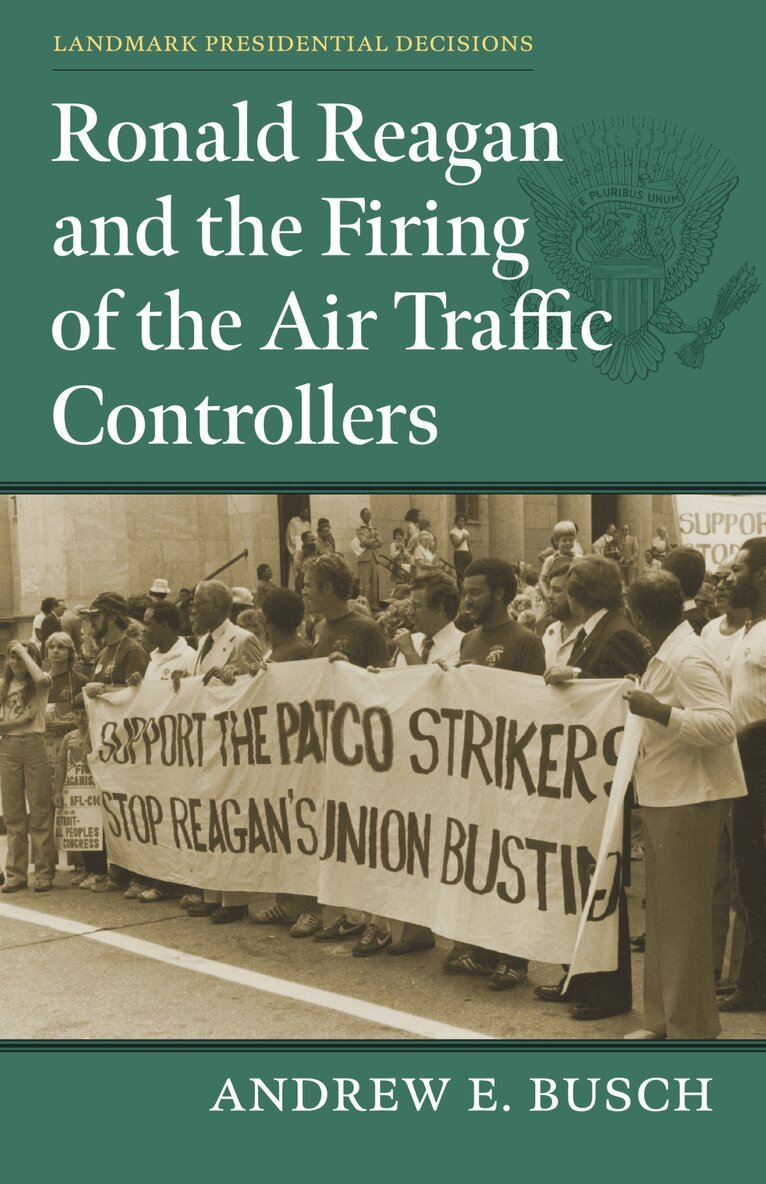
On August 3, 1981, over 12,000 members of the Professional Air Traffic Controllers Association (PATCO) walked off their jobs, striking for higher pay, shorter hours, and increased benefits. Unexpectedly, President Ronald Reagan decided to fire the strikers, prosecute their leaders, and decertify their union. This swift and unwavering decision was a shocking reversal of the sympathy and support Reagan showed PATCO during his campaign ten months earlier, which had earned him the union’s endorsement.Andrew Busch, an expert on the Reagan presidency, explores this overlooked decision, showing the many ways that it set the tone for Reagan’s two terms in the White House. It was a contested decision both within the administration and in the public sphere, though it ultimately proved popular. Reagan’s action demonstrated his commitment to upholding federal labor law, limiting federal spending, and cutting inflation. He also modeled his management style of delegating to subordinates and supporting his guidance with decisive judgment when necessary.More broadly, this decision had long-term significance that far exceeded its immediate importance. The response to the PATCO strike formed a pattern for future decisions and made a strong impression on foreign adversaries. It also contributed to the declining power of unions, marking a shift in labor politics that has continued to this day.Andrew Busch brings a wealth of insight to this concise and accessible book, making it an ideal entry into understanding Ronald Reagan’s domestic policy and leadership, and a fine addition to the Landmark Presidential Decisions series.
260 kr
Skickas inom 10-15 vardagar
On August 3, 1981, over 12,000 members of the Professional Air Traffic Controllers Association (PATCO) walked off their jobs, striking for higher pay, shorter hours, and increased benefits. Unexpectedly, President Ronald Reagan decided to fire the strikers, prosecute their leaders, and decertify their union. This swift and unwavering decision was a shocking reversal of the sympathy and support Reagan showed PATCO during his campaign ten months earlier, which had earned him the union’s endorsement.Andrew Busch, an expert on the Reagan presidency, explores this overlooked decision, showing the many ways that it set the tone for Reagan’s two terms in the White House. It was a contested decision both within the administration and in the public sphere, though it ultimately proved popular. Reagan’s action demonstrated his commitment to upholding federal labor law, limiting federal spending, and cutting inflation. He also modeled his management style of delegating to subordinates and supporting his guidance with decisive judgment when necessary.More broadly, this decision had long-term significance that far exceeded its immediate importance. The response to the PATCO strike formed a pattern for future decisions and made a strong impression on foreign adversaries. It also contributed to the declining power of unions, marking a shift in labor politics that has continued to this day.Andrew Busch brings a wealth of insight to this concise and accessible book, making it an ideal entry into understanding Ronald Reagan’s domestic policy and leadership, and a fine addition to the Landmark Presidential Decisions series.
1 002 kr
Skickas inom 5-8 vardagar
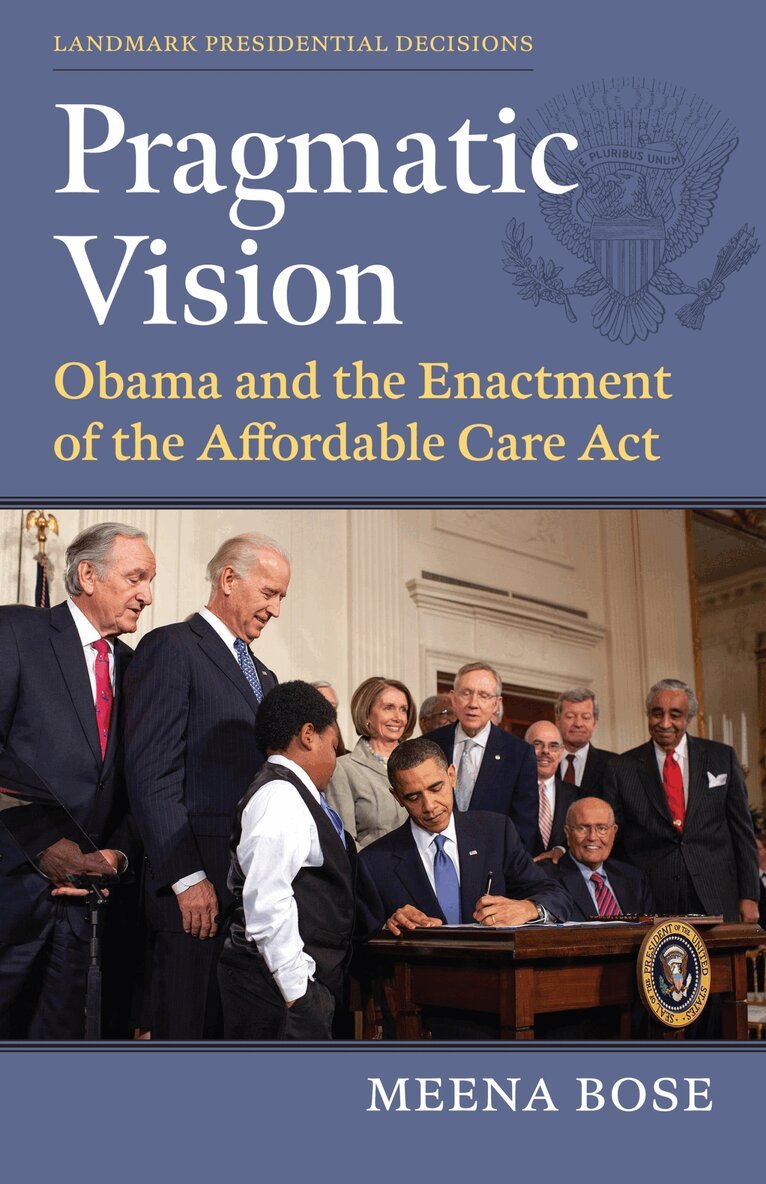
On March 23, 2010, President Barack Obama signed the Patient Protection and Affordable Care Act into law, providing every American with the opportunity to have guaranteed health care coverage. The Affordable Care Act—frequently referred to as Obamacare—is almost synonymous with Obama’s presidential legacy and reflects a series of key decisions that he made beginning before he took office. As Meena Bose shows, it was Obama’s particular brand of pragmatic politics that ultimately shaped the passage of the Affordable Care Act and made a lasting mark on health care reform in the United States.Pragmatic Vision examines eight of Obama’s decisions that resulted in the landmark enactment of health care reform, starting with his commitment to health care reform in the 2008 presidential campaign and concluding with his decision to allow for flexibility with its implementation, following technical hurdles and Supreme Court rulings. Bose shows that Obama’s steadfast commitment to the issue was crucial to its passing, especially after the Democrats lost their filibuster-proof majority in the Senate. Obama’s direct engagement built key political support for the legislation and was aided by the senior White House staff and Democratic leaders in Congress who skillfully navigated the bill to passage just fourteen months after Obama took office.The story of Obama’s leadership in enacting the Affordable Care Act is a tale of today’s partisan divide and the polarization of Congress. The legislation passed on a party-line vote and continued to divide politicians long after its passage. Nevertheless, despite repeated efforts by Republicans to repeal the law, it is more popular today than ever and seems destined to remain in force until the next stage of reform. Pragmatic Vision is an authoritative guide to this singular achievement of the Obama administration.
268 kr
Skickas inom 10-15 vardagar
On March 23, 2010, President Barack Obama signed the Patient Protection and Affordable Care Act into law, providing every American with the opportunity to have guaranteed health care coverage. The Affordable Care Act—frequently referred to as Obamacare—is almost synonymous with Obama’s presidential legacy and reflects a series of key decisions that he made beginning before he took office. As Meena Bose shows, it was Obama’s particular brand of pragmatic politics that ultimately shaped the passage of the Affordable Care Act and made a lasting mark on health care reform in the United States.Pragmatic Vision examines eight of Obama’s decisions that resulted in the landmark enactment of health care reform, starting with his commitment to health care reform in the 2008 presidential campaign and concluding with his decision to allow for flexibility with its implementation, following technical hurdles and Supreme Court rulings. Bose shows that Obama’s steadfast commitment to the issue was crucial to its passing, especially after the Democrats lost their filibuster-proof majority in the Senate. Obama’s direct engagement built key political support for the legislation and was aided by the senior White House staff and Democratic leaders in Congress who skillfully navigated the bill to passage just fourteen months after Obama took office.The story of Obama’s leadership in enacting the Affordable Care Act is a tale of today’s partisan divide and the polarization of Congress. The legislation passed on a party-line vote and continued to divide politicians long after its passage. Nevertheless, despite repeated efforts by Republicans to repeal the law, it is more popular today than ever and seems destined to remain in force until the next stage of reform. Pragmatic Vision is an authoritative guide to this singular achievement of the Obama administration.
775 kr
Skickas inom 10-15 vardagar
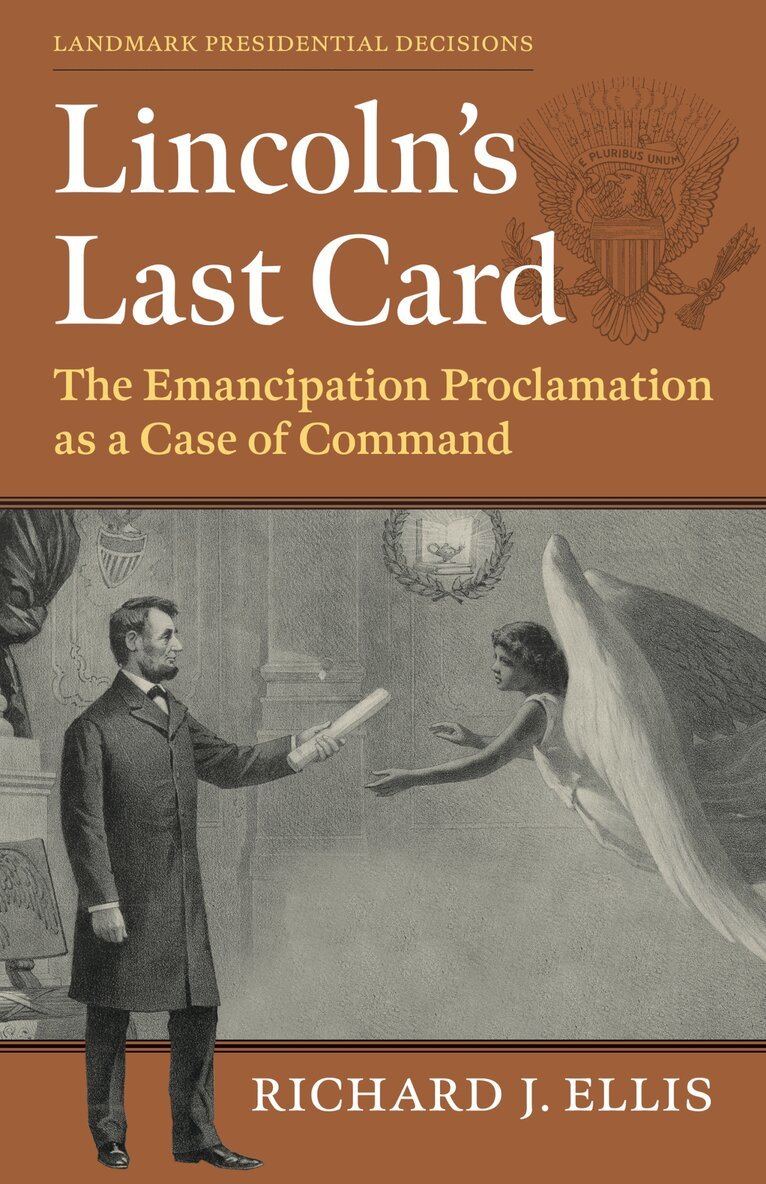
A fresh reassessment of the Emancipation Proclamation that looks beyond the Lincoln mythos and sees the decision as Lincoln's last resort after his failure to persuade a divided country.There is a certain comfort in being able to see Lincoln—or any president—simply as either a hero or a villain. The truth, however, is more complicated. Lincoln’s Last Card helps us look beyond the myths to see Lincoln as the flawed and consequential leader that he was.Few presidential edicts are more famous or misunderstood than the Emancipation Proclamation. The traditional myth about the proclamation is that President Lincoln freed the slaves with a bold stroke of his pen. This popular understanding deifies Lincoln as the sagacious Great Emancipator and constructs a narrative of American history centered around the heroic deeds of our “great” presidents. A more cynical view, bolstered by recent historical examinations of Lincoln’s own racial biases, says the proclamation was much ado about nothing; a largely hollow gesture that freed no slaves at all and lacked even a moral indictment of slavery. Both views, however, see presidential power as largely unrestricted and unilateral, so that Lincoln’s decisions occur in a virtual vacuum—a timeless display of his moral virtue, or lack thereof.Richard Ellis, a veteran scholar of the American presidency, suggests that we look at Lincoln’s proclamation through the lens of presidential weakness rather than greatness. To do so, Ellis draws on the work of renowned political scientist Richard Neustadt, who explored “three cases of command” from the twentieth century in his 1960 work, Presidential Power. Where the public saw presidential success, Neustadt saw presidents engaged in “a painful last resort,” suggesting not political mastery but rather the failure to achieve goals through other means. Ellis applies this same perspective to the Emancipation Proclamation, showing how Lincoln’s great success was, in fact, his last card. Lincoln’s original hope was to persuade the border states to endorse his plan for gradual, compensated abolition, preferably coupled with some level of voluntary colonization. Contrary to conventional wisdom and in contrast to Lincoln’s reputation as the greatest presidential orator, Ellis shows how the Emancipation Proclamation was a sign of Lincoln’s failure to persuade.
294 kr
Skickas inom 10-15 vardagar
A fresh reassessment of the Emancipation Proclamation that looks beyond the Lincoln mythos and sees the decision as Lincoln's last resort after his failure to persuade a divided country.There is a certain comfort in being able to see Lincoln—or any president—simply as either a hero or a villain. The truth, however, is more complicated. Lincoln’s Last Card helps us look beyond the myths to see Lincoln as the flawed and consequential leader that he was.Few presidential edicts are more famous or misunderstood than the Emancipation Proclamation. The traditional myth about the proclamation is that President Lincoln freed the slaves with a bold stroke of his pen. This popular understanding deifies Lincoln as the sagacious Great Emancipator and constructs a narrative of American history centered around the heroic deeds of our “great” presidents. A more cynical view, bolstered by recent historical examinations of Lincoln’s own racial biases, says the proclamation was much ado about nothing; a largely hollow gesture that freed no slaves at all and lacked even a moral indictment of slavery. Both views, however, see presidential power as largely unrestricted and unilateral, so that Lincoln’s decisions occur in a virtual vacuum—a timeless display of his moral virtue, or lack thereof.Richard Ellis, a veteran scholar of the American presidency, suggests that we look at Lincoln’s proclamation through the lens of presidential weakness rather than greatness. To do so, Ellis draws on the work of renowned political scientist Richard Neustadt, who explored “three cases of command” from the twentieth century in his 1960 work, Presidential Power. Where the public saw presidential success, Neustadt saw presidents engaged in “a painful last resort,” suggesting not political mastery but rather the failure to achieve goals through other means. Ellis applies this same perspective to the Emancipation Proclamation, showing how Lincoln’s great success was, in fact, his last card. Lincoln’s original hope was to persuade the border states to endorse his plan for gradual, compensated abolition, preferably coupled with some level of voluntary colonization. Contrary to conventional wisdom and in contrast to Lincoln’s reputation as the greatest presidential orator, Ellis shows how the Emancipation Proclamation was a sign of Lincoln’s failure to persuade.
1 124 kr
Kommande
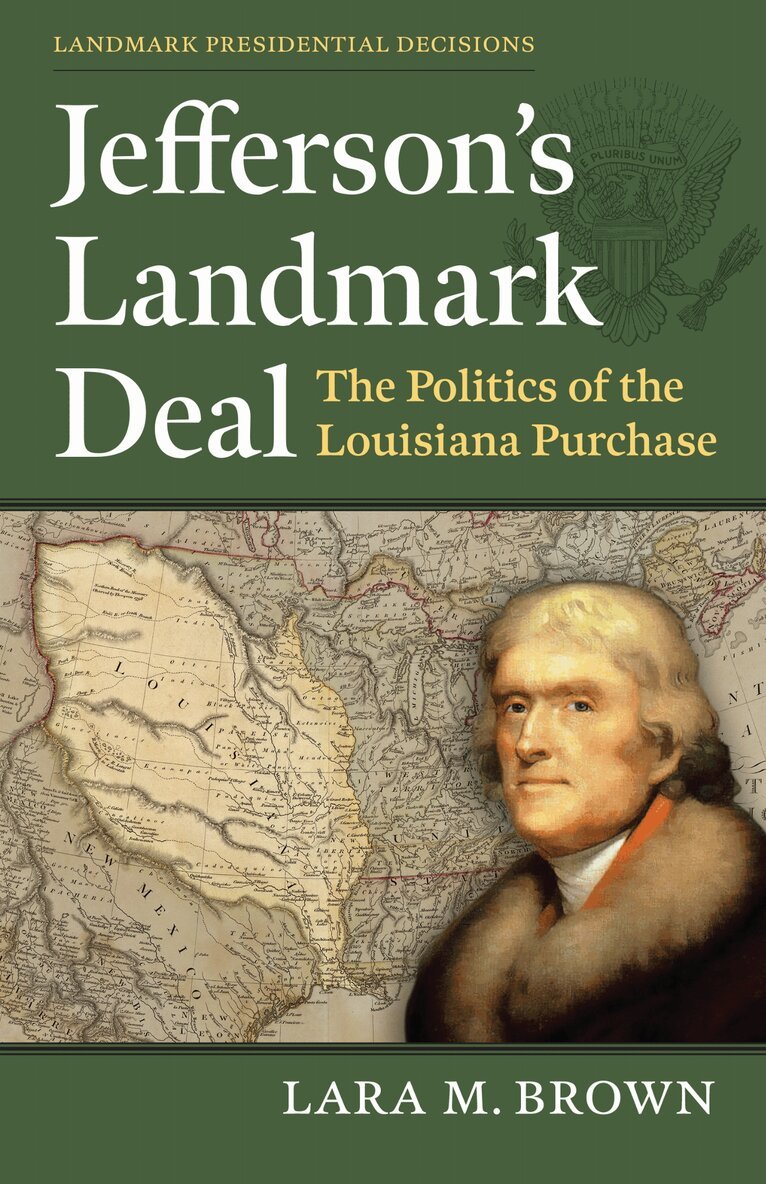
In this concise history of the Louisiana Purchase, renowned presidential scholar Lara M. Brown explores how Thomas Jefferson’s skilled diplomacy and political strategy helped secure the historic bargain and changed the course of American history.Thomas Jefferson is one of the more inscrutable characters in American history. While he is best known for the Declaration of Independence and his conflicting legacy on race and slavery, his pursuit of the Louisiana Purchase was a crucial decision for the trajectory of the country and the development of the presidency. In this volume of the Landmark Presidential Decisions series Lara M. Brown casts Jefferson as a shrewd and calculating politician. Brown examines the historical and political circumstances that led to the Louisiana Purchase, in which Jefferson’s inclination to pursue a strategy of misinformation and patient persuasion rather than engaging in a direct confrontation or a show of force with Napoleon helped to transform a series of accidents into a historic moment of luck.In addition to exploring the international politics and domestic pressures that helped bring about this deal, Brown examines the larger theoretical issues related to the presidency itself. While Jefferson expressed concern about the constitutionality of the agreement and briefly considered passing a constitutional amendment, his decision to follow Madison’s advice and move quickly on the purchase established the “national emergency” rationale upon which the “imperial presidency” was partly constructed. Moreover, Jefferson relied on American ministers to act as his representatives in executing the deal, underlining the importance of governance, communication, and the management of a burgeoning executive branch.The Louisiana Purchase is essential to understanding territorial expansion, foreign policy in the early republic, and the perennial political dilemmas surrounding the ambiguity of Article II in the Constitution. Lara Brown expertly guides readers through one of the most consequential decisions in early American history.
279 kr
Kommande
In this concise history of the Louisiana Purchase, renowned presidential scholar Lara M. Brown explores how Thomas Jefferson’s skilled diplomacy and political strategy helped secure the historic bargain and changed the course of American history.Thomas Jefferson is one of the more inscrutable characters in American history. While he is best known for the Declaration of Independence and his conflicting legacy on race and slavery, his pursuit of the Louisiana Purchase was a crucial decision for the trajectory of the country and the development of the presidency. In this volume of the Landmark Presidential Decisions series Lara M. Brown casts Jefferson as a shrewd and calculating politician. Brown examines the historical and political circumstances that led to the Louisiana Purchase, in which Jefferson’s inclination to pursue a strategy of misinformation and patient persuasion rather than engaging in a direct confrontation or a show of force with Napoleon helped to transform a series of accidents into a historic moment of luck.In addition to exploring the international politics and domestic pressures that helped bring about this deal, Brown examines the larger theoretical issues related to the presidency itself. While Jefferson expressed concern about the constitutionality of the agreement and briefly considered passing a constitutional amendment, his decision to follow Madison’s advice and move quickly on the purchase established the “national emergency” rationale upon which the “imperial presidency” was partly constructed. Moreover, Jefferson relied on American ministers to act as his representatives in executing the deal, underlining the importance of governance, communication, and the management of a burgeoning executive branch.The Louisiana Purchase is essential to understanding territorial expansion, foreign policy in the early republic, and the perennial political dilemmas surrounding the ambiguity of Article II in the Constitution. Lara Brown expertly guides readers through one of the most consequential decisions in early American history.
1 091 kr
Kommande
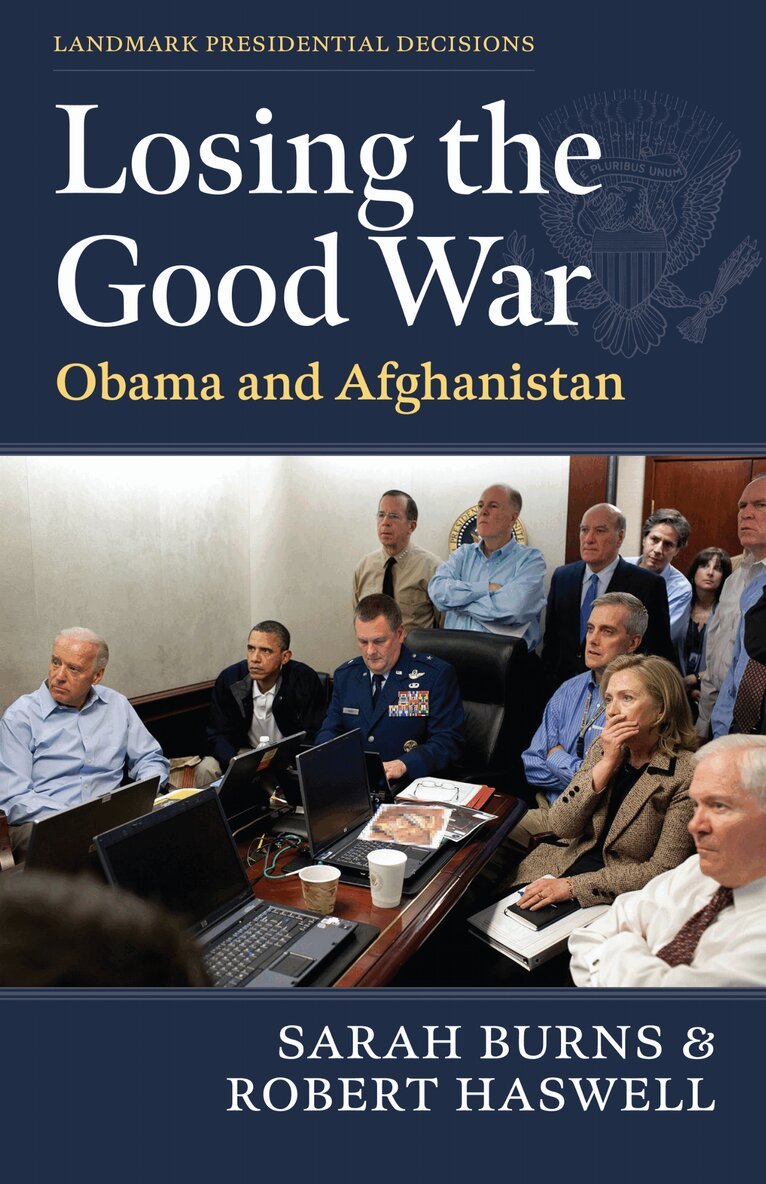
A clear-eyed look at how political pressures and military influences led President Obama to significantly increase US involvement in the War in Afghanistan, even as the prospects for success seemed increasingly dim.Barack Obama entered the White House in 2009 with a mandate to end the wars and occupations begun under George W. Bush. The American public and foreign policy–makers alike were ready to withdraw from these unpopular and unwieldy conflicts. While Obama fulfilled his campaign promises with the “bad war” in Iraq, the “good war” in Afghanistan followed a very different path.Unlike his predecessor, Obama chose to prioritize South Asia as the focus of the United States military. Following a strategic review, Obama and his military advisors decided to replicate the Iraqi troop surge in Afghanistan, embarking on a labor-intensive counterinsurgency campaign. Unlike the Iraqi surge, however, Obama placed an eighteen-month limit on the increased troop deployment promising a withdrawal in the summer of 2011. Despite a revised strategy that emphasized training the Afghan forces, the Afghan units struggled to perform in a leadership role, remaining dependent on American airpower. These problems were compounded by the civilian side of the government that suffered from corruption and appeared illegitimate to much of the Afghan population.After Obama withdrew troops, the Taliban began their resurgence in 2014. Around the same time the Islamic State emerged on the scene in Iraq and Syria, requiring new counterterrorism efforts that drained resources from Afghanistan and shifted the US focus back to the Middle East, leaving Afghanistan more vulnerable to local and international extremists. Peace talks with the Taliban broke down, and the war dragged on—becoming an unwinnable quagmire.As part of the Landmark Presidential Decisions series, Losing the Good War analyzes how Obama’s campaign promises translated into policy, particularly the decision-making around the surge. Sarah Burns and Robert Haswell shine a light on this mishandled episode in US foreign policy.
246 kr
Kommande
A clear-eyed look at how political pressures and military influences led President Obama to significantly increase US involvement in the War in Afghanistan, even as the prospects for success seemed increasingly dim.Barack Obama entered the White House in 2009 with a mandate to end the wars and occupations begun under George W. Bush. The American public and foreign policy–makers alike were ready to withdraw from these unpopular and unwieldy conflicts. While Obama fulfilled his campaign promises with the “bad war” in Iraq, the “good war” in Afghanistan followed a very different path.Unlike his predecessor, Obama chose to prioritize South Asia as the focus of the United States military. Following a strategic review, Obama and his military advisors decided to replicate the Iraqi troop surge in Afghanistan, embarking on a labor-intensive counterinsurgency campaign. Unlike the Iraqi surge, however, Obama placed an eighteen-month limit on the increased troop deployment promising a withdrawal in the summer of 2011. Despite a revised strategy that emphasized training the Afghan forces, the Afghan units struggled to perform in a leadership role, remaining dependent on American airpower. These problems were compounded by the civilian side of the government that suffered from corruption and appeared illegitimate to much of the Afghan population.After Obama withdrew troops, the Taliban began their resurgence in 2014. Around the same time the Islamic State emerged on the scene in Iraq and Syria, requiring new counterterrorism efforts that drained resources from Afghanistan and shifted the US focus back to the Middle East, leaving Afghanistan more vulnerable to local and international extremists. Peace talks with the Taliban broke down, and the war dragged on—becoming an unwinnable quagmire.As part of the Landmark Presidential Decisions series, Losing the Good War analyzes how Obama’s campaign promises translated into policy, particularly the decision-making around the surge. Sarah Burns and Robert Haswell shine a light on this mishandled episode in US foreign policy.
1 542 kr
Kommande
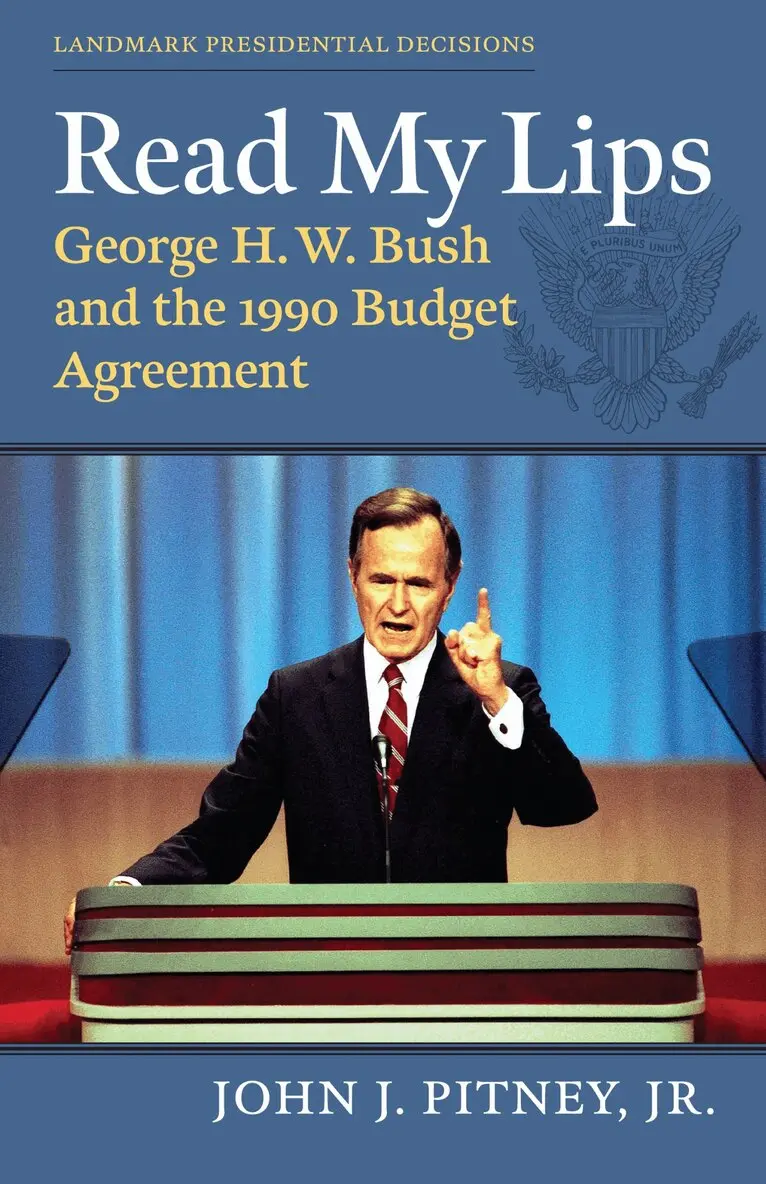
The full story behind the six words that reshaped Republican fiscal politics——and still haunt American governance today.“Read my lips: no new taxes.” With that electrifying pledge at the 1988 Republican National Convention, George H. W. Bush sealed his nomination and unified a party. The promise became one of the most famous—and most consequential—lines in modern American political history. When President Bush broke it two years later, the fallout didn’t just derail a presidency; it permanently transformed Republican thinking about taxes, deficits, and political survival.In 1990, facing a ballooning deficit, binding budget law, and the highstakes final phase of the Cold War, Bush made a fateful decision to accept a budget deal that included tax increases. The reaction was swift and brutal. Conservatives erupted in anger. Headlines screamed betrayal. Party unity collapsed. Though the agreement ultimately helped balance the federal budget, Bush paid a steep political price and lost his bid for reelection in 1992.Drawing on rare firsthand experience and rigorous historical analysis, John J. Pitney Jr.—who worked inside the Republican National Committee during the crisis—reveals what really happened behind closed doors. He shows why Bush believed he had no viable alternative, how Democrats forced the issue, and why defense cuts were a nonstarter at a pivotal moment in global politics. Most importantly, Pitney traces how Republicans turned the 1990 budget deal into a cautionary myth: the belief that any tax compromise guarantees political ruin.That lesson, embraced as doctrine, has shaped Republican fiscal strategy for decades. It has fueled resistance to deficit reduction, constrained budget negotiations, and helped drive today’s federal debt. By revisiting the moment when the party’s modern tax orthodoxy was forged, this book offers essential insight into the roots of contemporary budget battles.Authoritative and deeply revealing, this is the definitive account of how one broken promise changed American politics and why its consequences are still with us.
490 kr
Kommande
The full story behind the six words that reshaped Republican fiscal politics——and still haunt American governance today.“Read my lips: no new taxes.” With that electrifying pledge at the 1988 Republican National Convention, George H. W. Bush sealed his nomination and unified a party. The promise became one of the most famous—and most consequential—lines in modern American political history. When President Bush broke it two years later, the fallout didn’t just derail a presidency; it permanently transformed Republican thinking about taxes, deficits, and political survival.In 1990, facing a ballooning deficit, binding budget law, and the highstakes final phase of the Cold War, Bush made a fateful decision to accept a budget deal that included tax increases. The reaction was swift and brutal. Conservatives erupted in anger. Headlines screamed betrayal. Party unity collapsed. Though the agreement ultimately helped balance the federal budget, Bush paid a steep political price and lost his bid for reelection in 1992.Drawing on rare firsthand experience and rigorous historical analysis, John J. Pitney Jr.—who worked inside the Republican National Committee during the crisis—reveals what really happened behind closed doors. He shows why Bush believed he had no viable alternative, how Democrats forced the issue, and why defense cuts were a nonstarter at a pivotal moment in global politics. Most importantly, Pitney traces how Republicans turned the 1990 budget deal into a cautionary myth: the belief that any tax compromise guarantees political ruin.That lesson, embraced as doctrine, has shaped Republican fiscal strategy for decades. It has fueled resistance to deficit reduction, constrained budget negotiations, and helped drive today’s federal debt. By revisiting the moment when the party’s modern tax orthodoxy was forged, this book offers essential insight into the roots of contemporary budget battles.Authoritative and deeply revealing, this is the definitive account of how one broken promise changed American politics and why its consequences are still with us.