Richard J. Ellis – författare
496 kr
Läs direkt efter köp
1 321 kr
Skickas inom 10-15 vardagar
450 kr
Skickas inom 10-15 vardagar
2 151 kr
Skickas inom 10-15 vardagar
892 kr
Läs direkt efter köp
892 kr
Läs direkt efter köp
399 kr
Skickas inom 10-15 vardagar
318 kr
Skickas inom 10-15 vardagar
405 kr
Skickas inom 5-8 vardagar
656 kr
Skickas inom 10-15 vardagar
289 kr
Skickas inom 5-8 vardagar
344 kr
Läs direkt efter köp
327 kr
Skickas inom 10-15 vardagar
787 kr
Skickas inom 10-15 vardagar
300 kr
Skickas inom 10-15 vardagar
368 kr
Läs direkt efter köp
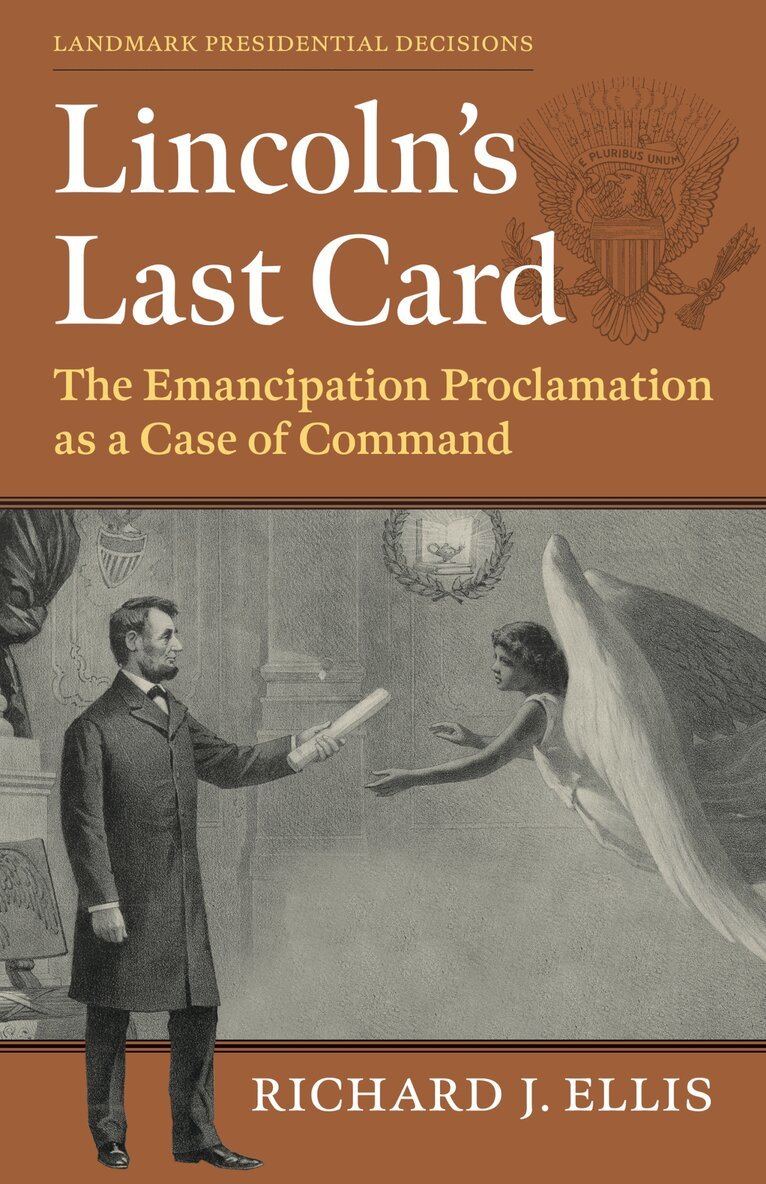
A fresh reassessment of the Emancipation Proclamation that looks beyond the Lincoln mythos and sees the decision as Lincoln’s last resort after his failure to persuade a divided country.
There is a certain comfort in being able to see Lincoln—or any president—simply as either a hero or a villain. The truth, however, is more complicated. Lincoln’s Last Card helps us look beyond the myths to see Lincoln as the flawed and consequential leader that he was.
Few presidential edicts are more famous or misunderstood than the Emancipation Proclamation. The traditional myth about the proclamation is that President Lincoln freed the slaves with a bold stroke of his pen. This popular understanding deifies Lincoln as the sagacious Great Emancipator and constructs a narrative of American history centered around the heroic deeds of our “great” presidents. A more cynical view, bolstered by recent historical examinations of Lincoln’s own racial biases, says the proclamation was much ado about nothing; a largely hollow gesture that freed no slaves at all and lacked even a moral indictment of slavery. Both views, however, see presidential power as largely unrestricted and unilateral, so that Lincoln’s decisions occur in a virtual vacuum—a timeless display of his moral virtue, or lack thereof.
Richard Ellis, a veteran scholar of the American presidency, suggests that we look at Lincoln’s proclamation through the lens of presidential weakness rather than greatness. To do so, Ellis draws on the work of renowned political scientist Richard Neustadt, who explored “three cases of command” from the twentieth century in his 1960 work, Presidential Power. Where the public saw presidential success, Neustadt saw presidents engaged in “a painful last resort,” suggesting not political mastery but rather the failure to achieve goals through other means. Ellis applies this same perspective to the Emancipation Proclamation, showing how Lincoln’s great success was, in fact, his last card. Lincoln’s original hope was to persuade the border states to endorse his plan for gradual, compensated abolition, preferably coupled with some level of voluntary colonization. Contrary to conventional wisdom and in contrast to Lincoln’s reputation as the greatest presidential orator, Ellis shows how the Emancipation Proclamation was a sign of Lincoln’s failure to persuade.
493 kr
Läs direkt efter köp
Winner: Langum Prize
Gustavus Myers Book Awards, Honorable Mention
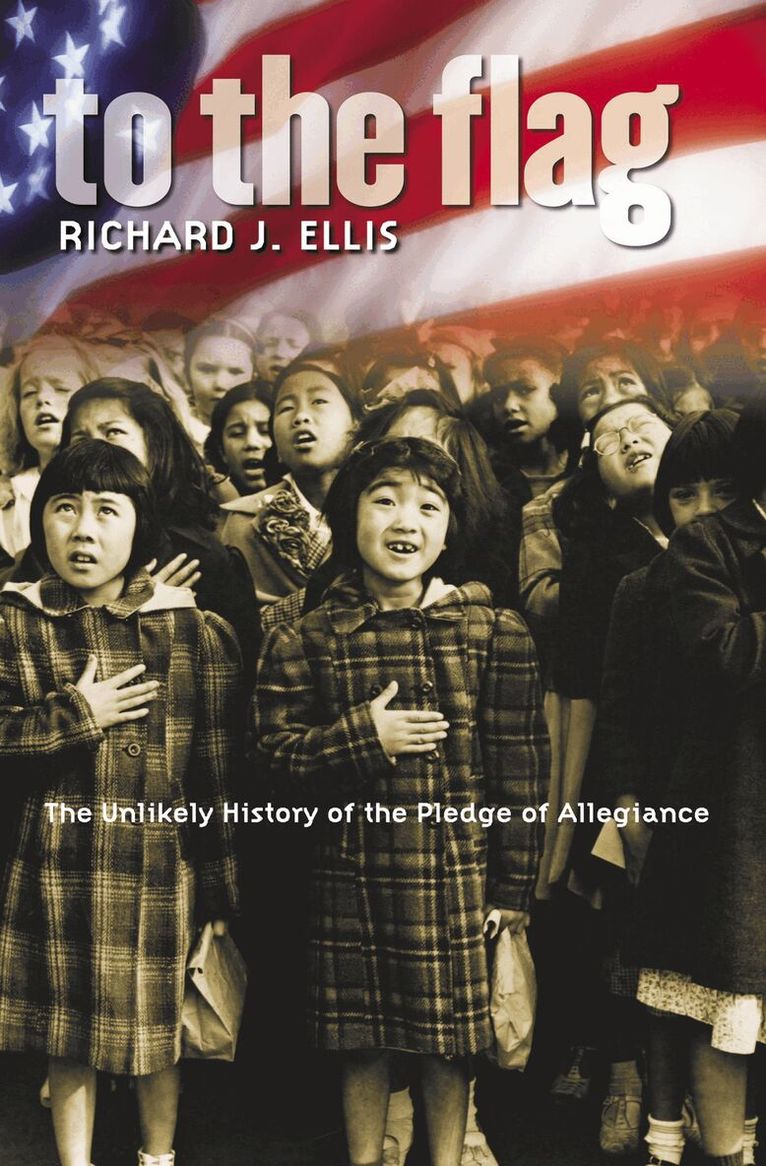
For over one hundred years, it has been deeply ingrained in American culture. Saluting the flag in public schools began as part of a national effort to Americanize immigrants, its final six words imbuing it with universal hope and breathtaking power. Now Richard Ellis unfurls the fascinating history of the Pledge of Allegiance and of the debates and controversies that have sometimes surrounded it.
For anyone who has ever recited those thirty-one words, To the Flag provides an unprecedented historical perspective on recent challenges to the Pledge. As engaging as it is informative, it traces the story from the Pledge’s composition by Francis Bellamy in 1892 up to the Supreme Court’s action in 2004 regarding atheist Michael Newdow’s objection to the words “under God.” Ellis is especially good at highlighting aspects of this story that might not be familiar to most readers: the schoolhouse flag movement, the codification of the Pledge at the First National Flag Conference in 1923, changing styles of salute, and the uses of the Pledge to quell public concerns over sundry strains of radicalism.
Created against the backdrop of rapid immigration, the Pledge has continued for over a century to be injected into American politics at times of heightened anxiety over the meaning of our national identity. Ellis analyzes the text of the Pledge to tell how the very words “indivisible” and “allegiance” were intended to invoke Civil War sentiments—and how “with liberty and justice for all” forms a capsule expression of the American creed. He also examines the introduction of “under God” as an anti-Communist declaration in the 1950s, demonstrating that the phrase is not mere ceremonial Deism but rather a profound expression of what has been called America’s “civil religion.”
The Pledge has inspired millions but has also been used to promote conformity and silence dissent—indeed its daily recitation in schools and legislatures tells us as much about our anxieties as a nation as it does about our highest ideals. Ellis reveals how, for over a century, those who have been most fearful about threats to our national identity have often been most insistent on the importance of patriotic rituals. Indeed, by addressing this inescapable paradox of our civic life, Ellis opens a new and unexpected window on the American soul.
383 kr
Skickas inom 10-15 vardagar
1 504 kr
Skickas inom 10-15 vardagar
579 kr
Skickas inom 10-15 vardagar
538 kr
Läs direkt efter köp
768 kr
Skickas inom 10-15 vardagar
768 kr
Skickas inom 10-15 vardagar
669 kr
Skickas inom 3-6 vardagar
560 kr
Läs direkt efter köp
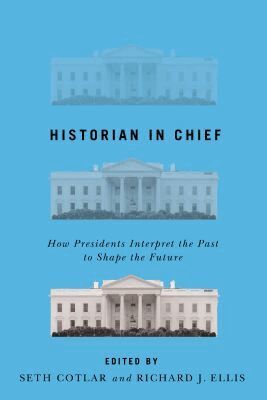
Presidents shape not only the course of history but also how Americans remember and retell that history. From the Oval Office they instruct us what to respect and what to reject in our past. They regale us with stories about who we are as a people, and tell us whom in the pantheon of greats we should revere and whom we should revile. The president of the United States, in short, is not just the nation’s chief legislator, the head of a political party, or the commander in chief of the armed forces, but also, crucially, the nation’s historian in chief.
In this engaging and insightful volume, Seth Cotlar and Richard Ellis bring together top historians and political scientists to explore how eleven American presidents deployed their power to shape the nation’s collective memory and its political future. Contending that the nation’s historians in chief should be evaluated not only on the basis of how effective they are in persuading others, Historian in Chief argues they should also be judged on the veracity of the history they tell.
708 kr
Skickas inom 10-15 vardagar
519 kr
Läs direkt efter köp
519 kr
Läs direkt efter köp
1 120 kr
Skickas inom 10-15 vardagar
2 000 kr
Skickas inom 10-15 vardagar