Lost - Böcker
Visar alla böcker i serien Lost. Handla med fri frakt och snabb leverans.
91 produkter
91 produkter
173 kr
Skickas inom 11-20 vardagar
Situated on the banks of the River Severn, the landmark of the city of Worcester is its magnificent medieval cathedral, but it is also renowned for its porcelain and delightful cricket ground, said to be one of the most beautiful in the country. Worcester has a wealth of history and was known as ‘the Faithful City’ due to its loyalty to the king during the Civil War.In Lost Worcester, local author Ray Jones presents a fascinating look at the city over more than 100 years to concentrate on what has been lost, including buildings, industry, people and the way of life. Here are the industries that were once important to Worcester’s prosperity, such as the porcelain, glove, mail-order catalogue (Kays) and car component sectors. The Three Counties Show and agriculture are included, while other chapters concentrate on sport and the lost Theatre Royal. Also highlighted is the career of William Henry Barribal, the Worcester-trained artist whose work appeared on many postcards and playing cards. Barribal produced several designs that were used by the Theatre Royal and local firms.Commencing with images of the city centre and then journeying around the suburbs east and west of the River Severn, this book is an informative and illuminating portrait of the city’s past.
178 kr
Kommande
A fully illustrated look back in time at East Grinstead showing how life in the town has changed over the last century.
173 kr
Skickas
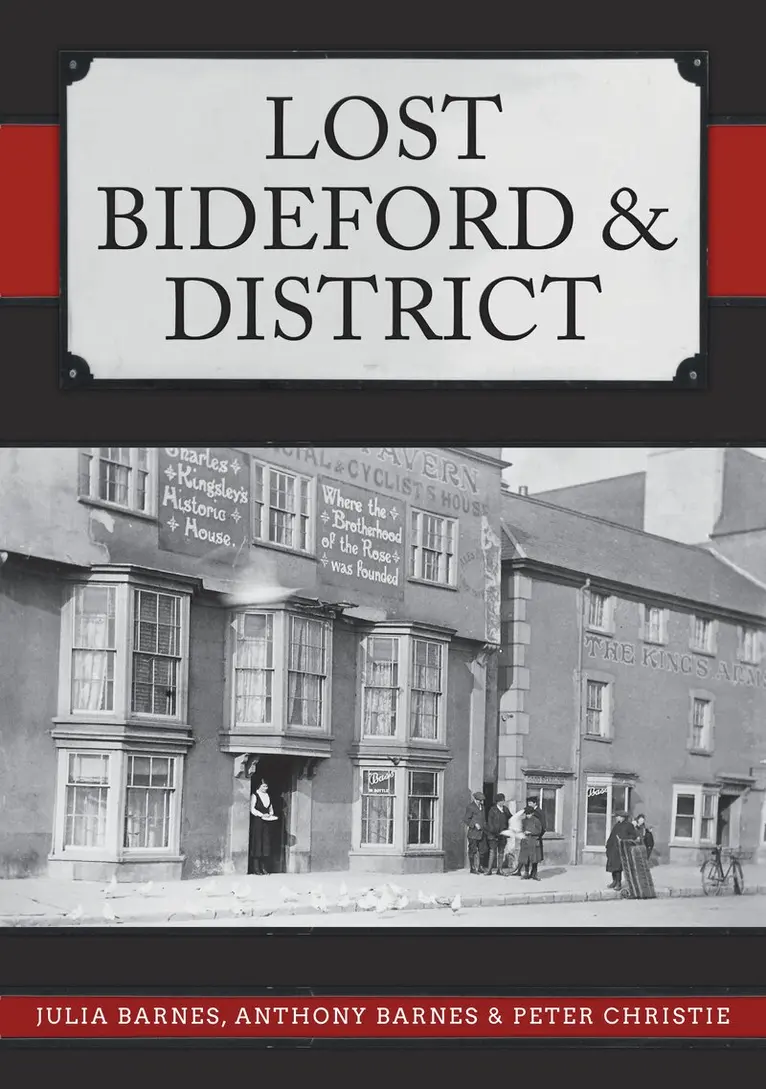
Bideford is a historic port on the River Torridge in north Devon. In the sixteenth century Bideford developed as a major trading port for the American colonies and maintained its significance into the eighteenth century. During the twentieth century the port and shipbuilding declined in Bideford, although it still has a fishing fleet. In Lost Bideford & District authors Julian and Anthony Barnes and Peter Christie portray, through the years, the old bridge in Bideford and the pier, wartime activities including the arrival of American GIs, old businesses that have disappeared today including factories, mines and lime kilns, lost schools, mansions, windmills, chapels and toll houses, railways that have closed, the changing face of neighbouring Instow and Northam, and much more.Lost Bideford & District presents a portrait of this corner of the South West over the last century to recent decades, showing not only industries and buildings that have gone but also people and street scenes, many popular places of entertainment and much more. This fascinating photographic history of lost Bideford and the surrounding district will appeal to all those who live in the area or know it well, as well as those who remember it from previous decades.
173 kr
Skickas
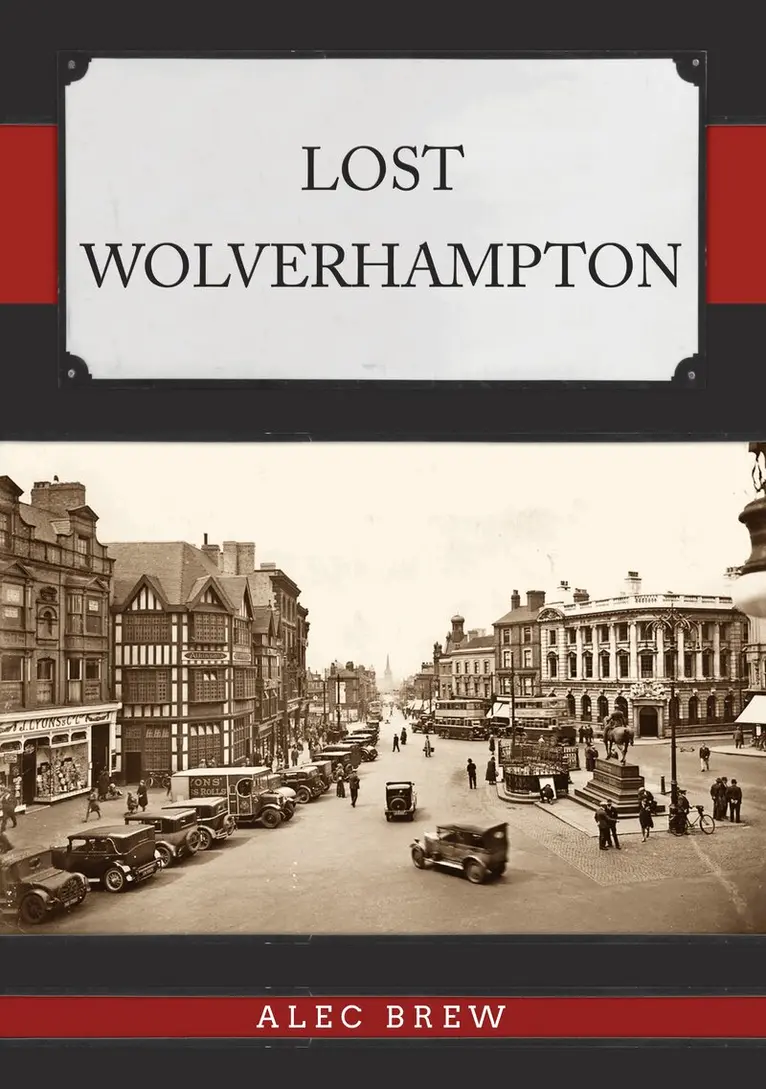
Wolverhampton was granted city status in 2000, but its origins lie in Anglo-Saxon England. During the Middle Ages Wolverhampton was a prosperous Staffordshire market town and a centre for the wool trade. Its coal and iron deposits enabled it to grow rapidly during the Industrial Revolution, when it became one of the most heavily industrialised areas of the country, specialising in coal mining, iron and steel production, engineering and manufacturing. The wealth brought into the town is seen today by the many civic buildings in Wolverhampton from that era, and large areas of social housing were built in the twentieth century to accommodate the population.Much has changed in Wolverhampton following the large-scale urban planning schemes of the 1960s and 1970s and later regeneration schemes for the city centre, reflecting a change in working practices from industry and manufacturing to more service-based employment, but Wolverhampton has still retained its distinctive identity.Lost Wolverhampton presents a portrait of this corner of the West Midlands over the last century to recent decades that has radically changed or disappeared today, showing not only the industries and buildings that have gone but also the people and street scenes, many popular places of entertainment and much more. This fascinating photographic history of lost Wolverhampton will appeal to all those who live in the area or know it well, as well as those who remember it from previous decades.
173 kr
Skickas
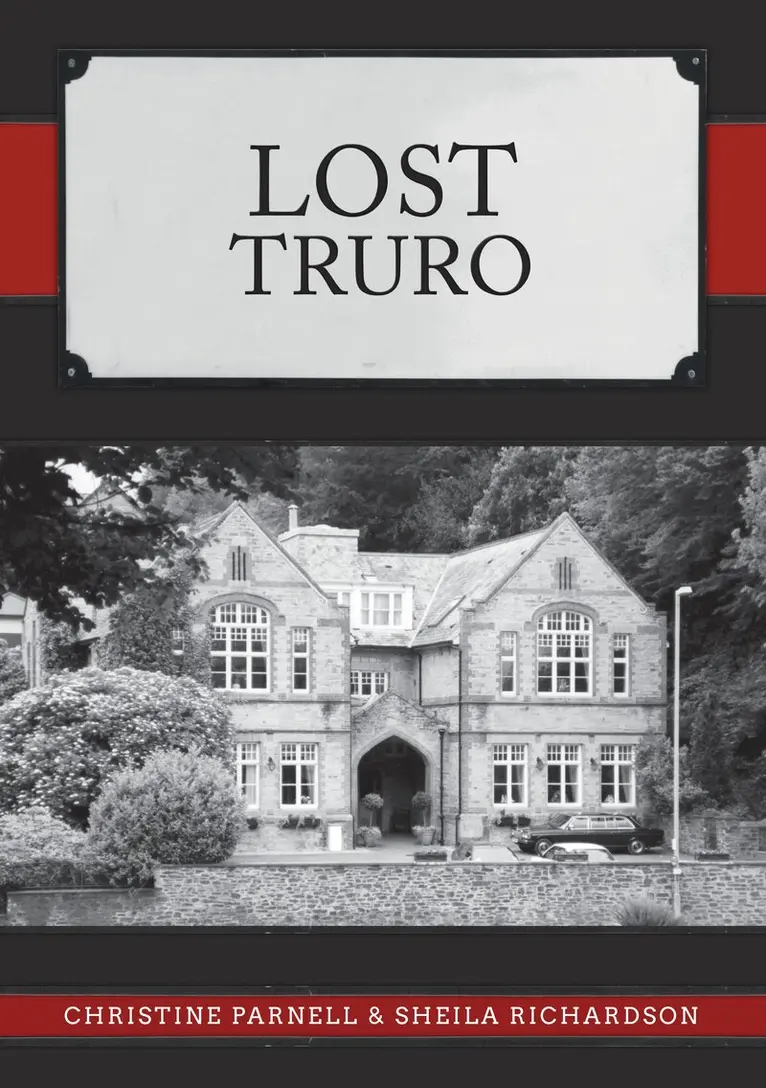
The cathedral city of Truro is a major administrative and commercial centre in Cornwall. Historically, it grew in prosperity as an inland port and stannary town, and its Georgian and Victorian buildings demonstrate its wealth in this period. Other industries developed around the area at this time, and the town gained city status.Lost Truro presents a portrait of this corner of Cornwall over the last century to recent decades that has radically changed or disappeared today, showing not only industries and buildings that have gone but also people and street scenes, many popular places of entertainment and much more. This fascinating photographic history of lost Truro will appeal to all those who live in the area or know it well, as well as those who remember it from previous decades.
167 kr
Skickas
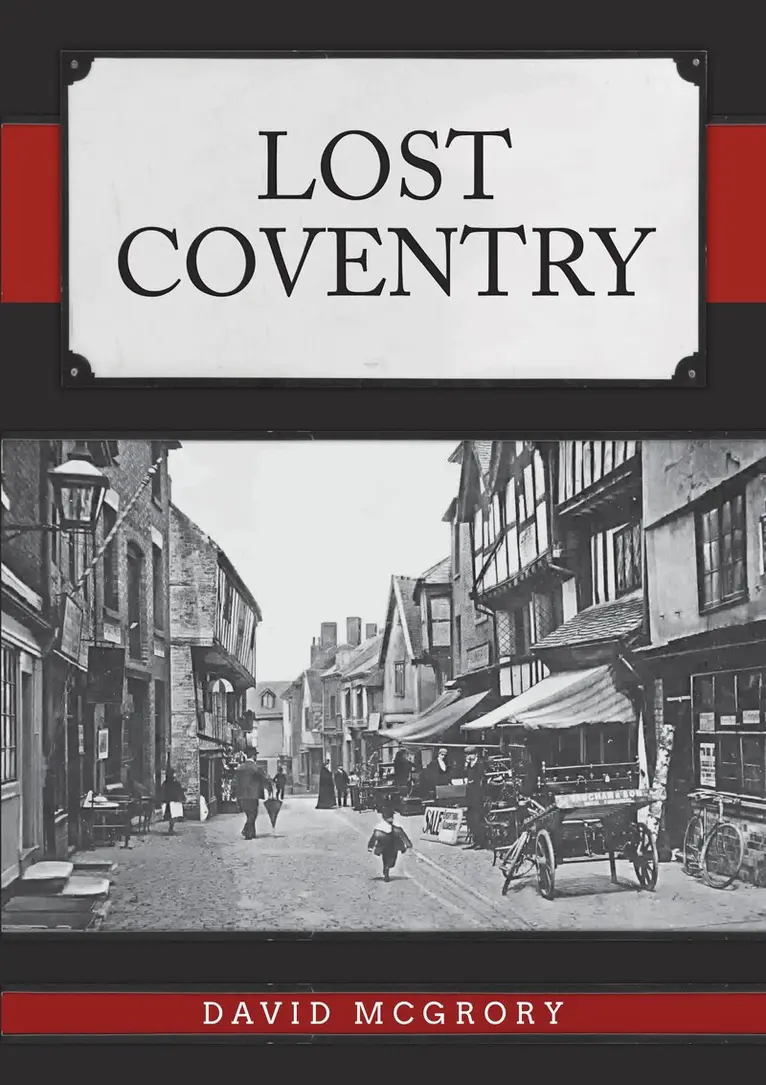
Coventry has been one of the most important cities in England since the Middle Ages. During the eighteenth and nineteenth centuries Coventry became an industrial centre, renowned for clock and watch manufacturing and later for building cars, bicycles and aircraft. Its significance drew massive air attacks during the Second World War and the historic centre of Coventry was destroyed. The city was rebuilt in the post-war era, including a new cathedral, and the city boomed, then was hard hit by industrial decline in the late twentieth century, but recent decades have seen a gradual recovery, recognised with Coventry becoming the 2021 UK City of Culture.Lost Coventry presents a portrait of this corner of the East Midlands over the last century, showing not only industries and buildings that have gone but also people and street scenes, many popular places of entertainment and much more. This fascinating photographic history of lost Coventry will appeal to all those who live in the area or know it well, as well as those who remember it from previous decades.
173 kr
Skickas
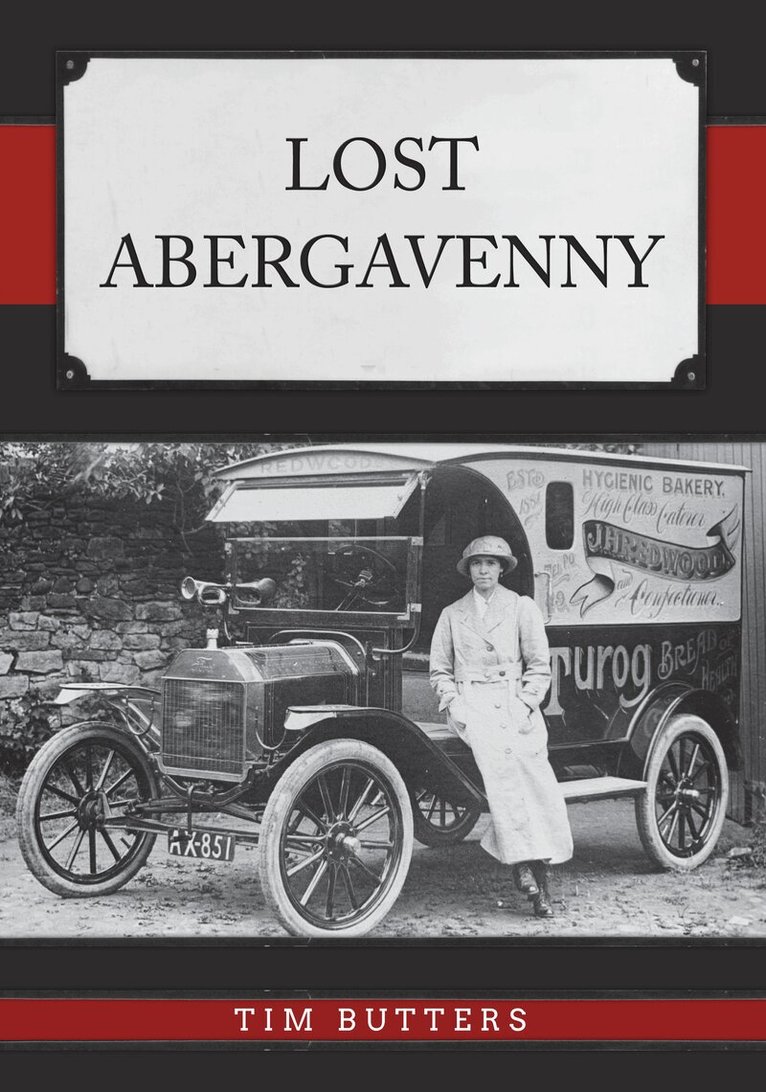
Over time towns and cities evolve and adapt to new technologies and trends. Much of the Monmouthshire town of Abergavenny has changed over the years and in Lost Abergavenny we revisit old streets that no longer stand; schools that are now silent; railway tracks that no longer rattle with trains; the military heritage of its castle, barracks and army camp; shops and businesses that once defined the town; sporting clubs and teams who have played their last; and institutions, events and characters unique to the town.Filled with a treasure trove of pictures and charming anecdotes of times gone by, Lost Abergavenny presents a portrait of this corner of Wales over the last century to recent decades that has radically changed or disappeared today, showing not only industries and buildings that have gone but also people and street scenes, many popular places of entertainment and much more. This fascinating history of lost Abergavenny will appeal to all those who live in the area or know it well, as well as those who remember it from previous decades.
173 kr
Skickas
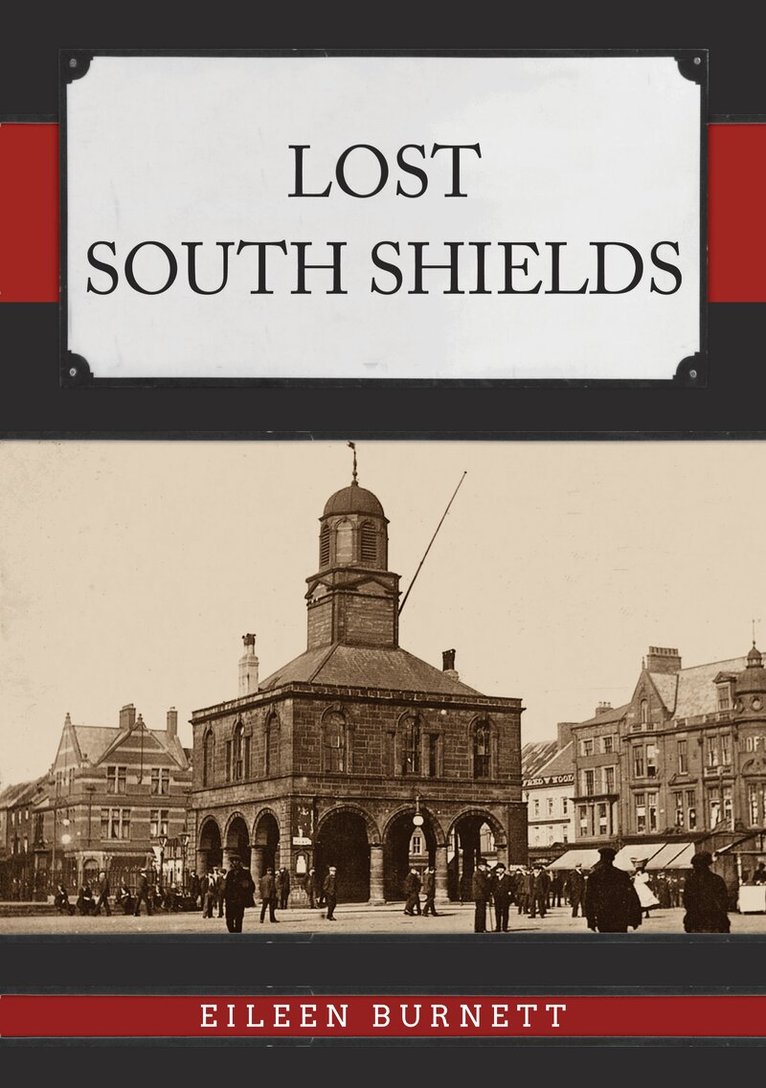
The coastal town of South Shields, lying on the south of the mouth of the River Tyne, grew massively during the Industrial Revolution. Industries such as coal mining, alkaline production and glass making generated wealth and brought in many people. By the twentieth century the town was also known for shipbuilding, but in recent years the landscape has changed markedly with the closure of many heavy industries and the move to more service-based commercial development. Areas of the town that had been destroyed by bombing during the Second World War or left empty by departing industries have been regenerated and the town is now a popular tourist destination. Lost South Shields presents a portrait of this corner of north-east England over the last century to recent decades that has radically changed or disappeared today, showing not only industries and buildings that have gone but also people and street scenes, many popular places of entertainment and much more. This fascinating photographic history of lost South Shields will appeal to all those who live in the area or know it well, as well as those who remember it from previous decades.
173 kr
Skickas
The South Yorkshire town of Barnsley grew through its industries of linen weaving, glass-making and coal mining from a settlement around Monk Bretton Priory. Communities grew up around these industries, bringing wealth to the town, but today many of these industries are just a memory and not only has the fabric of the town changed in the last hundred years but also a way of life has disappeared. New modes of transport such as canals, trams and railways have come and gone, shops have opened and closed, places of worship and entertainment, not least music venues, theatres and cinemas, have disappeared and a major redevelopment of the town centre has seen many old buildings swept away. Lost Barnsley presents a portrait of this corner of South Yorkshire over the last century to recent decades, showing not only industries and buildings that have gone but also people and street scenes, many popular places of entertainment and much more. This fascinating photographic history of lost Barnsley will appeal to all those who live in the area or know it well, as well as those who remember it from previous decades.
197 kr
Skickas
Chatham, lying on the River Medway in Kent, grew up around its naval dockyard, various army barracks and fortifications. Over the years the face of Chatham has changed: buildings lost, many once occupied by artisans and labourers, shops, chapels and residences removed due to extensive road projects, and cinemas and theatres now replaced or redeveloped. Impossible to ignore is the town’s history as a former military-industrial complex, with its barracks demolished and a Georgian naval dockyard that has also undergone much change now a museum and heritage centre.Lost Chatham presents a portrait of this area of North Kent over the last century to recent decades that has radically changed or disappeared, showing not only industries and buildings that have gone but also people and street scenes, many popular places of entertainment and much more. This fascinating photographic history of lost Chatham will appeal to all those who live in the area or know it well, as well as those who remember it from previous decades.
173 kr
Skickas
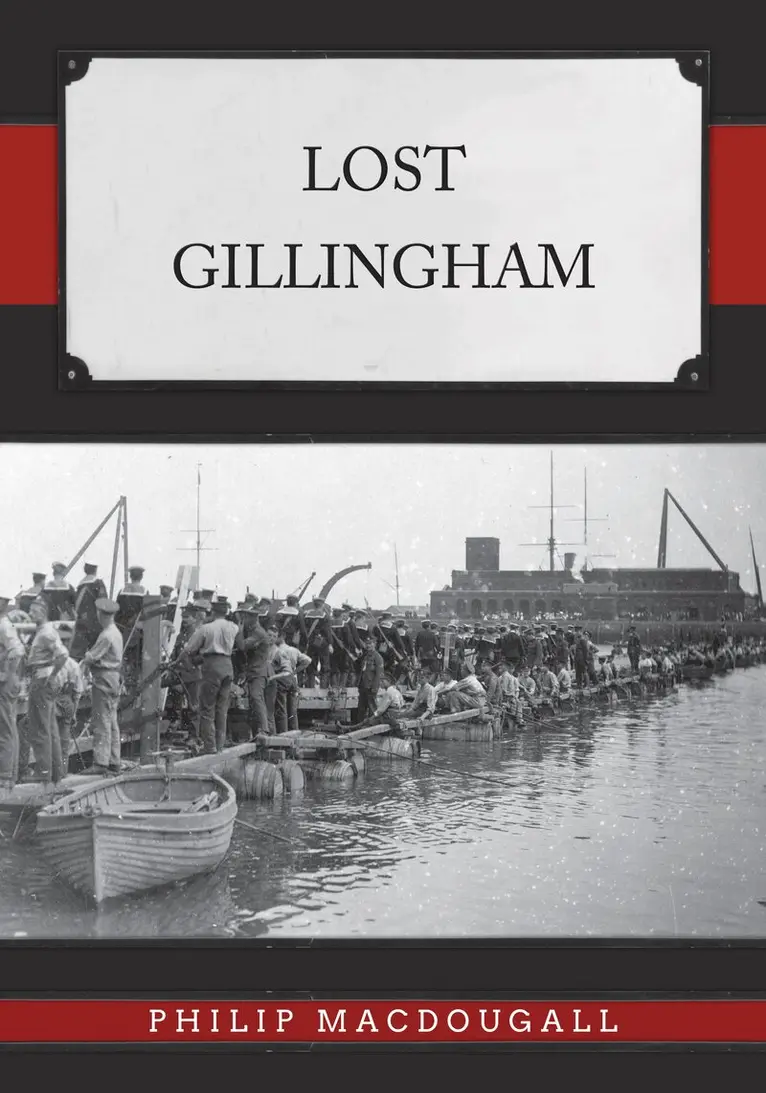
The town of Gillingham in Kent grew up around the Royal Navy’s Chatham Dockyard. By the River Medway, this had been an important maritime area for centuries but it was only in the nineteenth century that the small settlement grew into a town. A large proportion of the town’s workforce and businesses depended on the dockyard, so its closure in the 1980s meant that the town had to rethink its focus. It is now the largest and busiest town in the Medway region but much has changed over the years: annual military and naval displays that are now just a memory, houses occupied by artisans and labourers that were demolished, shops and chapels that were removed due to extensive road projects, and cinemas and theatres that were redeveloped, as well as barracks, defence works and the Victorian naval dockyard that have had to find a new lease of life.Lost Gillingham presents a portrait of this corner of Kent over the last century that has radically changed or disappeared today, showing not only industries and buildings that have gone but also people and street scenes, many popular places of entertainment and much more. This fascinating photographic history of lost Gillingham will appeal to all those who live in the area or know it well, as well as those who remember it from previous decades.
173 kr
Skickas
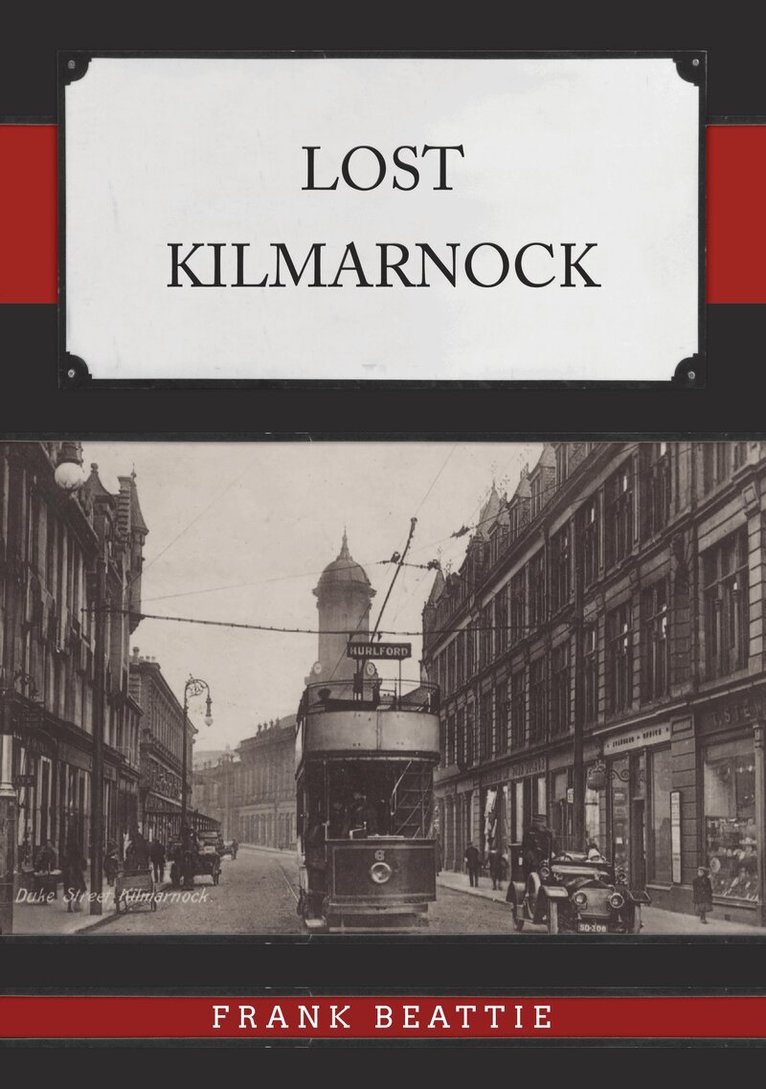
Kilmarnock is the largest town in Ayrshire and a major centre for the west of Scotland. It expanded hugely during the Industrial Revolution and in recent decades has rebuilt itself extensively, streets and structures built by Victorian planners being replaced with new shopping areas and buildings. Many of the manufacturing industries which had characterised Kilmarnock have closed in this period, from locomotive engineering, carpet making and agricultural machinery with Massey Ferguson, to Saxone shoes and Johnnie Walker whisky. The town has had to generate a new economy in recent years with the centre and housing areas being redeveloped.Lost Kilmarnock presents a portrait of this town in Ayrshire over the last century to recent decades that has radically changed or disappeared today, showing not only industries and buildings that have gone but also people and street scenes, many popular places of entertainment and much more. This fascinating photographic history of lost Kilmarnock will appeal to all those who live in the area or know it well, as well as those who remember it from previous decades.
167 kr
Skickas
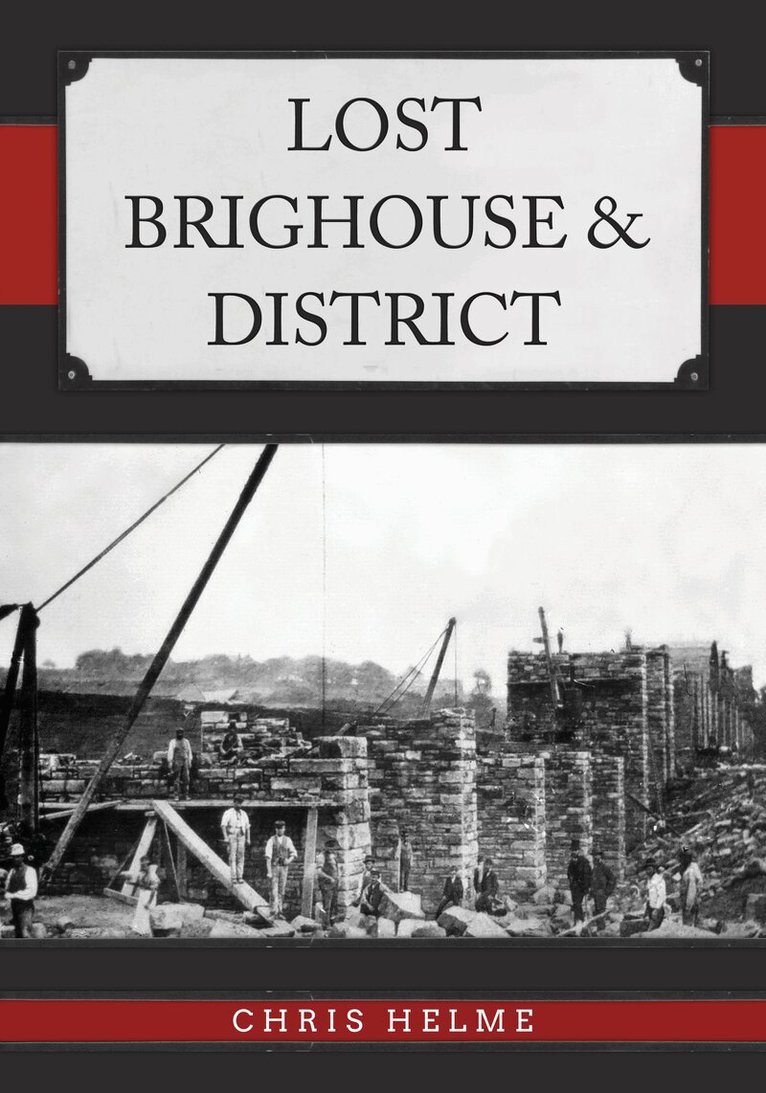
Brighouse grew as a mill town in what is now part of Calderdale within West Yorkshire. The building of the Calder and Hebble Navigation canal in the eighteenth century spurred development in a rich, diverse industrial base which included cotton, silk, woollen and worsted mills. There were also flourishing stone, wire, iron and flour industries, which helped the town gain its incorporation in 1893. The 1960s to recent decades saw further major changes in Brighouse, with many of the older industries going into decline. These have been replaced during the last sixty years with new businesses. With the opening of the M62 motorway during the 1970s and the reopening of the town’s railway station in 2000, Brighouse is now a thriving, busy, modern industrial and social community. Also, during this period, the town centre has been reconfigured and is continually evolving.Lost Brighouse & District presents a portrait of this corner of West Yorkshire over the decades that has radically changed or disappeared today, showing not only industries and buildings that have gone but also people and street scenes, many popular places of entertainment and much more. This fascinating photographic history of lost Brighouse and the surrounding district will appeal to all those who live in the area or know it well, as well as those who remember it from previous decades.
173 kr
Skickas
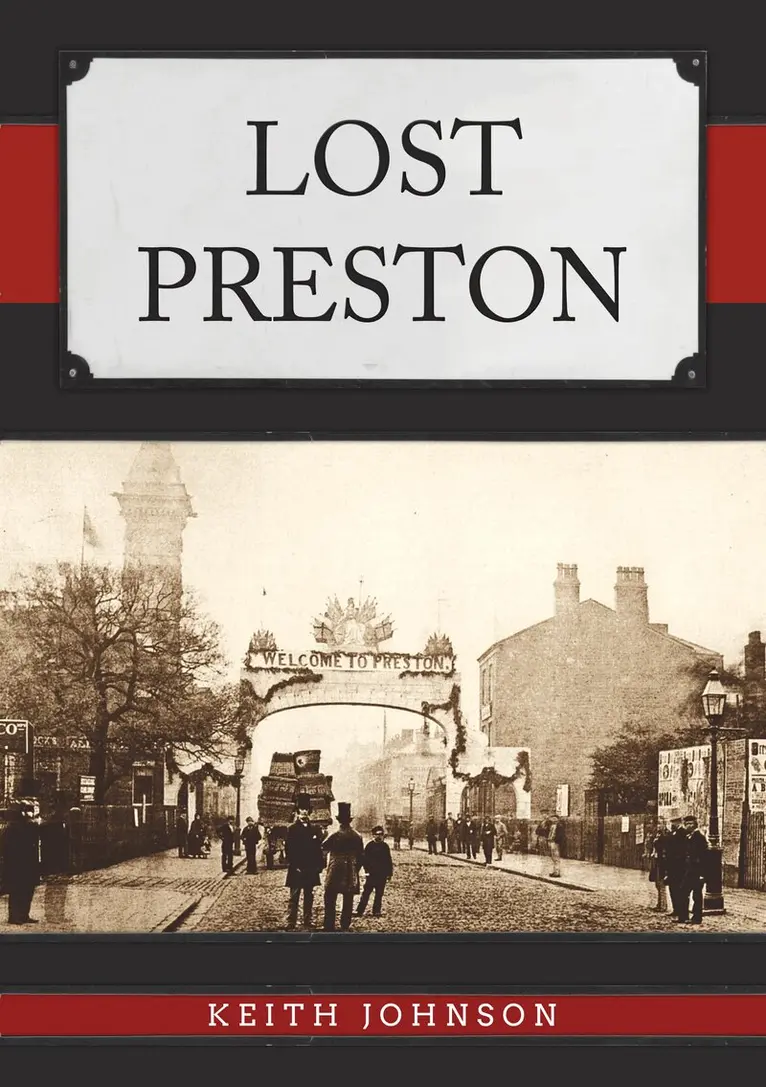
Preston was awarded city status in 2002 and has played an important part in Lancashire’s history since the Middle Ages, when it was a centre for wool production and weaving. The town boomed in the Industrial Revolution, attracting new engineering industries alongside textiles, but in the later decades of the twentieth century many of these industries declined, with factories closing. From the 1960s the town centre was redeveloped and new housing was built. Some landmark buildings from before were lost, replaced by buildings that have become the new face of Preston.Lost Preston presents a portrait of this Lancashire city over the last century to recent decades that has radically changed or disappeared today, showing not only industries and buildings that have gone but also people and street scenes, many popular places of entertainment and much more. This fascinating photographic history of lost Preston will appeal to all those who live in the area or know it well, as well as those who remember it from previous decades.
173 kr
Skickas
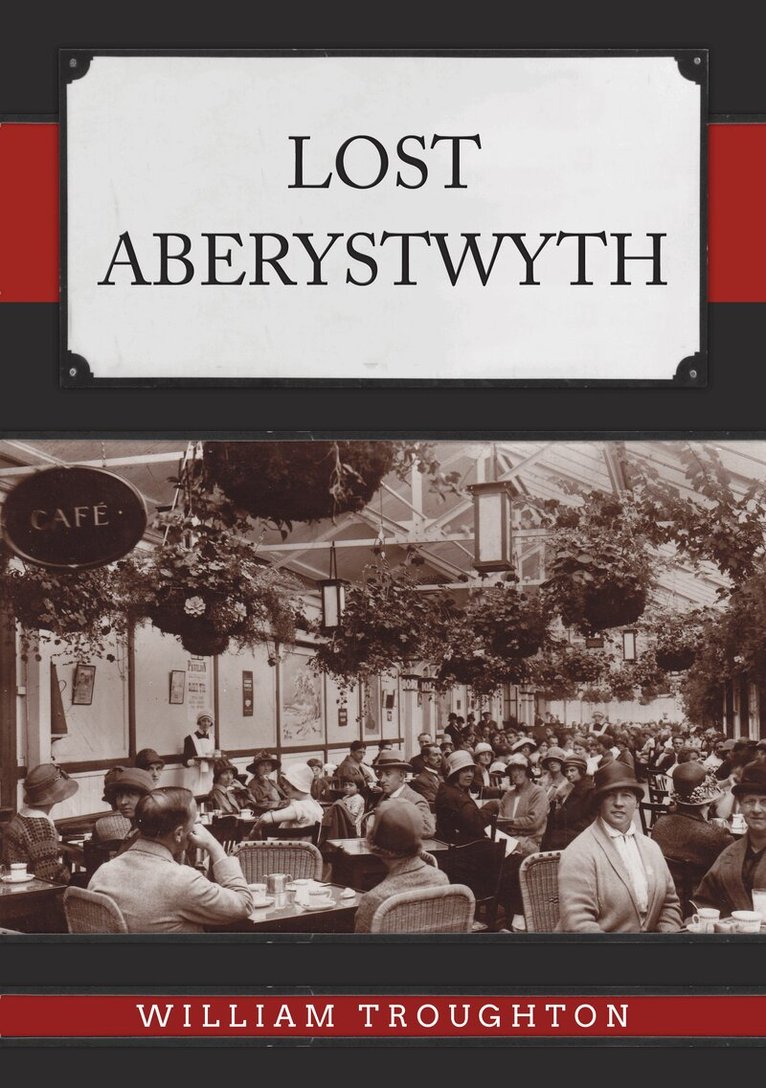
Aberystwyth is the unofficial capital of Mid Wales. Situated on Cardigan Bay, it attracts many as a seaside resort and university town, as well as being a gateway to the Cambrian Mountains inland. The ruins of the castle, destroyed in the Civil War, attest to the town’s importance in the Middle Ages, and with the coming of the railways in the nineteenth century, which brought an influx of visitors, many hotels and grand houses were built. Many buildings and the pier were damaged or destroyed in a great storm in 1938, and post-war to recent decades Aberystwyth has witnessed many more changes.Lost Aberystwyth presents a portrait of this corner of Wales over the last century to recent decades that has radically changed or disappeared today, showing not only industries and buildings that have gone but also people and street scenes, many popular places of entertainment and much more. This fascinating photographic history of lost Aberystwyth will appeal to all those who live in the area or know it well, as well as those who remember it from previous decades.
173 kr
Skickas
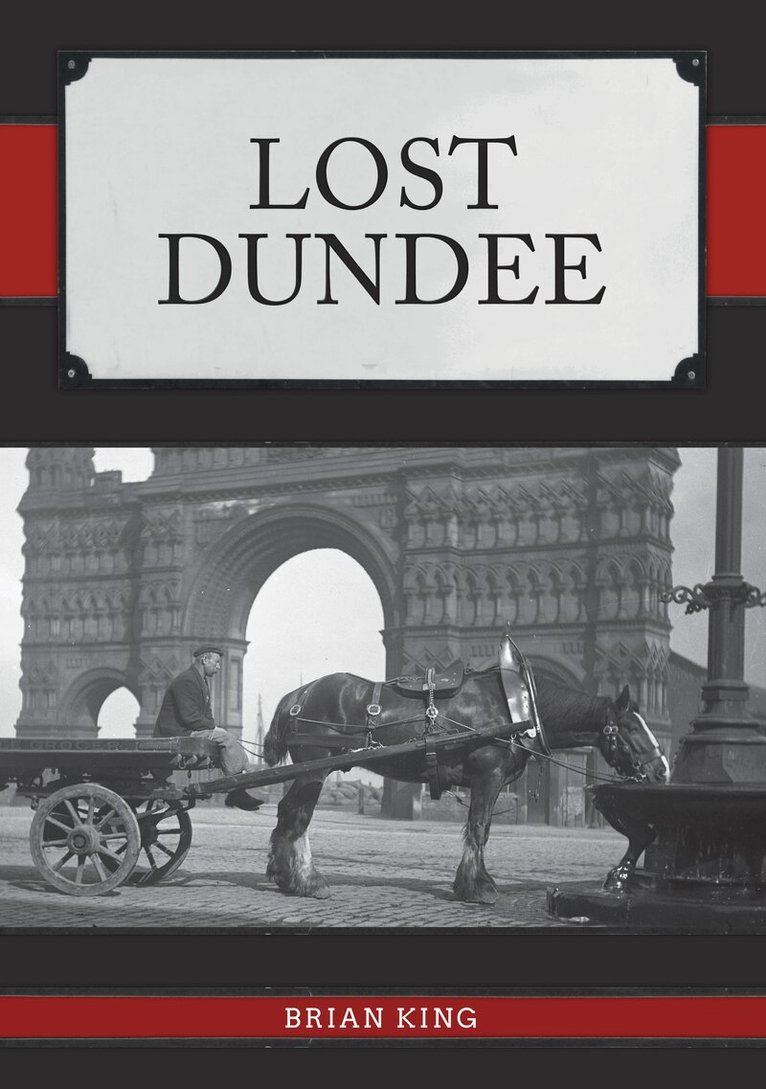
Dundee’s official history as a burgh stretches back more than 800 years, though there is much evidence of settlement in the area long before that. The nineteenth century saw the town’s expansion into a large industrial city. Dundee suffered more than most cities in the mid-twentieth-century drive for modernisation as not only long-established buildings but parts of the ancient street pattern were swept away in large-scale demolitions in the 1960s and 1970s. At the same time, the city lost its natural connection with the River Tay as some of its docks were filled in to make way for the landfall of the Tay Road Bridge. More recently the city has sought to reconnect with the river and Dundee has had to adapt to changes in lifestyles and ways of working.Lost Dundee presents a portrait of this corner of Scotland from the nineteenth century to more recent decades, showing what has radically changed or disappeared. It not only shows industries and buildings that have gone but people and street scenes, popular places of entertainment and much more. This fascinating photographic history of lost Dundee will appeal to all those who live in the area or know it well, as well as those who remember it from previous decades.
173 kr
Kommande
Plymouth grew up round its sheltered harbour on the River Plym on the South Coast of England. The naval dockyard became an important employer in the city and although smaller still has a significant presence. Plymouth Gin has also defined the city for generations but today’s Plymouth has substantially changed in recent decades with much of the city centre rebuilt.Lost Plymouth presents a portrait of this corner of the South West over the last century to recent decades that has radically changed or disappeared today, showing not only industries and buildings that have gone but also people and street scenes, many popular places of entertainment and much more. This fascinating photographic history of lost Plymouth will appeal to all those who live in the area or know it well, as well as those who remember it from previous decades.
178 kr
Skickas
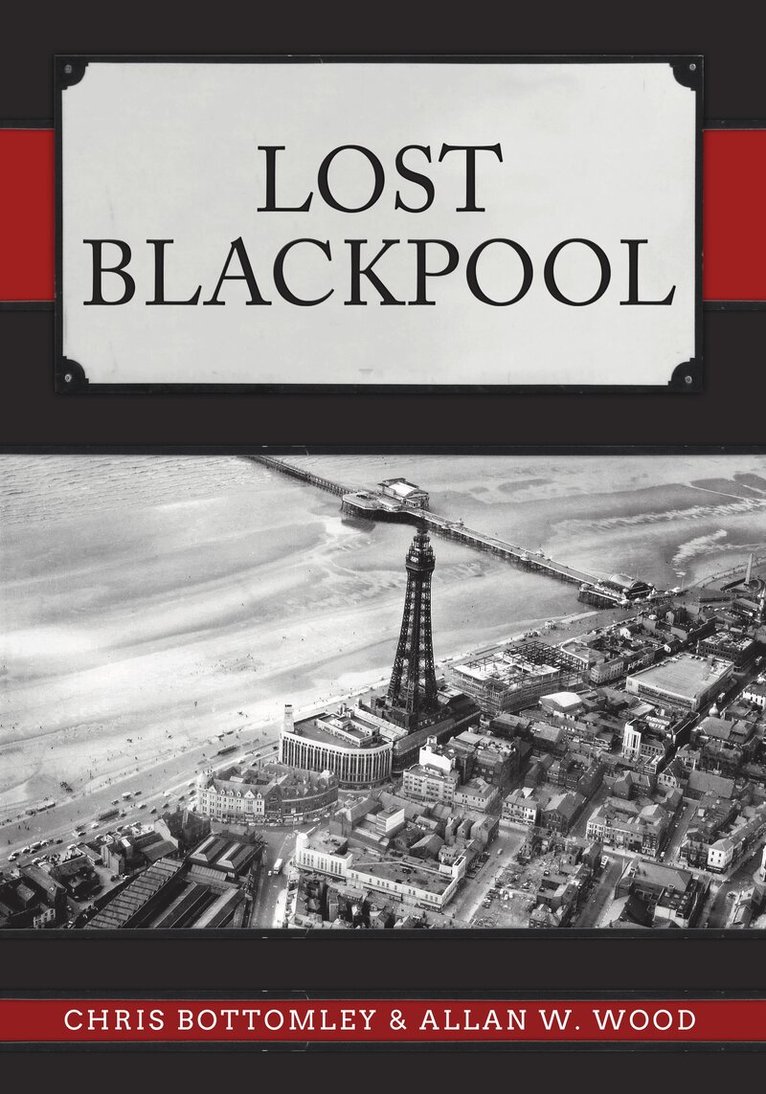
Like all towns and cities in the UK, Blackpool has changed over the years, and continues to do so. This much-loved seaside resort has developed from just a few houses fronting its 7 miles of ‘Golden Beach’ in the mid- to late 1700s, to what it is today with its famous Tower, three piers, Golden Mile, Illuminations, Comedy Carpet and Pleasure Beach. In the intervening period many attractions along the promenade have come and gone and the whole 7 miles developed with hotels and houses.Lost Blackpool shows the many well-known attractions and buildings – such as the Big Wheel, The Palace, Derby Baths, Yates’s and Central station – that are no longer part of the landscape, as well as many of the shops, schools, pubs, cinemas and churches of the ‘other’ Blackpool behind the seafront. Lost Blackpool is a book that will appeal not only to the town’s residents but also the many visitors who come here every year to sample its delights.
173 kr
Skickas inom 11-20 vardagar
Bury St Edmunds is a proud and traditional medieval market town that has managed to preserve its identity in the face of post-war modernisation, and today attracts thousands of visitors who enjoy its unique charms. St John’s Street was saved by concerned residents in 1971 and is still full of distinctive independent shops today. However, it hasn’t all been good news: the demise of the cattle market and associated flea market was a major blow to the town and an ultra-modern development, The Arc, now stands there instead; the town has lost every greengrocer and almost every butcher and baker, while over forty pubs have closed and with them the traditional games and sports that we participated in before the advent of the modern technological age. Lost Bury St Edmunds is a fully illustrated book that sheds light on the town’s past and will appeal to both visitors and residents who have the fondest of memories of what was once there.
173 kr
Skickas
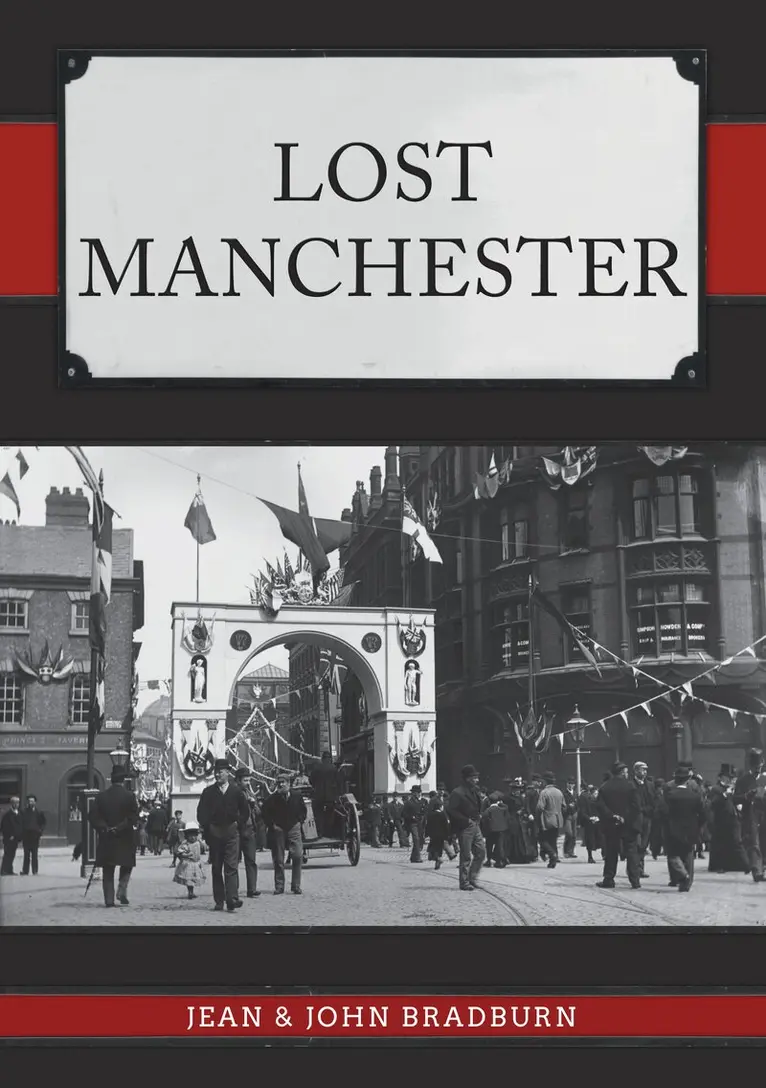
Like many cities in the UK, Manchester has changed dramatically over the years and continues to do so. The ‘Second City of Empire’ was a powerhouse of the Industrial Revolution, especially in textile manufacture, and for a time was the most productive centre of cotton processing in the world. The boom ended as dramatically as it had begun, with the death of the textile industry and waning of the city’s role as a major inland port, and the post-war decades were marked by industrial decline, urban decay and mass unemployment as factories and warehouses lay dormant and derelict. By the end of the twentieth century, however, Manchester’s fortunes had changed as a massive programme of inner-city regeneration saw the city successfully transform itself into a thriving post-industrial centre of arts, culture and commerce.Lost Manchester describes this remarkable transformation in words and pictures, highlighting the many well-known buildings that are no longer part of the city’s landscape. This is a book that will appeal not only to the city’s residents but also the many visitors who come here every year to savour its delights.
178 kr
Skickas inom 11-20 vardagar
Derby has grown from a medieval market town to become a centre of industry. Derby was one of the birthplaces of the Industrial Revolution as following the silk mill and china factory established in the eighteenth century, it became home to heavy engineering following the arrival of the railways in the nineteenth century, as well as related iron and brass foundries. Later it became famous for the production of Rolls-Royce cars and aero engines. In the last century, much manufacturing has moved away and although the city is still associated with engineering, the face of Derby has changed significantly through street widening, housing clearance, retail centres, expansion into the surrounding countryside and the creation of suburbs, not to mention an inner ring road which saw the loss of some familiar landmarks despite providing two new bridges across the River Derwent.Lost Derby presents a portrait of a city and a way of life that has radically changed or disappeared today, showing not just the industries, buildings, people and street scenes that have gone, but also many popular places of entertainment and much more. This fascinating photographic history of lost Derby will appeal to all those who live in the city or know it well, as well as those who remember it from previous decades.
178 kr
Skickas inom 11-20 vardagar
Brighton has grown from a fashionable resort in Georgian times, and a popular place to visit for Londoners once the railways arrived in Sussex in the nineteenth century, to today’s lively conurbation on the south coast. In this book, local historian Christopher Horlock charts the changing face of Brighton from the end of the Victorian era to the present day. Not only are many famous lost landmarks recorded, such as the Chain and West piers, Hanningtons department store and the SS Brighton ice rink, but also industrial premises, churches, schools, theatres and cinemas, plus trams, trolleybuses and branch railways.Lost Brighton presents a portrait of a city and a way of life that has radically changed or disappeared today, showing not just the buildings, streets and industries that have gone or changed, but also a way of life. This fascinating photographic history of lost Brighton will appeal to all those who live in the city or know it well, as well as those who remember it from previous decades.
178 kr
Skickas
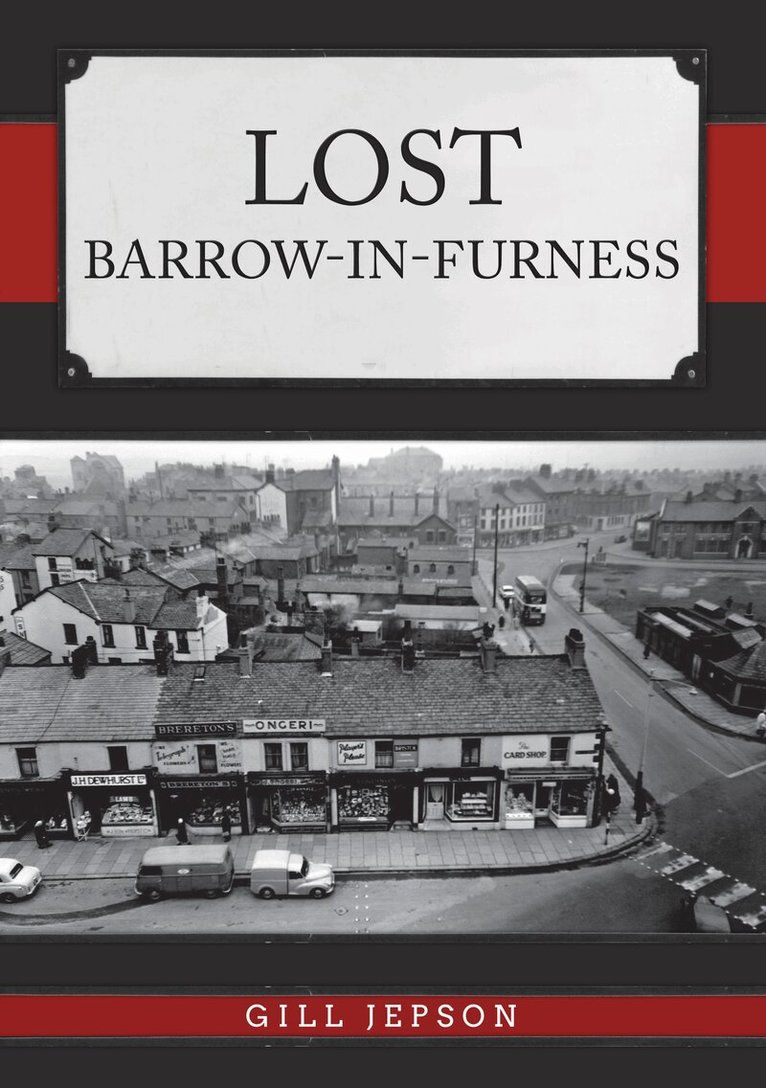
Barrow-in-Furness and its surroundings have changed rapidly over the last century and a half. The contrast between the old and the new is stark, and nowhere is that better illustrated than in the photographs featured in this book. Focusing on themes including work, transport, entertainment, buildings and leisure, author Gill Jepson chronicles the changing face of the town across the decades.The transformation from agriculture to industry and the movement of the urban centres is fascinating. The old occupations of iron ore mining have given way to the newer ones of submarine building and renewable energy. The landscape is testament to the rapid growth of the town and its infrastructure, and there are numerous images that illustrate quieter and more agrarian times. Barrow Island, now home to a shipyard, was once a rural estate with just one house - the Michaelson mansion. Many old buildings were swept away under regeneration plans in the 1960s and 1970s and some of these too have now disappeared. The town is forever changing and meeting the requirements of the modern age and yet echoes the old-world filter here and there, reminding us of a time gone by.
173 kr
Skickas inom 11-20 vardagar
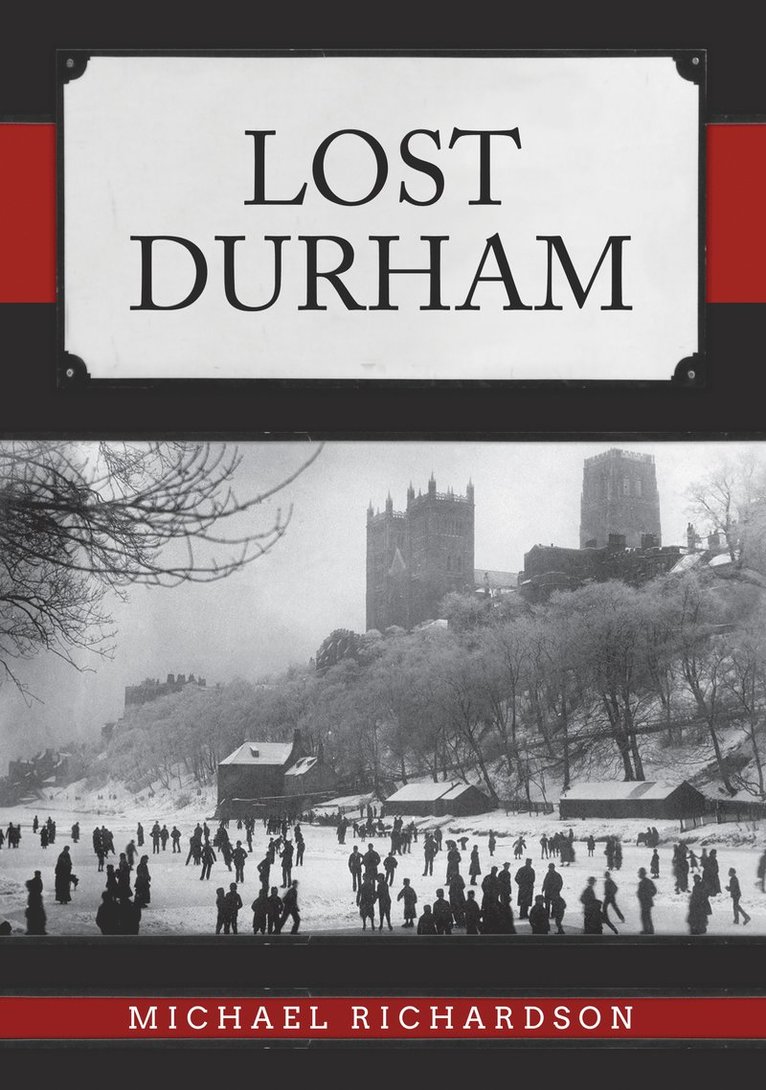
The city of Durham in north-east England, lying on the River Wear, has long been an important centre in the region since St Cuthbert was buried there in the tenth century and the Normans built their imposing cathedral and castle. The city became the centre of many coal-mining communities in the surrounding area during the Industrial Revolution and the university, founded in 1832, took over many buildings in the historic centre of the town and continued to expand in the twentieth century. Today the mines have closed but the communities built around them remain, and the city has experienced post-war development of its commercial areas.Lost Durham presents a portrait of this city in north-east England and a way of life that has radically changed or disappeared today, showing the buildings, streets and industries that have gone or changed. This fascinating photographic history of Durham will appeal to all those who live in the city or know it well, as well as those who remember it from previous decades.
173 kr
Skickas inom 11-20 vardagar
The Wirral Peninsula in north-west England, lying between the River Dee and the Welsh border to the west and the River Mersey to the east, has long had its own identity. The large towns of Birkenhead and Wallasey grew around their docks and industrialised rapidly, benefitting from their proximity to Liverpool across the River Mersey, and at the same time New Brighton was developed as a resort. The towns to the west of Wirral – Hoylake, West Kirby and Heswall – grew more slowly and many areas on the peninsula remain rural today.Much has changed on the Wirral in the last 100 years. Industries have declined, particularly in the once busy docks. Some areas suffered immense destruction from aerial bombardment during the Second World War and coastal resorts suffered as British holidaymakers moved abroad, but more recent years have seen the regeneration of many areas.Lost Wirral presents a portrait of this region of north-west England and a way of life that has radically changed or disappeared today, showing not just the buildings, streets and industries that have gone or changed, but also a way of life. This fascinating photographic history of lost Wirral will appeal to all those who live in the area or know it well, as well as those who remember it from previous decades.
178 kr
Kommande
A highly illustrated and evocative look back in time at this Gloucestershire town, its people and their way of life.
173 kr
Skickas inom 11-20 vardagar
Lost Watford portrays a vivid picture of the many losses and changes that have taken place over the last 100 years, as the reader embarks on an interesting journey of discovery around the old market town. Lovely buildings such as Cassiobury House, the seat of the Earls of Essex, and the historic park gates, both long gone and now just a memory. We remember too much-loved shops such as Clements and Cawdell’s where each delightful visit was a shopping experience in itself. Fond memories are evoked as well of the many lost cinemas in the town, where for a few hours one could escape to the celluloid world of make-believe in the smoky atmosphere of the auditorium. Sadly, major industries such as printing, brewing and the production lines of Scammell Lorries have similarly disappeared into the mists of time, all irreplaceable and much missed.Lost Watford presents a portrait of this town in Hertfordshire and a way of life that has radically changed or disappeared today, showing not just the buildings, streets and industries that have gone or changed, but also a way of life. This fascinating photographic history of lost Watford will appeal to all those who live in the town or know it well, as well as those who remember it from previous decades.
173 kr
Skickas inom 11-20 vardagar
The town of Jarrow in the north-east of England transformed in the nineteenth century when heavy industry, particularly coal mining and shipbuilding, began to dominate the town. At its peak 80 per cent of the town’s working population were employed in the shipbuilding industry until 1933 at the demise of the Palmer shipbuilding empire. From this time the town relied upon ship repair as the mainstay industry, up until the last ship repair yard closed in 1981. Although the docks continued for another decade, they have been largely filled in today, and new industries have been attracted to the area during the redevelopment of the town.In this book well-known local author and photographer Paul Perry presents a portrait of a town and a way of life that has radically changed over the decades, much of which has disappeared today, showing not only the industries and buildings that have gone but also the people, street scenes, many popular places of entertainment and much more. This fascinating photographic history of lost Jarrow will appeal to all those who live in the town or know it well, as well as those who remember it from previous decades.
173 kr
Skickas inom 11-20 vardagar
Swansea’s massive expansion during the Industrial Revolution and its aftermath can still be seen today. The world’s leading copper-smelting area, its docks were conveniently situated for the South Wales coalfields and copper mines in Cornwall, and the whole lower Swansea Valley was criss-crossed by railway lines. Thousands were drawn to live and work in the city, but the heavy industries declined in the twentieth century. Swansea was devastated by aerial bombardment in the Second World War and much of the city centre, docks and old industrial Swansea has been rebuilt in subsequent decades, with the regeneration continuing today.Lost Swansea presents a portrait of a city and a way of life that has radically changed or disappeared today, showing not just the industries, buildings, people and street scenes that have gone, but also many popular places of entertainment and much more. This fascinating photographic history of lost Swansea will appeal to all those who live in the city or know it well, as well as those who remember it from previous decades.
167 kr
Skickas
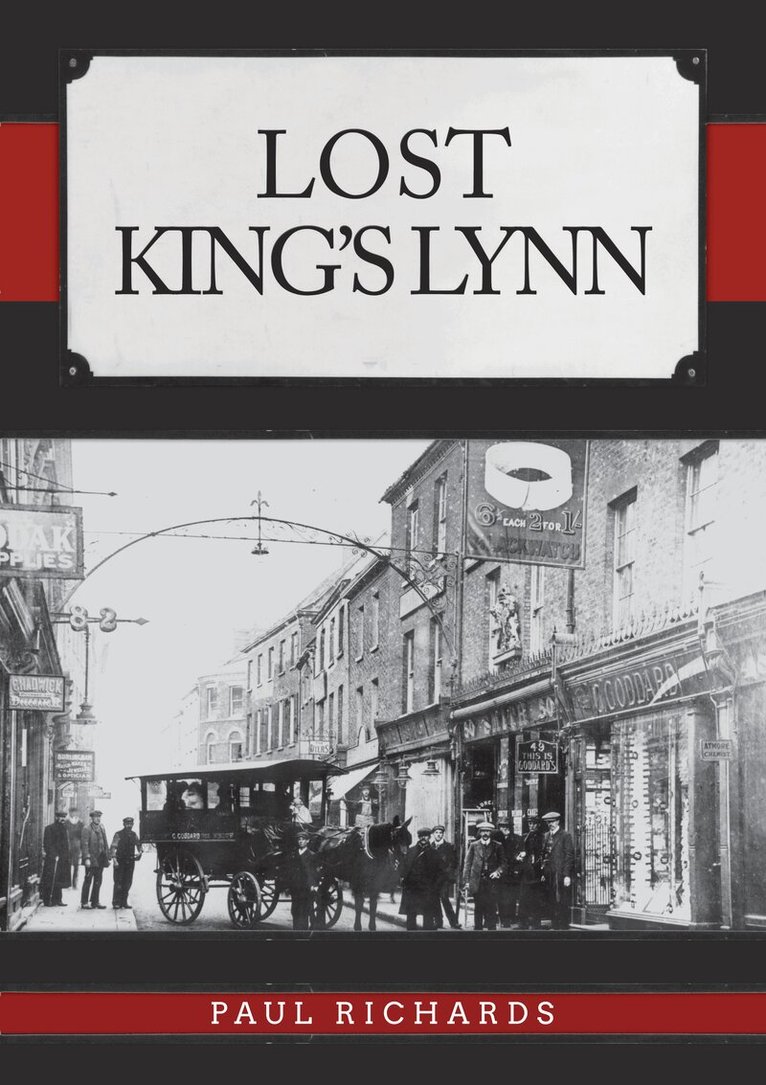
Medieval Kingʼs Lynn (Bishopʼs Lynn before 1537) was a premier English port, a position it retained until the Industrial Revolution. Its maritime economy was undermined by the coming of the railways, which were the harbinger of modest industrialisation. The major watershed in the ancient boroughʼs fortunes arrived in 1962 when it was designated a London overspill town. Though the new industrial and housing estates were located on the townʼs outskirts, its historic heart was partly redeveloped for a new shopping centre, and the old cattle market closed. By 2000 Kingʼs Lynn was no longer the traditional country town and port it had been in 1950.Lost Kingʼs Lynn presents a portrait of a town and a way of life that has radically changed or disappeared today, showing not just the industries and buildings that have gone, people and street scenes, but also many popular places of entertainment and much more. This fascinating photographic history of lost Kingʼs Lynn will appeal to all those who live in the town or know it well, as well as those who remember it from previous decades.