Latin American and Caribbean Arts and Culture Publication Initiative, Mellon Foundation – serie
Visar alla böcker i serien Latin American and Caribbean Arts and Culture Publication Initiative, Mellon Foundation. Handla med fri frakt och snabb leverans.
12 produkter
12 produkter
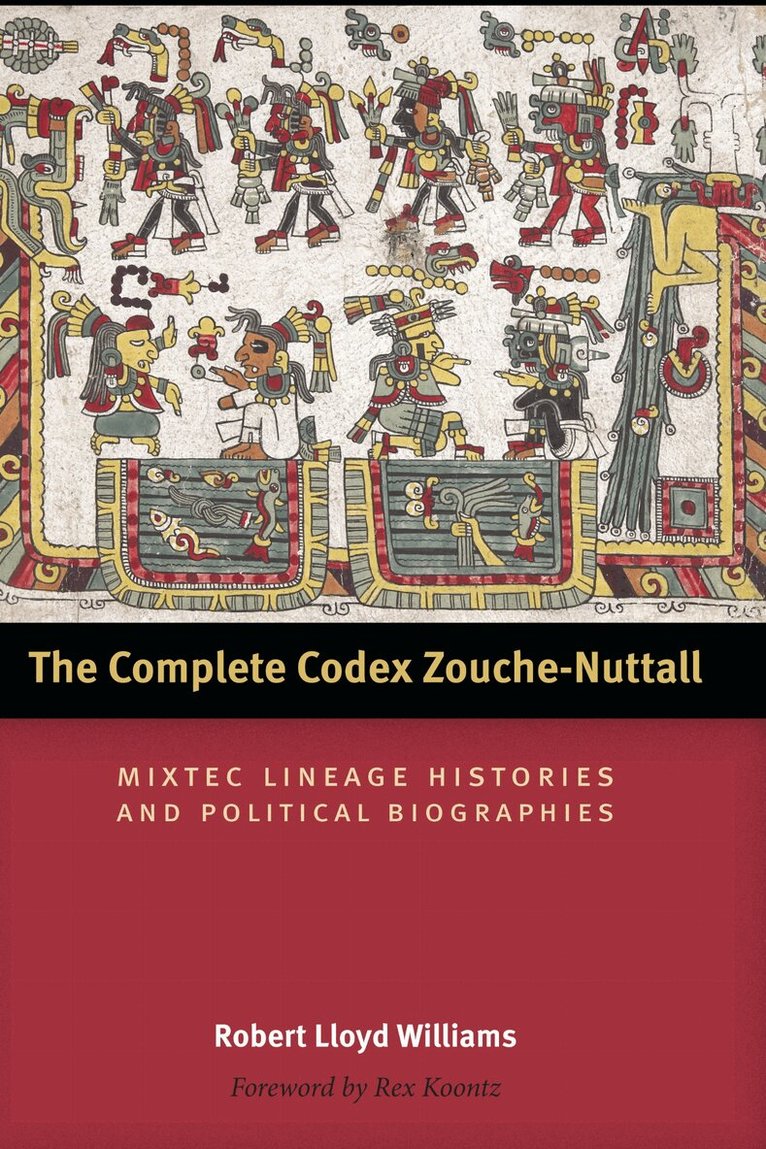
Complete Codex Zouche-Nuttall
Mixtec Lineage Histories and Political Biographies
Inbunden, Engelska, 2013
659 kr
Skickas inom 7-10 vardagar
The pre-Hispanic Mixtec people of Mexico recorded political and religious history, including the biographies and genealogies of their rulers, in pictograms on hand-painted, screen-fold manuscripts known as codices. Functioning rather like movie production storyboards, the codices served as outlines of oral traditions to stimulate the memories of bards who knew the complete narratives, which were sung, danced, and performed at elite functions. Centuries later we have limited access to those original performances, and all that remains for our codex interpretation is what is painted on the pages-perhaps five to ten percent of their memory-encoded information.Continuing the pioneering interpretation he began in Lord Eight Wind of Suchixtlan and the Heroes of Ancient Oaxaca, Robert Lloyd Williams offers an authoritative guide to the entire contents of the codex in The Complete Codex Zouche-Nuttall. Although the reverse document (pages 42–84) has been described in previous literature, the obverse document (pages 1–41) has not been, and it has remained elusive as to narrative. The Complete Codex Zouche-Nuttall elucidates the three sections of the codex, defines them as to function and content, and provides interpretive and descriptive essays about the Native American history the codex recorded prior to the arrival of Europeans in Mexico and the New World generally. With a full-color reproduction of the entire Codex Zouche-Nuttall and Williams’s expert guidance in unlocking its narrative strategies and structures, The Complete Codex Zouche-Nuttall opens an essential window into the Mixtec social and political cosmos.
605 kr
Skickas inom 7-10 vardagar
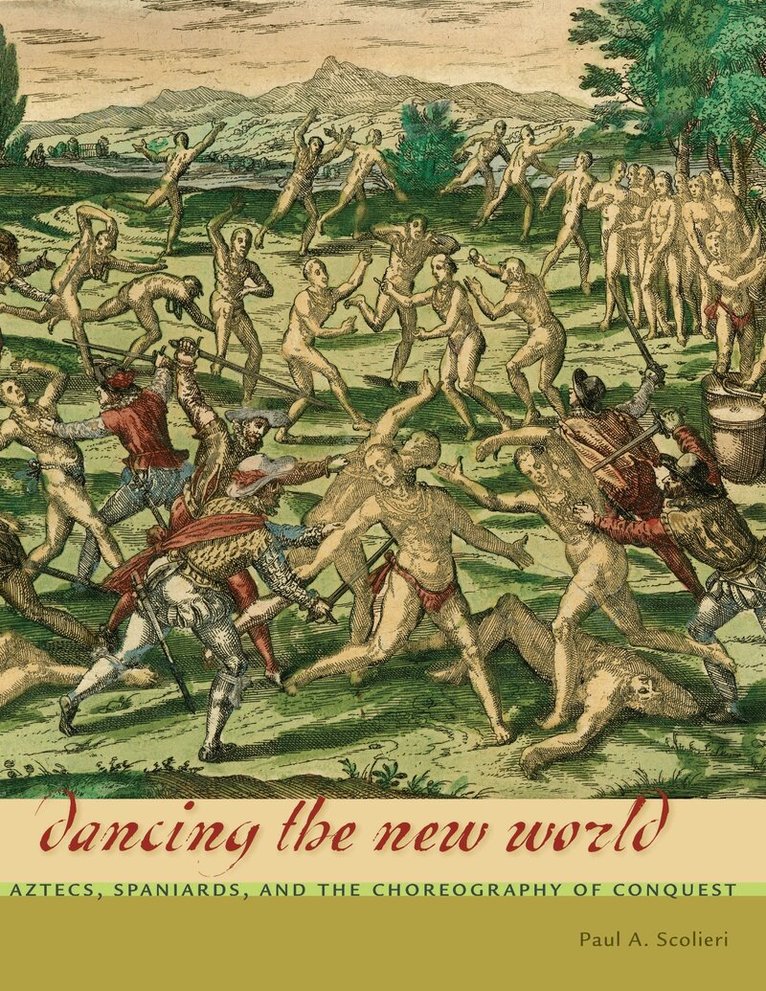
Winner, Oscar G. Brockett Book Prize in Dance Research, 2014Honorable Mention, Sally Banes Publication Prize, American Society for Theatre Research, 2014de la Torre Bueno® Special Citation, Society of Dance History Scholars, 2013From Christopher Columbus to “first anthropologist” Friar Bernardino de SahagÚn, fifteenth- and sixteenth-century explorers, conquistadors, clerics, scientists, and travelers wrote about the “Indian” dances they encountered throughout the New World. This was especially true of Spanish missionaries who intensively studied and documented native dances in an attempt to identify and eradicate the “idolatrous” behaviors of the Aztec, the largest indigenous empire in Mesoamerica at the time of its European discovery.Dancing the New World traces the transformation of the Aztec empire into a Spanish colony through written and visual representations of dance in colonial discourse-the vast constellation of chronicles, histories, letters, and travel books by Europeans in and about the New World. Scolieri analyzes how the chroniclers used the Indian dancing body to represent their own experiences of wonder and terror in the New World, as well as to justify, lament, and/or deny their role in its political, spiritual, and physical conquest. He also reveals that Spaniards and Aztecs shared an understanding that dance played an important role in the formation, maintenance, and representation of imperial power, and describes how Spaniards compelled Indians to perform dances that dramatized their own conquest, thereby transforming them into colonial subjects. Scolieri’s pathfinding analysis of the vast colonial “dance archive” conclusively demonstrates that dance played a crucial role in one of the defining moments in modern history-the European colonization of the Americas.
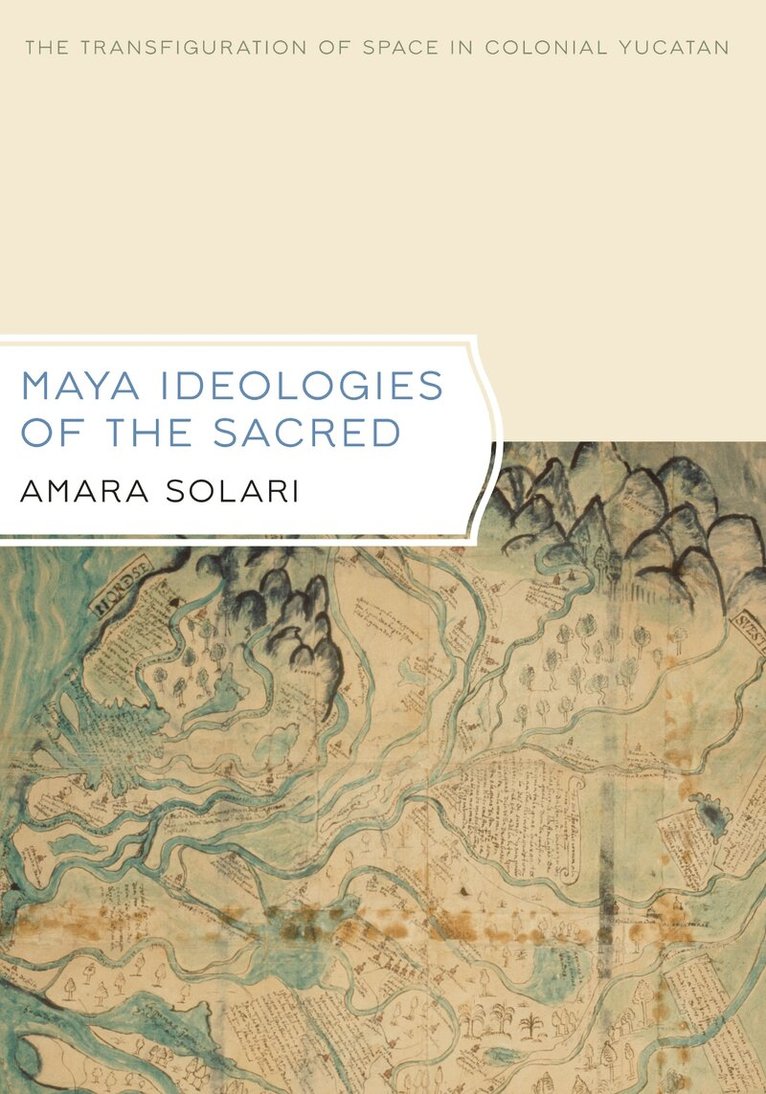
Maya Ideologies of the Sacred
The Transfiguration of Space in Colonial Yucatan
Inbunden, Engelska, 2013
587 kr
Skickas inom 7-10 vardagar
As Spaniards built colonies in the New World, men of the cloth saw within ancient ruins and inhabited native towns great potential for easing the colonization effort. In the Yucatan, which is the locus of this study, Franciscan friars seized upon the opportunity to “conquer” Maya places for Christianity. Their practice of remaking a Maya town into a Christian town-often building their church on the very foundations of an ancient sacred site-represented the absolute triumph of their religion, the ultimate defeat of the pagan demonic forces by the true faith.This book addresses the Franciscan evangelical campaign of sixteenth-century Yucatan and investigates how Maya conceptions of space, landscape, and history influenced the conversion strategies adopted by the friars. Amara Solari analyzes colonial manuscripts written in Yucatec Mayan to discern how Maya communities conceived of land (and more abstractly, space) and how they encoded space with cultural significance. She demonstrates how these indigenous understandings of space and its history, a locale’s “spatial biography,” made the transference of sacrality possible. Using the Maya city of Itzmal as a case study, Solari examines the process of transferring sacrality and healing abilities from the Maya deity Itzamnaaj to a numinous statue of the Virgin Mary. She also reveals how the hybrid religious ideology that evolved allowed the native Maya population to subvert colonial political and religious programs and maintain community identity in the early years of the colonial period.
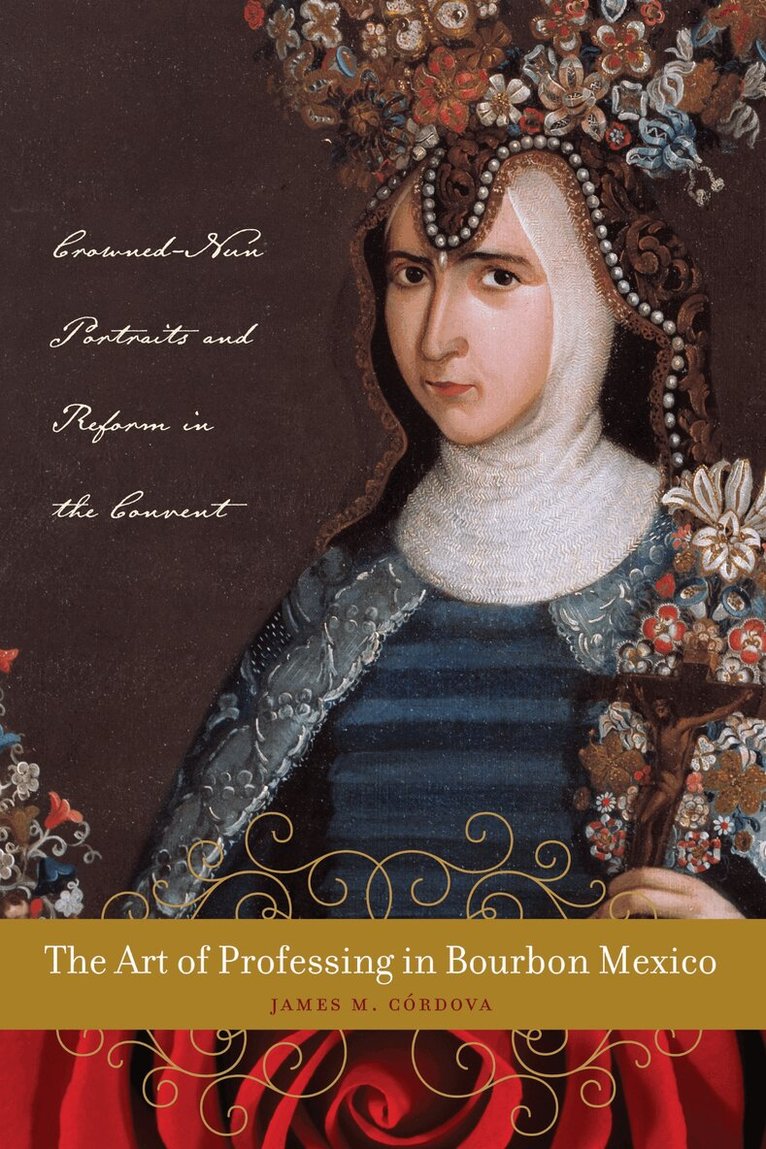
Art of Professing in Bourbon Mexico
Crowned-Nun Portraits and Reform in the Convent
Inbunden, Engelska, 2014
605 kr
Skickas inom 7-10 vardagar
In the eighteenth century, New Spaniards (colonial Mexicans) so lauded their nuns that they developed a local tradition of visually opulent portraits, called monjas coronadas or “crowned nuns,” that picture their subjects in regal trappings at the moment of their religious profession and in death. This study identifies these portraits as markers of a vibrant and changing society that fused together indigenous and Euro-Christian traditions and ritual practices to construct a new and complex religious identity that was unique to New Spain.To discover why crowned-nun portraits, and especially the profession portrait, were in such demand in New Spain, this book offers a pioneering interpretation of these works as significant visual contributions to a local counter-colonial discourse. James M. CÓrdova demonstrates that the portraits were a response to the Spanish crown’s project to modify and modernize colonial society-a series of reforms instituted by the Bourbon monarchs that threatened many nuns’ religious identities in New Spain. His analysis of the portraits’ rhetorical devices, which visually combined Euro-Christian and Mesoamerican notions of the sacred, shows how they promoted local religious and cultural values as well as client-patron relations, all of which were under scrutiny by the colonial Church. Combining visual evidence from images of the “crowned nun” with a discussion of the nuns’ actual roles in society, CÓrdova reveals that nuns found their greatest agency as Christ’s brides, a title through which they could, and did, challenge the Church’s authority when they found it intolerable.
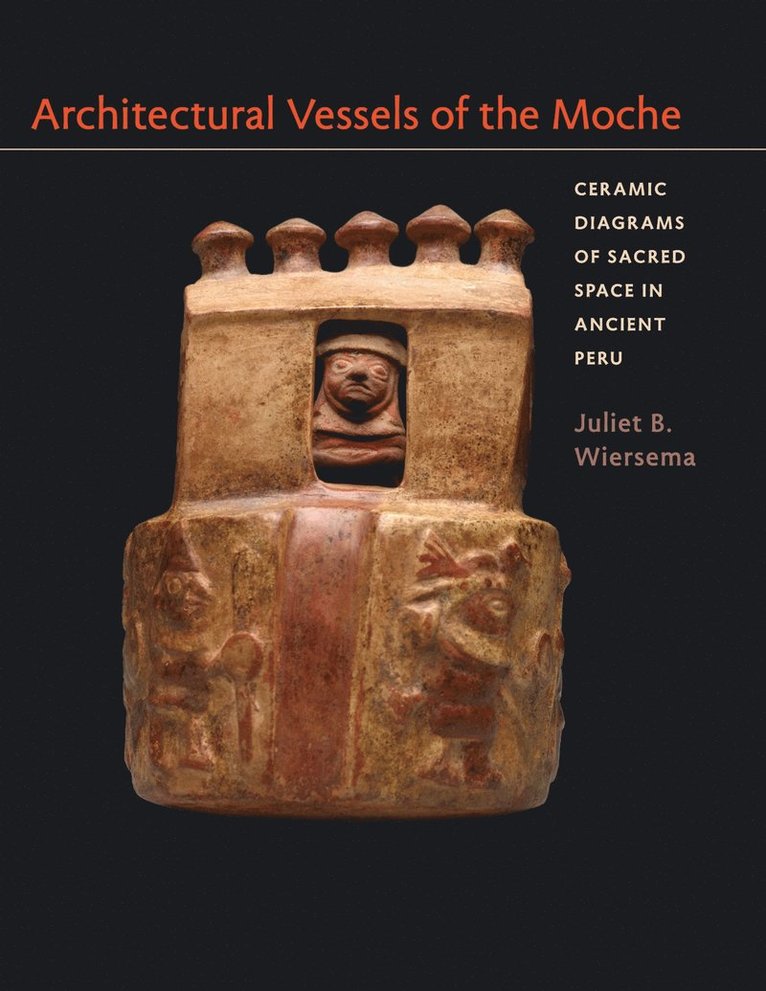
Architectural Vessels of the Moche
Ceramic Diagrams of Sacred Space in Ancient Peru
Inbunden, Engelska, 2015
659 kr
Skickas inom 7-10 vardagar
Elaborately decorated monumental architecture, royal tombs, and ritual human sacrifice have established the Moche of ancient Peru (AD 200–800) as a culturally rich and ideologically complex civilization. Because the Moche did not have a text-based writing system, their sophisticated works of art, which communicated complex concepts, specific ideas, and detailed narratives, have become a prime source for understanding the Moche worldview. This pioneering volume presents the first book-length study of one of the most compelling forms of Moche art-fine ware ceramics that depict architectural structures in miniature.Assembling a data set of some two hundred objects, Architectural Vessels of the Moche interprets the form and symbolism of these artworks and their relationship to full-scale excavated Moche architectural remains. Juliet B. Wiersema reveals that Moche architectural vessels preserve aspects of Moche monumental architecture that have been irreparably compromised by centuries of treasure hunting, erosion, and cataclysmic events, while they also present schematic diagrams of specific and identifiable structures found within Moche sacred precincts. She demonstrates that many architectural vessels were also acoustic artifacts, indicating that the Moche considered certain architectural forms to be vocal, or animate. This research offers an important new perspective on ancient architectural representation and depicted space in the pre-Hispanic Americas and also complements existing studies of architectural models made by Old World cultures, including Middle Kingdom Egypt and Han Dynasty China.
605 kr
Skickas inom 7-10 vardagar
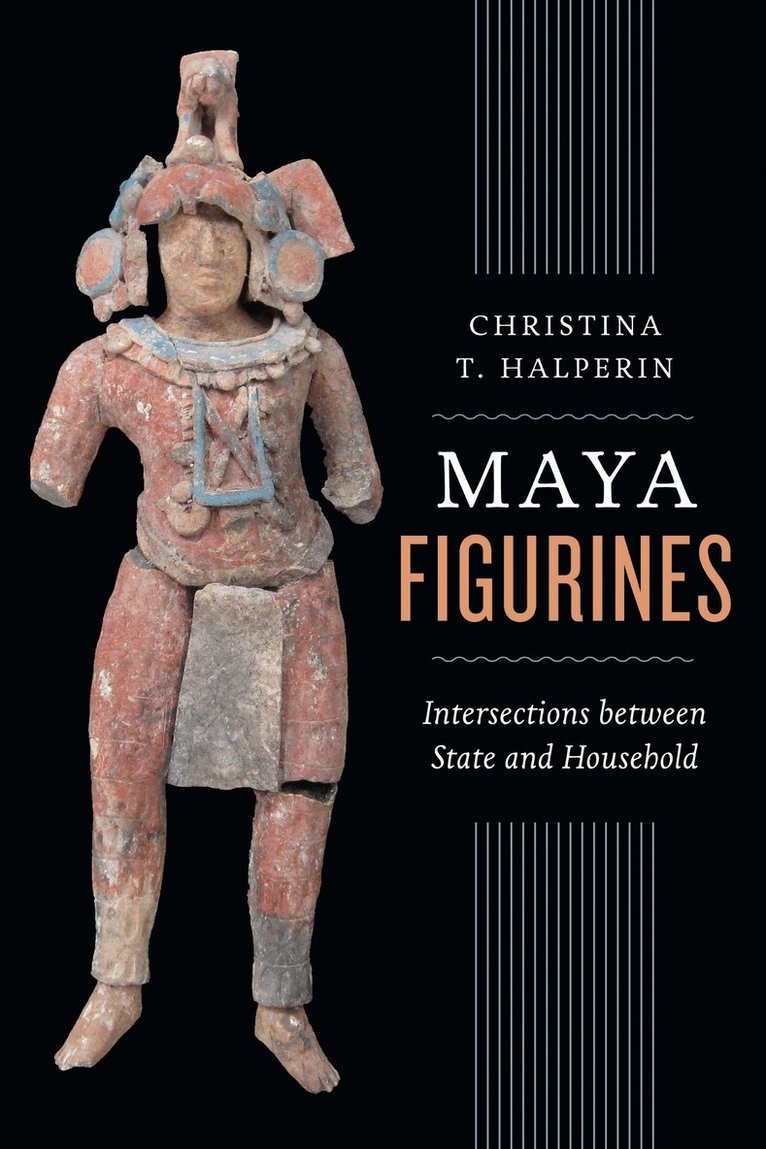
Rather than view the contours of Late Classic Maya social life solely from towering temple pyramids or elite sculptural forms, this book considers a suite of small anthropomorphic, zoomorphic, and supernatural figurative remains excavated from household refuse deposits. Maya Figurines examines these often neglected objects and uses them to draw out relationships between the Maya state and its subjects.These figurines provide a unique perspective for understanding Maya social and political relations; Christina T. Halperin argues that state politics work on the microscale of everyday routines, localized rituals, and small-scale representations. Her comprehensive study brings together archeology, anthropology, and art history with theories of material culture, performance, political economy, ritual humor, and mimesis to make a fascinating case for the role politics plays in daily life. What she finds is that, by comparing small-scale figurines with state-sponsored, often large-scale iconography and elite material culture, one can understand how different social realms relate to and represent one another. In Maya Figurines, Halperin compares objects from diverse households, archeological sites, and regions, focusing especially on figurines from PetÉn, Guatemala, and comparing them to material culture from Belize, the northern highlands of Guatemala, the Usumacinta River, the Campeche coastal area, and Mesoamerican sites outside the Maya zone. Ultimately, she argues, ordinary objects are not simply passive backdrops for important social and political phenomena. Instead, they function as significant mechanisms through which power and social life are intertwined.
324 kr
Skickas inom 10-15 vardagar
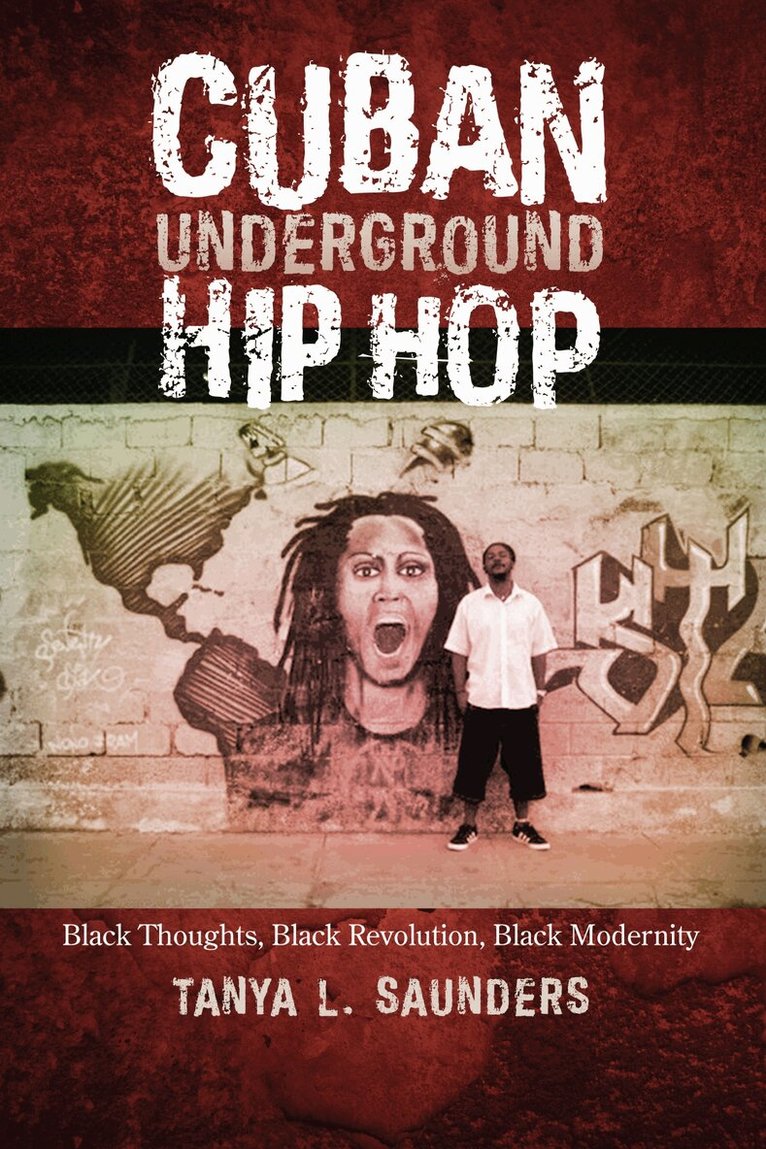
Honorable Mention, Barbara T. Christian Literary Award, Caribbean Studies Association, 2017In the wake of the 1959 Cuban Revolution, a key state ideology developed: racism was a systemic cultural issue that ceased to exist after the Revolution, and any racism that did persist was a result of contained cases of individual prejudice perpetuated by US influence. Even after the state officially pronounced the end of racism within its borders, social inequalities tied to racism, sexism, and homophobia endured, and, during the economic liberalization of the 1990s, widespread economic disparities began to reemerge.Cuban Underground Hip Hop focuses on a group of self-described antiracist, revolutionary youth who initiated a social movement (1996–2006) to educate and fight against these inequalities through the use of arts-based political activism intended to spur debate and enact social change. Their “revolution” was manifest in altering individual and collective consciousness by critiquing nearly all aspects of social and economic life tied to colonial legacies. Using over a decade of research and interviews with those directly involved, Tanya L. Saunders traces the history of the movement from its inception and the national and international debates that it spawned to the exodus of these activists/artists from Cuba and the creative vacuum they left behind. Shedding light on identity politics, race, sexuality, and gender in Cuba and the Americas, Cuban Underground Hip Hop is a valuable case study of a social movement that is a part of Cuba’s longer historical process of decolonization.
319 kr
Skickas inom 7-10 vardagar
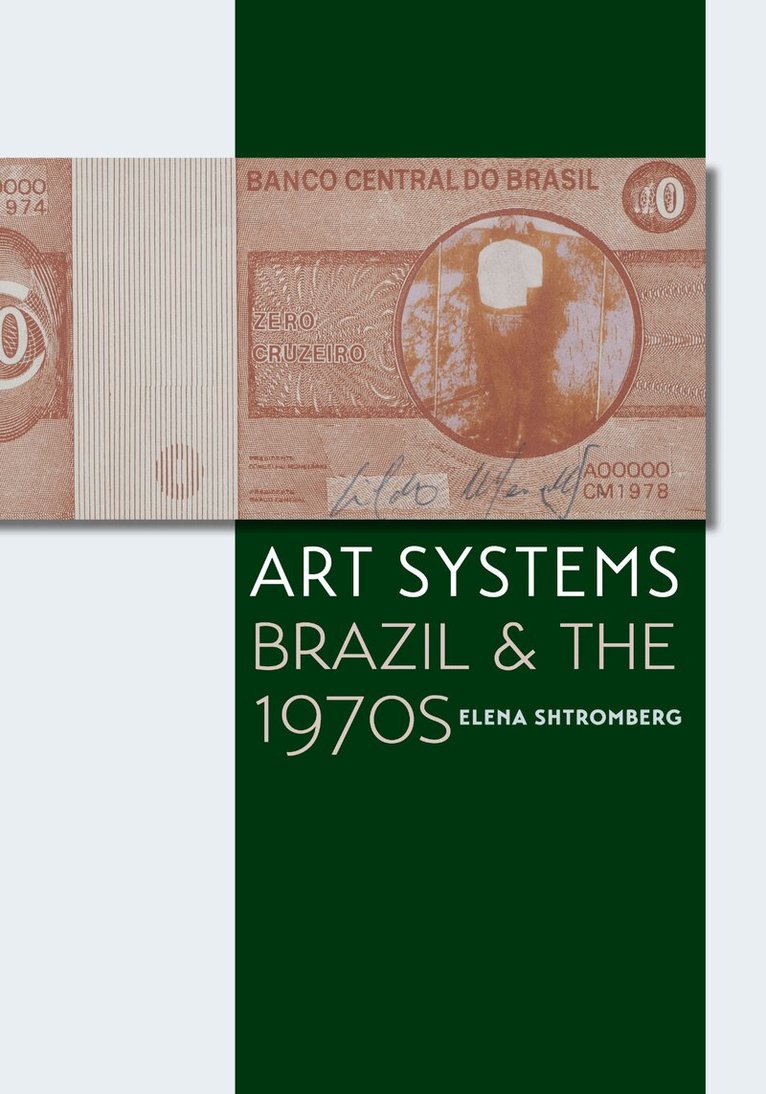
From currency and maps to heavily censored newspapers and television programming, Art Systems explores visual forms of critique and subversion during the height of Brazilian dictatorship, drawing sometimes surprising connections between artistic production and broader processes of social exchange during a period of authoritarian modernization. Positioning the works beyond the prism of politics, Elena Shtromberg reveals subtle forms of subversion and critique that reinvented the artists’ political terrain.Analyzing key examples from Cildo Meireles, Antonio Manuel, Artur Barrio, Anna Bella Geiger, Sonia Andrade, Geraldo Mello, and others, the book offers a new framework for theorizing artistic practice. By focusing on the core economic, media, technological, and geographic conditions that circumscribed artistic production during this pivotal era, Shtromberg excavates an array of art systems that played a role in the everyday lives of Brazilians. An examination of the specific historical details of the social systems that were integrated into artistic production, this unique study showcases works that were accessed by audiences far outside the confines of artistic institutions. Proliferating during one of Brazil’s most socially and politically fraught decades, the works-spanning cartography to video art-do not conform to an easily identifiable style, form, material use, or medium. As a result of this breadth, Art Systems gives voice to the multifaceted forces at play in a unique chapter of Latin American cultural history.
214 kr
Skickas inom 10-15 vardagar
This ambitious interdisciplinary study is the first to examine the interlinked economic uses and cultural practices and beliefs surrounding cattle in Western Amazonia, where cattle raising is at the center of debates about economic development and environWinner, Brazil Section Book Award, Latin American Studies Association, 2016The opening of the Amazon to colonization in the 1970s brought cattle, land conflict, and widespread deforestation. In the remote state of Acre, Brazil, rubber tappers fought against migrant ranchers to preserve the forest they relied on, and in the process, these “forest guardians” showed the world that it was possible to unite forest livelihoods and environmental preservation. Nowadays, many rubber tappers and their children are turning away from the forest-based lifestyle they once sought to protect and are becoming cattle-raisers or even caubois (cowboys). Rainforest Cowboys is the first book to examine the social and cultural forces driving the expansion of Amazonian cattle raising in all of their complexity.Drawing on eighteen months of fieldwork, Jeffrey Hoelle shows how cattle raising is about much more than beef production or deforestation in Acre, even among “carnivorous” environmentalists, vilified ranchers, and urbanites with no land or cattle. He contextualizes the rise of ranching in relation to political economic structures and broader meanings to understand the spread of “cattle culture.” This cattle-centered vision of rural life builds on local experiences and influences from across the Americas and even resembles East African cultural practices. Written in a broadly accessible and interdisciplinary style, Rainforest Cowboys is essential reading for a global audience interested in understanding the economic and cultural features of cattle raising, deforestation, and the continuing tensions between conservation and development in the Amazon.
241 kr
Skickas inom 10-15 vardagar
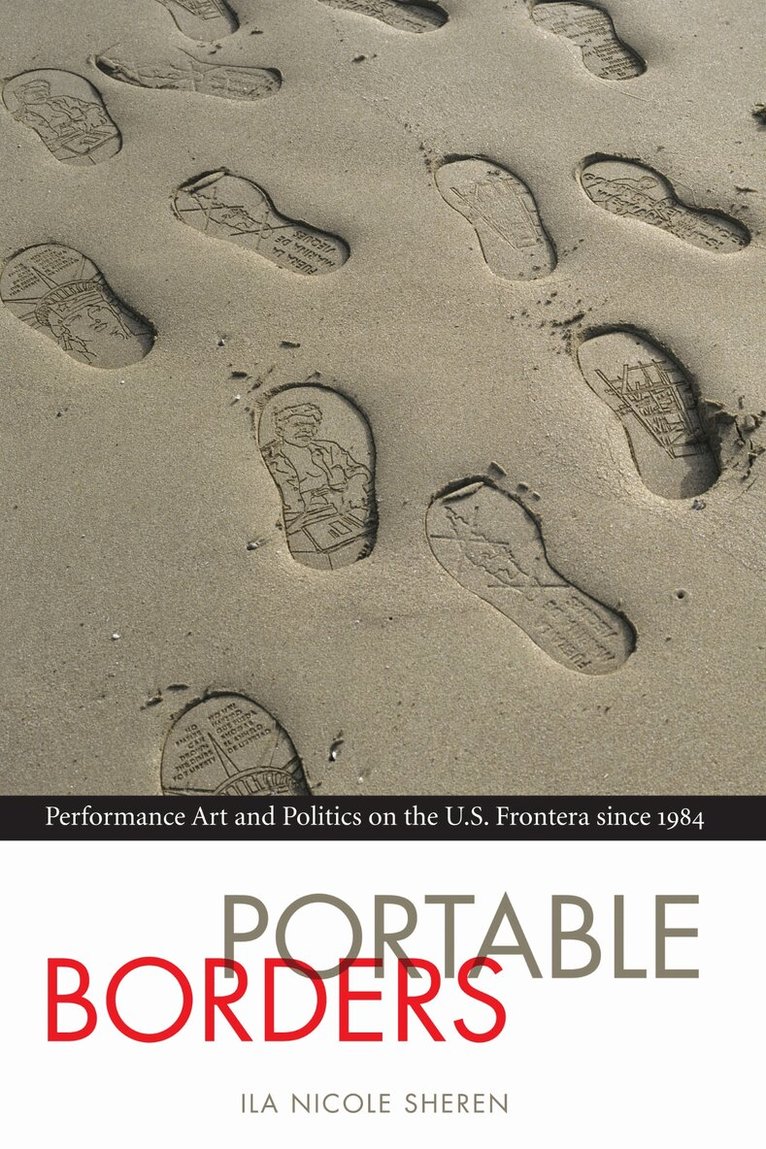
After World War II, the concept of borders became unsettled, especially after the rise of subaltern and multicultural studies in the 1980s. Art at the U.S.-Mexico border came to a turning point at the beginning of that decade with the election of U.S. President Ronald Reagan. Beginning with a political history of the border, with an emphasis on the Chicano movement and its art production, Ila Sheren explores the forces behind the shift in thinking about the border in the late twentieth century.Particularly in the world of visual art, borders have come to represent a space of performance rather than a geographical boundary, a cultural terrain meant to be negotiated rather than a physical line. From 1980 forward, Sheren argues, the border became portable through performance and conceptual work. This dematerialization of the physical border after the 1980s worked in two opposite directions-the movement of border thinking to the rest of the world, as well as the importation of ideas to the border itself. Beginning with site-specific conceptual artwork of the 1980s, particularly the performances of the Border Art Workshop/Taller de Arte Fronterizo, Sheren shows how these works reconfigured the border as an active site. Sheren moves on to examine artists such as Guillermo GÓmez-PeÑa, Coco Fusco, and Marcos Ramirez “ERRE.” Although Sheren places emphasis on the Chicano movement and its art production, this groundbreaking book suggests possibilities for the expansion of the concept of portability to contemporary art projects beyond the region.
Urban Space As Heritage in Late Colonial Cuba
Classicism and Dissonance on the Plaza De Armas of Havana, 1754-1828
Häftad, Engelska, 2015
379 kr
Skickas inom 10-15 vardagar
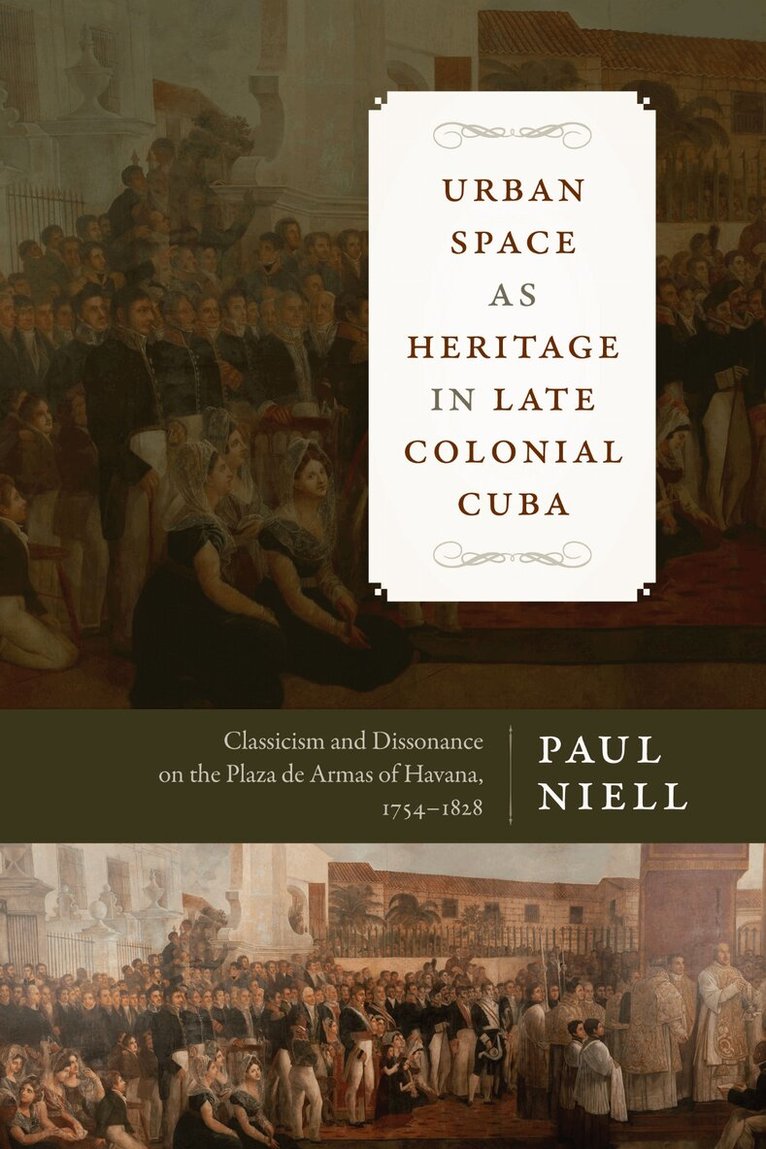
According to national legend, Havana, Cuba, was founded under the shade of a ceiba tree whose branches sheltered the island’s first Catholic mass and meeting of the town council (cabildo) in 1519. The founding site was first memorialized in 1754 by the erection of a baroque monument in Havana’s central Plaza de Armas, which was reconfigured in 1828 by the addition of a neoclassical work, El Templete. Viewing the transformation of the Plaza de Armas from the new perspective of heritage studies, this book investigates how late colonial Cuban society narrated Havana’s founding to valorize Spanish imperial power and used the monuments to underpin a local sense of place and cultural authenticity, civic achievement, and social order.Paul Niell analyzes how Cubans produced heritage at the site of the symbolic ceiba tree by endowing the collective urban space of the plaza with a cultural authority that used the past to validate various place identities in the present. Niell’s close examination of the extant forms of the 1754 and 1828 civic monuments, which include academic history paintings, neoclassical architecture, and idealized sculpture in tandem with period documents and printed texts, reveals a “dissonance of heritage”-in other words, a lack of agreement as to the works’ significance and use. He considers the implications of this dissonance with respect to a wide array of interests in late colonial Havana, showing how heritage as a dominant cultural discourse was used to manage and even disinherit certain sectors of the colonial population.
374 kr
Skickas inom 7-10 vardagar
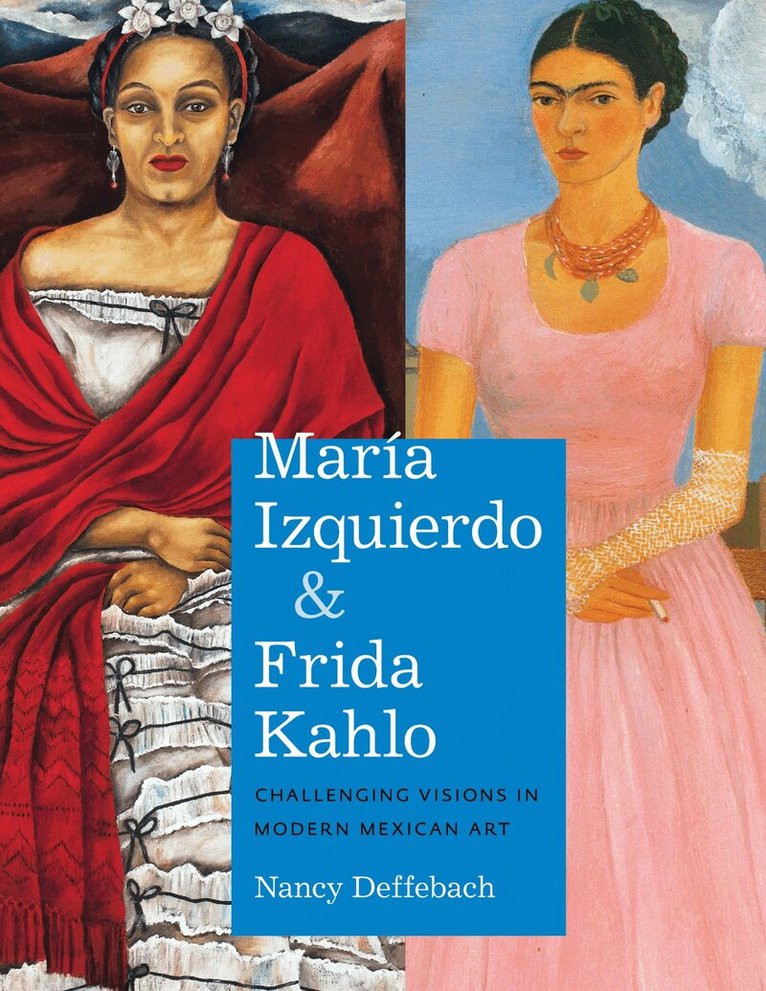
María Izquierdo (1902–1955) and Frida Kahlo (1907–1954) were the first two Mexican women artists to achieve international recognition. During the height of the Mexican muralist movement, they established successful careers as easel painters and created work that has become an integral part of Mexican modernism. Although the iconic Kahlo is now more famous, the two artists had comparable reputations during their lives. Both were regularly included in major exhibitions of Mexican art, and they were invariably the only women chosen for the most important professional activities and honors.In a deeply informed study that prioritizes critical analysis over biographical interpretation, Nancy Deffebach places Kahlo’s and Izquierdo’s oeuvres in their cultural context, examining the ways in which the artists participated in the national and artistic discourses of postrevolutionary Mexico. Through iconographic analysis of paintings and themes within each artist’s oeuvre, Deffebach discusses how the artists engaged intellectually with the issues and ideas of their era, especially Mexican national identity and the role of women in society. In a time when Mexican artistic and national discourses associated the nation with masculinity, Izquierdo and Kahlo created images of women that deconstructed gender roles, critiqued the status quo, and presented more empowering alternatives for women. Deffebach demonstrates that, paradoxically, Kahlo and Izquierdo became the most successful Mexican women artists of the modernist period while most directly challenging the prevailing ideas about gender and what constitutes important art.