Mestizo Spaces / Espaces Métissés - Böcker
Visar alla böcker i serien Mestizo Spaces / Espaces Métissés. Handla med fri frakt och snabb leverans.
13 produkter
13 produkter
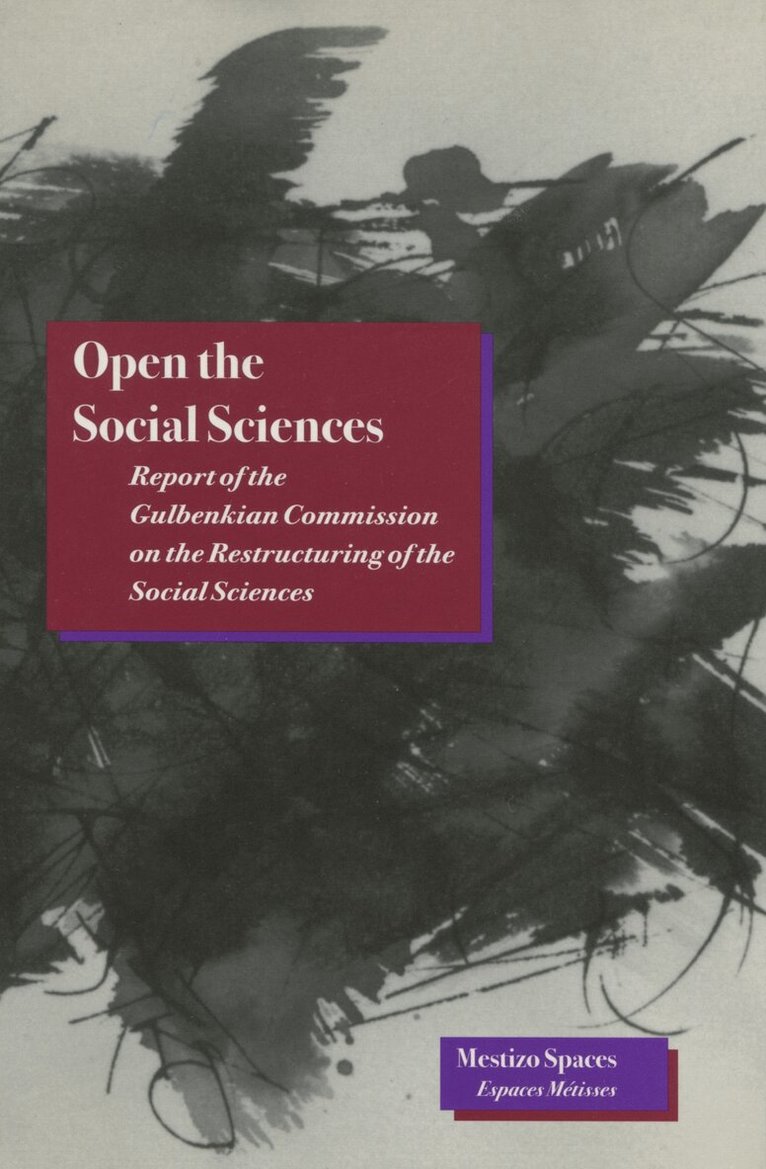
Open the Social Sciences
Report of the Gulbenkian Commission on the Restructuring of the Social Sciences
Häftad, Engelska, 1996
270 kr
Skickas inom 7-10 vardagar
Concerned about the worldwide state of the social sciences—the relations among the disciplines, and their relationship with both the humanities and the natural sciences—the Calouste Gulbenkian Foundation, based in Lisbon, established in 1993 the Gulbenkian Commission on the Restructuring of the Social Sciences. It comprised a distinguished international group of scholars—six from the social sciences, two from the natural sciences, and two from the humanities.The report first explores how social science was historically constructed as a form of knowledge and why it was divided into a specific set of relatively standard disciplines in a process that went on between the late eighteenth century and 1945. It then reveals the ways in which world developments since 1945 have raised questions about this intellectual division of labor and have therefore reopened the issues of organizational structuring that had been put into place in the previous period. The report goes on to elucidate a series of basic intellectual questions about which there has been much recent debate. Finally, it discusses in what ways the social sciences can be intelligently restructured in the light of this history and the recent debates.
1 601 kr
Skickas inom 10-15 vardagar
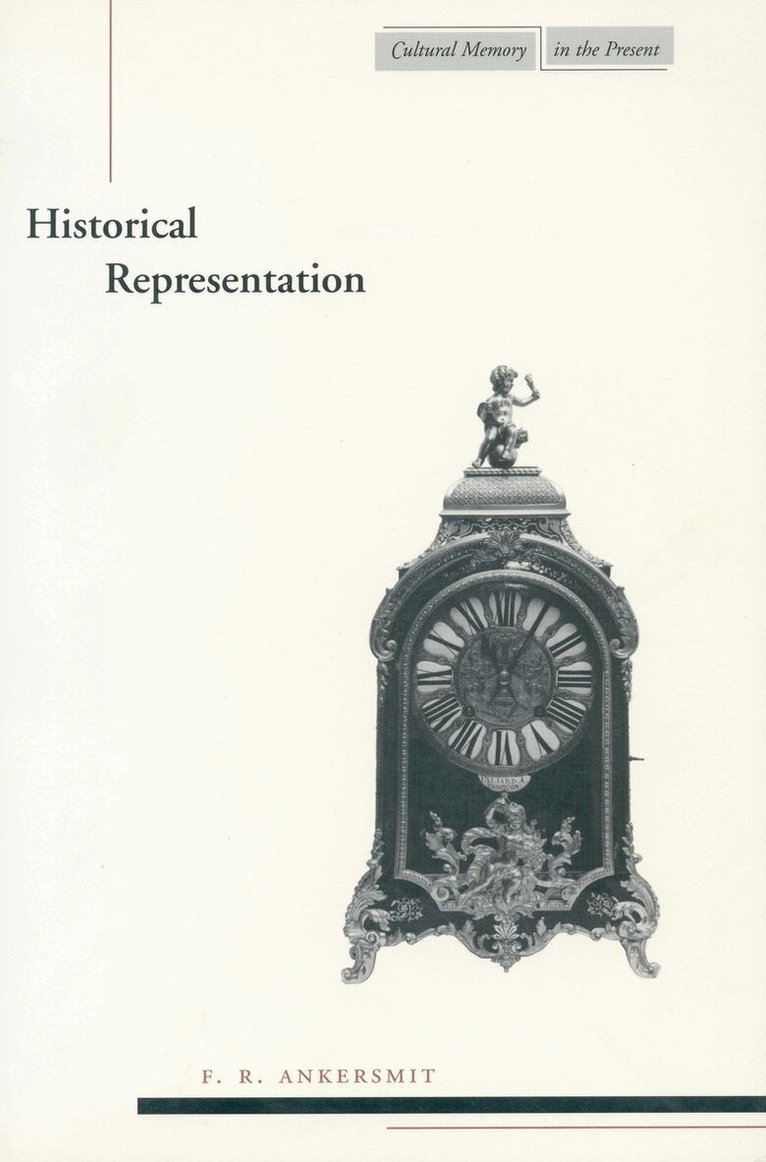
Taking as its point of departure a sharp critique of Rawls's influential A Theory of Justice—which, like most Western political philosophy since the seventeenth century, considers ethics to be foundational to a proper understanding of the political—this book looks at politics from an aesthetic perspective.To achieve this, it focuses on the notion of political "representation" as the heart of parliamentary democracy, openly welcoming and embracing all the aestheticist connotations of the term. Representation will always present us with an "aesthetic gap" between the represented and the representation; it is in this aesthetic gap that legitimate political power and all political creativity originate.In a representative democracy, this aesthetic gap appears in the fact that the representative is not a mandatary but a delegate of the voter (possessing a certain autonomy with regard to the voter, much in the same way that a painting has a certain autonomy vis-à-vis what it depicts). This was made clear by Burke more than two centuries ago and has been the practice of well-functioning representative democracies to the present day. The author sees totalitarianism as the inevitable consequence of the abandonment of aestheticism.This "brokenness" of the political world of representative democracy places an aesthetic political philosophy of democracy in the tradition of Machiavelli, Montesquieu, Tocqueville, and Schumpeter, by contrast to most of contemporary political philosophy. The aesthetic view enables us to develop a new and original account of the origins and nature of democracy, one that demonstrates how the present shortcomings of democracy can best be remedied to meet the challenges of the new century.
388 kr
Skickas inom 7-10 vardagar
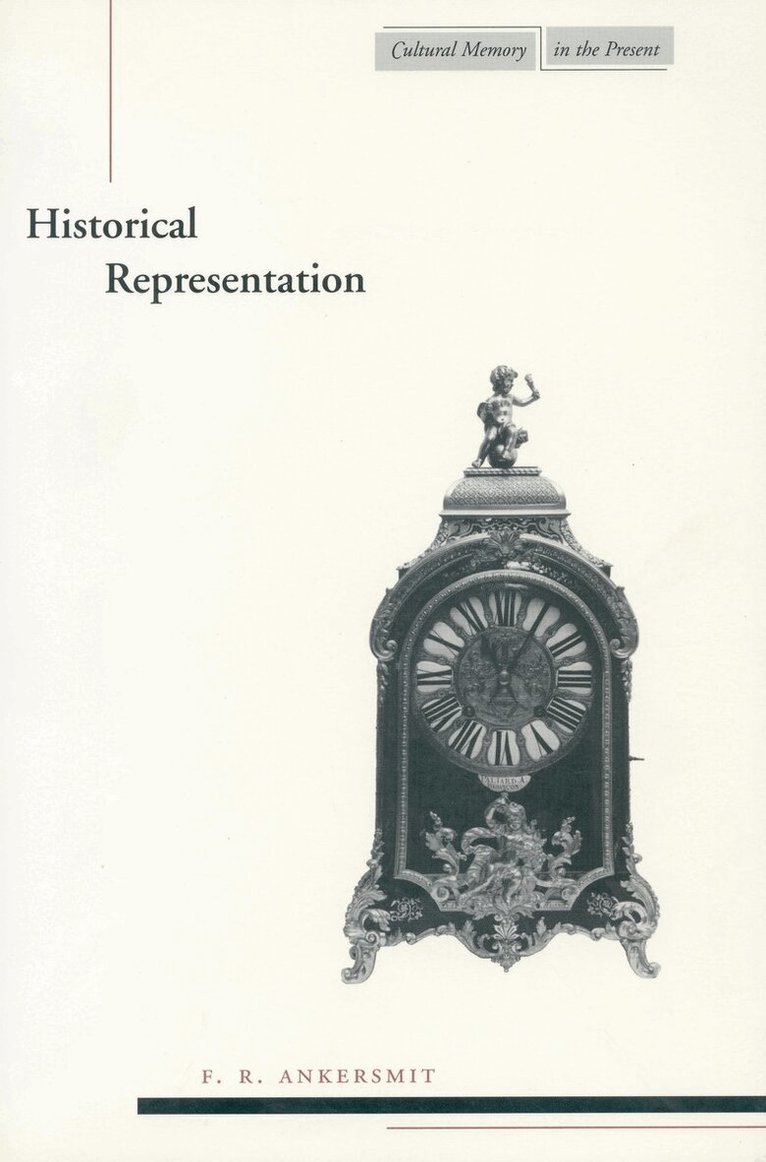
Taking as its point of departure a sharp critique of Rawls's influential A Theory of Justice—which, like most Western political philosophy since the seventeenth century, considers ethics to be foundational to a proper understanding of the political—this book looks at politics from an aesthetic perspective.To achieve this, it focuses on the notion of political "representation" as the heart of parliamentary democracy, openly welcoming and embracing all the aestheticist connotations of the term. Representation will always present us with an "aesthetic gap" between the represented and the representation; it is in this aesthetic gap that legitimate political power and all political creativity originate.In a representative democracy, this aesthetic gap appears in the fact that the representative is not a mandatary but a delegate of the voter (possessing a certain autonomy with regard to the voter, much in the same way that a painting has a certain autonomy vis-à-vis what it depicts). This was made clear by Burke more than two centuries ago and has been the practice of well-functioning representative democracies to the present day. The author sees totalitarianism as the inevitable consequence of the abandonment of aestheticism.This "brokenness" of the political world of representative democracy places an aesthetic political philosophy of democracy in the tradition of Machiavelli, Montesquieu, Tocqueville, and Schumpeter, by contrast to most of contemporary political philosophy. The aesthetic view enables us to develop a new and original account of the origins and nature of democracy, one that demonstrates how the present shortcomings of democracy can best be remedied to meet the challenges of the new century.
419 kr
Skickas inom 10-15 vardagar
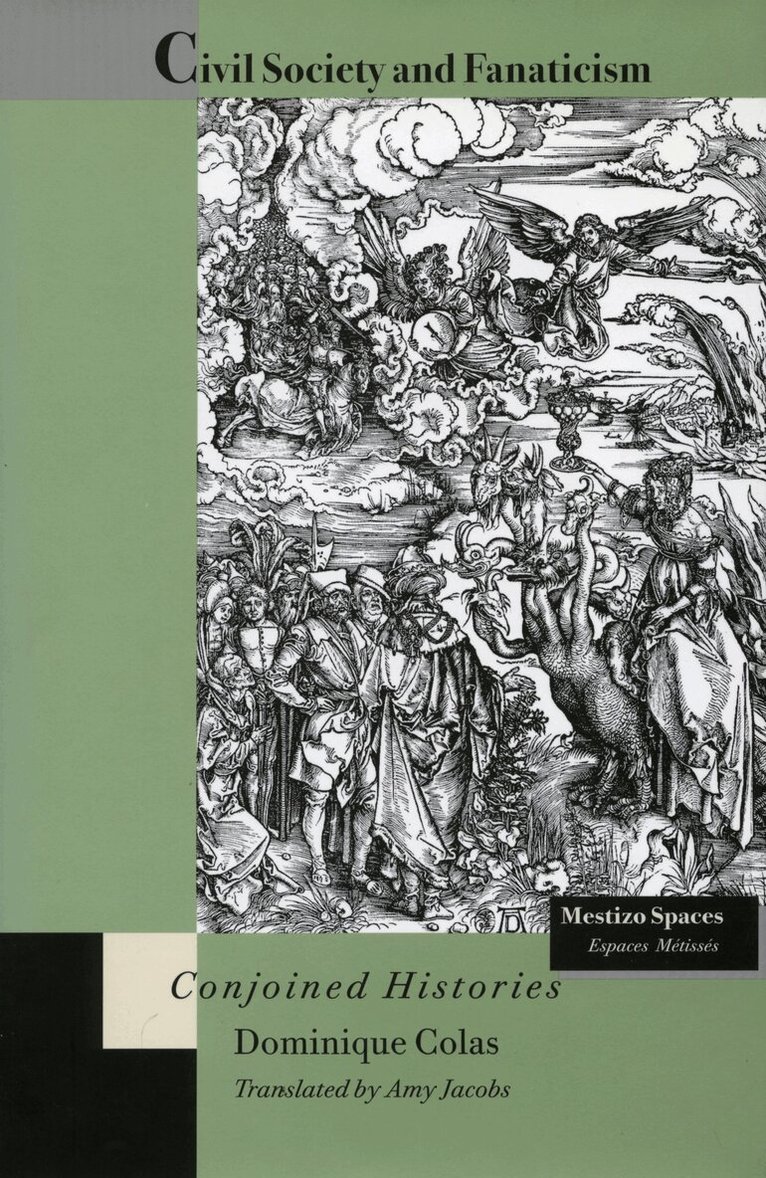
Luther and Calvin applied the term fanatic to those who sought to destroy civil society in order to establish the Kingdom of God, the "false prophets" and their followers who, early on in the Reformation, began smashing images in churches and rebelling against princes. Civil Society and Fanaticism is organized around this seminal moment of religious and political iconoclasm, an outburst of hatred against mediations and representation.The author shows that civil society and fanaticism have been consistently present as conjoined notions in Western political thought since the sixteenth century, underlining the link between two principles that are constitutive of that thought: dualism—between the City of God and the earthly city, between civil society and the state—and the validity of representation.In what is both a study of the evolution of the two interrelated concepts and a critique of critiques of representation, the author draws upon an impressive range of works, including texts by Aristotle and Baudelaire, the medieval theology of Giles of Rome and the humanist thought of the Reformer Philipp Melanchthon, the political philosophies of Spinoza, Leibniz, and Rousseau, Kant's reflections on the sublime, and Marx's critique of Hegel. At the same time, he discusses a varied group of fanatics or people stigmatized as such: the first Anabaptists, the Shiite sect of the Assassins, the French Protestant Camisards, the Bolsheviks. An original analysis of Lenin's political theory and practice sheds new light on the antagonism between totalitarianism and the law-governed state identified with civil society.The author's approach is multidisciplinary, proceeding at different moments from lexicographical, sociological, psychoanalytic, and philosophical methods and analysis. The book also makes vivid use of iconology by reproducing and interpreting a series of works by Albrecht Dürer, whose art and theory of representation, it is argued, were opposed to the destruction not only of images but of civil society.
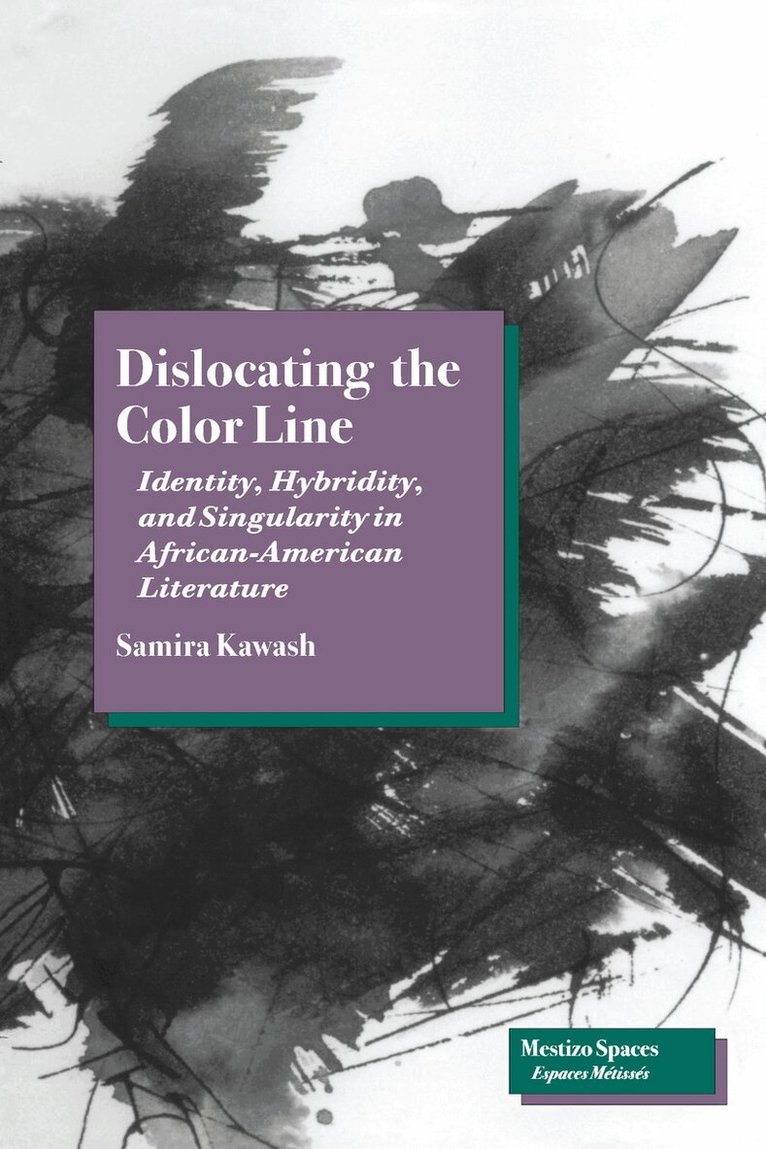
Dislocating the Color Line
Identity, Hybridity, and Singularity in African-American Narrative
Inbunden, Engelska, 1997
1 475 kr
Skickas inom 10-15 vardagar
Inquiries into the meaning and force of race in American culture have largely focused on questions of identity and difference—What does it mean to have a racial identity? What constitutes racial difference? Such questions assume the basic principle of racial division, which todays seems to be becoming an increasingly bitter and seemingly irreparable chasm between black and white.This book confronts this contemporary problem by shifting the focus of analysis from understanding differences to analyzing division. It provides a historical context for the recent resurgence of racial division by tracing the path of the color line as it appears in the narrative writings of African-Americans in the nineteenth and twentieth centuries. In readings of slave narratives, "passing novels," and the writings of Charles Chesnutt and Zora Neale Hurston, the author asks: What is the work of division? How does division work?The history of the color line in the United States is coeval with that of the nation. The author suggests that throughout this history, the color line has not functioned simply to name biological or cultural difference, but more important, it has served as a principle of division, classification, and order. In this way, the color line marks the inseparability of knowledge and power in a racially demarcated society. The author shows how, from the time of slavery to today, the color line has figured as the locus of such central tenets of American political life as citizenship, subjectivity, community, law, freedom, and justice.This book seeks not only to understand, but also to bring critical pressure on the interpretations, practices, and assumptions that correspond to and buttress representations of racial difference. The work of dislocating the color line lies in uncovering the uncertainty, the incoherency, and the discontinuity that the common sense of the color line masks, while at the same time elucidating the pressures that transform the contingent relations of the color line into common sense.
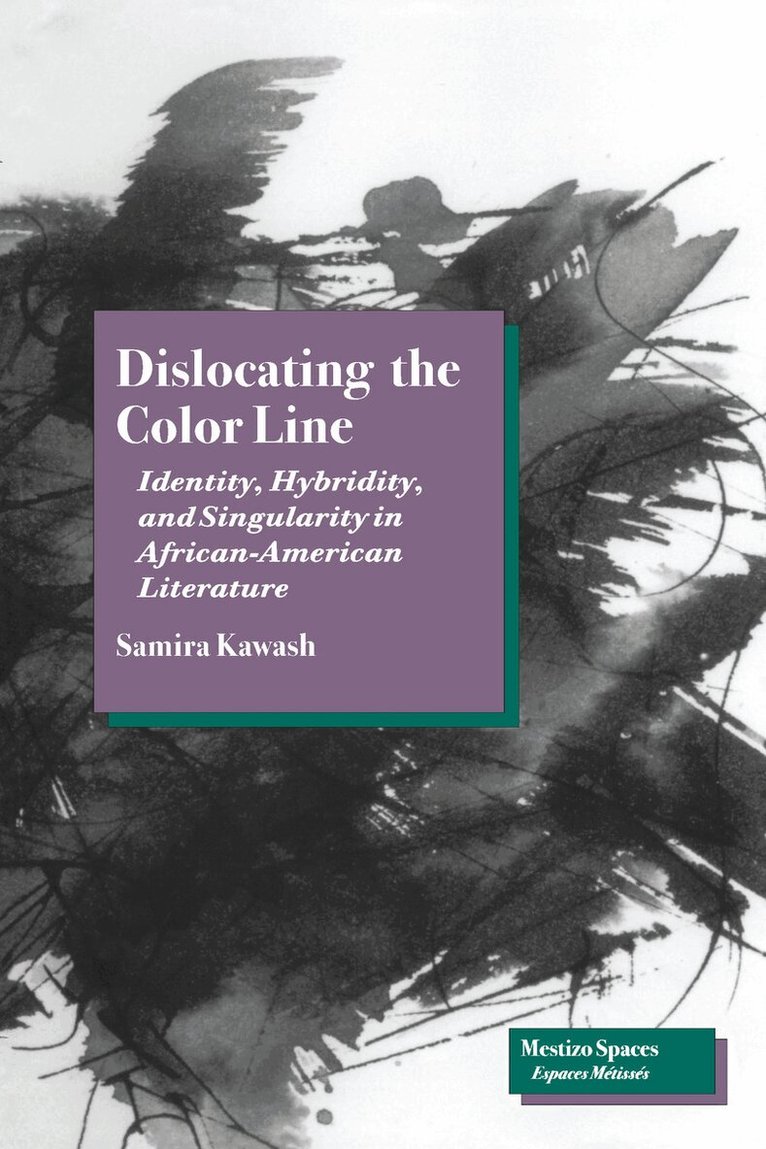
Dislocating the Color Line
Identity, Hybridity, and Singularity in African-American Narrative
Häftad, Engelska, 1997
354 kr
Skickas inom 7-10 vardagar
Inquiries into the meaning and force of race in American culture have largely focused on questions of identity and difference—What does it mean to have a racial identity? What constitutes racial difference? Such questions assume the basic principle of racial division, which todays seems to be becoming an increasingly bitter and seemingly irreparable chasm between black and white.This book confronts this contemporary problem by shifting the focus of analysis from understanding differences to analyzing division. It provides a historical context for the recent resurgence of racial division by tracing the path of the color line as it appears in the narrative writings of African-Americans in the nineteenth and twentieth centuries. In readings of slave narratives, "passing novels," and the writings of Charles Chesnutt and Zora Neale Hurston, the author asks: What is the work of division? How does division work?The history of the color line in the United States is coeval with that of the nation. The author suggests that throughout this history, the color line has not functioned simply to name biological or cultural difference, but more important, it has served as a principle of division, classification, and order. In this way, the color line marks the inseparability of knowledge and power in a racially demarcated society. The author shows how, from the time of slavery to today, the color line has figured as the locus of such central tenets of American political life as citizenship, subjectivity, community, law, freedom, and justice.This book seeks not only to understand, but also to bring critical pressure on the interpretations, practices, and assumptions that correspond to and buttress representations of racial difference. The work of dislocating the color line lies in uncovering the uncertainty, the incoherency, and the discontinuity that the common sense of the color line masks, while at the same time elucidating the pressures that transform the contingent relations of the color line into common sense.
1 176 kr
Skickas inom 10-15 vardagar
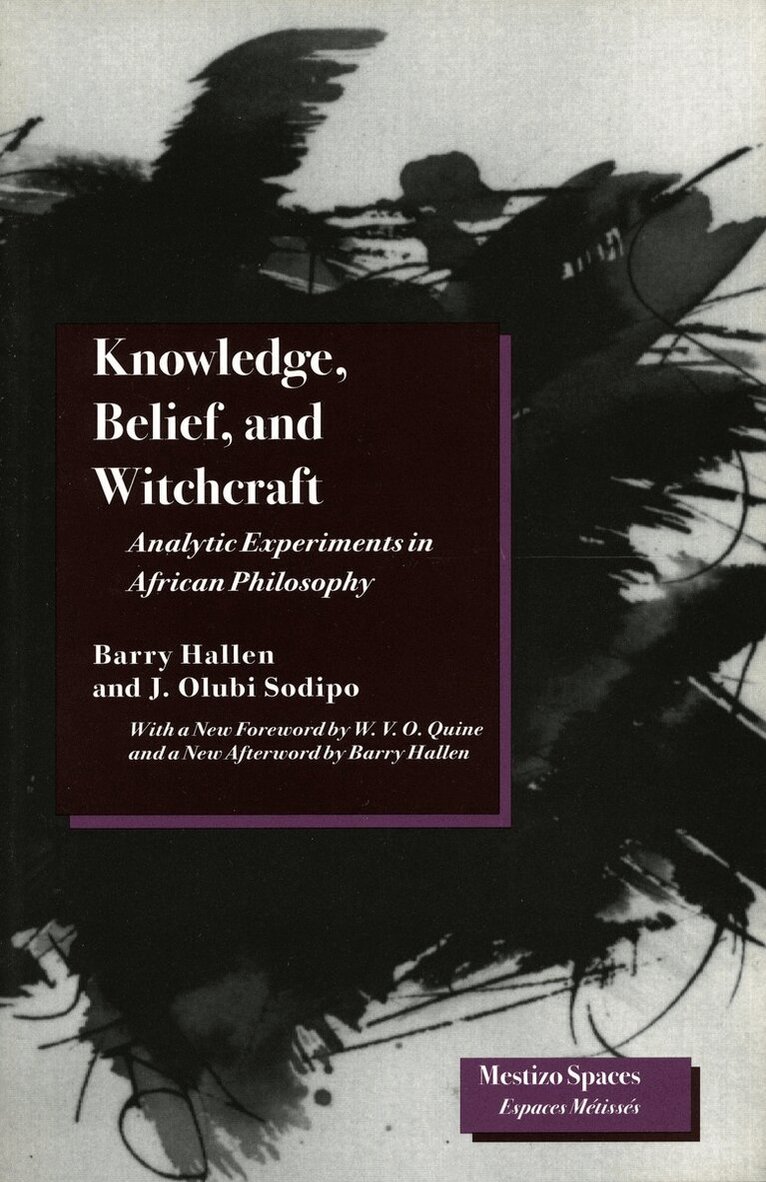
First published in 1986, Knowledge, Belief, and Witchcraft remains the only analysis of indigenous discourse about an African belief system undertaken from within the framework of Anglo-American analytical philosophy. Taking as its point of departure W. V. O. Quine's thesis about the indeterminacy of translation, the book investigates questions of Yoruba epistemology and of how knowledge is conceived in an oral culture.
283 kr
Skickas inom 7-10 vardagar
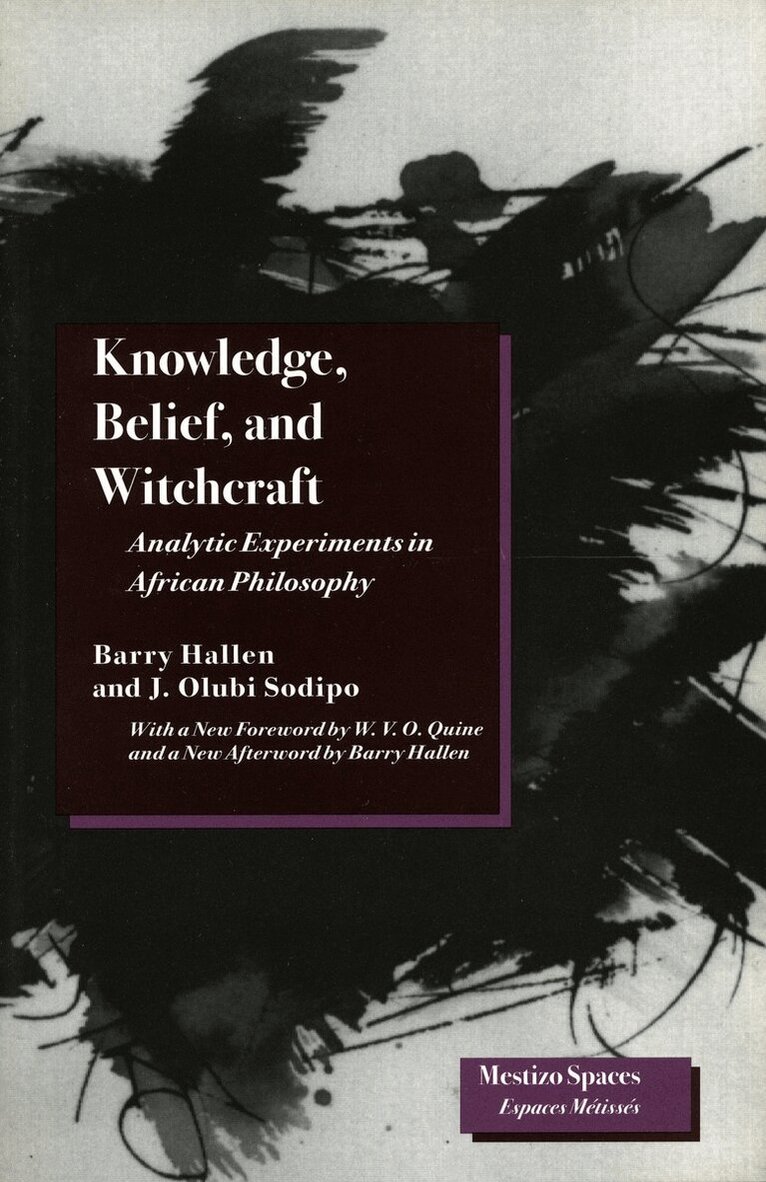
First published in 1986, Knowledge, Belief, and Witchcraft remains the only analysis of indigenous discourse about an African belief system undertaken from within the framework of Anglo-American analytical philosophy. Taking as its point of departure W. V. O. Quine's thesis about the indeterminacy of translation, the book investigates questions of Yoruba epistemology and of how knowledge is conceived in an oral culture.
230 kr
Skickas inom 7-10 vardagar
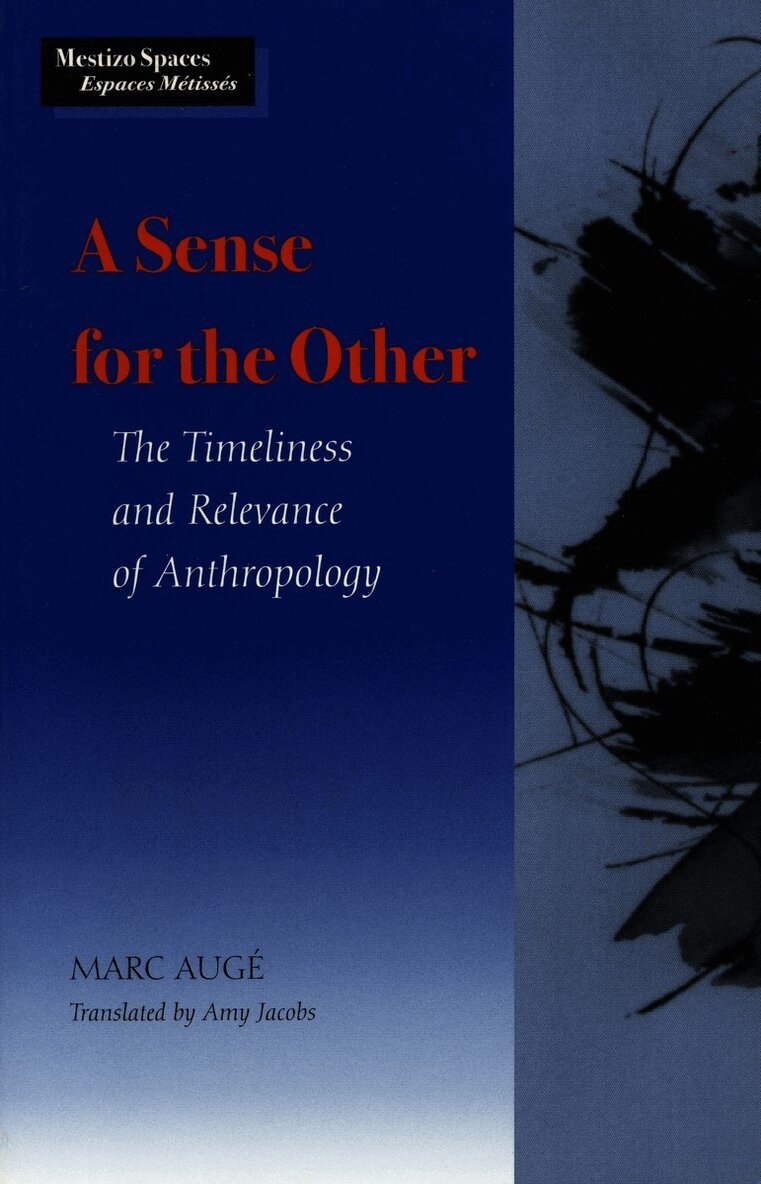
If the end of exoticism is one of the characteristics of our time, and if classical anthropology based its study of alterity on this exotic distance from the other, is anthropology still possible, and if so, to what end? The author uses these questions as a point of departure for a probing interrogation of ethnological practice, starting with Lévi-Strauss.For several years, the author has advocated an anthropology of "proximity" in place of the usual anthropology of distance. He has studied such emblematic places of Western modernity as the Parisian Metro, or such emblematic "non-places" as airports or freeways, treating as valid anthropological objects phenomena that others might judge less "pure" or "significant" than systems of filiation or matrimonial alliance. The proper place of the ethnographer, he argues, is sufficiently distanced to comprehend a system as a system, yet participatory enough to live it as an individual. How can one best arrive at such a place?This book answers by outlining an approach to anthropology that focuses on negotiating the social meanings we and others use in making sense of the world, and on the processes of identification that create the difference between same and other. Why trace a line of demarcation between societies thought to warrant and require anthropological observation and others (namely, our own) thought to demand a different type of study? Once anthropology, through its study of rites, takes social meaning as its principal object, the necessity for a "generalized anthropology" that includes the entire planet seems obvious, especially in view of the rapid proliferation of new networks of communication and the integration of individuals into those networks.
1 389 kr
Skickas inom 10-15 vardagar
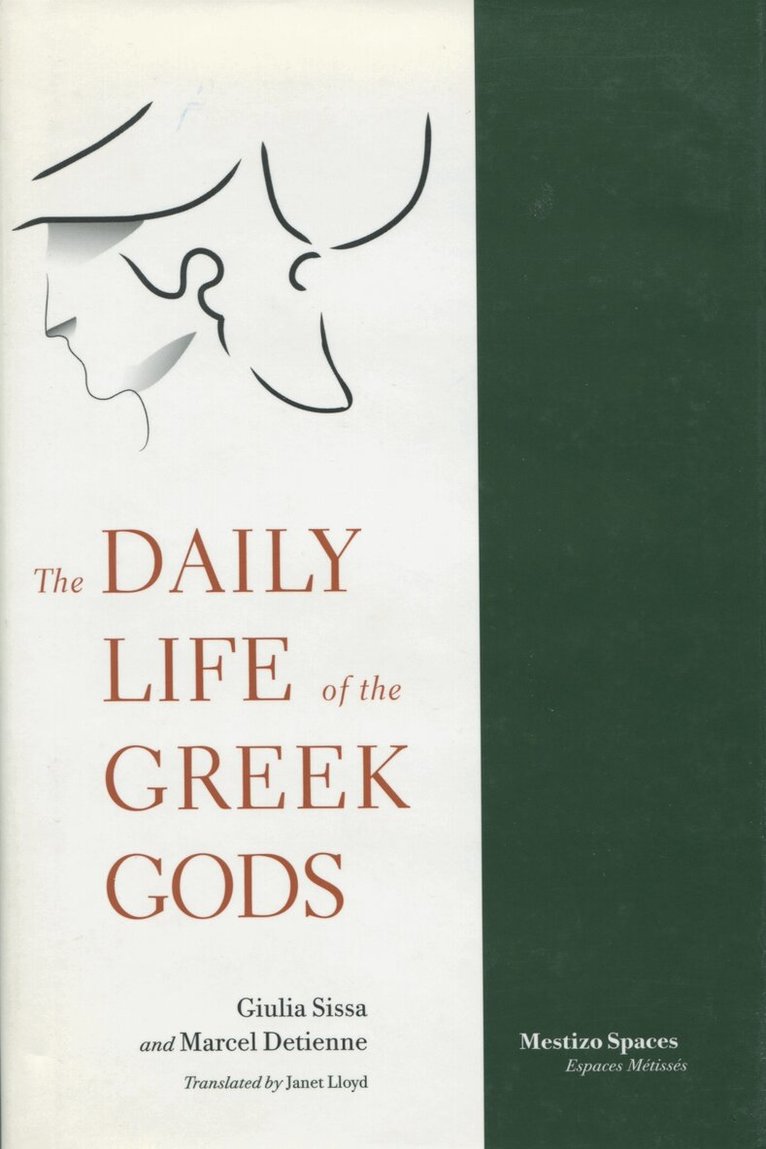
Despite the rousing stories of male heroism in battles, the Trojan War transcended the activities of its human participants. For Homer, it was the gods who conducted and accounted for what happened. In the first part of this book, the authors find in Homer's Iliad material for exploring the everyday life of the Greek gods: what their bodies were made of and how they were nourished, the organization of their society, and the sort of life they led both in Olympus and in the human world. The gods are divided in their human nature: at once a fantasized model of infinite joys and an edifying example of engagement in the world, they have loves, festivities, and quarrels.In the second part, the authors show how citizens carried on everyday relations with the gods and those who would become the Olympians, inviting them to reside with humans organized in cities. At the heart of rituals and of social life, the gods were omnipresent: in sacrifices, at meals, in political assemblies, in war, in sexuality. In brief, the authors show how the gods were indispensable to the everyday social organization of Greek cities.To set on stage a number of gods implicated in the world of human beings, the authors give precedence to the feminine over the masculine, choosing to show how such great powers as Hera and Athena wielded their sovereignty over cities, reigning over not only the activities of women but also the moulding of future citizens. Equally important, the authors turn to Dionysus and follow the evolution of one of his forms, that of the phallus paraded in processions. Under this god, so attentive to all things feminine, the authors explore the typically civic ways of thinking about the relations between natural fecundity and the sexuality of daily life.
321 kr
Skickas inom 7-10 vardagar
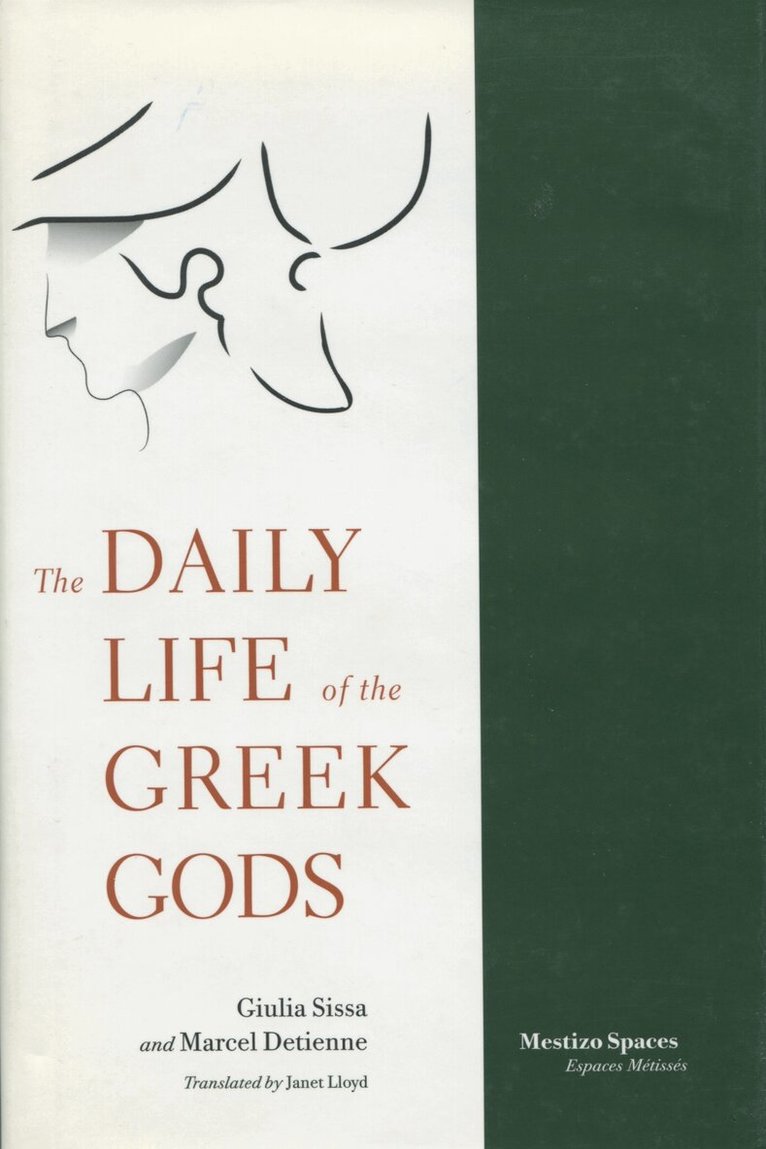
Despite the rousing stories of male heroism in battles, the Trojan War transcended the activities of its human participants. For Homer, it was the gods who conducted and accounted for what happened. In the first part of this book, the authors find in Homer's Iliad material for exploring the everyday life of the Greek gods: what their bodies were made of and how they were nourished, the organization of their society, and the sort of life they led both in Olympus and in the human world. The gods are divided in their human nature: at once a fantasized model of infinite joys and an edifying example of engagement in the world, they have loves, festivities, and quarrels.In the second part, the authors show how citizens carried on everyday relations with the gods and those who would become the Olympians, inviting them to reside with humans organized in cities. At the heart of rituals and of social life, the gods were omnipresent: in sacrifices, at meals, in political assemblies, in war, in sexuality. In brief, the authors show how the gods were indispensable to the everyday social organization of Greek cities.To set on stage a number of gods implicated in the world of human beings, the authors give precedence to the feminine over the masculine, choosing to show how such great powers as Hera and Athena wielded their sovereignty over cities, reigning over not only the activities of women but also the moulding of future citizens. Equally important, the authors turn to Dionysus and follow the evolution of one of his forms, that of the phallus paraded in processions. Under this god, so attentive to all things feminine, the authors explore the typically civic ways of thinking about the relations between natural fecundity and the sexuality of daily life.
1 495 kr
Skickas inom 10-15 vardagar
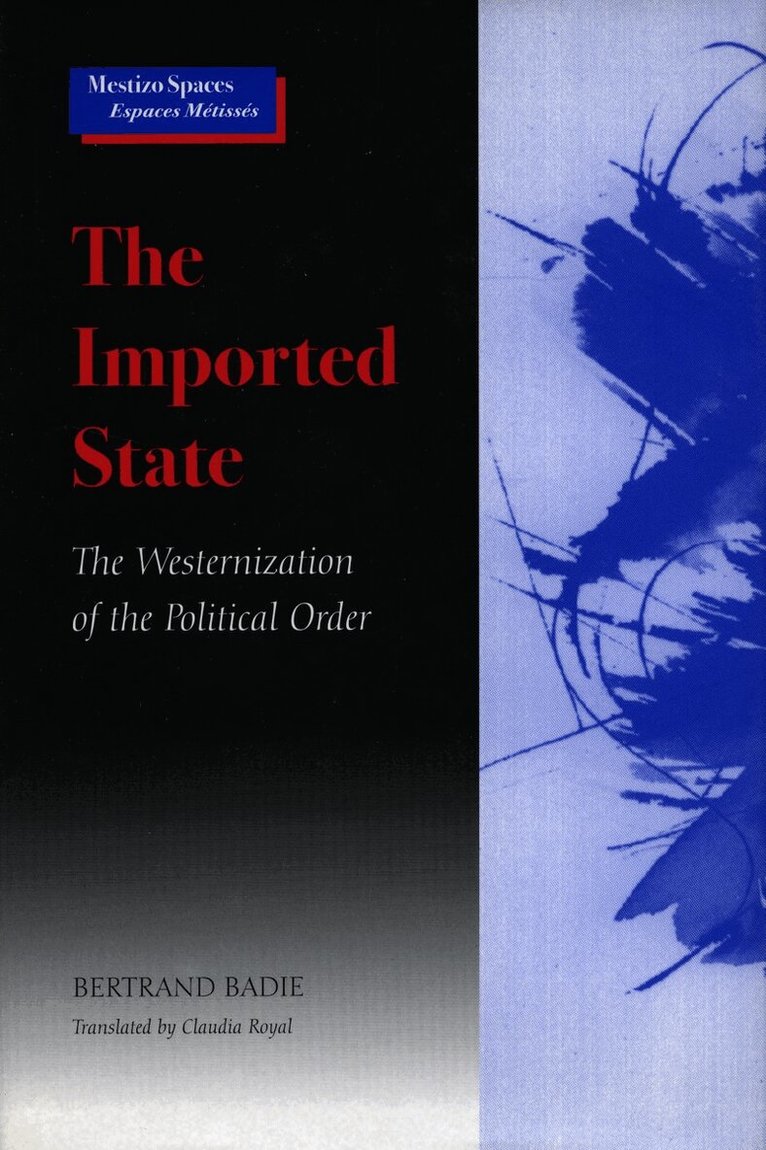
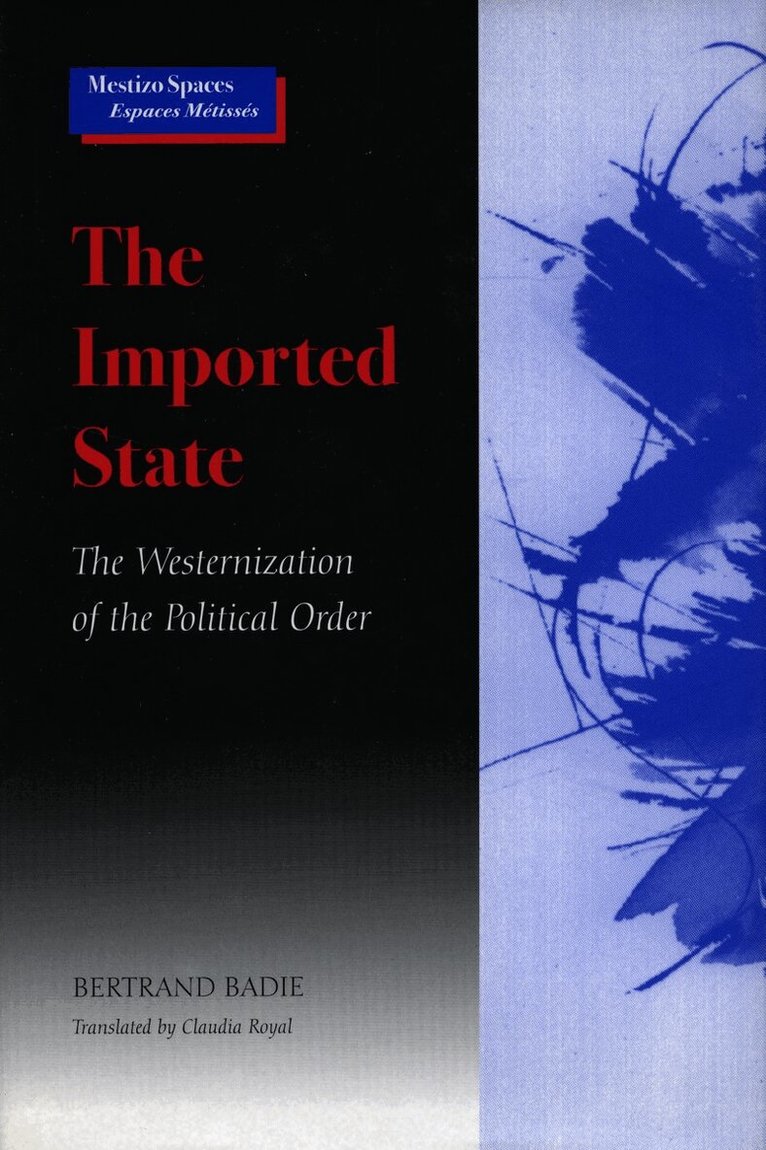
This book traces the rise of the modern state—a mode of organizing political power within a closed territory—in post-Enlightenment Europe and its spread to the remainder of the world, especially colonial and postcolonial societies. The result of a long process of evolution dating back to the Roman Empire, this new form of state was characterized by the coincidence of public power and public space and the legalization of political and social relations. Intimately linked to the transformation of Western European cultures at a time when their economic might allowed them to conquer many regions of the world, the modern state provided a model that was adopted in most countries.The book analyzes the different conditions in which the modern state was grafted onto different cultural realities: a metropolitan model adopted by settlers or imposed as an instrument of colonial domination, or a representation of modernity selected by non-Western leaders out of fascination for its alleged efficiency and rationality. The author shows that, from the beginning, various logics of importation led non-Western cultures to invent their own practices of the state, thereby transforming the original model. In many countries, notably in postcolonial societies, discrepancies appeared between political actions and political representations and principles on which the state was supposed to rest. This has often led to political crises and breakdowns of legality and legitimacy, and to the formation of new types of social relations in spaces the state cannot control. At the international level, a similar phenomenon can be seen: international networks, based on trade links, religion, and culture, are now able to bypass official interstate relations.
362 kr
Skickas inom 7-10 vardagar
This book traces the rise of the modern state—a mode of organizing political power within a closed territory—in post-Enlightenment Europe and its spread to the remainder of the world, especially colonial and postcolonial societies. The result of a long process of evolution dating back to the Roman Empire, this new form of state was characterized by the coincidence of public power and public space and the legalization of political and social relations. Intimately linked to the transformation of Western European cultures at a time when their economic might allowed them to conquer many regions of the world, the modern state provided a model that was adopted in most countries.The book analyzes the different conditions in which the modern state was grafted onto different cultural realities: a metropolitan model adopted by settlers or imposed as an instrument of colonial domination, or a representation of modernity selected by non-Western leaders out of fascination for its alleged efficiency and rationality. The author shows that, from the beginning, various logics of importation led non-Western cultures to invent their own practices of the state, thereby transforming the original model. In many countries, notably in postcolonial societies, discrepancies appeared between political actions and political representations and principles on which the state was supposed to rest. This has often led to political crises and breakdowns of legality and legitimacy, and to the formation of new types of social relations in spaces the state cannot control. At the international level, a similar phenomenon can be seen: international networks, based on trade links, religion, and culture, are now able to bypass official interstate relations.