Giulia Sissa - Böcker
Visar alla böcker från författaren Giulia Sissa. Handla med fri frakt och snabb leverans.
13 produkter
13 produkter
342 kr
Tillfälligt slut
1 394 kr
Skickas inom 10-15 vardagar
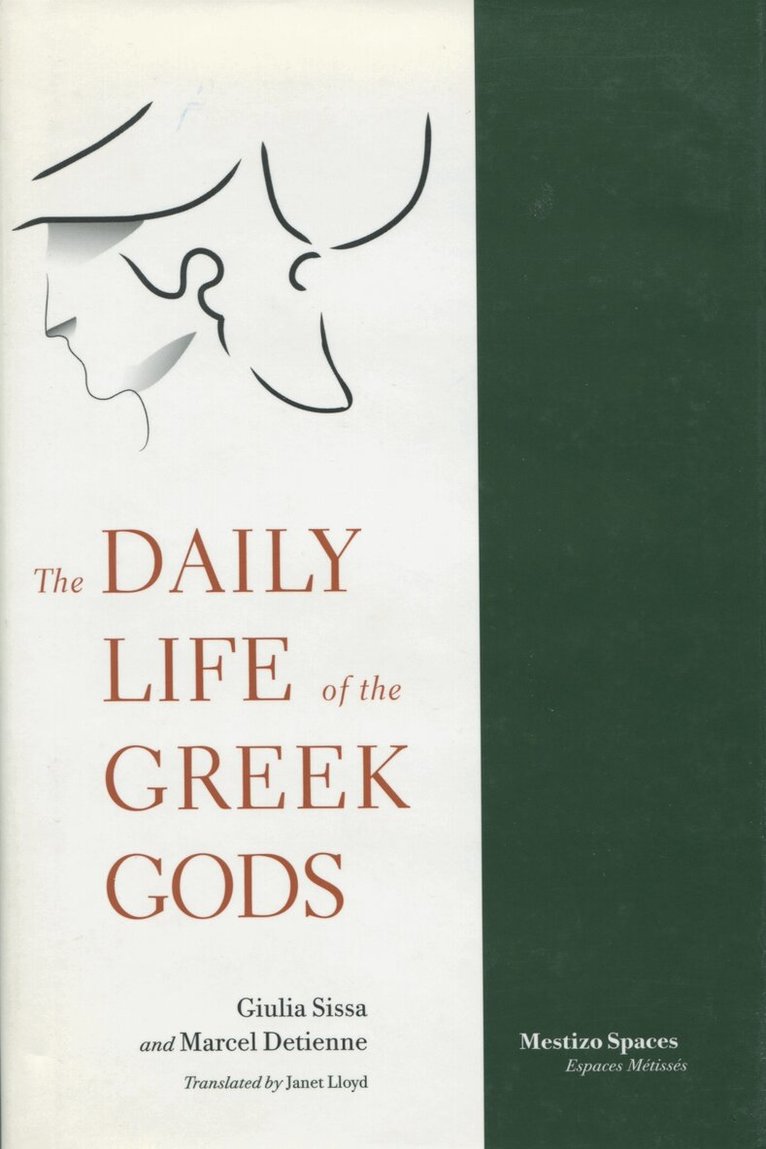
Despite the rousing stories of male heroism in battles, the Trojan War transcended the activities of its human participants. For Homer, it was the gods who conducted and accounted for what happened. In the first part of this book, the authors find in Homer's Iliad material for exploring the everyday life of the Greek gods: what their bodies were made of and how they were nourished, the organization of their society, and the sort of life they led both in Olympus and in the human world. The gods are divided in their human nature: at once a fantasized model of infinite joys and an edifying example of engagement in the world, they have loves, festivities, and quarrels.In the second part, the authors show how citizens carried on everyday relations with the gods and those who would become the Olympians, inviting them to reside with humans organized in cities. At the heart of rituals and of social life, the gods were omnipresent: in sacrifices, at meals, in political assemblies, in war, in sexuality. In brief, the authors show how the gods were indispensable to the everyday social organization of Greek cities.To set on stage a number of gods implicated in the world of human beings, the authors give precedence to the feminine over the masculine, choosing to show how such great powers as Hera and Athena wielded their sovereignty over cities, reigning over not only the activities of women but also the moulding of future citizens. Equally important, the authors turn to Dionysus and follow the evolution of one of his forms, that of the phallus paraded in processions. Under this god, so attentive to all things feminine, the authors explore the typically civic ways of thinking about the relations between natural fecundity and the sexuality of daily life.
323 kr
Skickas inom 7-10 vardagar
Despite the rousing stories of male heroism in battles, the Trojan War transcended the activities of its human participants. For Homer, it was the gods who conducted and accounted for what happened. In the first part of this book, the authors find in Homer's Iliad material for exploring the everyday life of the Greek gods: what their bodies were made of and how they were nourished, the organization of their society, and the sort of life they led both in Olympus and in the human world. The gods are divided in their human nature: at once a fantasized model of infinite joys and an edifying example of engagement in the world, they have loves, festivities, and quarrels.In the second part, the authors show how citizens carried on everyday relations with the gods and those who would become the Olympians, inviting them to reside with humans organized in cities. At the heart of rituals and of social life, the gods were omnipresent: in sacrifices, at meals, in political assemblies, in war, in sexuality. In brief, the authors show how the gods were indispensable to the everyday social organization of Greek cities.To set on stage a number of gods implicated in the world of human beings, the authors give precedence to the feminine over the masculine, choosing to show how such great powers as Hera and Athena wielded their sovereignty over cities, reigning over not only the activities of women but also the moulding of future citizens. Equally important, the authors turn to Dionysus and follow the evolution of one of his forms, that of the phallus paraded in processions. Under this god, so attentive to all things feminine, the authors explore the typically civic ways of thinking about the relations between natural fecundity and the sexuality of daily life.
631 kr
Skickas inom 10-15 vardagar
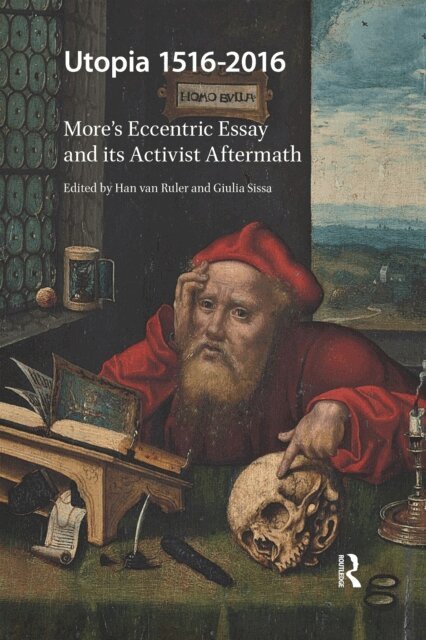
This year marks the five-hundredth anniversary of Thomas More's widely influential book Utopia, and this volume brings together a number of scholars to consider the book, its long afterlife, and specifically its effects on political activists over the centuries. In addition to thorough studies of Utopia itself, and appraisals of More's relationship with Erasmus, the book presents detailed studies of the effect of Utopia on early modern England and the Low Countries, as well as philosophical reflections on ideology and the utopian mind, and much more.
1 023 kr
Skickas inom 7-10 vardagar
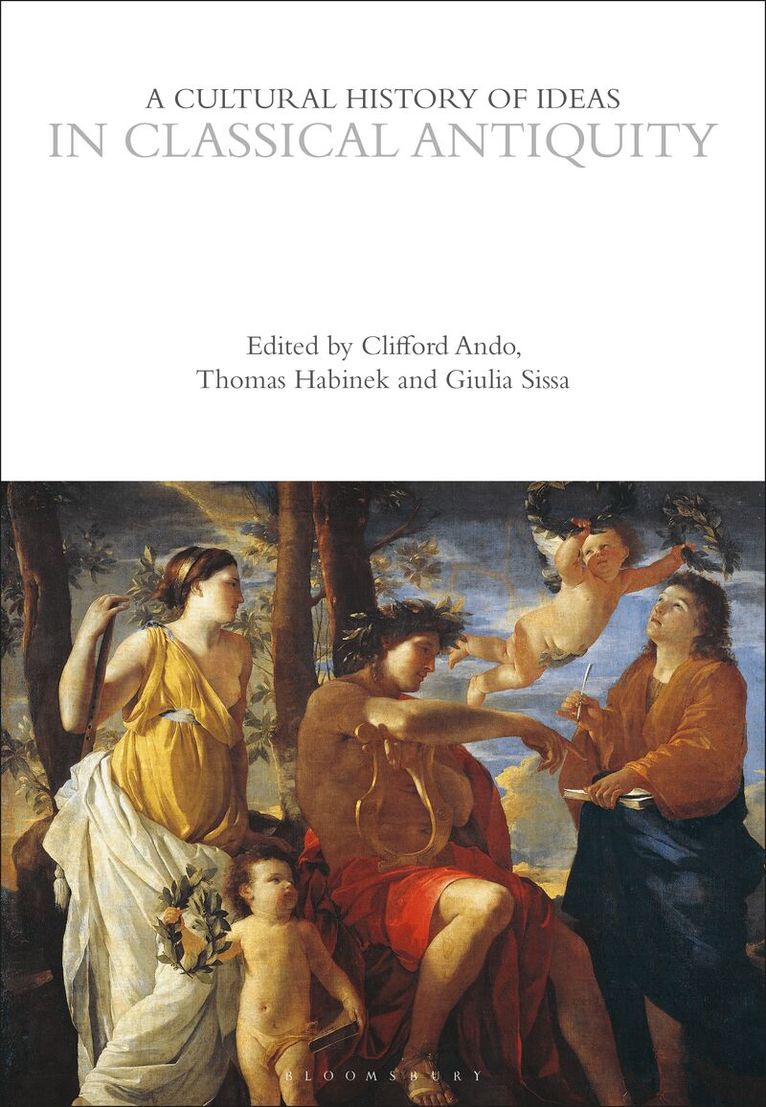
PRAISE FOR A CULTURAL HISTORY OF IDEAS: VOLUMES 1-6A 2024 CHOICE OUTSTANDING ACADEMIC TITLE2023 AAP PROSE AWARDS WINNER: BEST HUMANITIES REFERENCE WORKThe essays in this volume of the award-winning A Cultural History of Ideas explore essential domains of reflection and practice in the cultures of ancient Greece and Rome. Ranging from knowledge to nature, the human self to the linguistic and figurative arts, and ethics to politics to religion, the contributors produce an entirely new history of ideas. The distinctive intellectual life of antiquity is not simply shown in the area of theory, nor is it merely seen in context. Instead, this volume reveals how ancient societies generated knowledge and representations in their culture and embodied practice.The 6-volume set A Cultural History of Ideas is part of The Cultural Histories Series. Titles are available in print for individuals or for libraries needing just one subject or preferring a tangible reference for their shelves or as part of a fully-searchable digital library. The digital product is available to institutions by annual subscription or on perpetual access via www.bloomsburyculturalhistory.com. Individual volumes for academics and researchers interested in specific historical periods are also available in print or digitally via www.bloomsburycollections.com.
1 391 kr
Skickas inom 10-15 vardagar
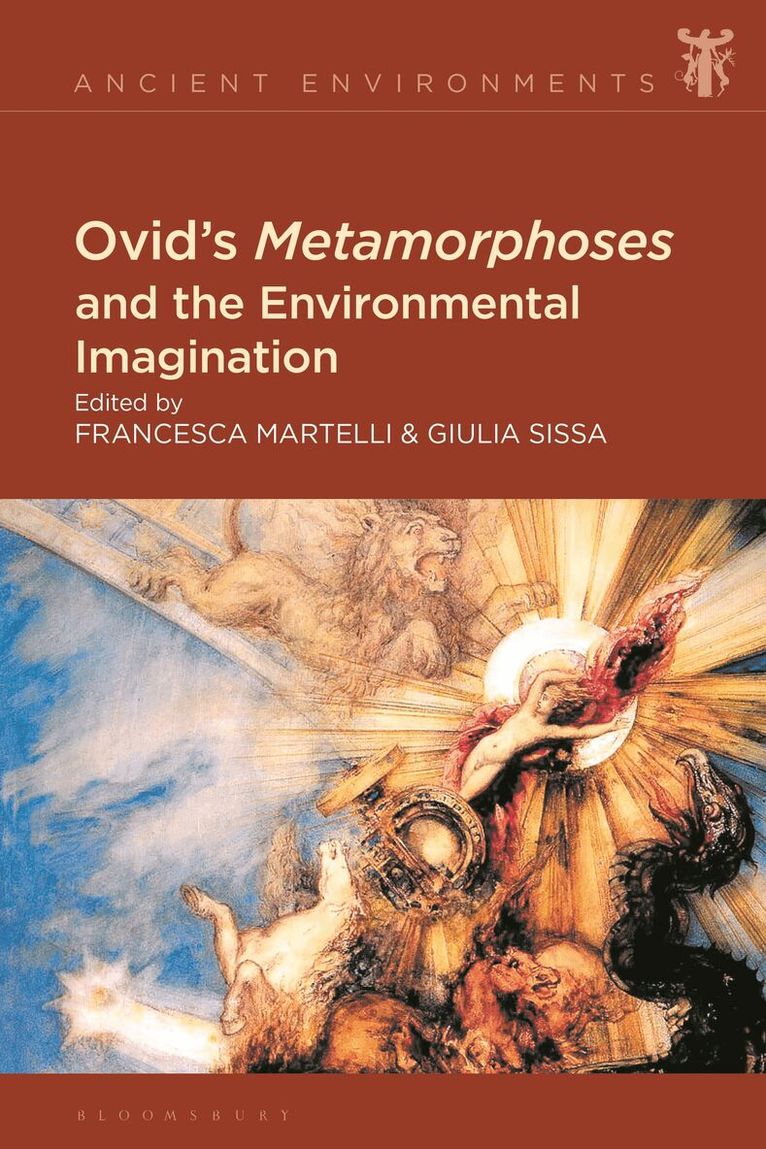
This book positions Ovid’s Metamorphoses as a foundational text in the western history of environmental thought. The poem is about new bodies. Stones, springs, plants and animals materialize out of human origins to create a world of hybrid objects, which retain varying degrees of human subjectivity while taking on new physical form. In bending the boundaries of known categories of being, these hybrid entities reveal both the porousness of human and other agencies as well as the dangers released by their fusion. Metamorphosis unsettles the category of the human within the complex ecologies that make up the world as we know it.Drawing on a range of modern environmental theorists and approaches, the contributors to this volume trace how the Metamorphoses models the relationship between humans and other life forms in ways that resonate with the preoccupations of contemporary eco-criticism. They make the case for seeing the worldview depicted in Ovid’s poem as an exemplar of the ‘premodern’ ecological mindset that contemporary environmental thought seeks to approximate. They also highlight critical moments in the history of the poem’s ecological reception, including reflections by a contemporary poet, as well as studies of Medieval and Renaissance responses to Ovid.
453 kr
Skickas inom 10-15 vardagar
This book positions Ovid’s Metamorphoses as a foundational text in the western history of environmental thought. The poem is about new bodies. Stones, springs, plants and animals materialize out of human origins to create a world of hybrid objects, which retain varying degrees of human subjectivity while taking on new physical form. In bending the boundaries of known categories of being, these hybrid entities reveal both the porousness of human and other agencies as well as the dangers released by their fusion. Metamorphosis unsettles the category of the human within the complex ecologies that make up the world as we know it.Drawing on a range of modern environmental theorists and approaches, the contributors to this volume trace how the Metamorphoses models the relationship between humans and other life forms in ways that resonate with the preoccupations of contemporary eco-criticism. They make the case for seeing the worldview depicted in Ovid’s poem as an exemplar of the ‘premodern’ ecological mindset that contemporary environmental thought seeks to approximate. They also highlight critical moments in the history of the poem’s ecological reception, including reflections by a contemporary poet, as well as studies of Medieval and Renaissance responses to Ovid.
448 kr
Kommande
PRAISE FOR A CULTURAL HISTORY OF IDEAS: VOLUMES 1-6A 2024 CHOICE OUTSTANDING ACADEMIC TITLE2023 AAP PROSE AWARDS WINNER: BEST HUMANITIES REFERENCE WORKThe essays in this volume of the award-winning A Cultural History of Ideas explore essential domains of reflection and practice in the cultures of ancient Greece and Rome. Ranging from knowledge to nature, the human self to the linguistic and figurative arts, and ethics to politics to religion, the contributors produce an entirely new history of ideas. The distinctive intellectual life of antiquity is not simply shown in the area of theory, nor is it merely seen in context. Instead, this volume reveals how ancient societies generated knowledge and representations in their culture and embodied practice.The 6-volume set A Cultural History of Ideas is part of The Cultural Histories Series. Titles are available in print for individuals or for libraries needing just one subject or preferring a tangible reference for their shelves or as part of a fully-searchable digital library. The digital product is available to institutions by annual subscription or on perpetual access via www.bloomsburyculturalhistory.com. Individual volumes for academics and researchers interested in specific historical periods are also available in print or digitally via www.bloomsburycollections.com.
822 kr
Skickas inom 7-10 vardagar
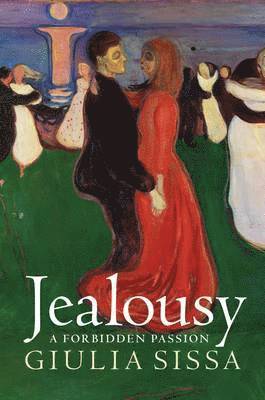
Amorous jealousy is not a monster, as Shakespeare's venomous Iago claims. It is neither prickly and bitter fancy nor a cruel and mean passion, nor yet a symptom of feeble self-esteem. All those who have experienced its wounds are well aware that it is not callous, nasty, delusional and ridiculous. It is just painful.Yet for centuries moralists have poured scorn and contempt on a feeling that, in their view, we should fight in every possible way. It is allegedly a disease to be treated, a moral vice to be eradicated, an ugly, pre-modern, illiberal, proprietary emotion to be overcome. Above all, no one should ever admit to being jealous.So should we silence this embarrassing sentiment? Or should we, like the heroines of Greek tragedy, see it as a fundamental human demand for reciprocity in love? By examining its cultural history from the ancient Greeks to La Rochefoucauld, Hobbes, Kant, Stendhal, Freud, Beauvoir, Sartre and Lacan, this book demonstrates how jealousy, far from being a 'green-eyed' fiend, reveals the intense and apprehensive nature of all erotic love, which is the desire to be desired.We should never be ashamed to love.
280 kr
Skickas inom 7-10 vardagar
Amorous jealousy is not a monster, as Shakespeare's venomous Iago claims. It is neither prickly and bitter fancy nor a cruel and mean passion, nor yet a symptom of feeble self-esteem. All those who have experienced its wounds are well aware that it is not callous, nasty, delusional and ridiculous. It is just painful.Yet for centuries moralists have poured scorn and contempt on a feeling that, in their view, we should fight in every possible way. It is allegedly a disease to be treated, a moral vice to be eradicated, an ugly, pre-modern, illiberal, proprietary emotion to be overcome. Above all, no one should ever admit to being jealous.So should we silence this embarrassing sentiment? Or should we, like the heroines of Greek tragedy, see it as a fundamental human demand for reciprocity in love? By examining its cultural history from the ancient Greeks to La Rochefoucauld, Hobbes, Kant, Stendhal, Freud, Beauvoir, Sartre and Lacan, this book demonstrates how jealousy, far from being a 'green-eyed' fiend, reveals the intense and apprehensive nature of all erotic love, which is the desire to be desired.We should never be ashamed to love.
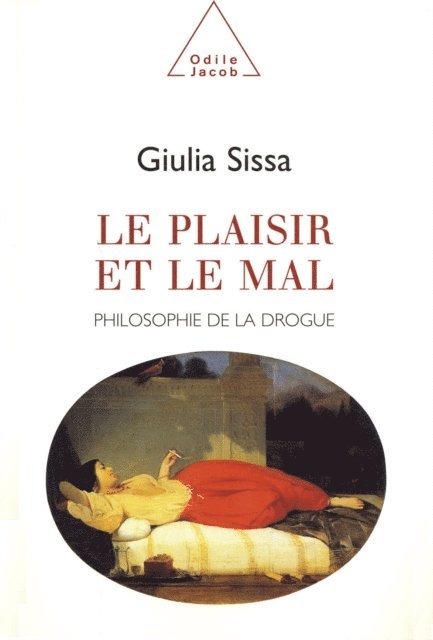
Pleasure and Harm: The Philosophy of Drugs / Le Plaisir et le Mal: Philosophie de la drogue
Häftad, Franska, 1997
475 kr
Skickas inom 3-6 vardagar
514 kr
Skickas inom 3-6 vardagar
1 846 kr
Skickas inom 10-15 vardagar
This volume brings together a number of scholars to consider the book Utopia, its long afterlife, and specifically its effects on political activists over the centuries.