Philosophy of Technology - Böcker
Visar alla böcker i serien Philosophy of Technology. Handla med fri frakt och snabb leverans.
11 produkter
11 produkter
312 kr
Skickas inom 10-15 vardagar
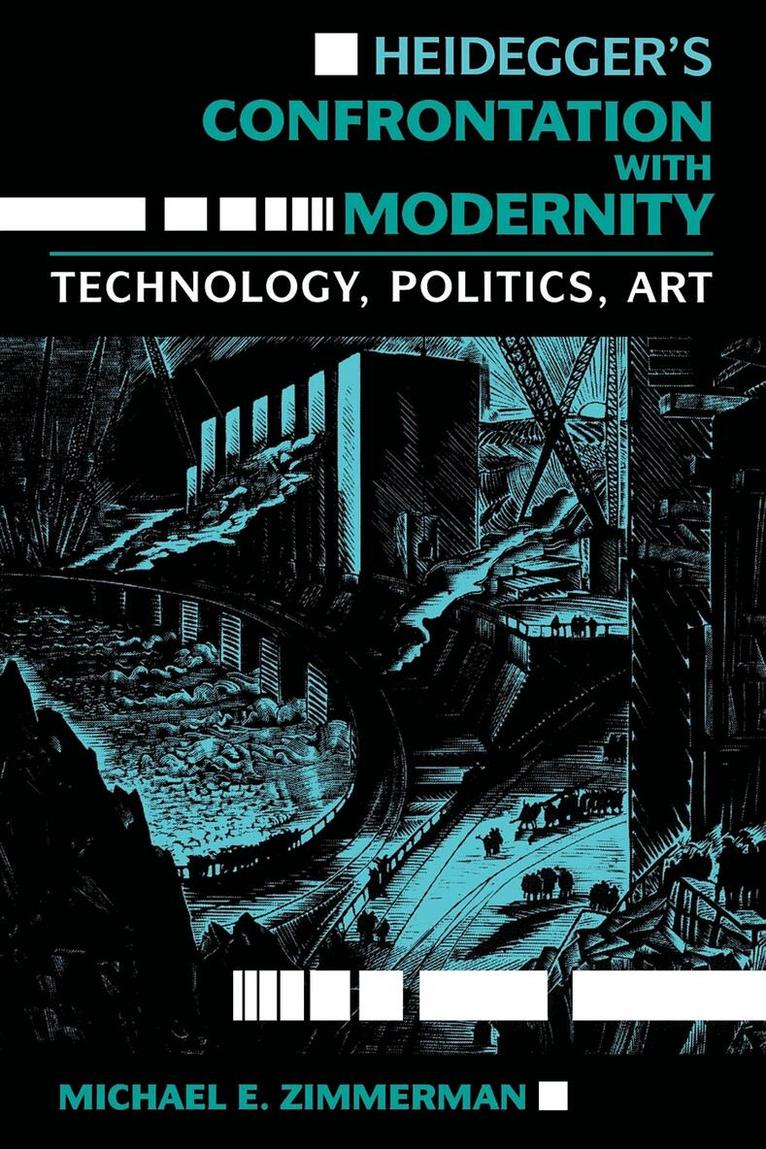
"Writing in a lively and refreshingly clear American English, Zimmerman provides an uncompromisingly honest and judicious account . . . of Heidegger's views on technology and his involvement with National Socialism. . . . One of the most important books on Heidegger in recent years." —John D. Caputo" . . . superb . . . " —Thomas Sheehan, The New York Review of Books" . . . thorough and complex . . . " —Choice" . . . excellent guide to Heidegger as eco-philosopher." —Radical Philosophy" . . . engrossing, rich in substance . . . makes clear Heidegger's importance for the issue of technology, ethics, and politics." —Religious Studies ReviewThe relation between Martin Heidegger's understanding of technology and his affiliation with and conception of National Socialism is the leading idea of this fascinating and revealing book. Zimmerman shows that the key to the relation between Heidegger's philosophy and his politics was his concern with the nature of working and production.
282 kr
Skickas inom 7-10 vardagar
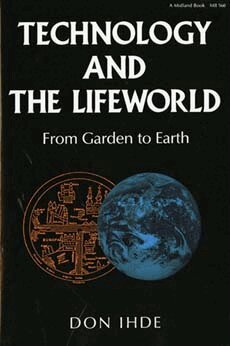
" . . . Dr. Ihde brings an enlightening and deeply humanistic perspective to major technological developments, both past and present." —Science Books & Films"Don Ihde is a pleasure to read. . . . The material is full of nice suggestions and details, empirical materials, fun variations which engage the reader in the work . . . the overall points almost sneak up on you, they are so gently and gradually offered." —John Compton"A sophisticated celebration of cultural diversity and of its enabling technologies. . . . perhaps the best single volume relating the philosophical tradition to the broad issues raised by contemporary technologies." —Choice" . . . important and challenging . . . " —Review of Metaphysics" . . . a range of rich historical, cultural, philosophical, and psychological insights, woven together in an intriguing and clear exposition . . . The book is really a pleasure to read, for its style, immense learning and sanity." —Teaching PhilosophyThe role of tools and instruments in our relation to the earth and the ways in which technologies are culturally embedded provide the foci of this thought-provoking book.
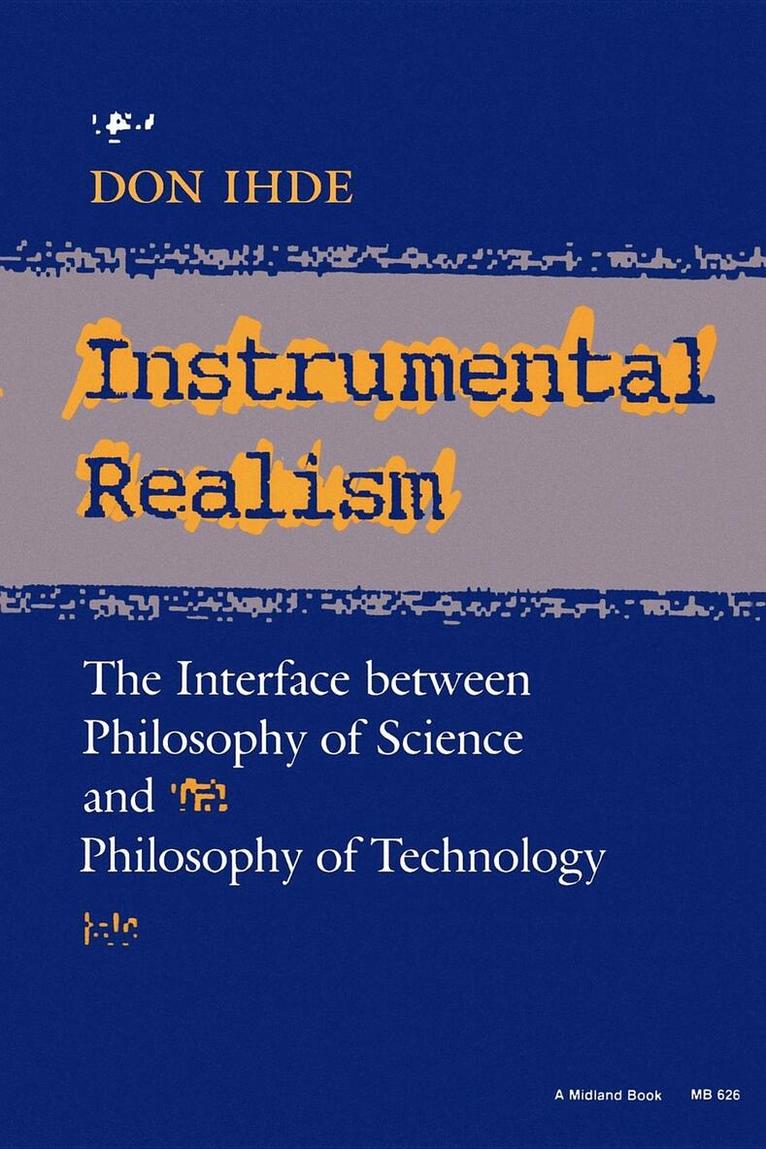
Instrumental Realism
The Interface Between Philosophy of Science and Philosophy of Technology
Häftad, Engelska, 1991
233 kr
Skickas inom 10-15 vardagar
"Ihde is perhaps uniquely situated to provide authoritative accounts of such diverse philosophical traditions as those involved in current explorations of the technology of scientific instruments. . . . Ihde's book breaks new ground and . . . makes an important debate accessible." —Robert AckermannInstrumental Realism has three principal aims: to advocate a "praxis-perception" approach to the philosophy of science; to explore ways in which such an approach offers a mutually illuminating overlap with a philosophy of technology; and to examine comparatively and critically the work of some who advocate an "instrumental realist" approach to the philosophy of science.
206 kr
Skickas inom 10-15 vardagar
" . . . a comprehensive canvass of Dewey's logic, metaphysics, aesthetics, philosophy of history, and social thought." —Choice" . . . a major addition to the recent accumulation of in-depth studies of Dewey." —Journal of Speculative Philosophy"Larry Hickman has done an exemplary job in demonstrating the relevance of John Dewey's philosophy to modern-day discussions of technology." —Ethics
286 kr
Skickas inom 10-15 vardagar
"This fine collection of essays from a diverse group of authors expounding on a wide variety of subjects presents a generous sampling of the new philosophy of technology." —Choice" . . . informative, original, and provocative. . . . Many of the writers are major players in defining the contested political terrain of cultural, science, and technology studies as well as critical theory and Heidegger studies." —Gerald Doppelt
326 kr
Skickas inom 10-15 vardagar
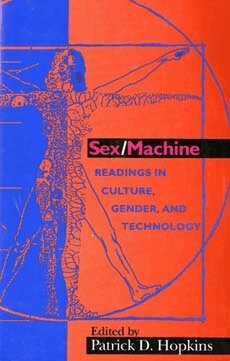
" . . . discusses the complex connections between gender and technology . . . an intriguing and enlightening book, the latest in an outstanding . . . series by Indiana University Press." —Bruce Hilton, Scripps Howard News ServiceHow does technology influence gender roles? From personal computers and cyberspace to artificial wombs and sex reassignment surgery, technology has opened up the possibility that sex roles as well as the gendered notions we have of human identity are subject to radical change. This engaging anthology examines long-standing stereotypical associations of men with technology and women with nature and assesses the impact of technologies that have necessarily blurred distinctions between the sexes and altered traditional views of gender.
206 kr
Skickas inom 10-15 vardagar
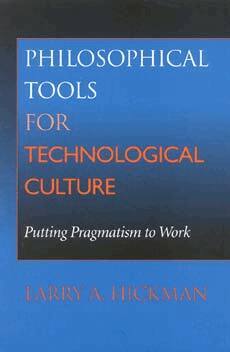
"Hickman['s] . . . style of pragmatism provides us with flexible, philosophical 'tools' which can be used to analyze and penetrate various technology and technological cultural problems of the present. He, himself, uses this toolkit to make his analyses and succeeds very well indeed." —Don IhdeA practical and comprehensive appraisal of the value of philosophy in today's technological culture.Philosophical Tools for Technological Culture contends that technology—a defining mark of contemporary culture—should be a legitimate concern of philosophers. Larry A. Hickman contests the perception that philosophy is little more than a narrow academic discipline and that philosophical discourse is merely redescription of the ancient past. Drawing inspiration from John Dewey, one of America's greatest public philosophers, Hickman validates the role of philosophers as cultural critics and reformers in the broadest sense. Hickman situates Dewey's critique of technological culture within the debates of 20th-century Western philosophy by engaging the work of Richard Rorty, Albert Borgmann, Jacques Ellul, Walter Benjamin, Jürgen Habermas, and Martin Heidegger, among others. Pushing beyond their philosophical concerns, Hickman designs and assembles a set of philosophical tools to cope with technological culture in a new century. His pragmatic treatment of current themes—such as technology and its relationship to the arts, technosciences and technocrats, the role of the media in education, and the meaning of democracy and community life in an age dominated by technology—reveals that philosophy possesses powerful tools for cultural renewal. This original, timely, and accessible work will be of interest to readers seeking a deeper understanding of the meanings and consequences of technology in today's world.
206 kr
Skickas inom 10-15 vardagar
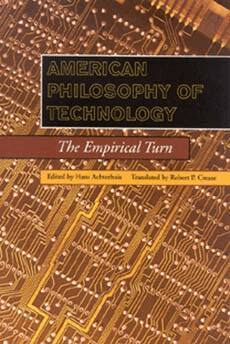
Introduces contemporary American philosophy of technology through six of its leading figures. The six American philosophers of technology whose work is profiled in this clear and concise introduction to the field—Albert Borgmann, Hubert Dreyfus, Andrew Feenberg, Donna Haraway, Don Ihde, and Langdon Winner—represent a new, empirical direction in the philosophical study of technology that has developed mainly in North America. In place of the grand philosophical schemes of the classical generation of European philosophers of technology (including Martin Heidgger, Jacques Ellul, and Hans Jonas), the contemporary American generation addresses concrete technological practices and the co-evolution of technology and society in modern culture. Six Dutch philosophers associated with Twente University survey and critique the full scope and development of their American colleagues' work, often illustrating shifts from earlier to more recent interests. Individual chapters focus on Borgmann's engagement with technology and everyday life; Dreyfus's work on the limits of artificial intelligence; Feenberg's perspectives on the cultural and social possibilities opened by technologies; Haraway's conception of the cyborg and its attendant blurring of boundaries; Ihde's explorations of the place of technology in the lifeworld; and Winner's fascination with the moral and political implications of modern technologies. American Philosophy of Technology offers an insightful and readable introduction to this new and distinctly American philosophical turn.Contributors are Hans Achterhuis, Philip Brey, René Munnik, Martijntje Smits, Pieter Tijmes, and Peter-Paul Verbeek.
286 kr
Skickas inom 10-15 vardagar
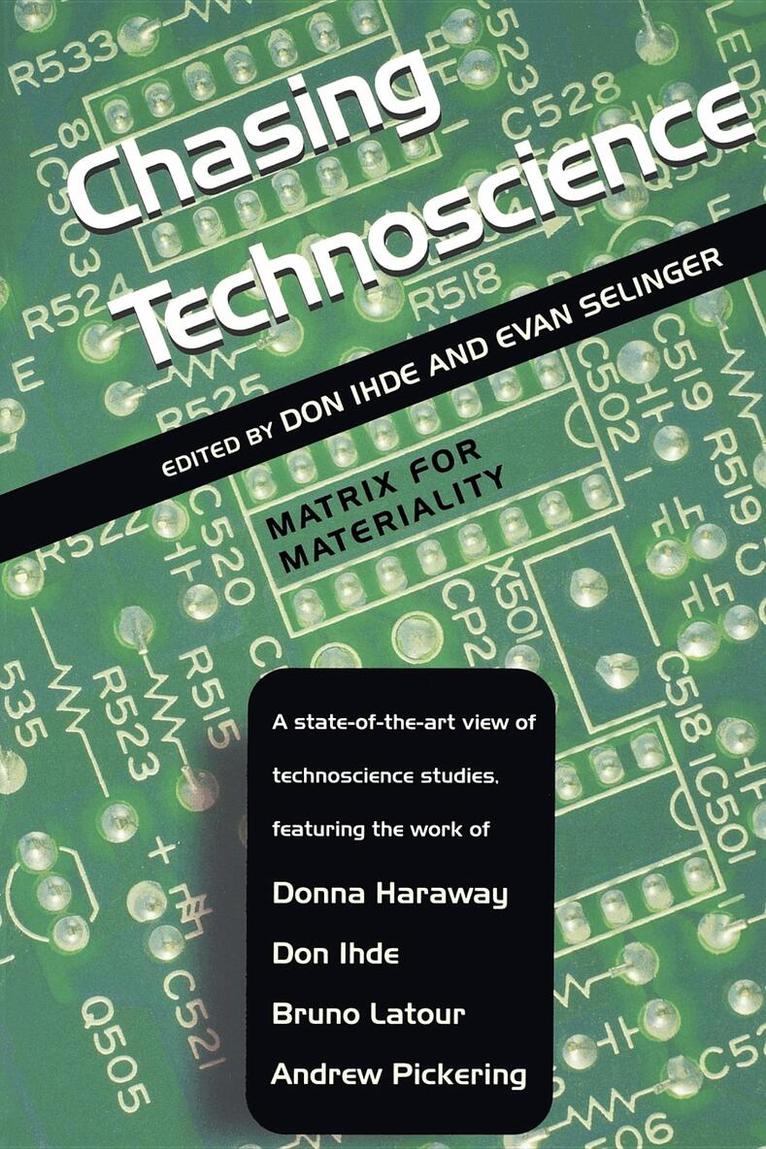
". . . an original, quirky, and illuminating collection of material concerning the relatively new and exciting field of technoscience studies. . . . [T]he editors' choice of multiple approaches to the work of four major figures is wholly suited to clarifying their unorthodox and consequently somewhat elusive philosophical positions." —Robert ScharffAlthough often absent from the considerations of philosophers, sociologists, and anthropologists, the material dimension plays an important and even essential role in the practices of the sciences. Chasing Technoscience: Matrix for Materiality begins to redress this absence by bringing together four prominent figures who make technoscience, or science embodied in its technologies, a central theme of their work. Through lively personal interviews and substantive essays, the ideas of Andrew Pickering, Don Ihde, Donna Haraway, and Bruno Latour are brought to bear on the question of materiality in technoscience. The work of these theorists is then compared and critiqued in essays by colleagues. Chasing Technoscience is a ground-breaking, state-of-the-art look at current developments in technoscience.
578 kr
Skickas inom 10-15 vardagar
"Crease's brilliantly exploited theatrical analogy places scientific theorizing back into the wider context of experimental inquiry." —Robert C. ScharffCrease attacks the "mystical" account of experimentation embraced by the positivist and Kantian varieties of philosophy of science, according to which experimentation takes a backseat to theory.
379 kr
Skickas inom 10-15 vardagar
"This fine collection of essays from a diverse group of authors expounding on a wide variety of subjects presents a generous sampling of the new philosophy of technology." —Choice" . . . informative, original, and provocative. . . . Many of the writers are major players in defining the contested political terrain of cultural, science, and technology studies as well as critical theory and Heidegger studies." —Gerald Doppelt