Michael E. Zimmerman - Böcker
Visar alla böcker från författaren Michael E. Zimmerman. Handla med fri frakt och snabb leverans.
3 produkter
3 produkter
312 kr
Skickas inom 10-15 vardagar
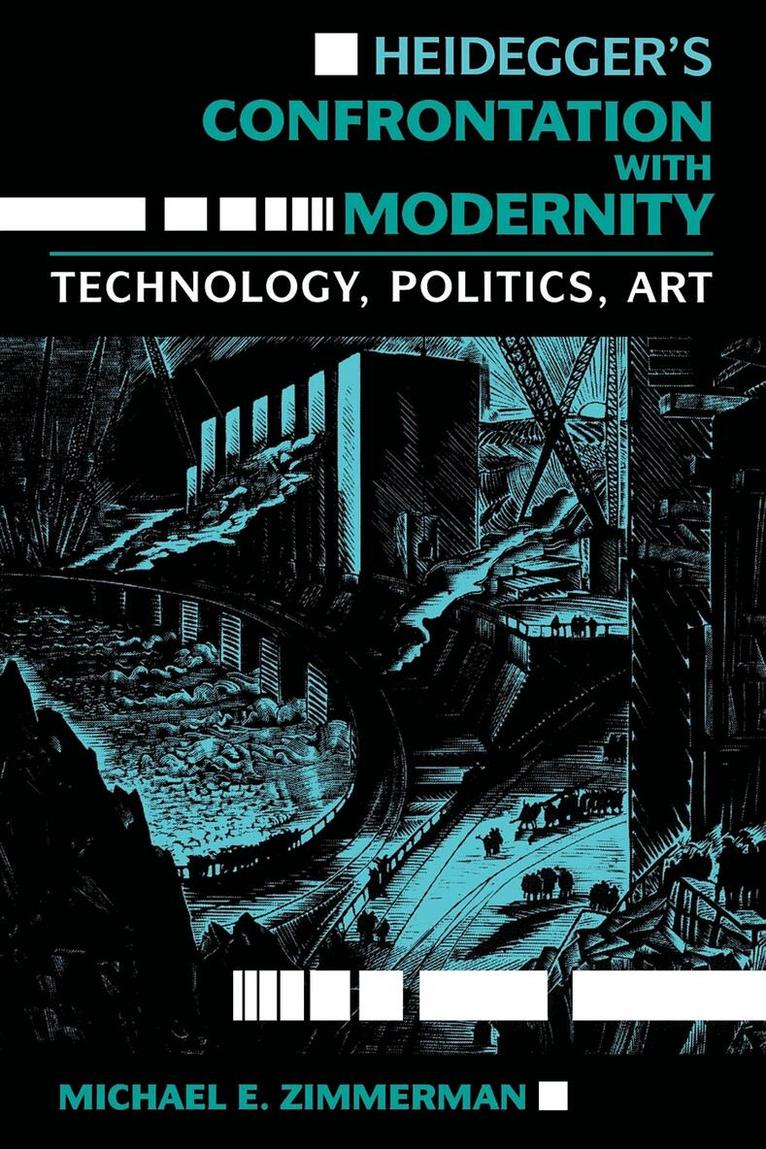
"Writing in a lively and refreshingly clear American English, Zimmerman provides an uncompromisingly honest and judicious account . . . of Heidegger's views on technology and his involvement with National Socialism. . . . One of the most important books on Heidegger in recent years." —John D. Caputo" . . . superb . . . " —Thomas Sheehan, The New York Review of Books" . . . thorough and complex . . . " —Choice" . . . excellent guide to Heidegger as eco-philosopher." —Radical Philosophy" . . . engrossing, rich in substance . . . makes clear Heidegger's importance for the issue of technology, ethics, and politics." —Religious Studies ReviewThe relation between Martin Heidegger's understanding of technology and his affiliation with and conception of National Socialism is the leading idea of this fascinating and revealing book. Zimmerman shows that the key to the relation between Heidegger's philosophy and his politics was his concern with the nature of working and production.
297 kr
Skickas inom 7-10 vardagar
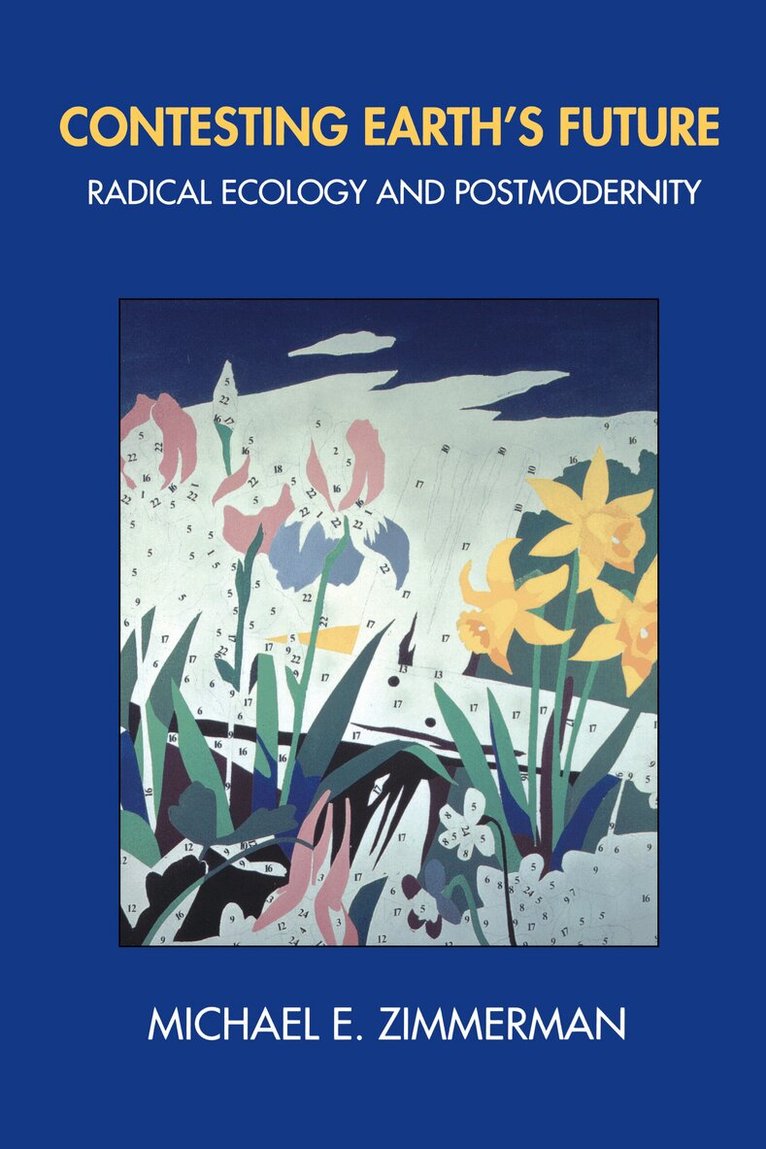
Radical ecology typically brings to mind media images of ecological activists standing before loggers' saws, staging anti-nuclear marches, and confronting polluters on the high seas. Yet for more than twenty years, the activities of organizations such as the Greens and Earth First! have been influenced by a diverse, less-publicized group of radical ecological philosophers. It is their work - the philosophical underpinnings of the radical ecological movement - that is the subject of Contesting Earth's Future. The book offers a much-needed, balanced appraisal of radical ecology's principles, goals, and limitations. Michael Zimmerman critically examines the movement's three major branches - deep ecology, social ecology, and ecofeminism. He also situates radical ecology within the complex cultural and political terrain of the late twentieth century, showing its relation to Martin Heidegger's anti-technological thought, 1960s counterculturalism, and contemporary theories of poststructuralism and postmodernity. An early and influential ecological thinker, Zimmerman is uniquely qualified to provide a broad overview of radical environmentalism and delineate its various schools of thought.He clearly describes their defining arguments and internecine disputes, among them the charge that deep ecology is an anti-modern, proto-fascist ideology. Reflecting both the movement's promise and its dangers, this book is essential reading for all those concerned with the worldwide ecological crisis.
366 kr
Skickas inom 10-15 vardagar
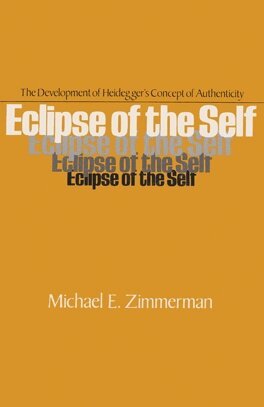
Although it is sometimes said that Martin Heidegger's later philosophy no longer concerned itself with the theme of authenticity so crucial to Being and Time (1927), this book argues that his interest in authenticity was always strong.After leaving the seminary to become a philosophy student, Heidegger began to "de–mythologize" religious themes for his own philosophical purposes. Like the Christian notion of faith, Heidegger's notion of authenticity involves relinquishing the egotistical self–understanding which blocks our openness for possibilities. Yet authenticity as "resoluteness" includes an element of voluntarism foreign to the idea of faith. Heidegger's brief engagement with National Socialism (1933–1934) helped him to re–think the Nietzschean concept of will which had influenced his early views on authenticity. Although part of the meaning of resoluteness is to allow things to be revealed, it also suggests that an individual can somehow will to be authentic. After about 1936, Heidegger emphasized that an individual can only be released from egoism (inauthenticity) by a power which transcends him. The abiding theological issue concerning the efficacy of works as against the saving power of grace finds expression in the distinction between resoluteness and releasement.