Publications of the Wisconsin Center for Pushkin Studies – serie
Visar alla böcker i serien Publications of the Wisconsin Center for Pushkin Studies. Handla med fri frakt och snabb leverans.
13 produkter
13 produkter
223 kr
Skickas inom 10-15 vardagar
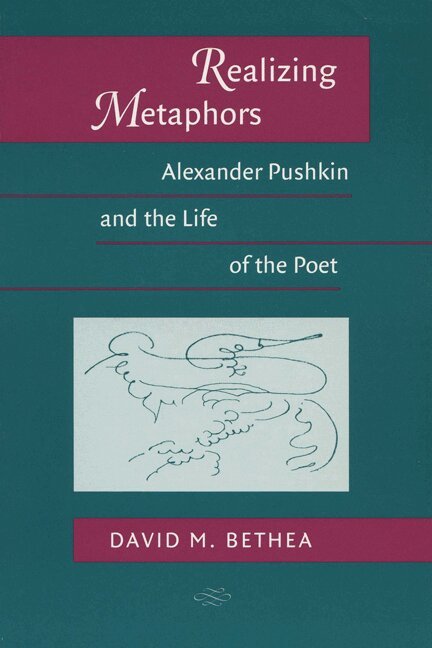
Readers often have regarded with curiosity the creative life of the poet. In this study, David Bethea illustrates the relation between the art and life of 19th-century poet Alexander Pushkin, the central figure in Russian thought and culture. Bethea shows how Pushkin, on the eve of this 200th anniversary, still speaks to our time. He indicates how we, as modern readers, might ""realize"" the promethean metaphors central to the poet's intensely ""sculpted"" life. The Pushkin who emerges from Bethea's portrait is one who, long unknown to English-language readers, closely resembles the original both psychologically and artistically. Bethea begins by addressing the influential thinkers Freud, Bloom, Jakobson and Lotman to show that their premises do not, by themselves, adequately account for Pushkin's psychology of creation or his version of the ""Life of the Poet"". He then proposes his own versatile model of reading, and goes on to sketch the tangled connections between Pushkin and his great compatriot, the 18th-century poet Gavrila Derzhavin.
362 kr
Skickas inom 10-15 vardagar
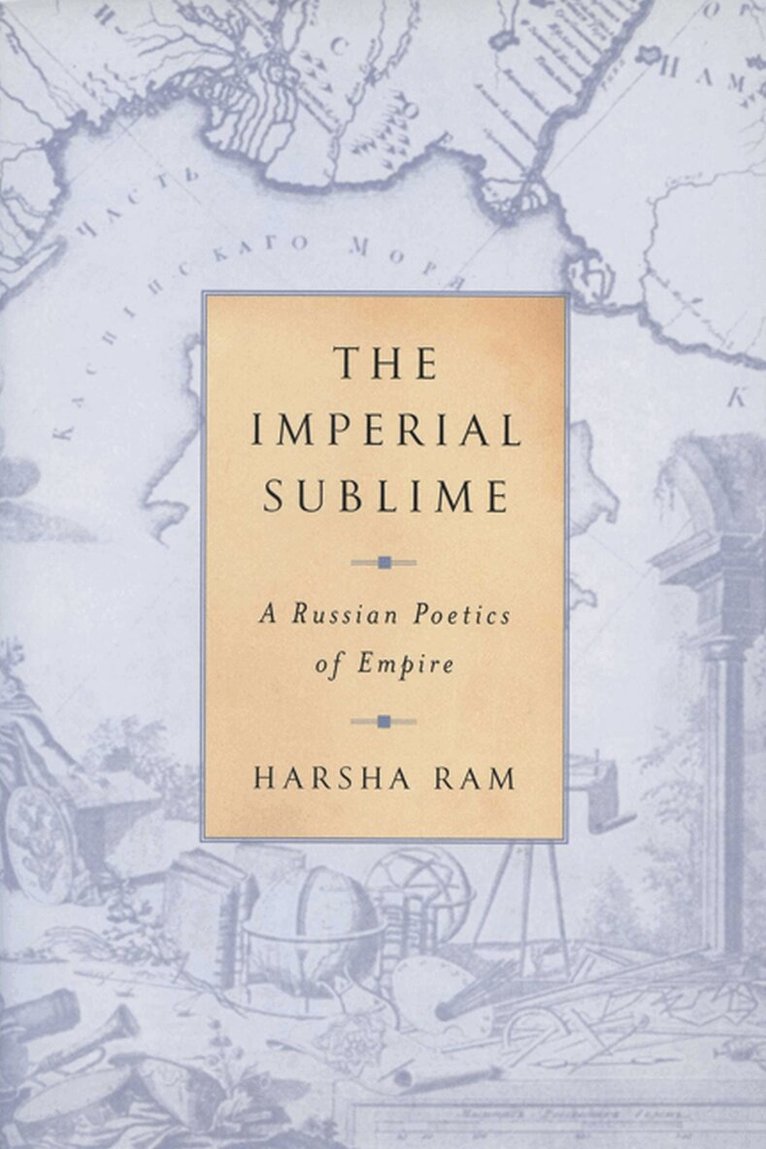
The Imperial Sublime examines the rise of the Russian empire as a literary theme simultaneous with the evolution of Russian poetry between the 1730s and 1840 - the century during which poets defined the main questions facing Russian literature and society. Harsha Ram shows how imperial ideology became implicated in an unexpectedly wide range of issues, from formal problems of genre, style, and lyric voice to the vexed relationship between the poet and the ruling monarch.
362 kr
Skickas inom 10-15 vardagar
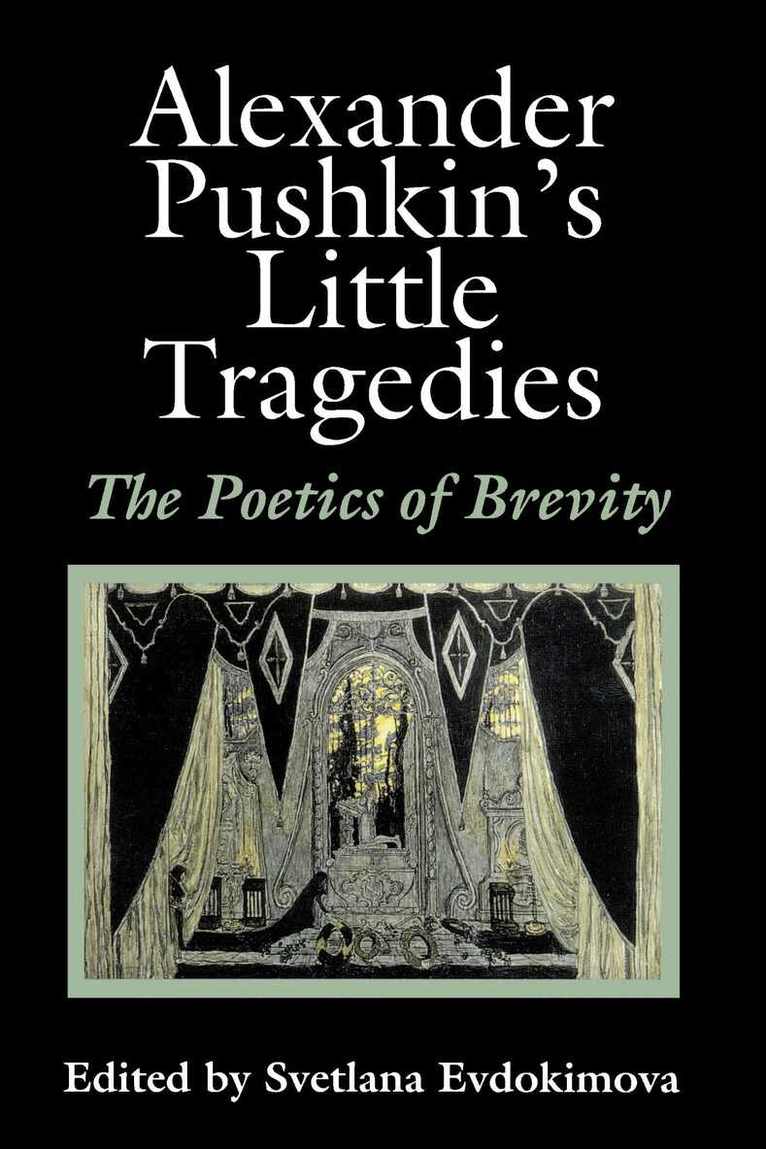
Alexander Pushkin's four compact plays, later known as The Little Tragedies, were written at the height of the author's creative powers, and their influence cannot be overestimated. Yet Western readers are far more familiar with Pushkin's lyrics, narrative poems, and prose than with his drama. Setting out to reclaim a cornerstone of Pushkin's work, Evodokimova and her contributors offer the first thorough critical study of these plays. They examine the historical roots and connective themes of the plays, offer close readings, and track the transformation of the works into other genres. Included are new translations by James Falen of the plays The Covetous Knight, Mozart and Salieri, The Stone Guest, and A Feast in Time of Plague.
592 kr
Skickas inom 10-15 vardagar
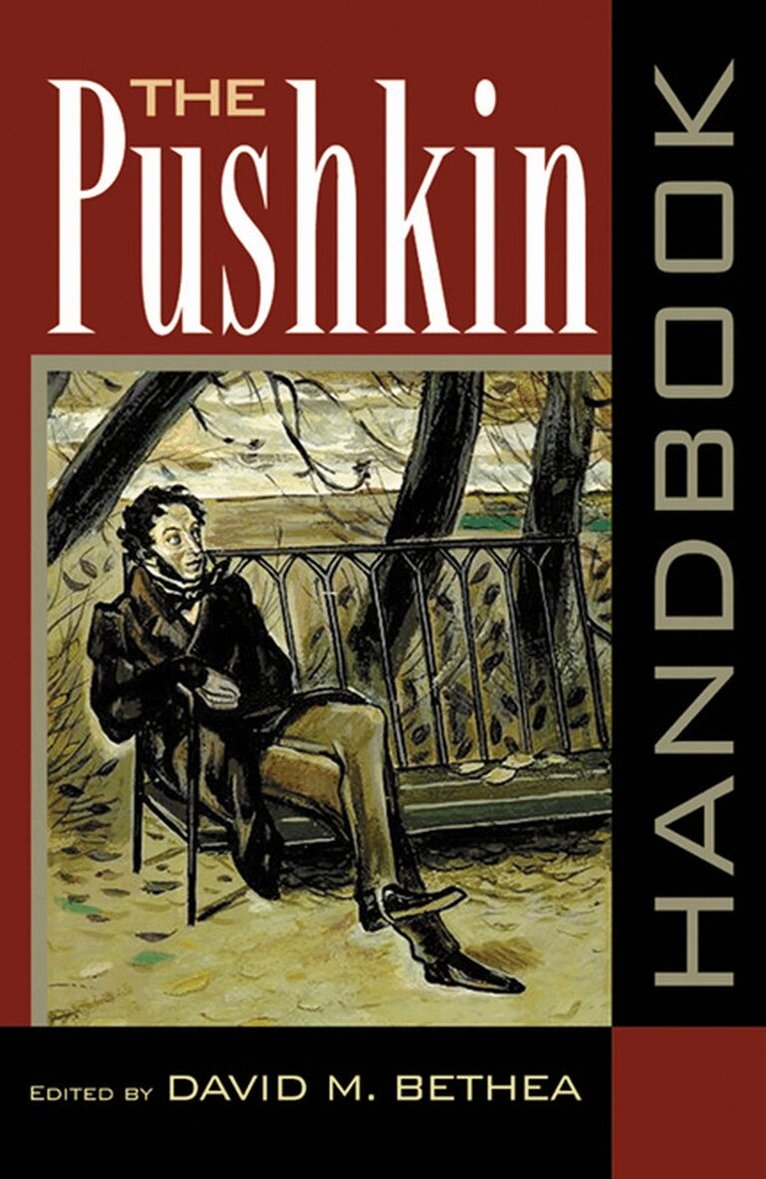
The Pushkin Handbook, a collection of studies by leading Pushkin scholars from the former Soviet Union, North America, and elsewhere, unites in one volume a multiplicity of voices engaged in a genuinely post-Soviet dialogue. From its beginnings, Pushkin’s oeuvre has accommodated numerous, often competing readings. This book is further testimony to the continuing complexity of Russia’s preeminent writer: his place in the literary and cultural cosmos, his relationship to his Russian predecessors and contemporaries, and his reception and interpretation at various points in history.
391 kr
Skickas inom 10-15 vardagar
Since his death in 1837, Alexander Pushkin - often called the 'father of Russian literature' - has become a timeless embodiment of Russian national identity, adopted for diverse ideological purposes and reinvented anew as a cultural icon in each historical era (tsarist, Soviet, and post-Soviet). His elevation to mythic status, however, has led to the celebration of some of his writings and the shunning of others. Throughout the history of Pushkin studies, certain topics, texts, and interpretations have remained officially off-limits in Russia - taboos as prevalent in today's Russia as ever before. The essays in this bold and authoritative volume use new approaches, overlooked archival materials, and fresh interpretations to investigate aspects of Pushkin's biography and artistic legacy that have previously been suppressed or neglected. Taken together, the contributors strive to create a more fully realized Pushkin and demonstrate how potent a challenge the unofficial, taboo, alternative Pushkin has proven to be across the centuries for the Russian literary and political establishments.
357 kr
Skickas inom 7-10 vardagar
Modern Russian literature has two “first” epochs: secular literature’s rapid rise in the eighteenth century and Alexander Pushkin’s Golden Age in the early nineteenth. In the shadow of the latter, Russia’s eighteenth-century culture was relegated to an obscurity hardly befitting its actually radical legacy. And yet the eighteenth century maintains an undeniable hold on the Russian historical imagination to this day. Luba Golburt’s book is the first to document this paradox. In formulating its self-image, the culture of the Pushkin era and after wrestled far more with the meaning of the eighteenth century, Golburt argues, than is commonly appreciated.Why did nineteenth-century Russians put the eighteenth century so quickly behind them? How does a meaningful present become a seemingly meaningless past? Interpreting texts by Lomonosov, Derzhavin, Pushkin, Viazemsky, Turgenev, Tolstoy, and others, Golburt finds surprising answers, in the process innovatively analyzing the rise of periodization and epochal consciousness, the formation of canon, and the writing of literary history.
269 kr
Skickas inom 10-15 vardagar
In the eighteenth century, as modern forms of literature began to emerge in Russia, most of the writers producing it were members of the nobility. But their literary pursuits competed with strictly enforced obligations to imperial state service. Unique to Russia was the Table of Ranks, introduced by Emperor Peter the Great in 1722. Noblesse oblige was not just a lofty principle; aristocrats were expected to serve in the military, civil service, or the court, and their status among peers depended on advancement in ranks.Irina Reyfman illuminates the surprisingly diverse effects of the Table of Ranks on writers, their work, and literary culture in Russia. From Sumarokov and Derzhavin in the eighteenth century through Pushkin, Gogol, Dostoevsky, and poets serving in the military in the nineteenth, state service affected the self-images of writers and the themes of their creative output. Reyfman also notes its effects on Russia's atypical course in the professionalization and social status of literary work.
992 kr
Skickas inom 10-15 vardagar
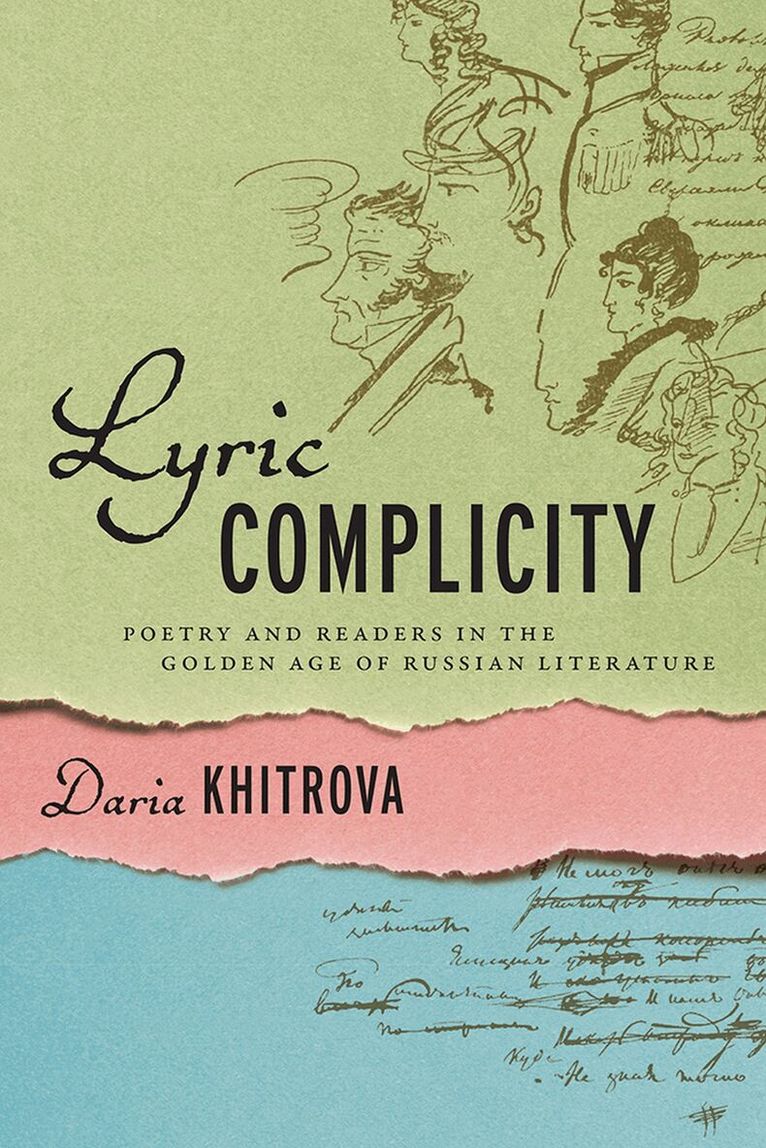
For many nineteenth-century Russians, poetry was woven into everyday life-in conversation and correspondence, scrapbook albums, and parlor entertainments. Blending close literary analysis with social and cultural history, Daria Khitrova shows how poetry lovers of the period all became nodes in a vast network of literary appreciation and constructed meaning. Poetry during the Golden Age was not a one-way avenue from author to reader. Rather, it was participatory, interactive, and performative.Lyric Complicity helps modern readers recover Russian poetry's former uses and functions-life situations that moved people to quote or perform a specific passage from a poem or a forgotten occasion that created unforgettable verse.
269 kr
Skickas inom 10-15 vardagar
For many nineteenth-century Russians, poetry was woven into everyday life-in conversation and correspondence, scrapbook albums, and parlor entertainments. Blending close literary analysis with social and cultural history, Daria Khitrova shows how poetry lovers of the period all became nodes in a vast network of literary appreciation and constructed meaning. Poetry during the Golden Age was not a one-way avenue from author to reader. Rather, it was participatory, interactive, and performative.Lyric Complicity helps modern readers recover Russian poetry’s former uses and functions-life situations that moved people to quote or perform a specific passage from a poem or a forgotten occasion that created unforgettable verse.
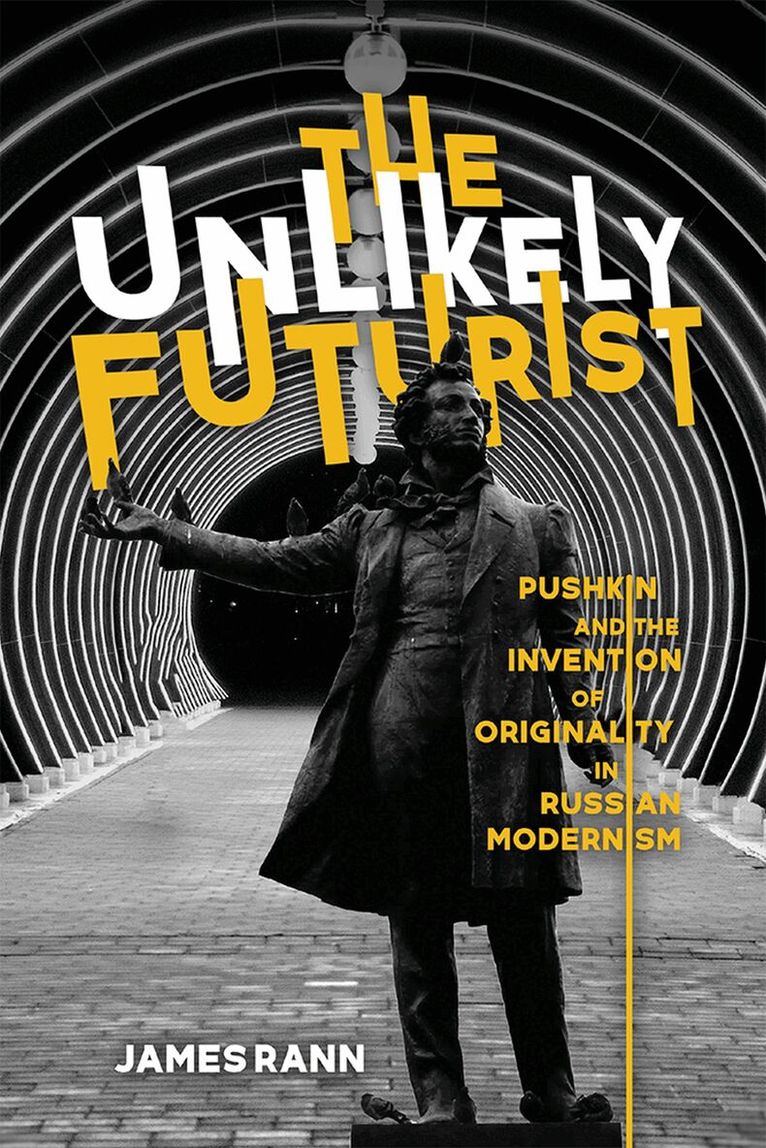
Unlikely Futurist
Pushkin and the Invention of Originality in Russian Modernism
Inbunden, Engelska, 2020
992 kr
Skickas inom 10-15 vardagar
In the early twentieth century, a group of writers banded together in Moscow to create purely original modes of expression. These avant-garde artists, known as the Futurists, distinguished themselves by mastering the art of the scandal and making shocking denunciations of beloved icons. With publications such as A Slap in the Face of Public Taste, they suggested that Aleksandr Pushkin, the founder of Russian literature, be tossed off the side of their "steamship of modernity."Through systematic and detailed readings of Futurist texts, James Rann offers the first book-length study of the tensions between the outspoken literary group and the great national poet. He observes how those in the movement engaged with and invented a new Pushkin, who by turns became a founding father to rebel against, a source of inspiration to draw from, a prophet foreseeing the future, and a monument to revive.Rann's analysis contributes to the understanding of both the Futurists and Pushkin's complex legacy. The Unlikely Futurist will appeal broadly to scholars of Slavic studies, especially those interested in literature and modernism.
1 115 kr
Skickas inom 10-15 vardagar
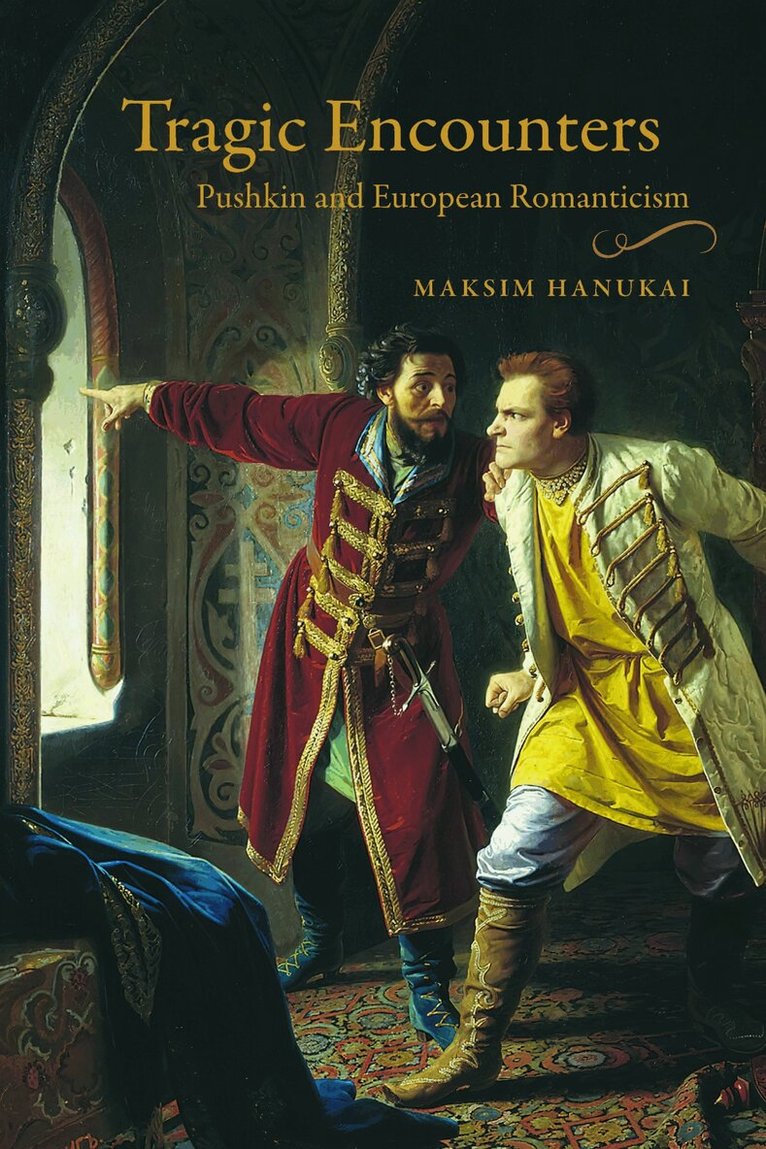
Literary scholars largely agree that the Romantic period altered the definition of tragedy, but they have confined their analyses to Western European authors. Maksim Hanukai introduces a new, illuminating figure to this narrative, arguing that Russia’s national poet, Alexander Pushkin, can be understood as a tragic Romantic poet, although in a different mold than his Western counterparts. Many of Pushkin’s works move seamlessly between the closed world of traditional tragedy and the open world of Romantic tragic drama, and yet they follow neither the cathartic program prescribed by Aristotle nor the redemptive mythologies of the Romantics. Instead, the idiosyncratic and artistically mercurial Pushkin seized upon the newly unstable tragic mode to develop multiple, overlapping tragic visions. Providing new, innovative readings of such masterpieces as The Gypsies, Boris Godunov, The Little Tragedies, and The Bronze Horseman, Hanukai sheds light on an unexplored aspect of Pushkin’s work, while also challenging reigning theories about the fate of tragedy in the Romantic period.
1 238 kr
Skickas inom 10-15 vardagar
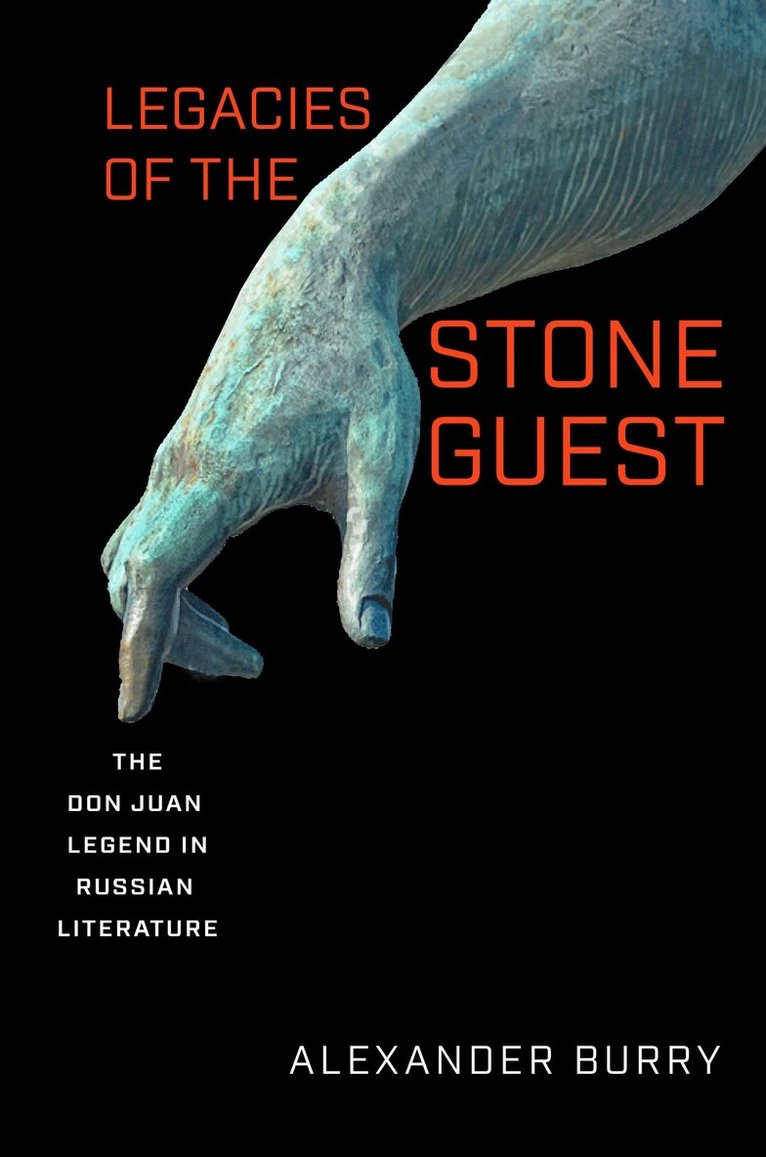
The story of Don Juan first appeared in writing in seventeenth-century Spain, reaching Russia about a century later. Its real impact, however, was delayed until Russia’s most famous poet, Alexander Pushkin, put his own, unique, and uniquely inspirational, spin on the tale. Published in 1830, TheStone Guest is now recognized, with other Pushkin masterpieces, as part of the Russian literary canon. Alexander Burry traces the influence of Pushkin’s brilliant innovations to the legend, which he shows have proven repeatedly fruitful through successive ages of Russian literature, from the Realist to the Silver Age, Soviet, and contemporary periods. Burry shows that, rather than creating a simple retelling of an originally religious tale about a sinful, consummate seducer, Pushkin offered open-ended scenes, re-envisioned and complicated characters, and new motifs that became recursive and productive parts of Russian literature, in ways that even Pushkin himself could never have predicted.
1 238 kr
Skickas inom 10-15 vardagar
In December 1825, a group of liberal aristocrats, officers, and intelligentsia mounted a coup against the tsarist government of Russia. Inspired partially by the democratic revolutions in the United States and France, the Decembrist movement was unsuccessful; however, it led Russia’s civil society to new avenues of aspiration and had a lasting impact on Russian culture and politics. Many writers and thinkers belonged to the conspiracy while others, including the poet Alexander Pushkin, were loosely or ambiguously affiliated. While the Decembrist movement and Pushkin’s involvement has been well covered by historians, Emily Wang takes a novel approach, examining the emotional and literary motivations behind the movement and the dramatic, failed coup. Through careful readings of the literature of Pushkin and others active in the northern branch of the Decembrist movement, such as Kondraty Ryleev, Wilhelm KÜchelbecker, and Fyodor Glinka, Wang traces the development of “emotional communities” among the members and adjacent writers. This book illuminates what Wang terms “civic sentimentalism”: the belief that cultivating noble sentiments on an individual level was the key to liberal progress for Russian society, a core part of Decembrist ideology that constituted a key difference from their thought and Pushkin’s. The emotional program for Decembrist community members was, in other ways, a civic program for Russia as a whole, one that they strove to enact by any means necessary.