Russian Language and Society - Böcker
Visar alla böcker i serien Russian Language and Society. Handla med fri frakt och snabb leverans.
12 produkter
12 produkter
1 204 kr
Skickas inom 11-20 vardagar
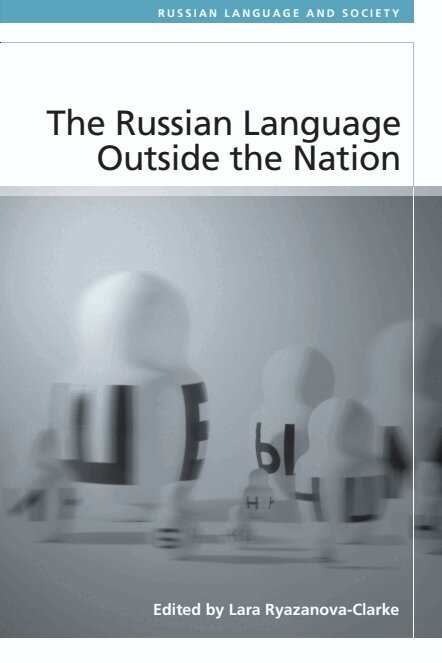
The collapse of the Soviet Union dramatically changed the global distribution of the Russian language. Apart from Russia, it is now spoken in fourteen successor states of the former Soviet Union, while the increased mobility of Russian speakers has expanded russophone communities across the world. Taking a broad sociolinguistic perspective, this book explores a comprehensive set of tensions which emerged from the dislocated and deterritorialised position of Russian in the contemporary world. It examines contexts for shaping Russian speakers’ identities in various locations across the globe, the shifting attitudes towards Russian language outside the metropolis, emerging new global varieties of Russian, and the use of Russian language as soft power in the transnational russophone media. In order to discuss problems posed by the current stage of globalisation of Russian, a number of non-metropolitan spaces are sampled: chapters take the reader to locations which include both the post-Soviet states, specifically Ukraine, Estonia, Latvia and Belarus, and the countries of the traditional ‘West’ – Italy, the US and Israel. A thought-provoking and engaging book, it is essential reading for advanced students and specialists in Russian and Eastern European Studies, Post-Soviet Studies, Language Studies and Sociolinguistics.
1 204 kr
Skickas inom 11-20 vardagar
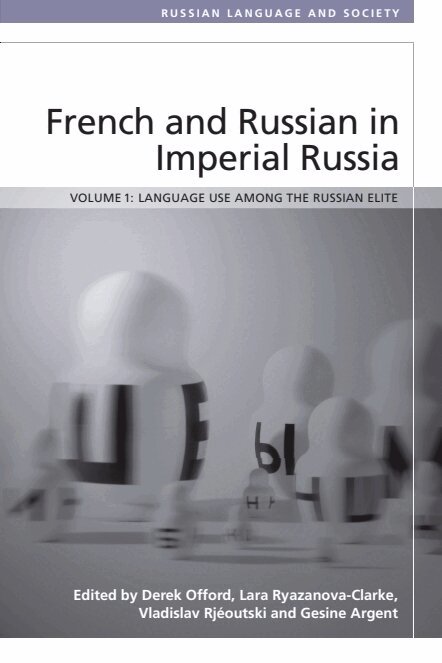
This is the first of two companion volumes which examine language use and language attitudes in eighteenth- and nineteenth-century Russia, focusing on the transitional period from the Enlightenment to the age of Pushkin. Set against the background of the rapid transformation of Russia into a major European power, the two volumes of French and Russian in Imperial Russia consider the functions of multilingualism and the use of French as a prestige language among the elite, as well as the benefits of Franco-Russian bilingualism and the anxieties to which it gave rise. This first volume, provides insight into the development of the practice of speaking and writing French at the Russian court and among the Russian nobility from the mid-eighteenth century to the mid-nineteenth century. It examines linguistic practice, the use of French in Russia in various spheres, domains and genres, as well as the interplay between the two languages. Including examples of French lexical influence on Russian, this volume takes a sociolinguistic interest in language choice, code-switching and the degree to which the language community being observed was bilingual or diglossic.A comprehensive and original contribution to the multidisciplinary study of language, the two volumes address, from a historical viewpoint, subjects of relevance to sociolinguists (especially bilingualism and multilingualism), social and cultural historians (social and national identity, linguistic and cultural borrowing), Slavists (the relationship of Russian and western culture) and students of the European Enlightenment, Neo-Classicism, Romanticism and cultural nationalism.
1 204 kr
Skickas inom 11-20 vardagar
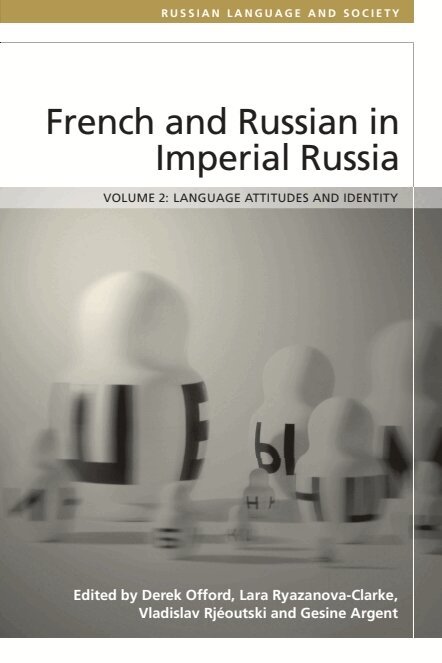
This is the second of two companion volumes which examine language use and language attitudes in eighteenth- and nineteenth-century Russia, focusing on the transitional period from the Enlightenment to the age of Pushkin. Set against the background of the rapid transformation of Russia into a major European power, the two volumes of French and Russian in Imperial Russia consider the functions of multilingualism and the use of French as a prestige language among the elite, as well as the benefits of Franco-Russian bilingualism and the anxieties to which it gave rise. This second volume, Language Attitudes and Identity, explores the impact of French on Russian language attitudes, especially among the literary community. It examines the ways in which perceptions of Russian francophonie helped to shape social, political and cultural identity as Russia began to seek space of its own in the European cultural landscape. In the process, it investigates approaches to translation, journalistic debate about language, literary representation of devotees of French social practice and fashion, and manifestations of linguistic purism and patriotism.A comprehensive and original contribution to the multidisciplinary study of language, the two volumes address, from a historical viewpoint, subjects of relevance to sociolinguists (especially bilingualism and multilingualism), social and cultural historians (social and national identity, linguistic and cultural borrowing), Slavists (the relationship of Russian and western culture) and students of the European Enlightenment, Neo-Classicism, Romanticism and cultural nationalism.
1 303 kr
Skickas inom 7-10 vardagar
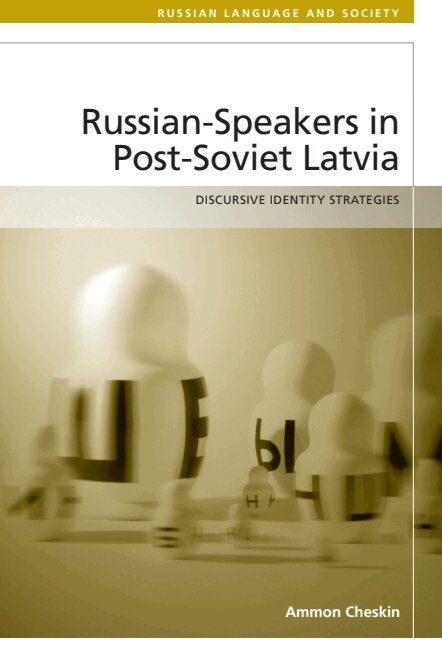
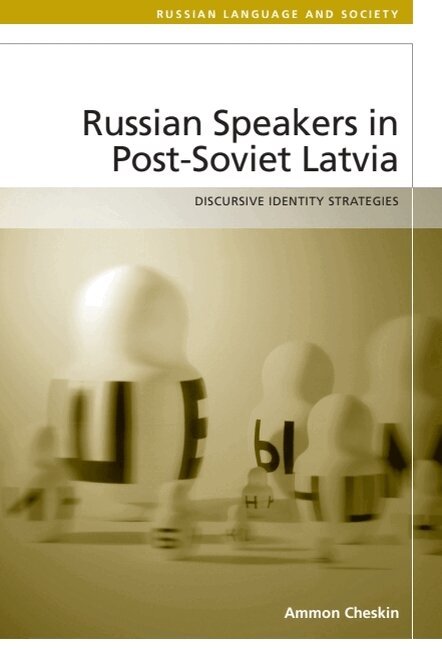
The political shocks of the 2014 Ukrainian crisis have been felt in many former Soviet countries, not least Latvia, where over 35 per cent of the population are native Russian speakers. At a time when analysts and commentators are unsure about Russia’s future plans to intervene on behalf of their ‘compatriots’, this study provides a detailed political and cultural analysis of Russian-speaking identity in Latvia. By using Russian-speakers in Latvia as a specific case study, this volume also offers a fresh methodological approach to the study of discourses and discursive strategies. It outlines a coherent methodology to study the evolution of discourses over time, rather than a single de-contextualised and static time period. Drawing on media analysis, elite interviews, focus groups and survey data, this volume situates the identity strategies of Russian speakers within the transformations of the post-Soviet era. By assessing political, cultural and economic links with their home state (Latvia) and their potential kin-state (Russia), it offers important insights into the complex identity positions of Latvia’s Russian speakers, and how these positions have evolved in Latvia since the late Soviet period. At a historical moment when many will question the loyalty of Russian speakers to their various ‘host states’, this book provides a timely, scholarly account of ethnic politics in Latvia. It also offers a methodological framework that allows for the mapping of trends in discursive strategies, exploring how they evolve through time.
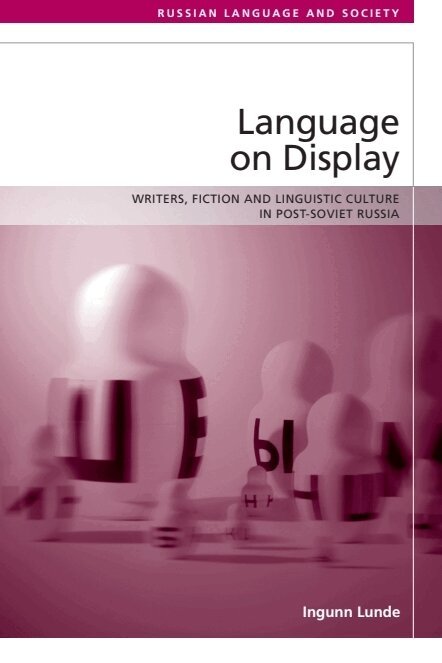
Language on Display
Writers, Fiction and Linguistic Culture in Post-Soviet Russia
Inbunden, Engelska, 2017
1 455 kr
Skickas inom 7-10 vardagar
How did Russian writers respond to linguistic debate in the post-Soviet period?Post-Soviet Russia was a period of linguistic liberalisation, instability and change with varied attempts to regulate and legislate language usage, a time when the language question permeated all spheres of social, cultural and political life. Key topics for debate included the Soviet linguistic legacy, the past and future of Russian, linguistic variation, language policy and linguistic ideologies. This book looks at how these debates featured in literature and illustrates the discussion through six interpretive readings of post-Soviet Russian prose. It analyses both the writers' explicit and implicit responses and in doing opens up new perspectives for sociolinguistic research on metalanguage. Spanning a number of theoretical fields including language variation, language policy and literary stylistics, Ingunn Lunde provides a coherent way of triangulating these fields by the introduction of the concept of performative metalanguage. The book also offers insight into the role of writers in the broader social and political context of language culture in contemporary Russia and into the various ways in which the linguistic and aesthetic practices of literary art can engage in questions related to the negotiation of linguistic norms.Key FeaturesHighlights the role of writers, and of fiction, in the language debates of post-Soviet Russia Looks at the subject from the point of view of literary language discussing six texts in detailFeatures work by Tatiana Tolstaia, Evgenii Vodolazkin, Evgenii Popov, Vladimir Sorokin, Valerii Votrin and Mikhail GigolashviliIntroduces a new concept of a 'performative metalanguage' one that opens up new perspectives for sociolinguistic research on metalanguage Analysis of Key TextsEvgenii Popov: 'The True Story of 'The Green Musicians''Vladimir Sorokin: 'Monoklon'Tatiana Tolstaia: 'The Slynx'Evgenii Vodolazkin: 'Laurus'Valerii Votrin: 'The Speech Therapist'Mikhail Gigolashvili: 'The Occupation of Muscovy: a national-linguistic novel'
318 kr
Skickas inom 7-10 vardagar
The political shocks of the 2014 Ukrainian crisis have been felt in many former Soviet countries, not least Latvia, where over 35 per cent of the population are native Russian speakers. At a time when analysts and commentators are unsure about Russia’s future plans to intervene on behalf of their ‘compatriots’, this study provides a detailed political and cultural analysis of Russian-speaking identity in Latvia. By using Russian-speakers in Latvia as a specific case study, this volume also offers a fresh methodological approach to the study of discourses and discursive strategies. It outlines a coherent methodology to study the evolution of discourses over time, rather than a single de-contextualised and static time period. Drawing on media analysis, elite interviews, focus groups and survey data, this volume situates the identity strategies of Russian speakers within the transformations of the post-Soviet era. By assessing political, cultural and economic links with their home state (Latvia) and their potential kin-state (Russia), it offers important insights into the complex identity positions of Latvia’s Russian speakers, and how these positions have evolved in Latvia since the late Soviet period. At a historical moment when many will question the loyalty of Russian speakers to their various ‘host states’, this book provides a timely, scholarly account of ethnic politics in Latvia. It also offers a methodological framework that allows for the mapping of trends in discursive strategies, exploring how they evolve through time.
385 kr
Skickas inom 7-10 vardagar
The first book to offer a detailed exploration of the condition of public debate in Russia, this pioneering volume presents a truly interdisciplinary perspective on Russian language and society making it essential reading for advanced students and specialist.
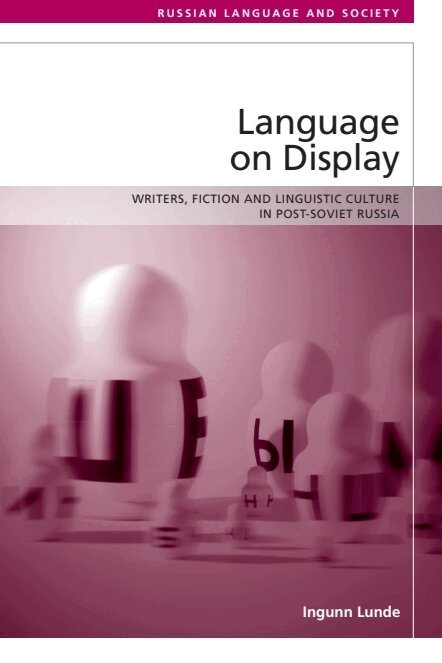
Language on Display
Writers, Fiction and Linguistic Culture in Post-Soviet Russia
Häftad, Engelska, 2019
571 kr
Skickas inom 3-6 vardagar
Post-Soviet Russia was a period of linguistic liberalisation, instability and change with varied attempts to regulate and legislate language usage, a time when the language question permeated all spheres of social, cultural and political life. Key topics for debate included the Soviet linguistic legacy, the past and future of Russian, linguistic variation, language policy and linguistic ideologies. This book looks at how these debates featured in literature and illustrates the discussion through six interpretive readings of post-Soviet Russian prose. It analyses both the writers’ explicit and implicit responses and in doing opens up new perspectives for sociolinguistic research on metalanguage.Spanning a number of theoretical fields including language variation, language policy and literary stylistics, Ingunn Lunde provides a coherent way of triangulating these fields by the introduction of the concept of performative metalanguage. The book also offers insight into the role of writers in the broader social and political context of language culture in contemporary Russia and into the various ways in which the linguistic and aesthetic practices of literary art can engage in questions related to the negotiation of linguistic norms.
1 942 kr
Skickas inom 3-6 vardagar
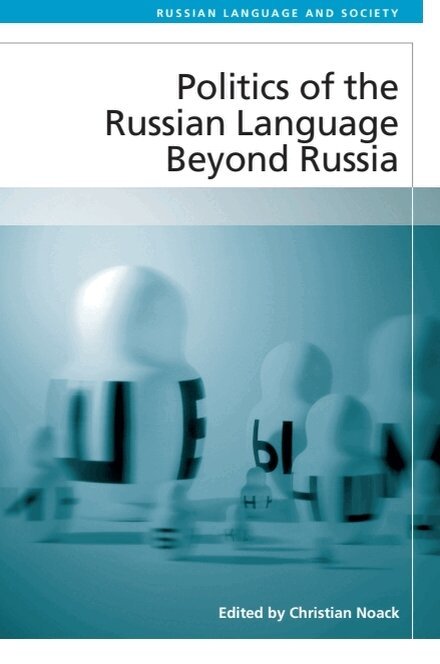
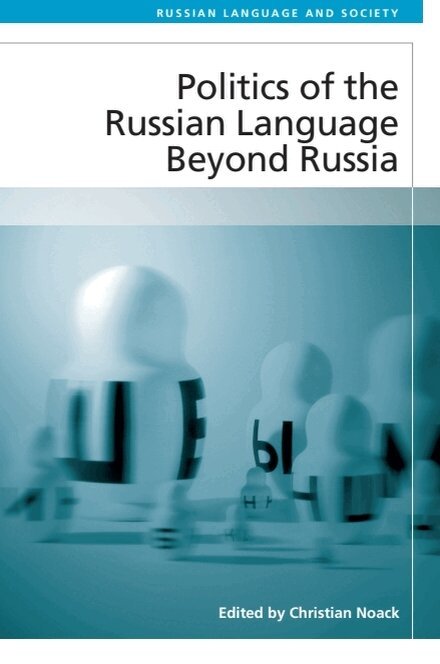
Russia increasingly emphasises the importance of 'soft power' for securing its foreign policy interests, but recent research has paid more attention to Russia's intentions rather than to the receiving end of its cultural and public diplomacy. This volume seeks to address this gap and explore the specifics of both Russian language promotion and its acceptance in a number of case and country studies, including Ukraine, Germany and Ireland. A range of scholars discuss the legal status and the practical use of Russian for communication or media use, both in the 'near' and the 'far abroad', examining the politics of the Russian language, the role of the Russian Federation in influencing these politics and the challenges that the promotion of Russian faces in particular contexts across the globe.
496 kr
Skickas inom 3-6 vardagar
Examines Russian language politics and its impact on different Russian speaking communitiesExplores the language situation and general use of Russian in everyday life, in print media, television and social media Looks at the politics of Russian in a range of countries including Ukraine, Belarus, Khazahkstan, Moldova, Ireland and Germany Adopts a comparative approach to examine the institutional set-up and practice of Russia's language promotion in relation to its British, French and German counterparts Russian policy documents increasingly emphasise the importance of miagakaia sila for securing Russia's foreign policy interests. Looking at the politics of Russian in a range of countries including the Ukraine, Belarus, Kazakhstan, Moldova, Ireland and Germany, this book examines Russian language promotion and its reception in different countries and across different contexts. Bringing together leading scholars in the field, the book examines the politics of the Russian language, the role of the Russian Federation in influencing these politics and the challenges that the promotion of Russian faces in particular contexts across the globe. Taking a comparative approach, the book also examines the institutional set-up and practice of Russia's language promotion in relation to its British, French and German counterparts and against the history of Soviet cultural diplomacy.
Homemaking in the Russian-speaking Diaspora
Material Culture, Language and Identity
Inbunden, Engelska, 2023
1 817 kr
Skickas inom 3-6 vardagar
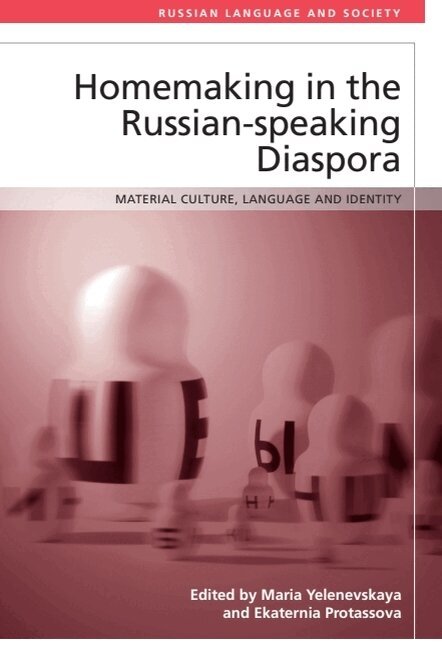
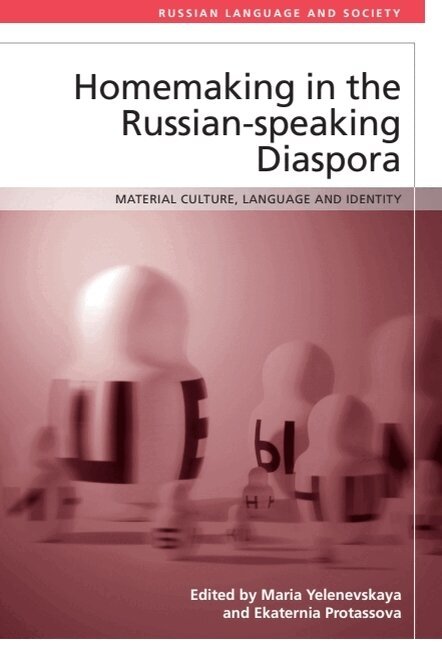
Examines the material culture of Russian-speaking migrantsInvestigates human-object relations from a multidisciplinary vantage pointApplies theories tested in fields as diverse as anthropology and sociology, consumer and market research, sociolinguistics and semioticsDraws on data from in-depth interviews and group discussions, photographs, social media and participant observation Looks at the experiences of Russian-speaking immigrants in a range of countries including Australia, Finland, Greece, Japan, Israel, Turkey, Uruguay and the USABringing together scholars specialising in Russian studies, linguistic and cultural anthropology, sociolinguistics and ethnolinguistics, this collection examines the discursive practices in which migrants' homes are framed, negotiated and constructed to reveal the complexity and ambivalence of home as a concept and as a phenomenon of social life.By examining migrants' stories about moving home, the book explores the stages of linguistic and cultural adaptation. It demonstrates that immigrants' homes are semiotic storehouses revealing their owners' past and present as well as aspirations for the future. It presents the first multifaceted investigation of the interdependence of materiality and emotions and materiality and language use by Russian-speaking immigrants.
Homemaking in the Russian-speaking Diaspora
Material Culture, Language and Identity
Häftad, Engelska, 2025
239 kr
Skickas
Bringing together scholars specialising in Russian studies, linguistic and cultural anthropology, sociolinguistics and ethnolinguistics, this collection examines the discursive practices in which migrants' homes are framed, negotiated and constructed to reveal the complexity and ambivalence of home as a concept and as a phenomenon of social life.By examining migrants' stories about moving home, the book explores the stages of linguistic and cultural adaptation. It demonstrates that immigrants' homes are semiotic storehouses revealing their owners' past and present as well as aspirations for the future. It presents the first multifaceted investigation of the interdependence of materiality and emotions and materiality and language use by Russian-speaking immigrants.