Ekaterina Protassova - Böcker
Visar alla böcker från författaren Ekaterina Protassova. Handla med fri frakt och snabb leverans.
5 produkter
5 produkter
2 098 kr
Skickas inom 10-15 vardagar
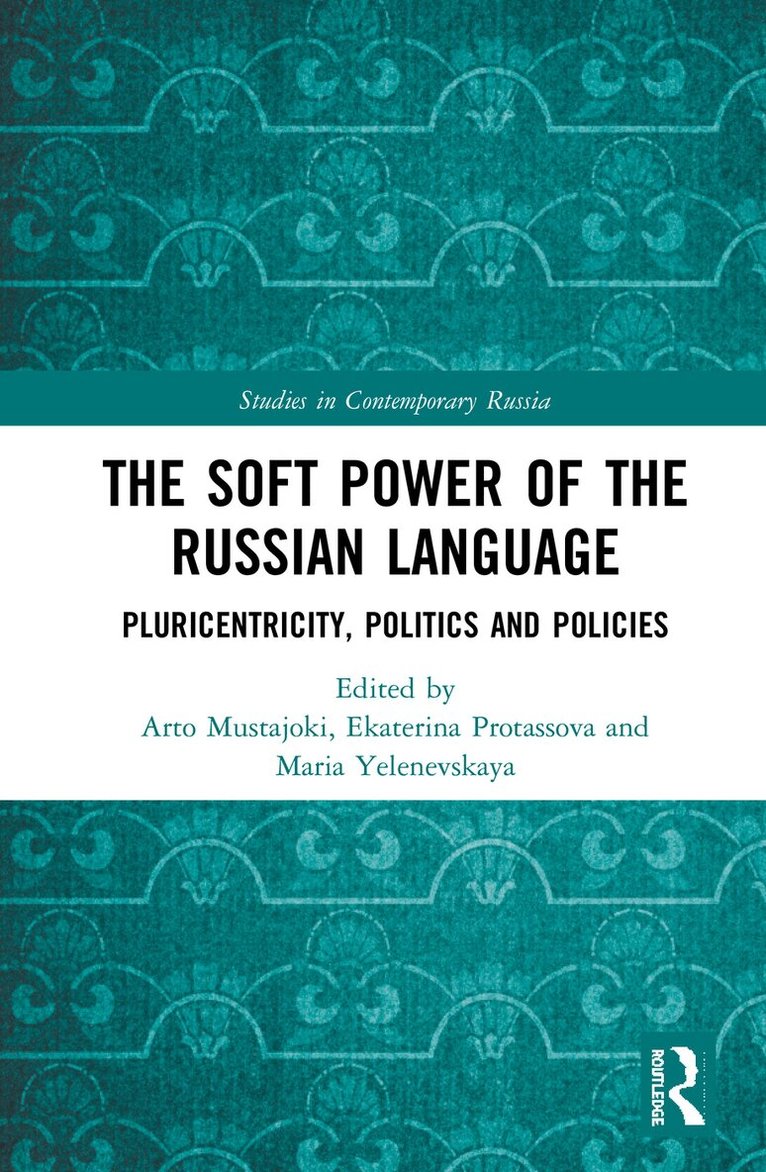
Exploring Russian as a pluricentric language, this book provides a panoramic view of its use within and outside the nation and discusses the connections between language, politics, ideologies, and cultural contacts. Russian is widely used across the former Soviet republics and in the diaspora, but speakers outside Russia deviate from the metropolis in their use of the language and their attitudes towards it. Using country case studies from across the former Soviet Union and beyond, the contributors analyze the unifying role of the Russian language for developing transnational connections and show its value in the knowledge economy. They demonstrate that centrifugal developments of Russian and its pluricentricity are grounded in the language and education policies of their host countries, as well as the goals and functions of cultural institutions, such as schools, media, travel agencies, and others created by émigrés for their co-ethnics. This book also reveals the tensions between Russia’s attempts to homogenize the 'Russian world' and the divergence of regional versions of Russian reflecting cultural hybridity of the diaspora. Interdisciplinary in its approach, this book will prove useful to researchers of Russian and post-Soviet politics, Russian studies, Russian language and culture, linguistics, and immigration studies. Those studying multilingualism and heritage language teaching may also find it interesting.
620 kr
Skickas inom 10-15 vardagar
Exploring Russian as a pluricentric language, this book provides a panoramic view of its use within and outside the nation and discusses the connections between language, politics, ideologies, and cultural contacts. Russian is widely used across the former Soviet republics and in the diaspora, but speakers outside Russia deviate from the metropolis in their use of the language and their attitudes towards it. Using country case studies from across the former Soviet Union and beyond, the contributors analyze the unifying role of the Russian language for developing transnational connections and show its value in the knowledge economy. They demonstrate that centrifugal developments of Russian and its pluricentricity are grounded in the language and education policies of their host countries, as well as the goals and functions of cultural institutions, such as schools, media, travel agencies, and others created by émigrés for their co-ethnics. This book also reveals the tensions between Russia’s attempts to homogenize the 'Russian world' and the divergence of regional versions of Russian reflecting cultural hybridity of the diaspora. Interdisciplinary in its approach, this book will prove useful to researchers of Russian and post-Soviet politics, Russian studies, Russian language and culture, linguistics, and immigration studies. Those studying multilingualism and heritage language teaching may also find it interesting.
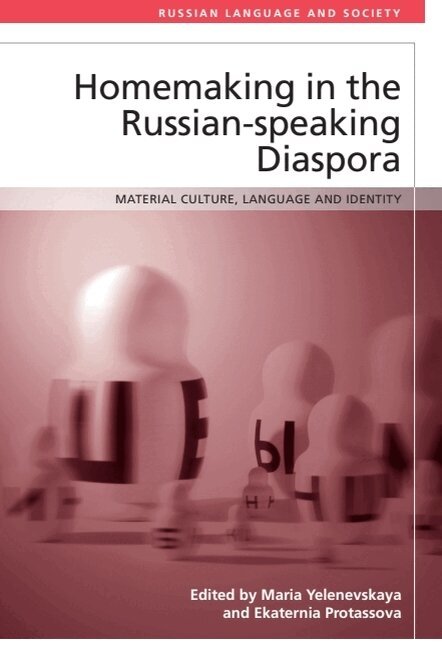
Homemaking in the Russian-speaking Diaspora
Material Culture, Language and Identity
Inbunden, Engelska, 2023
1 817 kr
Skickas inom 3-6 vardagar
Examines the material culture of Russian-speaking migrantsInvestigates human-object relations from a multidisciplinary vantage pointApplies theories tested in fields as diverse as anthropology and sociology, consumer and market research, sociolinguistics and semioticsDraws on data from in-depth interviews and group discussions, photographs, social media and participant observation Looks at the experiences of Russian-speaking immigrants in a range of countries including Australia, Finland, Greece, Japan, Israel, Turkey, Uruguay and the USABringing together scholars specialising in Russian studies, linguistic and cultural anthropology, sociolinguistics and ethnolinguistics, this collection examines the discursive practices in which migrants' homes are framed, negotiated and constructed to reveal the complexity and ambivalence of home as a concept and as a phenomenon of social life.By examining migrants' stories about moving home, the book explores the stages of linguistic and cultural adaptation. It demonstrates that immigrants' homes are semiotic storehouses revealing their owners' past and present as well as aspirations for the future. It presents the first multifaceted investigation of the interdependence of materiality and emotions and materiality and language use by Russian-speaking immigrants.
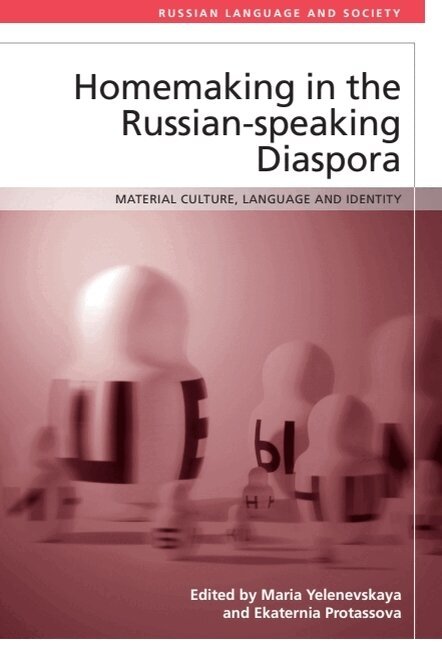
Homemaking in the Russian-speaking Diaspora
Material Culture, Language and Identity
Häftad, Engelska, 2025
239 kr
Skickas
Bringing together scholars specialising in Russian studies, linguistic and cultural anthropology, sociolinguistics and ethnolinguistics, this collection examines the discursive practices in which migrants' homes are framed, negotiated and constructed to reveal the complexity and ambivalence of home as a concept and as a phenomenon of social life.By examining migrants' stories about moving home, the book explores the stages of linguistic and cultural adaptation. It demonstrates that immigrants' homes are semiotic storehouses revealing their owners' past and present as well as aspirations for the future. It presents the first multifaceted investigation of the interdependence of materiality and emotions and materiality and language use by Russian-speaking immigrants.
1 343 kr
Skickas inom 10-15 vardagar
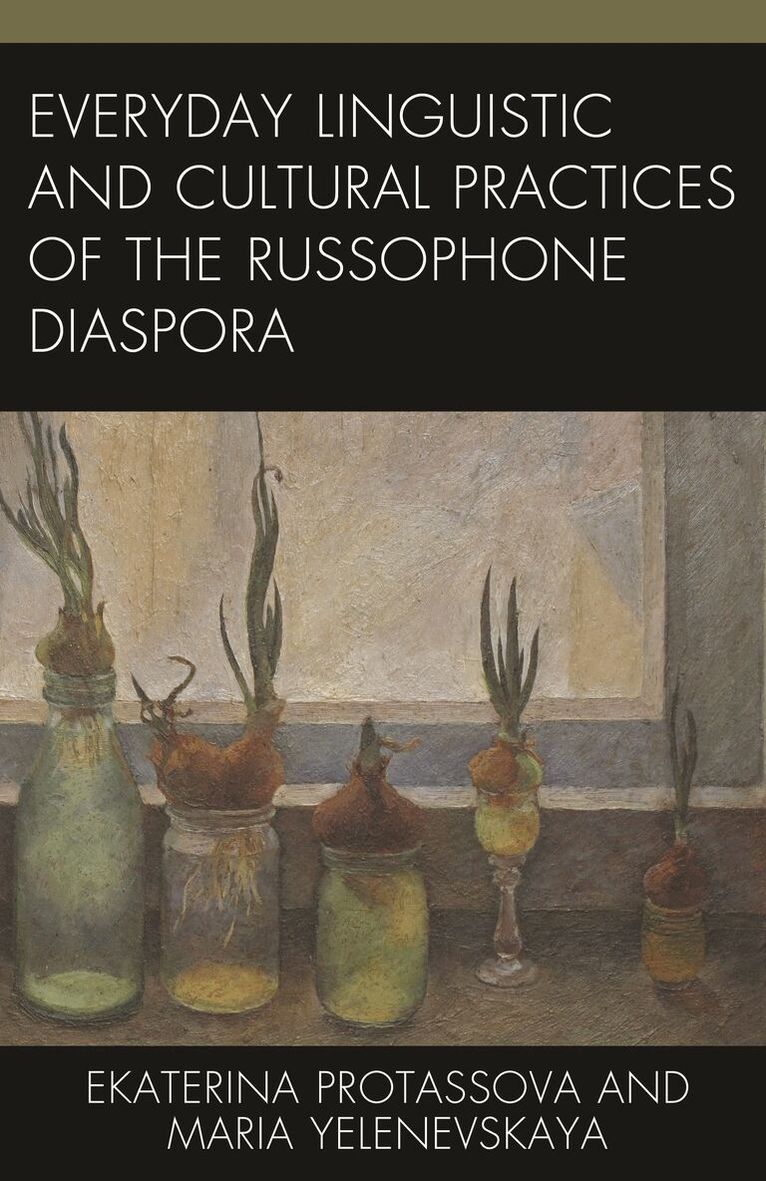
The Russian language has evolved into a lingua franca in post-Soviet immigrant communities, prompting an analysis of its use in different domains. Everyday Linguistic and Cultural Practices of the Russophone Diaspora explores the language maintenance of Russian abroad, emphasizing the role of educational ventures and transnational communications facilitated by the internet. This book researches specific aspects of migrant life, including occupational practices, homemaking, family dynamics, cultural engagement, and linguistic hybridity, and makes use of extensive empirical data spanning Soviet, post-Soviet, and non-Soviet migrant generations collected from European, North American, and Asian communities. Relations between different migration waves are not always friendly, but are mediated through online discussion forums, which help to foster mutual understanding. Like all migrants, Russophones seek better opportunities by establishing new homes, revealing intergenerational differences in lifestyle and adaptation. This volume focuses on the emigration waves between 1990 and 2020, and points to shifts in values and migration expectations and reflecting on the evolution of diasporic communities and the dynamic adaptation of the Russian language.