Ingunn Lunde – författare
Visar alla böcker från författaren Ingunn Lunde. Handla med fri frakt och snabb leverans.
6 produkter
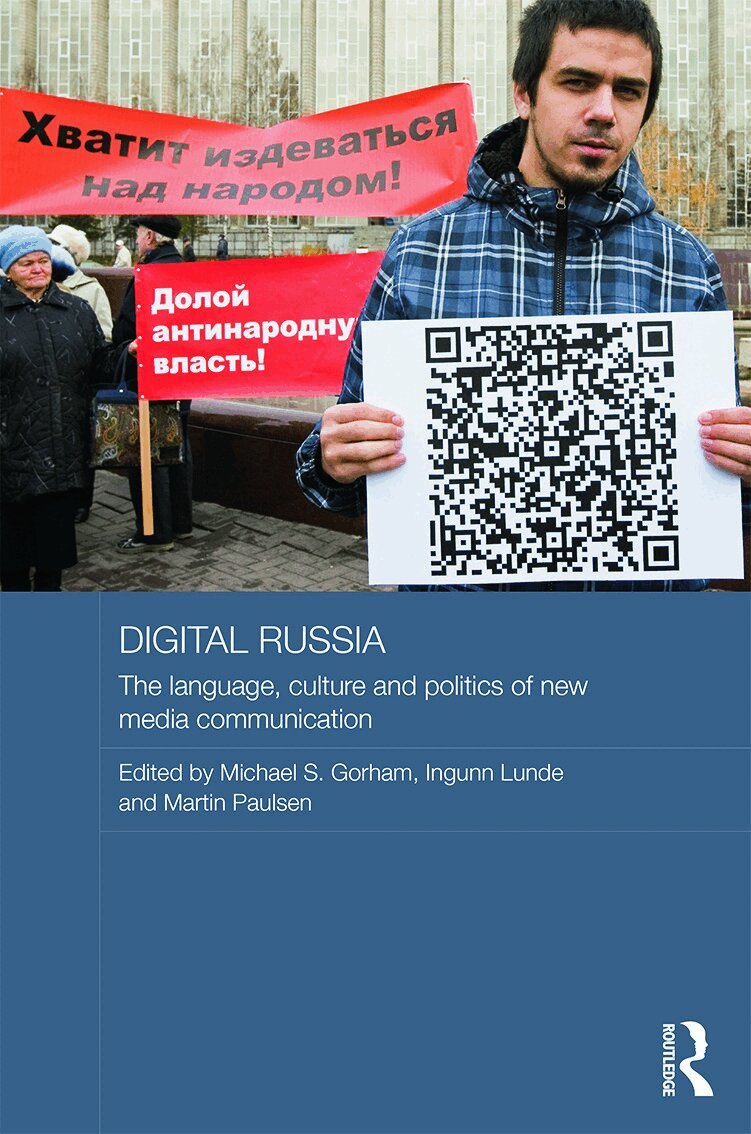
Digital Russia
The Language, Culture and Politics of New Media Communication
Av Michael Gorham, Ingunn Lunde m. fl.
Inbunden, 2014
1826 kr
Lägg i varukorg
Digital Russia provides a comprehensive analysis of the ways in which new media technologies have shaped language and communication in contemporary Russia. It traces the development of the Russian-language internet, explores the evolution of web-based communication practices, showing how they have …
Digital Russia
The Language, Culture and Politics of New Media Communication
Av Michael Gorham, Ingunn Lunde m. fl.
Häftad, 2016
531 kr
Lägg i varukorg
Digital Russia provides a comprehensive analysis of the ways in which new media technologies have shaped language and communication in contemporary Russia. It traces the development of the Russian-language internet, explores the evolution of web-based communication practices, showing how they have …
Digital Russia
The Language, Culture and Politics of New Media Communication
Av Martin Paulsen, Ingunn Lunde m. fl.
E-bok, 2014
610 kr
Lägg i varukorg
Digital Russia provides a comprehensive analysis of the ways in which new media technologies have shaped language and communication in contemporary Russia. It traces the development of the Russian-language internet, explores the evolution of web-based communication practices, showing how they have …
Digital Russia
The Language, Culture and Politics of New Media Communication
Av Martin Paulsen, Ingunn Lunde m. fl.
E-bok, 2014
610 kr
Lägg i varukorg
Digital Russia provides a comprehensive analysis of the ways in which new media technologies have shaped language and communication in contemporary Russia. It traces the development of the Russian-language internet, explores the evolution of web-based communication practices, showing how they have …
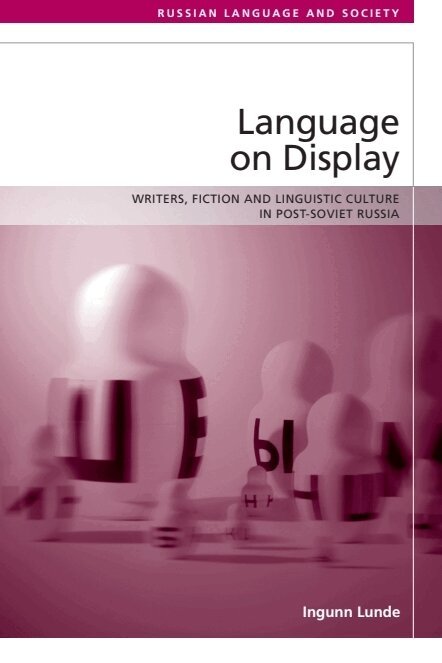
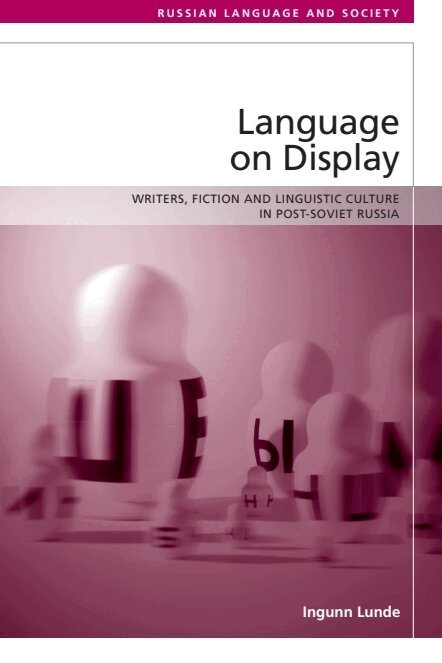
Language on Display
Writers, Fiction and Linguistic Culture in Post-Soviet Russia
Av Ingunn Lunde
Inbunden, 2017
2270 kr
Lägg i varukorg
How did Russian writers respond to linguistic debate in the post-Soviet period?Post-Soviet Russia was a period of linguistic liberalisation, instability and change with varied attempts to regulate and legislate language usage, a time when the language question permeated all spheres of social, …
Language on Display
Writers, Fiction and Linguistic Culture in Post-Soviet Russia
Av Ingunn Lunde
Häftad, 2019
573 kr
Lägg i varukorg
Post-Soviet Russia was a period of linguistic liberalisation, instability and change with varied attempts to regulate and legislate language usage, a time when the language question permeated all spheres of social, cultural and political life. Key topics for debate included the Soviet linguistic …