Why It's OK – serie
Visar alla böcker i serien Why It's OK. Handla med fri frakt och snabb leverans.
42 produkter
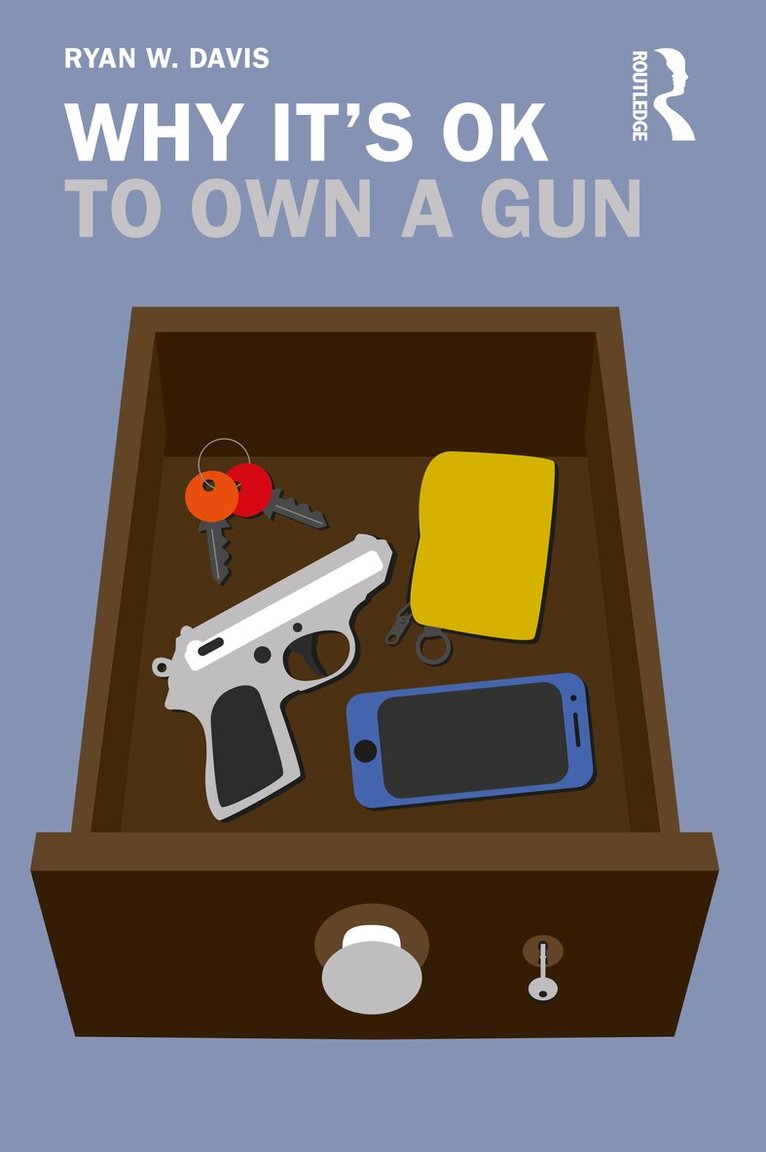
Why It's OK to Own a Gun
Inbunden, 2023
2504 kr
Lägg i varukorg
Why It’s OK to Own a Gun explores the right to self-defense, but also looks beyond it to what gun ownership fundamentally means in American life. Guns can provide a source of meaning that doesn’t depend on how much money you have or how important your job is. Guns can offer a sense of shared …
Why It's OK to Own a Gun
Häftad, 2023
326 kr
Lägg i varukorg
Why It’s OK to Own a Gun explores the right to self-defense, but also looks beyond it to what gun ownership fundamentally means in American life. Guns can provide a source of meaning that doesn’t depend on how much money you have or how important your job is. Guns can offer a sense of shared …
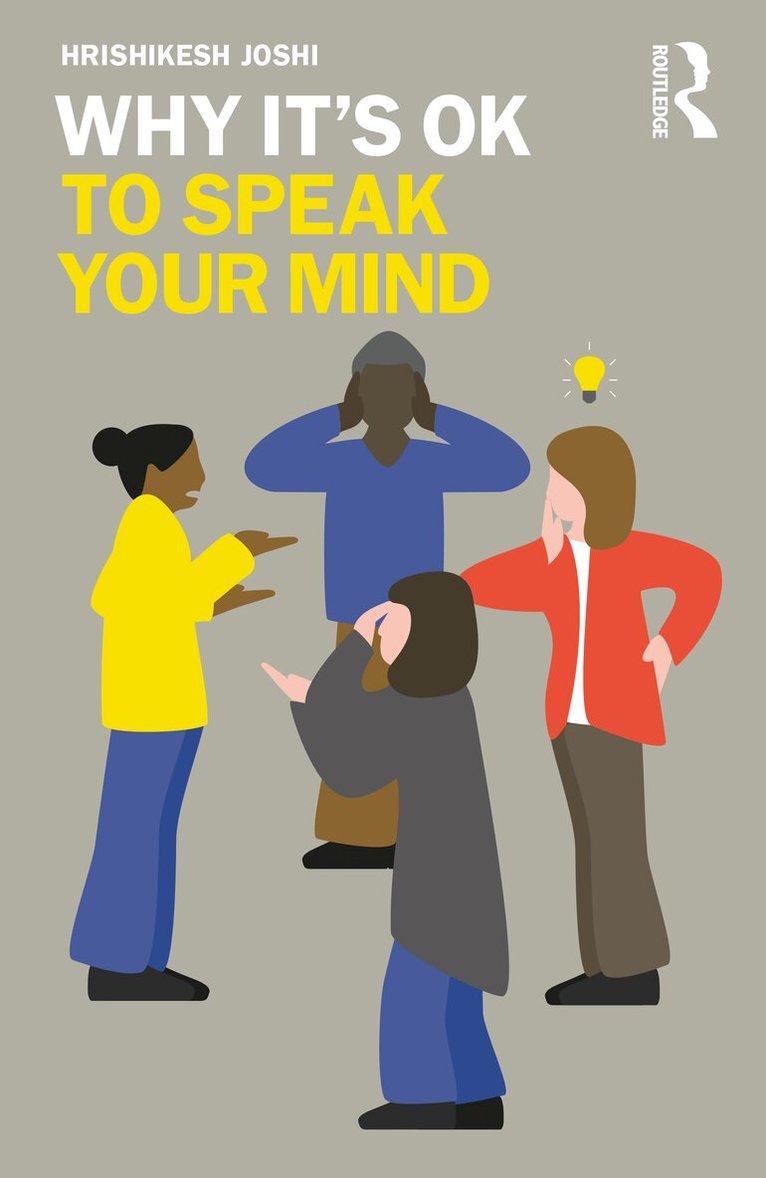
Why It's OK to Speak Your Mind
Inbunden, 2021
2504 kr
Lägg i varukorg
Political protests, debates on college campuses, and social media tirades make it seem like everyone is speaking their minds today. Surveys, however, reveal that many people increasingly feel like they’re walking on eggshells when communicating in public. Speaking your mind can risk relationships …
Why It's OK to Speak Your Mind
Häftad, 2021
370 kr
Lägg i varukorg
Political protests, debates on college campuses, and social media tirades make it seem like everyone is speaking their minds today. Surveys, however, reveal that many people increasingly feel like they’re walking on eggshells when communicating in public. Speaking your mind can risk relationships …
Why It's OK to Mind Your Own Business
Av Justin Tosi, Brandon Warmke
Inbunden, 2023
2504 kr
Lägg i varukorg
Every year, millions of students in the United States and around the world graduate from high school and college. Commencement speakers—often distilling the hopes of parents and four years of messaging from educators—tell graduates that they must do something grand, ambitious, or far-reaching. …
Why It's OK to Mind Your Own Business
Av Justin Tosi, Brandon Warmke
Häftad, 2023
326 kr
Lägg i varukorg
Every year, millions of students in the United States and around the world graduate from high school and college. Commencement speakers—often distilling the hopes of parents and four years of messaging from educators—tell graduates that they must do something grand, ambitious, or far-reaching. …
Why It's OK to Eat Meat
Inbunden, 2021
2504 kr
Lägg i varukorg
Vegetarians have argued at great length that meat-eating is wrong. Even so, the vast majority of people continue to eat meat, and even most vegetarians eventually give up on their diets. Does this prove these people must be morally corrupt? In Why It’s OK to Eat Meat, Dan C. Shahar argues the …
Why It's OK to Eat Meat
Häftad, 2021
370 kr
Lägg i varukorg
Vegetarians have argued at great length that meat-eating is wrong. Even so, the vast majority of people continue to eat meat, and even most vegetarians eventually give up on their diets. Does this prove these people must be morally corrupt? In Why It’s OK to Eat Meat, Dan C. Shahar argues the …
Why It's OK to Make Bad Choices
Av William Glod
Inbunden, 2020
2504 kr
Lägg i varukorg
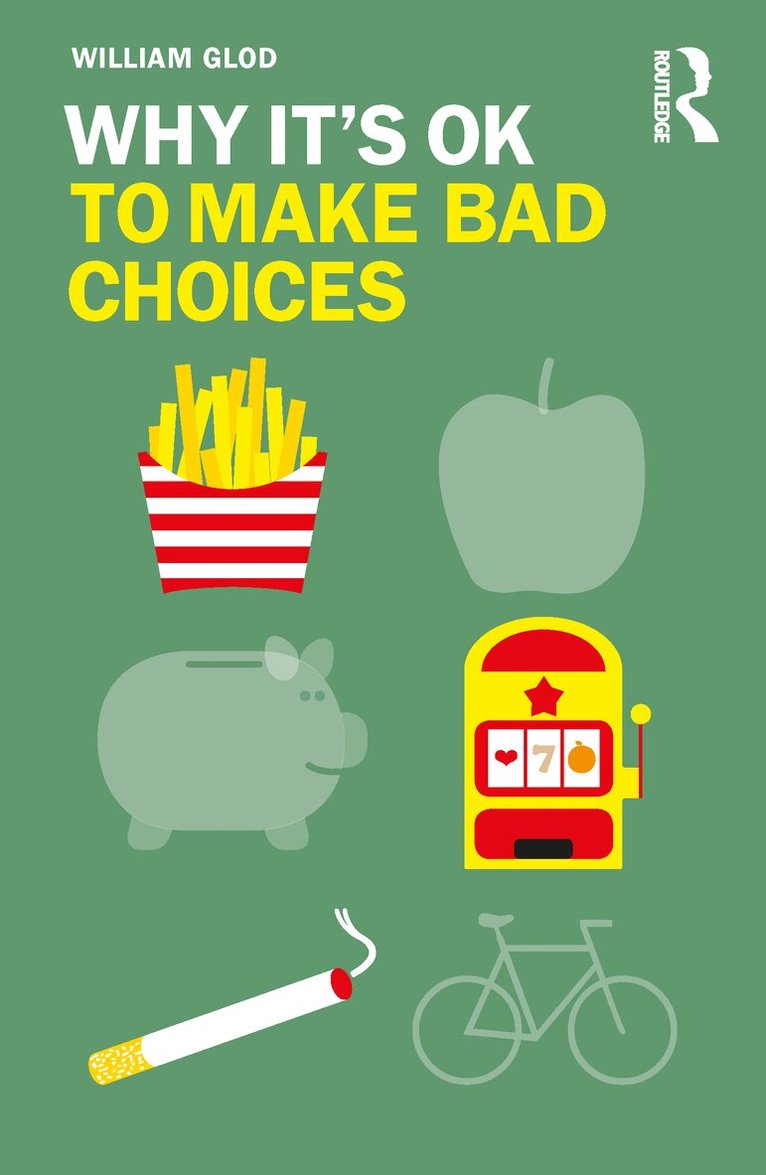
If we are kind people, we care about others, including others who tend to hurt themselves. We all have friends or family members who have potential but squander or even ruin their lives from things like drug abuse, unwise spending decisions, or poor dietary habits. Concern for others often …
Why It's OK to Make Bad Choices
Av William Glod
Häftad, 2020
370 kr
Lägg i varukorg
If we are kind people, we care about others, including others who tend to hurt themselves. We all have friends or family members who have potential but squander or even ruin their lives from things like drug abuse, unwise spending decisions, or poor dietary habits. Concern for others often …
Why It's OK to Have Bad Spelling and Grammar
Häftad, 2025
297 kr
Lägg i varukorg
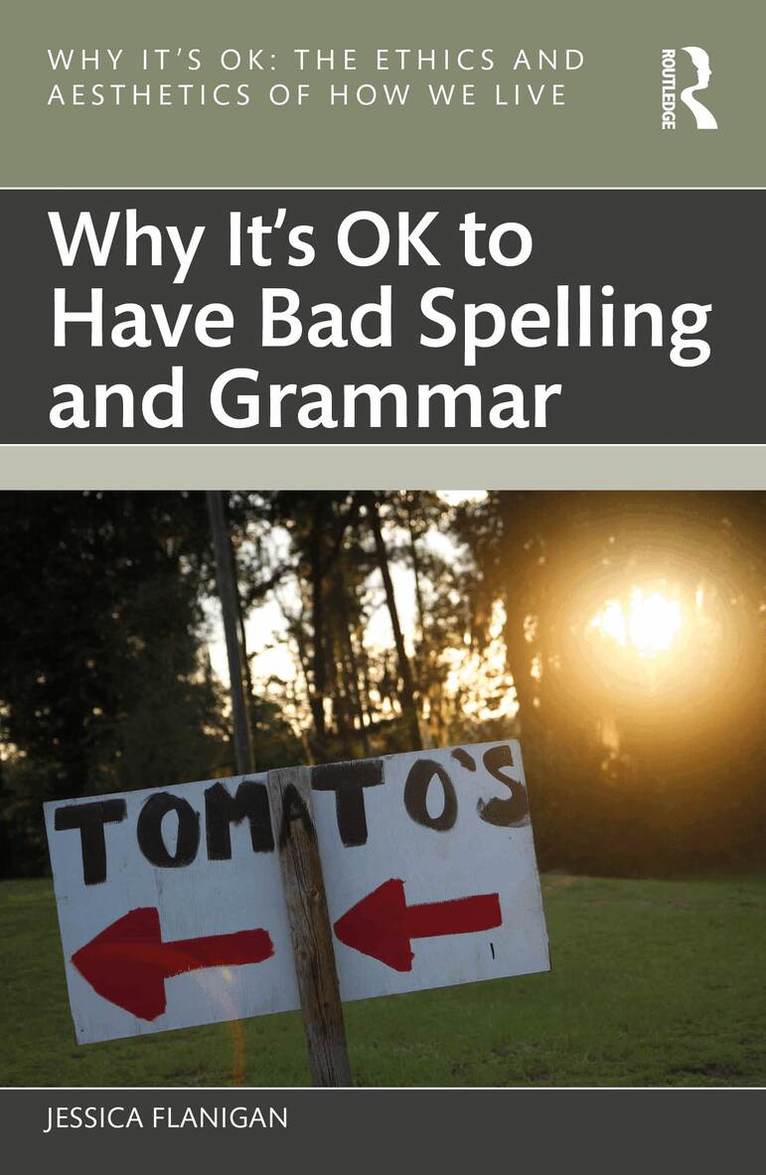
Grammatical errors and orthographic mishaps are often played for laughs, but this subtle sanctioning by the sticklerocracy can have real social consequences too. Attention to prescriptive spelling and grammar rules is insidious and harmful.As Jessica Flanigan argues in Why It’s OK to Have Bad …
Why It's OK to Be a Slacker
Av Alison Suen
Häftad, 2021
370 kr
Lägg i varukorg
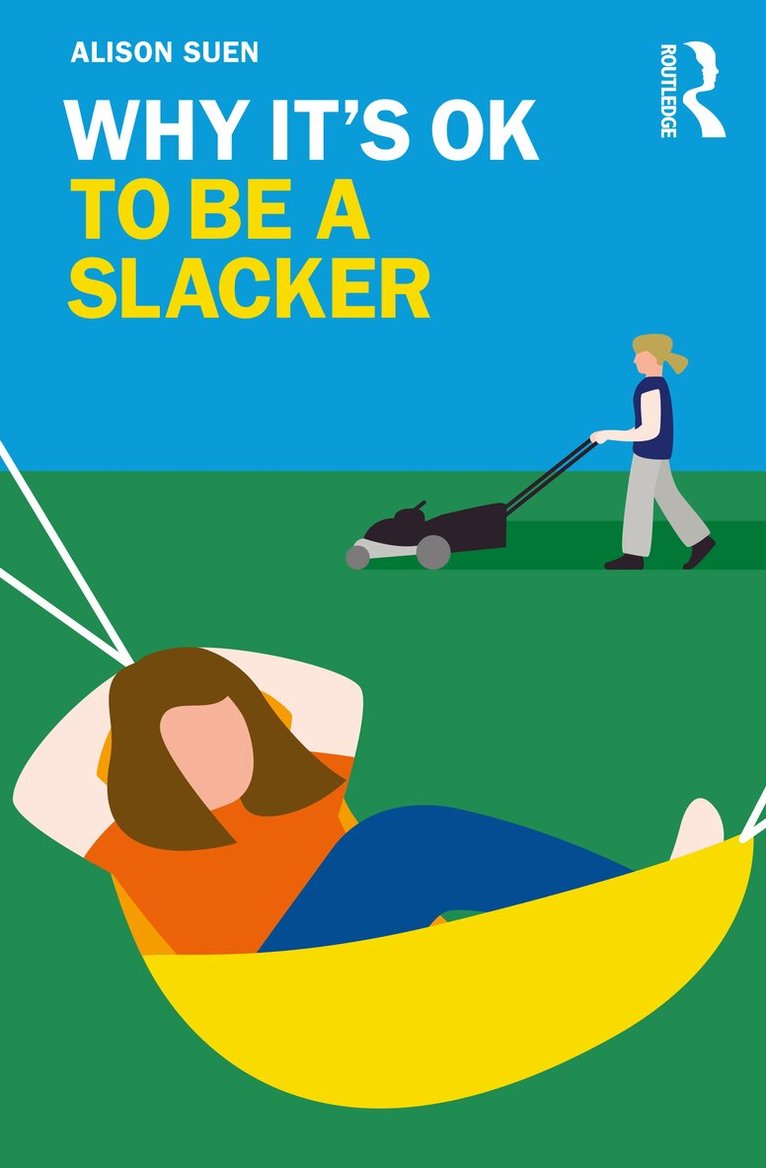
"Stop slacking off!"Your parents may have said this to you when you were deep into a video-gaming marathon. Or maybe your roommate said it to you when you were lounging on the couch scrolling through Instagram. You may have even said it to yourself on days you did nothing. But what is so bad about …
Why It's OK to Love Bad Movies
Häftad, 2022
370 kr
Lägg i varukorg
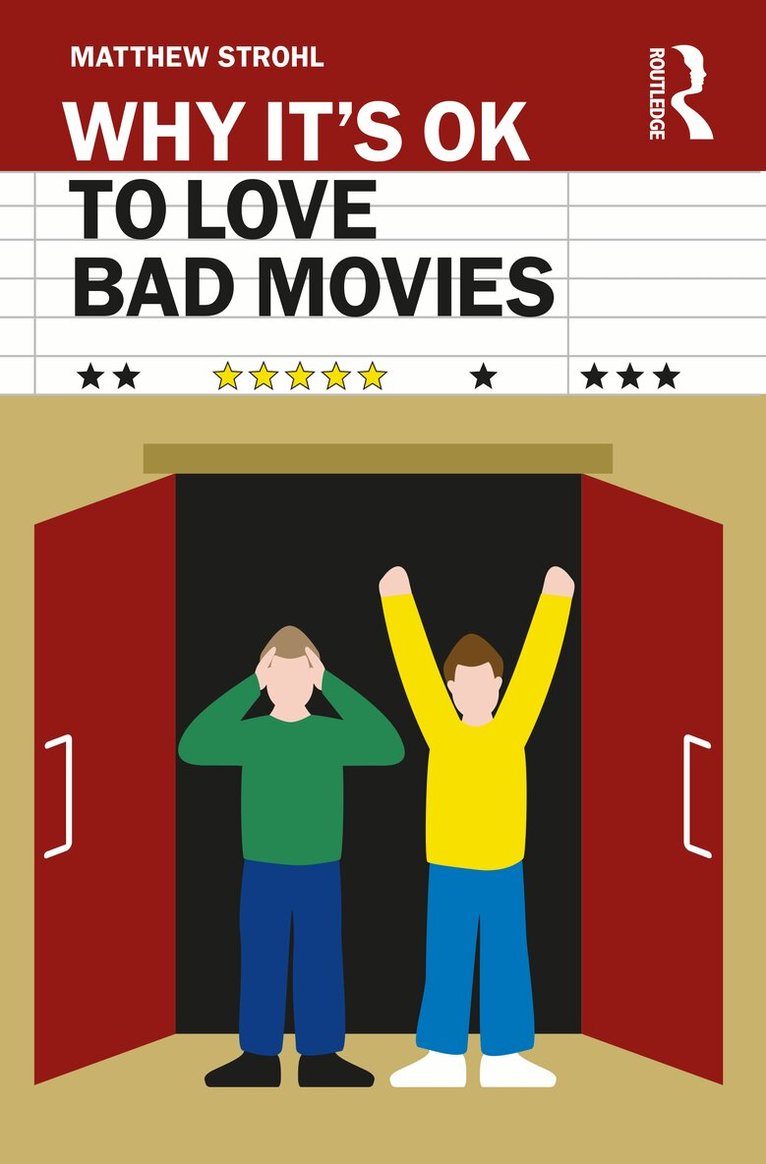
Most people are too busy to keep up with all the good movies they’d like to see, so why should anyone spend their precious time watching the bad ones? In Why It’s OK to Love Bad Movies, philosopher and cinematic bottom feeder Matthew Strohl enthusiastically defends a fondness for disreputable …
Why It's OK to Love Bad Movies
Inbunden, 2022
2504 kr
Lägg i varukorg
Most people are too busy to keep up with all the good movies they’d like to see, so why should anyone spend their precious time watching the bad ones? In Why It’s OK to Love Bad Movies, philosopher and cinematic bottom feeder Matthew Strohl enthusiastically defends a fondness for disreputable …
Why It’s OK to Be Fat
Av Rekha Nath
Häftad, 2024
306 kr
Lägg i varukorg
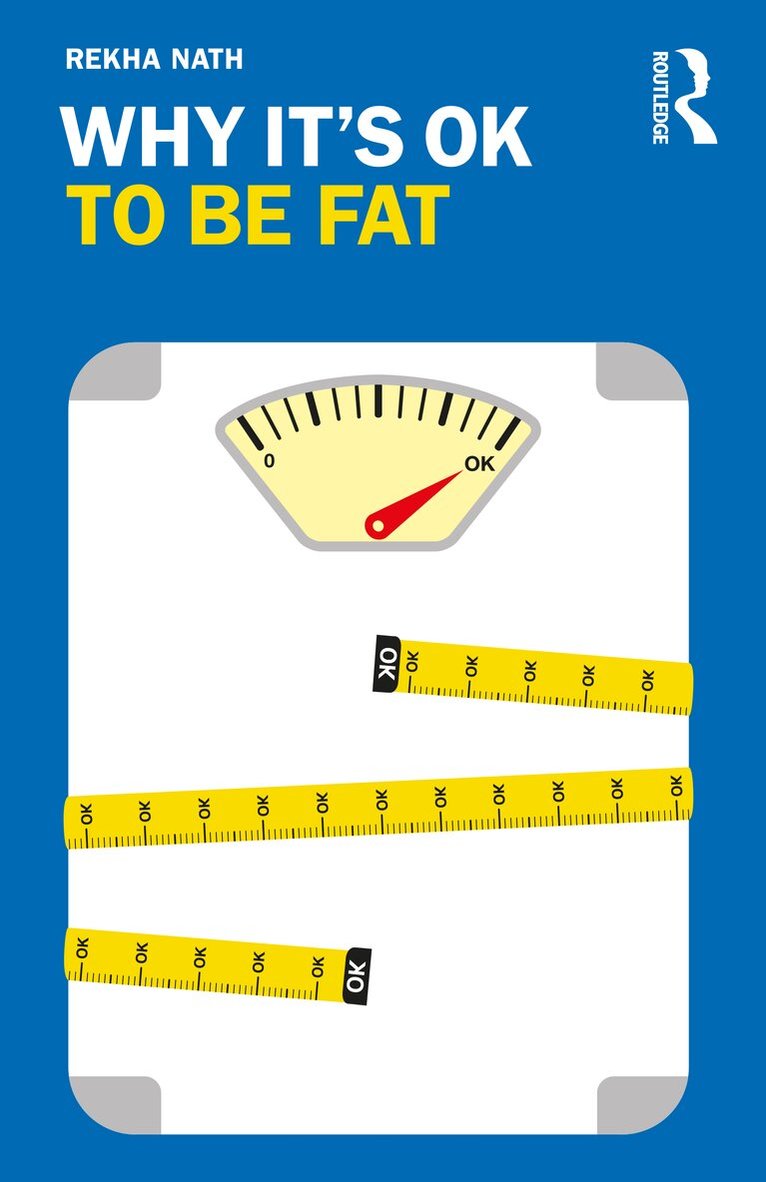
Officially, Western societies are waging a war on obesity. Unofficially, we are waging a war on fat people. Anti-fat sentiment is pervasive, and fat people suffer a host of harms as a result: workforce discrimination, inferior medical care, relentless teasing, and internalized shame. A significant …
Why It’s OK to Be Fat
Av Rekha Nath
Inbunden, 2024
2100 kr
Lägg i varukorg
Officially, Western societies are waging a war on obesity. Unofficially, we are waging a war on fat people. Anti-fat sentiment is pervasive, and fat people suffer a host of harms as a result: workforce discrimination, inferior medical care, relentless teasing, and internalized shame. A significant …
Why It's OK to Trust Science
Inbunden, 2023
2504 kr
Lägg i varukorg
Why trust science? Why should science have more authority than "other ways of knowing?" Is science merely a social construct? Or even worse: a tool of oppression? This book boldly takes on these and other explosive questions—lodged by ideologues on the left and the right—and offers readers a well …
Why It's OK to Trust Science
Häftad, 2023
370 kr
Lägg i varukorg
Why trust science? Why should science have more authority than "other ways of knowing?" Is science merely a social construct? Or even worse: a tool of oppression? This book boldly takes on these and other explosive questions—lodged by ideologues on the left and the right—and offers readers a well …
Why It's OK to Be a Slacker
Av Alison Suen
Inbunden, 2021
2504 kr
Lägg i varukorg
"Stop slacking off!"Your parents may have said this to you when you were deep into a video-gaming marathon. Or maybe your roommate said it to you when you were lounging on the couch scrolling through Instagram. You may have even said it to yourself on days you did nothing. But what is so bad about …
Why It's OK to Have Bad Spelling and Grammar
Inbunden, 2025
2504 kr
Lägg i varukorg
Grammatical errors and orthographic mishaps are often played for laughs, but this subtle sanctioning by the sticklerocracy can have real social consequences too. Attention to prescriptive spelling and grammar rules is insidious and harmful.As Jessica Flanigan argues in Why It’s OK to Have Bad …
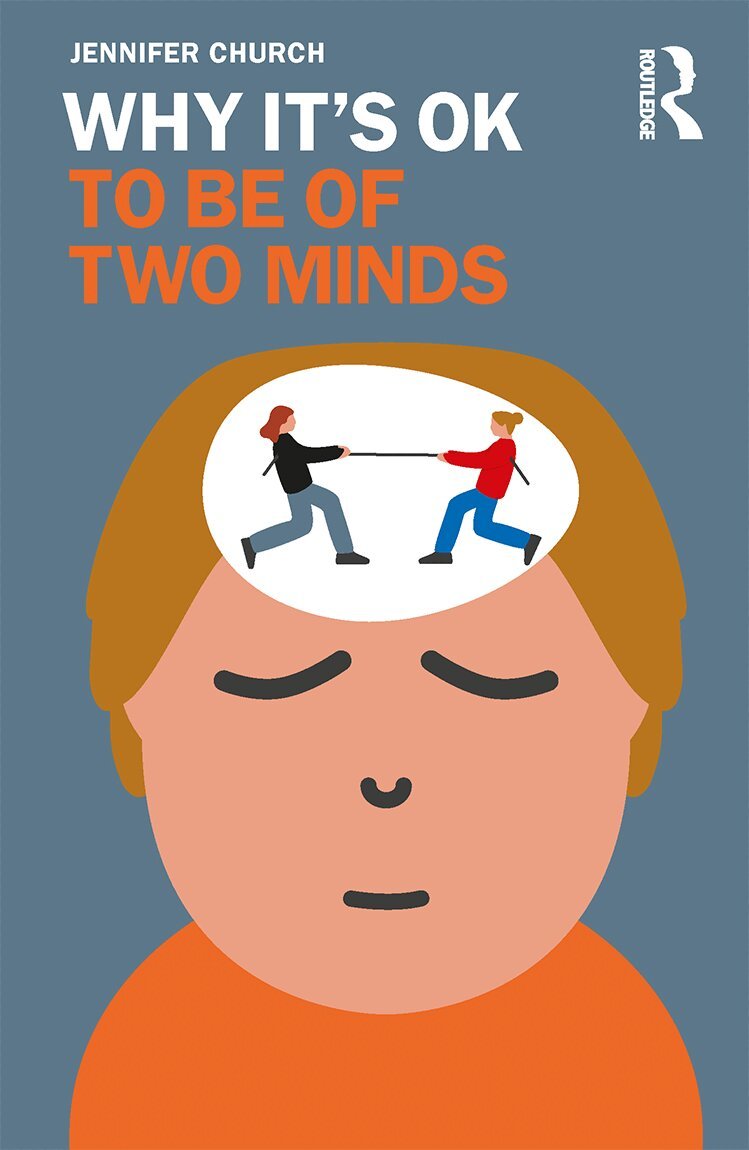
Why It's OK to Be of Two Minds
Häftad, 2020
370 kr
Lägg i varukorg
Most of us experience the world through competing perspectives. A job or a religion seems important and fulfilling when looked at in one way, but from a different angle they seem tedious or ridiculous. A friend is obtuse from one point of view, wise from another. Continuing to hold both views at …
Why It's OK to Be of Two Minds
Inbunden, 2020
2504 kr
Lägg i varukorg
Most of us experience the world through competing perspectives. A job or a religion seems important and fulfilling when looked at in one way, but from a different angle they seem tedious or ridiculous. A friend is obtuse from one point of view, wise from another. Continuing to hold both views at …
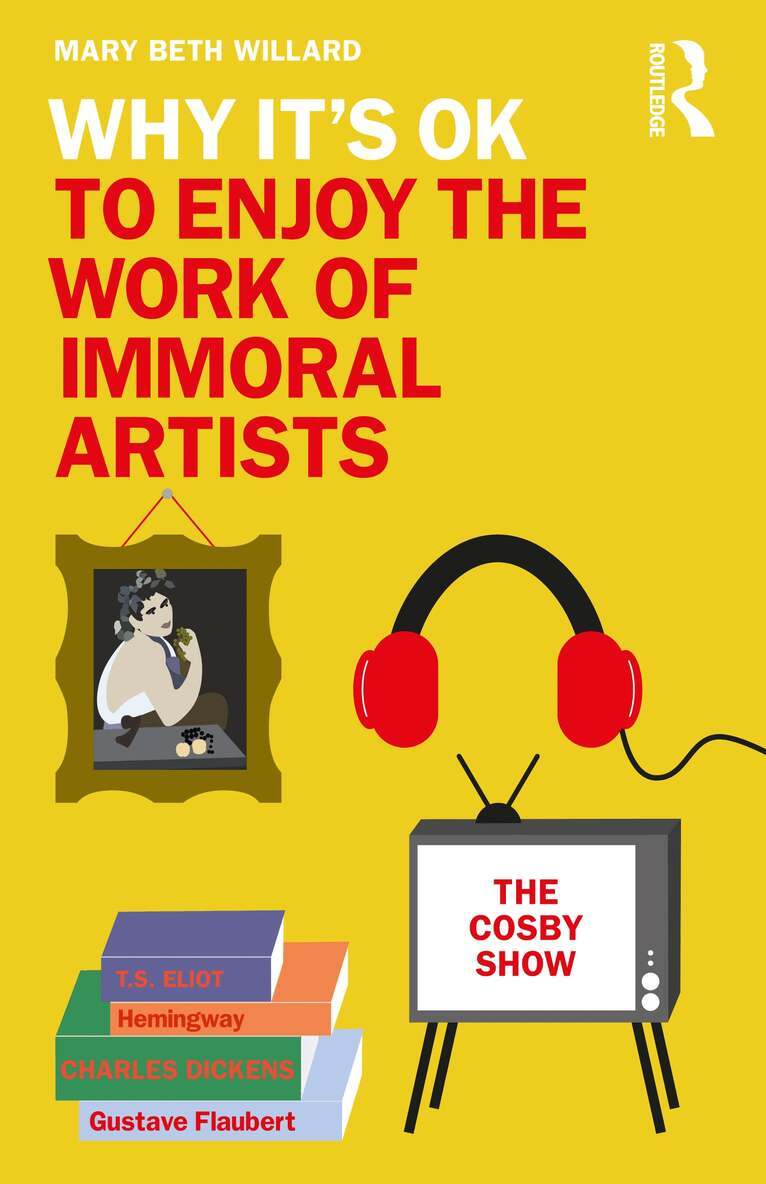
Why It's OK to Enjoy the Work of Immoral Artists
Häftad, 2021
355 kr
Lägg i varukorg
The #metoo movement has forced many fans to consider what they should do when they learn that a beloved artist has acted immorally. One natural thought is that fans ought to give up the artworks of immoral artists. In Why It’s OK to Enjoy the Work of Immoral Artists, Mary Beth Willard argues for a …
Why It's OK to Enjoy the Work of Immoral Artists
Inbunden, 2021
2257 kr
Lägg i varukorg
The #metoo movement has forced many fans to consider what they should do when they learn that a beloved artist has acted immorally. One natural thought is that fans ought to give up the artworks of immoral artists. In Why It’s OK to Enjoy the Work of Immoral Artists, Mary Beth Willard argues for a …
Why It's OK to Be Patriotic
Av Spencer Case
Häftad, 2026
283 kr
Lägg i varukorg
The post-9/11 era saw patriotism transform from somber resolve into jingoistic excess, leaving many to wonder whether love of country inevitably corrupts into tribalism and violence. Critics from Leo Tolstoy to George Kateb have argued that patriotism is inherently dangerous, a relic of a less …
Why It's OK to Be Patriotic
Av Spencer Case
Inbunden, 2026
2504 kr
Lägg i varukorg
The post-9/11 era saw patriotism transform from somber resolve into jingoistic excess, leaving many to wonder whether love of country inevitably corrupts into tribalism and violence. Critics from Leo Tolstoy to George Kateb have argued that patriotism is inherently dangerous, a relic of a less …
Why It's OK to Be a Sports Fan
Av Alfred Archer, Jake Wojtowicz
Häftad, 2023
326 kr
Lägg i varukorg
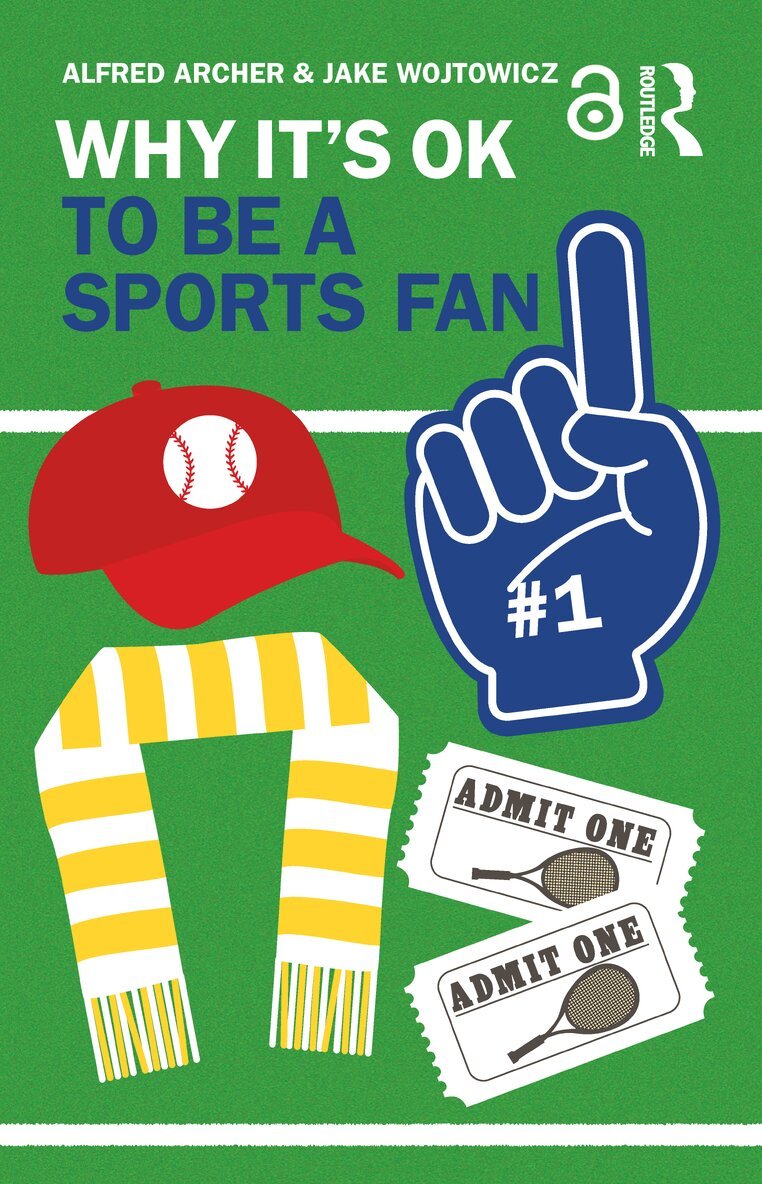
This book offers readers a pitch-side view of the ethics of fandom. Its accessible six chapters are aimed both at true sports fans whose conscience may be occasionally piqued by their pastime, and at those who are more certain of the moral hazards involved in following a team or sport.Why It’s OK …
Why It's OK to Be a Sports Fan
Av Alfred Archer, Jake Wojtowicz
Inbunden, 2023
2504 kr
Lägg i varukorg
This book offers readers a pitch-side view of the ethics of fandom. Its accessible six chapters are aimed both at true sports fans whose conscience may be occasionally piqued by their pastime, and at those who are more certain of the moral hazards involved in following a team or sport.Why It’s OK …
Why It's OK to Be Amoral
Häftad, 2024
297 kr
Lägg i varukorg
Why It’s OK to Be Amoral argues that self-righteous moralism has replaced religion as a source of embattled and gratuitous certainties. High-minded moral convictions invoke the authority of sacred moral truths, but there are no such truths. In reality, moral passions are rooted in atavistic …
Why It's OK to Be Amoral
Inbunden, 2024
2126 kr
Lägg i varukorg
Why It’s OK to Be Amoral argues that self-righteous moralism has replaced religion as a source of embattled and gratuitous certainties. High-minded moral convictions invoke the authority of sacred moral truths, but there are no such truths. In reality, moral passions are rooted in atavistic …