Inbunden, Engelska, 2026
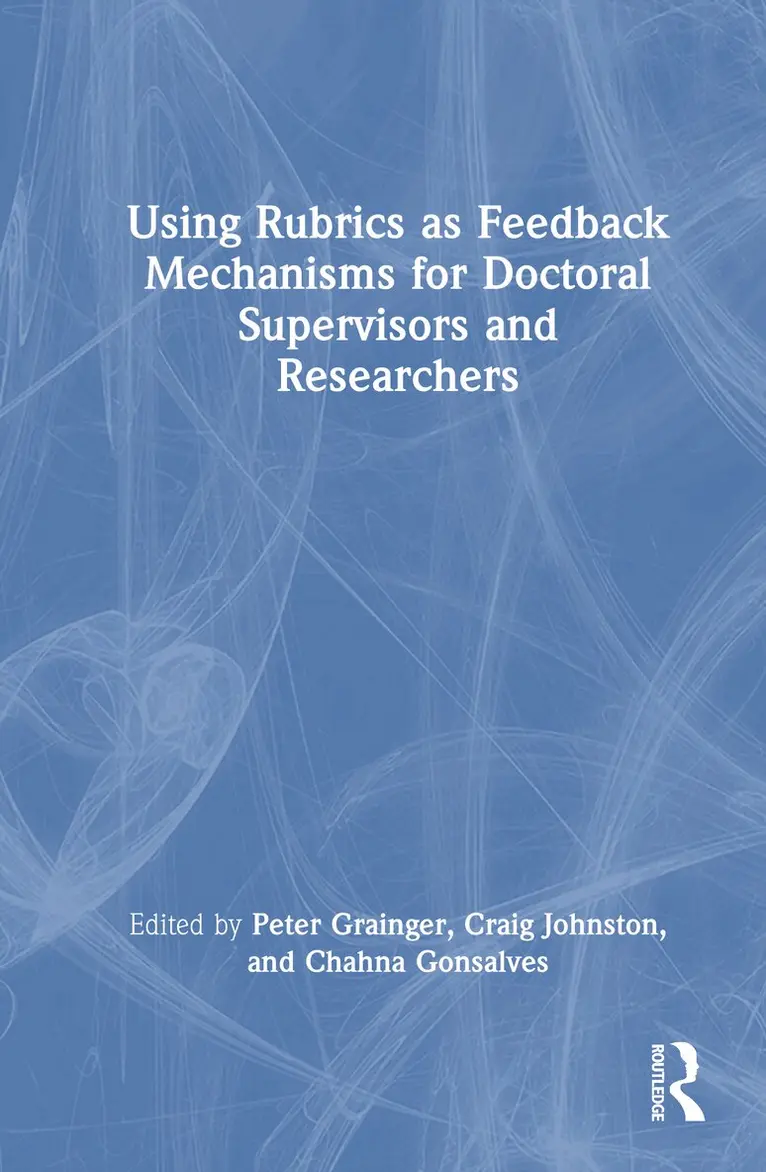
Using Rubrics as Feedback Mechanisms for Doctoral Supervisors and Researchers
Av Peter Grainger, Craig Johnston, Chahna Gonsalves
2445 kr
Beställningsvara. Skickas inom 10-15 vardagar. Fri frakt över 249 kr.
Beskrivning
This book examines the use of formative rubrics as a feedback mechanism in doctoral education, redefining rubrics as formative assessment artefacts as well as summative scoring methods. Grainger, Johnston and Gonsalves bring together insights from globally recognised experts to position rubrics as formative assessment criteria-based tools that provide feedback to guide both supervisors and students.Featuring example rubrics and drawing on research findings, the book includes chapters on using rubrics to guide student self-reflection and as a scaffold for doctoral learning dialogue, social pressures in thesis examination and the use of generative AI in formative assessment. The content shows how rubrics can function as a key mechanism for clarifying behavioural expectations, guiding doctoral candidates, potentially reducing student attrition and ensuring timely completions.An essential resource for doctoral supervisors, the book is also a worthwhile read for doctoral students interested in using rubrics to improve their writing via structured feedback.
Produktinformation
- Utgivningsdatum: 2026-09-16
- Mått: 156 x 234 x 13 mm
- Vikt: 530 g
- Format: Inbunden
- Språk: Engelska
- Antal sidor: 180
- Förlag: Taylor & Francis Ltd
- ISBN: 9781041142157
Utforska kategorier
Betyg & recensioner
0 recensioner
Inga recensioner tillgängliga.