Inbunden, Engelska, 2026
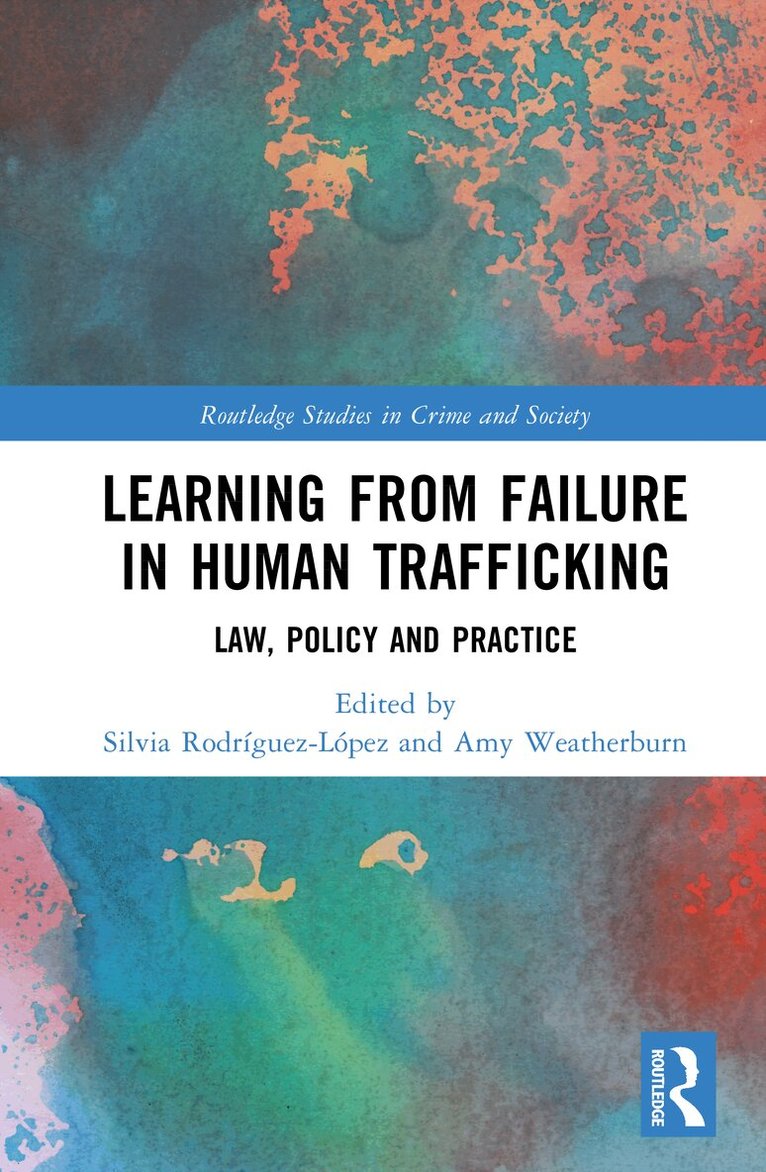
Learning from Failure in Human Trafficking
Av Silvia Rodríguez-López, Amy Weatherburn
2271 kr
Kommande
Beskrivning
This edited collection offers a ground‑breaking shift in anti‑trafficking literature by focusing on what goes wrong in order to determine how to fix it. Adopting a highly accessible, multidisciplinary approach, this international collection brings together leading scholars and legal practitioners to expose the critical gaps in current global response systems. Thematically, this book is structured around three core pillars. First, it challenges outdated definitions of exploitation, particularly regarding child criminal exploitation, sex work, and labour trafficking. Second, it evaluates operational failures in victim identification and protection, using highly topical real case studies from different continents such as cross‑border drug smuggling in Chile, cyber‑scam factories in Southeast Asia, and the high‑profile Dominic Ongwen case at the International Criminal Court. Finally, this book focuses on structural failures, addressing cutting‑edge realities, such as the role of artificial intelligence in the fight against human trafficking, and the importance of integrating survivors’ testimonies and lived experiences into research, law‑making, and public policy. By courageously analysing why past frameworks have failed, this essential volume delivers actionable, evidence‑based, and survivor‑centred solutions to reshape future law, policy, and practice worldwide.
Produktinformation
- Utgivningsdatum: 2026-11-16
- Mått: 156 x 234 x undefined mm
- Format: Inbunden
- Språk: Engelska
- Serie: Routledge Studies in Criminal Justice, Borders and Citizenship
- Antal sidor: 242
- Förlag: Taylor & Francis Ltd
- ISBN: 9781041200895
Utforska kategorier
Betyg & recensioner
0 recensioner
Inga recensioner tillgängliga.