Inbunden, Engelska, 2016
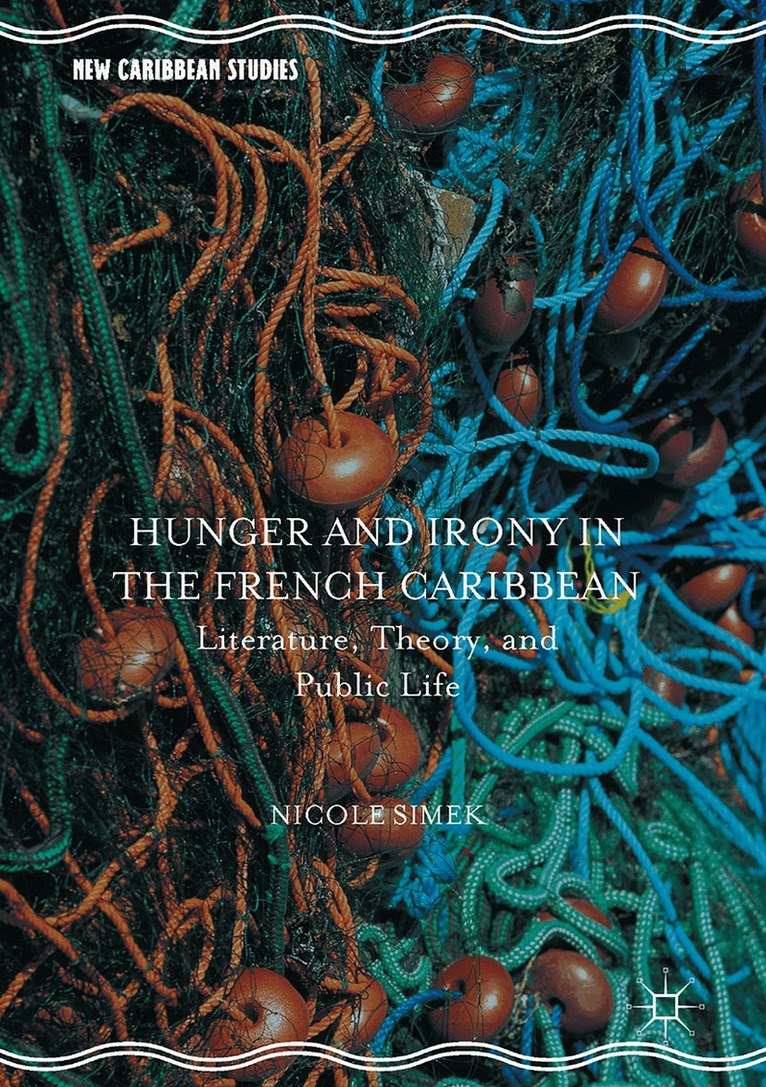
Hunger and Irony in the French Caribbean
Av Nicole Simek
1137 kr
Beställningsvara. Skickas inom 10-15 vardagar. Fri frakt över 249 kr.
Beskrivning
Through a series of case studies spanning the bounds of literature, photography, essay, and manifesto, this book examines the ways in which literary texts do theoretical, ethical, and political work. Nicole Simek approaches the relationship between literature, theory, and public life through a specific site, the French Antillean islands of Guadeloupe and Martinique, and focuses on two mutually elucidating terms: hunger and irony. Reading these concepts together helps elucidate irony’s creative potential and limits. If hunger gives irony purchase by anchoring it in particular historical and material conditions, irony also gives a literature and politics of hunger a means for moving beyond a given situation, for pushing through the inertias of history and culture.
Produktinformation
- Utgivningsdatum: 2016-11-15
- Mått: 148 x 210 x 18 mm
- Vikt: 404 g
- Format: Inbunden
- Språk: Engelska
- Serie: New Caribbean Studies
- Antal sidor: 201
- Upplaga: 16001
- Förlag: Palgrave Macmillan
- ISBN: 9781137559913
Utforska kategorier
Betyg & recensioner
0 recensioner
Inga recensioner tillgängliga.