• Fri frakt över 249 kr
  • •
  • Snabba leveranser
  • •
  • Billiga böcker
Kundservice

Du är på sajten för privatpersoner.

Företag, bibliotek eller offentlig verksamhet?

Du handlar på classic.bokus.com, där alla dina funktioner finns intakta.
Till classic.bokus.com
Bokus logotyp. Gå till startsidan.
  • Erbjudanden
  • Student
  • Topplistor
  • Barn & ungdom
  • Bokus Play
  • E-böcker
  • Ljudböcker
  • Pocketböcker
  • Spel och pussel

5% studentrabatt – använd koden KURSBOK27 →

Sidfot

Mina sidor

    Hjälp

    • Kundservice
    • Vanliga frågor och svar
    • Frakt och leverans
    • Retur vid ångerrätt
    • Reklamera vara
    • Betalning
    • Köpvillkor
    • Allmänna villkor
    • Information om webbplatsens tillgänglighet

    Om Bokus

    • Om oss
    • Pressrum
    • För studenter
    • För företag
    • För bibliotek och offentlig verksamhet
    • För leverantörer
    • Hållbarhet

    Populärt

    • Aktuella erbjudanden
    • Presentkort
    • Studentlitteratur
    • Nya böcker
    • Topplistor
    • Signerade böcker
    • Engelska böcker

    Inspiration

    • Boktips
    • BookTok
    • Barnbokskaraktärer
    • Populära författare
    Logotyp för Bokus
    Följ oss på Facebook (extern länk)Följ oss på Instagram (extern länk)Följ oss på YouTube (extern länk)Följ oss på TikTok (extern länk)
    bokus @ CookiesAnpassa cookiesIntegritetspolicyKöpvillkor
    Till Citymail hemsida (extern länk)Till Budbee hemsida (extern länk)Till Postnord hemsida (extern länk)Till Schenker hemsida (extern länk)Till Early Bird hemsida (extern länk)Till Walleys hemsida (extern länk)
    1. Psykologi och pedagogik
    2. Pedagogik
    3. Undervisning i specifika ämnen

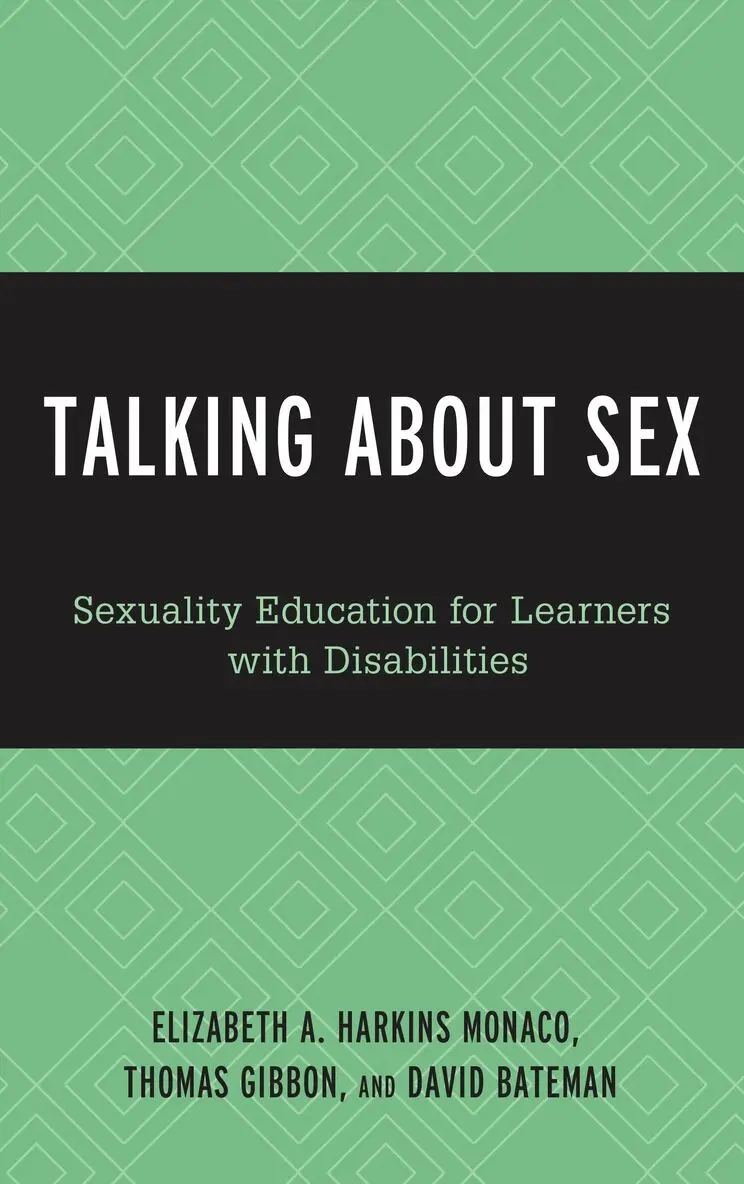
    Talking About Sex

    Sexuality Education for Learners with Disabilities

    AvElizabeth A. Harkins Monaco,Thomas C. Gibbon

    Inbunden, Engelska, 2018

    745 kr

    Beställningsvara. Skickas inom 10-15 vardagar. Fri frakt över 249 kr.

    Fler format och utgåvor

    Häftad

    436 kr

    Beskrivning

    Key social and emotional milestones during adolescence are often directly related to the abilities to initiate and maintain intimate relationships, maintain physically maturing bodies, and manage personal sexuality. Most adolescents with developmental disabilities have particular difficulty expressing sexuality in satisfying ways, consequently facing issues such as limited intimate relationships, low self-esteem, increased social isolation, deregulated emotional maintenance, reduced sexual functioning, and limited sexual health. Appropriate sexual knowledge assists not only in achieving personal fulfillment, but protection from mistreatment, abuse, unplanned pregnancies, or sexually transmitted diseases (STDs). It also works to help solve problems of loneliness and problems with self-esteem.This book will address this but also much more. Issues of physical and cognitive development will be discussed, including appropriate sexual development/urges and brain development, and innate similarities and differences of sexuality that could occur between people with autism spectrum disorders and intellectual or developmental disabilities, including the complexities of physical disabilities. The authors will also consider special considerations for group homes and recreational facilities, and specifically focus on concepts of ethics and models of consent (medical, legal, social, and educational), as well as how to deal with uncertainty.

    Produktinformation

    • Utgivningsdatum:2018-04-03
    • Mått:159 x 239 x 14 mm
    • Vikt:349 g
    • Format:Inbunden
    • Språk:Engelska
    • Antal sidor:144
    • Förlag:Bloomsbury Publishing Plc
    • ISBN:9781475839838

    Utforska kategorier

    • Undervisning i specifika ämnen inom Psykologi och pedagogik
    • Socialt arbete och välfärd inom Samhälle och politik
    • Specialundervisning inom Psykologi och pedagogik

    Mer om författaren

    Elizabeth A. Harkins Monaco is a professor of special education at the University of Pittsburgh at Johnstown. She focuses on social and emotional development for students with intellectual disabilities and autism spectrum disorders.Thomas Gibbon is an associate professor of special education at Shippensburg University. He focuses on transition to adulthood and vocational models for students with disabilities. David Bateman is a professor of special education at Shippensburg University. He focuses on appropriate services for students with disabilities.

    Recensioner i media

    Talking About Sex: Sexuality Education for Learners with Disabilities makes an essential contribution to advocating for self-determination of persons with developmental disabilities by taking up a subject that educators and other human service professional have historically overlooked. Educational practices have focused on academic and self-help skills while largely ignoring issues of sexuality. Understanding sexuality is an equally important life skill that empowers young adults with disabilities. Individuals with developmental disabilities are at the greatest risk for sexual abuse and need an awareness of both normal and deviant sexuality. These individuals have the same rights as people without disabilitiesto engage in sexual and relationship exploration, including knowledge of safe sex practices, consent, and ethical behavior. In addition to exploring the topic, the authors offer instructional approaches for sex education that are adapted for special populations. Talking About Sex: Sexuality Education for Learners with Disabilities is a must-read for parents, counselors, providers, and virtually anyone engaged in the field.

    Innehållsförteckning

    • PrefaceAcknowledgmentsChapter 1- IntroductionChapter 2- We’re in this Together: Who are the Educators?Chapter 3- The Birds and the Bees: Specific Skills and Teaching StrategiesChapter 4- We Can’t Hide: Pop Culture and Digital MediaChapter 5- The Birds and the Bees, Round 2: The CurriculumChapter 6- No One Can Escape Puberty: Physical and Cognitive Development Chapter 7- What Does It All Mean: LGBTQ+Chapter 8- Special Considerations: Group Homes and Residential FacilitiesChapter 9- Similarities and Differences: ASD and IDD Chapter 10- Just Say No! (Or Yes): EthicsAbout the Authors