Elizabeth A. Harkins Monaco - Böcker
Visar alla böcker från författaren Elizabeth A. Harkins Monaco. Handla med fri frakt och snabb leverans.
6 produkter
6 produkter
721 kr
Skickas inom 10-15 vardagar
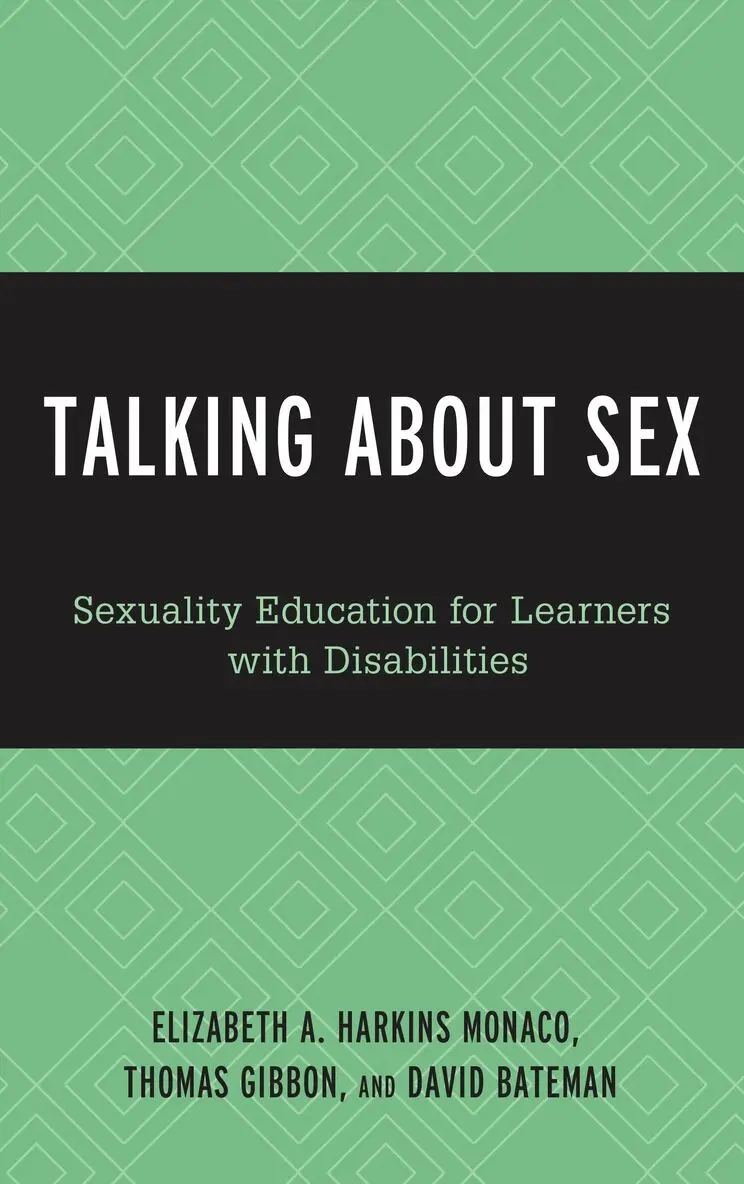
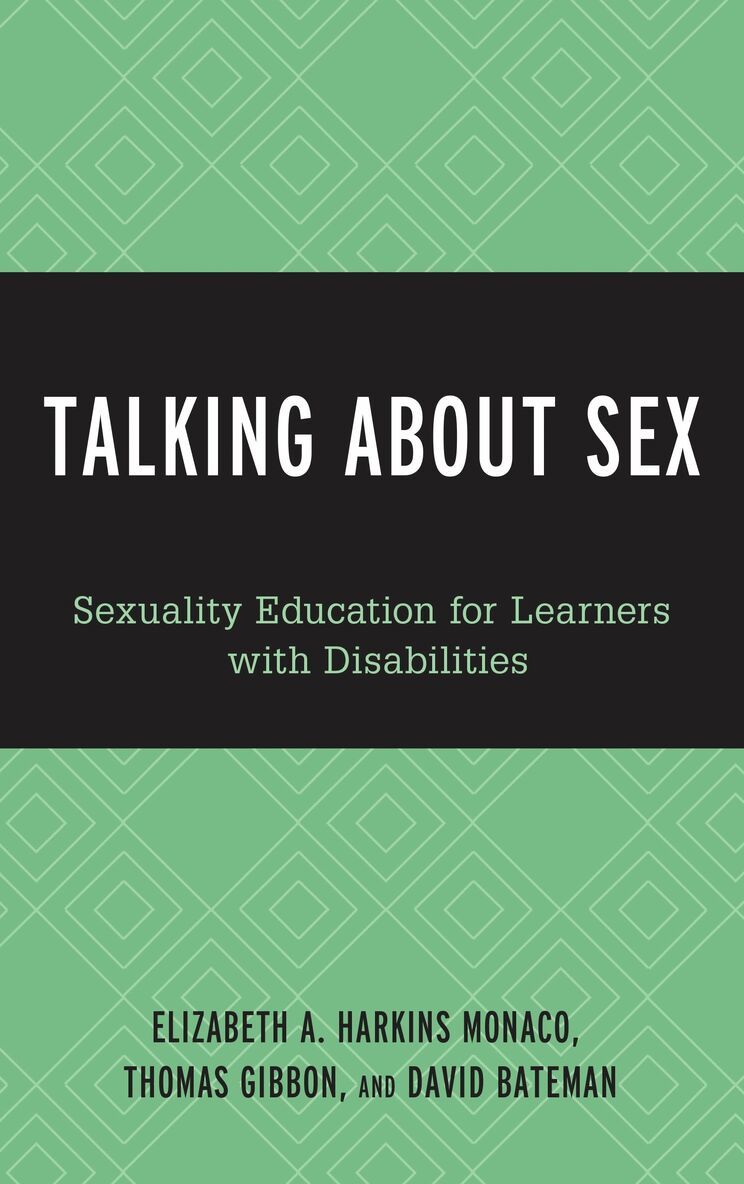
Key social and emotional milestones during adolescence are often directly related to the abilities to initiate and maintain intimate relationships, maintain physically maturing bodies, and manage personal sexuality. Most adolescents with developmental disabilities have particular difficulty expressing sexuality in satisfying ways, consequently facing issues such as limited intimate relationships, low self-esteem, increased social isolation, deregulated emotional maintenance, reduced sexual functioning, and limited sexual health. Appropriate sexual knowledge assists not only in achieving personal fulfillment, but protection from mistreatment, abuse, unplanned pregnancies, or sexually transmitted diseases (STDs). It also works to help solve problems of loneliness and problems with self-esteem.This book will address this but also much more. Issues of physical and cognitive development will be discussed, including appropriate sexual development/urges and brain development, and innate similarities and differences of sexuality that could occur between people with autism spectrum disorders and intellectual or developmental disabilities, including the complexities of physical disabilities. The authors will also consider special considerations for group homes and recreational facilities, and specifically focus on concepts of ethics and models of consent (medical, legal, social, and educational), as well as how to deal with uncertainty.
422 kr
Skickas inom 10-15 vardagar
Key social and emotional milestones during adolescence are often directly related to the abilities to initiate and maintain intimate relationships, maintain physically maturing bodies, and manage personal sexuality. Most adolescents with developmental disabilities have particular difficulty expressing sexuality in satisfying ways, consequently facing issues such as limited intimate relationships, low self-esteem, increased social isolation, deregulated emotional maintenance, reduced sexual functioning, and limited sexual health. Appropriate sexual knowledge assists not only in achieving personal fulfillment, but protection from mistreatment, abuse, unplanned pregnancies, or sexually transmitted diseases (STDs). It also works to help solve problems of loneliness and problems with self-esteem.This book will address this but also much more. Issues of physical and cognitive development will be discussed, including appropriate sexual development/urges and brain development, and innate similarities and differences of sexuality that could occur between people with autism spectrum disorders and intellectual or developmental disabilities, including the complexities of physical disabilities. The authors will also consider special considerations for group homes and recreational facilities, and specifically focus on concepts of ethics and models of consent (medical, legal, social, and educational), as well as how to deal with uncertainty.
1 045 kr
Skickas inom 10-15 vardagar
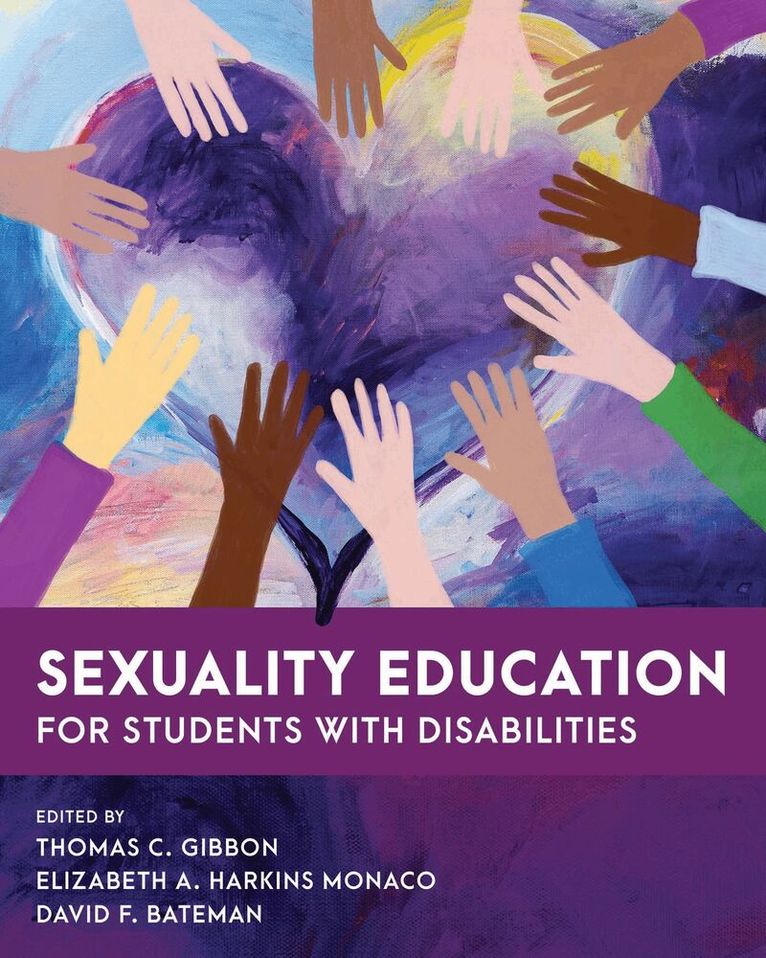
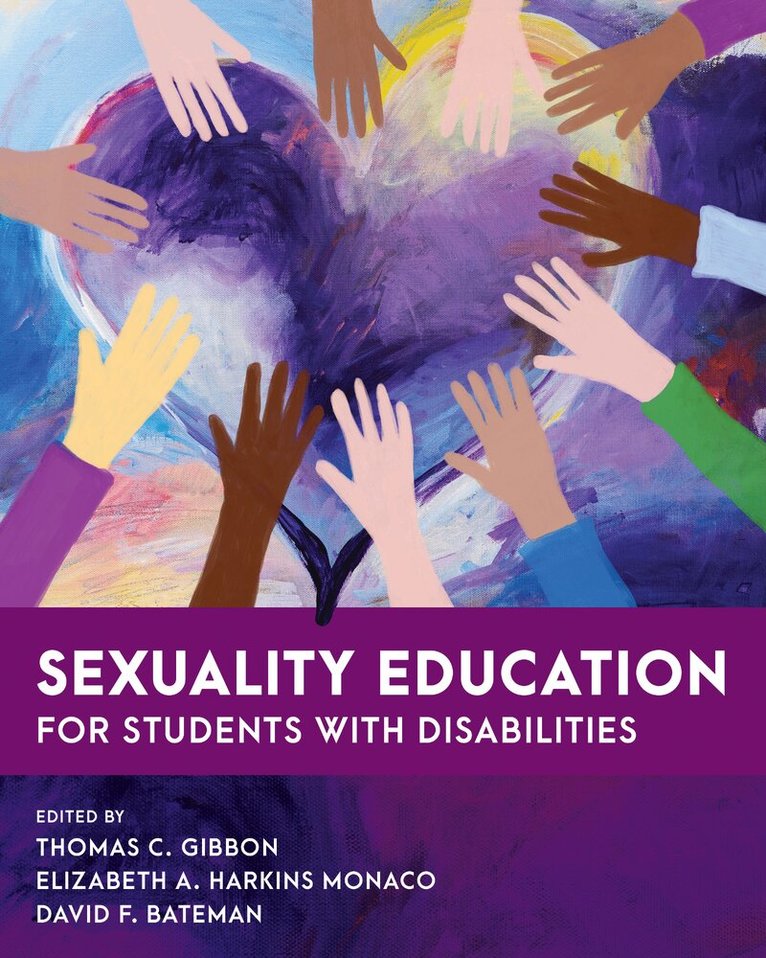
People with disabilities have traditionally been denied access to sexuality education or the free expression of sexuality. Through a disability studies lens, this book considers the historical, legal, and ethical implications of sexuality education for people with disabilities. Editors Gibbon, Monaco, and Bateman and their contributors discuss the roles of family, culture, entertainment, education, and social media as they relate to sexuality education and explore contextual concepts such as intersectionality, the range of disabling conditions, and the connections between adolescent development and disability.The text concludes with recommendations to support people with disabilities in the transition to adulthood. The editors advocate for public policy improvements and a call to action for students, teachers, and families.
474 kr
Skickas inom 10-15 vardagar
People with disabilities have traditionally been denied access to sexuality education or the free expression of sexuality. Through a disability studies lens, this book considers the historical, legal, and ethical implications of sexuality education for people with disabilities. Editors Gibbon, Monaco, and Bateman and their contributors discuss the roles of family, culture, entertainment, education, and social media as they relate to sexuality education and explore contextual concepts such as intersectionality, the range of disabling conditions, and the connections between adolescent development and disability.The text concludes with recommendations to support people with disabilities in the transition to adulthood. The editors advocate for public policy improvements and a call to action for students, teachers, and families.
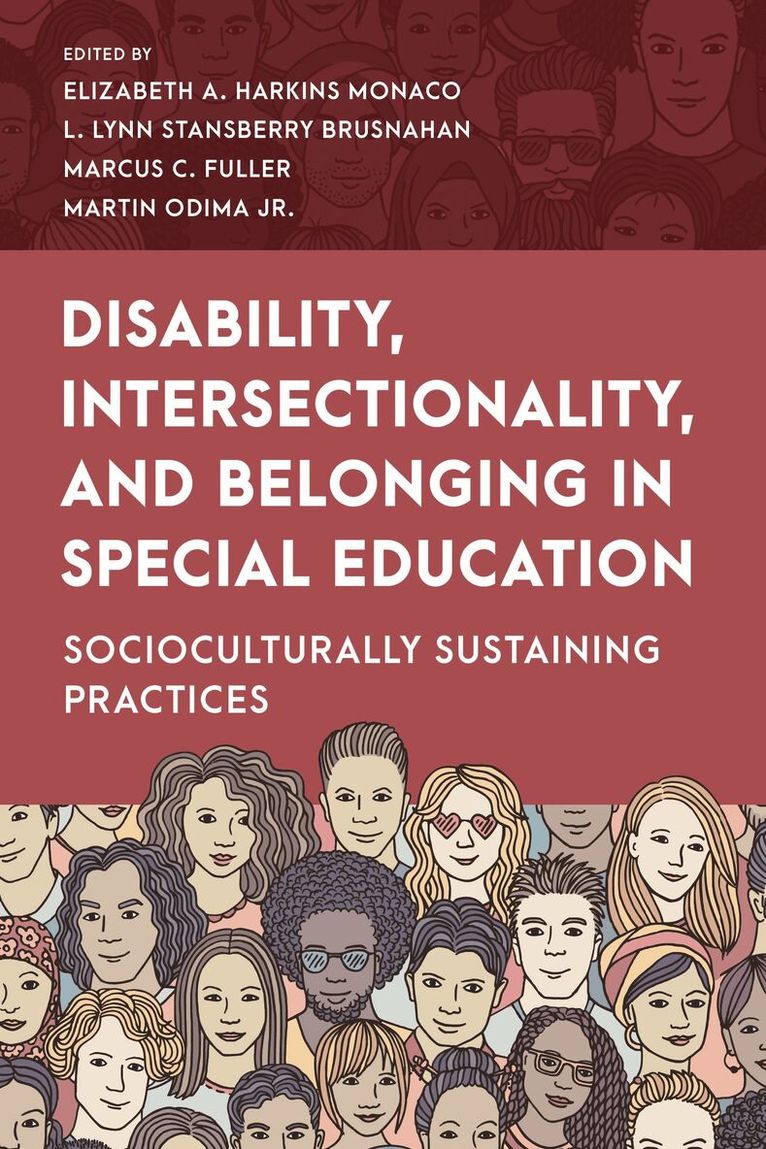
Disability, Intersectionality, and Belonging in Special Education
Socioculturally Sustaining Practices
Inbunden, Engelska, 2024
1 110 kr
Skickas inom 10-15 vardagar
Disability, Intersectionality, and Belonging in Special Education focuses on preparing educators who use socioculturally sustaining practices, curricula, and instruction through an intersectional lens.This book empowers preservice students and special education practitioners and administrators to meet the needs of disabled individuals. Understanding the full range of requirements relating to socioculturally sustaining practices is imperative to working with individuals with disabilities as well as with their families and caregivers. Being able to understand and explain this complex issue to others is important and often necessary.Social injustices in special education are historical and systemic. Special education practitioners are typically unaware of the importance of intersectional differences because they have been prepared to address cultural perspectives only during awareness days or through specific units in curricula. At other times they discuss the topic diagnostically—for example, as part of an educational plan or when teaching English as a second language.Other issues stem from the value system of the special education practitioners themselves; some are not willing to engage in these concepts, while others prioritize treating all students the same by using the terms “fairness,” “equity,” and “colorblindness” to justify this treatment. Even when special educator practitioners attempt to address injustices on behalf of their students, they tend to center on only the student’s disability, which means they are ignoring or erasing other aspects of their students’ identities.These concerns highlight the importance of building the sociocultural competence of our teaching force. This book will help practitioners build this competence in their own spheres of influence.
Disability, Intersectionality, and Belonging in Special Education
Socioculturally Sustaining Practices
Häftad, Engelska, 2024
422 kr
Skickas inom 10-15 vardagar
Disability, Intersectionality, and Belonging in Special Education focuses on preparing educators who use socioculturally sustaining practices, curricula, and instruction through an intersectional lens.This book empowers preservice students and special education practitioners and administrators to meet the needs of disabled individuals. Understanding the full range of requirements relating to socioculturally sustaining practices is imperative to working with individuals with disabilities as well as with their families and caregivers. Being able to understand and explain this complex issue to others is important and often necessary.Social injustices in special education are historical and systemic. Special education practitioners are typically unaware of the importance of intersectional differences because they have been prepared to address cultural perspectives only during awareness days or through specific units in curricula. At other times they discuss the topic diagnostically—for example, as part of an educational plan or when teaching English as a second language.Other issues stem from the value system of the special education practitioners themselves; some are not willing to engage in these concepts, while others prioritize treating all students the same by using the terms “fairness,” “equity,” and “colorblindness” to justify this treatment. Even when special educator practitioners attempt to address injustices on behalf of their students, they tend to center on only the student’s disability, which means they are ignoring or erasing other aspects of their students’ identities.These concerns highlight the importance of building the sociocultural competence of our teaching force. This book will help practitioners build this competence in their own spheres of influence.