Inbunden, Engelska, 2022
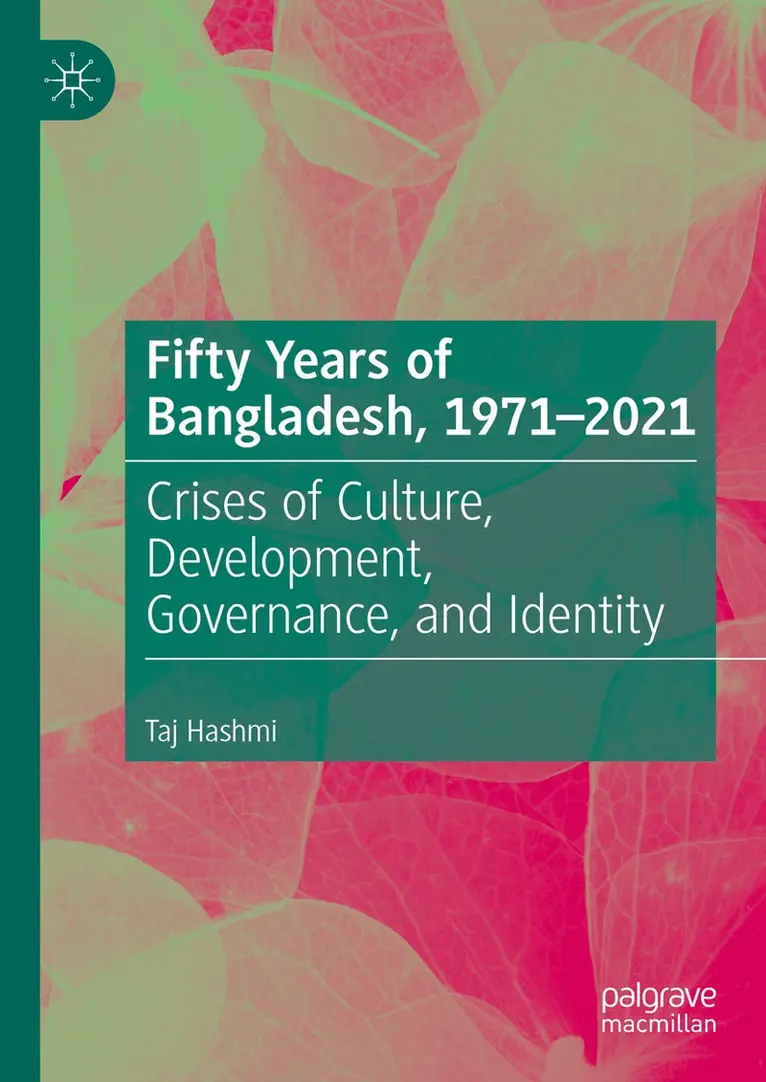
Fifty Years of Bangladesh, 1971-2021
Av Taj Hashmi
1577 kr
Beställningsvara. Skickas inom 10-15 vardagar. Fri frakt över 249 kr.
Beskrivning
This book, the first historical sociology of its kind concerning Bangladesh, examines the country's what-went-wrong-syndrome during the first fifty years of its existence, 1971-2021. The work is an exception to the traditional studies on modern and contemporary Bangladesh. The study is also a post-history of united Pakistan. Busting several myths, it sheds light on many known and unknown facts about the history, politics, society, and culture of the country. Besides being a twice-born country – liberated twice, from the British in 1947 and from West Pakistanis in 1971 – it is also an artificial entity suffering from acute crises of culture, development, governance, and identity. Hashmi attributes the culture and identity crises to the demographic byproducts of bad governance. In addition to being overpopulated, Bangladesh is also resource-poor and has one of the most unskilled populations, largely lumpen elements and peasants. According to Marx, these peoplerepresent “the unchanging remnants of the past”. The second round of independence empowered these lumpen classes, who suffer from an identity crisis and never learn the art of governance. The proliferation of pseudo-history about liberation has further divided the polity between the two warring tribes who only glorify their respective idols, Mujib and Zia. Pre-political and pre-capitalist peasants’ / lumpen elements’ lack of mutual trust and respect have further plagued Bangladesh, turning it into one of the least governable, corrupt, and inefficient countries. It is essential to replace the pre-capitalist order of the country run by multiple lumpen classes with capitalist and inclusive institutions.
Produktinformation
- Utgivningsdatum: 2022-04-23
- Mått: 148 x 210 x 27 mm
- Vikt: 604 g
- Format: Inbunden
- Språk: Engelska
- Antal sidor: 388
- Förlag: Springer Nature Switzerland AG
- ISBN: 9783030971571
Utforska kategorier
Betyg & recensioner
0 recensioner
Inga recensioner tillgängliga.