Häftad, Engelska, 2022
Contemporary Housing Struggles
Av Ioana Florea, Agnes Gagyi, Kerstin Jacobsson
445 kr
Beställningsvara. Skickas inom 10-15 vardagar. Fri frakt över 249 kr.
Beskrivning
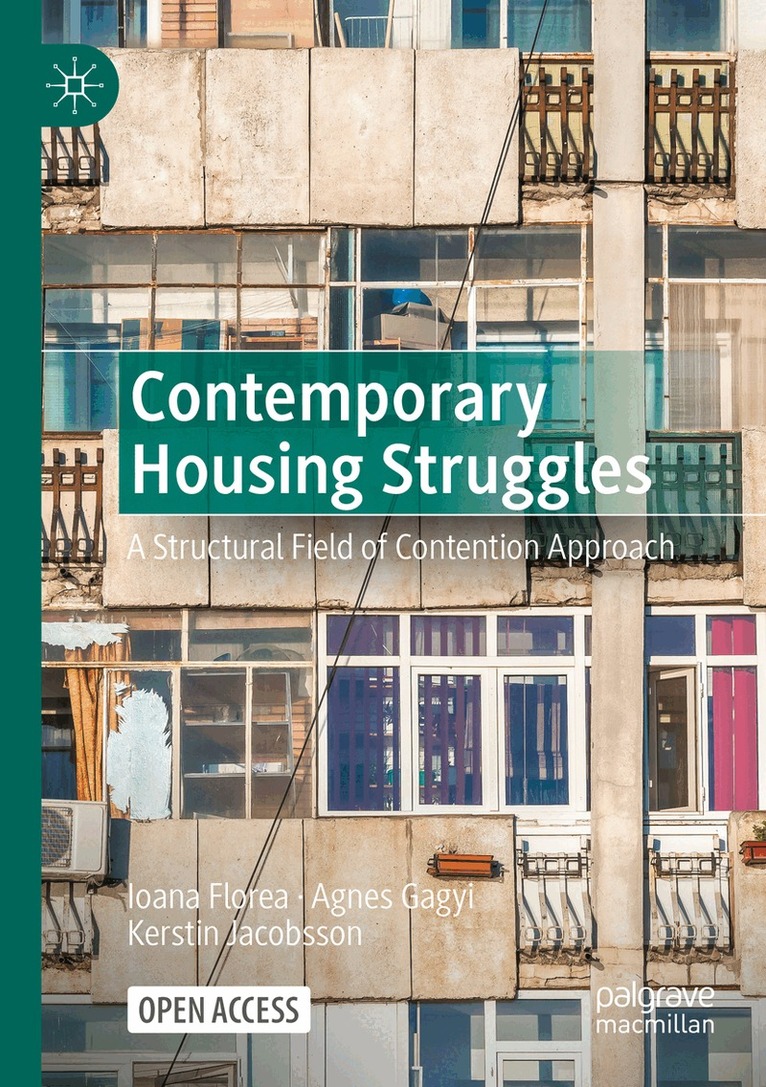
This OA book provides a comparative study of housing contention in Budapest and Bucharest in 2008-2021. The financialization of housing and the resulting inequalities, expulsions and social contention are a central characteristic of today’s capitalist crisis. These two East European cities that fall outside the usual focus of urban movements research provide an illuminating case of similar structural conditions governed by different political constellations at the national and local scales. Instead of searching for unilinear narratives connecting structural tensions to politicized claims, the book offers an in-depth contextual analysis of multiple forms of contention, their (often unintentional) interactions, and their broader political-structural background, including tensions surrounded by political silence. The authors analyze the two cases and their comparative lessons through what they propose as a “structural field of contention” approach to the multiple, interconnected ways in which structural tensions become (or not) politicized in today’s social movements. The book will appeal to everyone interested in today’s urban tensions and social movements.
Produktinformation
- Utgivningsdatum: 2022-04-23
- Mått: 148 x 210 x 15 mm
- Vikt: 336 g
- Format: Häftad
- Språk: Engelska
- Antal sidor: 243
- Förlag: Springer Nature Switzerland AG
- ISBN: 9783030974077
Utforska kategorier
Betyg & recensioner
0 recensioner
Inga recensioner tillgängliga.