Agnes Gagyi – författare
Visar alla böcker från författaren Agnes Gagyi. Handla med fri frakt och snabb leverans.
8 produkter
8 produkter
Inbunden, Engelska, 2021
1 522 kr
Skickas inom 10-15 vardagar
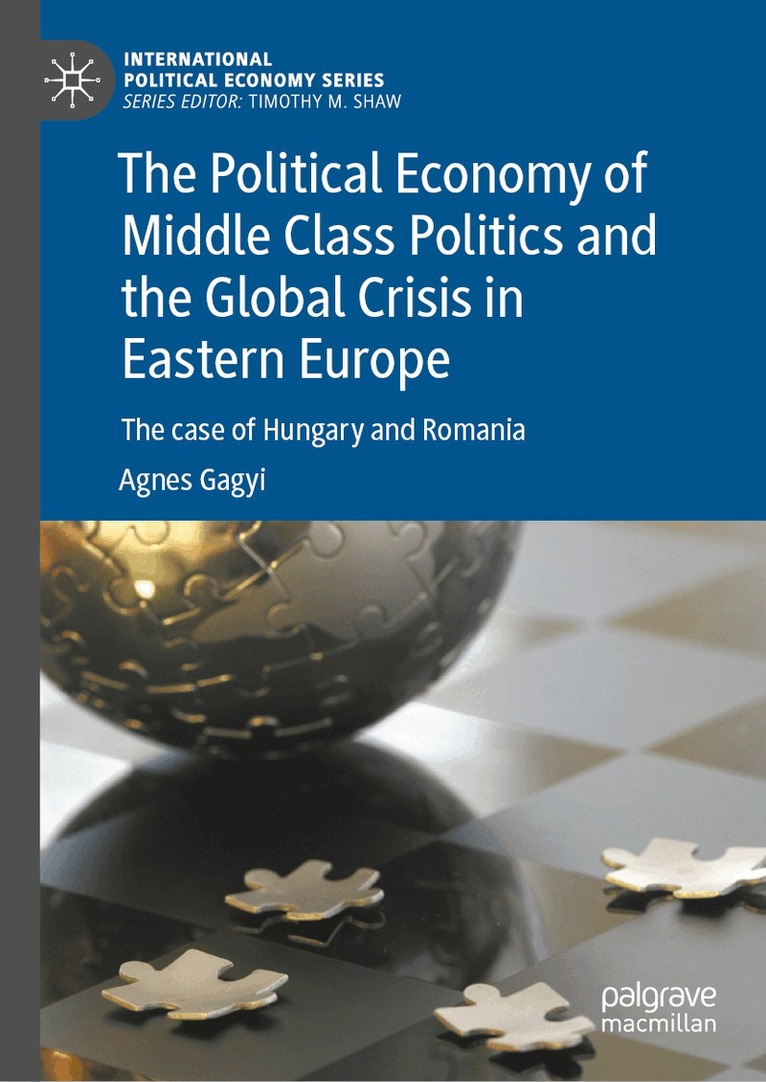
Contrary to dominant narratives which portray East European politics as a pendulum swing between democracy and authoritarianism, conventionally defined in terms of an ahistorical cultural geography of East vs. West, this book analyzes post-socialist transformation as part of the long downturn of the post-WWII global capitalist cycle. Based on an empirical comparison of two countries with significantly different political regimes throughout the period, Hungary and Romania, this study shows how different constellations of successive late socialist and post-socialist regimes have managed internal and external class relations throughout the same global crisis process, from very similar positions of semi-peripheral, post-socialist systemic integration. Within this context, the book follows the role of social movements since the 1970s, paying attention both to the level of differences between local integration regimes and to the level of structural similarities of globalintegration. The analysis maintains a special focus on movements’ class composition and inter-class relationships and the specific position of middle-class politics in movements.
E-bok
Engelska, 20211 825 kr
Läs direkt efter köp
Contrary to dominant narratives which portray East European politics as a pendulum swing between democracy and authoritarianism, conventionally defined in terms of an ahistorical cultural geography of East vs. West, this book analyzes post-socialist transformation as part of the long downturn of the post-WWII global capitalist cycle. Based on an empirical comparison of two countries with significantly different political regimes throughout the period, Hungary and Romania, this study shows how different constellations of successive late socialist and post-socialist regimes have managed internal and external class relations throughout the same global crisis process, from very similar positions of semi-peripheral, post-socialist systemic integration. Within this context, the book follows the role of social movements since the 1970s, paying attention both to the level of differences between local integration regimes and to the level of structural similarities of globalintegration. The analysis maintains a special focus on movements’ class composition and inter-class relationships and the specific position of middle-class politics in movements.
Häftad, Engelska, 2022
1 522 kr
Skickas inom 10-15 vardagar
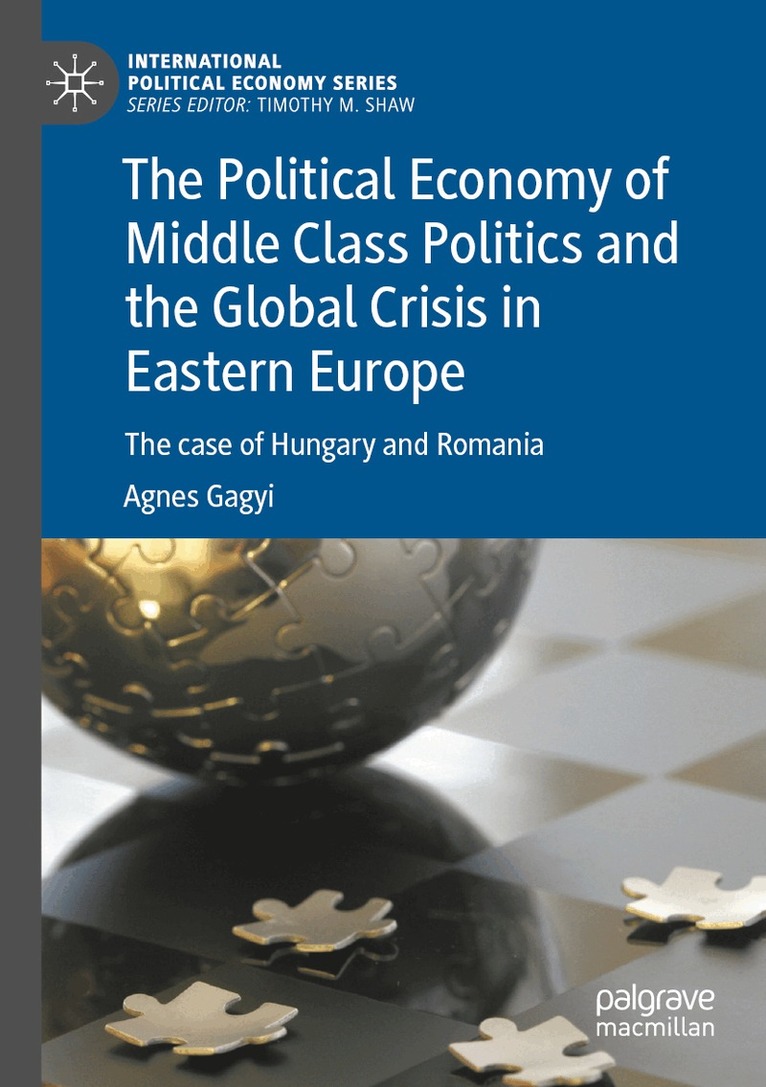
Contrary to dominant narratives which portray East European politics as a pendulum swing between democracy and authoritarianism, conventionally defined in terms of an ahistorical cultural geography of East vs. West, this book analyzes post-socialist transformation as part of the long downturn of the post-WWII global capitalist cycle. Based on an empirical comparison of two countries with significantly different political regimes throughout the period, Hungary and Romania, this study shows how different constellations of successive late socialist and post-socialist regimes have managed internal and external class relations throughout the same global crisis process, from very similar positions of semi-peripheral, post-socialist systemic integration. Within this context, the book follows the role of social movements since the 1970s, paying attention both to the level of differences between local integration regimes and to the level of structural similarities of globalintegration. The analysis maintains a special focus on movements’ class composition and inter-class relationships and the specific position of middle-class politics in movements.
Inbunden, Engelska, 2021
1 305 kr
Skickas inom 10-15 vardagar
E-bok
Engelska, 20211 672 kr
Läs direkt efter köp
Häftad, Engelska, 2022
1 305 kr
Skickas inom 10-15 vardagar
Inbunden, Engelska, 2022
548 kr
Skickas inom 10-15 vardagar
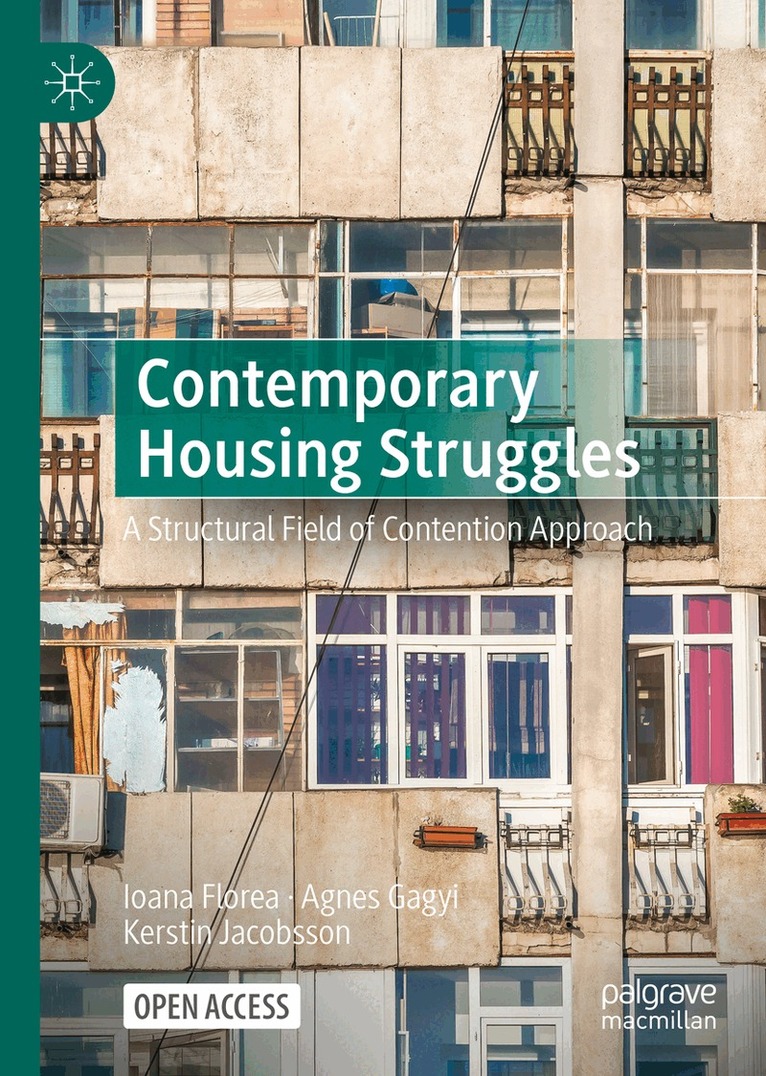
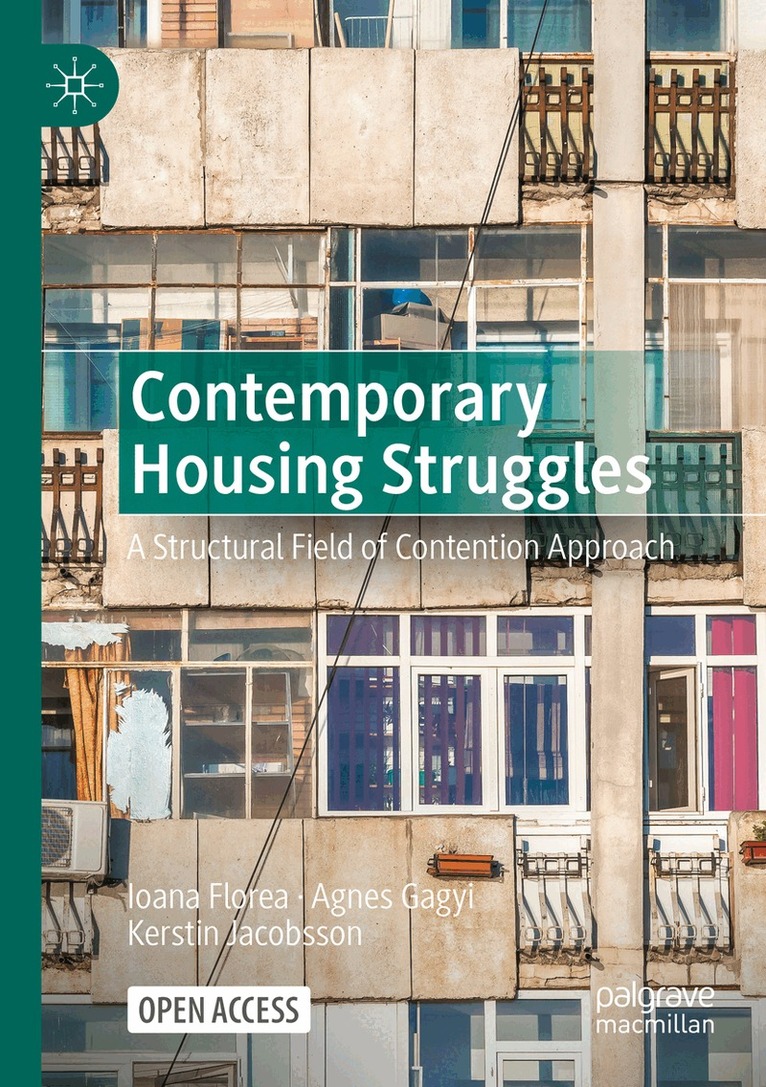
This OA book provides a comparative study of housing contention in Budapest and Bucharest in 2008-2021. The financialization of housing and the resulting inequalities, expulsions and social contention are a central characteristic of today’s capitalist crisis. These two East European cities that fall outside the usual focus of urban movements research provide an illuminating case of similar structural conditions governed by different political constellations at the national and local scales. Instead of searching for unilinear narratives connecting structural tensions to politicized claims, the book offers an in-depth contextual analysis of multiple forms of contention, their (often unintentional) interactions, and their broader political-structural background, including tensions surrounded by political silence. The authors analyze the two cases and their comparative lessons through what they propose as a “structural field of contention” approach to the multiple, interconnected ways in which structural tensions become (or not) politicized in today’s social movements. The book will appeal to everyone interested in today’s urban tensions and social movements.
Häftad, Engelska, 2022
440 kr
Skickas inom 10-15 vardagar
This OA book provides a comparative study of housing contention in Budapest and Bucharest in 2008-2021. The financialization of housing and the resulting inequalities, expulsions and social contention are a central characteristic of today’s capitalist crisis. These two East European cities that fall outside the usual focus of urban movements research provide an illuminating case of similar structural conditions governed by different political constellations at the national and local scales. Instead of searching for unilinear narratives connecting structural tensions to politicized claims, the book offers an in-depth contextual analysis of multiple forms of contention, their (often unintentional) interactions, and their broader political-structural background, including tensions surrounded by political silence. The authors analyze the two cases and their comparative lessons through what they propose as a “structural field of contention” approach to the multiple, interconnected ways in which structural tensions become (or not) politicized in today’s social movements. The book will appeal to everyone interested in today’s urban tensions and social movements.