Häftad, Engelska, 2026
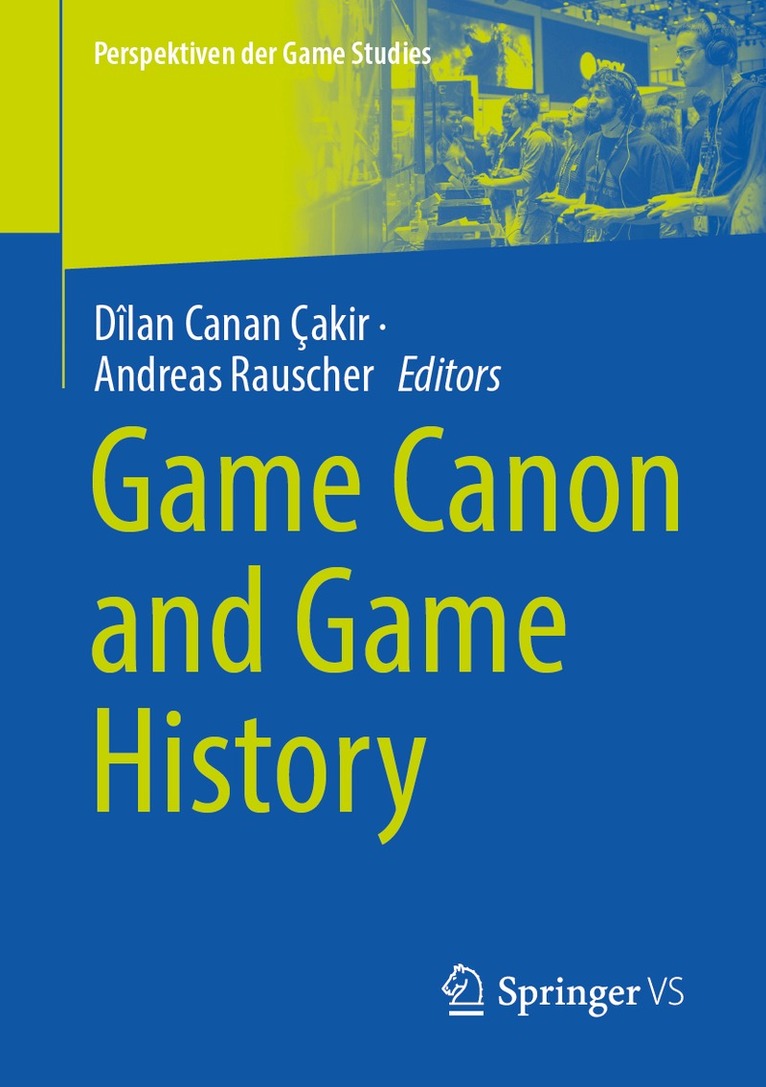
Game Canon and Game History
Av Dîlan Canan Çakir, Andreas Rauscher
1031 kr
Kommande
Beskrivning
Games have developed into an important form of cultural expression that needs to be appropriately archived and examined in relation to established cultural forms. They are part of various cultural institutions that collect cultural artifacts. The selection of computer games varies not only according to the profile of the institution, but also in terms of format, accompanying material, and, in particular, the consoles used. For purely pragmatic reasons, cultural institutions that collect define specific criteria for the cultural assets to be collected. How can these criteria be defined for a game collection in order to achieve a documentation of game history that is as comprehensive, diverse, and varied as possible? Can the canon debates from literary or film studies and the associated practices, such as retrospectives in cultural centers and film museums, be transferred to game studies? What are the milestones of game culture? What approaches arise in comparison to other media and their archiving practices? What is archived in a game collection beyond the code or the game board? What is interesting in terms of game mechanics, technology, or narrative? What dependencies arise in the relationship between software and hardware? Can game history be written nationally? What does a pluralistic and grassroots history of games look like?
Produktinformation
- Utgivningsdatum: 2026-12-15
- Mått: 148 x 210 x undefined mm
- Format: Häftad
- Språk: Engelska
- Serie: Perspektiven der Game Studies
- Antal sidor: 218
- Förlag: Springer Nature Switzerland AG
- ISBN: 9783032252173
Utforska kategorier
Betyg & recensioner
0 recensioner
Inga recensioner tillgängliga.