Inbunden, Engelska, 2026
Chinoiserie and Chinese Art in Siam
272 kr
Kommande
Beskrivning
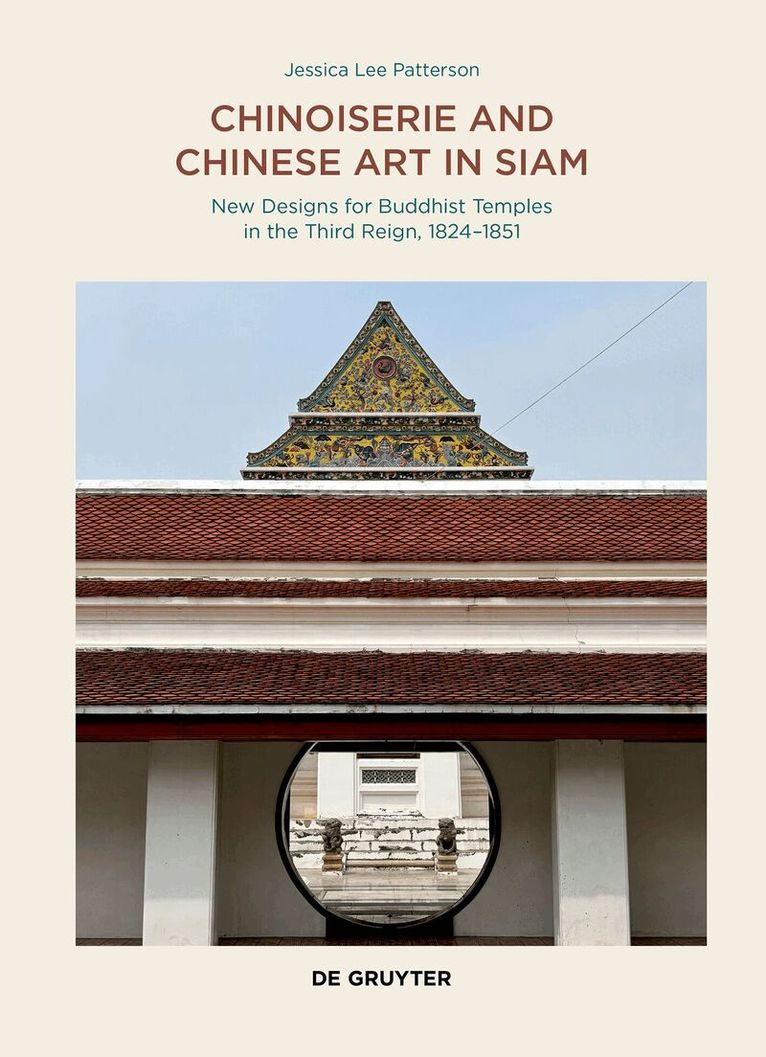
Early 19th-century Siam enjoyed vigorous maritime trade with China that coincided with an influx of Chinese migrants to Bangkok, reshaping the city's culture. The wealth and prestige of the Qing Empire attracted admiration even from Thai royalty, who became fond of Chinese literature and decorative art. As this publication highlights, these two strands converged in the creation of a new artistic style, a kind of Siamese chinoiserie, that became fashionable among court-affiliated elites. Known as "the royal preference," this style was applied to numerous temples that were built or renovated during the Third Reign (1824–1851). It did not reproduce Chinese art and architecture, but adapted and altered specific forms, objects, and motifs to fit the devotional constraints of Theravada Buddhism and the exuberance of Thai aesthetics. Thai Buddhist temples presented as tangible sites of cross-cultural exchange between Siam and China Examines the concept of chinoiserie from a broader, non-Eurocentric perspective
Produktinformation
- Utgivningsdatum: 2026-11-30
- Mått: 170 x 240 x undefined mm
- Format: Inbunden
- Språk: Engelska
- Antal sidor: 240
- Förlag: De Gruyter
- ISBN: 9783689243128
Utforska kategorier
Betyg & recensioner
0 recensioner
Inga recensioner tillgängliga.