Antikvariska serien – serie
Visar alla böcker i serien Antikvariska serien. Handla med fri frakt och snabb leverans.
23 produkter
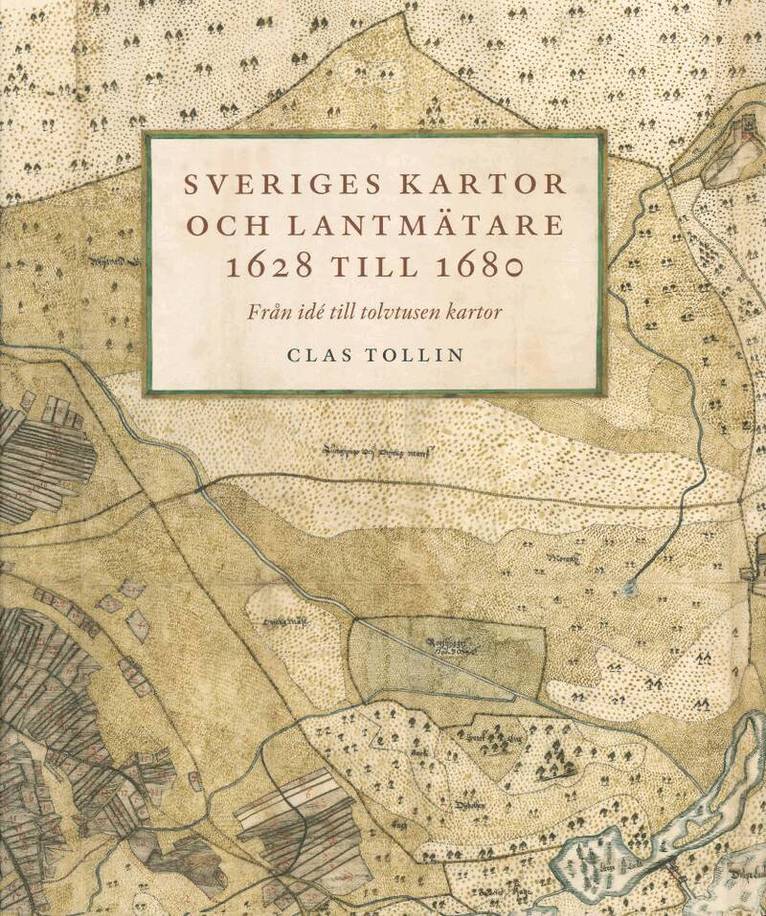
Sveriges kartor och lantmätare 1628 till 1680
Av Clas Tollin
Inbunden, 2021
5,0 utav 5 stjärnor. Totalt antal röster: (2)
418 kr
Lägg i varukorg
I April 1628 gav Gustav II Adolf i uppdrag till Anders Bure, nyutnämnd generalmatematiker, att genomföra en systematisk storskalig kartering av hela det dåvarande Sverige. Under två decennier utbildades en kår av statliga lantmätare och ett unikt arbete med att kartera den svenska landsbygden …
Vadstena slott
Inbunden, 1996
246 kr
Lägg i varukorg
Vadstena slott brukar betecknas som Nordens främsta renässansbyggnad. Påbörjat 1545 som ren befästning i inrikespolitiskt oroliga tider fick det snart en mera representativ karaktär som blivande residens för Gustav Vasas näst yngste son Magnus, hertig av Östergötland. Under den mycket …
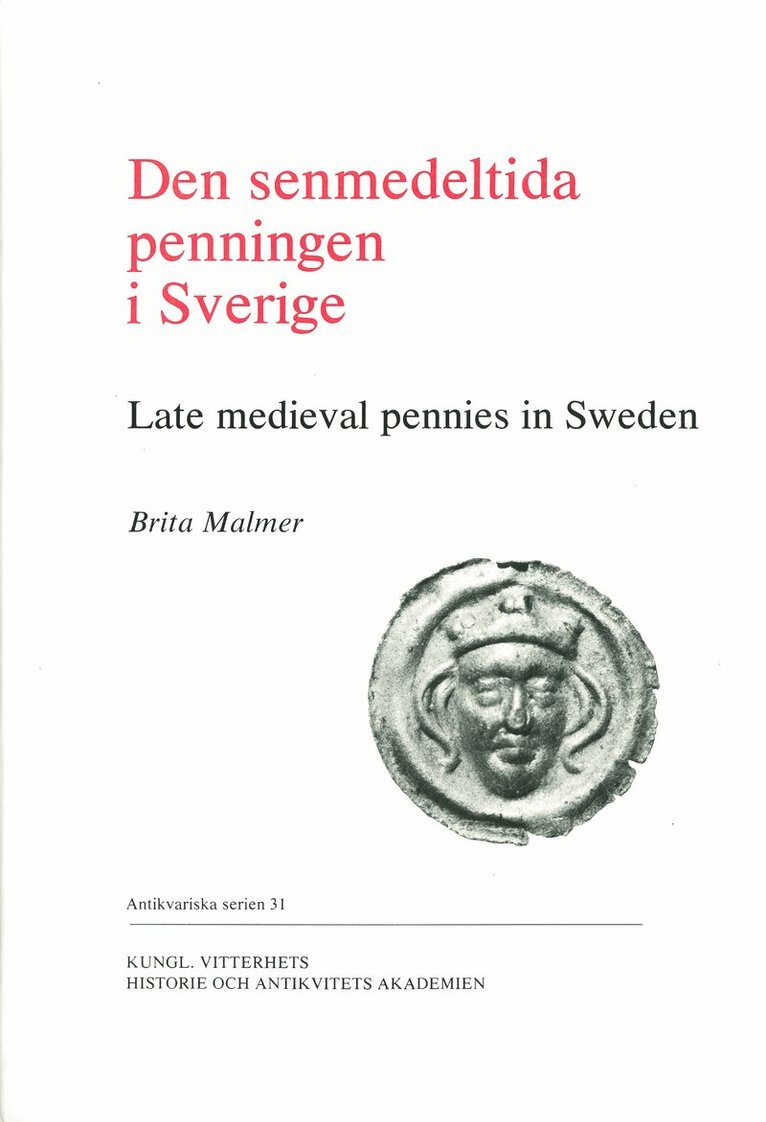
Den senmedeltida penningen i Sverige : svenska brakteater med krönt huvud och krönta bokstäver
Av Brita Malmer
Häftad, 1980
227 kr
Lägg i varukorg
Rome in the Age of Bernini II
Inbunden, 1986
4,0 utav 5 stjärnor. Totalt antal röster: (1)
265 kr
Lägg i varukorg
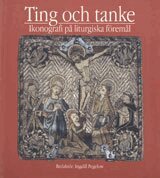
Ting och tanke : Ikonografi och på liturgiska föremål
Häftad, 1998
235 kr
Lägg i varukorg
I det kristna kyrkorummet - det katolska såväl dom det lutherska - intar bilden en central plats. Här rör det sig inte om l'art pour l'art, "konst för konstens egen skull". Nog har man alltid bemödat sig om den yttre formens skönhet och kvalitet, även om smaken och förmågan har skiftat. Men …
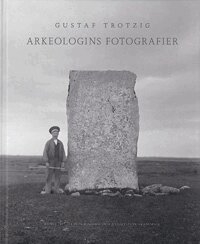
Arkeologins fotografier
Inbunden, 2018
319 kr
Lägg i varukorg
I Arkeologins fotografier följer vi det arkeologiska fotografiets historia, från 1830-talet fram till den digitala dokumentationens genombrott. Gustaf Trotzig belyser fotografiets roll inom svensk arkeologi: hur det blev en viktig del av både dokumentation och kommunikation, om dess förhållande …
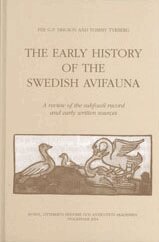
The early history of the Swedish avifauna : a review of the subfossil record and early written sources
Av Per G. P. Ericson, Tommy Tyrberg
Inbunden, 2004
5,0 utav 5 stjärnor. Totalt antal röster: (1)
271 kr
Lägg i varukorg
This book summarizes the history of the Swedish avifauna based on early publications and manuscripts (mostly written before AD 1800), as well as data obtained from archaeozoological analyses of bird remains recovered from more than 500 archaeological and natural deposits. The evolution and …
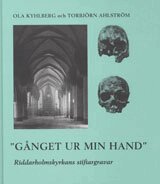
Gånget ur min hand : Riddarholmskyrkans stiftargravar
Av Ola Kyhlberg, Torbjörn Ahlström
Inbunden, 1998
227 kr
Lägg i varukorg
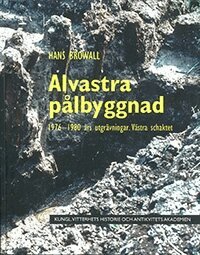
Alvastra pålbyggnad : 1976-1980 års utgrävningar - västra schaktet
Av Hans Browall
Inbunden, 2016
284 kr
Lägg i varukorg
Västra schaktet är ett av fyra huvudschakt som undersöktes vid 1976-1980 års utgrävningar av Alvastra pålbyggnad i Östergötland. Syftet med undersökningen var att med noggrann stratigrafisk dokumentation komplettera Otto Frödins mer extensivt inriktade utgrävningar 1909- 1930. Inom det I 2 m2 stora …
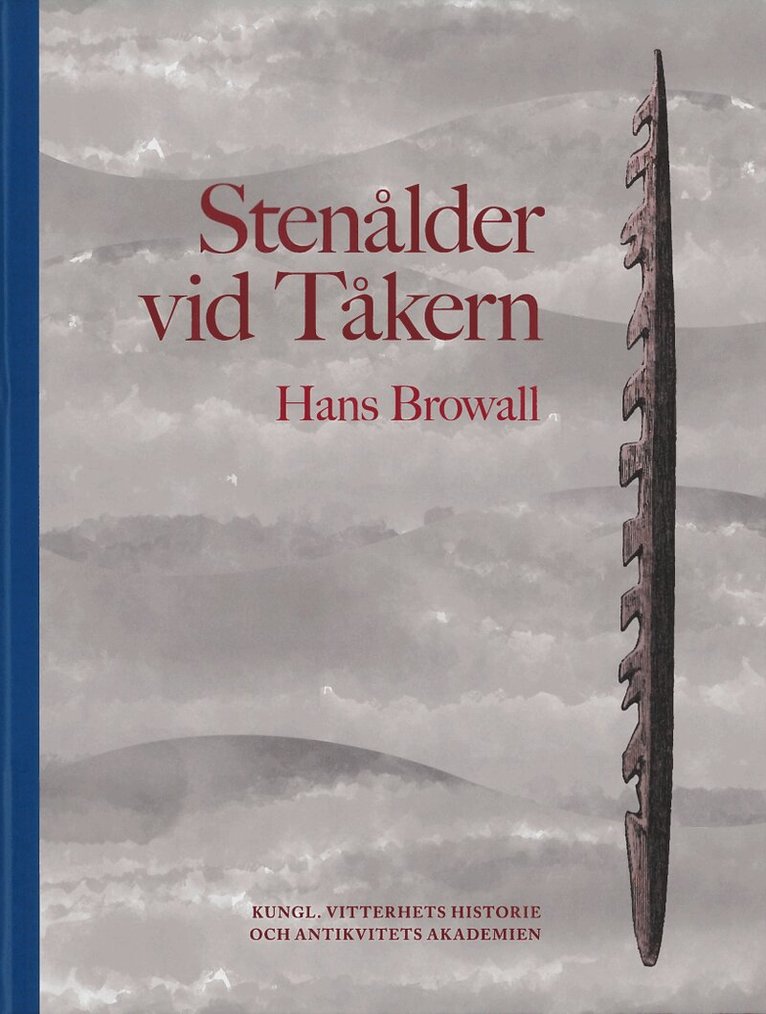
Stenålder vid Tåkern
Av Hans Browall
Inbunden, 2020
289 kr
Lägg i varukorg
TÅKERN OCH DAGSMOSSE var en kärnbygd under hela stenåldern. En rik naturmiljö och ett gynnsamt läge för kommunikationer åt alla håll var av utomordentligt stor betydelse för människornas sociala och kulturella liv. I boken jämförs fyndmaterial från Tåkerns västra strandbygd med det från sjöns östra …
Magnus Gabriel De la Gardies Venngarn : herresätet som byggnadsverk och spegelbild
Inbunden, 2004
4,0 utav 5 stjärnor. Totalt antal röster: (1)
279 kr
Lägg i varukorg
Den 8 augusti 1661 utfärdade rikskanslern Magnus Gabriel De la Gardie order till sina anställda om att en fullständig omgestaltning av huvudbyggnaden och trädgården på Venngarn skulle inledas. Projektet tillhörde den samlade byggnadsplaneringen för hela De la Gardies godsbestånd. Överallt skulle …
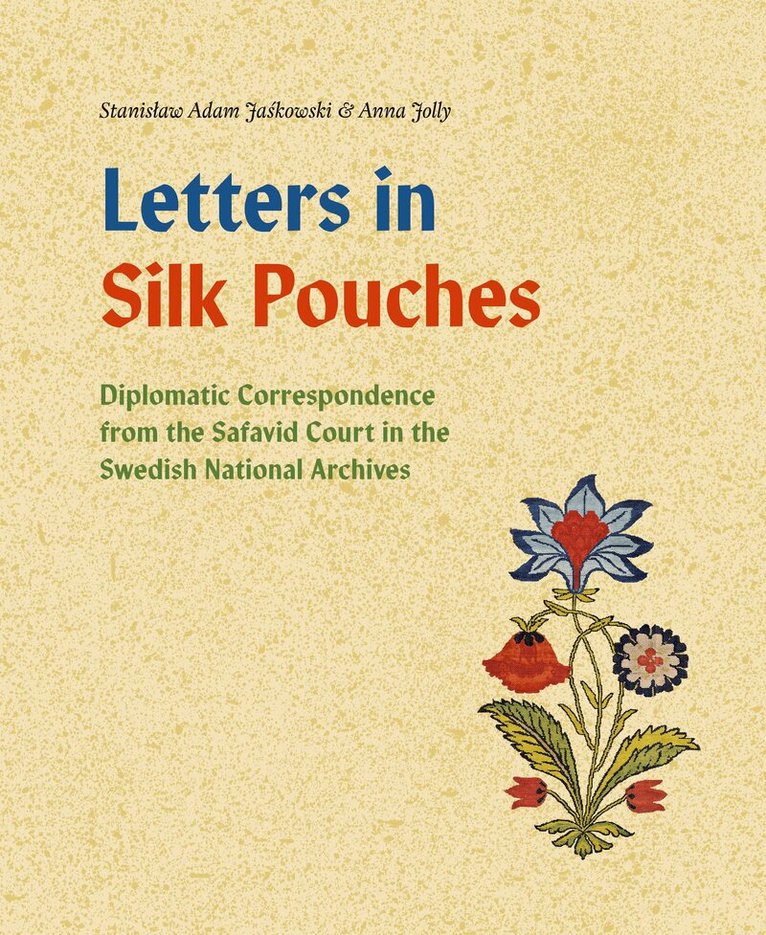
Letters in silk pouches : diplomatic correspondence from the Safavid Court in the Swedish National Archives
Av Stanislaw Adam Jaskowski, Anna Jolly
Häftad, 2026
409 kr
Lägg i varukorg
På 1600-talet sände den svenska kronan ambassadörer till hovet i Isfahan för att förhandla fram ett handelsavtal om export av iranskt råsilke till Stockholm. Efter varje sändebud fördes ett brev från shahen av Persien till kungen av Sverige tillbaka till Stockholm. Dessa brev, i exklusiva …
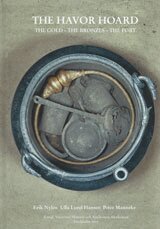
The Havor hoard : the gold, the bronzes, the fort
Av Erik Nylén, Ulla Lund Hansen m. fl.
Inbunden, 2005
279 kr
Lägg i varukorg
The Havor hoard came to light in Gotland, Sweden in 1961, on the first day of the archaeological excavation of an ancient ringfort, in situ against the inner face of the fort wall. The hoard consists of a gold neckring (torc) in a situla along with Roman wine-serving utensils and a pair of bronze …
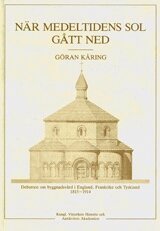
När medeltidens sol gått ned : Debatten om byggnadsvård i England, Frankrike och Tyskland 1815-914
Av Göran Kåring
Inbunden, 1995
224 kr
Lägg i varukorg
Vad skall man göra med gamla byggnader? Rekonstruera dem till deras ursprungliga skick, konservera dem sådana de är eller bygga om dem för moderna behov? Denna undersökning analyserar den diskussion som fördes under 1800-talet och kring sekelskiftet och presenterar kända och okända ideologer. Alla …
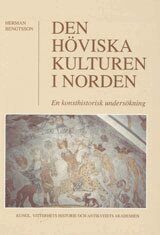
Den höviska kulturen i Norden : En konsthistorisk undersökning
Inbunden, 1999
246 kr
Lägg i varukorg
Fanns det en hövisk kultur i det medeltida Norden? Med utgångspunkt från skriftliga källor och bevarade konsthistoriska föremål görs här ett försök att kartlägga ett förhållandevis okänt och mindre ofta uppmärksammat område inom den nordiska konst- och kulturhistorien. Undersökningen omfattar tiden …
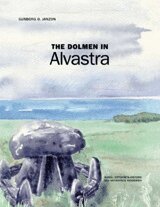
The Dolmen in Alvastra
Inbunden, 2009
211 kr
Lägg i varukorg
One April day in 1916, three large stone blocks were blown up in a field on the south slope of Mount Omberg. The blast exposed a large number of human bones. The event called to mind a folk tradition about the murder in the twelfth century of King Sverker the Elder, who was then residing in …
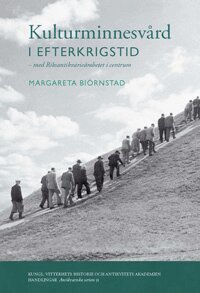
Kulturminnesvård i efterkrigstid : med Riksantikvarieämbetet i centrum
Inbunden, 2015
272 kr
Lägg i varukorg
Med freden 1945 ändrades förutsättningarna för kulturminnesvården radikalt. Under krigsåren hade samhällets insatser koncentrerats till verksamheter av betydelse för försvar och folkhushållning. Nu blev det möjligt att planera för en fredlig framtid, att utveckla näringsliv och infrastruktur och …
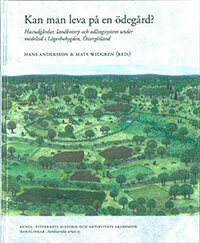
Kan man leva på en ödegård? : huvudgårdar, landbotorp och odlingssystem under medeltid i Lägerbobygden, Östergötland
Inbunden, 2016
284 kr
Lägg i varukorg
KAN MAN LEVA på en ödegård? Uppenbarligen har man inte kunnat det eftersom flera medeltida gårdar efter pesten och den medeltida agrarkrisen förblev öde. Svaret på frågan är avhängigt inte bara arealer, klimat och jordar utan i lika stor utsträckning sociala förhållanden och odlingssystem. Den kan …
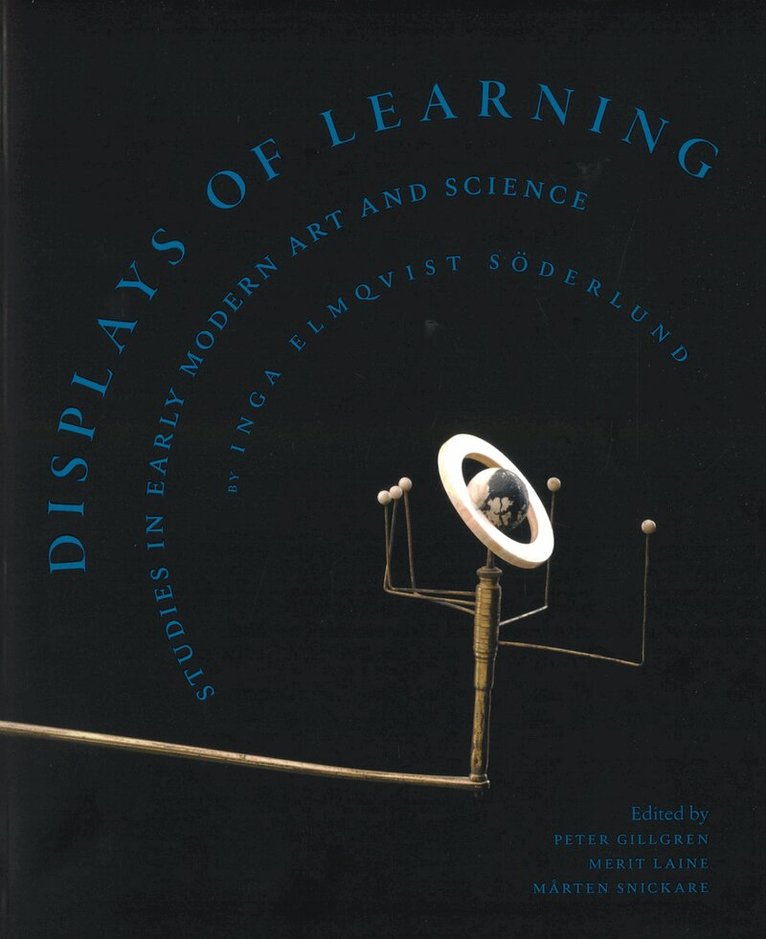
Displays of learning
Av Merit Laine, Peter Gillgren m. fl.
Häftad, 2024
382 kr
Lägg i varukorg
In the early modern period, the links between aesthetics and the natural sciences were close. Wunderkammern, libraries, and cabinets of experimental philosophy, physics, or mathematics were built and decorated with references to classical and contemporary learning alike, for practical as well as …
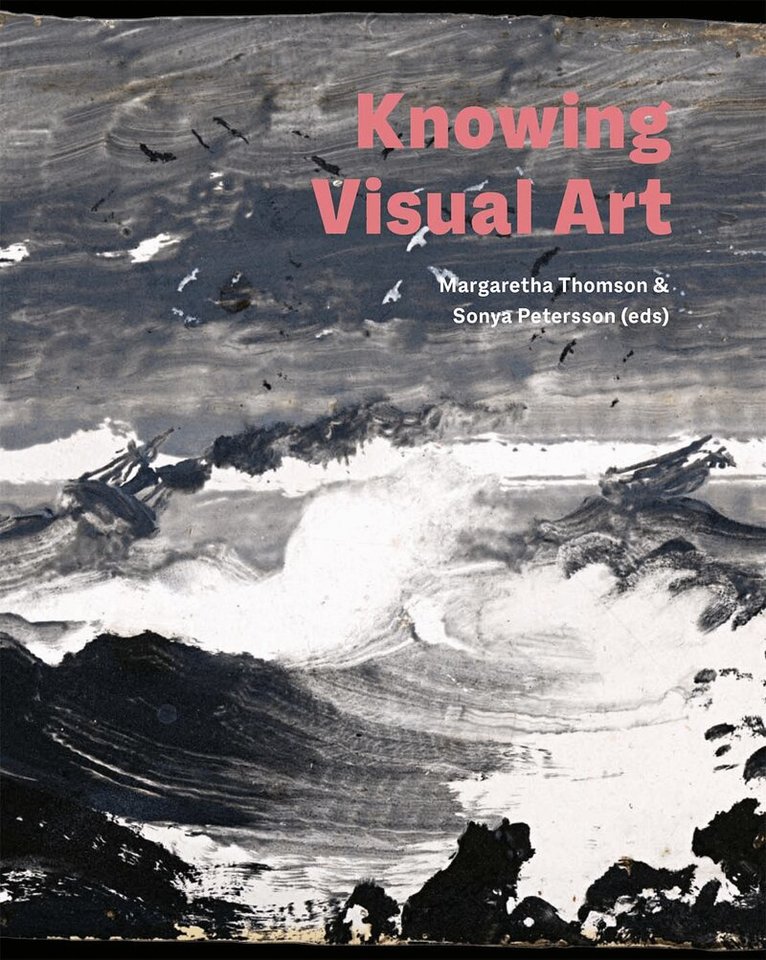
Knowing visual art
Av Peter Gillgren, Dan Karlholm m. fl.
Inbunden, 2025
409 kr
Lägg i varukorg
Att förstå visuell konst – vad innebär det? Det grundläggande syftet i antologin Knowing visual art är att utforska hur två sammanvävda men radikalt olika kunskaps- och erfarenhetsområden möts i analysen av den visuella konsten: å ena sidan vetenskapen med sina metoder och epistemologiska …