Arden Studies in Early Modern Drama - Böcker
Visar alla böcker i serien Arden Studies in Early Modern Drama. Handla med fri frakt och snabb leverans.
19 produkter
19 produkter
1 698 kr
Skickas inom 10-15 vardagar
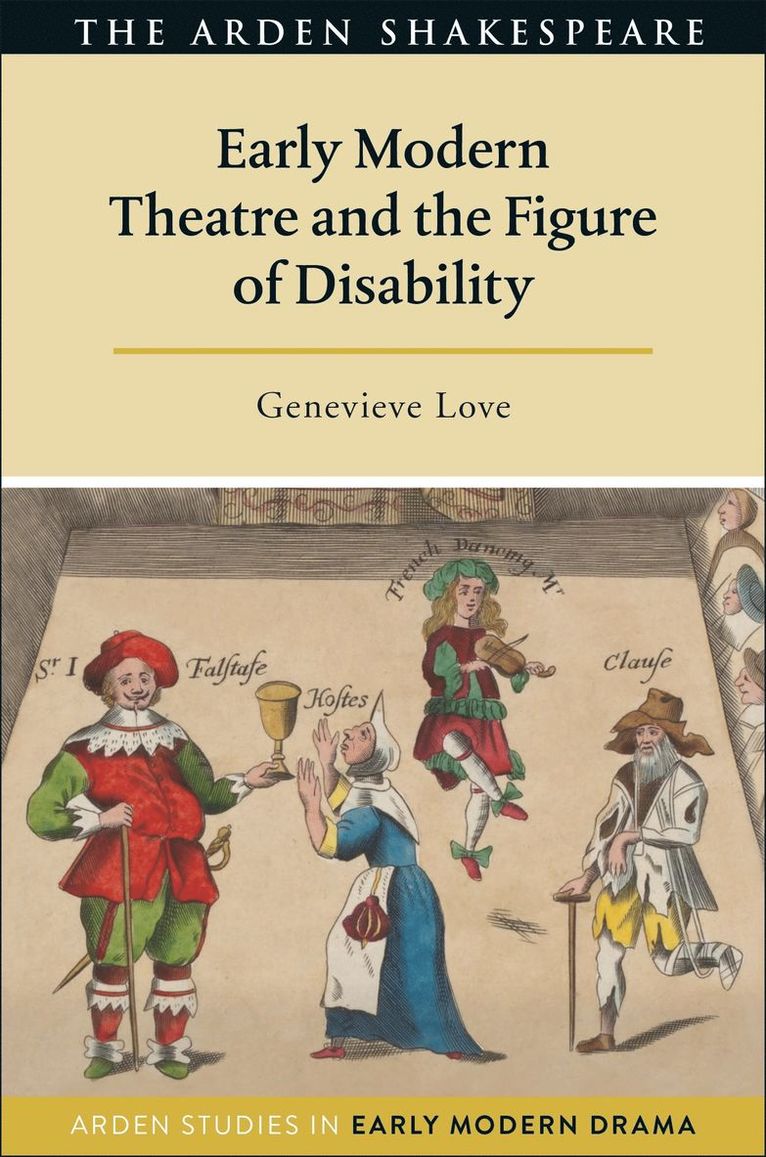
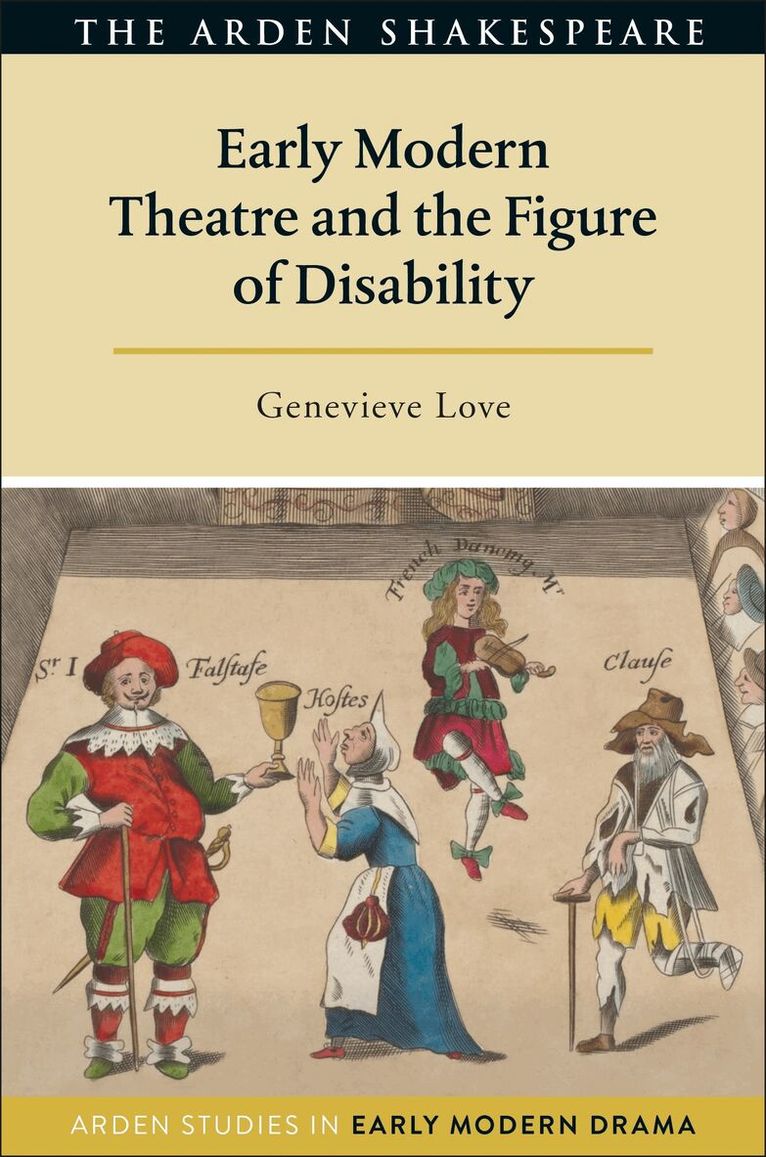
What work did physically disabled characters do for the early modern theatre? Through a consideration of a range of plays, including Doctor Faustus and Richard III, Genevieve Love argues that the figure of the physically disabled prosthetic body in early modern English theatre mediates a set of related ‘likeness problems’ that structure the theatrical, textual, and critical lives of the plays of Shakespeare and his contemporaries. The figure of disability stands for the relationship between actor and character: prosthetic disabled characters with names such as Cripple and Stump capture the simultaneous presence of thefictional and the material, embodied world of the theatre. When the figure of the disabled body exits the stage, it also mediates a second problem of likeness, between plays in their performed and textual forms. While supposedly imperfect textual versions of plays have been characterized as ‘lame’, the dynamic movement of prosthetic disabled characters in the theatre expands the figural role which disability performs in the relationship between plays on the stage and on the page. Early Modern Theatre and the Figure of Disability reveals how attention to physical disability enriches our understanding of early modern ideas about how theatre works, while illuminating in turn how theatre offers a reframing of disability as metaphor.
1 698 kr
Skickas inom 10-15 vardagar
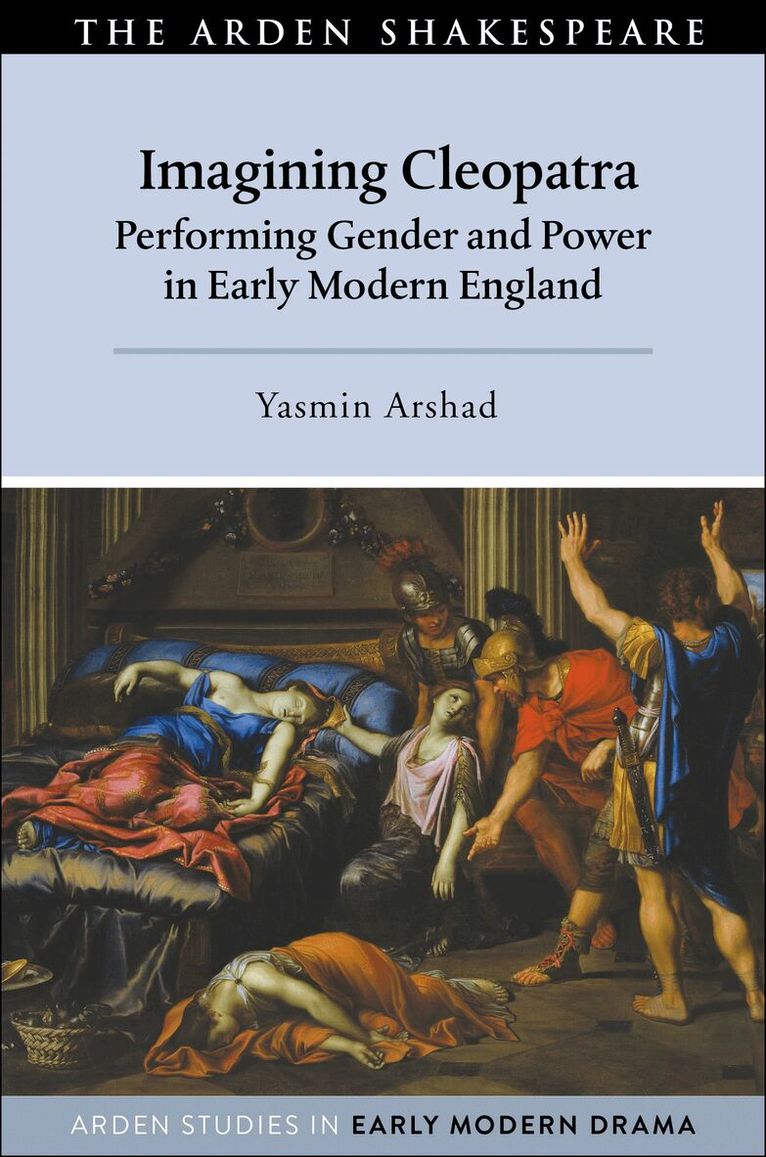
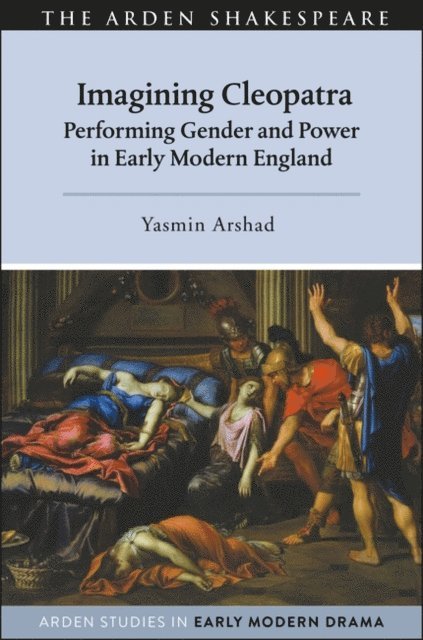
Shakespeare's characterization of Cleopatra may dominate the collective consciousness, but he was only one of several 16th-century writers fascinated by the enigmatic queen of Egypt. Early modern conceptions of Cleopatra offer a rich, complex, and variable set of models for understanding the period’s responses to race, female sovereignty, and classical antiquity. This interdisciplinary study investigates images of Cleopatra in the early modern period and examines how her story was mediated and used – from drawing lessons from history to being a symbol of female heroism. It draws on early historiographical works, political and philosophical treatises, coterie dramatic productions, and gender, race and performance studies, as well as evidence from material culture, to consider what was known and thought about Cleopatra in the period This book provides a new literary and cultural history of one of the world’s most contested and politically-charged iconic female figures. It combines a close reading of literary and dramatic works with historical and political contexts, paying particular attention to the three major early modern Cleopatra plays: Mary Sidney’s translation of Robert Garnier’s Marc Antoine, Samuel Daniel’s The Tragedie of Cleopatra, and Shakespeare’s Antony and Cleopatra. By examining these conflicting historical and fictional identities, Yasmin Arshad offers a diverse and ground-breaking study of Cleopatra’s ‘infinite variety’.
407 kr
Skickas inom 10-15 vardagar
What work did physically disabled characters do for the early modern theatre? Through a consideration of a range of plays, including Doctor Faustus and Richard III, Genevieve Love argues that the figure of the physically disabled prosthetic body in early modern English theatre mediates a set of related ‘likeness problems’ that structure the theatrical, textual, and critical lives of the plays of Shakespeare and his contemporaries. The figure of disability stands for the relationship between actor and character: prosthetic disabled characters with names such as Cripple and Stump capture the simultaneous presence of the fictional and the material, embodied world of the theatre. When the figure of the disabled body exits the stage, it also mediates a second problem of likeness, between plays in their performed and textual forms. While supposedly imperfect textual versions of plays have been characterized as ‘lame’, the dynamic movement of prosthetic disabled characters in the theatre expands the figural role which disability performs in the relationship between plays on the stage and on the page. Early Modern Theatre and the Figure of Disability reveals how attention to physical disability enriches our understanding of early modern ideas about how theatre works, while illuminating in turn how theatre offers a reframing of disability as metaphor.
1 391 kr
Skickas inom 10-15 vardagar
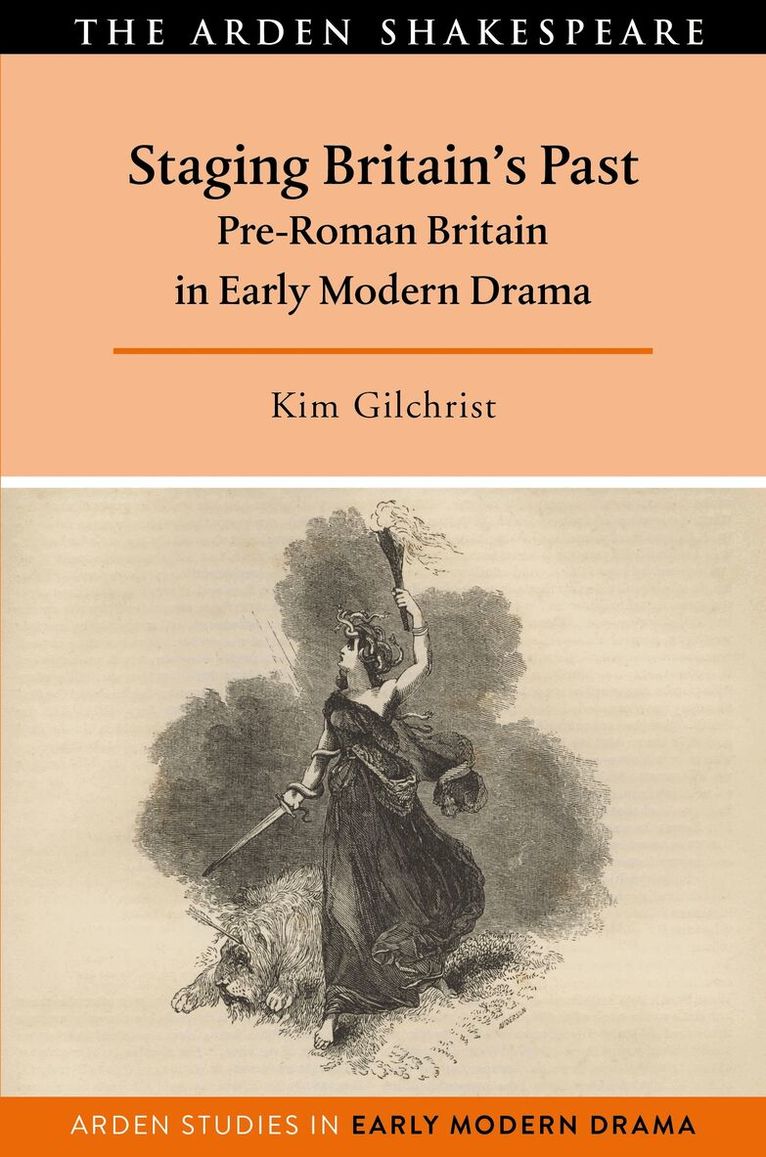
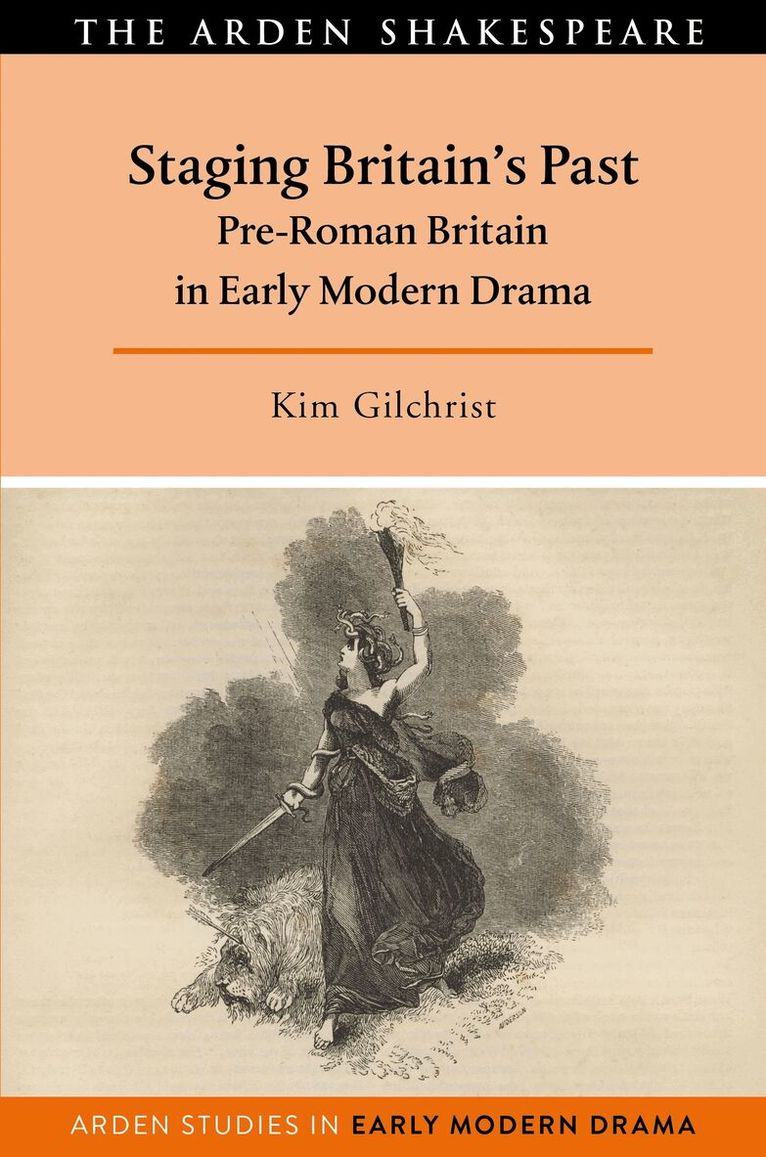
Staging Britain's Past is the first study of the early modern performance of Britain's pre-Roman history. The mythic history of the founding of Britain by the Trojan exile Brute and the subsequent reign of his descendants was performed through texts such as Norton and Sackville’s Gorboduc, Shakespeare’s King Lear and Cymbeline, as well as civic pageants, court masques and royal entries such as Elizabeth I’s 1578 entry to Norwich. Gilchrist argues for the power of performed history to shape early modern conceptions of the past, ancestry, and national destiny, and demonstrates how the erosion of the Brutan histories marks a transformation in English self-understanding and identity.When published in 1608, Shakespeare’s King Lear claimed to be a “True Chronicle History”. Lear was said to have ruled Britain centuries before the Romans, a descendant of the mighty Trojan Brute who had conquered Britain and slaughtered its barbaric giants. But this was fake history. Shakespeare’s contemporaries were discovering that Brute and his descendants, once widely believed as proof of glorious ancient origins, were a mischievous medieval invention. Offering a comprehensive account of the extraordinary theatrical tradition that emerged from these Brutan histories and the reasons for that tradition’s disappearance, this study gathers all known evidence of the plays, pageants and masques portraying Britain’s ancient rulers. Staging Britain's Past reveals how the loss of England’s Trojan origins is reflected in plays and performances from Gorboduc’s powerful invocation of history to Cymbeline’s elegiac erosion of all notions of historical truth.
499 kr
Skickas inom 10-15 vardagar
Staging Britain's Past is the first study of the early modern performance of Britain's pre-Roman history. The mythic history of the founding of Britain by the Trojan exile Brute and the subsequent reign of his descendants was performed through texts such as Norton and Sackville’s Gorboduc, Shakespeare’s King Lear and Cymbeline, as well as civic pageants, court masques and royal entries such as Elizabeth I’s 1578 entry to Norwich. Gilchrist argues for the power of performed history to shape early modern conceptions of the past, ancestry, and national destiny, and demonstrates how the erosion of the Brutan histories marks a transformation in English self-understanding and identity.When published in 1608, Shakespeare’s King Lear claimed to be a “True Chronicle History”. Lear was said to have ruled Britain centuries before the Romans, a descendant of the mighty Trojan Brute who had conquered Britain and slaughtered its barbaric giants. But this was fake history. Shakespeare’s contemporaries were discovering that Brute and his descendants, once widely believed as proof of glorious ancient origins, were a mischievous medieval invention. Offering a comprehensive account of the extraordinary theatrical tradition that emerged from these Brutan histories and the reasons for that tradition’s disappearance, this study gathers all known evidence of the plays, pageants and masques portraying Britain’s ancient rulers. Staging Britain's Past reveals how the loss of England’s Trojan origins is reflected in plays and performances from Gorboduc’s powerful invocation of history to Cymbeline’s elegiac erosion of all notions of historical truth.
1 391 kr
Skickas inom 10-15 vardagar
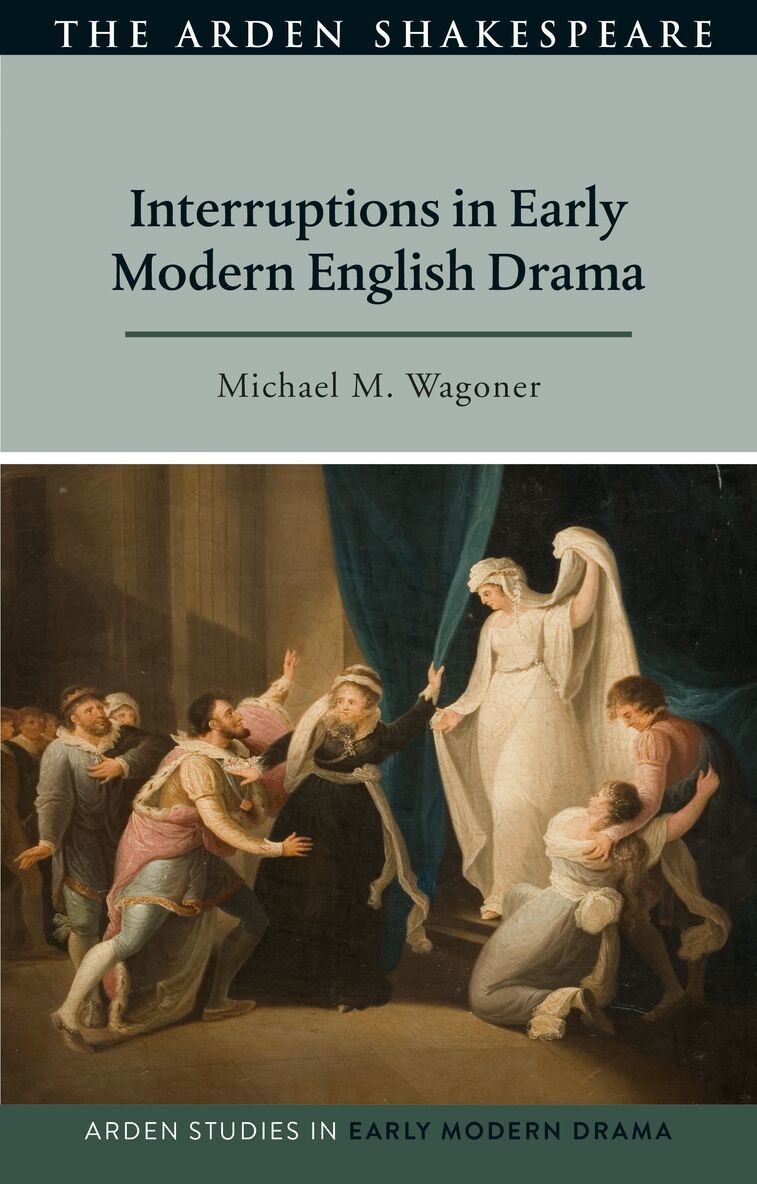
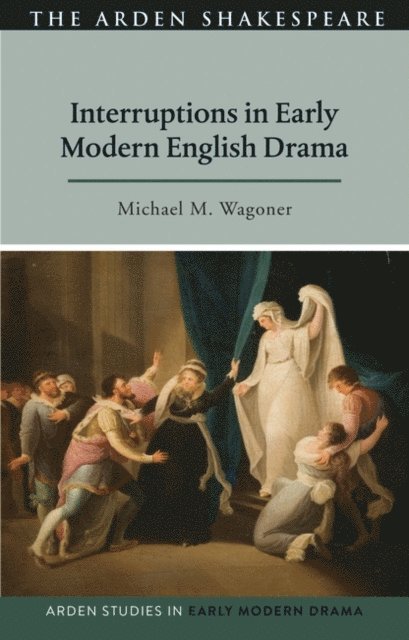
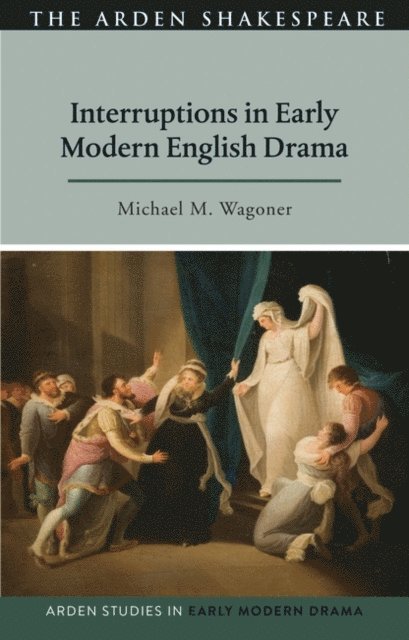
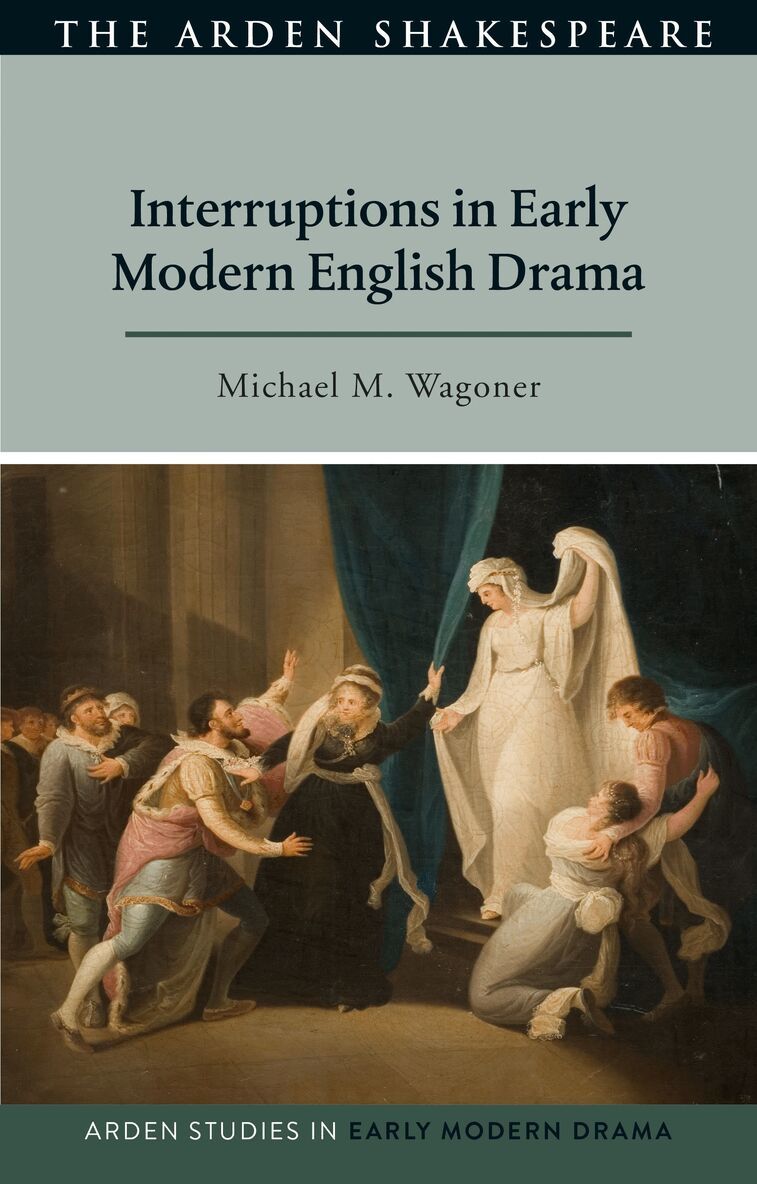
To interrupt, both on stage and off, is to wrest power. From the Ghost’s appearance in Hamlet to Celia’s frightful speech in Volpone, interruptions are an overlooked linguistic and dramatic form that delineates the balance of power within a scene. This book analyses interruptions as a specific form in dramatic literature, arguing that these everyday occurrences, when transformed into aesthetic phenomena, reveal illuminating connections: between characters, between actor and audience, and between text and reader.Focusing on the works of William Shakespeare, Ben Jonson and John Fletcher, Michael M. Wagoner examines interruptions that occur through the use of punctuation and stage directions, as well as through larger forms, such as conventions and dramaturgy. He demonstrates how studying interruptions may indicate aspects of authorial style – emphasizing a playwright’s use and control of a text – and how exploring relative power dynamics pushes readers and audiences to reconsider key plays and characters, providing new considerations of the relationships between Othello and Iago, or Macbeth and the Ghost of Banquo.
469 kr
Skickas inom 10-15 vardagar
To interrupt, both on stage and off, is to wrest power. From the Ghost’s appearance in Hamlet to Celia’s frightful speech in Volpone, interruptions are an overlooked linguistic and dramatic form that delineates the balance of power within a scene. This book analyses interruptions as a specific form in dramatic literature, arguing that these everyday occurrences, when transformed into aesthetic phenomena, reveal illuminating connections: between characters, between actor and audience, and between text and reader.Focusing on the works of William Shakespeare, Ben Jonson and John Fletcher, Michael M. Wagoner examines interruptions that occur through the use of punctuation and stage directions, as well as through larger forms, such as conventions and dramaturgy. He demonstrates how studying interruptions may indicate aspects of authorial style – emphasizing a playwright’s use and control of a text – and how exploring relative power dynamics pushes readers and audiences to reconsider key plays and characters, providing new considerations of the relationships between Othello and Iago, or Macbeth and the Ghost of Banquo.
1 237 kr
Skickas inom 10-15 vardagar
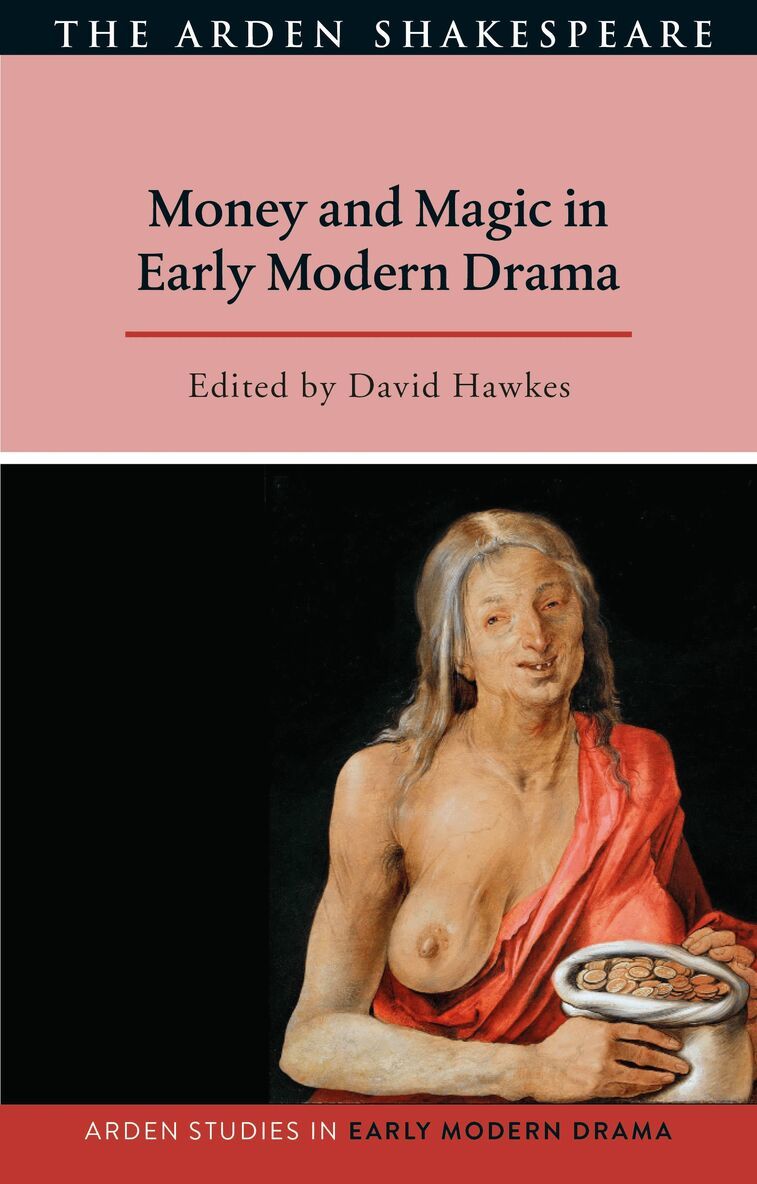
Money, magic and the theatre were powerful forces in early modern England. Money was acquiring an independent, efficacious agency, as the growth of usury allowed financial signs to reproduce without human intervention. Magic was coming to seem Satanic, as the manipulation of magical signs to performative purposes was criminalized in the great ‘witch craze.’ And the commercial, public theatre was emerging – to great controversy – as the perfect medium to display, analyse and evaluate the newly autonomous power of representation in its financial, magical and aesthetic forms.Money and Magic in Early Modern Drama is especially timely in the current era of financial deregulation and derivatives, which are just as mysterious and occult in their operations as the germinal finance of 16th-century London. Chapters examine the convergence of money and magic in a wide range of early modern drama, from the anonymous Mankind through Christopher Marlowe to Ben Jonson, concentrating on such plays as The Alchemist, The New Inn and The Staple of News. Several focus on Shakespeare, whose analysis of the relations between finance, witchcraft and theatricality is particularly acute in Timon of Athens, The Comedy of Errors, Antony and Cleopatra and The Winter’s Tale.
469 kr
Skickas inom 10-15 vardagar
Money, magic and the theatre were powerful forces in early modern England. Money was acquiring an independent, efficacious agency, as the growth of usury allowed financial signs to reproduce without human intervention. Magic was coming to seem Satanic, as the manipulation of magical signs to performative purposes was criminalized in the great ‘witch craze.’ And the commercial, public theatre was emerging – to great controversy – as the perfect medium to display, analyse and evaluate the newly autonomous power of representation in its financial, magical and aesthetic forms.Money and Magic in Early Modern Drama is especially timely in the current era of financial deregulation and derivatives, which are just as mysterious and occult in their operations as the germinal finance of 16th-century London. Chapters examine the convergence of money and magic in a wide range of early modern drama, from the anonymous Mankind through Christopher Marlowe to Ben Jonson, concentrating on such plays as The Alchemist, The New Inn and The Staple of News. Several focus on Shakespeare, whose analysis of the relations between finance, witchcraft and theatricality is particularly acute in Timon of Athens, The Comedy of Errors, Antony and Cleopatra and The Winter’s Tale.
392 kr
Skickas inom 10-15 vardagar
Shakespeare's characterization of Cleopatra may dominate the collective consciousness, but he was only one of several 16th-century writers fascinated by the enigmatic queen of Egypt. Early modern conceptions of Cleopatra offer a rich, complex, and variable set of models for understanding the period’s responses to race, female sovereignty, and classical antiquity. This interdisciplinary study investigates images of Cleopatra in the early modern period and examines how her story was mediated and used – from drawing lessons from history to being a symbol of female heroism. It draws on early historiographical works, political and philosophical treatises, coterie dramatic productions, and gender, race and performance studies, as well as evidence from material culture, to consider what was known and thought about Cleopatra in the period This book provides a new literary and cultural history of one of the world’s most contested and politically-charged iconic female figures. It combines a close reading of literary and dramatic works with historical and political contexts, paying particular attention to the three major early modern Cleopatra plays: Mary Sidney’s translation of Robert Garnier’s Marc Antoine, Samuel Daniel’s The Tragedie of Cleopatra, and Shakespeare’s Antony and Cleopatra. By examining these conflicting historical and fictional identities, Yasmin Arshad offers a diverse and ground-breaking study of Cleopatra’s ‘infinite variety’.
1 237 kr
Skickas inom 10-15 vardagar
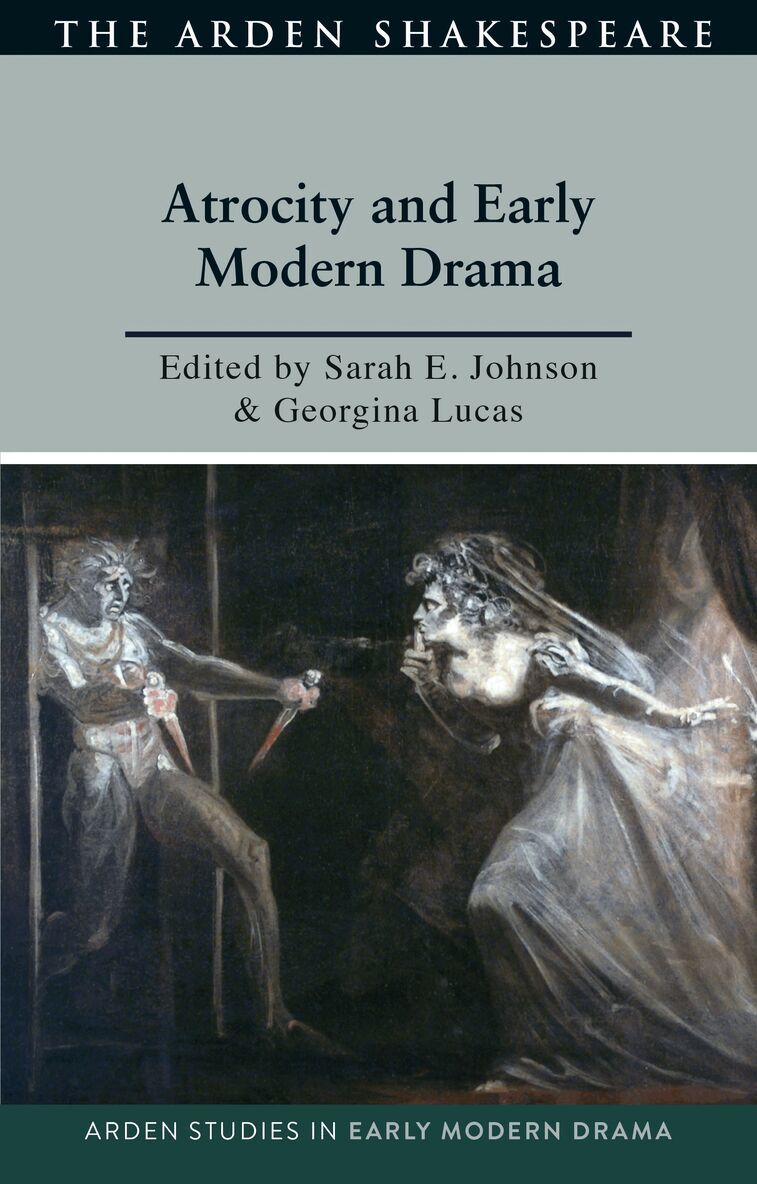
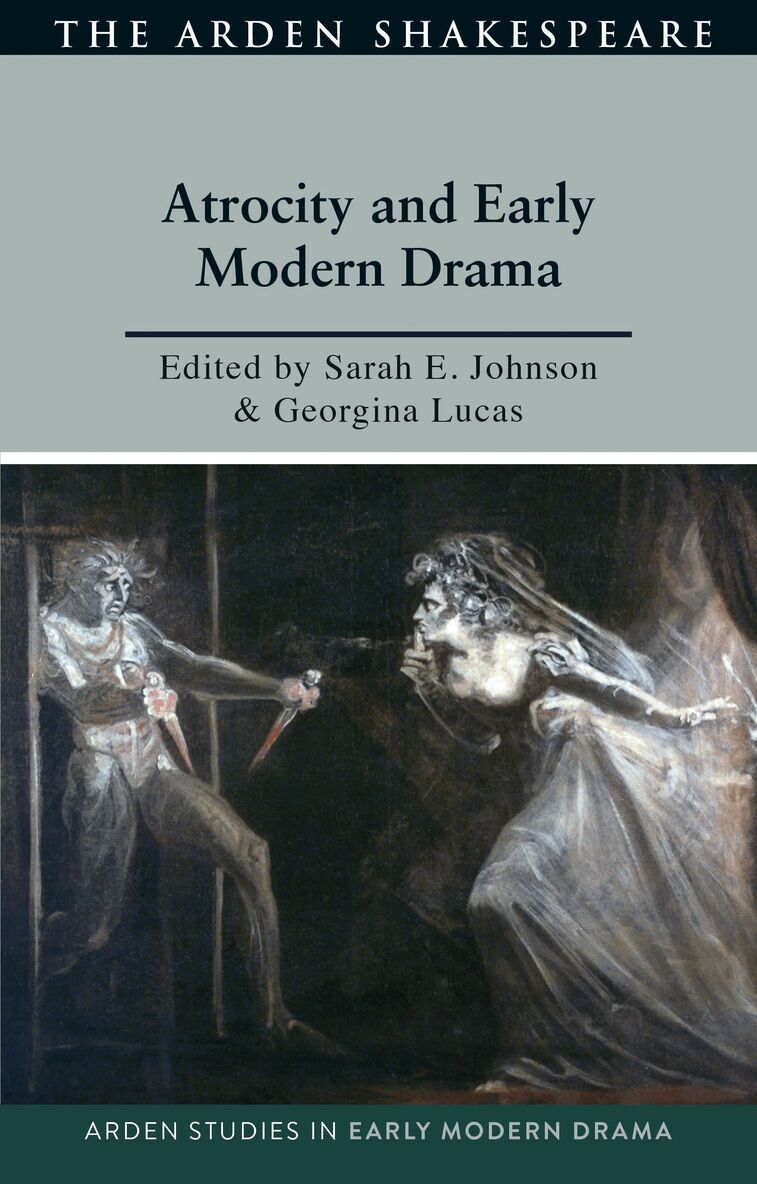
Extreme violence scarred the early modern period. Contemporary commentators grappled to find language to categorize the massacres, genocides, assassinations, enslavements, sacks, rapes, riots and regicides that characterized the period. Some used ‘outrages’, others ‘cruelties’, but, significantly, the term ‘atrocity’ that we use today gained the most currency.Atrocity and Early Modern Drama intervenes in the broad field of violence and early modern drama by placing acts of atrocity at its centre. In doing so, this essay collection offers the first book-length examination of atrocities and early modern English drama. The volume considers atrocity in early theatre, its varied representations in contemporary Shakespeare performance, and strategies for teaching early modern atrocity drama. Contributors introduce us to atrocity in the works of Shakespeare, John Fletcher, William Rowley, Thomas Dekker and Thomas Middleton across a range of forms including comedy, tragedy, revenge, cinematic adaptation, documentary film and contemporary theatre. The collection addresses the intersections of atrocities through class, crime, gender, race and the natural world. Together, the chapters interrogate how early modern English drama reflects upon and shapes understandings of the historically contingent, politically loaded and culturally contentious phenomena of atrocity.
538 kr
Kommande
Extreme violence scarred the early modern period. Contemporary commentators grappled to find language to categorize the massacres, genocides, assassinations, enslavements, sacks, rapes, riots and regicides that characterized the period. Some used ‘outrages’, others ‘cruelties’, but, significantly, the term ‘atrocity’ that we use today gained the most currency.Atrocity and Early Modern Drama intervenes in the broad field of violence and early modern drama by placing acts of atrocity at its centre. In doing so, this essay collection offers the first book-length examination of atrocities and early modern English drama. The volume considers atrocity in early theatre, its varied representations in contemporary Shakespeare performance, and strategies for teaching early modern atrocity drama. Contributors introduce us to atrocity in the works of Shakespeare, John Fletcher, William Rowley, Thomas Dekker and Thomas Middleton across a range of forms including comedy, tragedy, revenge, cinematic adaptation, documentary film and contemporary theatre. The collection addresses the intersections of atrocities through class, crime, gender, race and the natural world. Together, the chapters interrogate how early modern English drama reflects upon and shapes understandings of the historically contingent, politically loaded and culturally contentious phenomena of atrocity.
1 391 kr
Skickas inom 10-15 vardagar
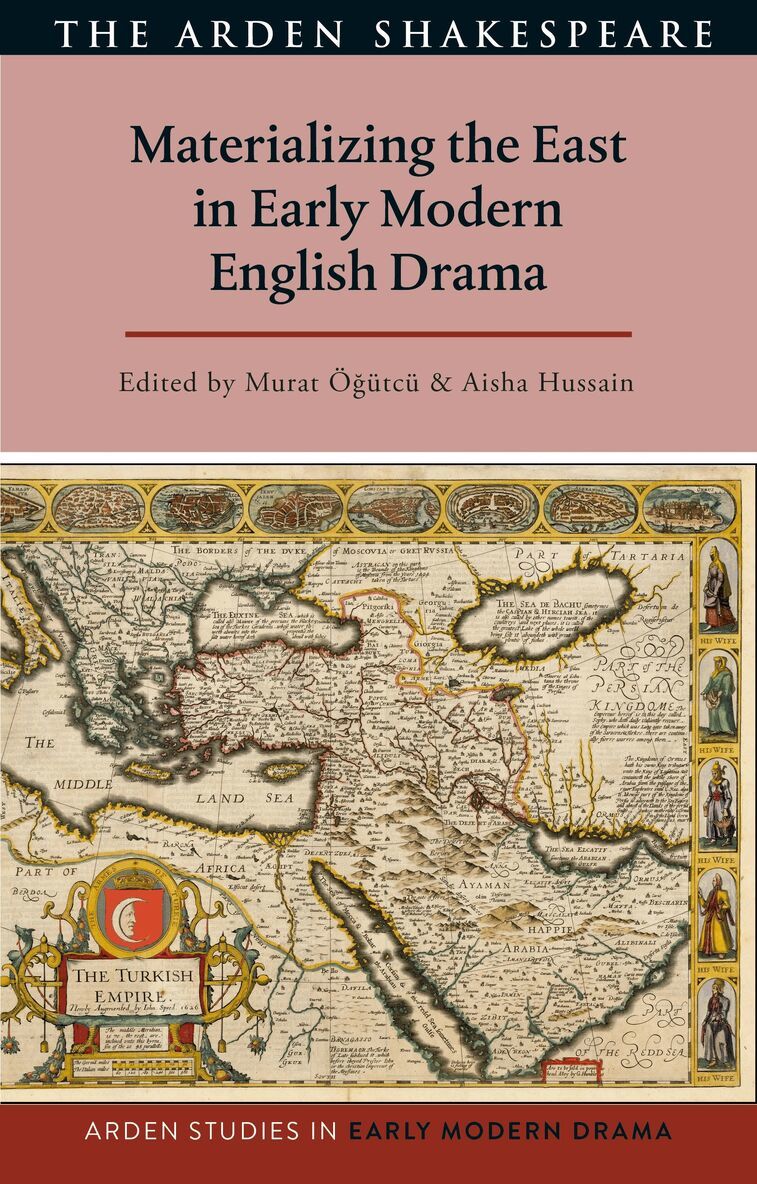
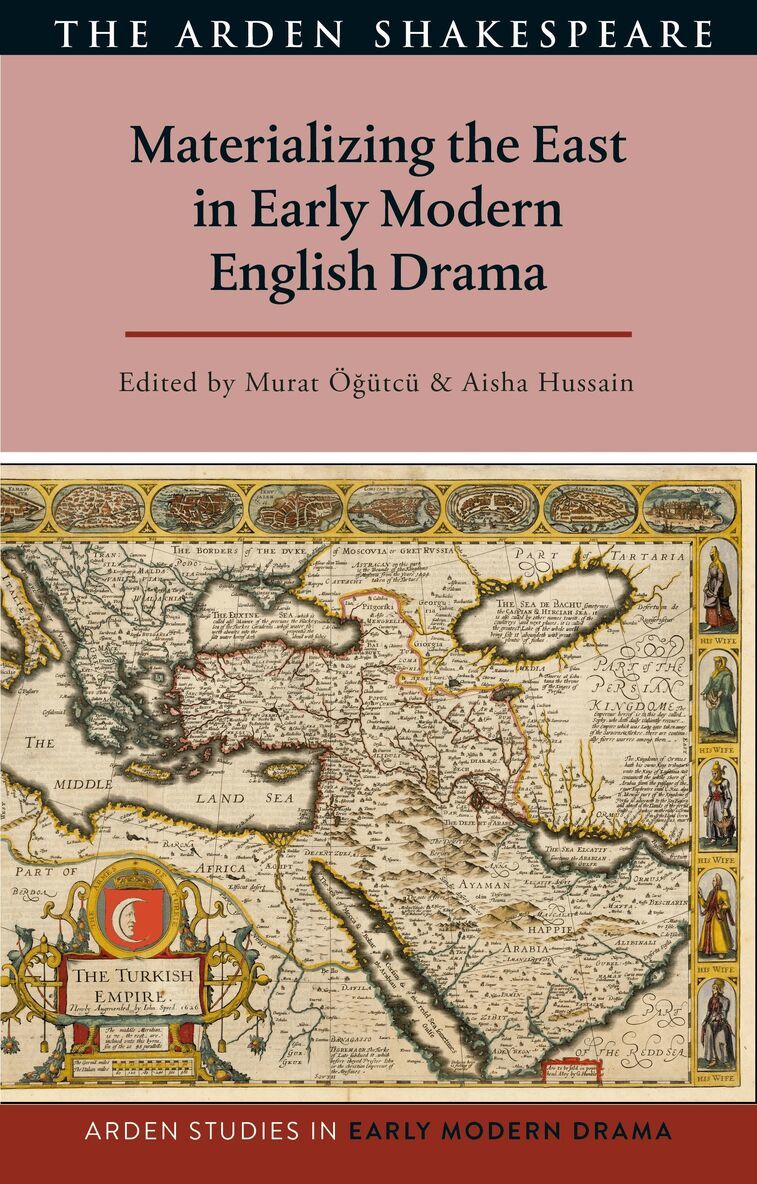
Despite the popularity of plays about the East, the representation of the East in early modern drama has been either overlooked, marginalized as footnotes or generalized into stereotypes. Materializing the East in Early Modern English Drama focuses on the multi-layered, often conflicting and changing perceptions of the East and how dramatic works made use of their respective theatrical space to represent the concept of the East in drama.This volume re-examines the (mis)representation of the East on the early modern English outdoor and indoor stage and broadens our understanding of early modern theatrical productions beyond Shakespeare and the European continent. It traces the origin of conventional depictions of the East to university dramas and explores how they influenced the commercial stage. Chapters uncover how conflicting representations of the East were communicated on stage through the material aspects of stage architecture, costumes and performance effects.The collection emphasizes these material aspects of dramatic performances and showcases neglected plays, including George Salterne’s Tomumbeius, Robert Greene's The Historie of Orlando Furioso and Joseph Simons' Leo the Armenian, and puts them in conversation with William Shakespeare's The Tempest and John Fletcher's The Island Princess.
469 kr
Skickas inom 10-15 vardagar
Despite the popularity of plays about the East, the representation of the East in early modern drama has been either overlooked, marginalized as footnotes or generalized into stereotypes. Materializing the East in Early Modern English Drama focuses on the multi-layered, often conflicting and changing perceptions of the East and how dramatic works made use of their respective theatrical space to represent the concept of the East in drama.This volume re-examines the (mis)representation of the East on the early modern English outdoor and indoor stage and broadens our understanding of early modern theatrical productions beyond Shakespeare and the European continent. It traces the origin of conventional depictions of the East to university dramas and explores how they influenced the commercial stage. Chapters uncover how conflicting representations of the East were communicated on stage through the material aspects of stage architecture, costumes and performance effects.The collection emphasizes these material aspects of dramatic performances and showcases neglected plays, including George Salterne’s Tomumbeius, Robert Greene's The Historie of Orlando Furioso and Joseph Simons' Leo the Armenian, and puts them in conversation with William Shakespeare's The Tempest and John Fletcher's The Island Princess.
1 237 kr
Skickas inom 10-15 vardagar
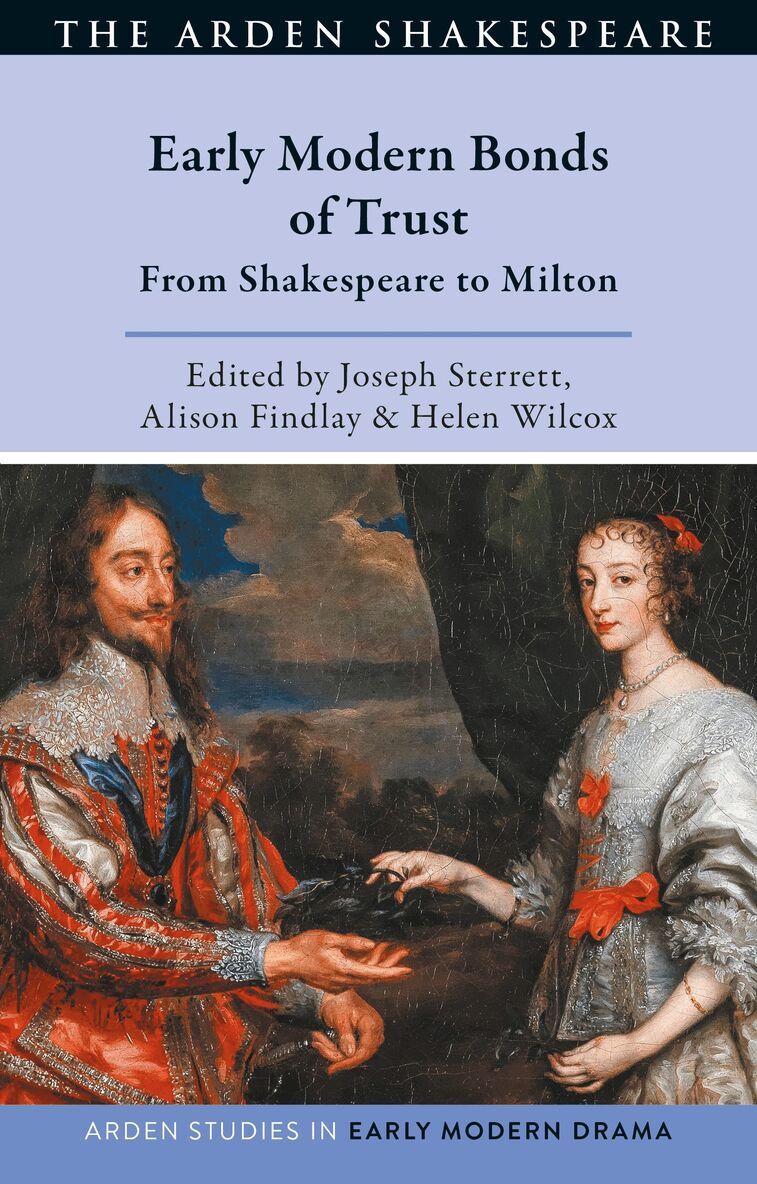
The concepts of trust and risk provide important insights into the social and cultural life of early modern England but remain relatively unexplored in early modern literary studies. This collection addresses that gap by exploring a wide range of literary genres and texts including comic drama, lyric verse, emblem books, ledgers, wills, polemical prose and religious epic. Contributors explore issues of personal trust through the faith and lies that characterize Shakespeare’s sonnets, Donne’s sermons and Milton’s Paradise Lost. Following the idea of trust and risk into community brings us to a discussion of The Merry Wives of Windsor, the spiritual trust of faith communities and the network of relationships that are traceable though surviving records of women’s wills. Following this progression outwards from the personal to the communal, the final essays in the collection consider the role of institutional trust, specifically the early modern obsession with credit in its various guises. The Merchant of Venice, Volpone and The Winter’s Tale act as illustrative examples of credit’s significance for understanding trust and risk in the early modern period. Taken together the range of texts and genres considered reveal new insights into early modern English literature and its socio-economic context.
557 kr
Kommande
The concepts of trust and risk provide important insights into the social and cultural life of early modern England but remain relatively unexplored in early modern literary studies. This collection addresses that gap by exploring a wide range of literary genres and texts including comic drama, lyric verse, emblem books, ledgers, wills, polemical prose and religious epic. Contributors explore issues of personal trust through the faith and lies that characterize Shakespeare’s sonnets, Donne’s sermons and Milton’s Paradise Lost. Following the idea of trust and risk into community brings us to a discussion of The Merry Wives of Windsor, the spiritual trust of faith communities and the network of relationships that are traceable though surviving records of women’s wills. Following this progression outwards from the personal to the communal, the final essays in the collection consider the role of institutional trust, specifically the early modern obsession with credit in its various guises. The Merchant of Venice, Volpone and The Winter’s Tale act as illustrative examples of credit’s significance for understanding trust and risk in the early modern period. Taken together the range of texts and genres considered reveal new insights into early modern English literature and its socio-economic context.
1 522 kr
Kommande
Citizenship in Shakespeare’s England was not attached to nationality but rather to one’s city and employment. In this study of urban citizenship, William Casey Caldwell explores the range of economic relationships which existed through a range of dramatic texts.Revealing how citizenship was defined along urban lines and controlled by early forms of corporations, Caldwell argues that playwrights at the time used this context to imagine new opportunities for non-citizens. By returning us to its commercial and urban bases, Urban Citizenship in Early Modern Drama exposes how playwrights such as Shakespeare, Francis Beaumont, and William Haughton used extant and emergent financial instruments and relationships to rethink the economic foundations of citizenship in London. From Shylock’s bid to make a debt bond to procreate with a citizen in The Merchant of Venice to the monetized form of toleration directed towards a Portuguese denizen’s daughters in Englishmen for My Money, this book explores how plays provided their audience - many of whom would not have been citizens either - with critical and performative forms of citizenship defined by the intersection of job and city.
Mirrors in Shakespeare and Early Modern English Drama
Power, Gender and the Magic of the Theatre
Inbunden, Engelska, 2026
1 108 kr
Skickas inom 10-15 vardagar
Mirrors in the early modern playhouse function as figures of theatricality, reflecting gender dynamics and challenging sovereign power, in this open-access study of their use as stage props and rhetorical devices in plays by Shakespeare and his contemporaries.Combining approaches from literary studies and performance studies with extensive research into material history, Valentina Finger highlights the rich complexity of mirrors and acts of mirroring on the early modern stage. The case studies in this book traverse myths of monarchs and imperial mirrors in Richard II and Macbeth, explore acts of exemplary self-government and court politics in Edward I and Bussy D'Ambois, constitute cosmetic mirrors as canvases for feminine self-authorship in The Duchess of Malfi and The Devil's Charter and illuminate the interplay of scientific knowledge, magic and trick glasses in The Alchemist and A Game at Chess. Within this range of Shakespearean drama and lesser-studied plays by Shakespeare's contemporaries, each chapter examines political and literary history, material and visual culture, as well as gender and power dynamics. Focusing on the roles of mirrors as props and tropes in the early modern playhouse, this book contributes to our understanding of broader cultural, social and religious norms as they were debated in England around 1600.The ebook editions of this book are available open access under a CC BY-NC-ND 4.0 licence on bloomsburycollections.com Open access was funded by the SFB 1369 Vigilanzkulturen (CRC 1369 Cultures of Vigilance) at Ludwig-Maximilians-Universität Munich with resources provided by the Deutsche Forschungsgemeinschaft (DFG, German Research Foundation).
Matters of Witchcraft in Early Modern English Drama
Materiality, Embodiment and Evidence
Inbunden, Engelska, 2026
1 522 kr
Kommande
Matters of Witchcraft in Early Modern English Drama explores material culture and its role in shaping ideas about the occult. In focusing on matter and material practice, this edited collection provides a sustained investigation into early moderns’ embodied knowledge and sensory experiences as reflected in early modern theatre.Animal bodies and plant matter, the material force of language, stage properties associated with the performance of witchcraft, source texts, the unseen matter of the occult, material evidence in witchcraft accusations, witches’ involvement with domestic products and processes – matter in its many forms reveals itself as crucial to the performance of witchcraft, on and off stage. The essays in this volume use a range of methodological approaches including animal studies and posthumanism, disability studies, queer and feminist studies, premodern critical race studies, book history, and performance studies. Contributors cover fresh approaches to well-known witchcraft plays like Macbeth and The Witch of Edmonton and provide new critical interventions of less-studied plays like Knevet’s Rhodon and Iris, Heywood’s Wise Woman of Hoxton, and Jones’s Adrasta. The collection expands the fields of early modern witchcraft studies and early modern cultural studies in exciting new directions.