Bioethics – serie
Visar alla böcker i serien Bioethics. Handla med fri frakt och snabb leverans.
22 produkter
22 produkter
Inbunden, Engelska, 2004
592 kr
Skickas
What is so special about human life? What is the relationship between flesh and blood and the human soul? Is there a kind of life that is worse than death? Can a person die and yet the human organism remain in some real sense alive? Can souls become sick? What justifies cutting into a living human body? These and other questions, writes neurosurgeon and philosopher Grant Gillett, pervade hospital wards, clinical offices, and operating rooms. In Bioethics in the Clinic: Hippocratic Reflections, Gillett brings the tools of philosophy to bear on some of the most pressing issues confronting bioethicists today. Gillett draws on many schools of thought, including analytic, moral, and postmodern philosophy; utilitarianism; classical ethical theory; phenomenology; and metaphysics. He engages the reasoning of such philosophers as Aristotle, Nietzsche, Wittgenstein, Foucault, Habermas, Levinas, and Martha Nussbaum, and offers both practical and clinical insights into such topics as the principle of "Do no harm," informed consent, confidentiality, cloning, and euthanasia.Opening with an explanation of the axioms to be traced throughout succeeding discussions, with special emphasis on Hippocratic principles, Gillett focuses on general and specific problems of clinical practice, particularly as they affect the physician-patient relationship. The author then goes on to address ethical problems related to both the end of life, including euthanasia, and the beginning of life, such as embryo and stem cell research. Rigorous and elegant, this book will be of interest to those in medical fields, to students and scholars of philosophy, and to lay readers interested in the profound ethical dramas played out in hospitals and doctors' offices every day.
Inbunden, Engelska, 2004
496 kr
Skickas
As the population ages and the health care system focuses on cost-containment, family caregivers have become the frontline providers of most long-term and chronic care. Patient care at home falls mainly on untrained and unprepared family members, who struggle to adjust to the new roles, responsibilities, and expenses. Because the culture of family caregivers-their values, priorities, and relationships to the patient-often differs markedly from that of professionals, the result can be conflict and misunderstanding. In The Cultures of Caregiving, Carol Levine and Thomas Murray bring together accomplished physicians, nurses, social workers, and policy experts to examine the differences and conflicts (and sometimes common ground) between family caregivers and health care professionals-and to suggest ways to improve the situation. Topics addressed include family caregivers and the health care system; cultural diversity and family caregiving; the changing relationship between nurses, home care aides, and families; long-term health care policy; images of family caregivers in film; and the ethical dimensions of professional and family responsibilities.The Cultures of Caregiving provides needed answers in the contemporary crisis of family caregiving for a readership of professionals and students in medical ethics, health policy, and such fields as primary care, geriatrics, oncology, nursing, and social work. Contributors: Donna Jean Appell, R.N., Project DOCC: Delivery of Chronic Care; Jeffrey Blustein, Ph.D., Albert Einstein College of Medicine and Barnard College; Judith Feder, Ph.D., Georgetown University; Gladys Gonzalaz-Ramos, M.S.W., Ph.D., New York University School of Social Work and NYU Medical School; David A. Gould, Ph.D., United Hospital Fund in New York City; Eileen Hanley, R.N., M.B.A., St. Vincent's Hospital Manhattan / Saint Vincent Catholic Medical Centers, New York City; Maggie Hoffman, Project DOCC: Delivery of Chronic Care; Alexis Kuerbis, C.S.W., Mount Sinai Medical Center; Carol Levine, M.A., United Hospital Fund, in New York City; Jerome K. Lowenstein, M.D., New York University Medical Center; Mathy Mezey, R.N., Ed.D., New York University; Thomas H. Murray, Ph.D., The Hastings Center, Garrison, New York; Judah L. Ronch, Ph.D., LifeSpan DevelopMental Systems; Sheila M. Rothman, Ph.D.,Columbia University Mailman School of Public Health; Rick Surpin, Independence Care System.
Häftad, Engelska, 2004
427 kr
Skickas inom 5-8 vardagar
The Double-Edged Helix explores the impact of recent genetic discoveries on both different population segments and society as a whole. The authors address the medical and ethical implications of the new technologies, outlining potential positive and negative effects of genetic research on minorities, individuals with disabilities, and those of diverse sexual orientations. Presenting a wide array of perspectives, this book emphasizes the need to ensure that research into genetics research does not result in discrimination against people on the basis of their DNA.
Inbunden, Engelska, 2007
629 kr
Skickas inom 5-8 vardagar
From the cloning of Dolly the sheep a decade ago to more recent advances in embryonic stem cell research, new genetic technologies have often spurred polemical, ill-informed debates. Perhaps nowhere is this more evident than in the field of reproductive genetics, where difficult bioethical issues are distilled into sound bites and far-fetched claims for easy public consumption. The underlying complexities of reprogenetic research and practice are often drowned out by the noise. In this thoughtful and informed collection, Lori P. Knowles and Gregory E. Kaebnick bring together bioethicists from the United States, Canada, and the United Kingdom to examine the ethical and policy quandaries created by new genetic technologies. Featuring an overview of the field's history (including lessons to be learned from eugenics), comparisons of international and domestic governmental regulations, and discussions of how the market and public opinion affect research, this book considers both the risks and the benefits of combining genetic and reproductive technologies.Concluding with a cautionary call for increased regulation, Reprogenetics introduces fact, history, and reason into a public discussion of complex and vexing issues.
Häftad, Engelska, 2007
350 kr
Skickas inom 5-8 vardagar
As the population ages and the health care system focuses on cost-containment, family caregivers have become the frontline providers of most long-term and chronic care. Patient care at home falls mainly on untrained and unprepared family members, who struggle to adjust to the new roles, responsibilities, and expenses. Because the culture of family caregivers-their values, priorities, and relationships to the patient-often differs markedly from that of professionals, the result can be conflict and misunderstanding. In The Cultures of Caregiving, Carol Levine and Thomas Murray bring together accomplished physicians, nurses, social workers, and policy experts to examine the differences and conflicts (and sometimes common ground) between family caregivers and health care professionals-and to suggest ways to improve the situation. Topics addressed include family caregivers and the health care system; cultural diversity and family caregiving; the changing relationship between nurses, home care aides, and families; long-term health care policy; images of family caregivers in film; and the ethical dimensions of professional and family responsibilities.The Cultures of Caregiving provides needed answers in the contemporary crisis of family caregiving for a readership of professionals and students in medical ethics, health policy, and such fields as primary care, geriatrics, oncology, nursing, and social work. Contributors: Donna Jean Appell, R.N., Project DOCC: Delivery of Chronic Care; Jeffrey Blustein, Ph.D., Albert Einstein College of Medicine and Barnard College; Judith Feder, Ph.D., Georgetown University; Gladys Gonzalaz-Ramos, M.S.W., Ph.D., New York University School of Social Work and NYU Medical School; David A. Gould, Ph.D., United Hospital Fund in New York City; Eileen Hanley, R.N., M.B.A., St. Vincent's Hospital Manhattan / Saint Vincent Catholic Medical Centers, New York City; Maggie Hoffman, Project DOCC: Delivery of Chronic Care; Alexis Kuerbis, C.S.W., Mount Sinai Medical Center; Carol Levine, M.A., United Hospital Fund, in New York City; Jerome K. Lowenstein, M.D., New York University Medical Center; Mathy Mezey, R.N., Ed.D., New York University; Thomas H. Murray, Ph.D., The Hastings Center, Garrison, New York; Judah L. Ronch, Ph.D., LifeSpan DevelopMental Systems; Sheila M. Rothman, Ph.D.,Columbia University Mailman School of Public Health; Rick Surpin, Independence Care System.
Inbunden, Engelska, 2009
642 kr
Skickas
Bioethics at the Movies explores the ways in which popular films engage basic bioethical concepts and concerns. Twenty-one philosophically grounded essays use cinematic tools such as character and plot development, scene setting, and narrative framing to demonstrate a range of principles and topics in contemporary medical ethics. The first two sections plumb popular and bioethical thought on birth, abortion, genetic selection, and personhood through several films, including The Cider House Rules, Citizen Ruth, Gattaca, and I, Robot. In the third section, the contributors examine medical practice and troubling questions about the quality and commodification of life by way of Dirty Pretty Things, Eternal Sunshine of the Spotless Mind, and other movies. The fourth section's essays use Million Dollar Baby, Critical Care, Big Fish, and Soylent Green to show how the medical profession and society at large view issues related to aging, dying, and death.A final section makes use of Extreme Measures and select films from Spain and Japan to discuss two foundational matters in bioethics: the role of theories and principles in medicine and the importance of cultural context in devising care. Structured to mirror bioethics and cinema classes, this innovative work includes end-of-chapter questions for further consideration and contributions from scholars from the United States, Canada, the United Kingdom, Israel, Spain, and Australia. Contributors: Robert Arp, Ph.D., Michael C. Brannigan, Ph.D., Matthew Burstein, Ph.D., Antonio Casado da Rocha, Ph.D., Stephen Coleman, Ph.D., Jason T. Eberl, Ph.D., Bradley J. Fisher, Ph.D., Paul J. Ford, Ph.D., Helen Frowe, Ph.D., Colin Gavaghan, Ph.D., Richard Hanley, Ph.D., Nancy Hansen, Ph.D., Al-Yasha Ilhaam, Ph.D., Troy Jollimore, Ph.D., Amy Kind, Ph.D., Zana Marie Lutfiyya, Ph.D., Terrance McConnell, Ph.D., Andy Miah, Ph.D., Nathan Norbis, Ph.D., Kenneth Richman, Ph.D., Karen D. Schwartz, LL.B., M.A., Sandra Shapshay, Ph.D., Daniel Sperling, LL.M., S.J.D., Becky Cox White, R.N., Ph.D., Clark Wolf, Ph.D.
Häftad, Engelska, 2009
361 kr
Skickas inom 5-8 vardagar
Bioethics at the Movies explores the ways in which popular films engage basic bioethical concepts and concerns. Twenty-one philosophically grounded essays use cinematic tools such as character and plot development, scene setting, and narrative framing to demonstrate a range of principles and topics in contemporary medical ethics. The first two sections plumb popular and bioethical thought on birth, abortion, genetic selection, and personhood through several films, including The Cider House Rules, Citizen Ruth, Gattaca, and I, Robot. In the third section, the contributors examine medical practice and troubling questions about the quality and commodification of life by way of Dirty Pretty Things, Eternal Sunshine of the Spotless Mind, and other movies. The fourth section's essays use Million Dollar Baby, Critical Care, Big Fish, and Soylent Green to show how the medical profession and society at large view issues related to aging, dying, and death.A final section makes use of Extreme Measures and select films from Spain and Japan to discuss two foundational matters in bioethics: the role of theories and principles in medicine and the importance of cultural context in devising care. Structured to mirror bioethics and cinema classes, this innovative work includes end-of-chapter questions for further consideration and contributions from scholars from the United States, Canada, the United Kingdom, Israel, Spain, and Australia. Contributors: Robert Arp, Ph.D., Michael C. Brannigan, Ph.D., Matthew Burstein, Ph.D., Antonio Casado da Rocha, Ph.D., Stephen Coleman, Ph.D., Jason T. Eberl, Ph.D., Bradley J. Fisher, Ph.D., Paul J. Ford, Ph.D., Helen Frowe, Ph.D., Colin Gavaghan, Ph.D., Richard Hanley, Ph.D., Nancy Hansen, Ph.D., Al-Yasha Ilhaam, Ph.D., Troy Jollimore, Ph.D., Amy Kind, Ph.D., Zana Marie Lutfiyya, Ph.D., Terrance McConnell, Ph.D., Andy Miah, Ph.D., Nathan Norbis, Ph.D., Kenneth Richman, Ph.D., Karen D. Schwartz, LL.B., M.A., Sandra Shapshay, Ph.D., Daniel Sperling, LL.M., S.J.D., Becky Cox White, R.N., Ph.D., Clark Wolf, Ph.D.
Häftad, Engelska, 2008
416 kr
Skickas inom 5-8 vardagar
Neonatal intensive care has been one of the most morally controversial areas of medicine during the past thirty years. This study examines the interconnected development of four key aspects of neonatal intensive care: medical advances, ethical analysis, legal scrutiny, and econometric evaluation. The authors assert that a dramatic shift in societal attitudes toward newborns and their medical care was a stimulus for and then a result of developments in the medical care of newborns. They divide their analysis into three eras of neonatal intensive care. The first, characterized by the rapid advance of medical technology from the late 1960s to the Baby Doe case of 1982, established neonatal care as a legitimate specialty of medical care, separate from the rest of pediatrics and medicine. During this era, legal scholars and moral philosophers debated the relative importance of parental autonomy, clinical prognosis, and children's rights.The second era, beginning with the Baby Doe case (a legal battle that spurred legislation mandating that infants with debilitating birth defects be treated unless the attending physician deems efforts to prolong life "futile"), stimulated efforts to establish a consistent federal standard on neonatal care decisions and raised important moral questions concerning the meaning of "futility" and of "inhumane" treatment. In the third era, a consistent set of decision-making criteria and policies was established. These policies were the result of the synergy and harmonization of newly agreed upon ethical principles and newly discovered epidemiological characteristics of neonatal care. Tracing the field's recent history, notable advances, and considerable challenges yet to be faced, the authors present neonatal bioethics as a paradigm of complex conversation among physicians, philosophers, policy makers, judges, and legislators which has led to responsible societal oversight of a controversial medical innovation.
Inbunden, Engelska, 2009
558 kr
Skickas inom 5-8 vardagar
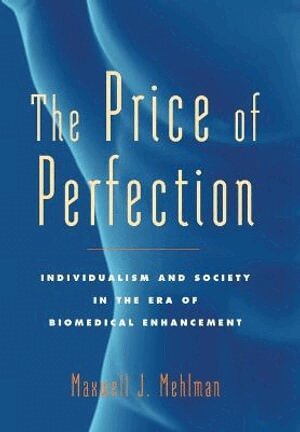
Few would question the necessity of artificial limbs for amputees. But what of surgery to lengthen the legs of children who are merely shorter than average? Hardly anyone would challenge the decision to prescribe Aricept to people with dementia. But is it acceptable to give the same medication to airline pilots seeking sharper mental focus on long-haul flights? Humans have engaged in biological self-improvement since long before recorded history, from the impotence-curing wild lotus brew of the ancient Egyptians to the herbal energy drink favored by early Olympians. Now biomedical enhancements are pushing the boundaries of possibility and acceptability. Where do we draw the line? How do we know the true ramifications of pioneering medicine? What price are we willing to pay for perfection? Maxwell J. Mehlman's provocative examination of these issues speaks to fundamental questions of what it means to be human. He finds public officials ill-equipped to handle the ethical, scientific, and public policy quandaries of biomedical enhancement.Instead of engaging difficult questions of morality, access, fairness, and freedom, elected officials have crafted toothless and counterproductive laws and regulations. Mehlman outlines policy options to boost the societal benefits and minimize the risks from these technologies. In the process, he urges the public to face the ethical issues surrounding biomedical enhancement, lest our quest for perfection compromise our very humanity.
Inbunden, Engelska, 2010
653 kr
Skickas
This book brings together an interdisciplinary group of experts in bioethics, sports, law, and philosophy to examine the need for regulating such athletic performance-enhancing technologies as steroids and gene doping. The use of performance-improving drugs in sports dates back to the early Olympians, who took an herbal tonic before competitions to augment athletic prowess. But the permissibility of doing so came into question only in the twentieth century as the popularity of anabolic steroid use and blood doping among athletes grew. Sports officials and others-aided by the development of technologies to test participants for proscribed substances-became concerned over the physical safety of athletes and competitive fairness in sporting events.In exploring the culture, ethics, and policy issues surrounding doping in competitive athletics, the contributors to this volume detail the history and current state of drug use in sports, analyze the distinctions between acceptable and unacceptable usages, evaluate the ethical arguments for and against permitting athletes to avail themselves of new means of improving athleticism, and discuss possible future doping technologies and the issues that they are likely to raise. They explain how and why some athletes resort to doping and assess what the fair opportunity principle means in theory and practice and how it relates to the concept of an equal opportunity to perform. This frank discussion of doping in sports includes accounts by former elite athletes and offers an illuminating exchange over the meaning and value of natural talents and genetic hierarchies and the essence of fair competition.
Inbunden, Engelska, 2012
515 kr
Skickas inom 5-8 vardagar
Transhumanists advocate for the development and distribution of technologies that will enhance human intellectual, physical, and psychological capacities, even eliminate aging. What if the dystopian futures and transhumanist utopias found in the pages of science journals, Margaret Atwood novels, films like "Gattaca", and television shows like "Dark Angel" are realized? What kind of world would humans have created? Maxwell J. Mehlman considers the promises and perils of using genetic engineering in an effort to direct the future course of human evolution. He addresses scientific and ethical issues without choosing sides in the dispute between transhumanists and their challengers. However, "Transhumanist Dreams and Dystopian Nightmares" reveals that radical forms of genetic engineering could become a reality much sooner than many people think, and that we need to encourage risk management efforts. Whether scientists are dubious or optimistic about the prospects for directed evolution, they tend to agree on two things.First, however long it takes to perfect the necessary technology, it is inevitable that humans will attempt to control their evolutionary future, and second, in the process of learning how to direct evolution, we are bound to make mistakes. Our responsibility is to learn how to balance innovation with caution.
Häftad, Engelska, 2013
452 kr
Skickas inom 5-8 vardagar
This volume initiates a much-needed conversation about the ethical and policy concerns facing health care providers in the rural United States. Although 21 percent of the population lives in rural areas, only 11 percent of physicians practice there. What challenges do health care workers face in remote locations? What are the differences between rural and urban health care practices? What particular ethical issues arise in treating residents of small communities? Craig M. Klugman and Pamela M. Dalinis gather philosophers, lawyers, physicians, nurses, and researchers to discuss these and other questions, offering a multidisciplinary overview of rural health care in the United States. Rural practitioners often practice within small, tight-knit communities, socializing with their patients outside the examination room. The residents are more likely to have limited finances and to lack health insurance. Physicians may have insufficient resources to treat their patients, who often have to travel great distances to see a doctor. The first part of the book analyzes the differences between rural and urban cultures and discusses the difficulties in treating patients in rural settings.The second part features the personal narratives of rural health care providers, who share their experiences and insights. The last part introduces unique ethical challenges facing rural health care providers and proposes innovative solutions to those problems.
Inbunden, Engelska, 2003
537 kr
Tillfälligt slut
In the clinical setting, questions of medical ethics raise a host of perplexing problems, often complicated by conflicting perspectives and the need to make immediate decisions. In this volume, bioethicists and physicians provide a nuanced, in-depth approach to the difficult issues involved in bioethics consultation. Addressing the needs of researchers, clinicians, and other health professionals on the front lines of bioethics practice, the contributors focus primarily on practical concerns-whether ethics consultation is best done by individuals, teams, or committees; how an ethics consult service should be structured; the need for institutional support; and techniques and programs for educating and training staff-without neglecting more theoretical considerations, such as the importance of character or the viability of organizational ethics.
Häftad, Engelska, 2003
295 kr
Tillfälligt slut
The Human Genome Project, discoveries in molecular biology and new reproductive technologies have advanced our understanding of how genetic science may be used to treat persons with genetic disorders. Greater knowledge may also make possible genetic interventions to "enhance" normal human characteristics, such as height, hair or eye colour, strength, or memory, as well as the transmittal of such modifications to future generations. The prospect of inheritable genetic modifications, or IGMs, whether for therapeutic or enhancement purposes, raises complex scientific, ethical and regulatory issues. This volume presents 20 essays by physicians, scientists, philosophers, theologians, lawyers and policy analysts addressing these issues from diverse perspectives. In three sections, the authors discuss the short- and long-term scientific feasibility of IGM technology; ethical and religious issues related to safety, justice, morality, reproductive rights, and enhancement; and regulatory issues including the necessity of public input and oversight and the influence of commercialization.Their goal is to open a dialogue engaging not only scholars and scientists but also government officials and concerned citizens. The authors conclude that while IGM cannot be carried out safely and responsibly on humans utilizing current methods, it is important to begin public discussion now to determine whether, and if so how, to proceed.
Inbunden, Engelska, 2005
571 kr
Tillfälligt slut
Genetic Ties and the Family brings together experts in history, law, ethics, philosophy, psychology, social work, and sociology to explore the tension between biological and social conceptions of parentage. The contributors consider the effect of DNA-based paternity testing on family relationships and discuss the ethical, legal, and social implications. These essays reflect the changing concepts of parenthood, along with social factors that heighten conflict, such as single-parent adoption, gay and lesbian parents, child support laws, and new reproductive technologies. Building on scholarship of the last quarter century-including the latest developments in law and social science research-this volume will inform the development of legislation regulating genetic testing and the use of test results in establishing parental rights. Contributors: Lori B. Andrews, J.D., Chicago-Kent College of Law; Elizabeth Bartholet, J.D., Harvard Law School; Jeffrey Blustein, Ph.D., Albert Einstein College of Medicine; Nancy E. Dowd, J.D., Levin College of Law, University of Florida; Michael Grossberg, Ph.D., Indiana University; Dorothy Nelkin, B.A., New York University; Jeffrey Parness, J.D.,North Illinois University College of Law; Dianne Scott-Jones, Ph.D., Boston College; Daniel Wulff, Ph.D., Raymond A. Kent School of Social Work, University of Louisville.
Inbunden, Engelska, 2006
489 kr
Tillfälligt slut
In this riveting and timely work, John P. Lizza presents the first comprehensive analysis of personhood and humanity in the context of defining death. Rejecting the common assumption that human or personal death is simply a biological phenomenon for biologists or physicians to define, Lizza argues that the definition of death is also a matter for metaphysical reflection, moral choice, and cultural acceptance. Lizza maintains that defining death remains problematic because basic ontological, ethical, and cultural issues have never been adequately addressed. Advances in life-sustaining technology and organ transplantation have led to revision of the legal definition of death. It is generally accepted that death occurs when all functions of the brain have ceased. However, legal and clinical cases involving postmortem pregnancy, individuals in permanent vegetative state, those with anencephaly, and those with severe dementia challenge the neurological criteria. Is "brain death" really death? Should the neurological criteria be expanded to include individuals in permanent vegetative state, with anencephaly, and those with severe dementia?What metaphysical, ethical, and cultural considerations are relevant to answering such questions? Although Lizza accepts a pluralistic approach to the legal definition of death, he proposes a nonreductive, substantive view in which persons are understood as "constituted by" human organisms. This view, he argues, provides the best account of human nature as biological, moral, and cultural and supports a consciousness-related formulation of death. Through an analysis of legal and clinical cases and a discussion of alternative concepts of personhood, Lizza casts greater light on the underlying themes of a complex debate.
Inbunden, Engelska, 2006
416 kr
Tillfälligt slut
Much has been written about medicine and the market in recent years. This book is the first to include an assessment of market influence in both developed and developing countries, and among the very few that have tried to evaluate the actual health and economic impact of market theory and practices in a wide range of national settings. Tracing the path that market practices have taken from Adam Smith in the eighteenth century into twenty-first-century health care, Daniel Callahan and Angela A. Wasunna add a fresh dimension: they compare the different approaches taken in the market debate by health care economists, conservative market advocates, and liberal supporters of single-payer or government-regulated systems. In addition to laying out the market-versus-government struggle around the world-from Canada and the United States to Western Europe, Latin America, and many African and Asian countries-they assess the leading market practices, such as competition, physician incentives, and co-payments, for their economic and health efficacy to determine whether they work as advertised.This timely and necessary book engages new dimensions of a development that has urgent consequences for the delivery of health care worldwide.
Inbunden, Engelska, 2006
383 kr
Tillfälligt slut
Neonatal intensive care has been one of the most morally controversial areas of medicine during the past thirty years. This study examines the interconnected development of four key aspects of neonatal intensive care: medical advances, ethical analysis, legal scrutiny, and econometric evaluation. The authors assert that a dramatic shift in societal attitudes toward newborns and their medical care was a stimulus for and then a result of developments in the medical care of newborns. They divide their analysis into three eras of neonatal intensive care. The first, characterized by the rapid advance of medical technology from the late 1960s to the Baby Doe case of 1982, established neonatal care as a legitimate specialty of medical care, separate from the rest of pediatrics and medicine. During this era, legal scholars and moral philosophers debated the relative importance of parental autonomy, clinical prognosis, and children's rights.The second era, beginning with the Baby Doe case (a legal battle that spurred legislation mandating that infants with debilitating birth defects be treated unless the attending physician deems efforts to prolong life "futile"), stimulated efforts to establish a consistent federal standard on neonatal care decisions and raised important moral questions concerning the meaning of "futility" and of "inhumane" treatment. In the third era, a consistent set of decision-making criteria and policies was established. These policies were the result of the synergy and harmonization of newly agreed upon ethical principles and newly discovered epidemiological characteristics of neonatal care. Tracing the field's recent history, notable advances, and considerable challenges yet to be faced, the authors present neonatal bioethics as a paradigm of complex conversation among physicians, philosophers, policy makers, judges, and legislators which has led to responsible societal oversight of a controversial medical innovation.
Inbunden, Engelska, 2009
551 kr
Tillfälligt slut
This volume initiates a much-needed conversation about the ethical and policy concerns facing health care providers in the rural United States. Although 21 percent of the population lives in rural areas, only 11 percent of physicians practice there. What challenges do health care workers face in remote locations? What are the differences between rural and urban health care practices? What particular ethical issues arise in treating residents of small communities? Craig M. Klugman and Pamela M. Dalinis gather philosophers, lawyers, physicians, nurses, and researchers to discuss these and other questions, offering a multidisciplinary overview of rural health care in the United States. Rural practitioners often practice within small, tight-knit communities, socializing with their patients outside the examination room. The residents are more likely to have limited finances and to lack health insurance. Physicians may have insufficient resources to treat their patients, who often have to travel great distances to see a doctor. The first part of the book analyzes the differences between rural and urban cultures and discusses the difficulties in treating patients in rural settings.The second part features the personal narratives of rural health care providers, who share their experiences and insights. The last part introduces unique ethical challenges facing rural health care providers and proposes innovative solutions to those problems. This volume is a useful resource for bioethicists, members of rural bioethics committees and networks, policy makers, teachers of health care providers, and rural practitioners themselves.
Häftad, Engelska, 2008
274 kr
Tillfälligt slut
Hardly a month goes by without a media report proclaiming that researchers have discovered the gene for some complex human behavior or trait-intelligence, dyslexia, shyness, homosexuality. The practical implications of genetic research can bring great good-relieving parents of self-blame for a child's schizophrenia or autism and possibly treating genetic diseases in the future. Other findings-or pernicious interpretations of them-can cause great harm, for example, by establishing flawed connections between genetics, race, and educational attainment. Wrestling with Behavioral Genetics brings together an interdisciplinary group of contributors-human geneticists, humanists, social scientists, lawyers, and journalists-to discuss the ethical and social implications of behavioral genetics research. The essays give readers the necessary tools to critically analyze the findings of behavioral geneticists, explore competing interpretations of the ethical and social implications of those findings, and engage in a productive public conversation about them.This volume provides an accessible introduction to a fascinating and controversial science and the societal and individual implications of its continuing development.
Inbunden, Engelska, 2009
551 kr
Tillfälligt slut
The United States has the first and the farthest-reaching newborn genetic screening program in the world. In recent years, individual states have expanded their newborn screening programs to include many more genetic conditions, as new medical knowledge and new testing technologies have become available. The contributors to this provocative collection study the complex ethical and policy challenges present in the changing newborn screening environment and offer guidance to professionals, policymakers, and the general public. Experts from the fields of bioethics, genetics, pediatrics, public health, health policy, law, and political science identify and analyze four social and ethical issues critical to newborn screening policy: the distribution of costs and benefits; information, consent, and privacy; consultation and decision making; and race, ethnicity, and socioeconomic status. In the process, the contributors capture the difficulties of trying to forge ethical public policy at the intersection of parental concerns, new technologies, and economic interests. Contributors: Andrea Bonnicksen, Ph.D., Northern Illinois University; Jeffrey R. Botkin, M.D., M.P.H.,University of Utah; Ned Calonge, M.D., M.P.H., Department of Public Health and Environment, Denver; Toby Citrin, J.D., University of Michigan School of Public Health; Ellen Wright Clayton, M.D., M.S., J.D., Vanderbilt University; Jannine De Mars Cody, Ph.D., University of Texas Health Science Center; Anne Marie Comeau, Ph.D., University of Massachusetts Medical School; James R. Eckman, M.D., Emory University School of Medicine; Scott D. Grosse, Ph.D., National Center on Birth Defects and Developmental Disabilities; Bruce Jennings, M.A., Yale School of Public Health; Donna E. Levin, J.D., Massachusetts Department of Public Health; Michele A. Lloyd-Puryear, M.D., Ph.D., U.S. Department of Health and Human Services; Marie Y. Mann, M.D., M.P.H., U.S. Department of Health and Human Services; Karen J. Maschke, Ph.D., The Hastings Center; Stephen M. Modell, M.D., M.S., University of Michigan School of Public Health; Virginia A. Moyer, M.D., M.P.H., Baylor College of Medicine and Texas Children's Hospital; Lainie Friedman Ross, M.D., Ph.D., University of Chicago; Joseph Telfair, Dr.P.H., M.S.W., M.P.H., University of North Carolina at Greensboro; Steven M. Teutsch, M.D., M.P.H.,Merck & Co., Inc.; Bradford L. Therrell, Ph.D., University of Texas Health Science Center; Benjamin S. Wilfond, M.D., University of Washington
Inbunden, Engelska, 2010
537 kr
Tillfälligt slut
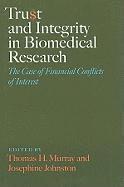
News of financial entanglements among biomedical companies and researchers has increasingly called into question the worth and integrity of medical studies, nearly three-fifths of which are funded by industry. This volume assesses the ethical, quantitative, and qualitative questions posed by the current financing of biomedical research. The ten essays collected here reflect the wide range of opinions about perceived financial conflicts of interest in medical studies. The opening section provides an overview of the issue, describing the origins of, and concerns raised by, dubious financial arrangements; explaining how certain common situations intensify problematic funding structures; weighing the risks and benefits of commercialized research funding; and detailing the nature, extent, and consequences of the present relationship among academe, government, and industry in the health sciences. The second section compares how the idea of conflicts of interest differs in biomedical research, legal work, and journalism. It includes a challenging look at the term itself and an argument for managed financial incentives.The final section describes and analyzes the existing regulatory regime, poses questions and directions for future self and external regulation, and provides perspectives from a third-party research company. This considered, balanced discussion will interest scholars of bioethics, public health, and health policy.