Kenneth E. Montague Series in Oil and Business History – serie
Visar alla böcker i serien Kenneth E. Montague Series in Oil and Business History. Handla med fri frakt och snabb leverans.
16 produkter
16 produkter
496 kr
Skickas inom 7-10 vardagar
442 kr
Skickas inom 7-10 vardagar
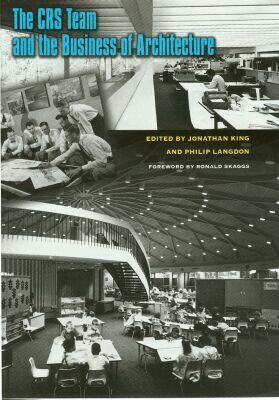
Since the end of the Second World War, few firms have influenced the practice of architecture as much as Caudill Rowlett Scott, or CRS. From its establishment in the 1940s as a three-man operation above a grocery store in College Station, Texas, CRS evolved into a world leader in programming, construction management, school design, and other dimensions of modern architectural practice. By the 1970s, CRS was a master at organizing complicated architectural undertakings and had earned a global reputation for sharing its insights with practitioners worldwide. This book about CRS will fill an important gap in architectural history. It explores the ways architects of the mid-twentieth century developed methods that allowed professionals to analyze projects systematically rather than relying on the traditional combination of information and intuition. Based on oral histories taken from many leaders and staff members of CRS, the book traces the company's development from its beginnings to its emergence as the largest architecture/engineering firm in the United States by the early 1980s and to its dismemberment in 1994. The main focus is on the period from the 1940s to CRS's merger with the South Carolina_based engineering firm Sirrine in 1983. Interspersed throughout the volume are pithy memos written by the firm's charismatic, intellectual leader, AIA Gold Medal winner Bill Caudill. The book is heavily illustrated with pictures of firm members at work and views of important CRS buildings such as the Jesse H. Jones Hall for the Performing Arts in Houston. The interviews that richly inform this book are set within a narrative that places the firm and its innovations in a broader perspective, connecting the CRS story to contemporary developments in architecture, the economy, and society.
220 kr
Skickas inom 10-15 vardagar
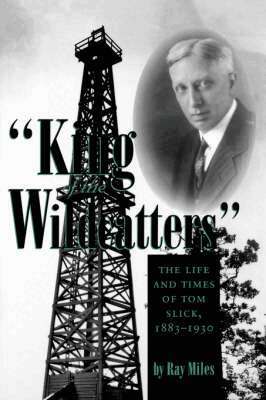
Tom Slick was a legend among the ""independents"" - those who hunted for oil the way mountain men hunted for furs. Ray Miles traces the growth of Slick's career and the modern petroleum industry, including the oil conservation movement, of which Slick was an early proponent. He examines the first generation of oilmen who sought fortunes in Oklahoma, Kansas, and Texas and looks at Slick's unique hands-on business style of brokering on street corners and eschewing stockholders and board members. In 1929, Slick sold his Oklahoma holdings in the Prairie Oil and Gas Company - the largest sale of oil properties by an individual to that date.
482 kr
Skickas inom 7-10 vardagar
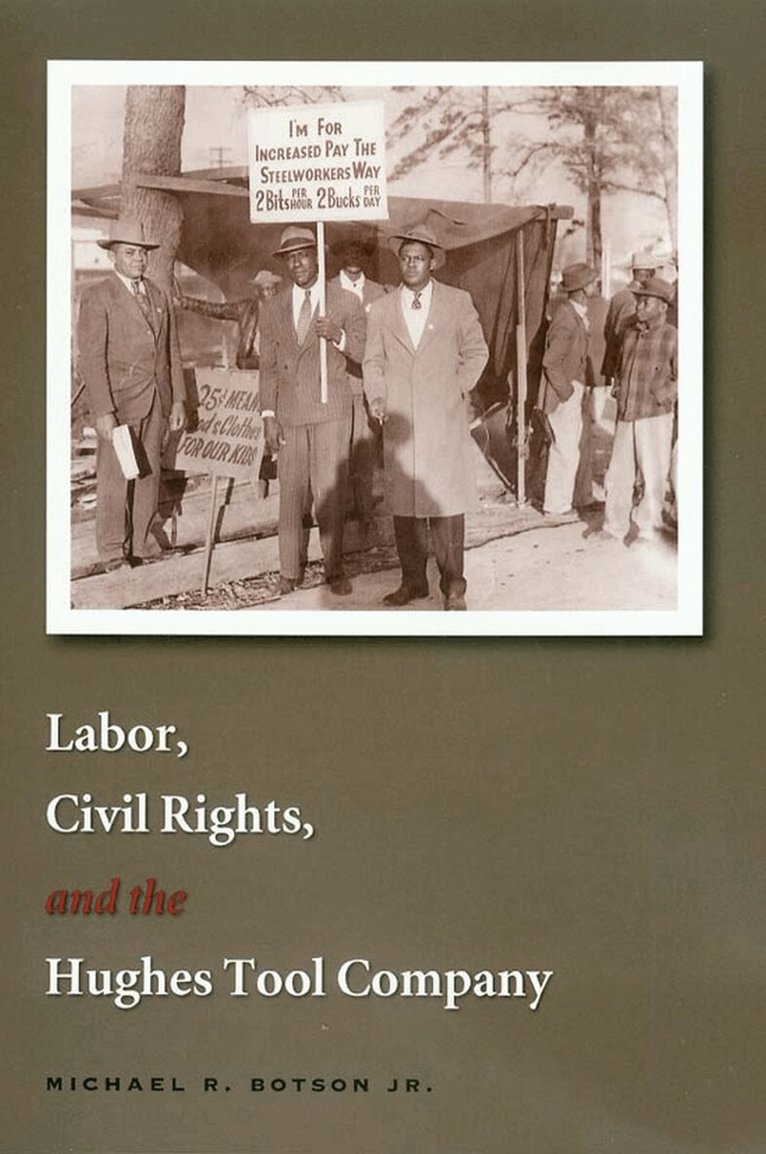
On July 12, 1964, in a momentous decision, the National Labor Relations Board decertified the racially segregated Independent Metal Workers Union as the collective bargaining agent at Houston's mammoth Hughes Tool Company. The unanimous decision ending nearly fifty years of Jim Crow unionism at the company marked the first ruling in the Labor Board's history that racial discrimination by a union violated the National Labor Relations Act and was therefore illegal. This ruling was for black workers the equivalent of the Brown v. Board of Education decision by the Supreme Court in the area of education. Botson traces the Jim Crow unionism of the company and the efforts of black union activists to bring civil rights issues into the workplace. His analysis clearly demonstrates that without federal intervention, workers at Hughes Tool would never have been able to overcome management's opposition to unionization and to racial equality. Drawing on interviews with many of the principals, as well as extensive mining of company and legal archives, Botson's study ""captures a moment in time when a segment of Houston's working-class seized the initiative and won economic and racial justice in their work place.
Texas Railroad Commission
Understanding Regulation in America to the Mid-Twentieth Century
Inbunden, Engelska, 2005
387 kr
Skickas inom 7-10 vardagar
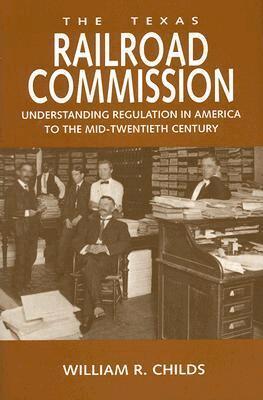
Before OPEC took center stage, one state agency in Texas was widely believed to set oil prices for the world. The Texas Railroad Commission (TRC) evolved from its founding in 1891 to a multi-divisional regulatory commission that oversaw not only railroads but also a number of other industries central to the modern American economy: petroleum production, natural gas utilities, and motor carriers. William R. Childs's unprecedented study of the TRC from its founding until the mid-twentieth century focuses on the interplay between business and regulators, between state and national regulatory commissions, and among the three branches of government through a process of ""pragmatic federalism."" Childs demonstrates that the myth of TRC's power was devised by the agency itself as part of building a civil religion of Texas oil. Together, the myth and the civil religion enabled the TRC to convince Texas oil operators to follow production controls and thus stabilized the American oil industry by the 1940s. The result of this fascinating study is a more nuanced understanding of regulation in a federal system, the forces shaping it, and its outcomes.
241 kr
Skickas inom 10-15 vardagar
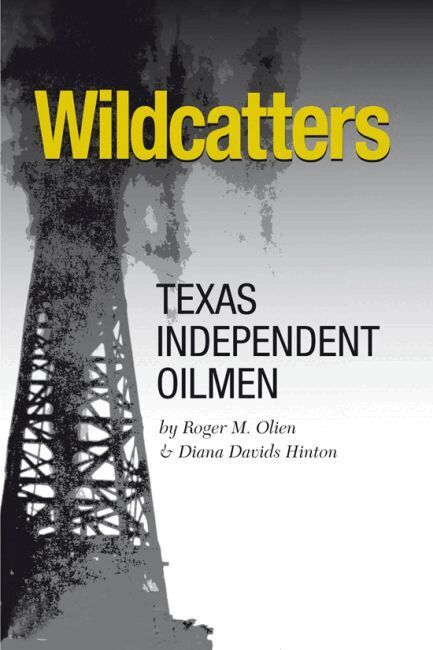
In the 1970s and 1980s, the Texas wildcatter was a recognizable figure in popular culture. Since then, the wildcatter's role is less celebrated but still important, as shown in the new introduction to this edition of a book originally published in 1984 by Texas Monthly Press. Drawing heavily on oral histories, this book tells the story of the West Texas independents as a group, looking at their business strategies in the context of their national, regional, and local conditions. The focus is on the Permian Basin and southeastern New Mexico over the sixty-year period in which the region rose to prominence on the American oil scene, producing about one-fifth of the nation's output. It is a story that covers vast technological change, governmental regulation, and economic fluctuation with profound implications for the oil and gas community. The new introduction brings the story up-to-date by addressing not only the subsequent careers of the wildcatters described in the book but also the role of independents in the current economy.
263 kr
Skickas inom 10-15 vardagar
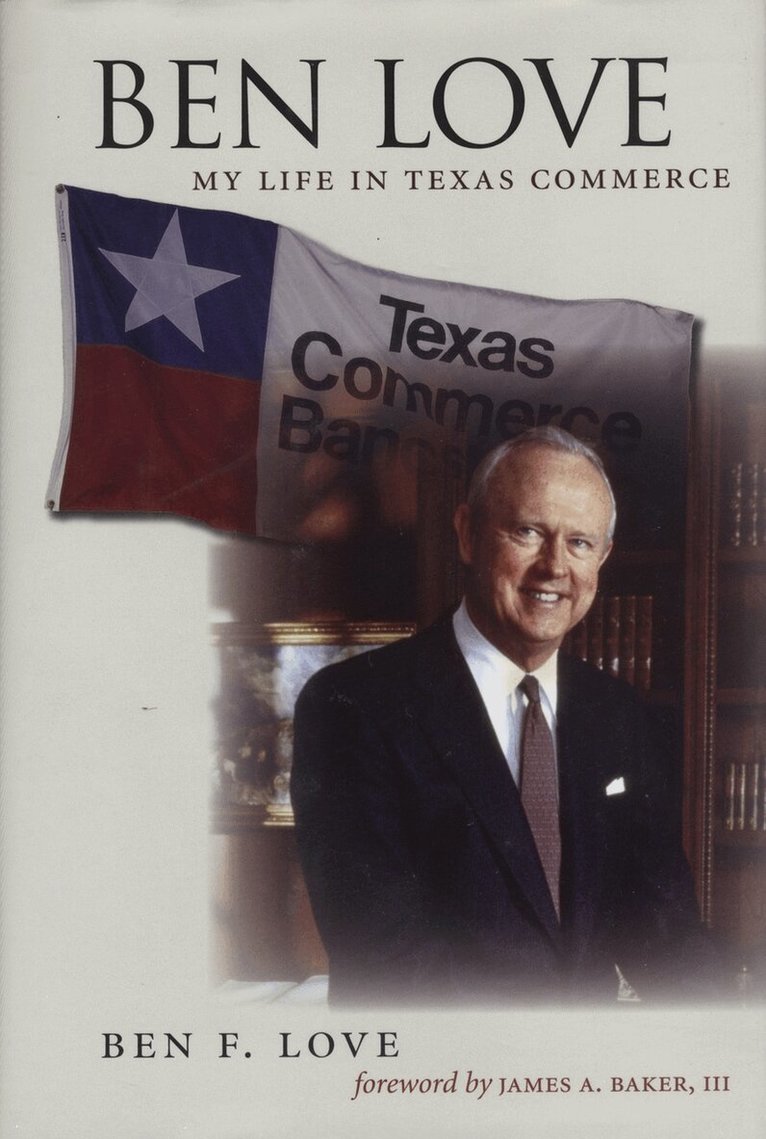
In a city known for its powerful business leaders, Ben Love towered as one of the most influential. Under his competent management as CEO of Texas Commerce Bancshares in the 1980s, TCB was the only ""Big Five"" Texas bank to survive that decade's collapse of the Texas banking industry. Love's story provides an insightful perspective on the evolution of Texas banks after World War II, their decline, and their subsequent recovery. It also offers a glimpse into the kind of character that creates men of power.
283 kr
Skickas inom 10-15 vardagar
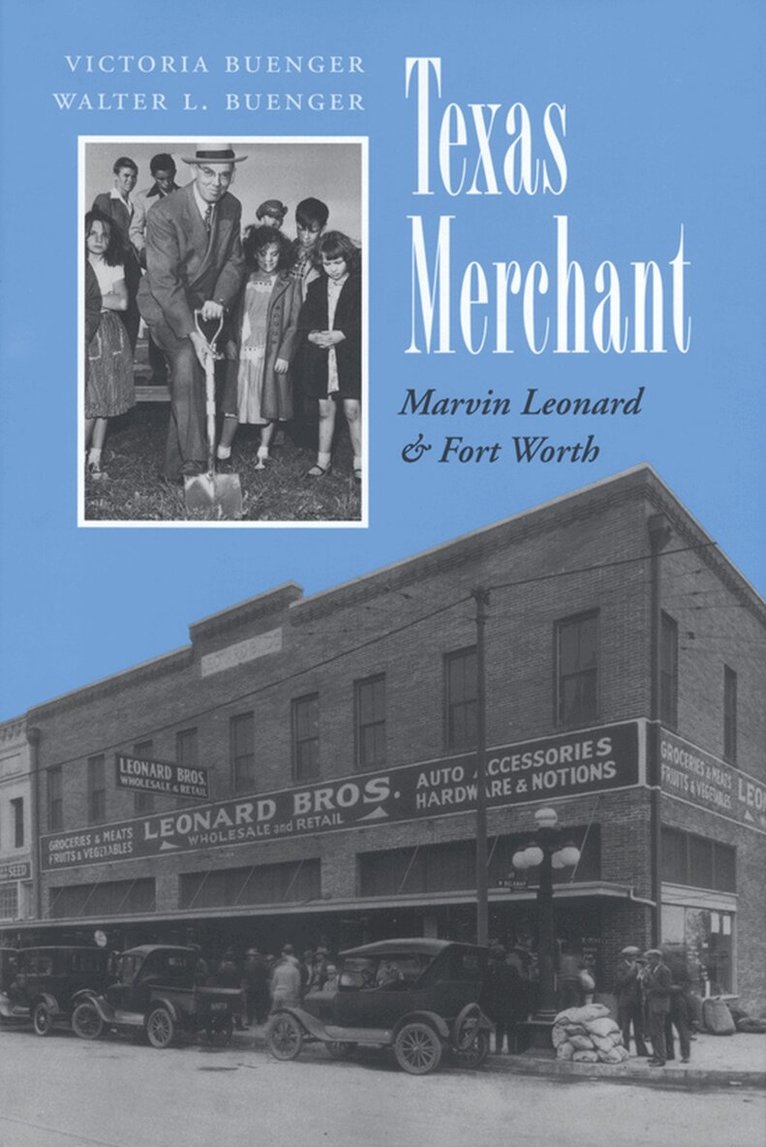
Few department stores symbolized the aspirations of a community or represented the identity of its citizens in a stronger or more enduring way than Leonards in Fort Worth, Texas. For over fifty years, Marvin Leonard, the store's founder, and his brother Obie ran a store that was always a unique place to shop. Customers also found a stunning array of goods - fur coats and canned tuna, pianos and tractors - and an environment that combined the spectacular with the familiar.But the story of Leonards goes beyond the store and the man who made it. For Marvin Leonard, downtown Fort Worth and Leonards were always intertwined. In the earliest years, Fort Worth's working families and rural West Texans shopped Leonards not only for bargains, but also because it was Fort Worth's place to meet and greet. Later, downtown's appeal slipped as rival suburban shopping areas grew, but Marvin Leonard refused to expand beyond one store and never left downtown.Leonards gave Fort Worth a special identity, a distinctiveness, and an attraction to the city's center. When Tandy bought Leonards and later sold it to Dillard's, Fort Worth's image and character changed.
288 kr
Skickas inom 10-15 vardagar
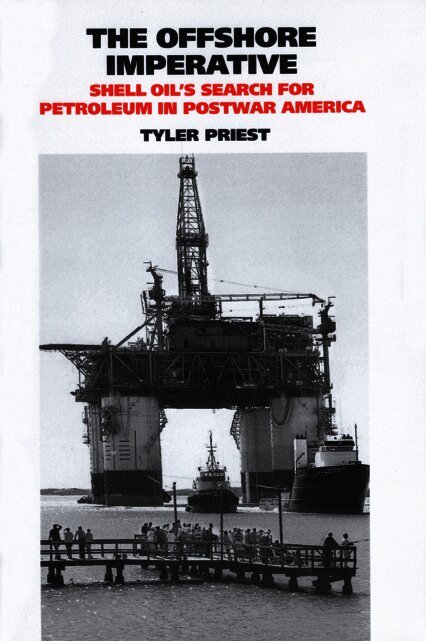
After World War II, the discovery and production of onshore oil in the United States faced decline. As a result, offshore prospects in the Gulf of Mexico took on new strategic value. Shell Oil Company pioneered many of the early moves offshore and continues to lead the way into “deepwater.”Tyler Priest’s study is the first time the modern history of Shell Oil has been told in any detail. Drawing on interviews with Shell retirees and many other sources, Priest relates how the imagination, talent, and hard work of personnel at all levels shaped the evolution of the company. The narrative also covers important aspects of Shell Oil’s corporate evolution, but the company’s pioneering steps into the deepwater fields of the Gulf of Mexico are its signature achievement. Priest’s study demonstrates that engineers did not suddenly create methods for finding and producing oil and gas from astounding water depths. Rather, they built on a half-century of accumulated knowledge and improvements to technical systems.Shell Oil’s story is unique, but it also illuminates the modern history of the petroleum industry. As Priest demonstrates, this company’s experiences offer a starting point for examining the understudied topics of strategic decision-making, scientific research, management of technology, and corporate organization and culture within modern oil companies, as well as how these activities applied to offshore development.
214 kr
Skickas inom 10-15 vardagar
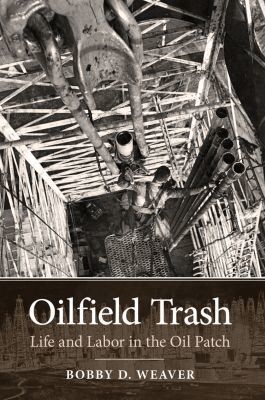
When the first gusher blew in at Spindletop, near Beaumont, Texas, in 1901, petroleum began to supplant cotton and cattle as the economic engine of the state and region. Very soon, much of the workforce migrated from the cotton field to the oilfield, following the lure of the wealth being created by black gold.The early decades of the twentieth century witnessed the development of an oilfield culture, as these workers defined and solidified their position within the region’s social fabric. Over time, the work force grew more professionalized, and technological change attracted a different type of labourer.Bobby D. Weaver grew up and worked in the oil patch. Now, drawing on oral histories supplemented and confirmed by other research, he tells the colourful stories of the workers who actually brought oil wealth to Texas. Drillers, shooters, toolies, pipeliners, teamsters, roustabouts, tank builders, roughnecks . . . each of them played a role in the frenzied, hard-driving lifestyle of the boomtowns that sprouted overnight in association with each major oil discovery.Weaver tracks the differences between company workers and contract workers. He details the work itself and the ethos that surrounds it. He highlights the similarities and differences from one field to another and traces changing aspects of the work over time. Above all, Oilfield Trash captures the unique voices of the labouring people who worked long, hard hours, often risking life and limb to keep the drilling rigs “turning to the right”.
371 kr
Skickas inom 7-10 vardagar
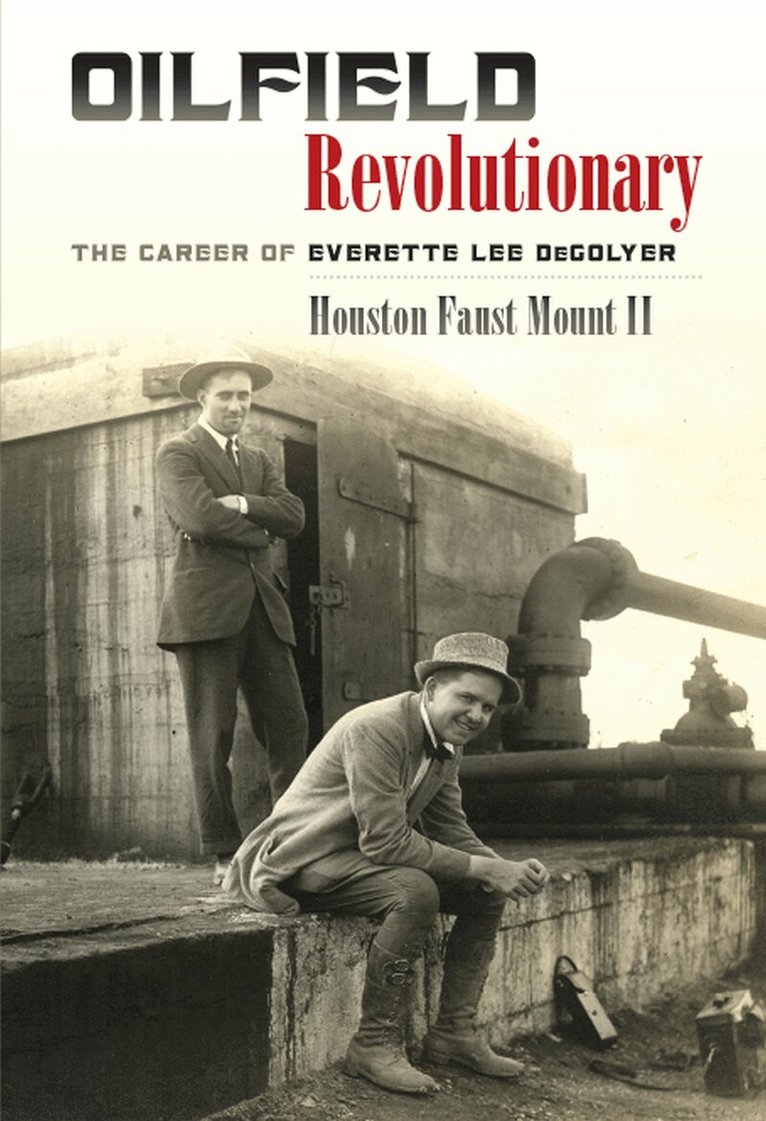
Everette Lee DeGolyer wore many hats—and he wore them with distinction. Though not a geophysicist, he helped make geophysics central to oil exploration. Though not a politician, he played an important role in the national politics of energy. Though trained as a geologist, he became an important business executive. DeGolyer left his stamp on oil exploration and his name on a number of philanthropic institutions, including the DeGolyer Library at Southern Methodist University.This account of DeGolyer’s life, at once readable and yet authoritative, covers the period from his training with the United States Geological Survey in the American West, to his geological exploration of Mexico during the Revolution of the 1910s, his pioneering investment in geophysical prospecting technologies, and his work on behalf of the United States government in World War II, including a ground-breaking secret mission to the Middle East. Houston Mount develops his account of the career of Everette Lee DeGolyer in a way that provides a useful lens through which to examine the rising fortunes of earth scientists in the oil industry and in government—a process for which DeGolyer’s spectacular career was both an exemplar and a catalyst.
387 kr
Skickas inom 7-10 vardagar
For seven decades the General Electric Company maintained its manufacturing and administrative headquarters in Schenectady, New York. Electric City: General Electric in Schenectady explores the history of General Electric in Schenectady from the company’s creation in 1892 to the present. As one of America’s largest and most successful corporations, GE built a culture centered around the social good of technology and the virtues of the people who produced it. At its core, GE culture posited that engineers, scientists, and craftsmen engaged in a team effort to produce technologically advanced material goods that served society and led to corporate profits. Scientists were discoverers, engineers were designers and problem solvers, and craftsmen were artists.Historian Julia Kirk Blackwelder has drawn on company records as well as other archival and secondary sources and personal interviews to produce an engaging and multi-layered history of General Electric’s workplace culture and its planned (and actual) effects on community life. Her research demonstrates how business and community histories intersect, and this nuanced look at race, gender, and class sets a standard for corporate history.
399 kr
Skickas inom 7-10 vardagar
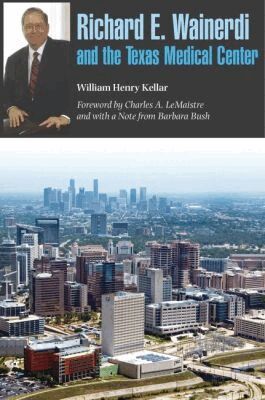
In 2012, Richard E. Wainerdi retired as president and chief executive officer of the Texas Medical Center after almost three decades at the helm. During his tenure, Wainerdi oversaw the expansion of the center into the world’s largest medical complex, hosting more than fifty separate institutions. “I wasn’t playing any of the instruments, but it’s been a privilege being the conductor,” he once said to a newspaper reporter.William Henry Kellar traces Wainerdi’s remarkable life story from a bookish childhood in the Bronx to a bold move west to study petroleum engineering at the University of Oklahoma. Wainerdi went on to earn a master’s degree and a PhD from Penn State University where he immersed himself in nuclear engineering. By the late 1950s, Texas A&M University recruited Wainerdi to found the Nuclear Science Center, where he also served as professor and later associate vice president for academic affairs.In the 1980s, Wainerdi took charge of the Texas Medical Center, embarking on a “second career” that ultimately expanded the center from thirty-one institutions to fifty-three and increased its size threefold. Wainerdi pushed for and ensured a culture of collaboration and cooperation. In doing this, he developed a new nonprofit administrative model that emphasized building consensus, providing vital support services, and connecting member institutions with resources that enabled them to focus on their unique areas of expertise. At a time when Houston was widely known as the “energy capital of the world,” the city also became home to the largest medical complex in the world. Wainerdi’s success was to enable each member of the Texas Medical Center to be an integral part of something bigger and something very special in the development of modern medicine.
George P. Mitchell
Fracking, Sustainability, and an Unorthodox Quest to Save the Planet
Inbunden, Engelska, 2019
332 kr
Skickas inom 11-20 vardagar
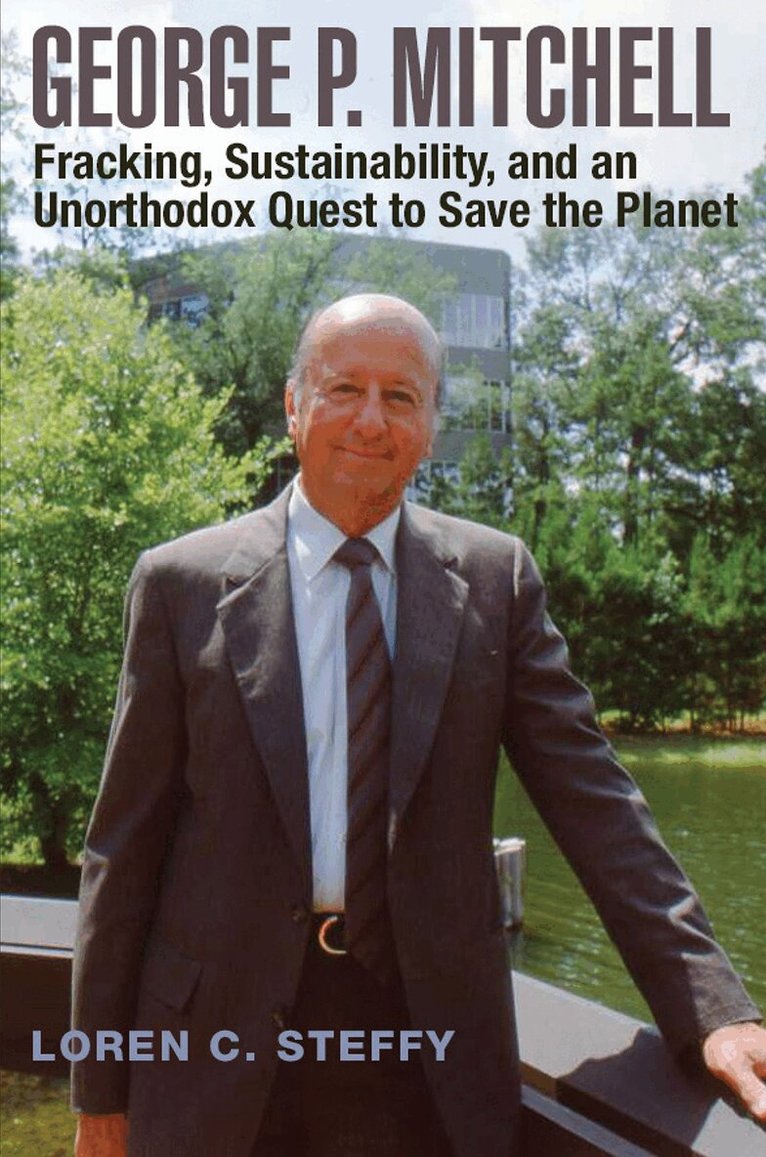
Upon George Mitchell's death in 2013, The Economist proclaimed, "Few businesspeople have done as much to change the world as George Mitchell," a billionaire Texas oilman who defied the stereotypical swagger so identified with that industry. In George P. Mitchell: Fracking, Sustainability, and an Unorthodox Quest to Save the Planet, award-winning author Loren C. Steffy offers the first definitive biography of Mitchell, placing his life and legacy in a global context, from the significance of his discoveries to the lingering controversies they inspired. Mitchell will forever be known as "the father of fracking," but he didn't invent the drilling process; he perfected it and made it profitable, one of many varied ventures he pursued for years. Long before his company ever fracked a well, he pioneered sustainable development by creating The Woodlands, near Houston, one of the first and most successful master-planned communities. Its focus on environmental protection and livability redefined the American suburb. This apparent contradiction between his energy interests and environmental pursuits, which his son Todd dubbed "the Mitchell Paradox," was just one of many that defined Mitchell's life.Anyone who puts fuel in a tank or turns on a light switch has benefited from Mitchell's efforts. This compelling biography reveals Mitchell as a modern renaissance man who sought to make the world a better, more livable place, a man whose unbounded intellectual curiosity led him to support a wide range of interests in business, science, and philanthropy.
387 kr
Skickas inom 7-10 vardagar
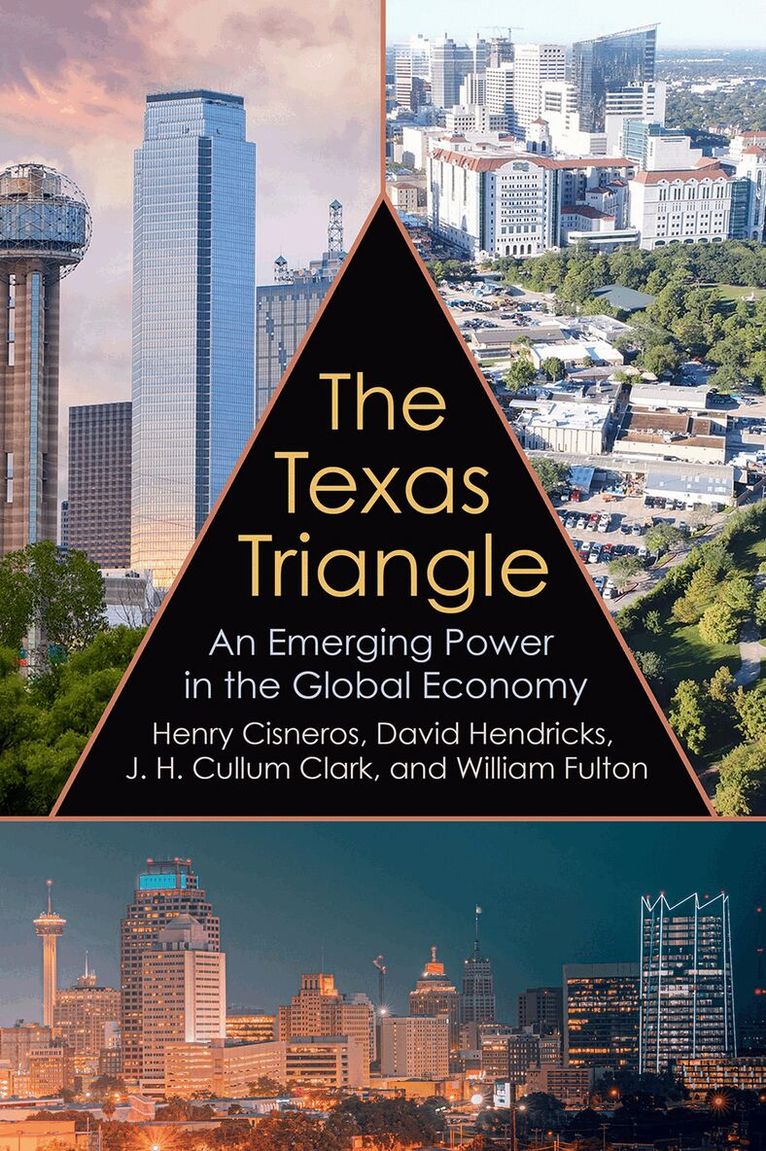
This important new study examines the intricately linked phenomena of interwoven population growth, economic power, quality education, business leadership, and fiscal significance as exemplified in the 'Texas Triangle,' a network of metropolitan complexes that are reshaping the destiny of Texas and adding a strong pinnacle in the global system of economic mega-centers.The Texas Triangle consists of three metropolitan complexes: Dallas-Fort Worth at the northern tip, Houston-Galveston at the southeastern point, and Austin-San Antonio at the southwestern edge. It consists of four US Census-designated metropolitan statistical areas and includes 35 urban counties that comprise those areas. The Texas Triangle soon will include four of the ten most populous cities in the United States. Together these metro areas represent the fifteenth largest economy in the world.The authors describe the trajectories of each of the Texas Triangle metros in which they live and work and integrate them into a larger dynamic of functioning cohesion and effective collaboration. The Texas Triangle offers community leaders, elected officials, policy makers, and others a more nuanced understanding of an important moment in America's continuing urban development. With broader perspectives for how community-building advances the public interest, this book lays important foundations for matching the path of economic prosperity to an informed sense of what is possible.
389 kr
Skickas inom 3-6 vardagar
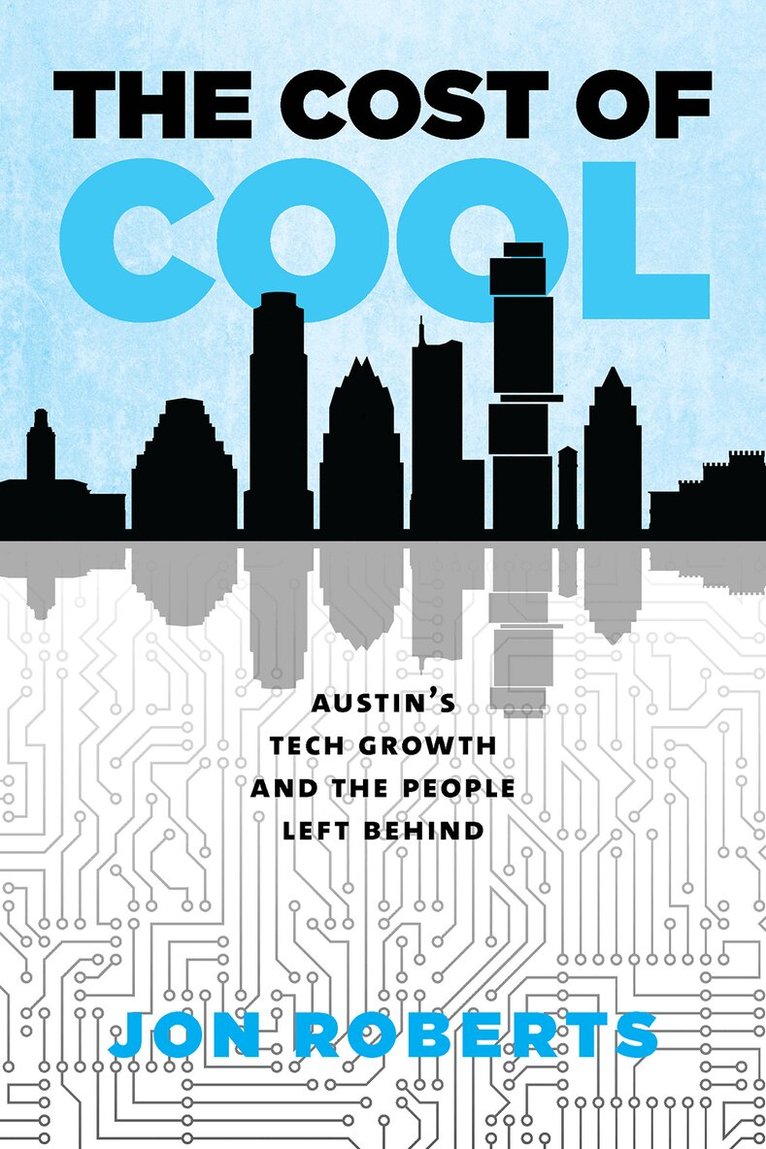
The city of Austin consistently leads lists of fastest-growing and most-desirable places to live—a simultaneous source of pride and anxiety for residents. In The Cost of Cool: Austin's Tech Growth and the People Left Behind, author Jon Roberts and his contributors investigate Austin's evolving identity and tackle a question posed repeatedly by community and business leaders nationally: How did Austin, Texas, become a global tech leader? More broadly, this book focuses on economic development and policy dilemmas faced by growing cities while maintaining both social equity and the elusive qualities of "place" that attract creative and innovative talent.Echoing themes raised by other urbanist scholars, Roberts and his collaborators do not shy away from the sometimes-unsavory aspects of tax incentives, environmental issues, cultural loss, and economic exclusion. While tackling the problems raised by unbridled growth, they also address concerns of younger workers who are increasingly prioritizing "place" over "job."Finally, and perhaps most importantly, The Cost of Cool emphasizes the centrality of vision: for growth (as Austin's population doubles every twenty years); for openness (often driven by the influence of the South by Southwest conference and Austin's music scene); and for the future of the tech industry (including the implications of forty years of commitment to semiconductors, software, and social media). The Cost of Cool informs the ongoing debate over how to foster economic growth without degrading the quality-of-life characteristics that help make it possible.