Superimpositions - Böcker
Visar alla böcker i serien Superimpositions. Handla med fri frakt och snabb leverans.
9 produkter
9 produkter
362 kr
Skickas inom 7-10 vardagar
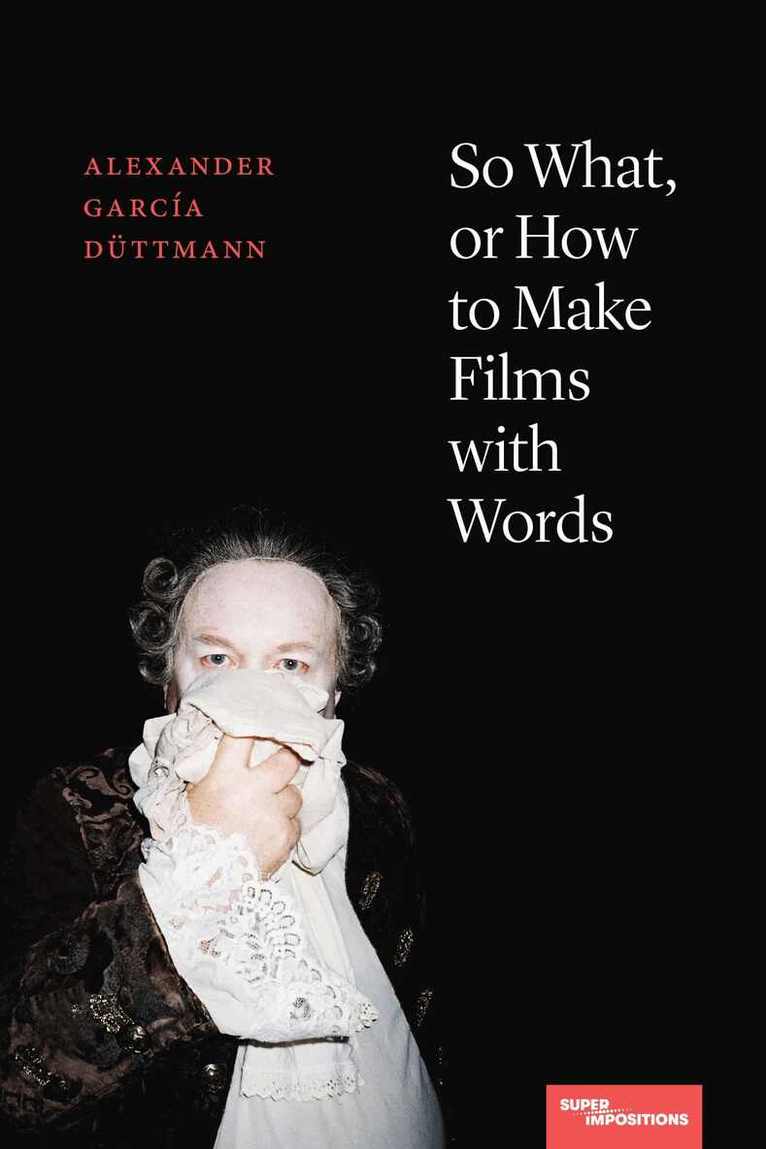
A series of philosophical meditations on the nature of aesthetics across a wide array of filmmaking stylesImages, whether filmic or not, cannot be replaced by words. Yet words can make images. This is the general thesis underlying So What, a collection of essays on canonical filmmakers like Luchino Visconti and Orson Welles; more experimental directors, such as Marguerite Duras and Albert Serra; and visual artists, including Hollis Frampton and Agnes Martin. Alexander GarcÍa DÜttmann aims to make these films as if they did not precede his text, capturing their idea and experience.If the relationship between filmic image and text is a heterogeneous one, then this heterogeneity must leave a trace. This is why the book’s chapters are organized not according to historical periods or on the basis of film theories but rather by single concepts that function like dictionary entries. The chapters adopt different forms, blurring the lines between art and philosophy. So What is a practical exercise in “making films with words,” inviting readers to draw out insights from its conceptual play.So What compiles previously untranslated and hard-to-find essays into a single volume, one that represents the absorbing and singular thought process of a major contemporary philosopher.
362 kr
Skickas inom 7-10 vardagar
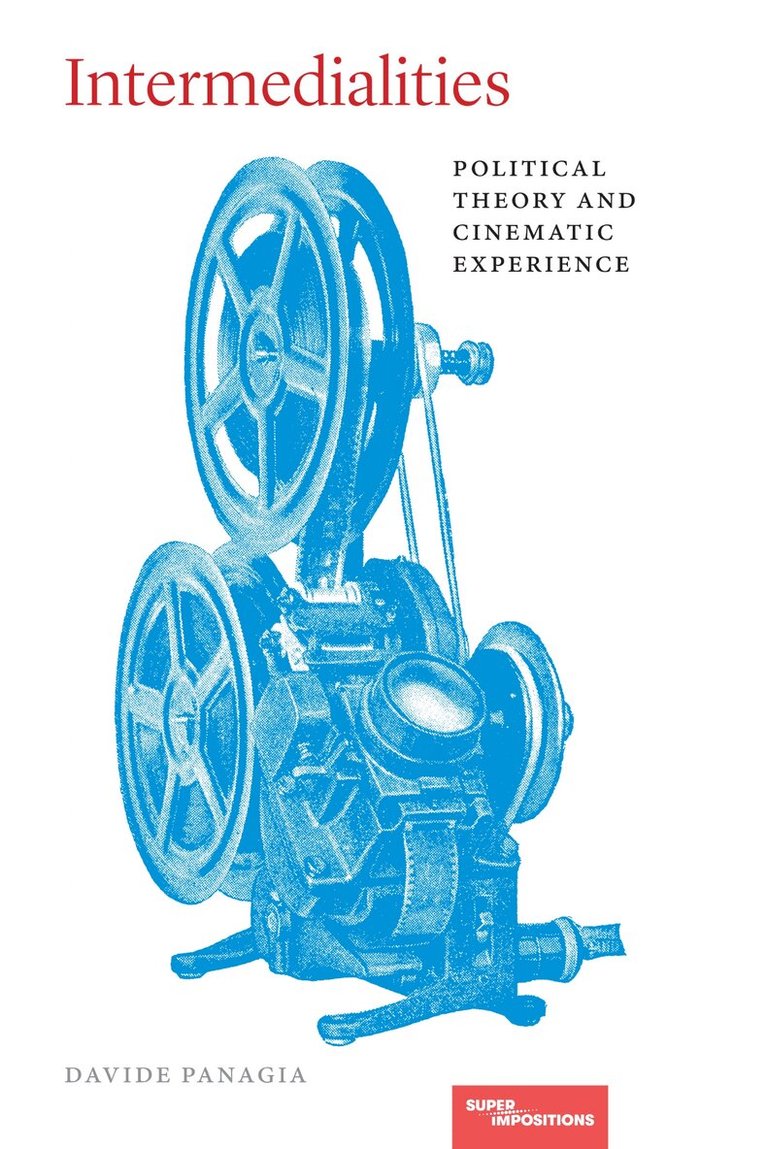
Understanding democracy through film philosophy and political theoryShining new light on our understanding of cinema’s ways of political thinking, Intermedialities: Political Theory and Cinematic Experience puts modern political theory in conversation with the philosophy of film. Davide Panagia argues that there are no natural laws of association that can guarantee a template for democratic participation, as democracy is predicated not on stabilizing foundations but rather on the formation of expansive collectivities and institutions that are responsive to alterability. Instead, democracy requires a relational ontology, one that he elucidates by turning to philosophers of film like Stanley Cavell, Gilles Deleuze, Miriam Hansen, and Jean-Luc Godard—all of whom have articulated a political aesthetic of cinematic experience that is at once aspectual and compositional. Panagia reads these thinkers alongside a counter tradition of modern political thought, represented by David Hume, Ludwig Wittgenstein, and Gilbert Simondon. His articulation of cinematic experience thus allows for a political aesthetic that is rooted in the migratory realities of undetermined relations.
416 kr
Skickas inom 7-10 vardagar
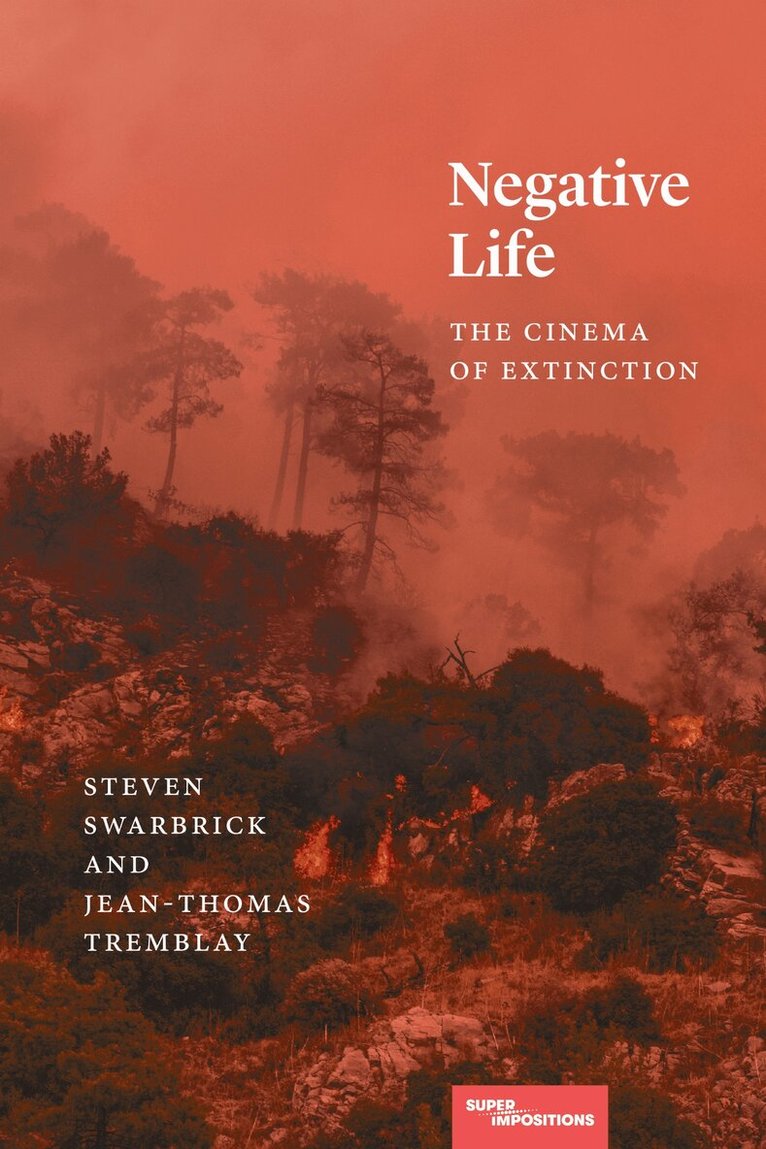
How films help us understand the inevitable death of Earth and humanityOffering a bracing theoretical corrective to ecocriticism’s emphasis on pedagogies of care and interconnection, Negative Life: The Cinema of Extinction brings cinema studies, queer theory, and psychoanalysis into novel configuration around a concept inherent to yet critical of life: negative life, a sundering of the connections between human and nonhuman relations. Engaging questions and challenges such as the nothingness of existentialism, the aversive side of sex, and the immanent exception of the drive in psychoanalysis, coauthors Steven Swarbrick and Jean-Thomas Tremblay not only counter ecocritical pieties but cut a new path for theory. They engage a unique corpus of films and philosophies that reject the pastoralism of “entanglement” or “enmeshment,” which have functioned as as an ethical and aesthetic alibi for extinction. Negative Life examines films by Julian PÖlsler, Kelly Reichardt, Lee Isaac Chung, Mahesh Matai, and Paul Schrader, which exemplify the existential contradictions that have intensified amid the sixth mass extinction; meanwhile, a set of interludes on the genre of ecohorror supplement this focus on negative life and the philosophers and theorists who express it. Each case study testifies formally and thematically to negative life as a structural condition of thought and film. Together, the titles that compose the titular cinema of extinction reveal the unlivable dimension of life and art, where form, desire, and nonbelonging tarry with the future-oriented promise of ecostudies—where all that lives connects. Negative Life militates against this promise, showing that faith in connection is a dead end.
349 kr
Skickas inom 7-10 vardagar
A philosophical exploration of how modern global cinema represents everyday means of resisting authoritarianism and totalitarianism VÁclav Havel’s concept of “living within the truth” in an authoritarian regime frames Marguerite La Caze’s readings of international cinema, highlighting forms of resistance in which seemingly pre- or nonpolitical aspects of life—such as professional labor, exile, and truth telling—can be recognized as political when seen against a backdrop of general acquiescence. La Caze’s case studies cross genres, historical eras, and national contexts: the apartheid regime in South Africa, in A Dry White Season; post-Suharto Indonesia, in The Look of Silence; 1980s East Germany, in Barbara; the Chilean military dictatorship, in No; contemporary Iran, in A Separation; and current-day Saudi Arabia, in Wadjda. This book explores the films’ use of image, sound, narrative, and character in dialogue with the work of Simone de Beauvoir, AimÉ Cesaire, Hannah Arendt, Sara Ahmed, and W. E. B. Du Bois to reveal how cinema depicts ordinary people enacting their own philosophies of defiance.
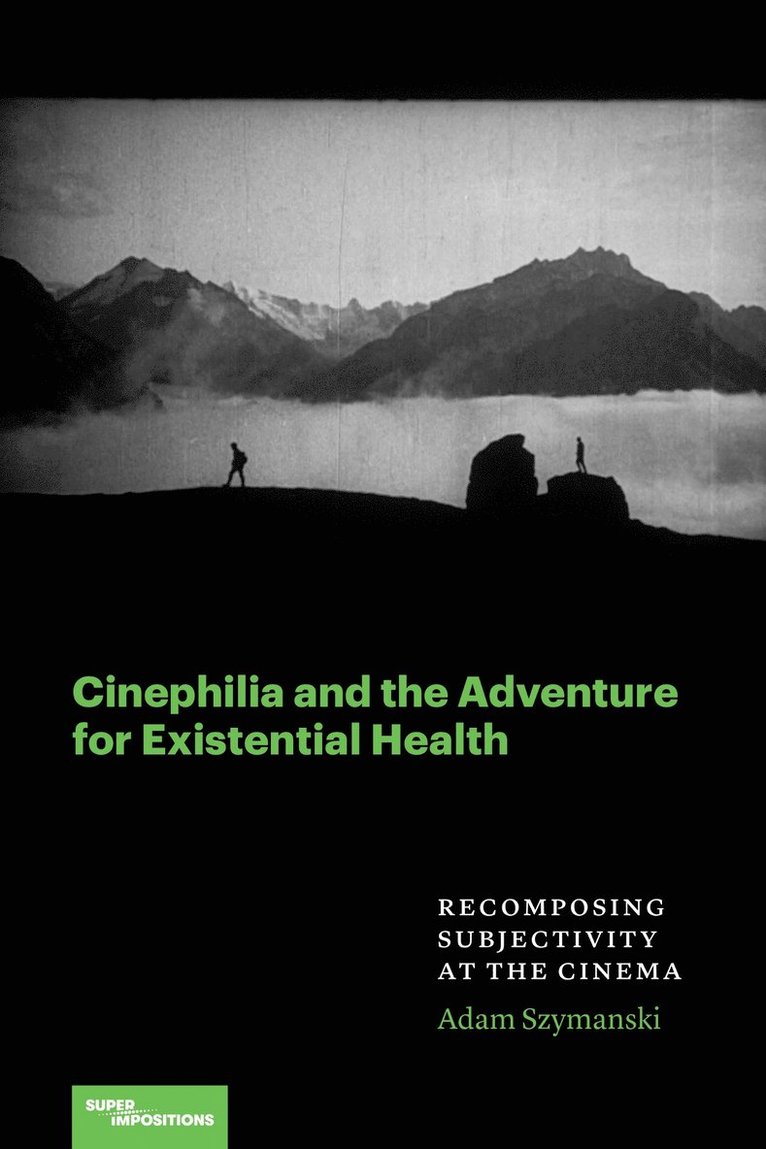
Cinephilia and the Adventure for Existential Health
Recomposing Subjectivity at the Cinema
Häftad, Engelska, 2025
399 kr
Skickas
Exploring how art cinema cultivates existential health through the films of Olivier Assayas This book proposes that cinephilia can facilitate existential health, which makes palpable the potential for subjectivity to be recomposed through meaningful encounters with cinema. Cinephilia and the Adventure for Existential Health: Recomposing Subjectivity at the Cinema draws on the ethos of psychoanalyst Fé lix Guattari and thinks with select films from director Olivier Assayas - including Clouds of Sils Maria and Personal Shopper - to theorize how the cinema can be invested with therapeutic value. Adam Szymanski engages the history of psychoanalytic film theory, excavates its long-standing concern with the production of spectatorial subjectivity, and challenges pathologizing understandings of cinema spectatorship couched in identification, fetishism, and voyeurism. By embracing the indeterminacy of the cinematic experience and the adventurous disposition of cinephilia, the book allies itself to the pursuit of collective health, challenging the logic of medical power in favor of life's indeterminate quality.
Sordid Image
The Naturalist Cinema of Arturo Ripstein and Paz Alicia Garciadiego
Häftad, Engelska, 2026
347 kr
Skickas
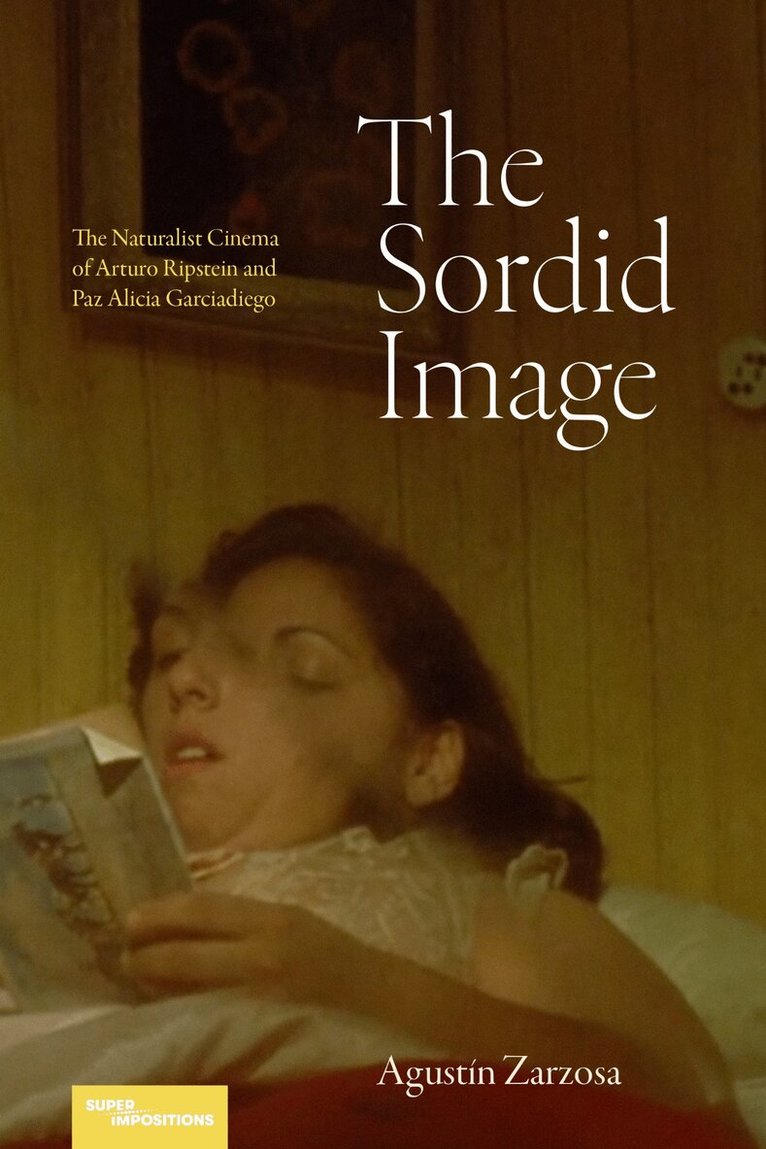
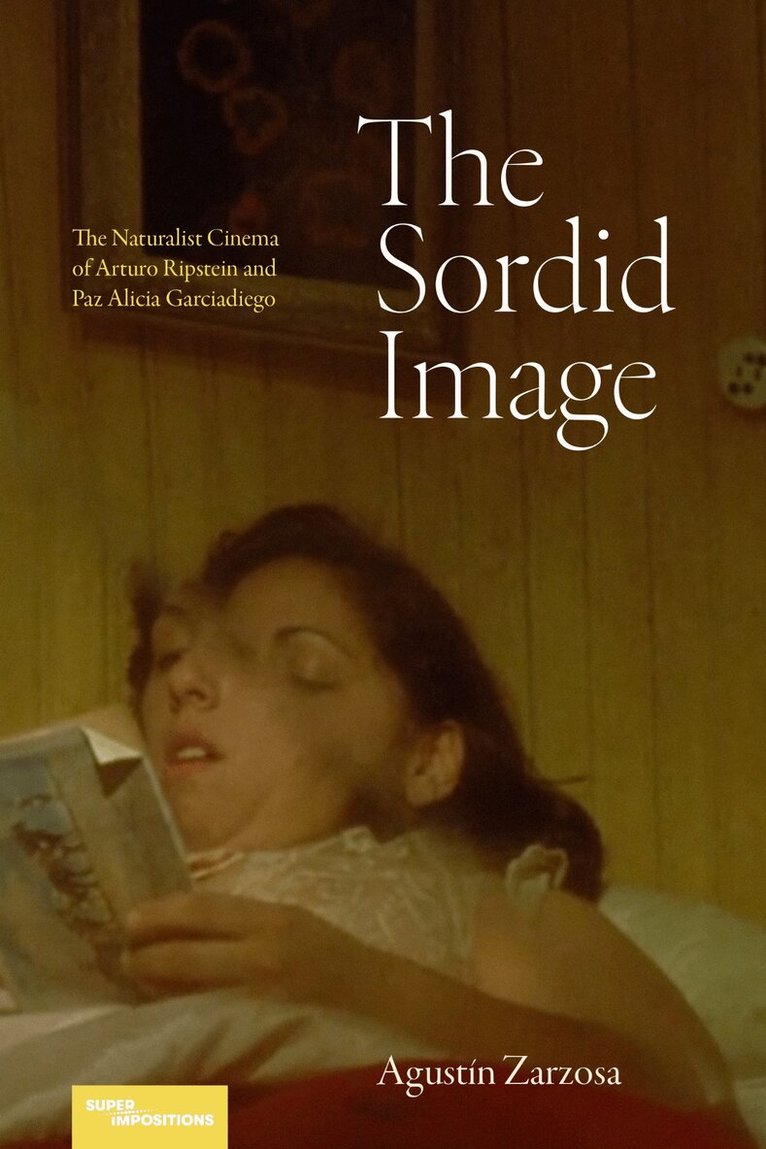
Drawing on the cinematic oeuvre of Ripstein and Garciadiego to reconceptualize the idea of the sordidThe sordid is not an ideology, an affect, or even a form of taste or sensibility. It is, Agustín Zarzosa argues, an image and an evocation of the process of degradation. The Sordid Image: The Naturalist Cinema of Arturo Ripstein and Paz Alicia Garciadiego offers the first sustained study of this pivotal filmmaker-screenwriter pair, drawing on their multidecade collaborations to reframe an enduring problem of film theory: how to represent marginalized people.Together, Ripstein and Garciadiego have constructed a recognizable cinematic world filled with social outcasts, characterized by self-degradation and unreason, and set within squalid environments. Inscribing the Ripsteinian universe within the literary and cinematic traditions of naturalism, this book theorizes the notion of the sordid to examine the partners' unique and epoch-defining films. We can, Zarzosa contends, understand the sordid as a cinematic image, with its specific components and pleasures, recasting questions of authorship, mise-en-scène, spectatorship, genre, and language.
Sordid Image
The Naturalist Cinema of Arturo Ripstein and Paz Alicia Garciadiego
Inbunden, Engelska, 2026
1 269 kr
Skickas inom 7-10 vardagar
Drawing on the cinematic oeuvre of Ripstein and Garciadiego to reconceptualize the idea of the sordidThe sordid is not an ideology, an affect, or even a form of taste or sensibility. It is, Agustín Zarzosa argues, an image and an evocation of the process of degradation. The Sordid Image: The Naturalist Cinema of Arturo Ripstein and Paz Alicia Garciadiego offers the first sustained study of this pivotal filmmaker-screenwriter pair, drawing on their multidecade collaborations to reframe an enduring problem of film theory: how to represent marginalized people.Together, Ripstein and Garciadiego have constructed a recognizable cinematic world filled with social outcasts, characterized by self-degradation and unreason, and set within squalid environments. Inscribing the Ripsteinian universe within the literary and cinematic traditions of naturalism, this book theorizes the notion of the sordid to examine the partners' unique and epoch-defining films. We can, Zarzosa contends, understand the sordid as a cinematic image, with its specific components and pleasures, recasting questions of authorship, mise-en-scène, spectatorship, genre, and language.
372 kr
Kommande
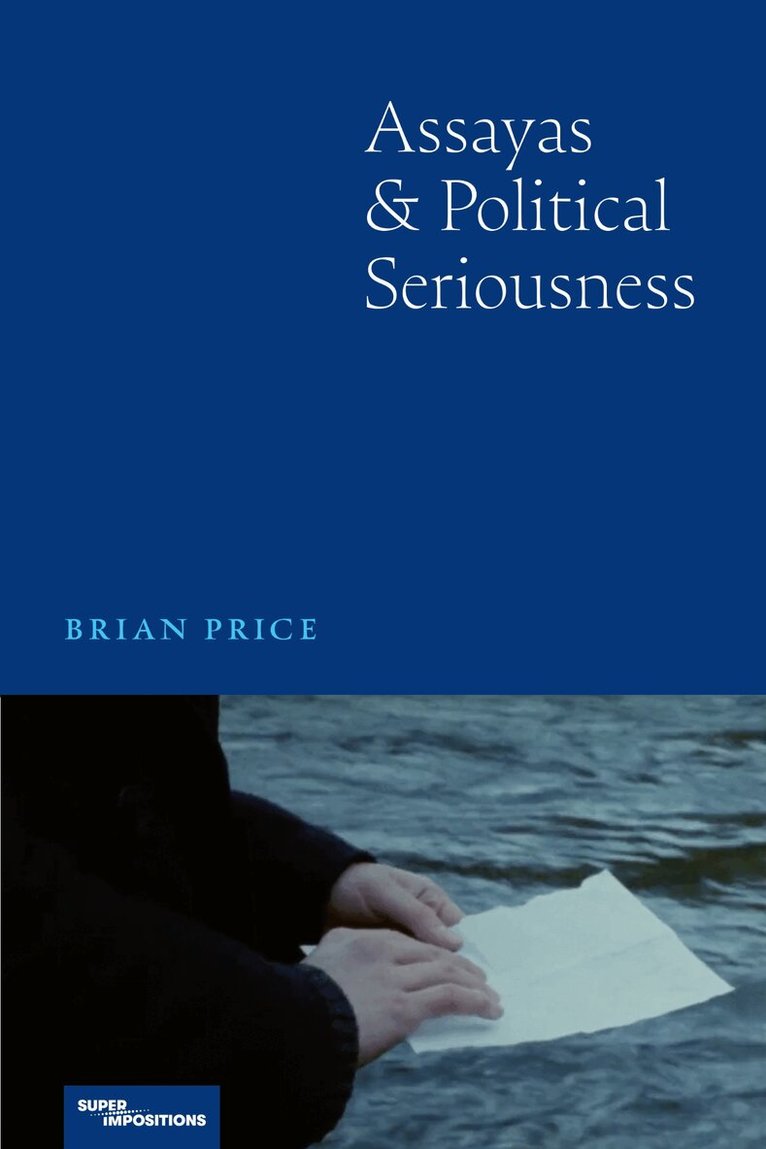
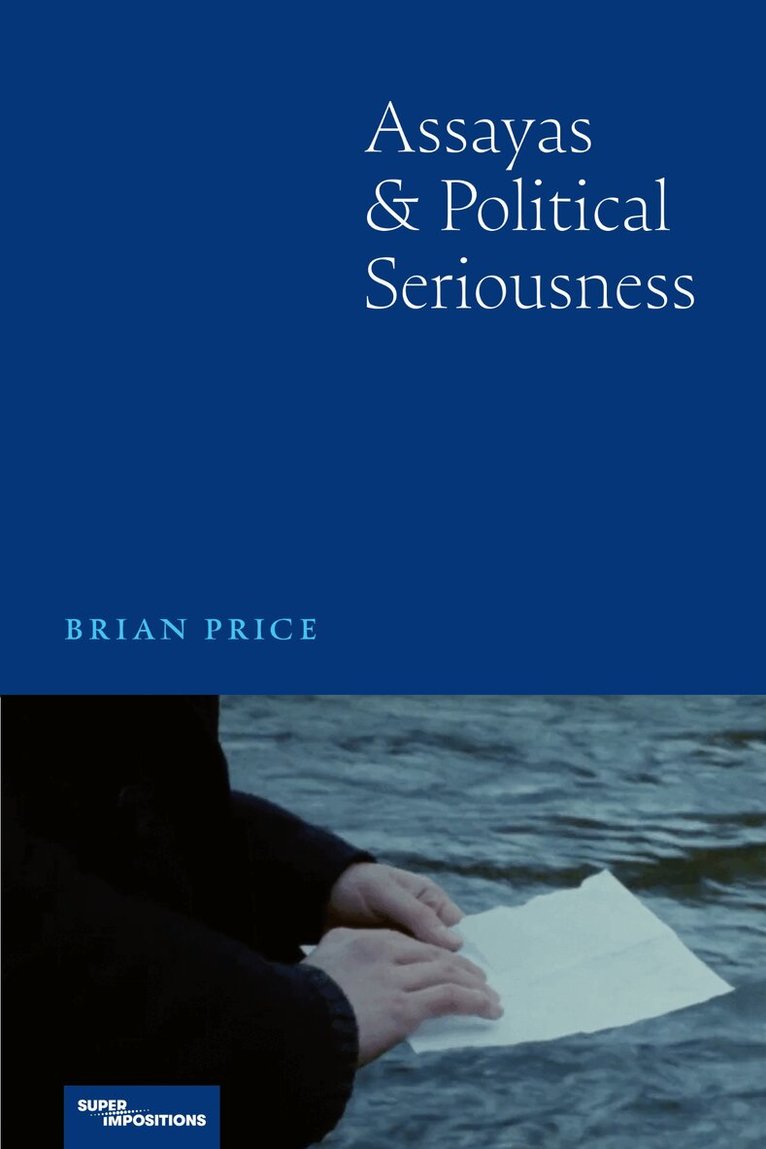
A cogent reconsideration of Assayas's cinematic oeuvre and what it teaches us about the political todayThe films of Olivier Assayas are widely celebrated for their complex responses to the many shifts that globalization has introduced in our time. Brian Price contends that they offer a different way of regarding the so-called problem of cultural and political enmeshment that Carl Schmitt and other conservative thinkers fear, including a contention that enmeshment is not a problem at all, in fact, but rather a different mode of social and political organization. Price puts Assayas's films in dialogue not only with Schmitt's theory of the political but also with the history of political philosophy after Schmitt, especially in the work of Hannah Arendt, Jacques Derrida, and Chantal Mouffe, all of whom have attempted to reckon with the friend/enemy dynamic at the core of the political.At the heart of Assayas's cinematic oeuvre, and of this book, is a reflection on what it means to be politically serious, which, Price shows, cannot be reduced to criteria that can simply be applied or repeated. The boundaries between the political and the varied forms of the social demand a sensitivity to change and the unknown, none of which can be accessed in the states of absolute certainty that are derived from crises that do not repeat in the same ways. The messiness and nuances of modern life are held together by moving images, which insist that we know why we value what we demand and seek to protect.
1 308 kr
Kommande
A cogent reconsideration of Assayas's cinematic oeuvre and what it teaches us about the political todayThe films of Olivier Assayas are widely celebrated for their complex responses to the many shifts that globalization has introduced in our time. Brian Price contends that they offer a different way of regarding the so-called problem of cultural and political enmeshment that Carl Schmitt and other conservative thinkers fear, including a contention that enmeshment is not a problem at all, in fact, but rather a different mode of social and political organization. Price puts Assayas's films in dialogue not only with Schmitt's theory of the political but also with the history of political philosophy after Schmitt, especially in the work of Hannah Arendt, Jacques Derrida, and Chantal Mouffe, all of whom have attempted to reckon with the friend/enemy dynamic at the core of the political.At the heart of Assayas's cinematic oeuvre, and of this book, is a reflection on what it means to be politically serious, which, Price shows, cannot be reduced to criteria that can simply be applied or repeated. The boundaries between the political and the varied forms of the social demand a sensitivity to change and the unknown, none of which can be accessed in the states of absolute certainty that are derived from crises that do not repeat in the same ways. The messiness and nuances of modern life are held together by moving images, which insist that we know why we value what we demand and seek to protect.